
The story
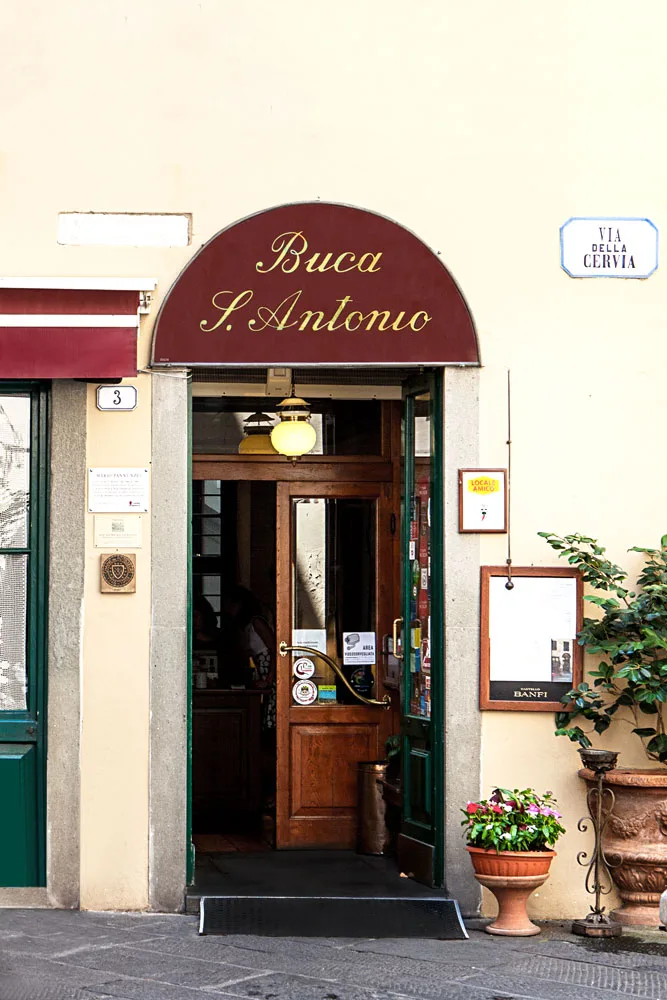
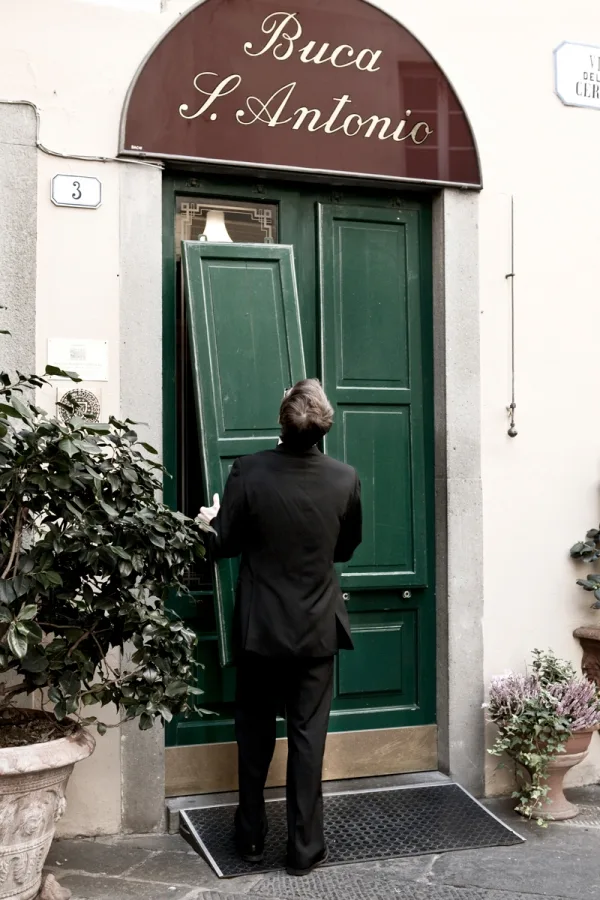
Buca di Sant'Antonio occupies a special place in the old city. The name itself is a clue – “Buca” is the ancient Tuscan word for tavern or inn. A document dated 4 April 1782, written to prohibit the sale of foreign wines, names the “Osteria a S. Antonio” as one of the establishments under watch. That same Osteria is today’s Buca. But the restaurant’s roots reach even deeper: the site once housed the Hospital of Sant’Antonio in Poggio, active from 1406 to 1610, suggesting that food and hospitality have been offered here for centuries.
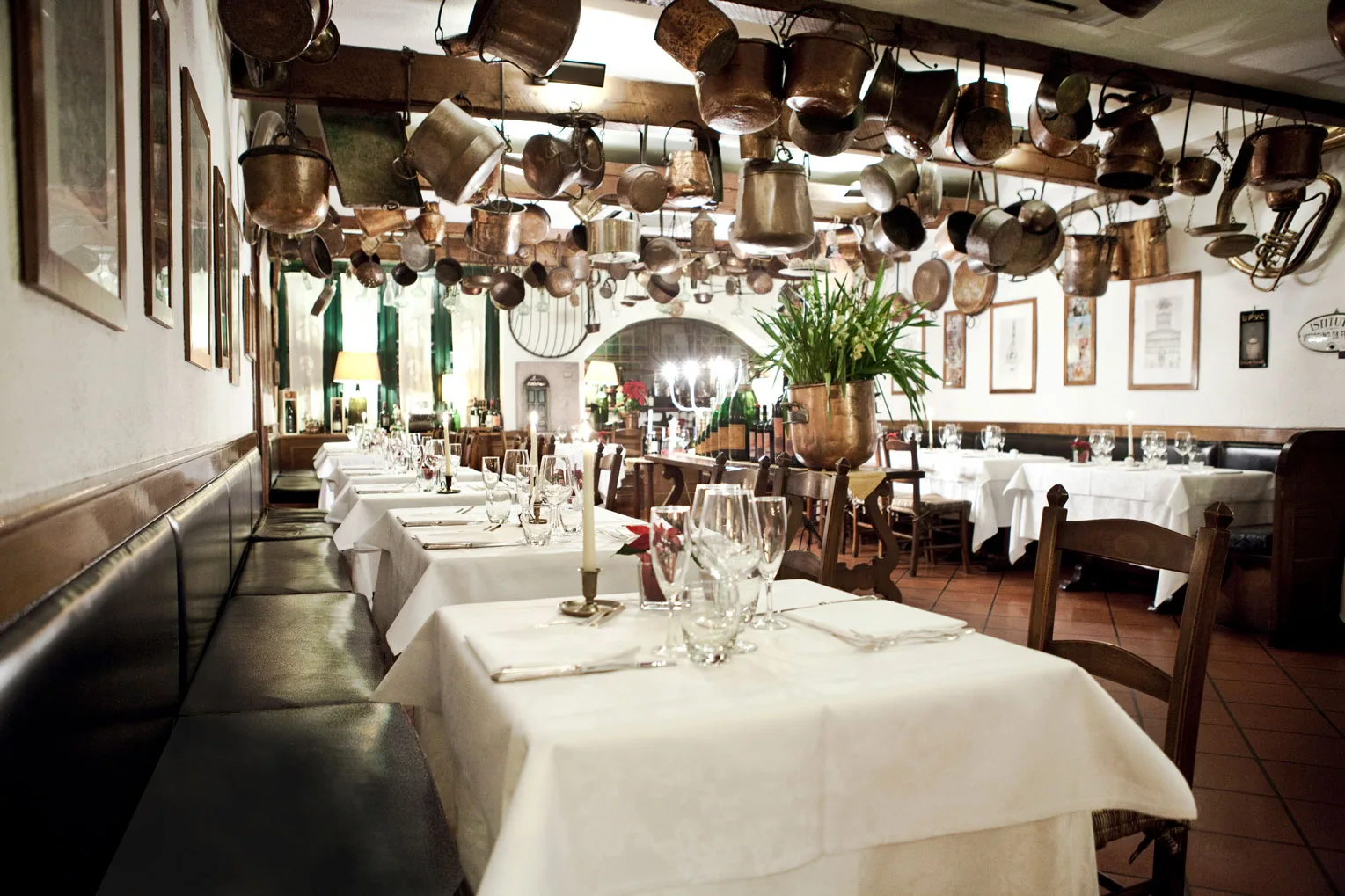
Through the 1800s, when the square served as the horse-post station, the Buca functioned not only as an inn but also as a stable and carriage house. Under the careful stewardship of Franco Barbieri and Giuliano Pacini, it has remained one of the most characterful dining rooms in Lucca – a place where the past is palpable in the stone vaults and warm, unhurried atmosphere.
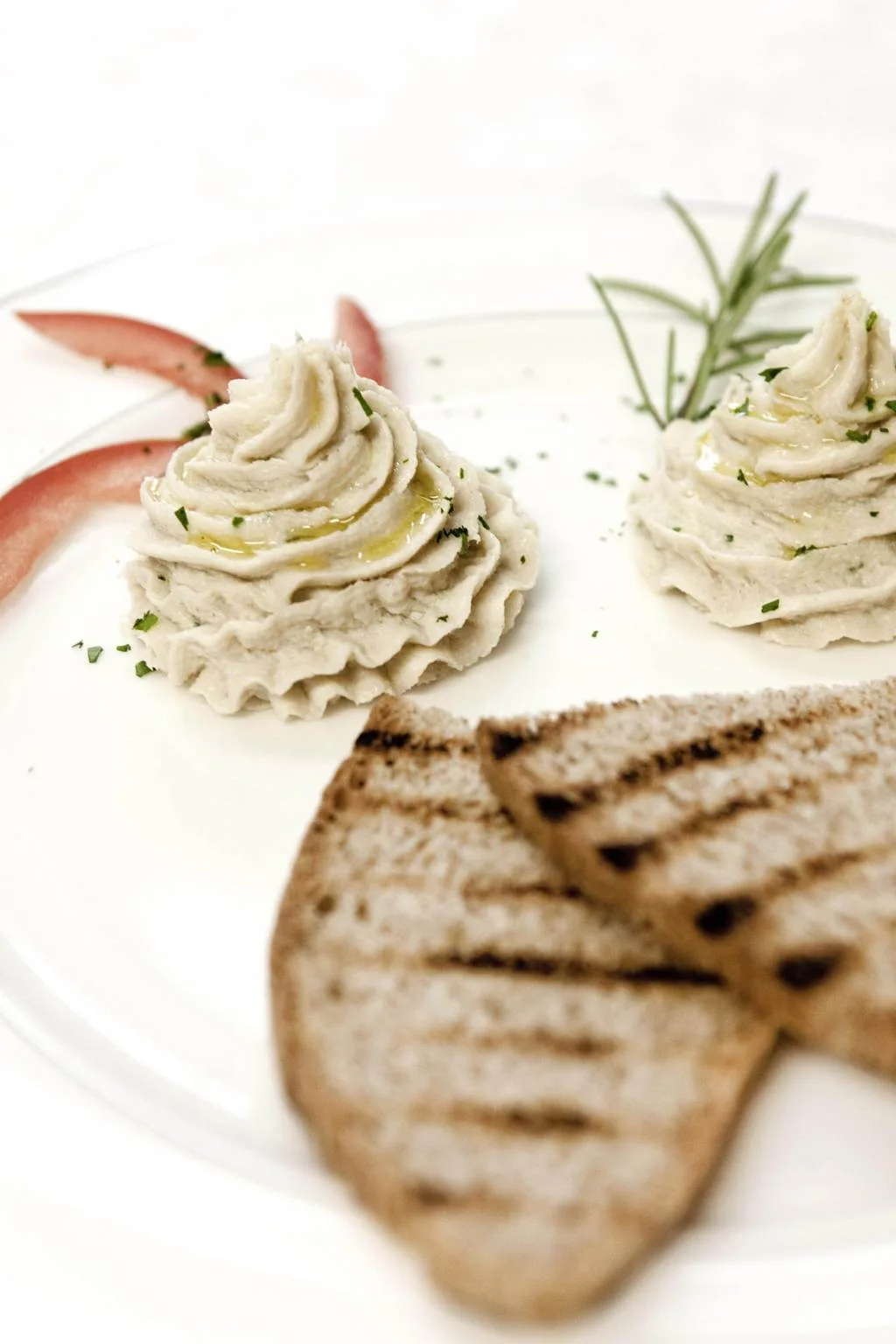
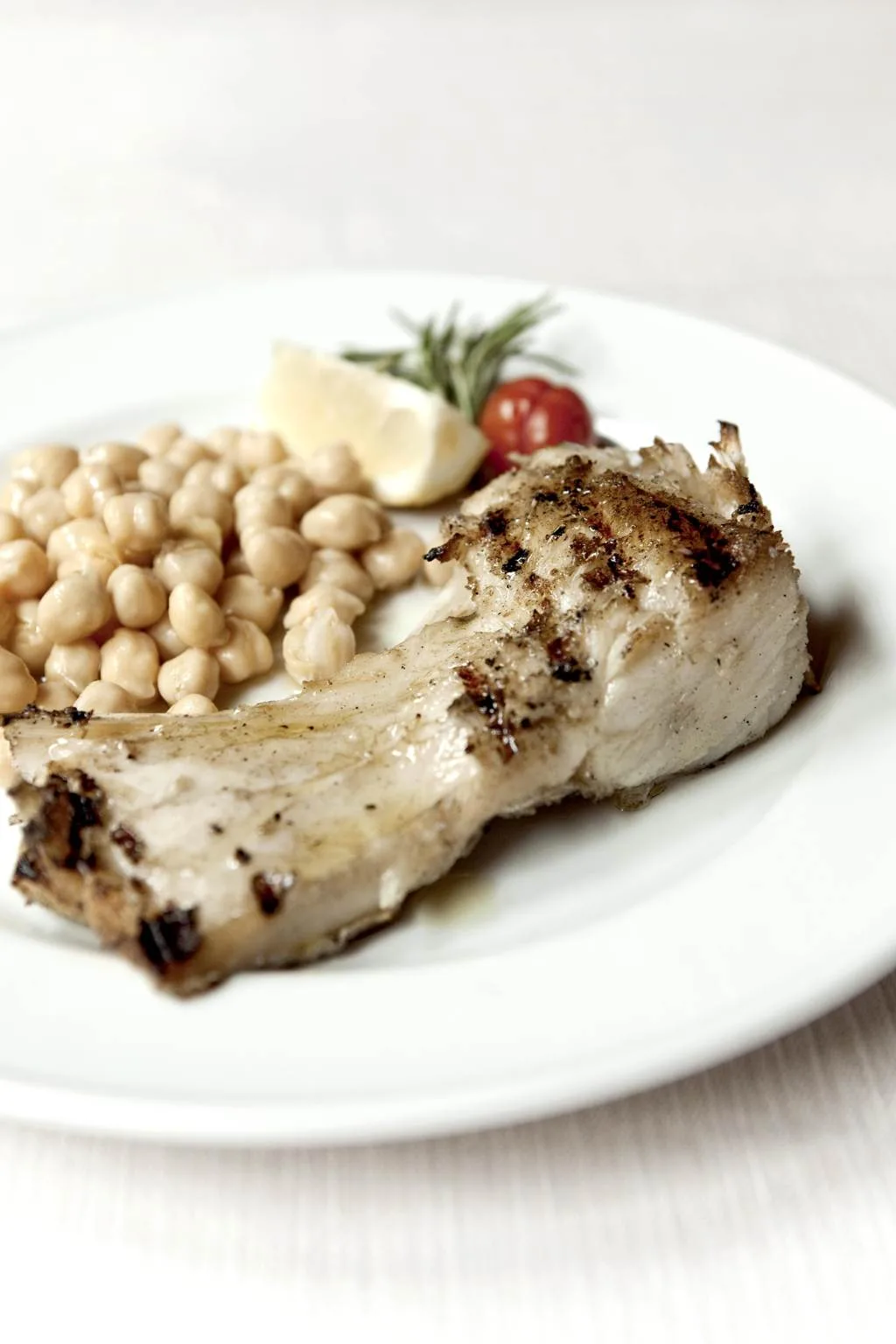
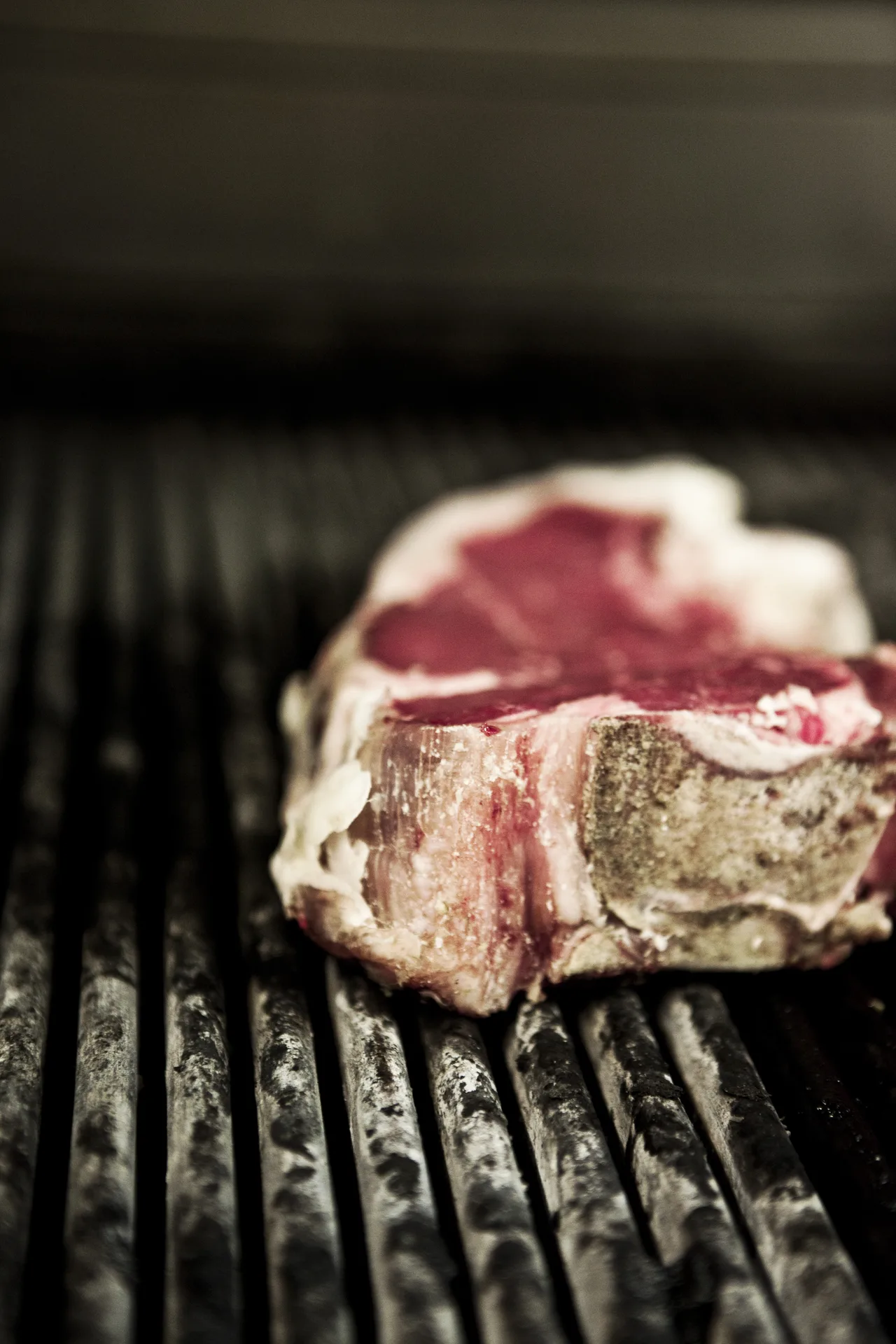
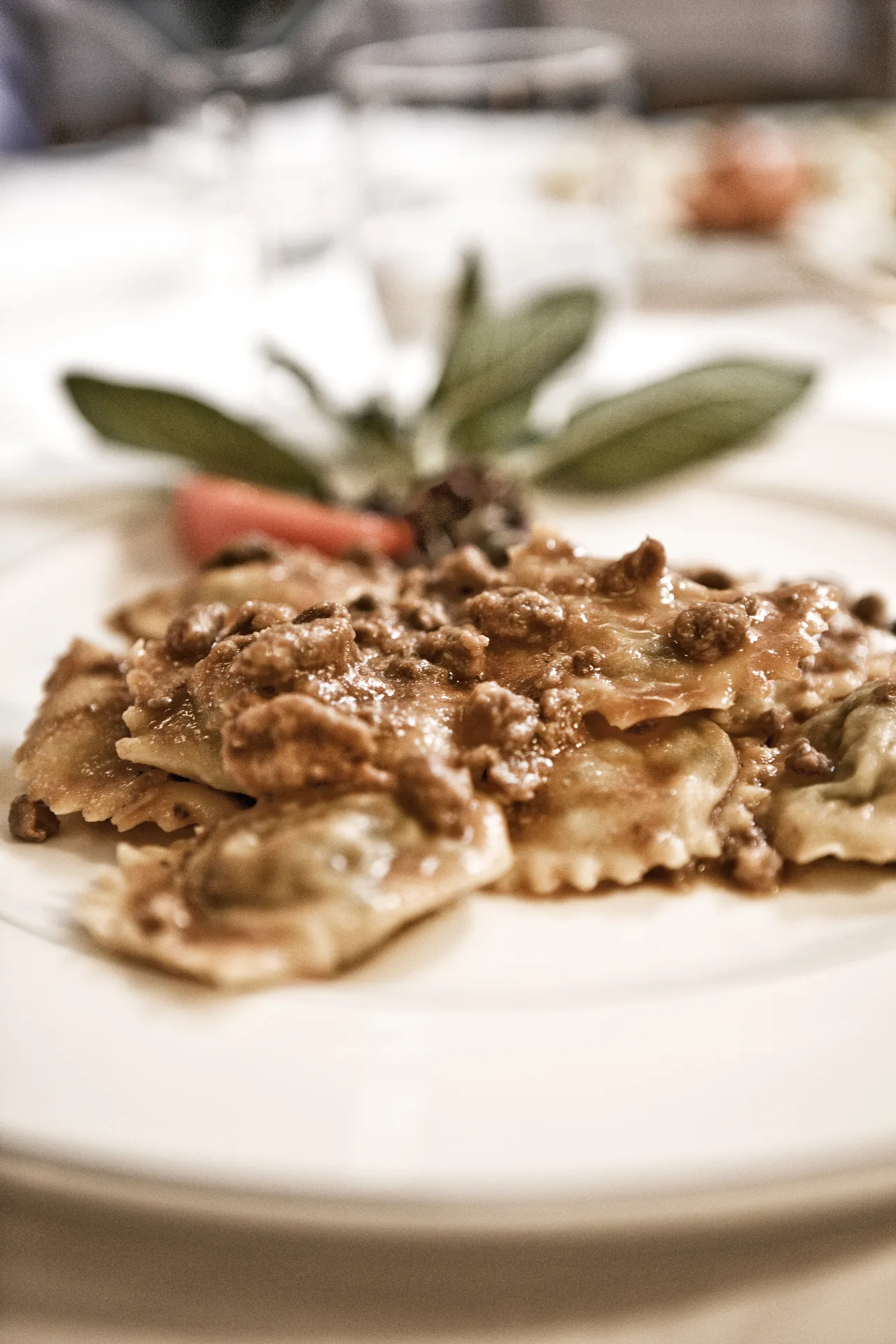
The kitchen stays true to Lucca’s culinary heritage. Antipasti like pasticcio di fegato alla toscana (Tuscan liver pâté) and mousse di baccalà set the tone. Primi include maccheroni lucchesi al sugo di coniglio – a local rabbit ragù – as well as tortelli al sugo, gnocchi al ragù, and tortellini in brodo. Secondi range from trippa di vitello alla lucchese and capretto allo spiedo to a robust bistecca alla fiorentina cooked over charcoal. The wine list, noted for its interesting selections, pairs naturally with these strong, earthy flavors.
Buca di Sant’Antonio holds a Michelin Recommended distinction for 2026, a nod to its enduring quality. Yet the restaurant wears that recognition lightly, as it has done for so many years. For anyone seeking genuine Tuscan cuisine in a setting that breathes history, this remains one of Lucca’s most compelling tables.
Recognition

Ambience
Details
Location


 Facebook