

The story
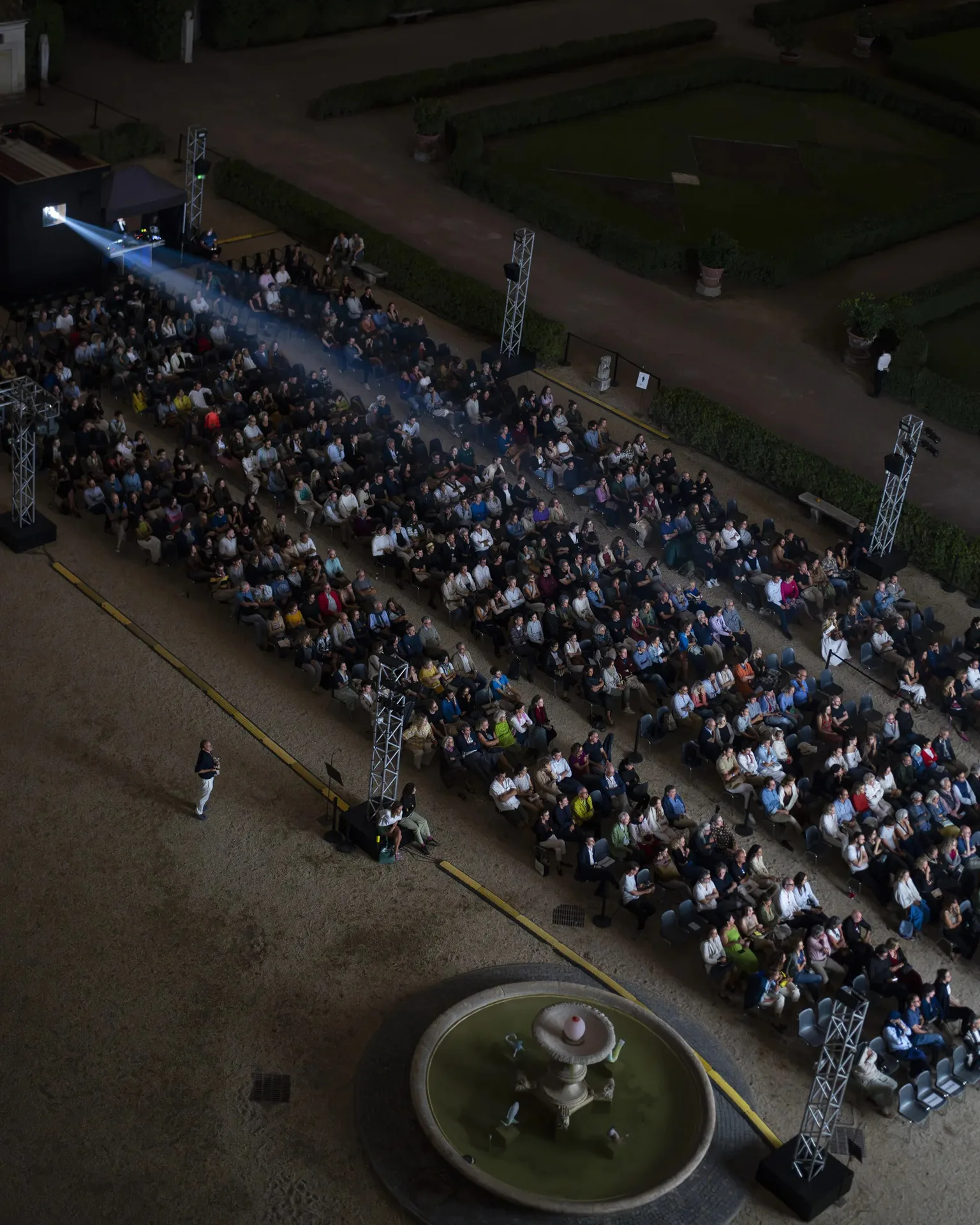
Villa Medici in Rome anchors its Italian cooking in a building that has stood for more than three hundred years. Renaissance stonework and original courtyards define the interior, preserving sightlines to mature gardens that once sheltered visiting artists and scholars. The layout channels foot traffic naturally toward a covered terrace where morning light settles on terracotta surfaces. Diners eat beneath vaulted ceilings that carry decades of quiet conversation.
The Italian kitchen follows a straightforward rhythm built around ingredient availability rather than rigid tradition. Fresh pasta rolls out daily, with dough hydration adjusted to match humidity and flour batches from nearby mills. A monthly rotating menu replaces fixed listings, allowing cooks to feature whatever vegetables, seafood, or herbs arrive that week. Plating stays deliberate, leaving texture and acidity to drive each course forward.
Glass shelves hold bottles from coastal regions and alpine foothills, chosen to mirror the shifting pasta preparations. Servers recommend pours by describing soil composition and fermentation methods instead of listing vintages. Evening tables spill onto the veranda, where stone planters separate clusters of four or six guests. The pace deliberately slows after the main plates, giving space for lingering dialogue and unstructured dessert flights.
Recognition

Ambience


Details
History
The restaurant is located in a beautiful residential area on the eastern outskirts of the city. It offers homemade pasta, a monthly rotating menu, wines from every corner of Italy, and a lovely veranda.
Location











 Facebook
 Instagram