
The story
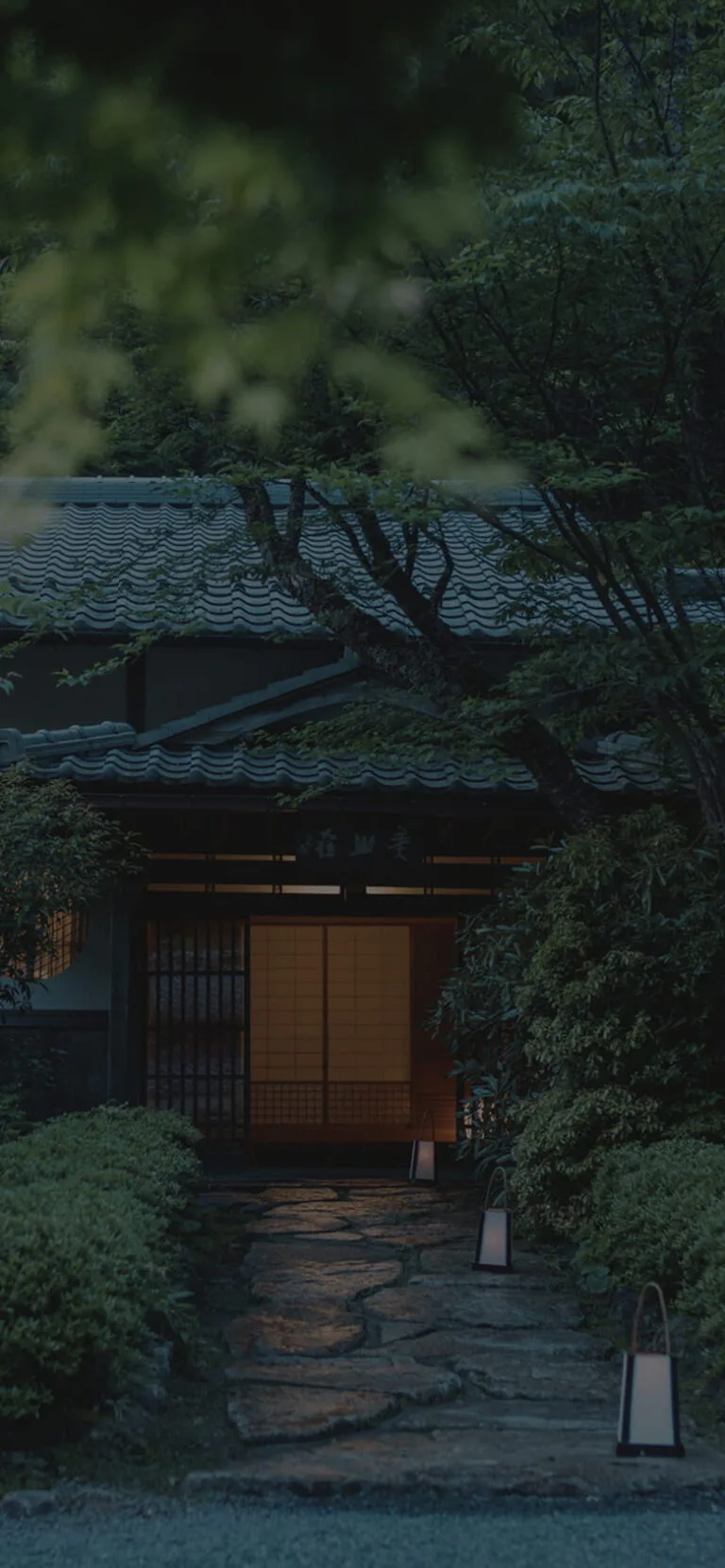
Miyamaso began in 1892 as a temple guesthouse for ascetic practitioners, founded by a family of Shinto priests restoring Bujoji Temple in the Hanase mountains of northern Kyoto. Over a century later, this Japanese ryokan and restaurant continues to offer a rare blend of history, nature, and refined cuisine. Its Michelin two-star recognition reflects the depth of its kitchen.
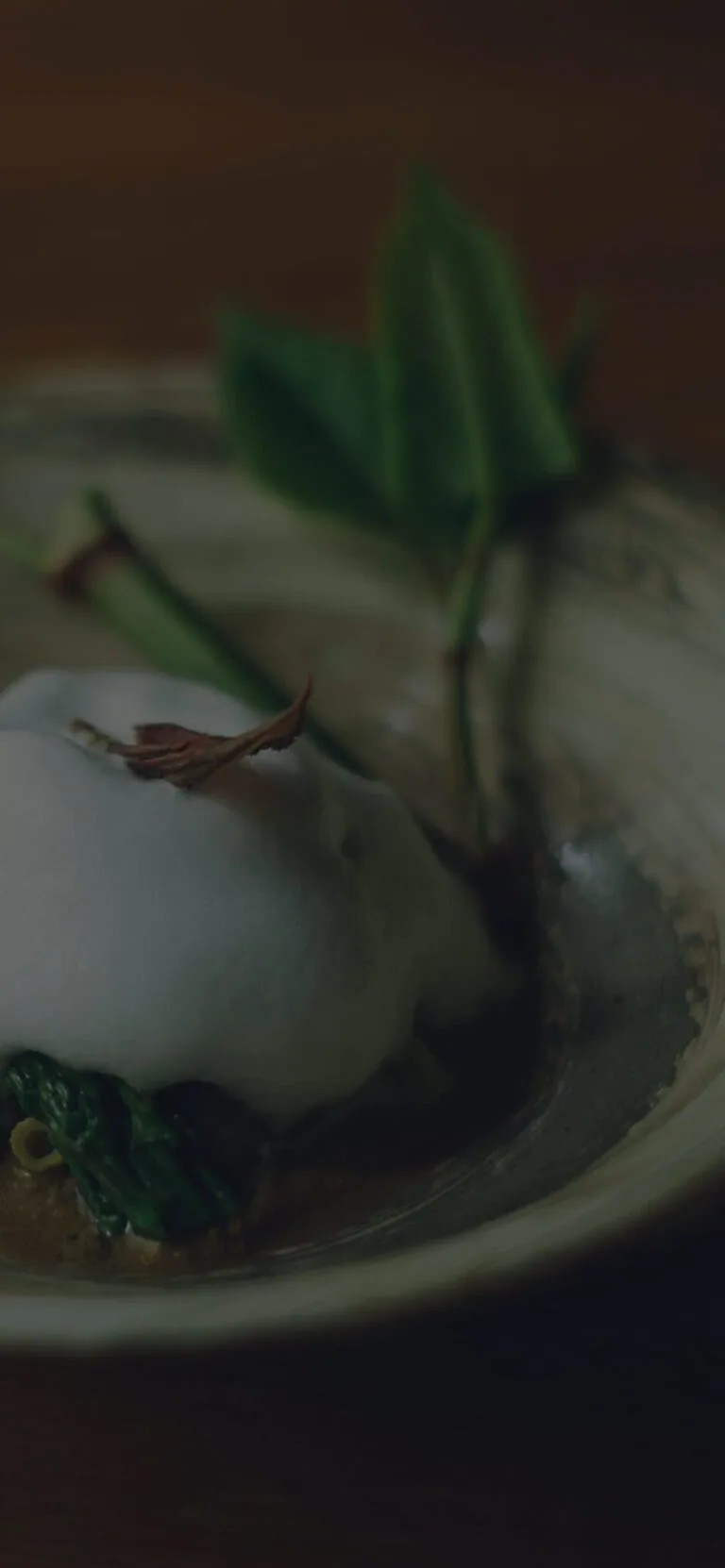
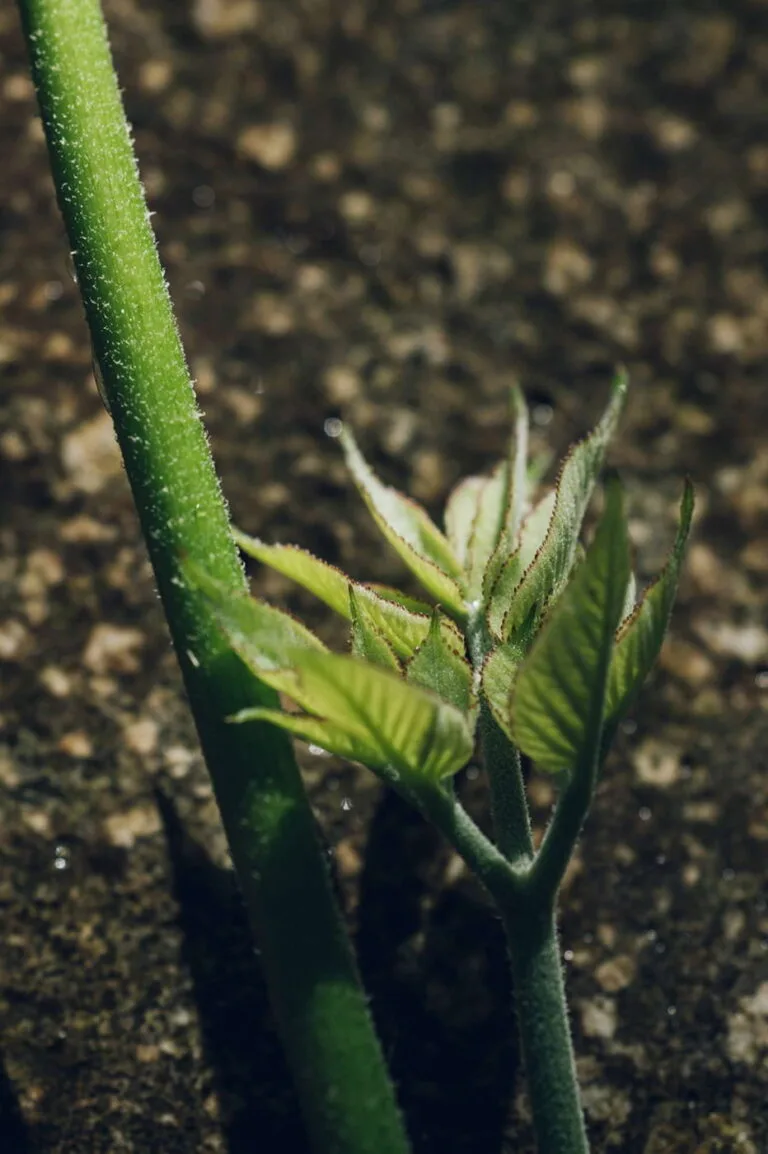
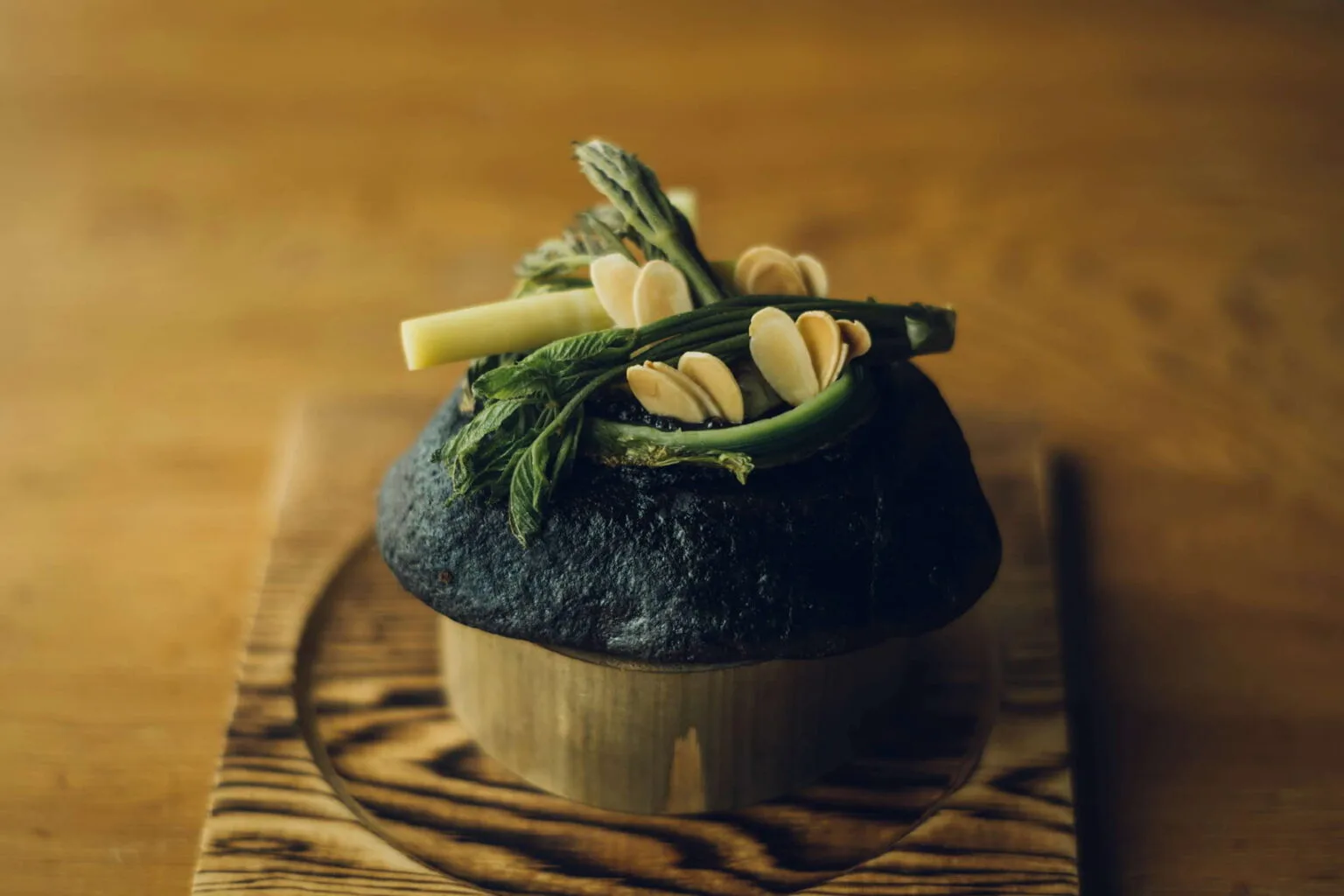
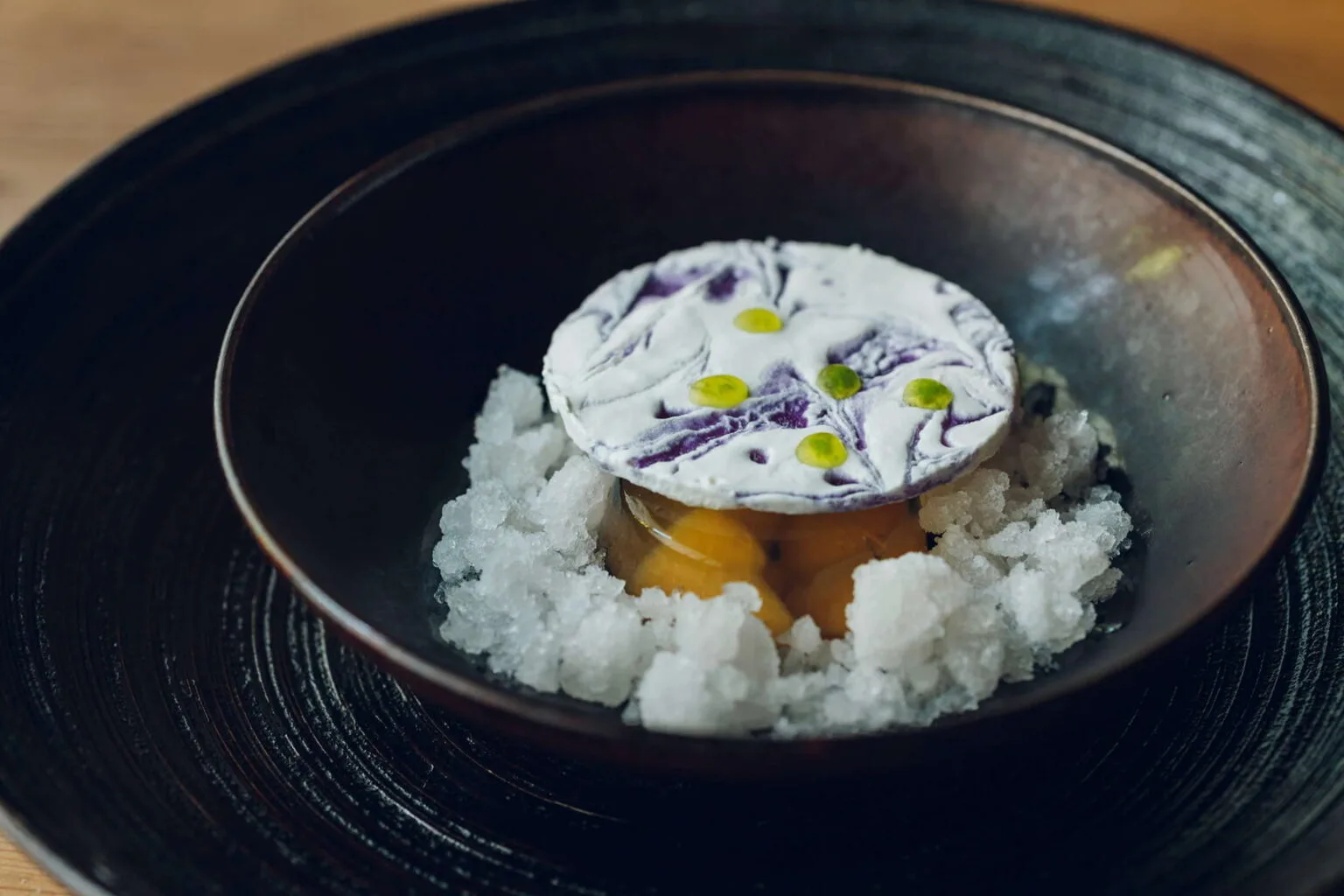
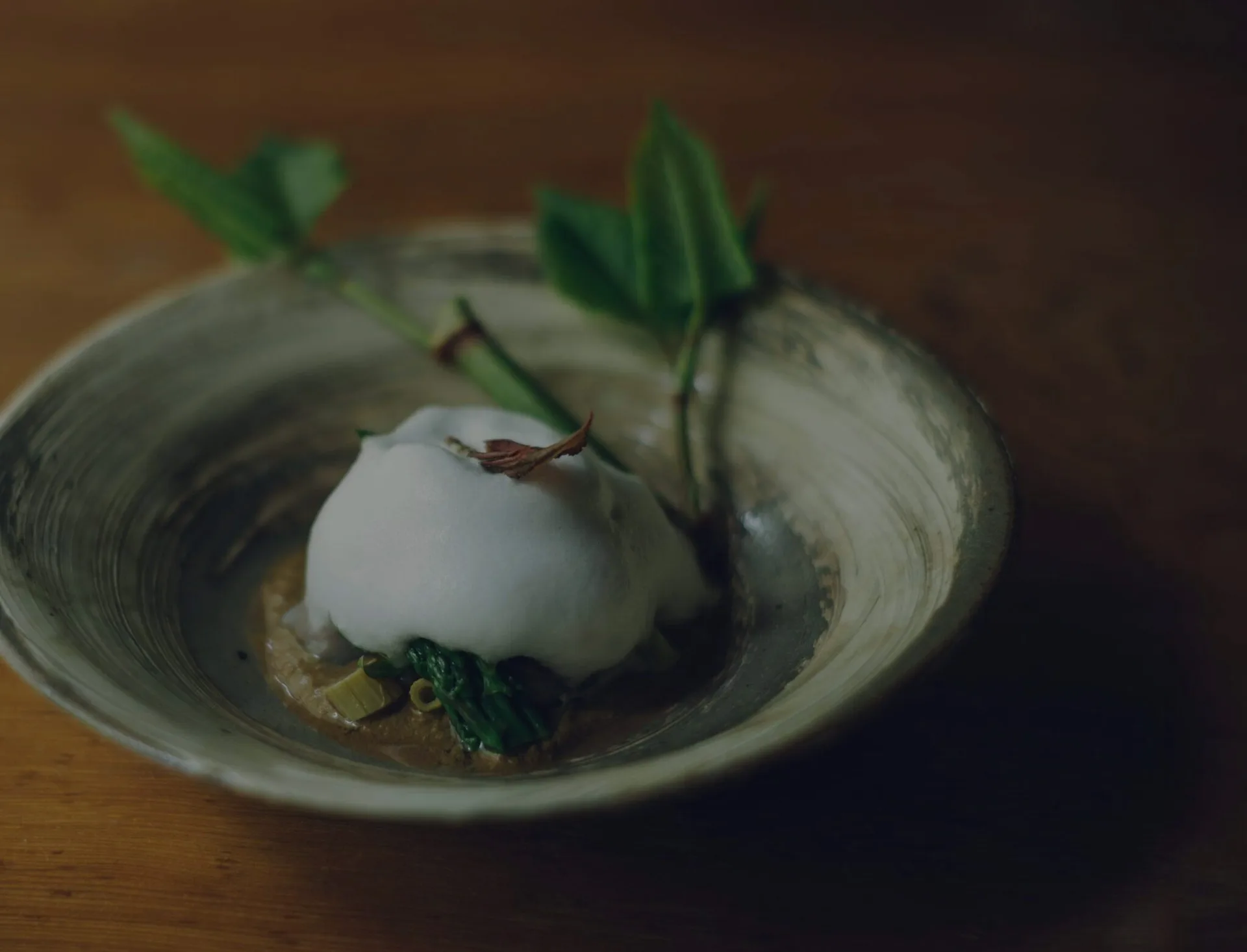
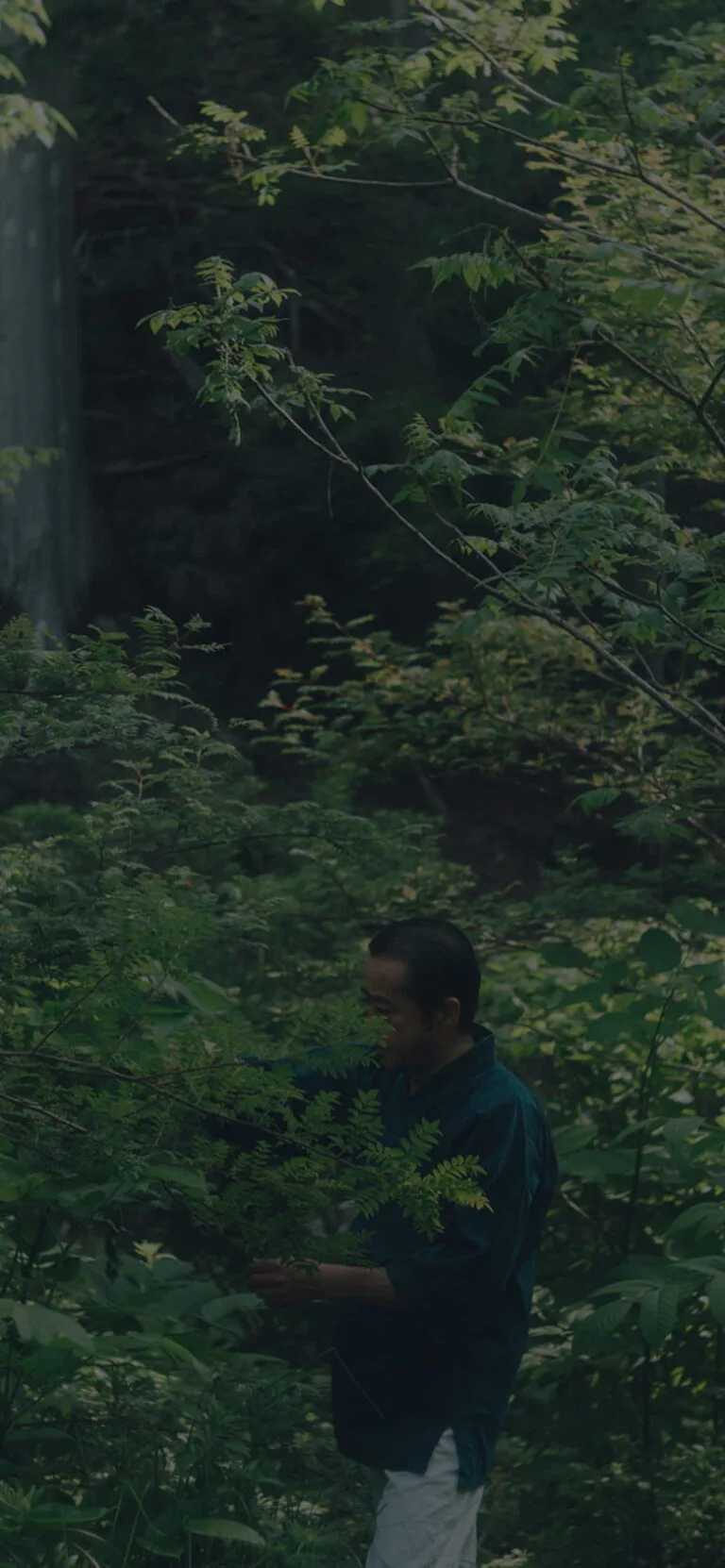
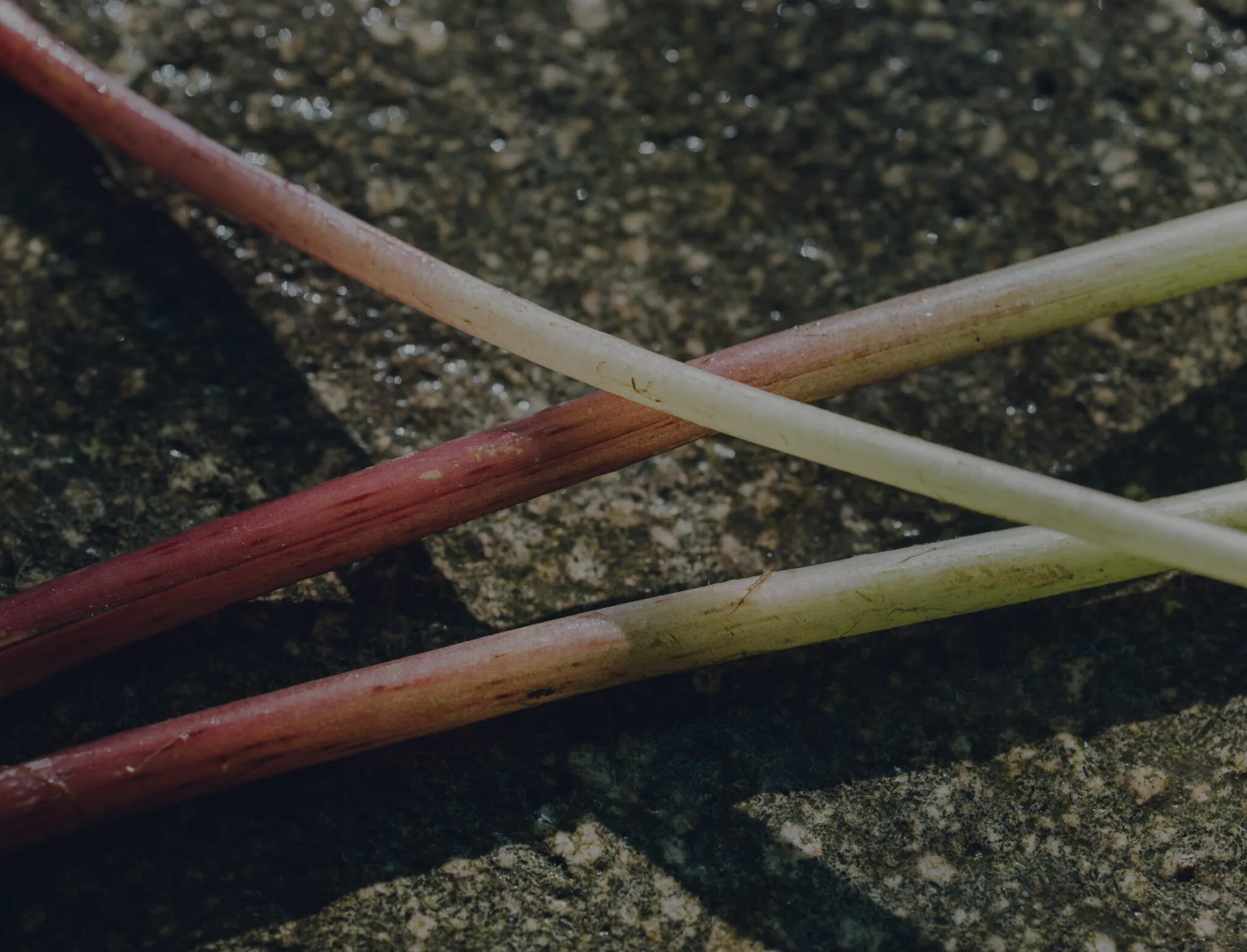
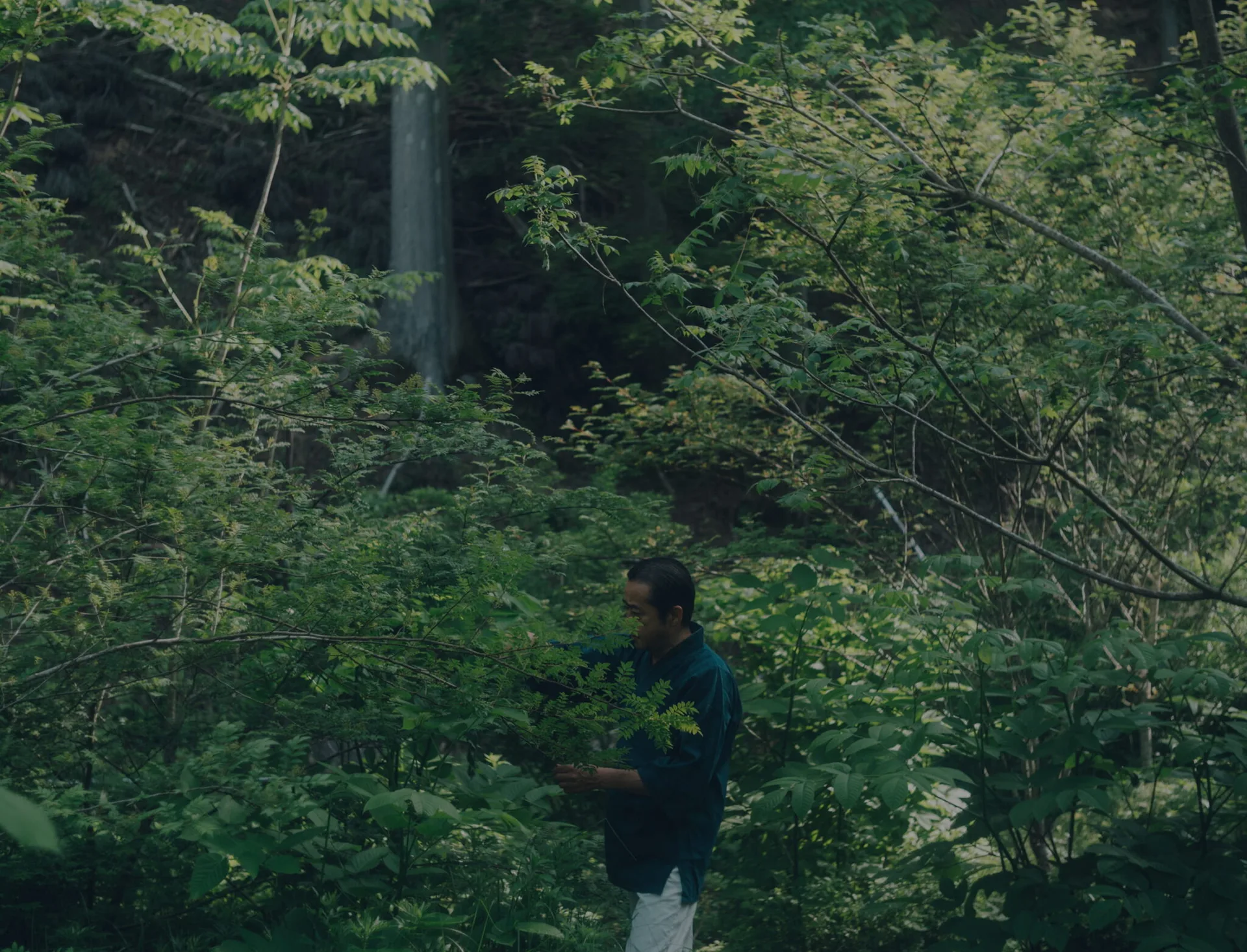
The restaurant’s defining style is tsumikusa cuisine, named after the Heian-era practice of gathering wild herbs. The third-generation owner, Yoshitsugu Nakahigashi, formalized this approach, drawing on ancient poems like those in the Manyoshu. Today, fourth-generation chef Hisato Nakahigashi, who trained in France, carries the tradition forward. Seasonal ingredients – hand-picked wild grasses, river fish such as sweetfish once offered to the Imperial Palace, and game from the surrounding forests – are prepared with diverse techniques. The result is a Japanese cuisine that is both rustic and elegant, rooted in the landscape.
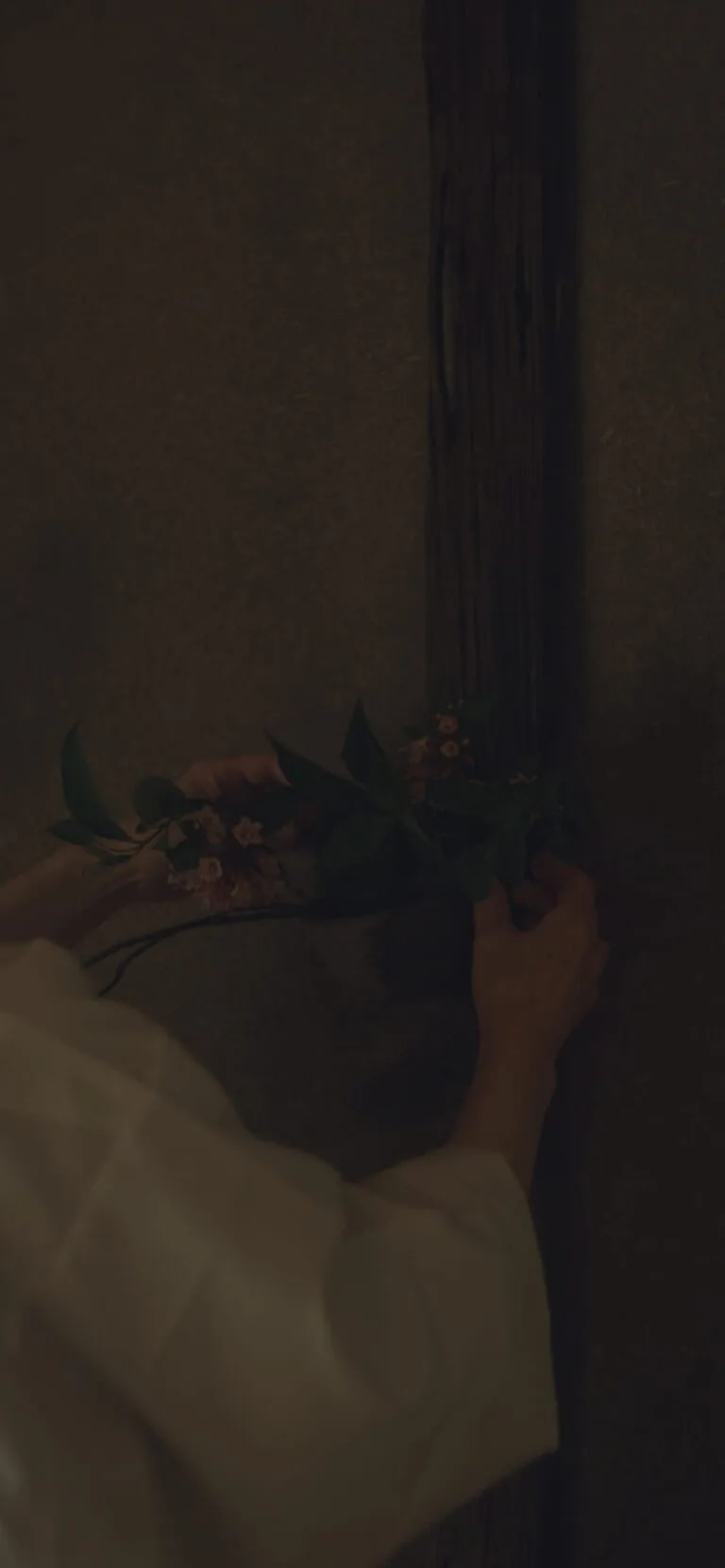
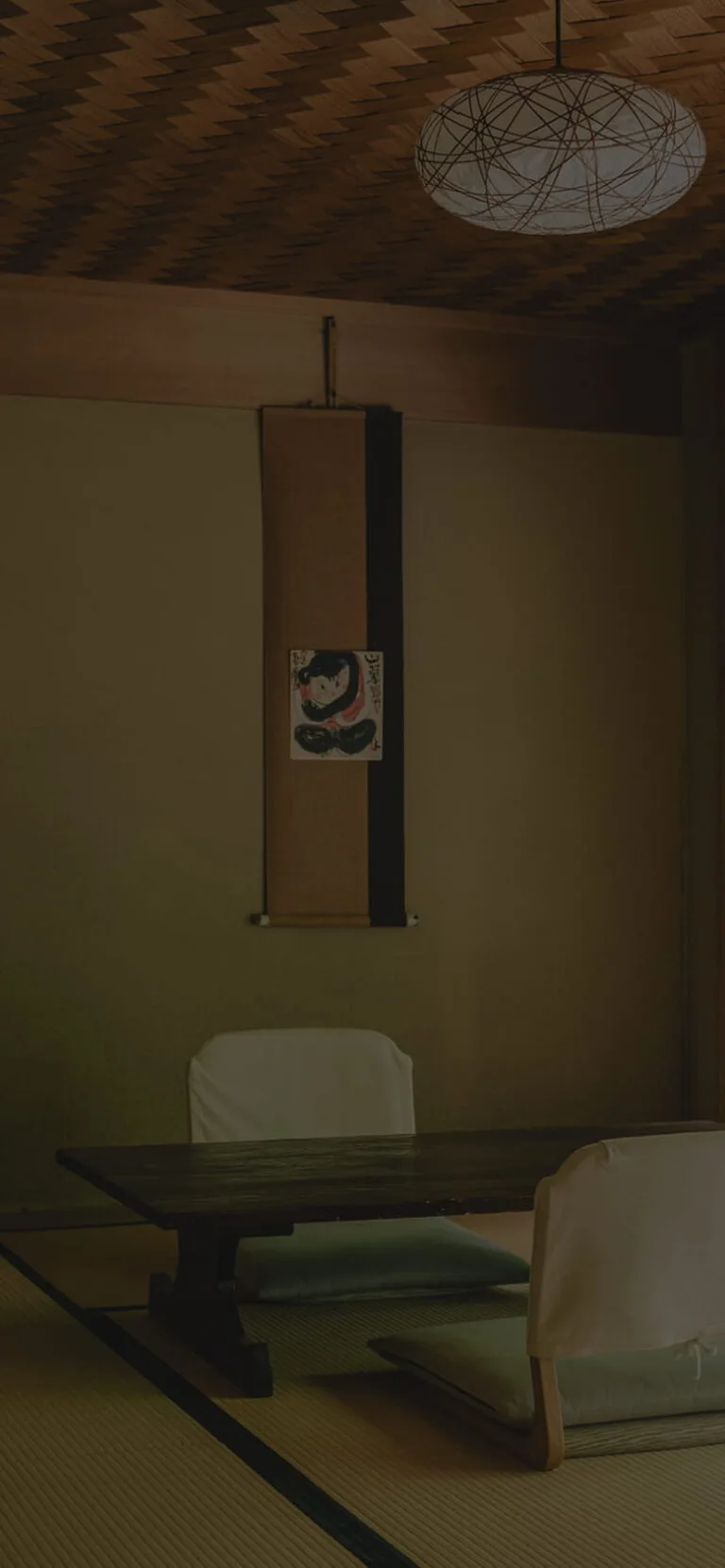
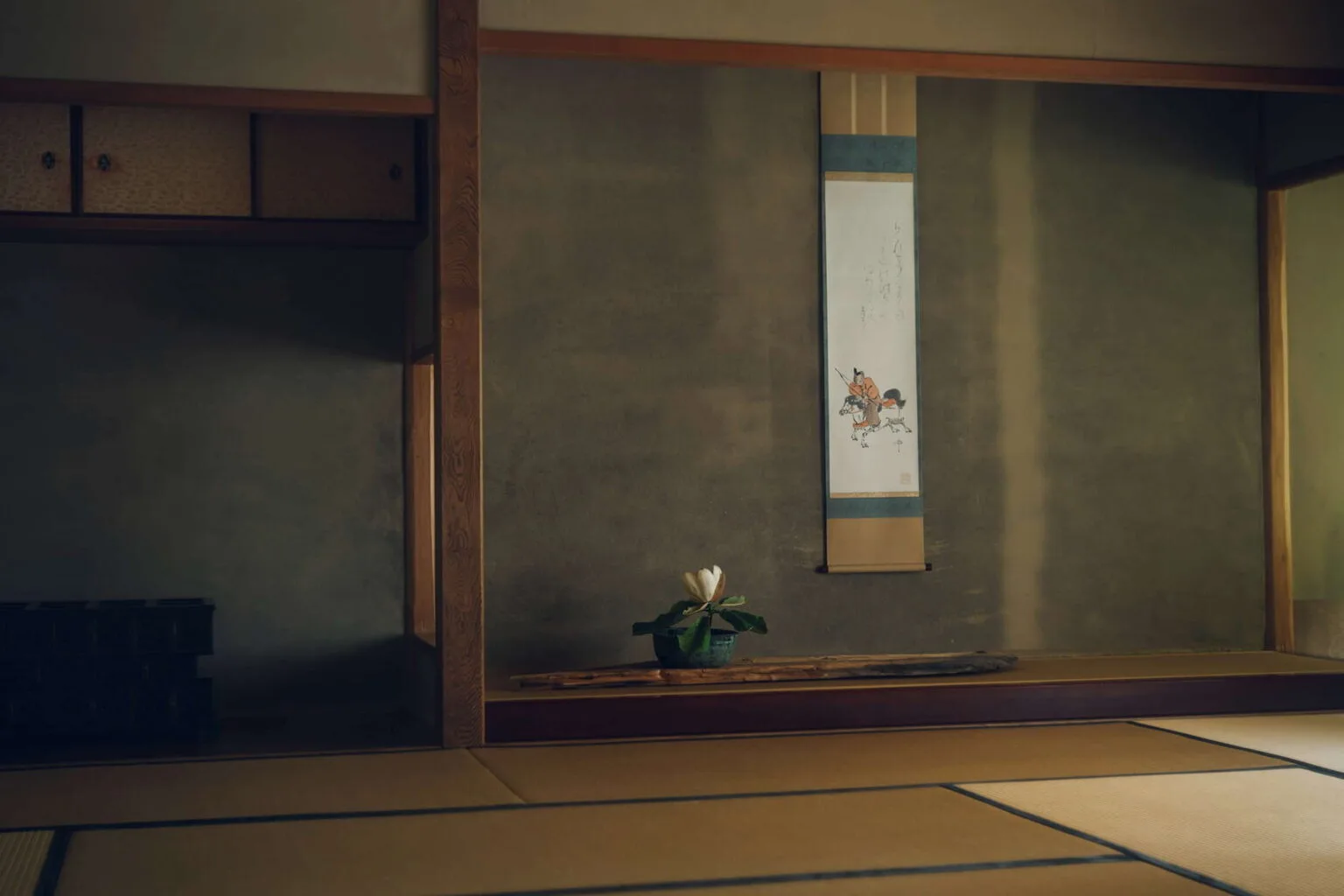
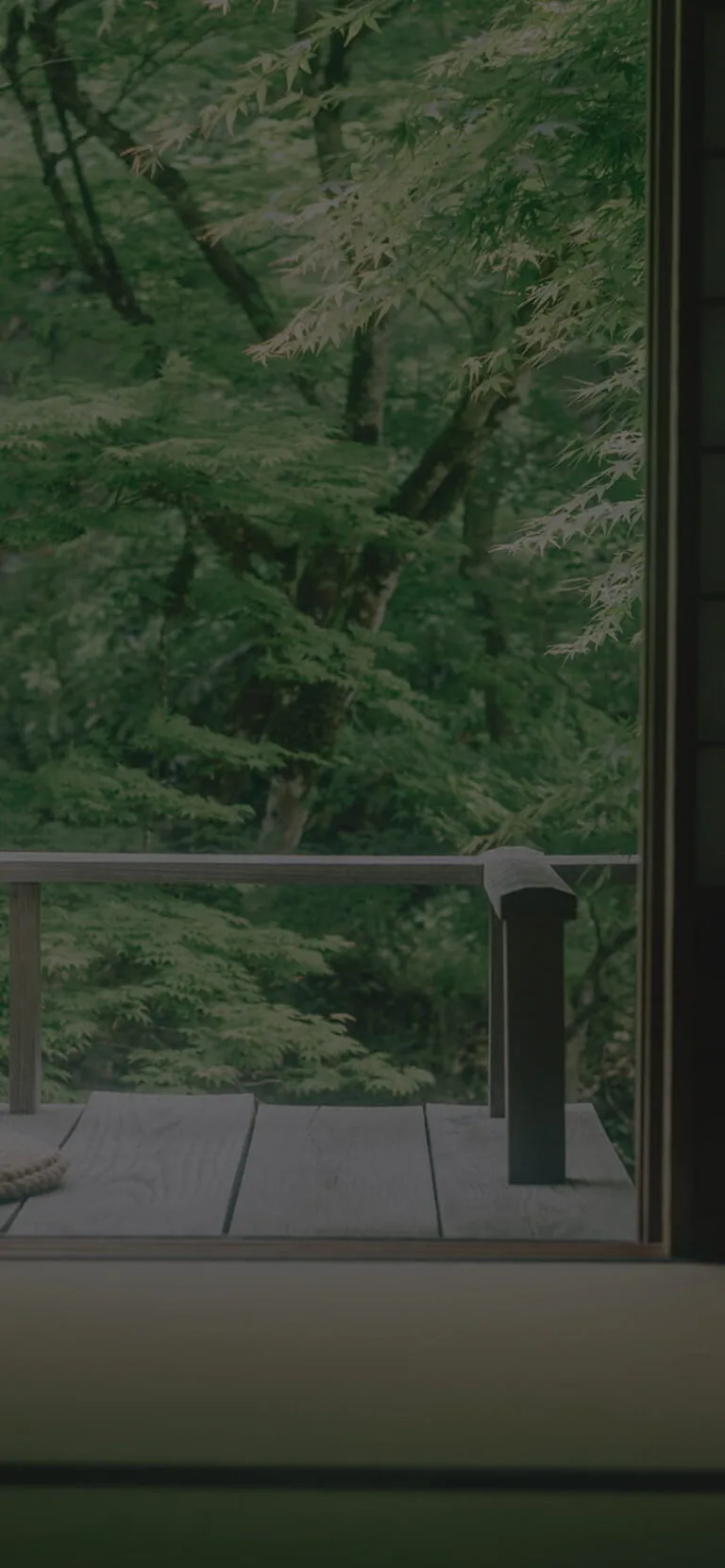
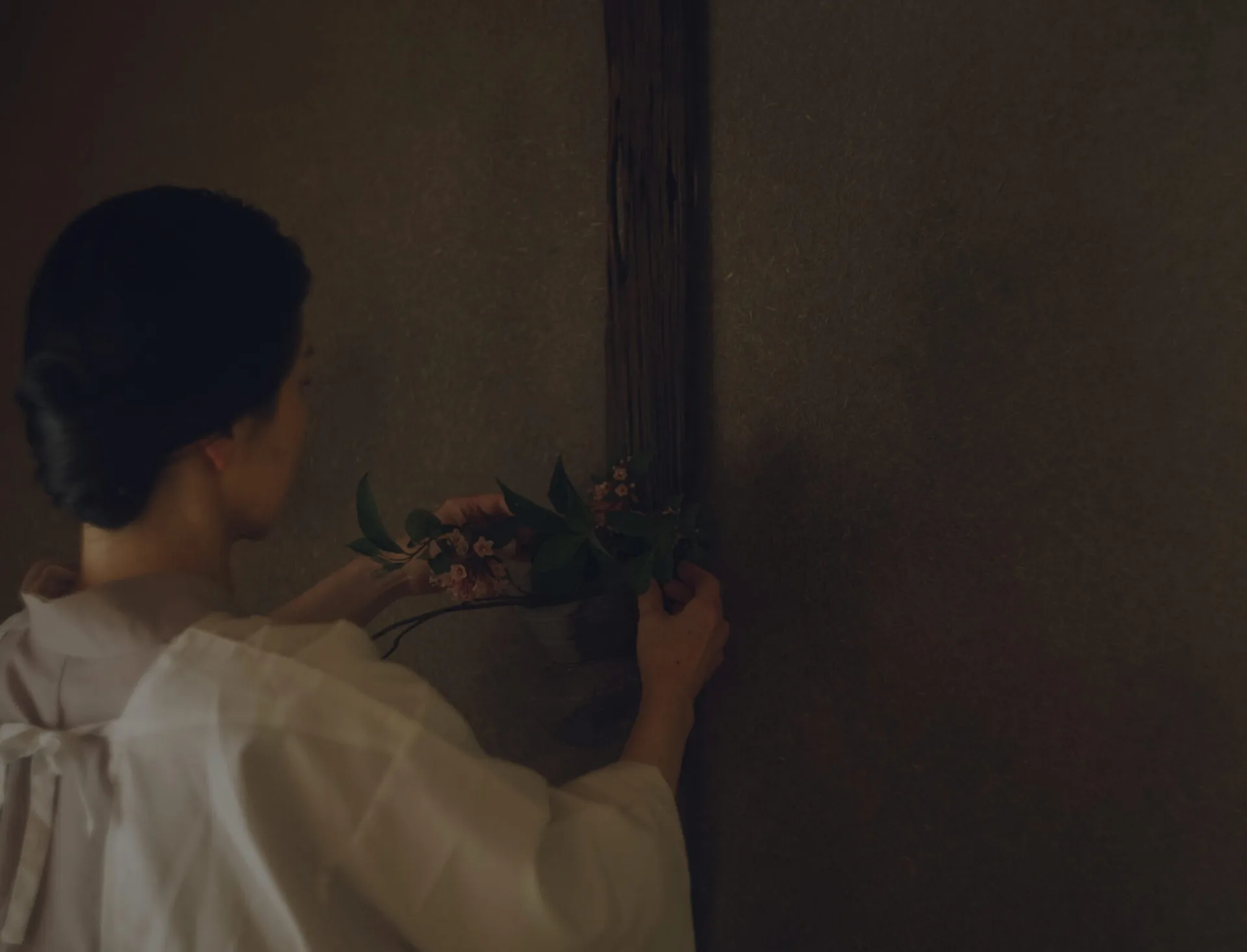
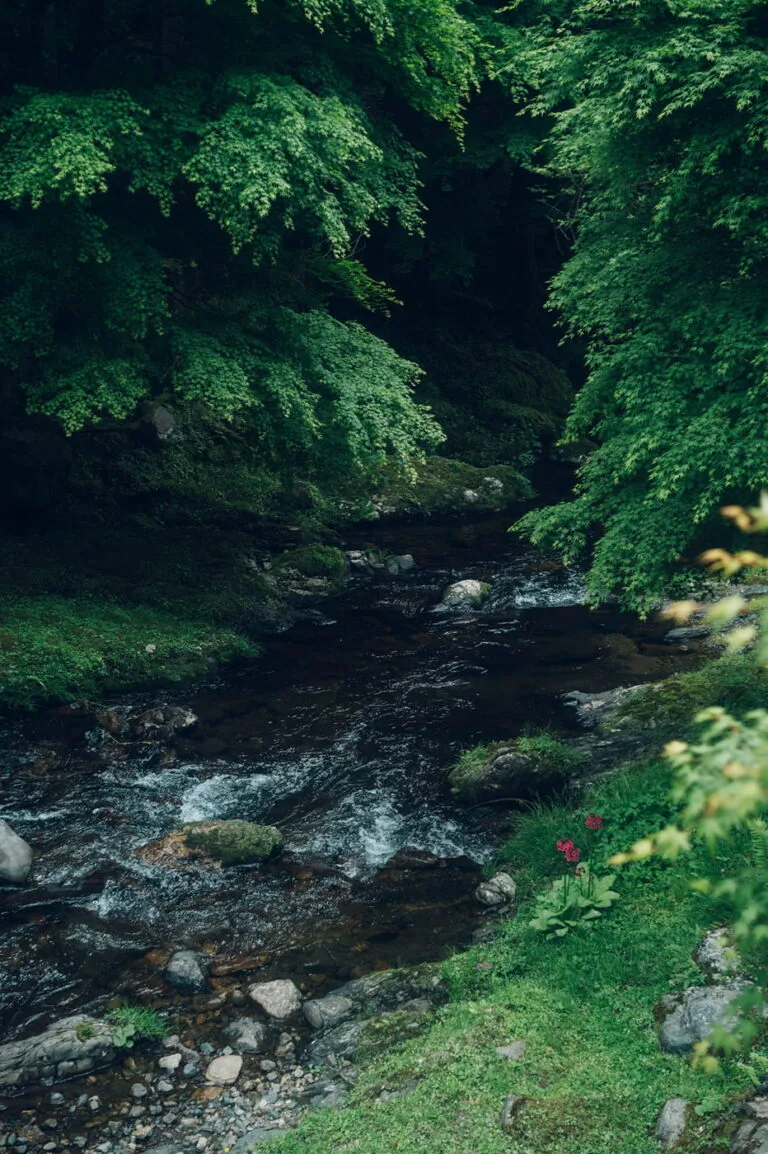
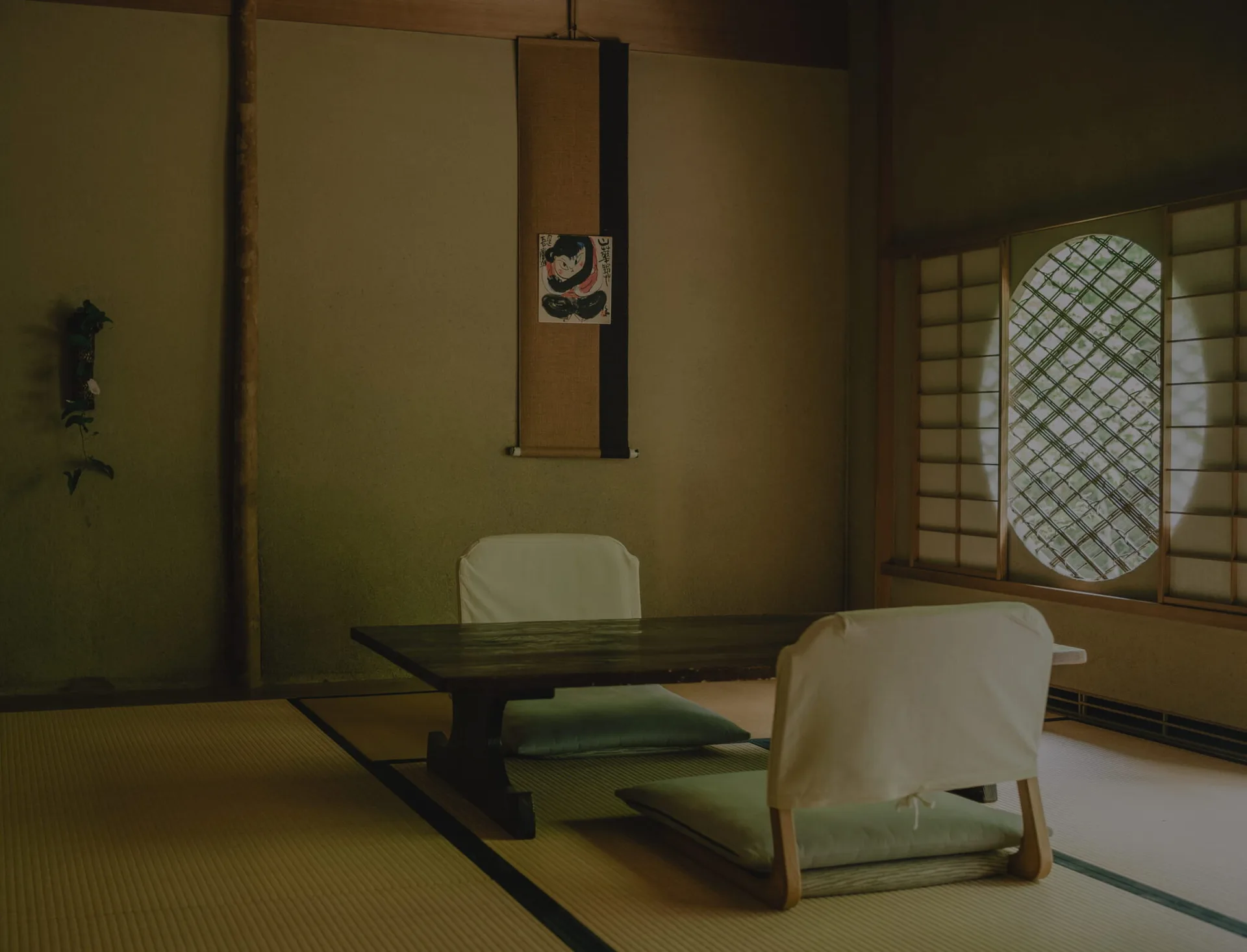
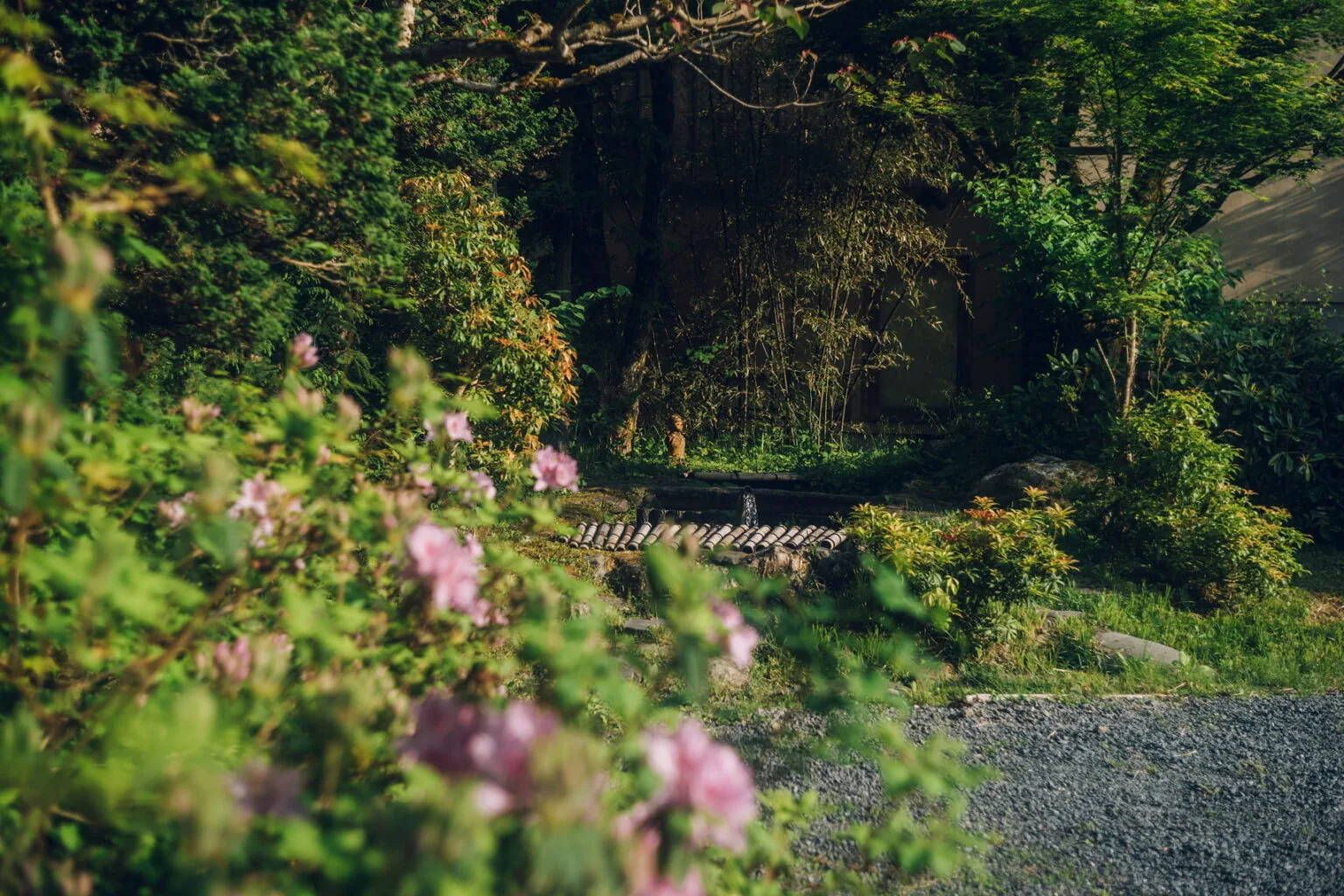
The buildings were renovated by Sotoji Nakamura, a master of Sukiya-zukuri architecture. Large glass windows in the annex guestrooms overlook a clear stream, blurring the line between indoors and outdoors. The interiors feature sliding door paintings by Kosho Shimizu and Tomikichiro Tokuriki, alongside antiques collected by previous owners. The proprietress places flowering plants from the Hanase mountains in each room. The principle of hospitality is “considerate yet unobtrusive,” offering a quiet, restorative stay.
Miyamaso remains a place where the mountain’s rhythms define the experience. The kitchen’s imaginative seasonal creations, the light-filled spaces, and the deep history all converge here. It is a rare Japanese inn that honors its past while evolving with the present.
Recognition


Ambience

Details
History
Location



 Facebook
 Instagram