
The story
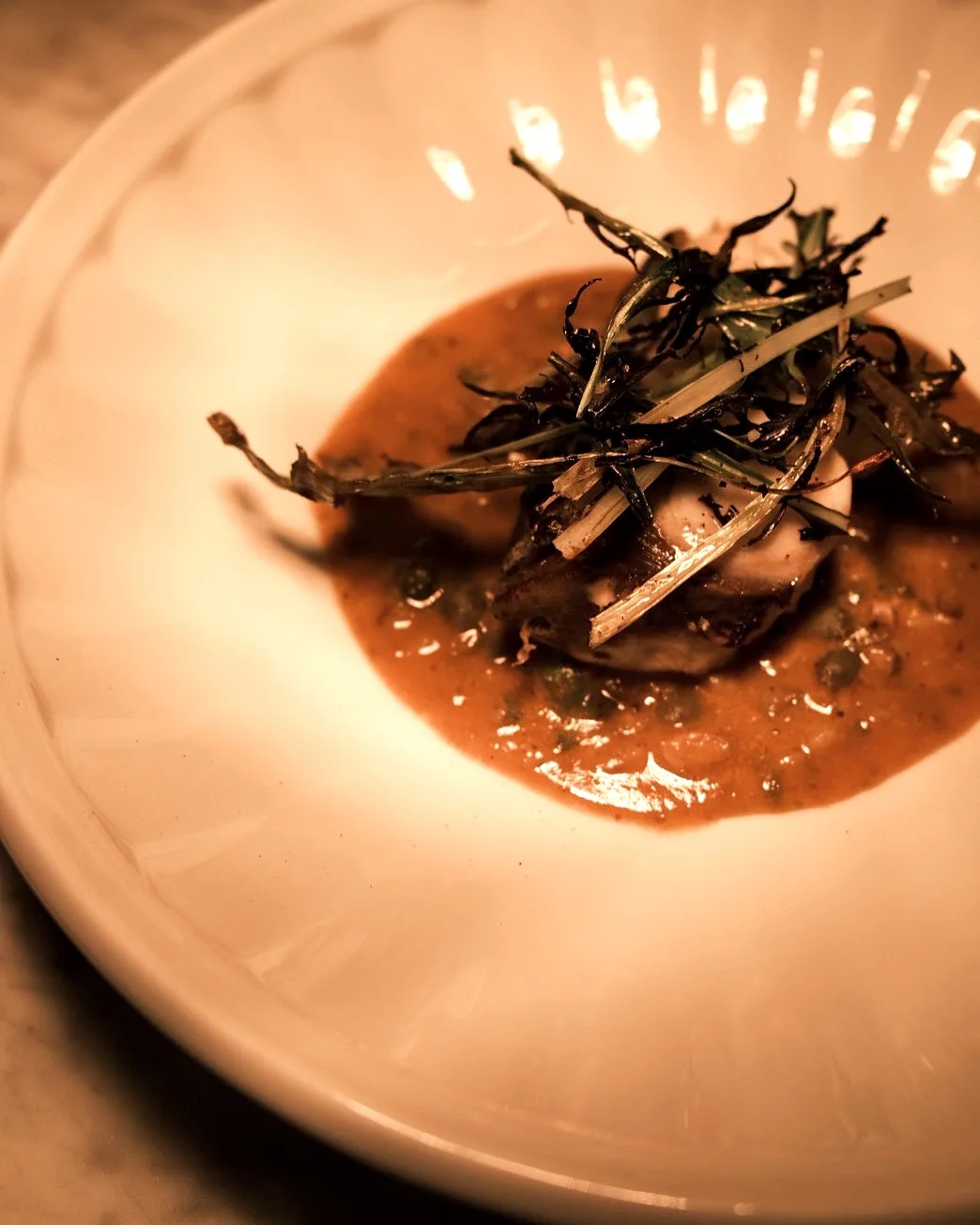
Since 2013, Asperge Blanche has been tucked away near Karasuma Gojo, a small, unassuming house run solely by a husband-and-wife team. The name itself—French for "white asparagus"—signals a devotion to the essentials. Here, French cuisine is stripped back to its core: main ingredient, vegetable, sauce. No layers, no unnecessary additions. The result is a clean, honest expression of each component.
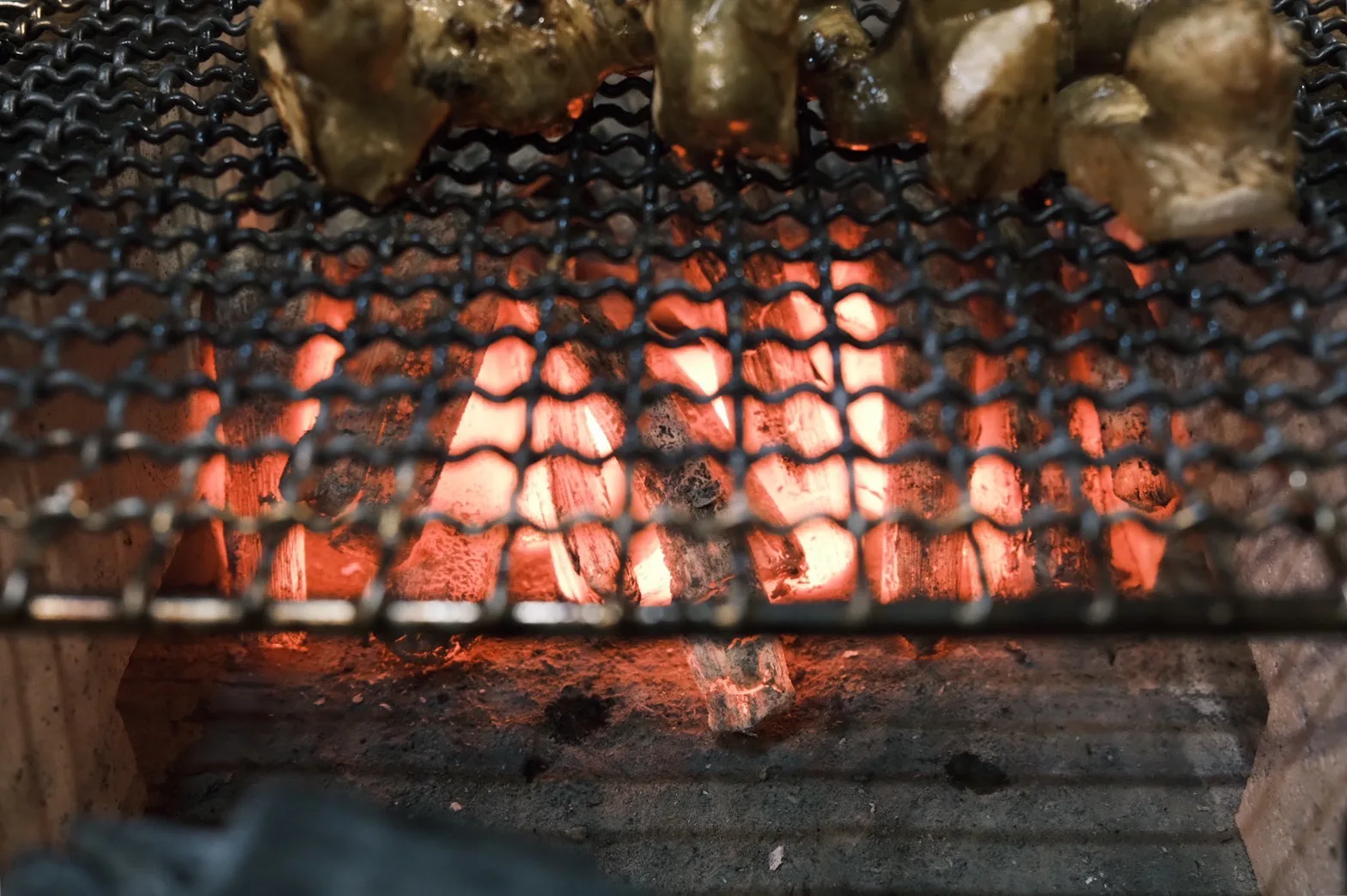
The kitchen relies almost entirely on Kishu binchotan charcoal for cooking—fish, meat, even the bread and vegetables are grilled over this high-heat fuel. No ovens. Fish and meats are aged for several days to concentrate flavor, while the house terrine is matured for a full month. Vegetables come mostly from Kyoto’s Ohara region, many organic or pesticide-free, prized for their natural sweetness and intensity.
The space is a converted single-family home with wooden furnishings and antiques sourced from French flea markets. It seats only a handful of guests at tables—no counter, no private rooms—and the couple asks for quiet, respectful conversation. The atmosphere is intimate and unhurried.
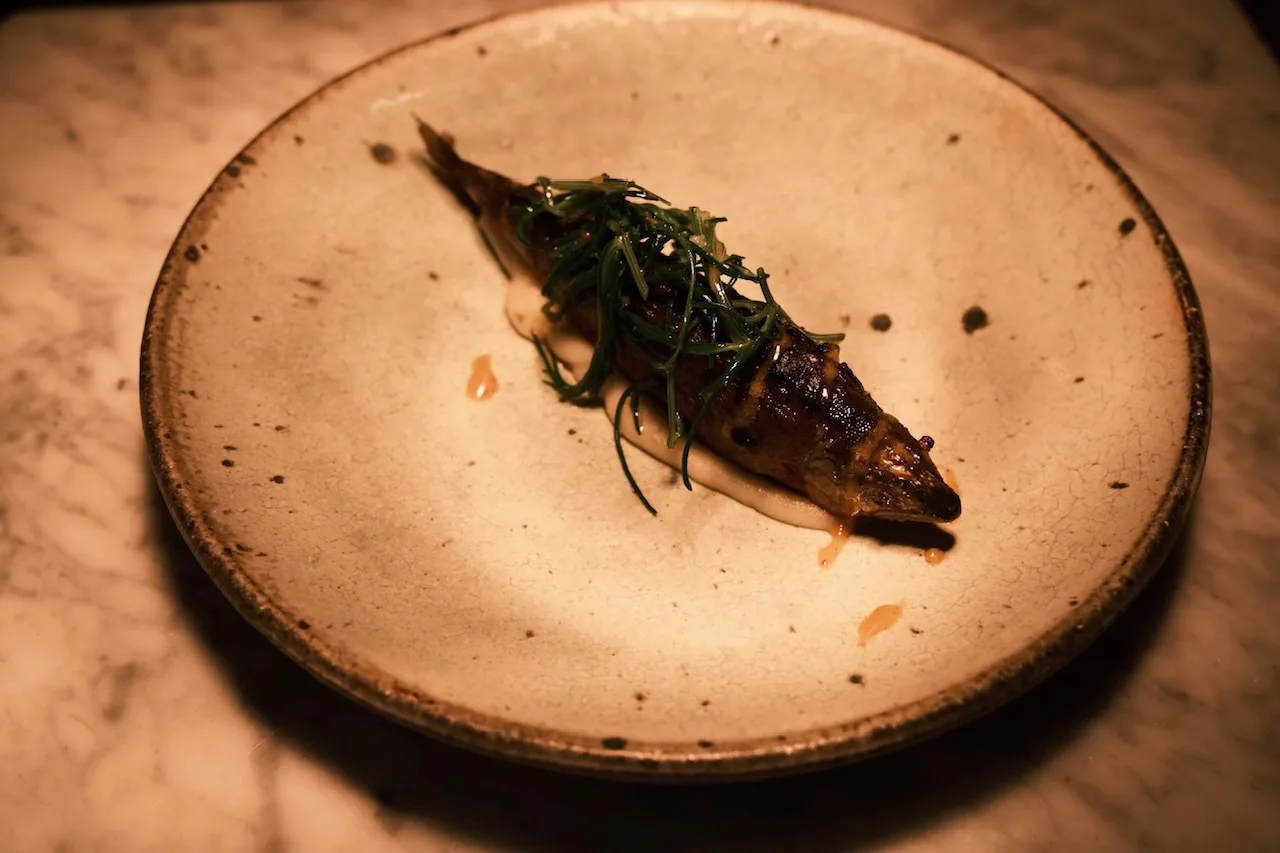
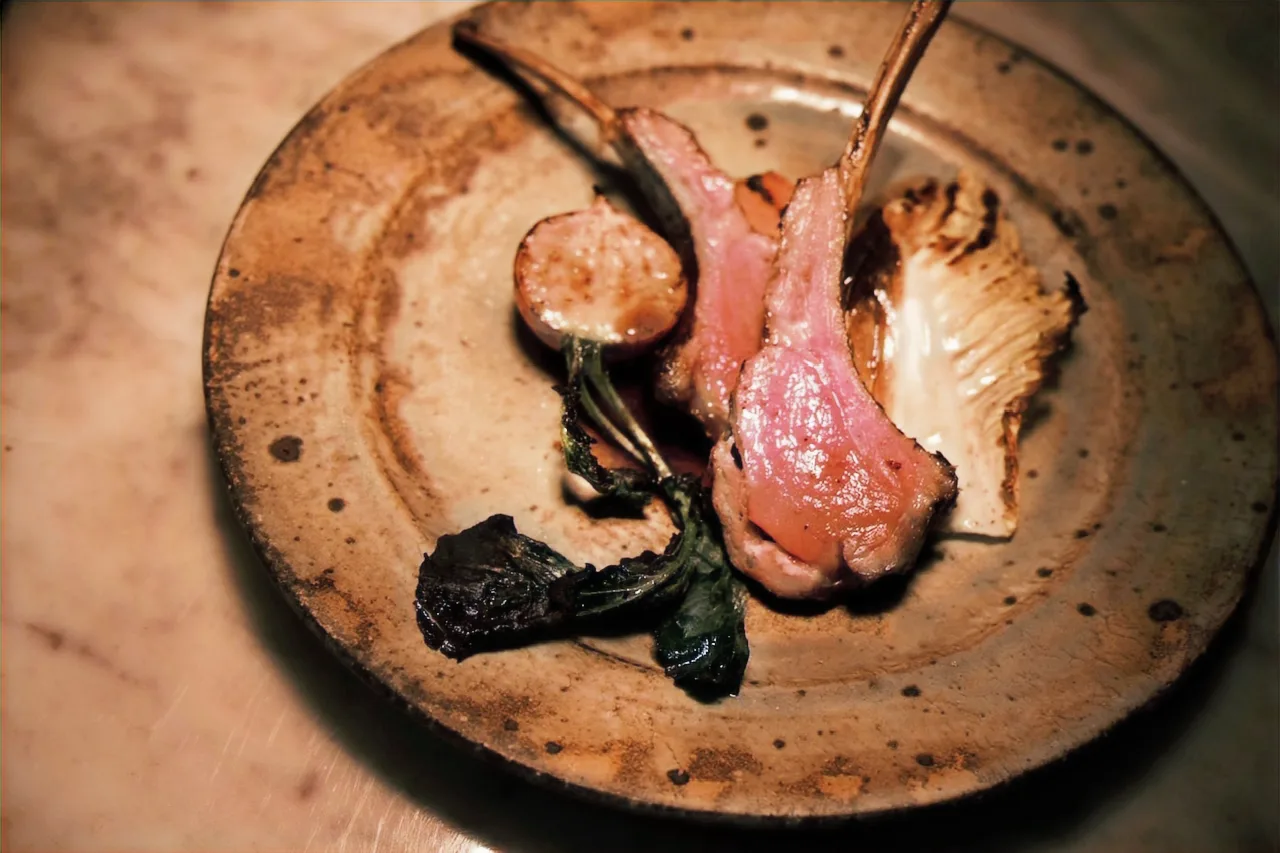
In 2026, Michelin awarded Asperge Blanche a Bib Gourmand, recognising its good-quality, good-value cooking. The accolade fits naturally: the omakase courses, available at ¥8,500 and ¥10,500, offer a thoughtful progression of amuses, appetizers, fish, charcoal-grilled meat, bread, dessert, and a post-meal drink. A shorter market-price course is also sometimes available through online reservations.
Reservations are essential. A 5% service charge applies, and each guest is asked to order at least one drink. The restaurant is closed Tuesdays and irregular holidays. Credit cards are accepted; there is no parking, but coin lots are nearby.
Recognition

Ambience
Details
Location

 Instagram