

The story
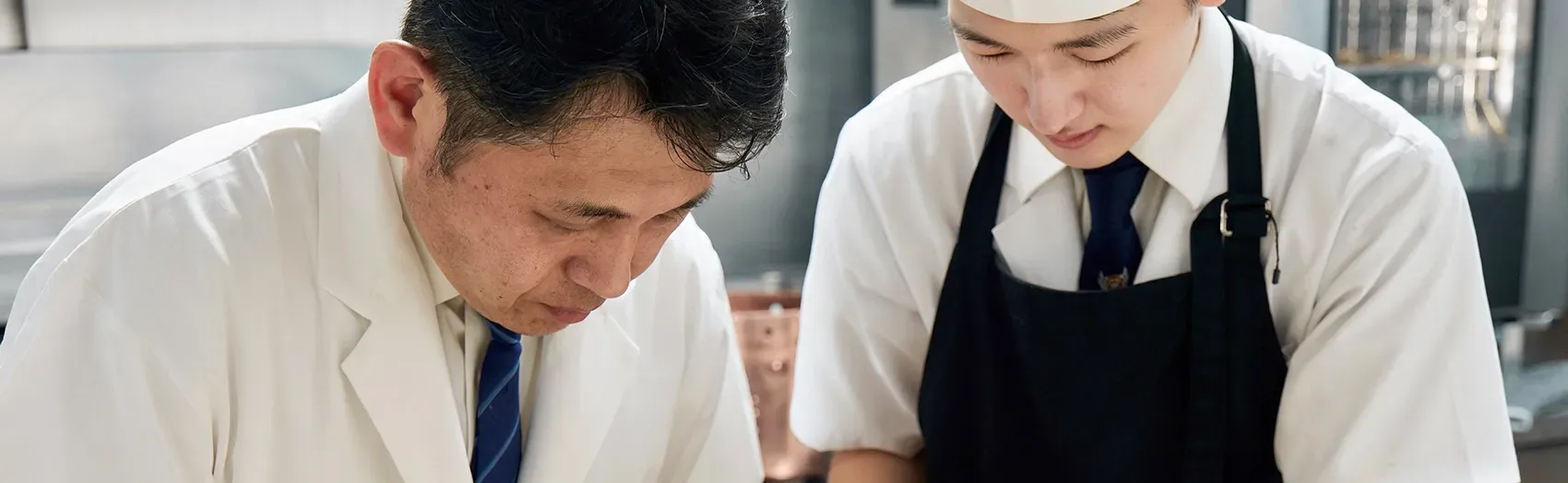
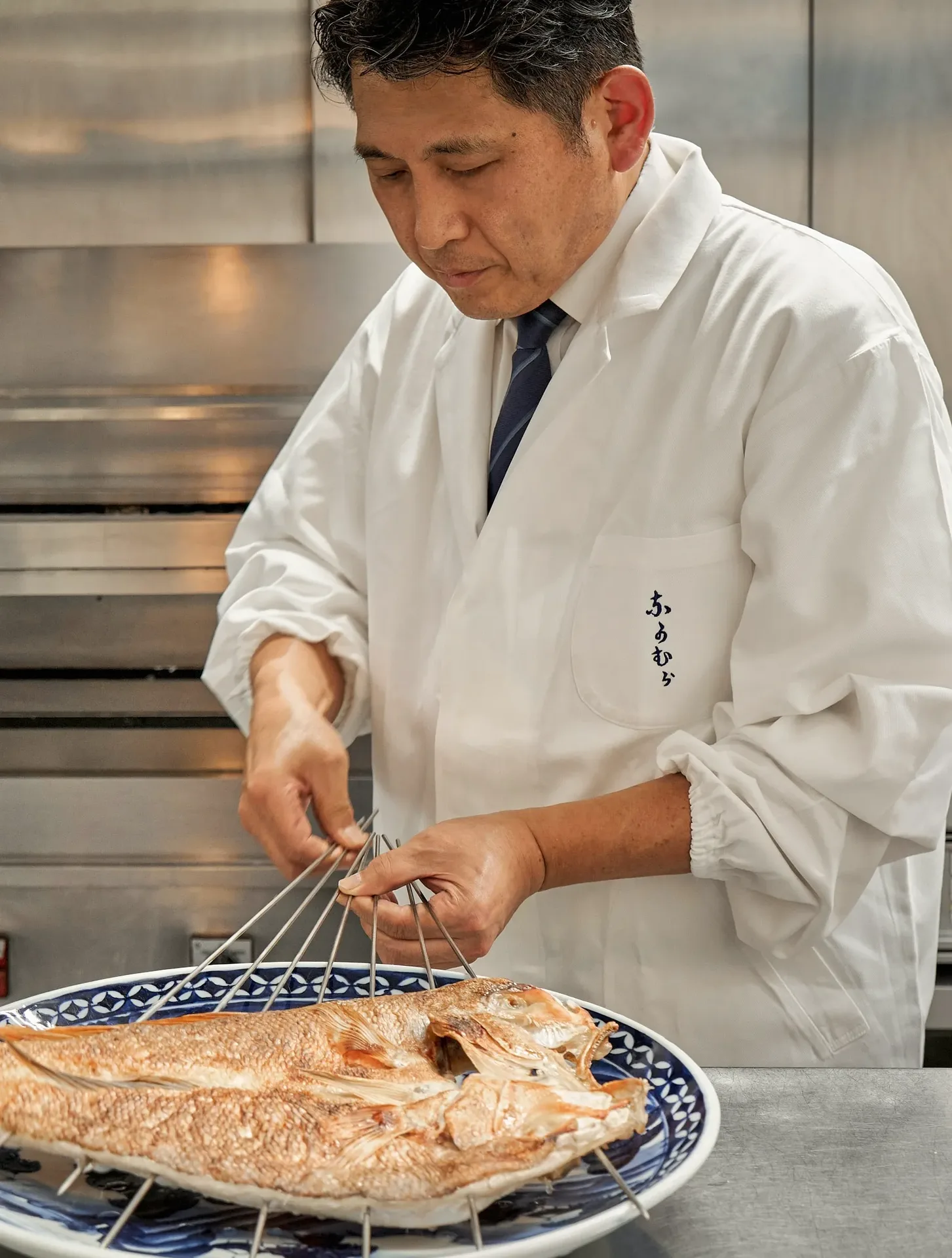
Isshisoden Nakamura began in 1827 when first-generation Seibei Wakasaya carried seafood from Wakasa Bay to Kyoto along the Sabakaido road. Over nearly two centuries, the restaurant evolved from a fish wholesaler to a purveyor of Kyoto cuisine, passing techniques from father to son. Today, sixth-generation chef Motokazu Nakamura leads the kitchen. After studying at Tokyo University of Marine Science and Technology, he trained as a Zen monk at Tenryuji Temple under Harada Sekkei Roshi, then earned a doctorate in food science from Ryukoku University. This blend of spiritual discipline and scientific inquiry shapes his approach to Japanese cooking.
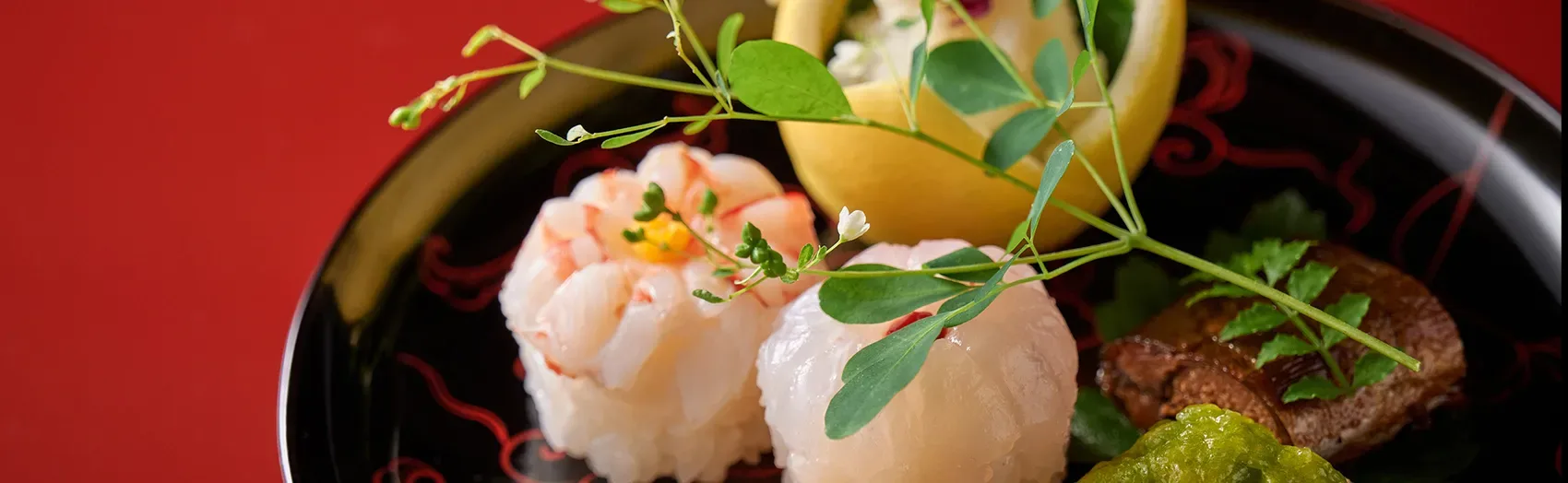
The restaurant’s name, Isshisoden, means “one heart, one taste.” The guiding spirit is ichigo ichie—the tea ceremony principle that each encounter is unique and unrepeatable. This mindset informs every dish: no secret formulas, only careful attention to ingredients and the moment. The kitchen uses only groundwater drawn from the property, a nod to the Kyoto saying that “Japanese cuisine is the cuisine of water.”
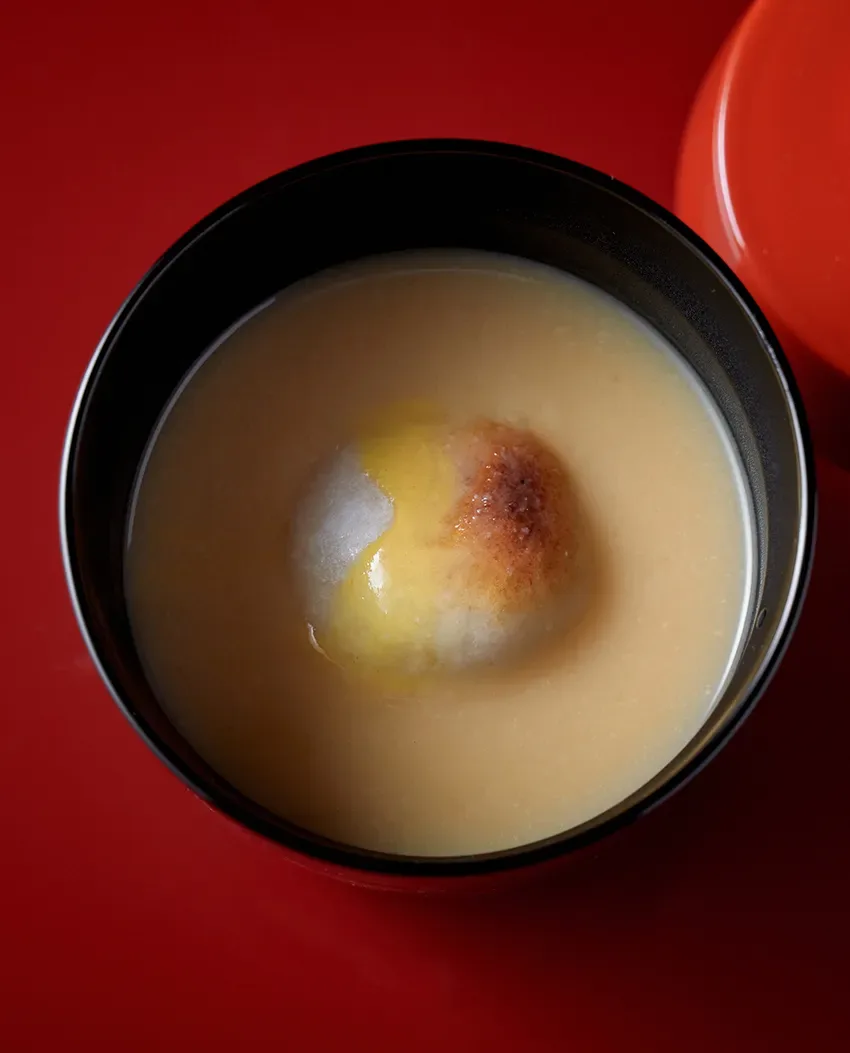
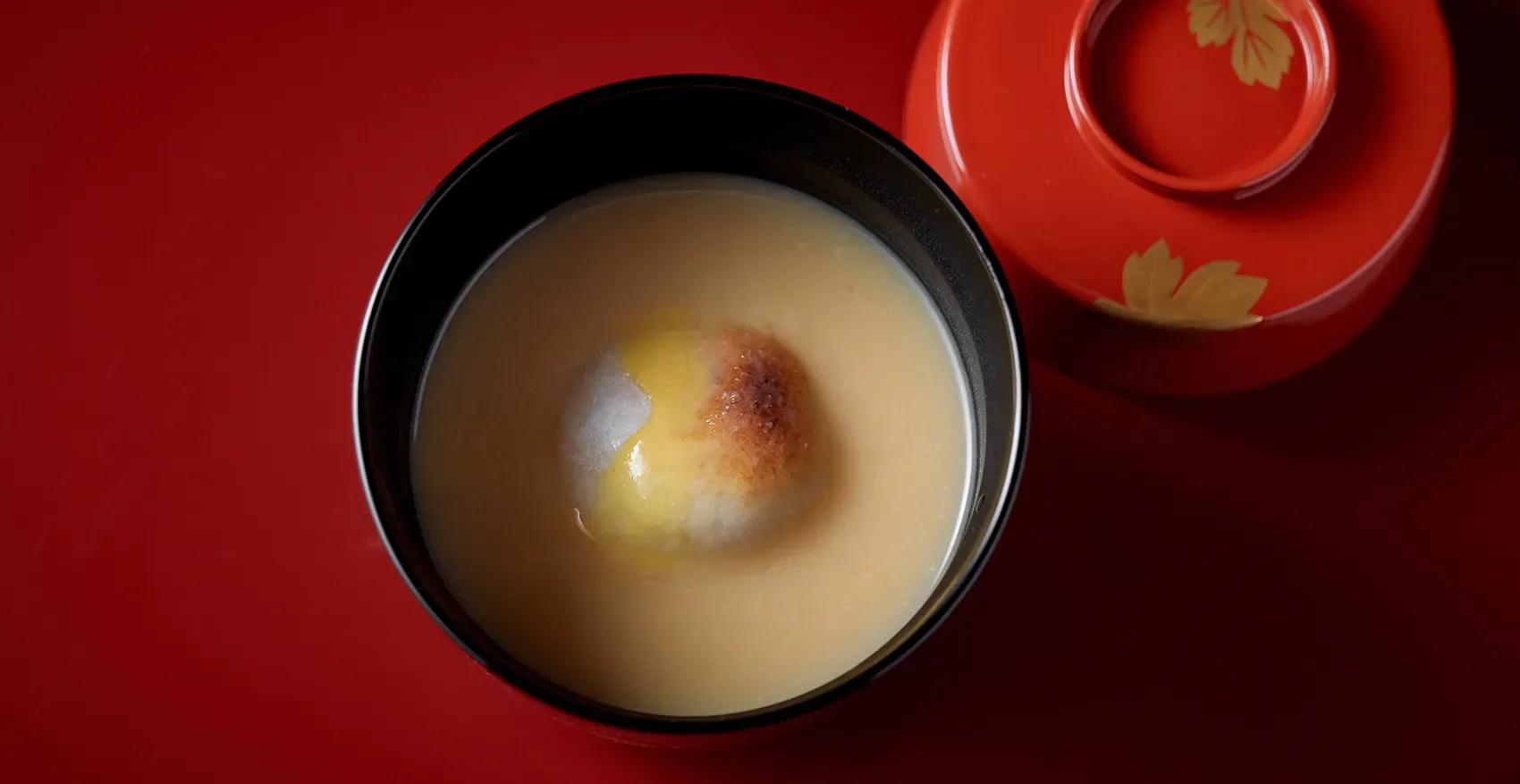
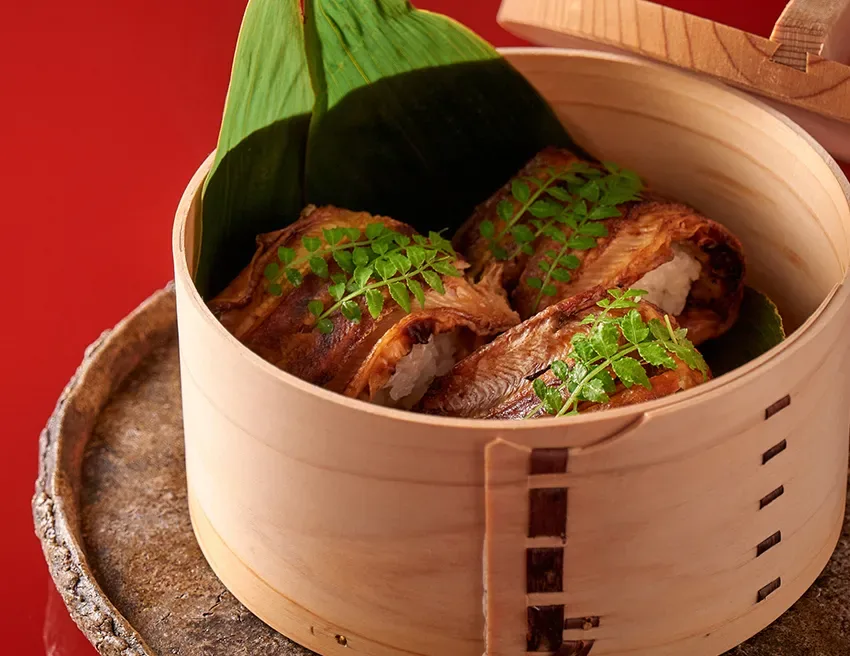
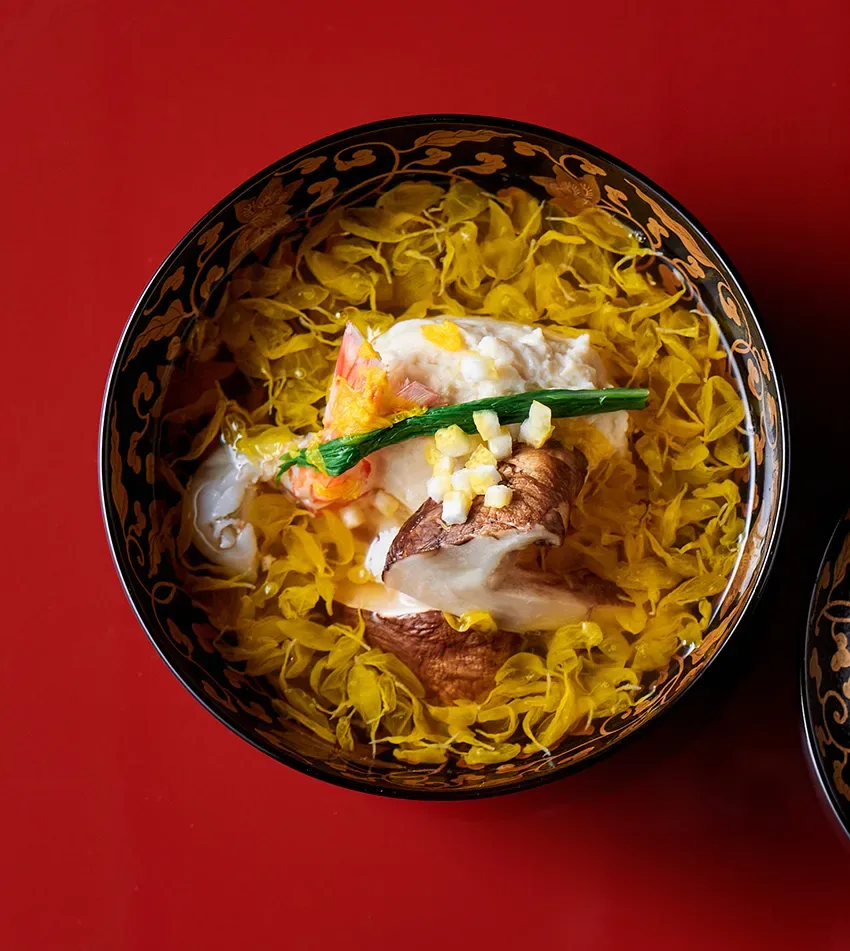
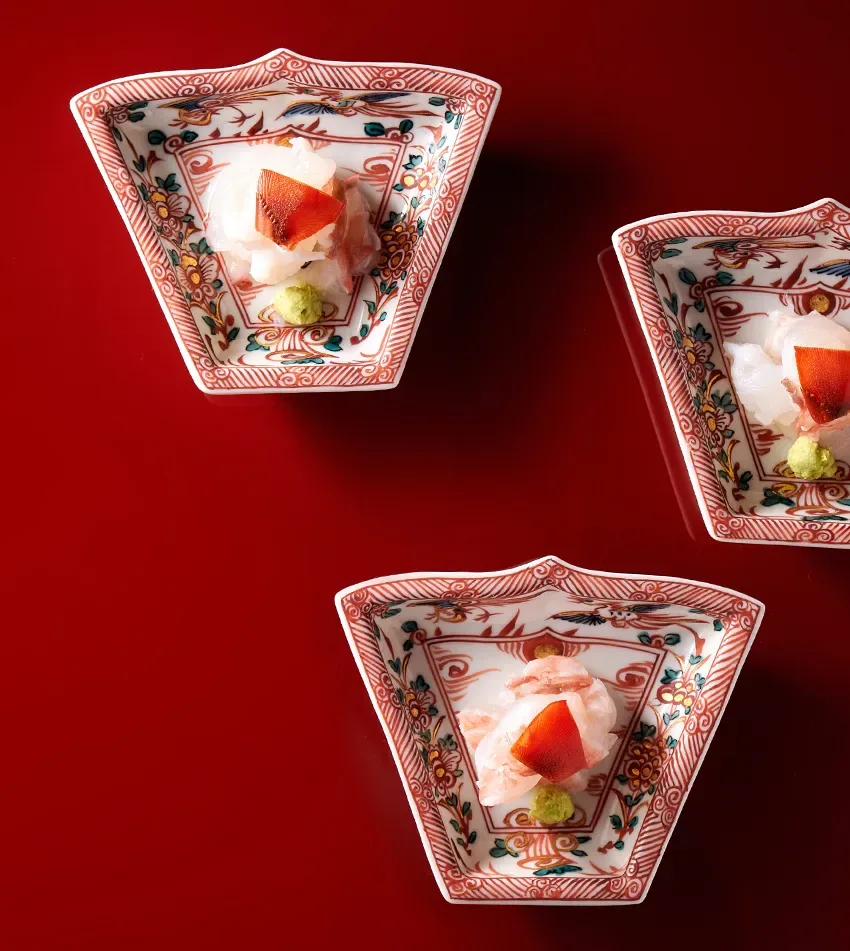
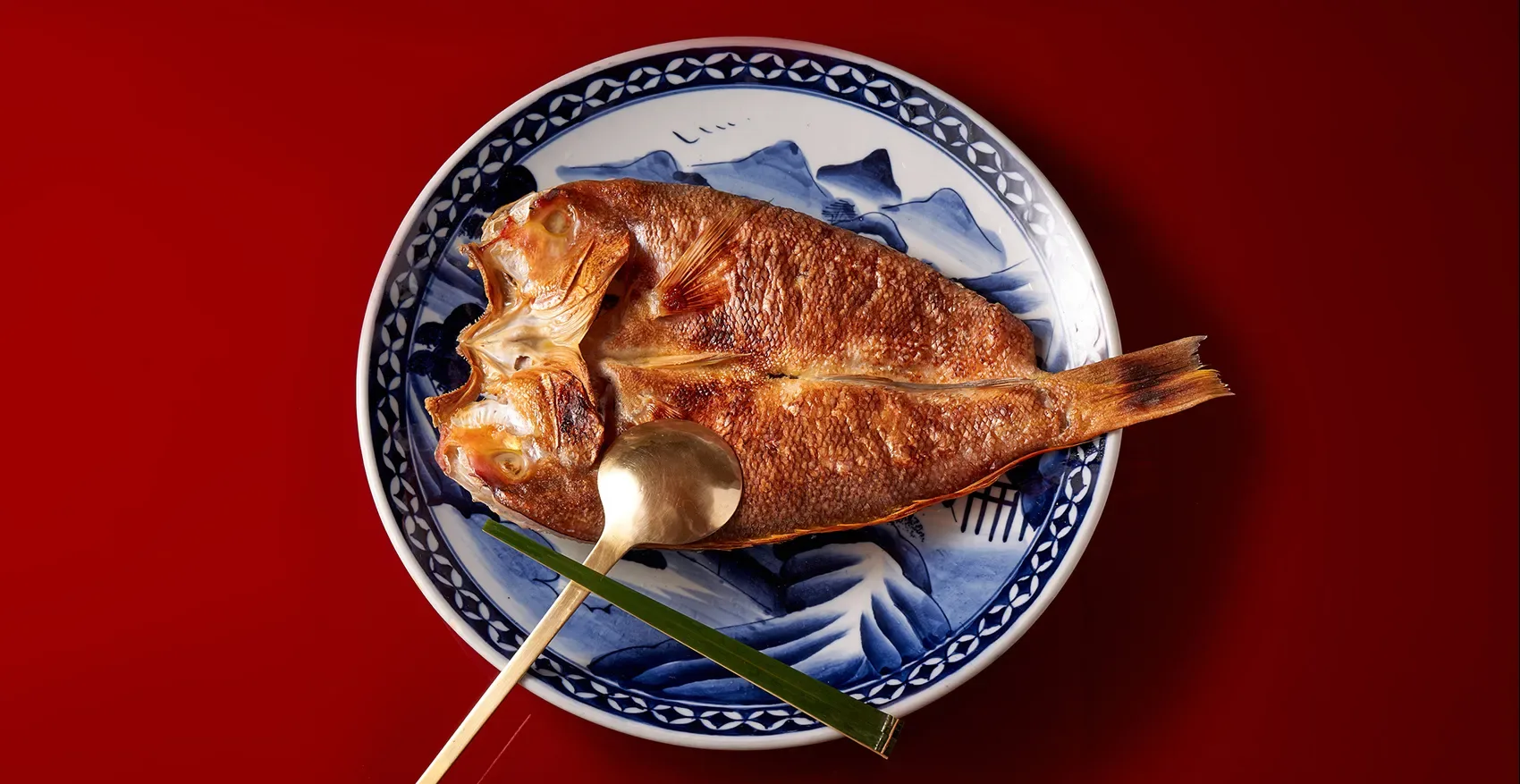
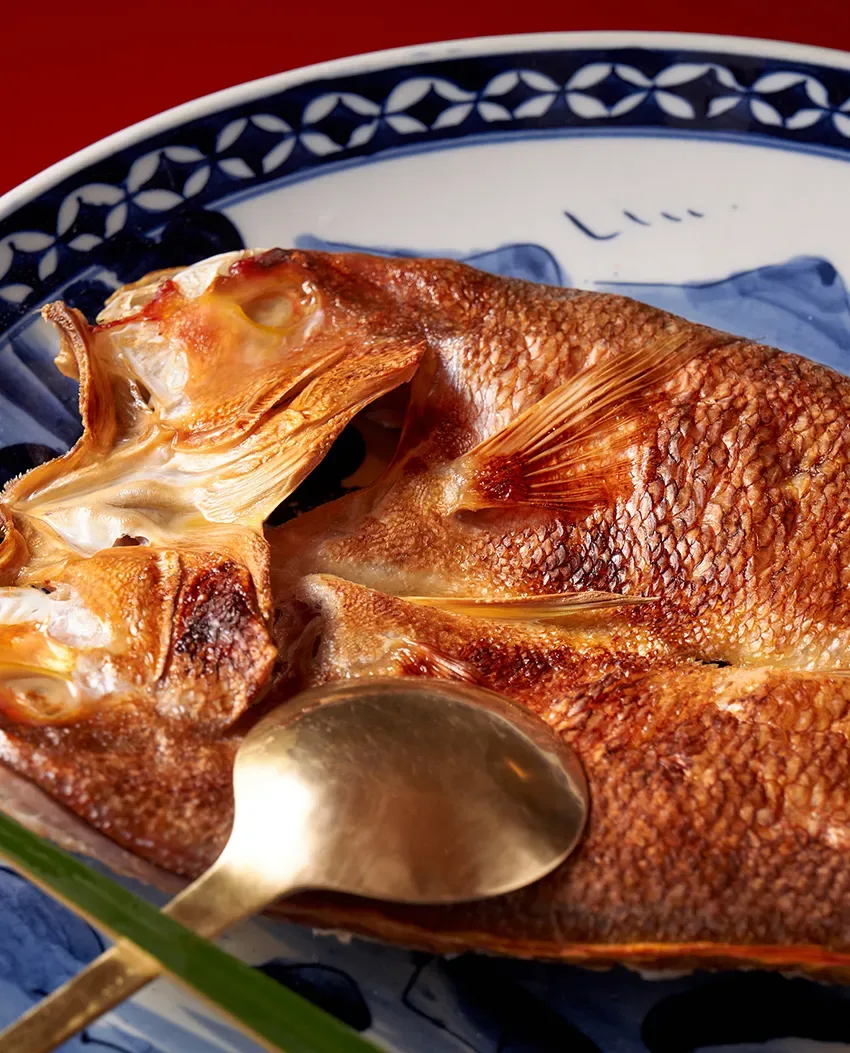
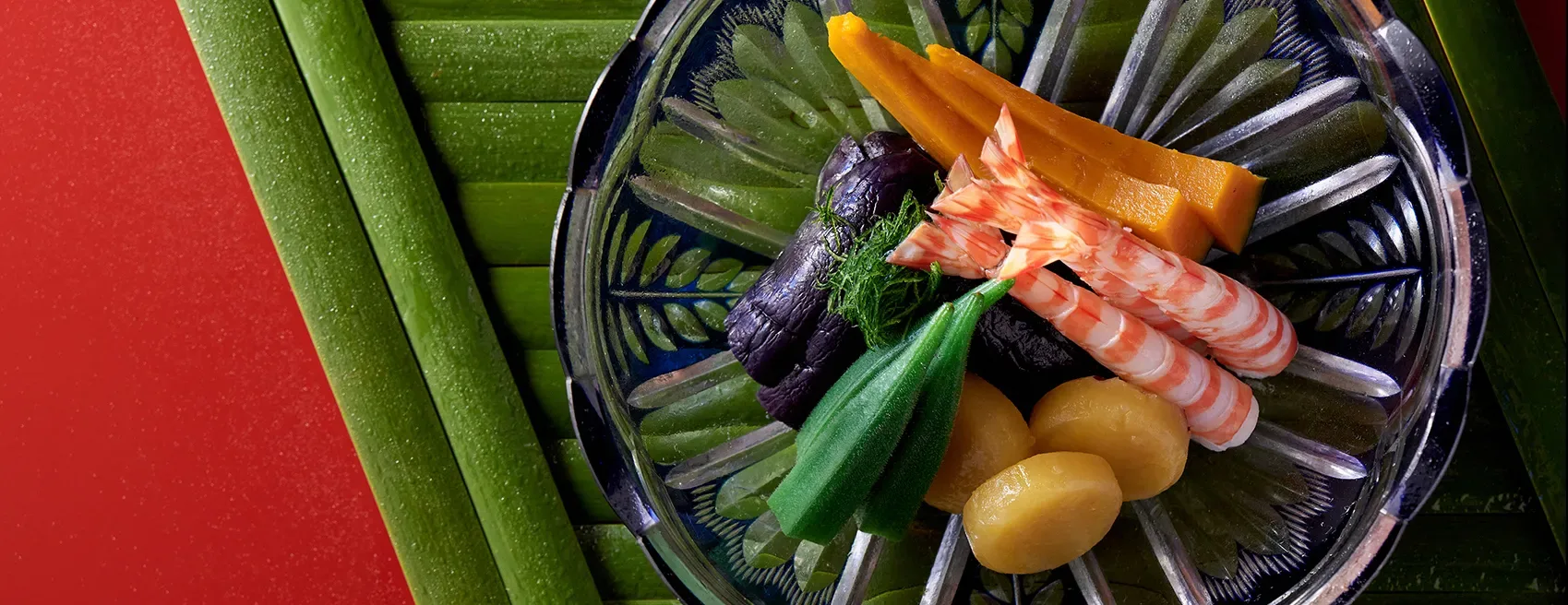
Two dishes stand at the heart of every course. Guji-no-Sakayaki features tilefish salted overnight, sprinkled with sake, and grilled until fragrant. After eating the fish, diners pour hot water into the dish to enjoy the remaining essence as a broth. Shiro-miso Zoni is a white miso soup with a toasted rice cake, flavored only with a touch of mustard—no dashi. The result is sweet, delicate, and deeply satisfying. Both dishes are included in every lunch and dinner course, a constant thread through the changing seasons.
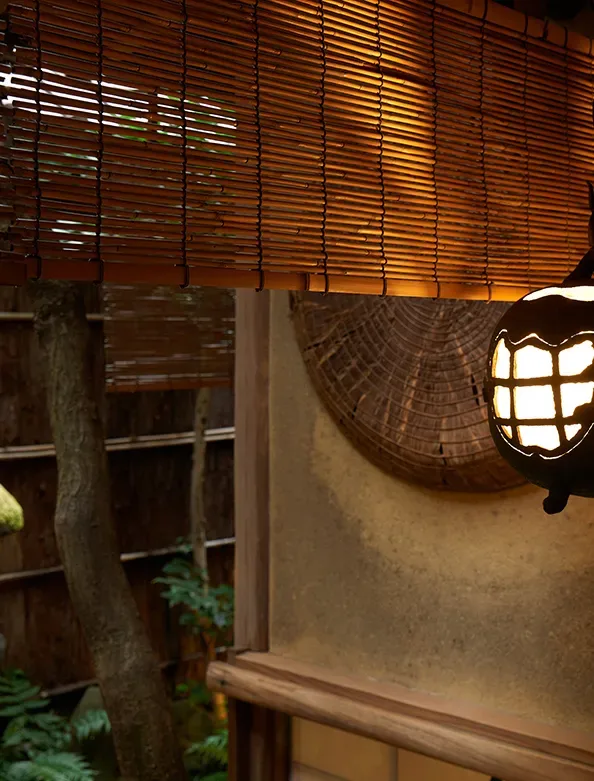
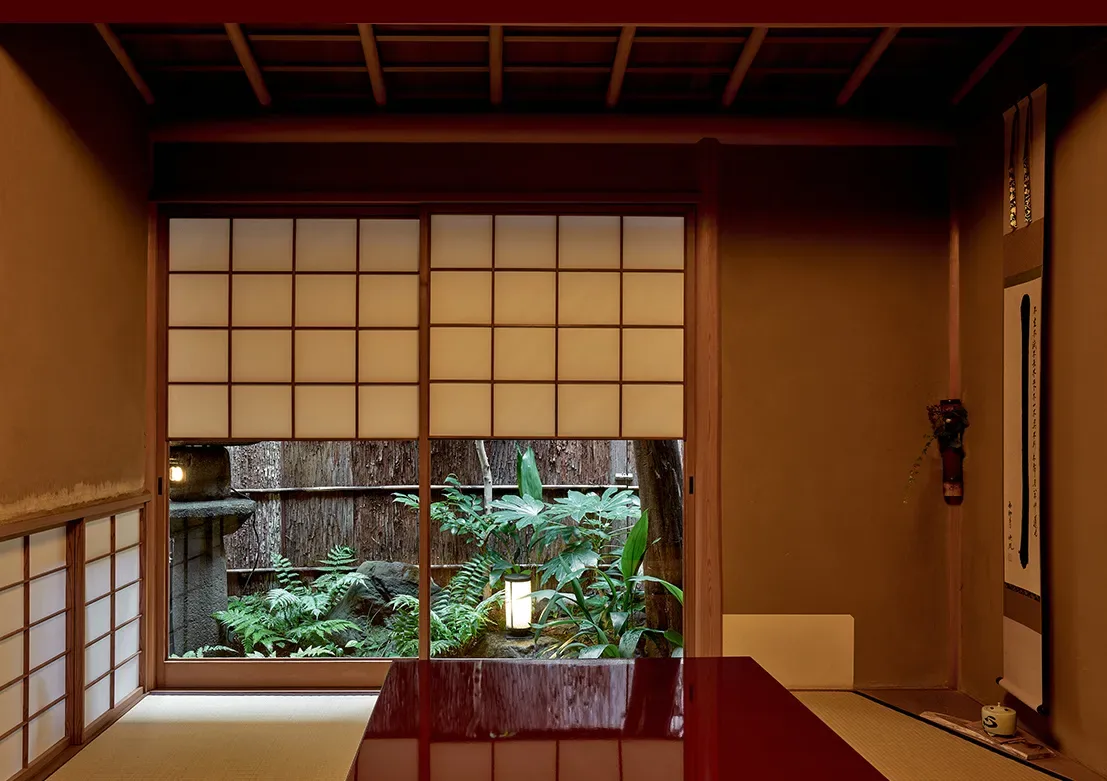
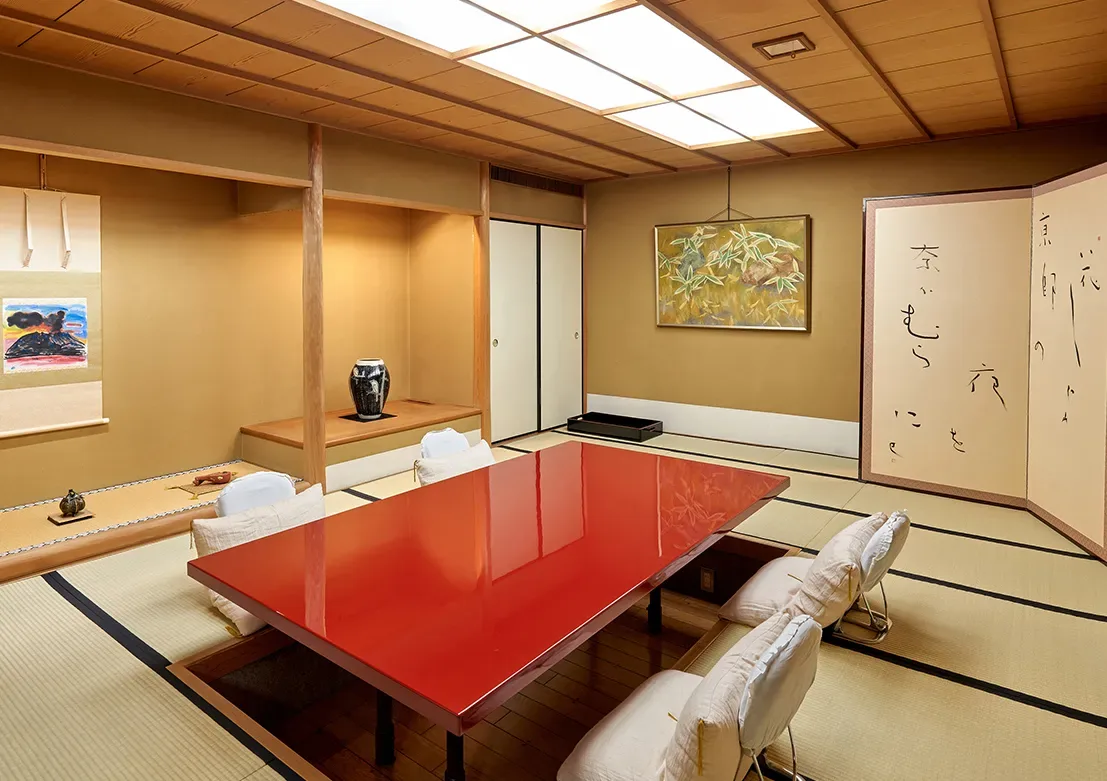
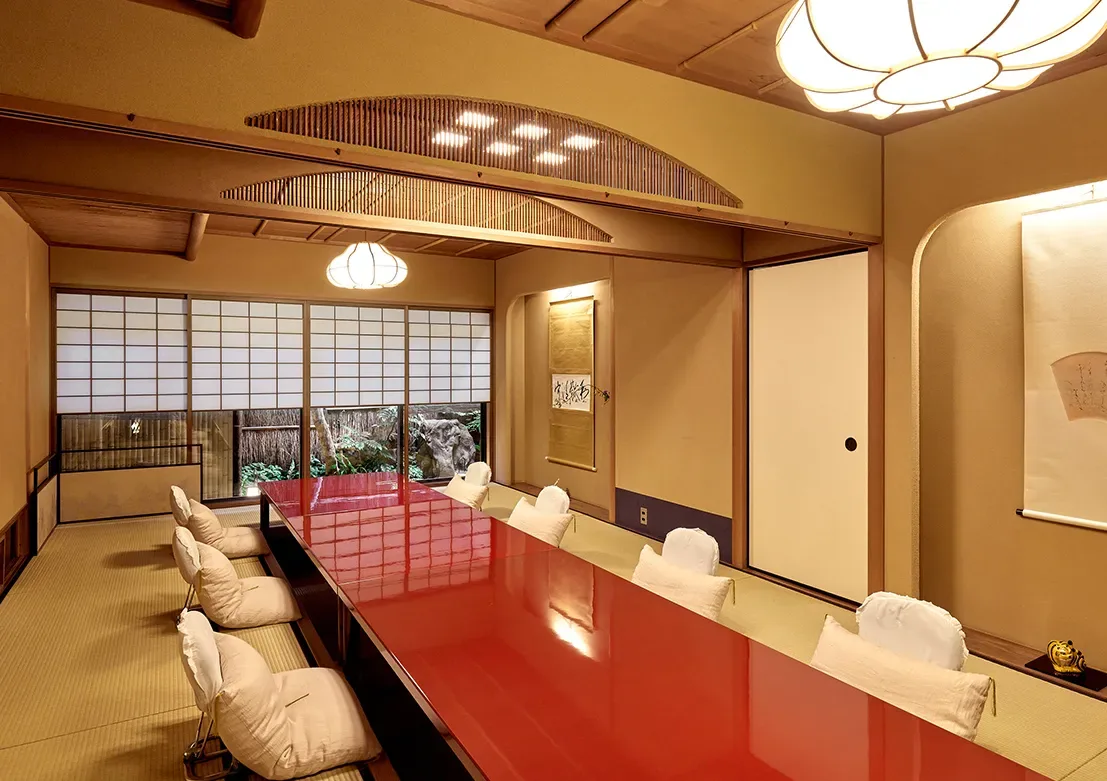
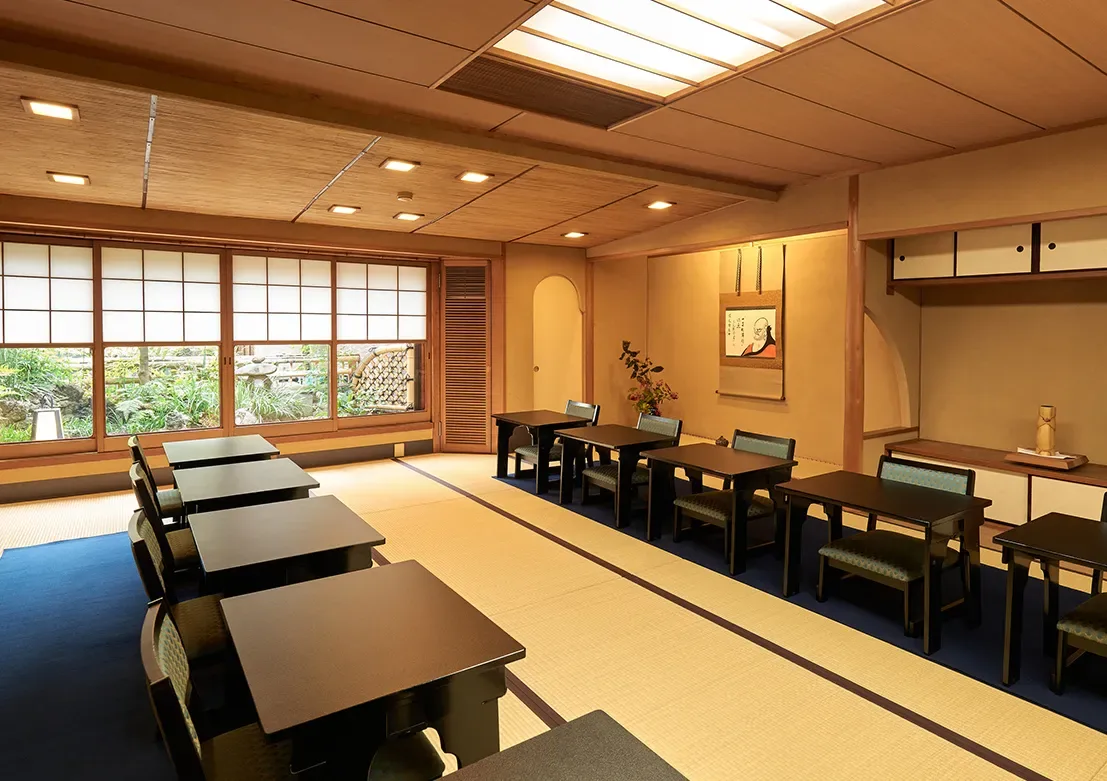
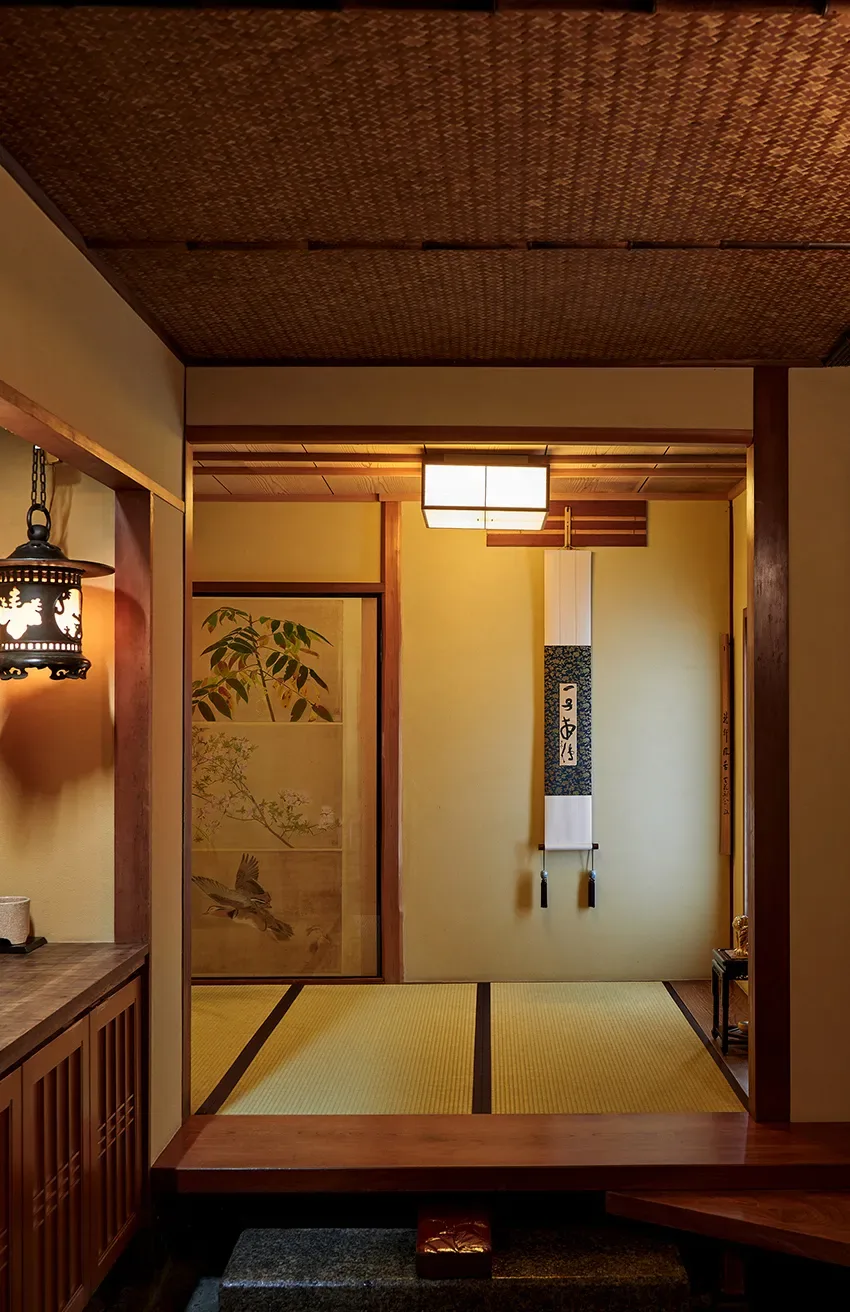
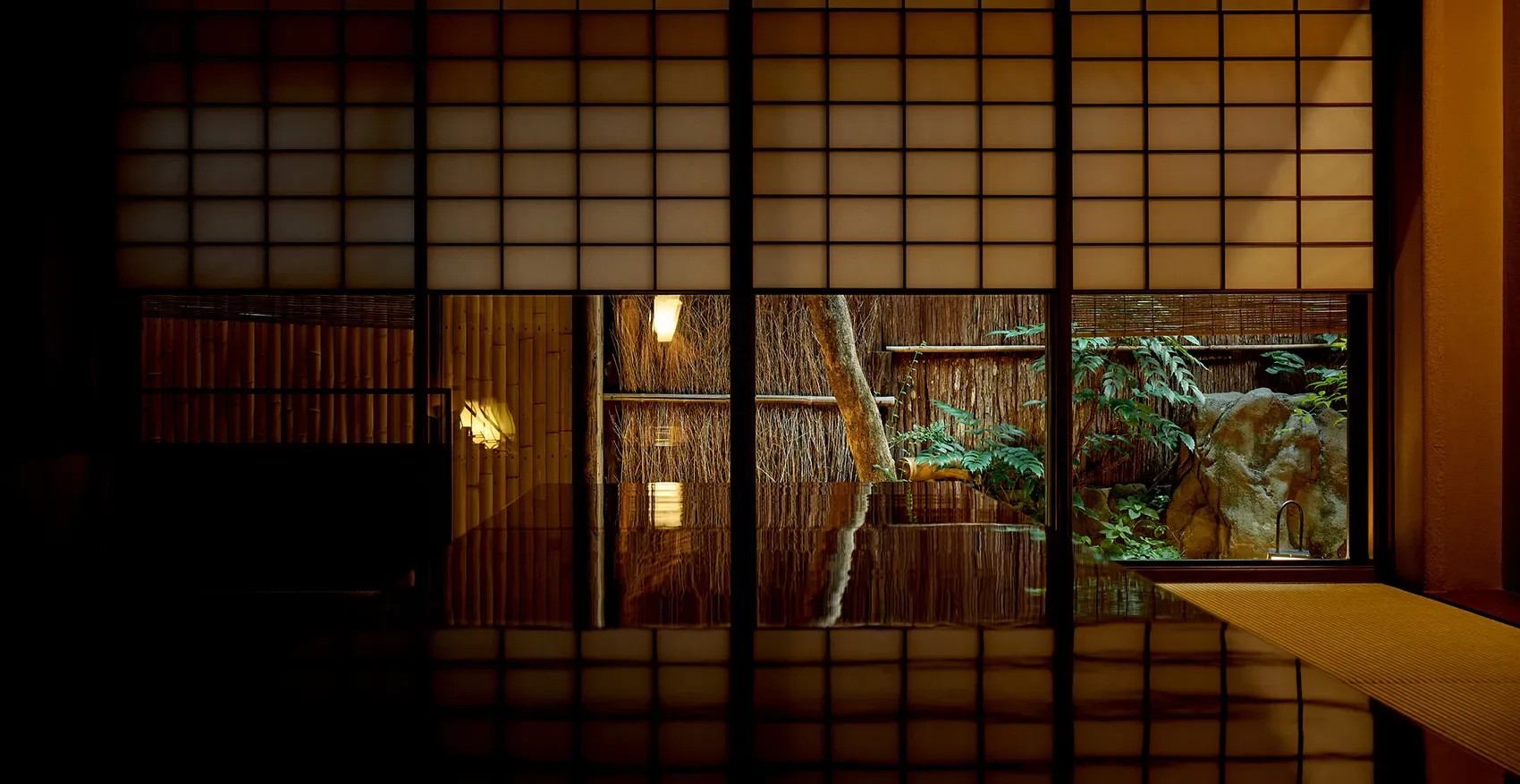
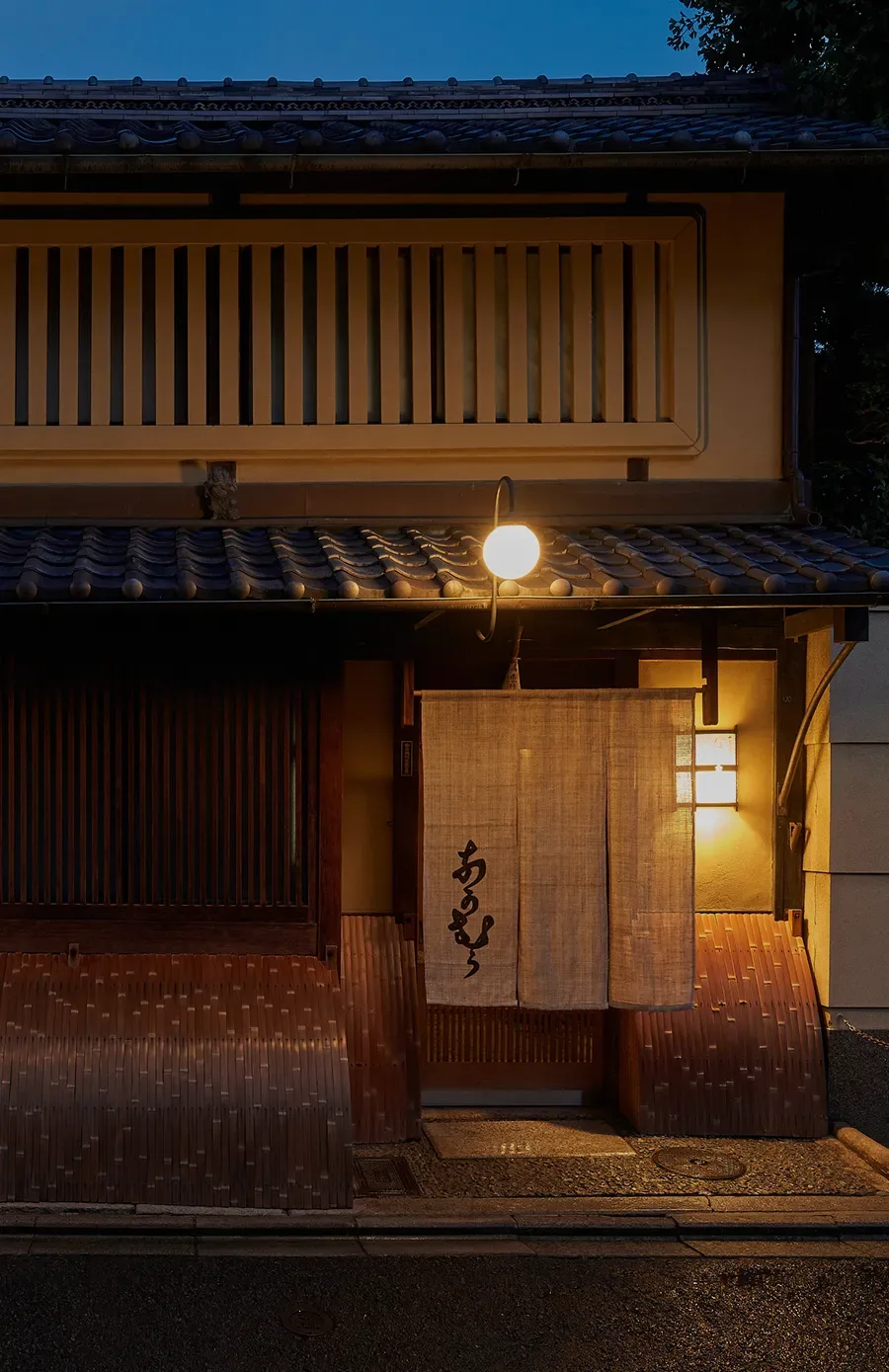
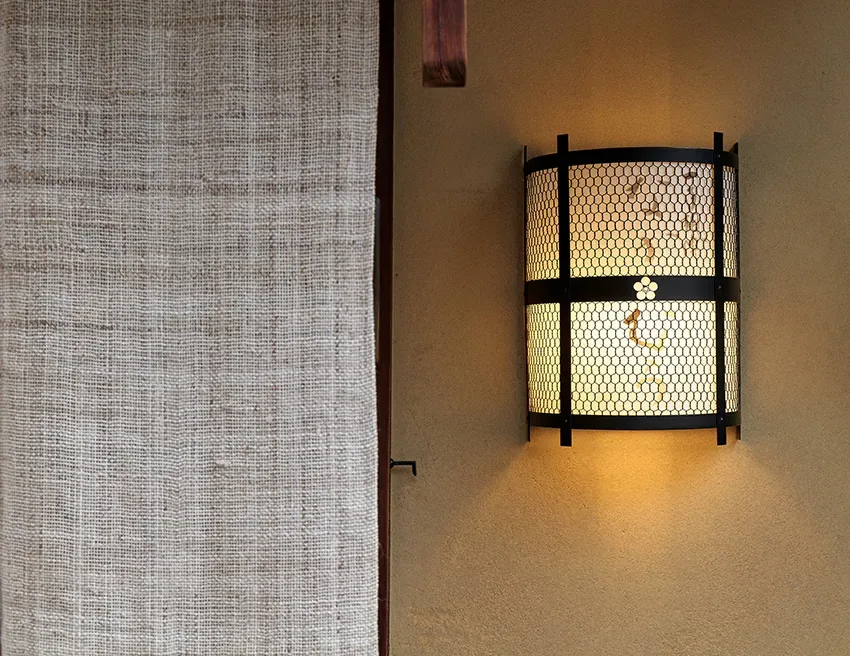
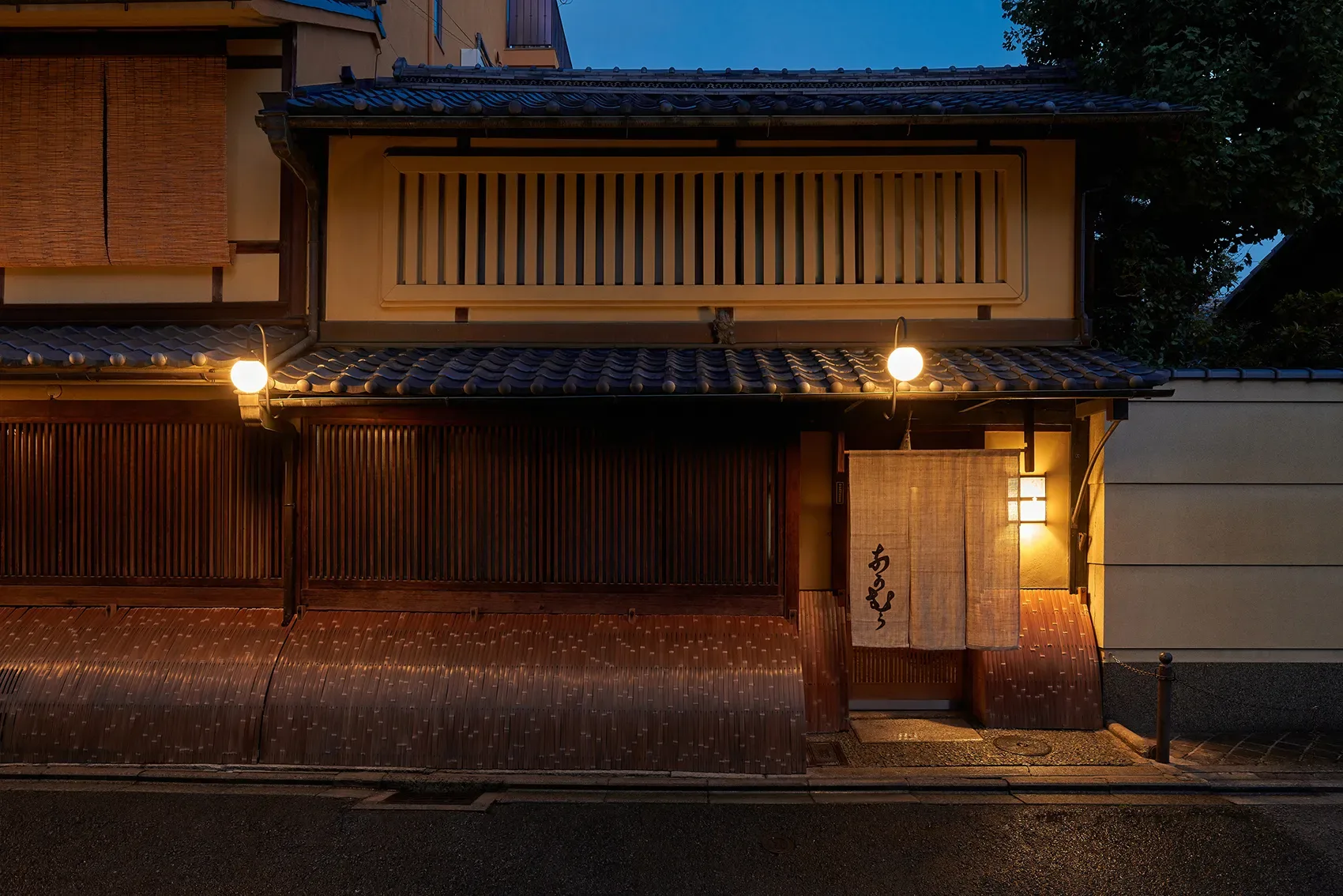
The restaurant sits near the Kyoto Imperial Palace on Fuyacho-Oike. Behind the noren curtain, the noise of the city fades. Private rooms overlook a courtyard garden, with tatami and low tables designed for focused enjoyment. The atmosphere is one of quiet hospitality, where staff attend to every detail without intrusion.
Isshisoden Nakamura has held three Michelin stars since 2011, a reflection of its unwavering dedication to Kyoto’s culinary heritage. The recognition is woven into the restaurant’s daily practice—not a goal, but a natural outcome of pursuing flavor with sincerity. For those seeking the essence of Japanese kaiseki in Kyoto, this is a destination that honors the past while quietly innovating for the future.
Recognition

Ambience
Details
Location


 Instagram