
The story
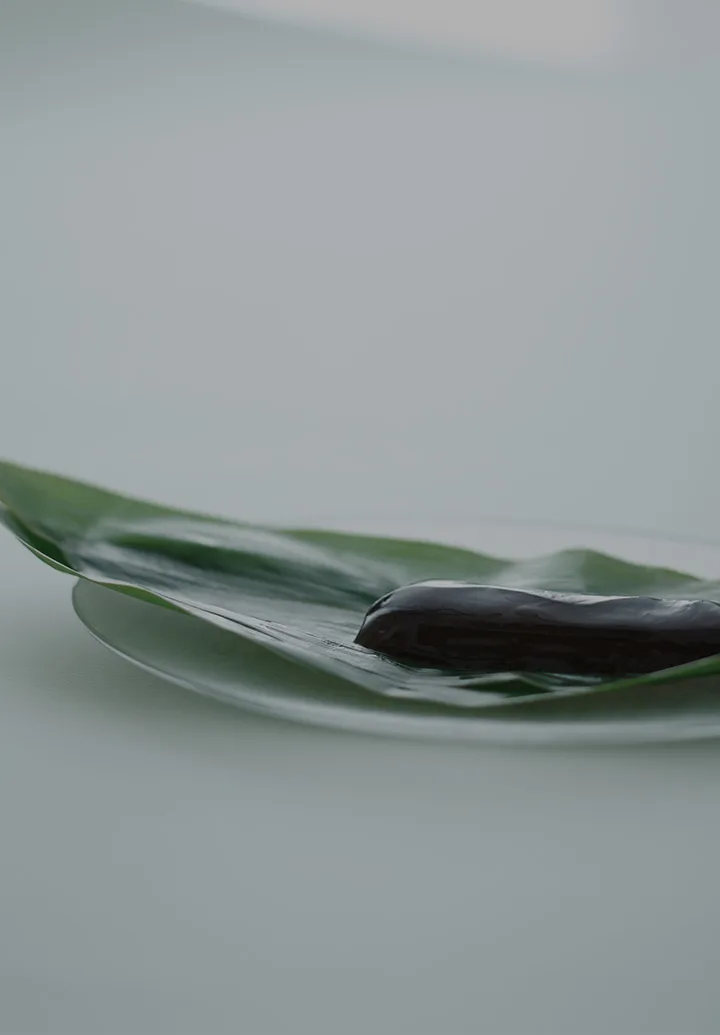
Kodaiji Wakuden sits quietly in the Higashiyama district of Kyoto, a short walk from the temple that gives it its name. Here, kaiseki is not merely a meal but a meditation on the passing of time—each course a verse from the year’s quiet narrative.
The kitchen takes its cues from nature’s smallest shifts. In early spring, when cold still lingers, a kaiseki course titled “Spring in Waiting” draws on poems from the Manyoshu and Kojiki, pairing ingredients that carry both winter’s memory and spring’s first warmth. “The flavors of this season,” the restaurant notes, “hold the subtle richness nurtured by the change of seasons, and the breath of new growth rests quietly within them.”
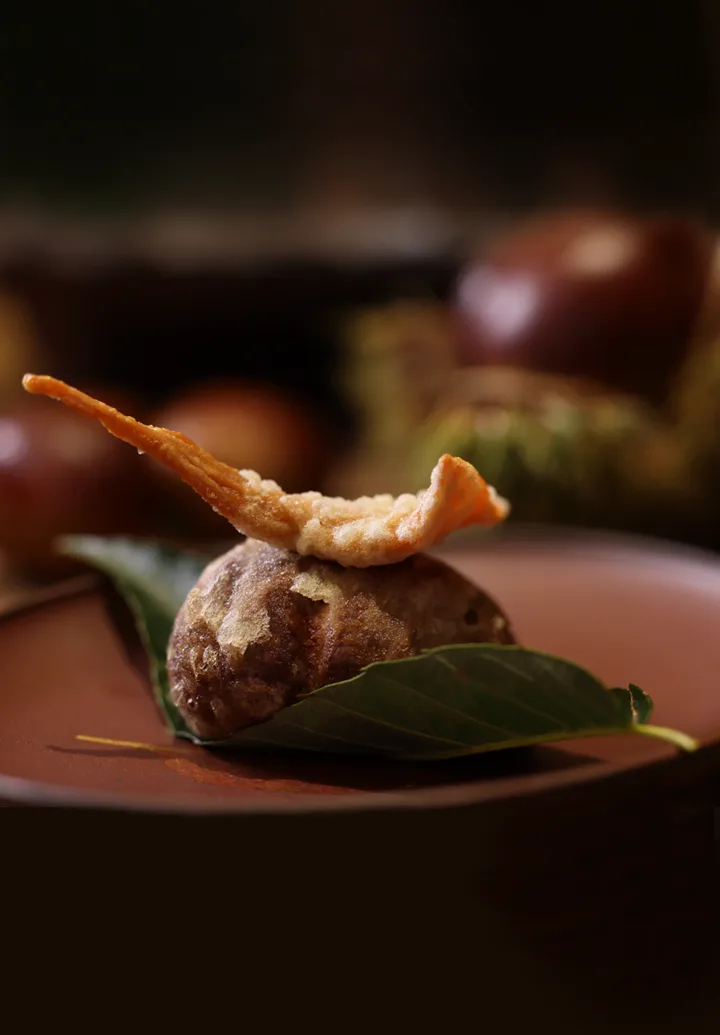
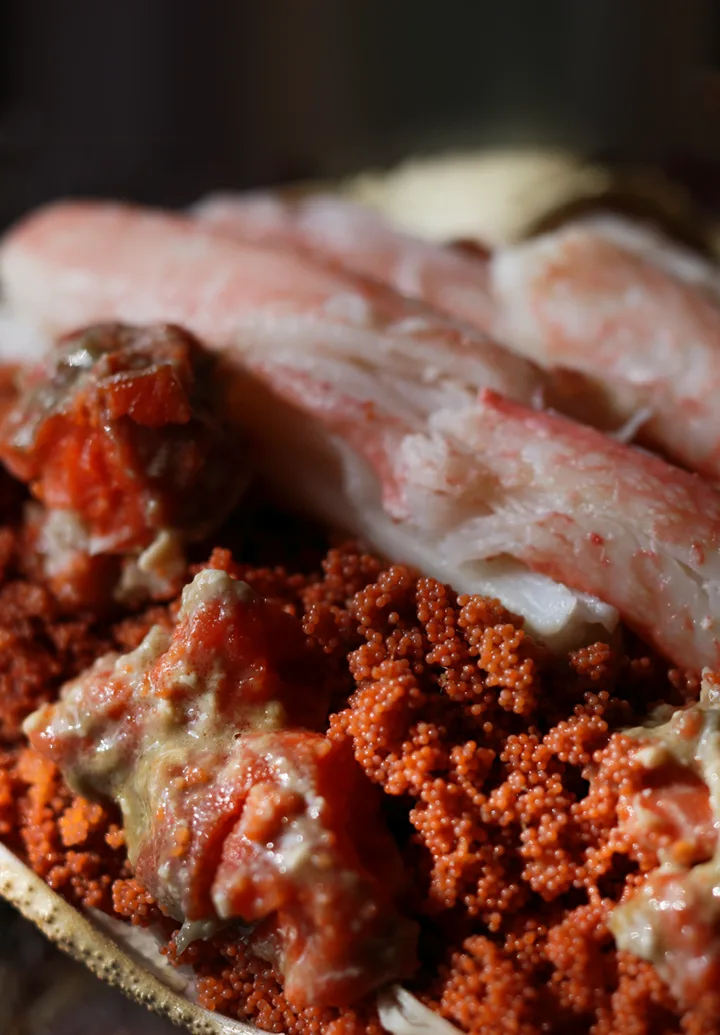
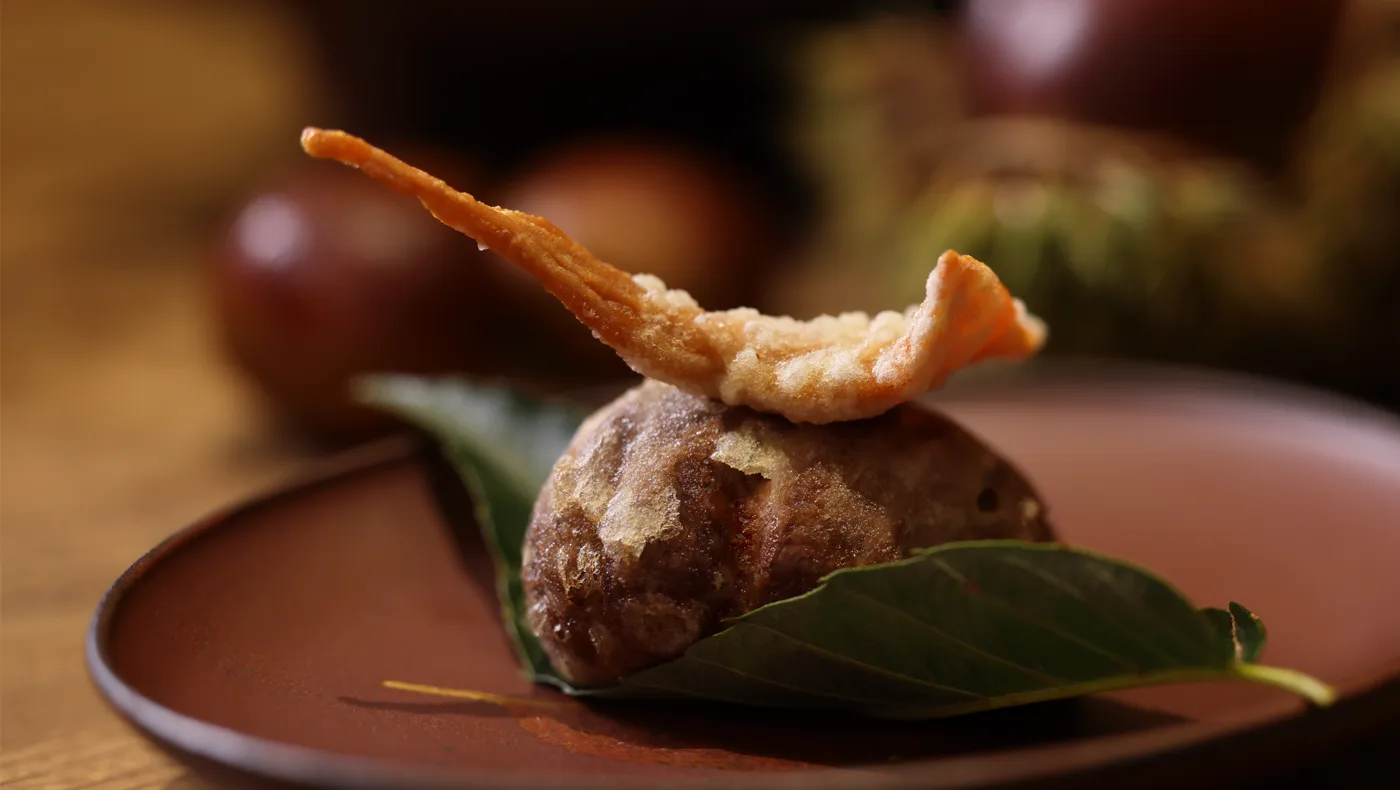
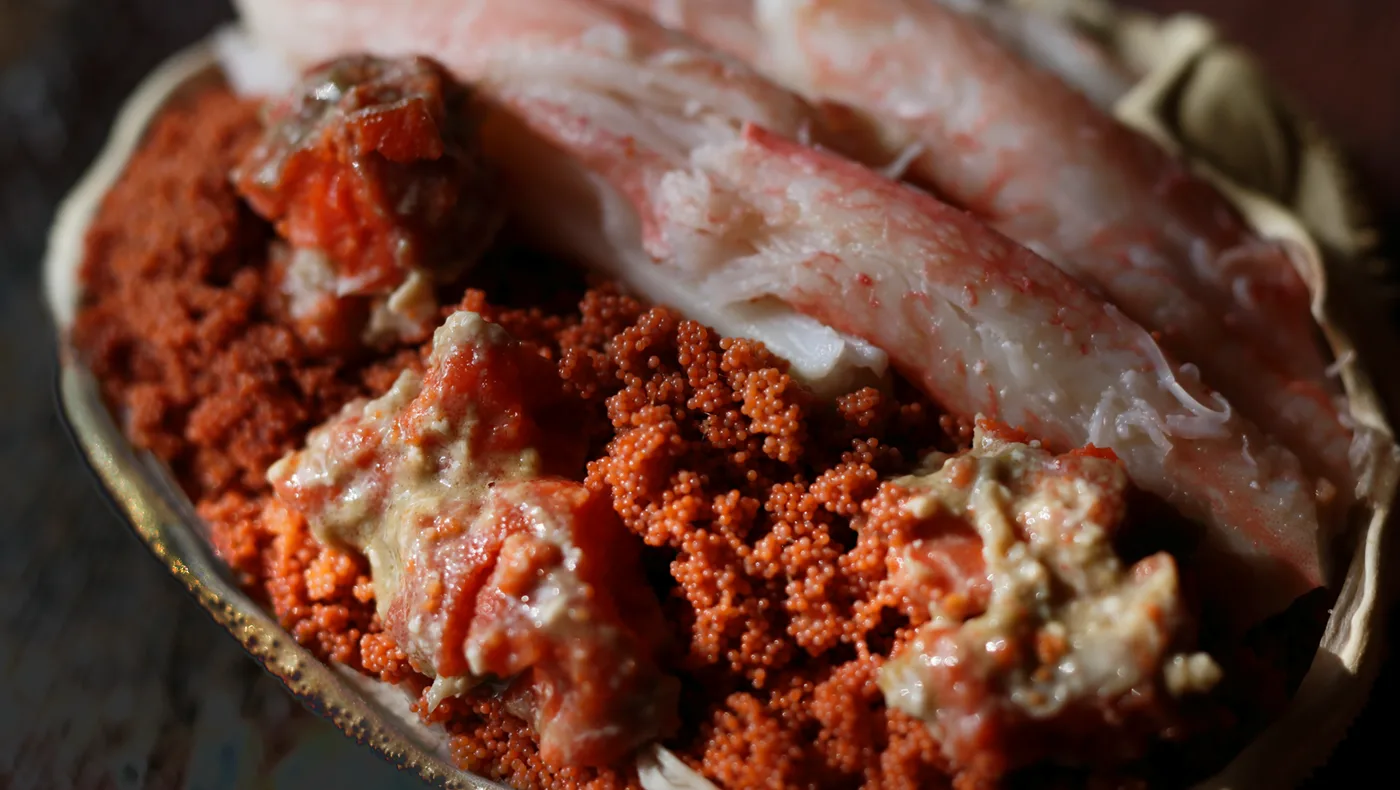
Autumn brings Tanba chestnuts, a local delicacy that has been prized since the Heian period when they were presented to the imperial court. Each nut is allowed to ripen slowly in the mountain air and morning fog, yielding a gentle sweetness and moist richness. Winter is the fleeting season of kobako crab—the female snow crab, known in Kyoto as koppe-gani. For a few short weeks in November and December, its inner and outer roe are savored for their deep umami and delicate pop.
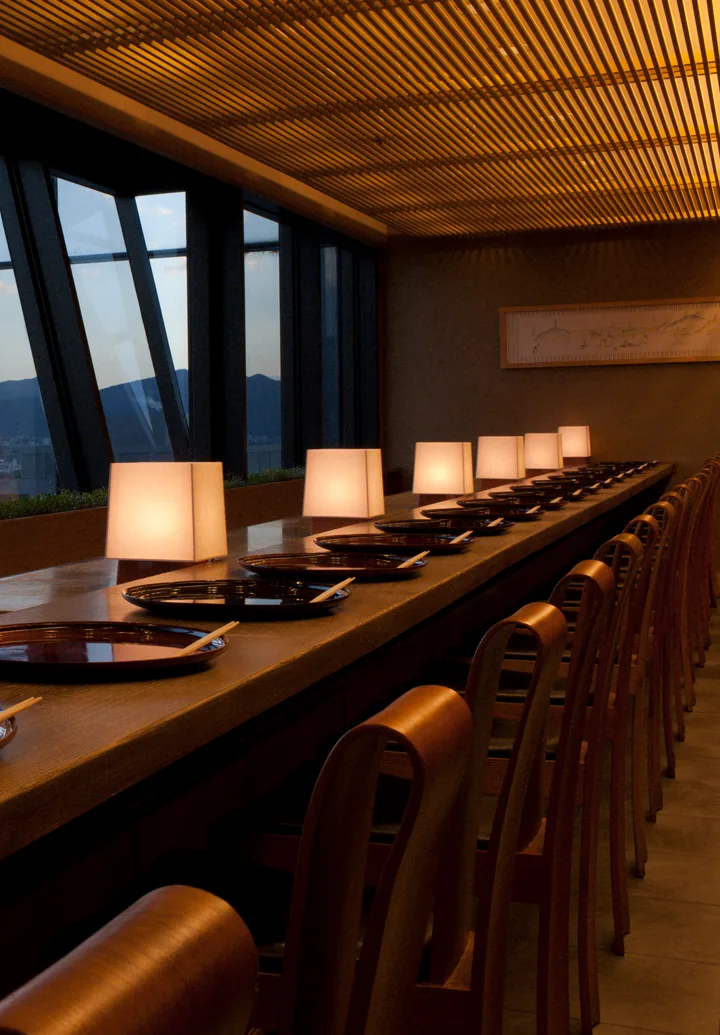
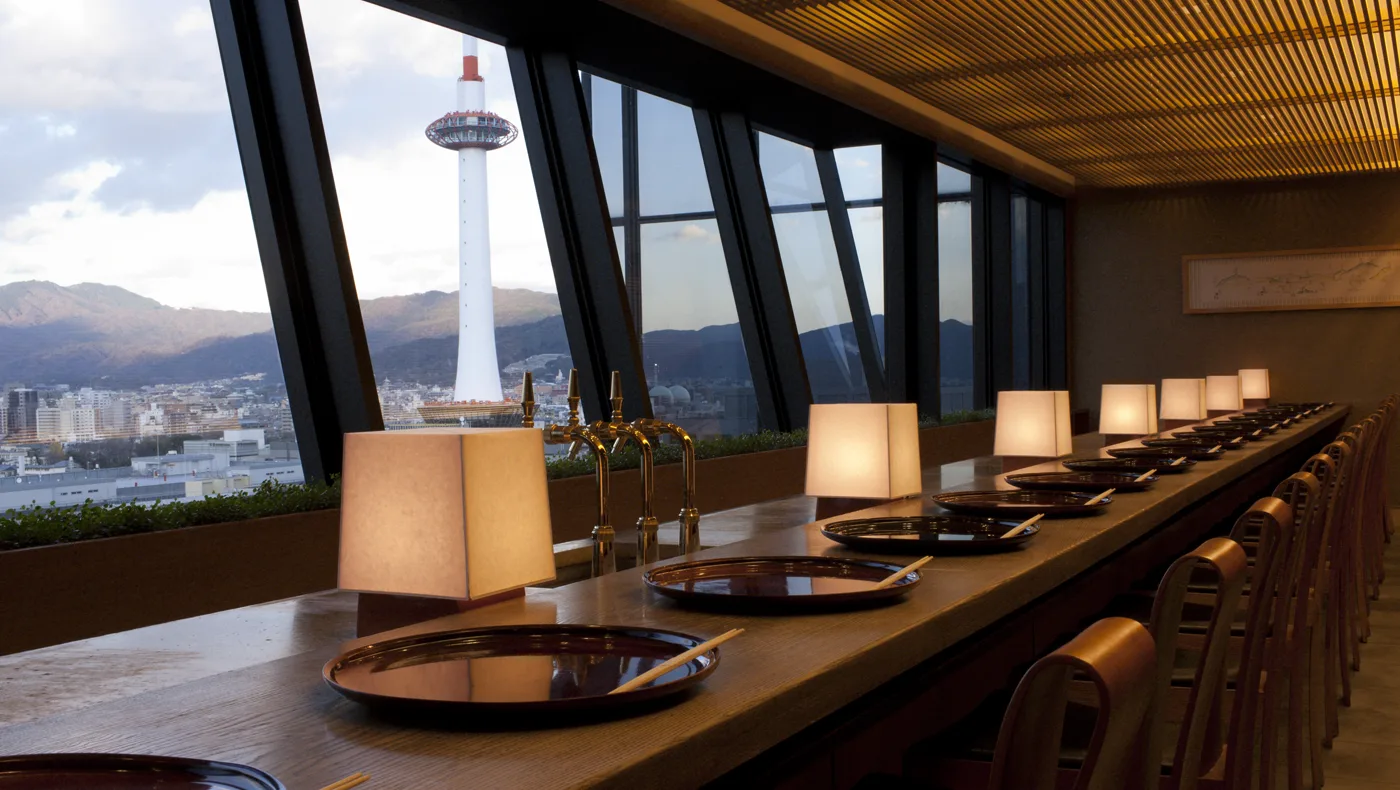
The dining room offers counter seating, allowing guests to watch the chefs at work. The atmosphere is one of understated elegance—a space that lets the food and the season speak for themselves. It is this quiet precision that has earned Kodaiji Wakuden two Michelin stars, a recognition of its “excellent cooking.”
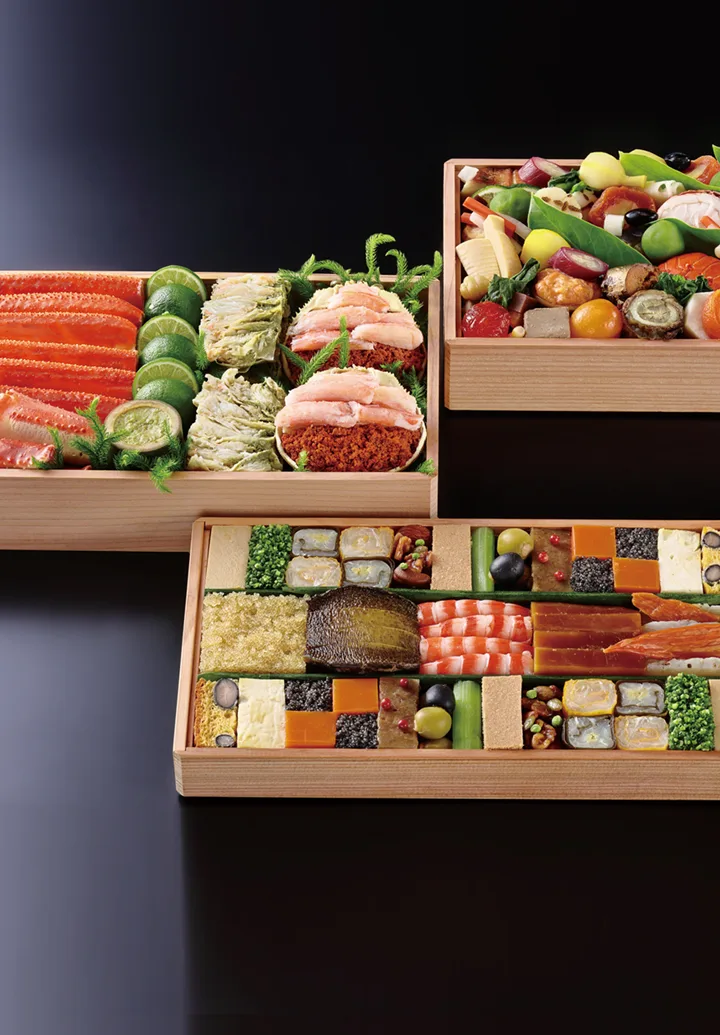
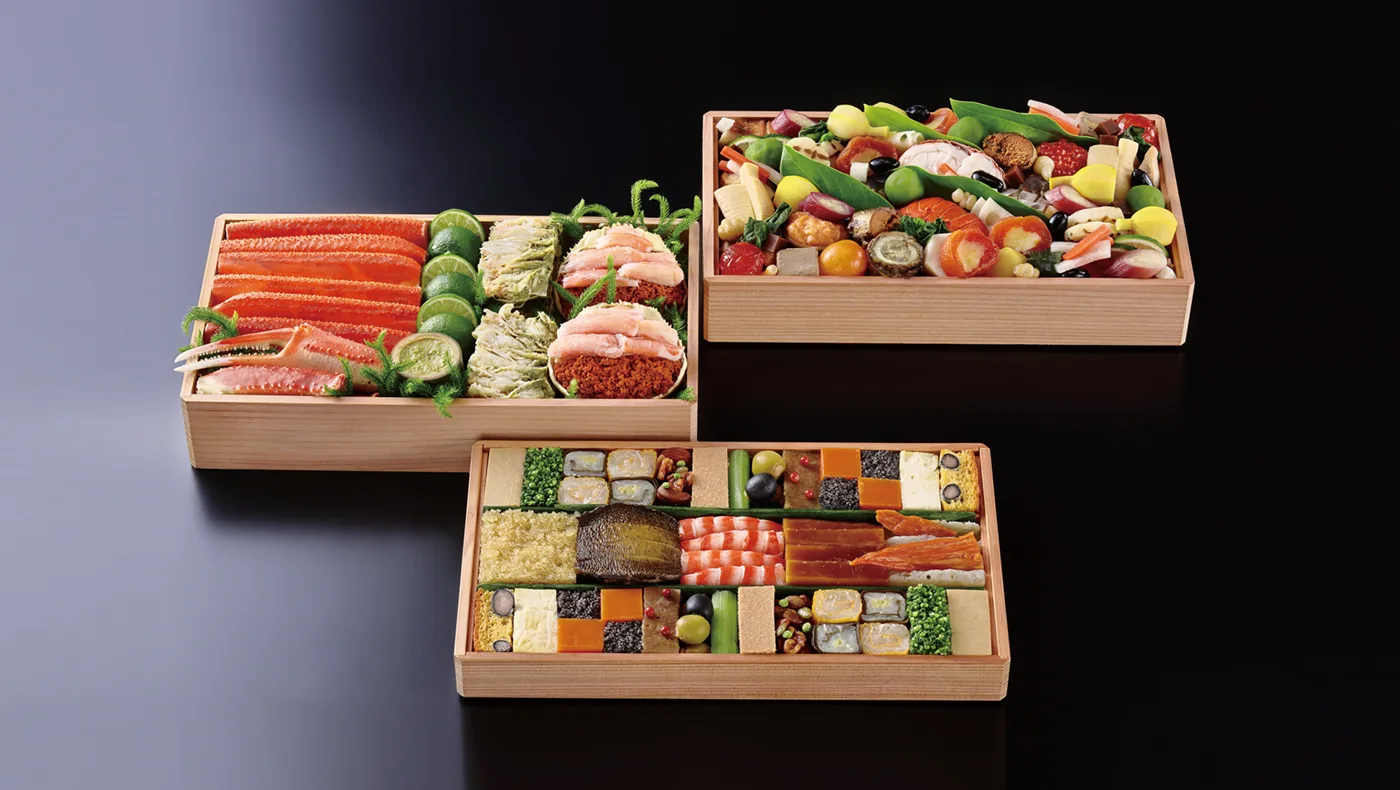
Every dish arrives with intention. From the osechi New Year’s offerings, assembled with care by each chef, to the kaiseki that unfolds a story of the day, the restaurant honors the rhythm of the year. This is Japanese cuisine at its most thoughtful—rooted in Kyoto’s traditions, yet always attuned to the present moment.
Recognition


Ambience
Details
Location

 Facebook
 Instagram