
The story
In the quiet sanctuary of Kyoto’s Tadasu no Mori, Kyokaiseki Kichisen serves a style of Japanese cuisine that is as much about ritual as it is about taste. The restaurant follows the lineage of chakaiseki, the simple meal served before the formal tea ceremony, elevating it into an elaborate, multi-course affair.
Chef-owner Yoshimi Tanigawa discovered his passion for cooking at age nine. After arriving in Kyoto at fifteen, he trained under fifty different masters, immersing himself not only in cooking but also in the arts of tea ceremony, flower arrangement, incense, calligraphy, and poetry. This broad aesthetic education shapes every dish at Kichisen. At 26, he became head chef at a renowned Arashiyama restaurant—a stunning appointment for someone so young. In 1983, he opened his own restaurant, and two years later, he built Kyokaiseki Kichisen on its current site, a location with deep ancestral ties to his family.
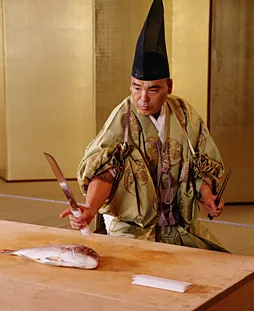
The restaurant's recognition is substantial. It earned two Michelin stars for the 2026 guide, following an impressive run of three stars from 2014 to 2019. The New York Times featured it in 1986, and Chef Tanigawa famously defeated the "Iron Chef Japanese" Morimoto in a televised conger eel battle.
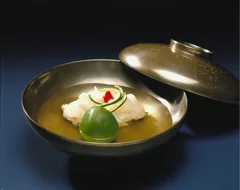
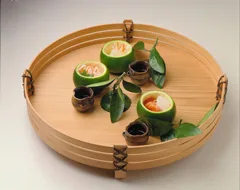
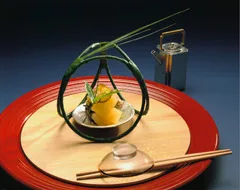
Dining here is an orchestrated experience. The meal begins with a symbolic cup of sake, offered to the gods and then shared with the guest. The wan (soup course) arrives with a light mist of water on the lid, a gesture of coolness and a sign that the dish has been prepared just for you. The chef encourages guests to lift the lid, inhale the seasonal aroma (spring’s young leaves, summer’s green yuzu, autumn’s yellow yuzu, winter’s ginger), and savor the dashi—the lifeblood of Kyoto cuisine.
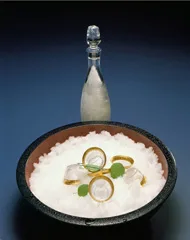
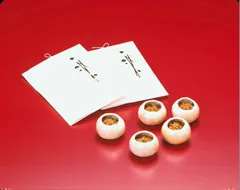
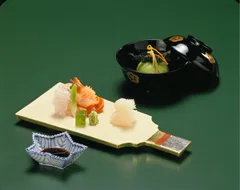
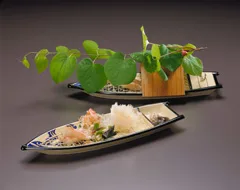
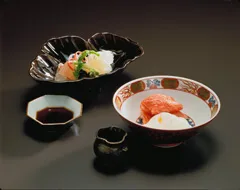
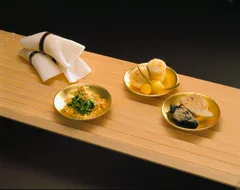
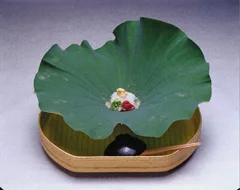
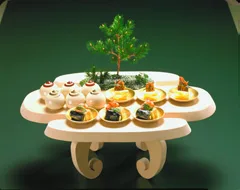
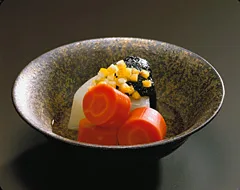
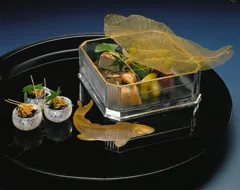
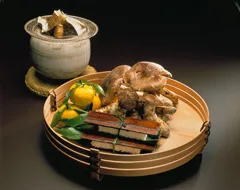
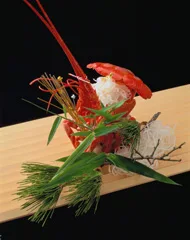
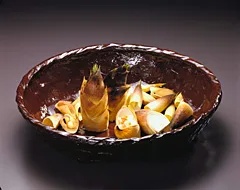
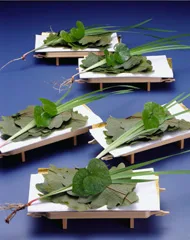
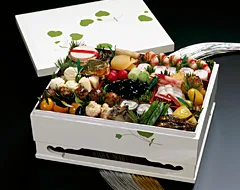
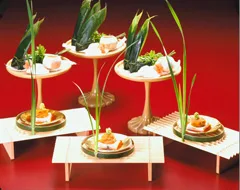
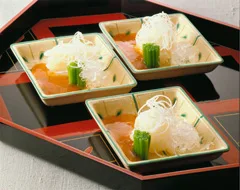
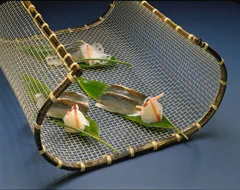
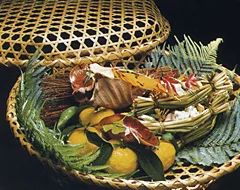
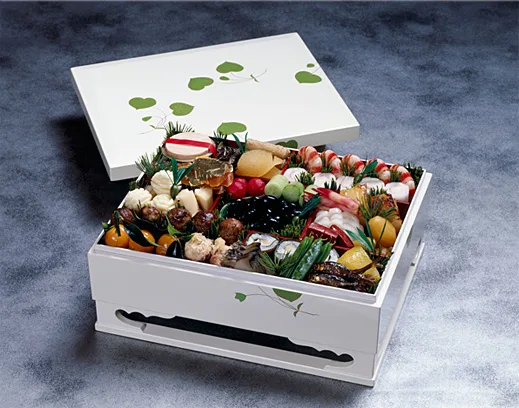
The progression follows a classic kaiseki structure: appetizer, soup, sashimi (mukozuke), a palate-cleansing middle dish, the climactic hassun (a platter of seasonal delicacies shared with sake), simmered and grilled mains, a palate cleanser, rice, pickles, and finally, fruit, sweets, and thin tea. Each element reflects the season, balancing the five tastes and five senses. The mukozuke, for example, is served with herbal accompaniments that aid digestion and enhance flavor.
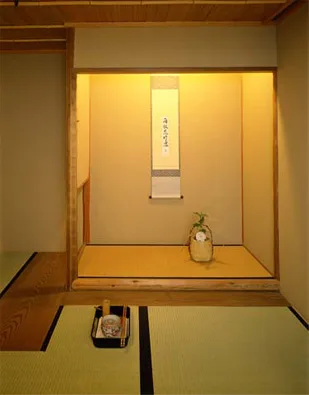
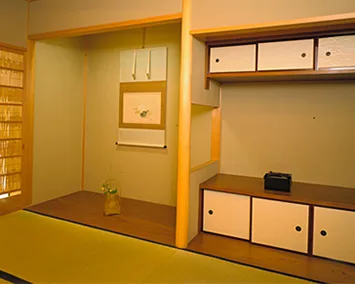
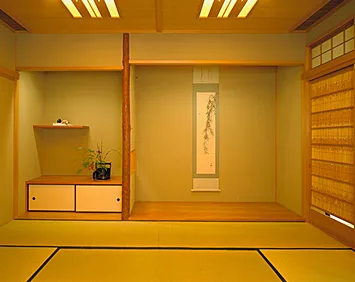
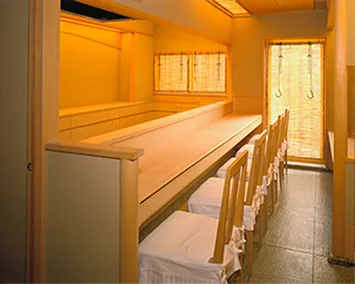
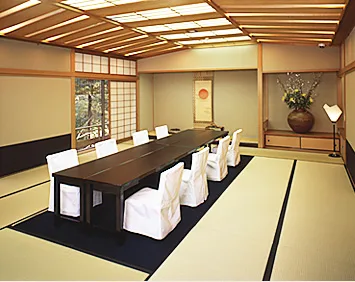
The restaurant offers several private rooms, from a six-tatami space to a 27-tatami hall, as well as a counter overlooking the kitchen. The atmosphere is one of quiet, refined simplicity, allowing the food and the surrounding forest to take center stage. Chef Tanigawa’s philosophy is clear: use the freshest seasonal ingredients from across Japan to create a meal that is pleasant to eat, beautiful to behold, and deeply satisfying.
Recognition

Ambience

Details
Location



 Instagram