The story
In a quiet corner of Kyoto’s Nakagyo ward, Sokkon Fujimoto invites guests into a space that feels more like a private tea ceremony than a restaurant. The name, read as “sokkon” in Japanese, hints at a philosophy of living fully in the present moment — and the evening’s rhythm unfolds accordingly.
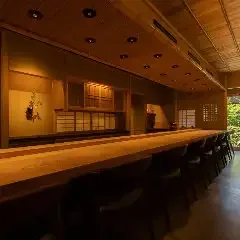
The dining room seats just nine at a counter finished with tatami, paired with antique Nordic chairs. Scrolls and seasonal flowers adorn the room, and a private tea-ceremony-style chamber is available for more intimate gatherings. The setting is deliberately calm and purposeful, a retreat from the city outside.
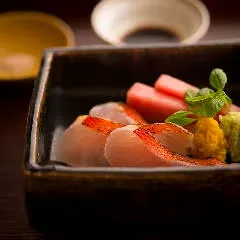
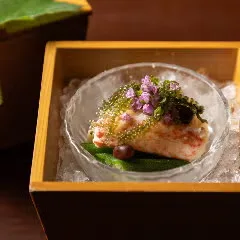
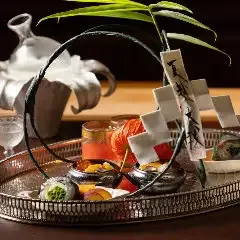
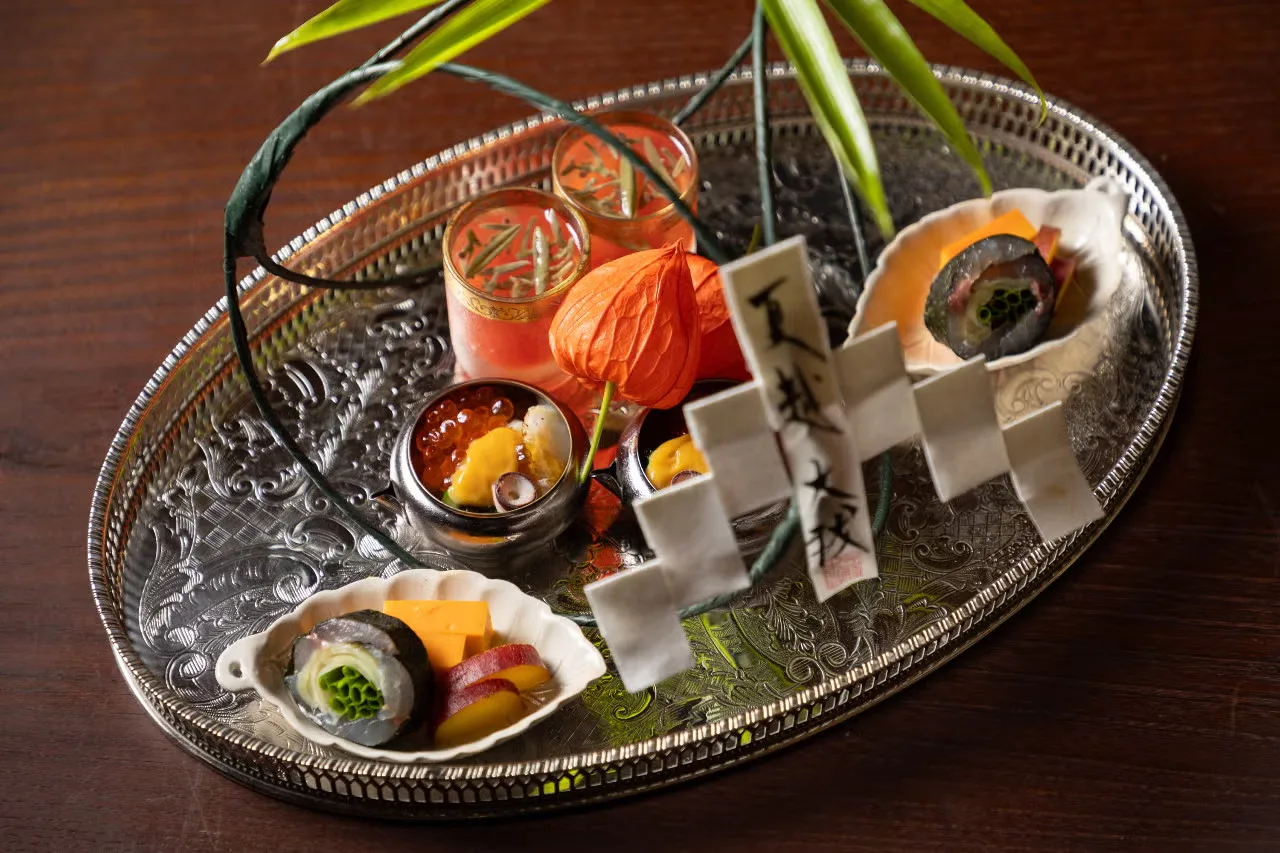
The cuisine is kaiseki — Japan’s refined multi-course meal — built on a deep respect for dashi, the delicate broth that underpins so much of the tradition. Seasonal ingredients from across Japan arrive in the kitchen and are transformed into eleven or twelve small, artful courses. The counter allows guests to watch each dish being composed with quiet precision. A signature dish like the hassun (seasonal assortment) reveals the kitchen’s attention to texture, colour and timing.
Sokkon Fujimoto’s commitment to this craft earned it a Michelin Recommended distinction for 2026. The recognition underscores what regulars already know: this is a place where Japanese cuisine is treated as both art and discipline.
The drink list is curated with the same care — sake, wine and other selections chosen to complement the seasonal menu. Lunch and dinner courses are available, with dinner offering the full tasting experience.
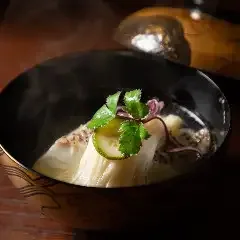
Between the tatami counter, the changing scrolls, and the subtle play of light on lacquerware, Sokkon Fujimoto offers not just a meal, but a sustained moment of calm — and a taste of Kyoto’s deeper culinary traditions.
Recognition

Ambience

Details
Location