

The story
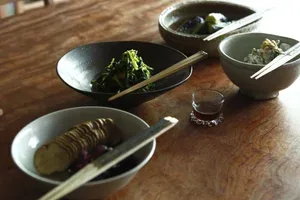
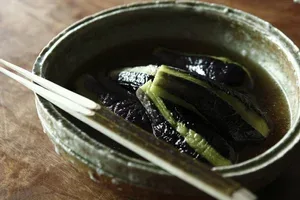
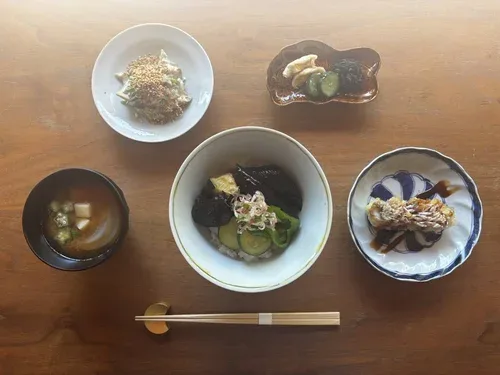
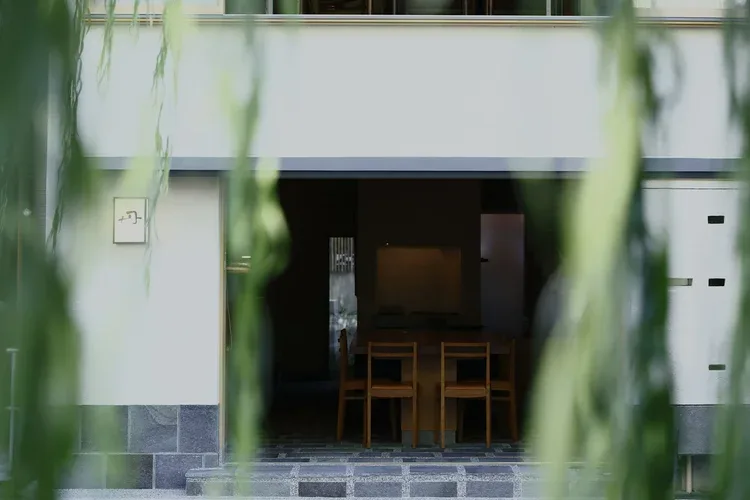
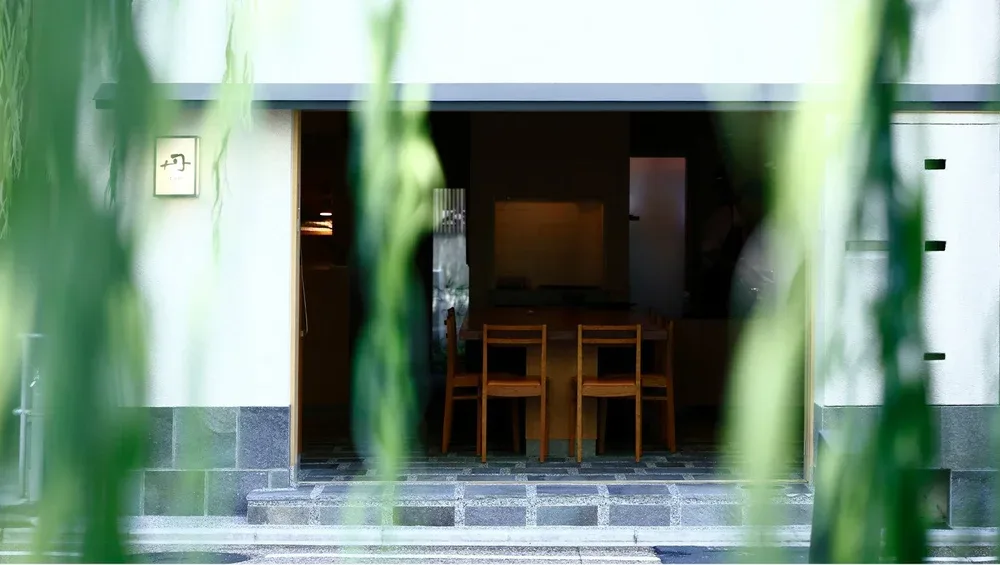
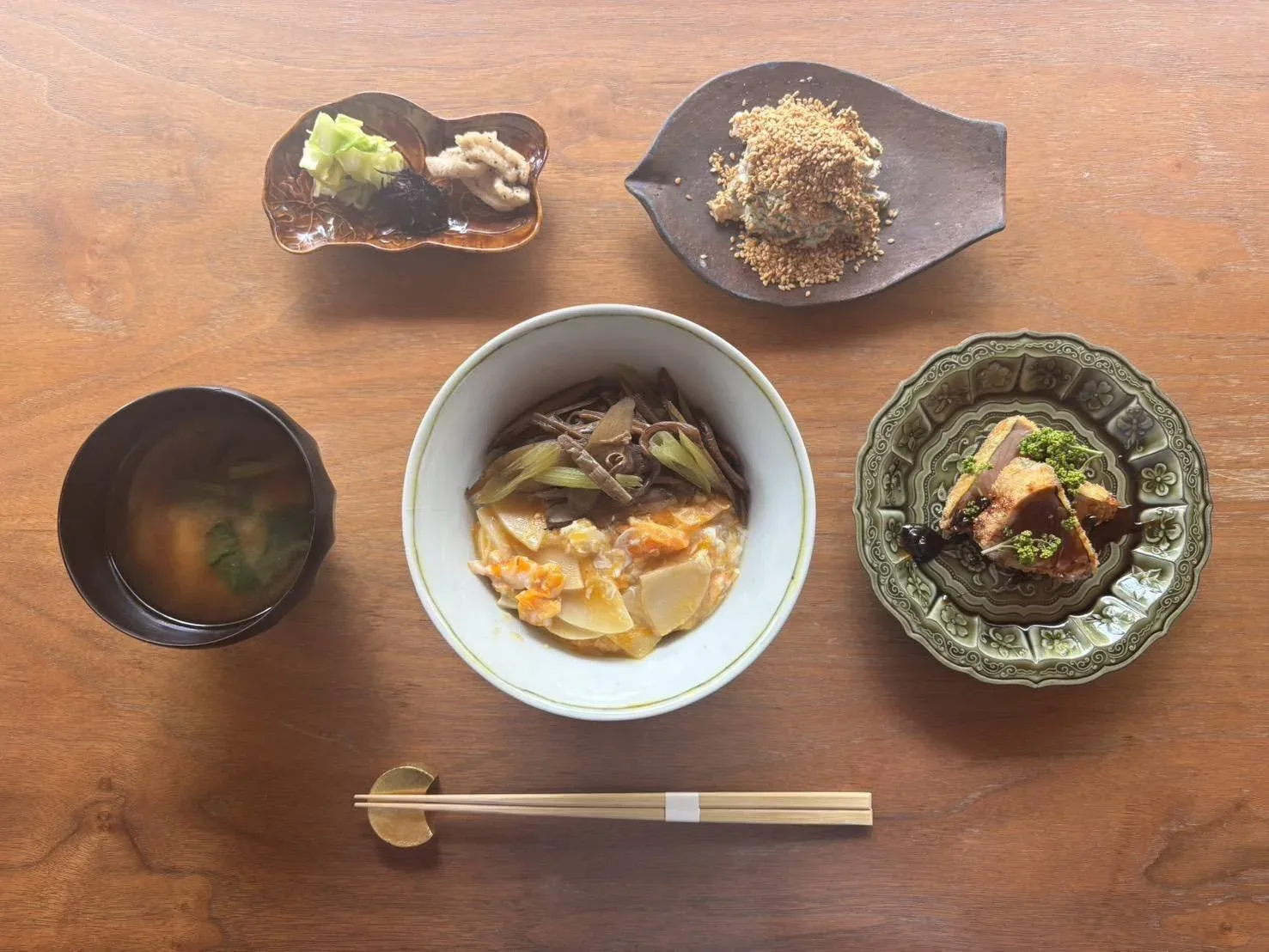
On Sanjo Street, where the Shirakawa canal runs under a willow-lined bridge, Tan occupies a modest space that feels like a friend’s home. The name “Tan” draws on the character’s meaning of “small sincerity” and reflects the restaurant’s mission: to introduce the finest produce from the Tango Peninsula through a warm, everyday kitchen. Here, meals follow the classic Japanese structure of ichiju-sansai — one soup and three dishes — served at breakfast, lunch, and dinner.
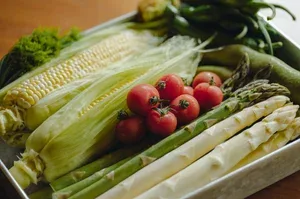
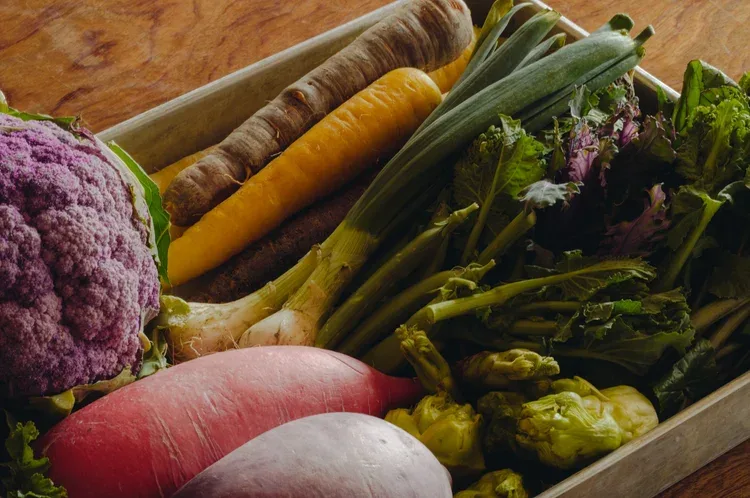
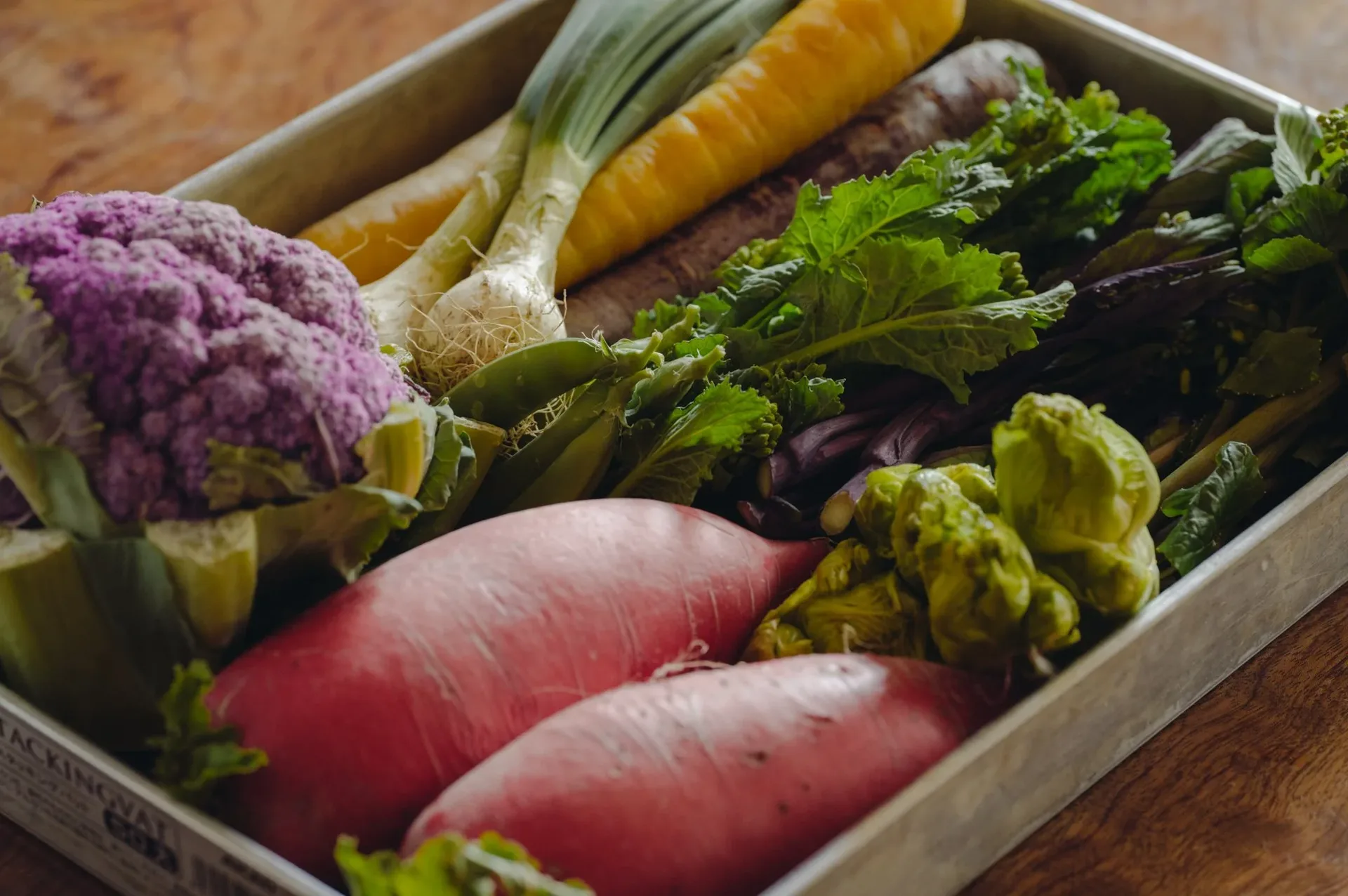
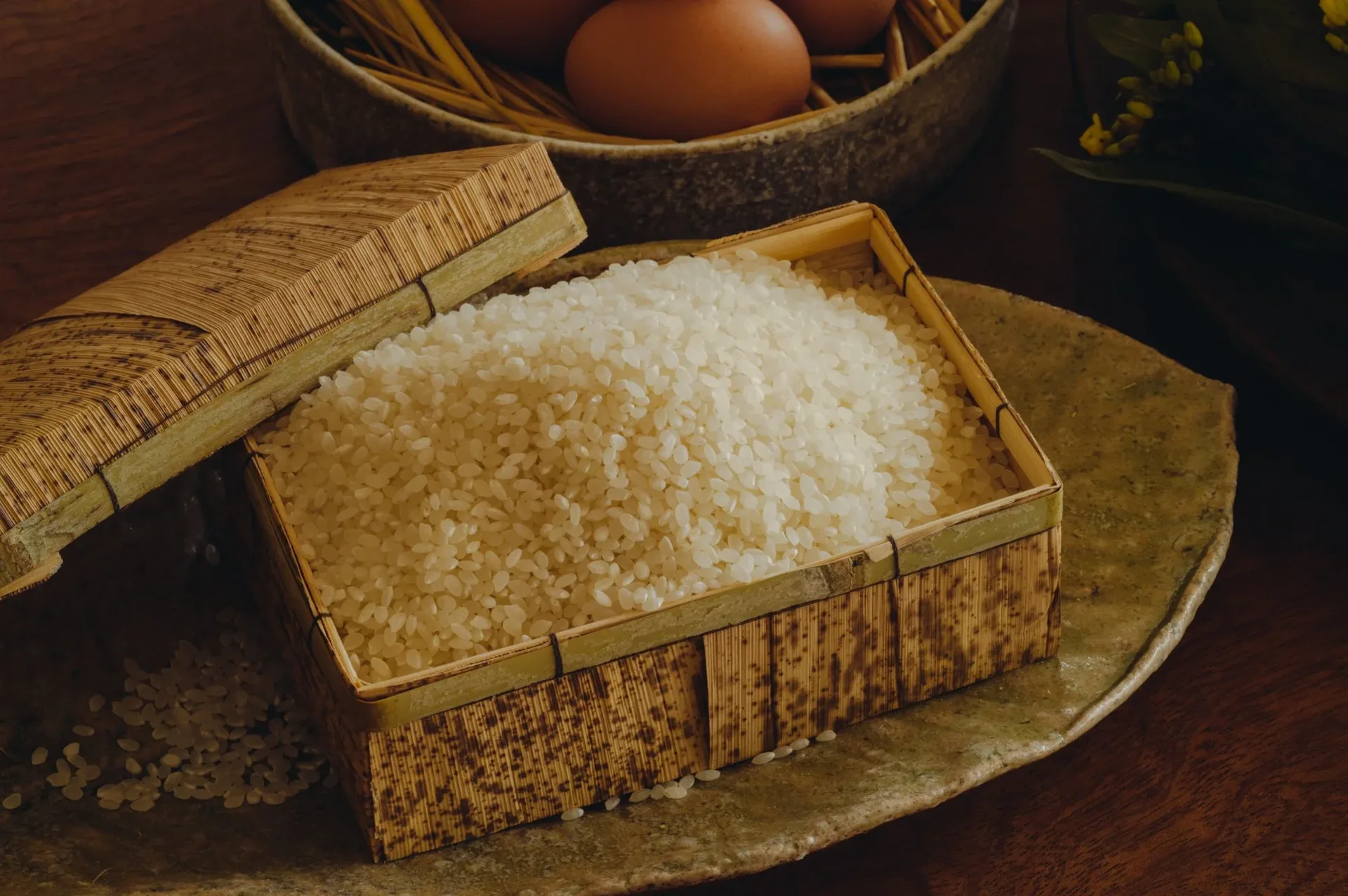
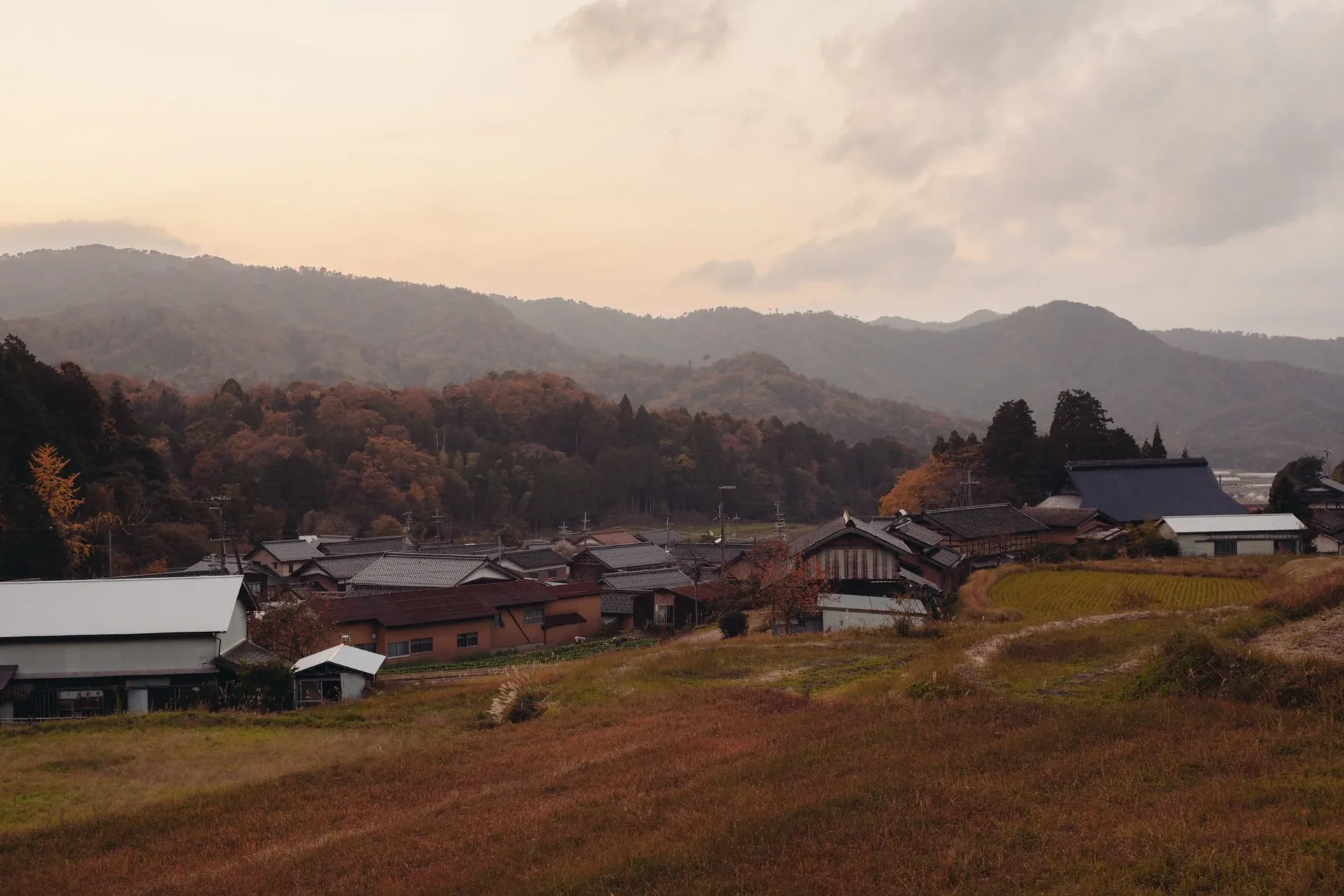
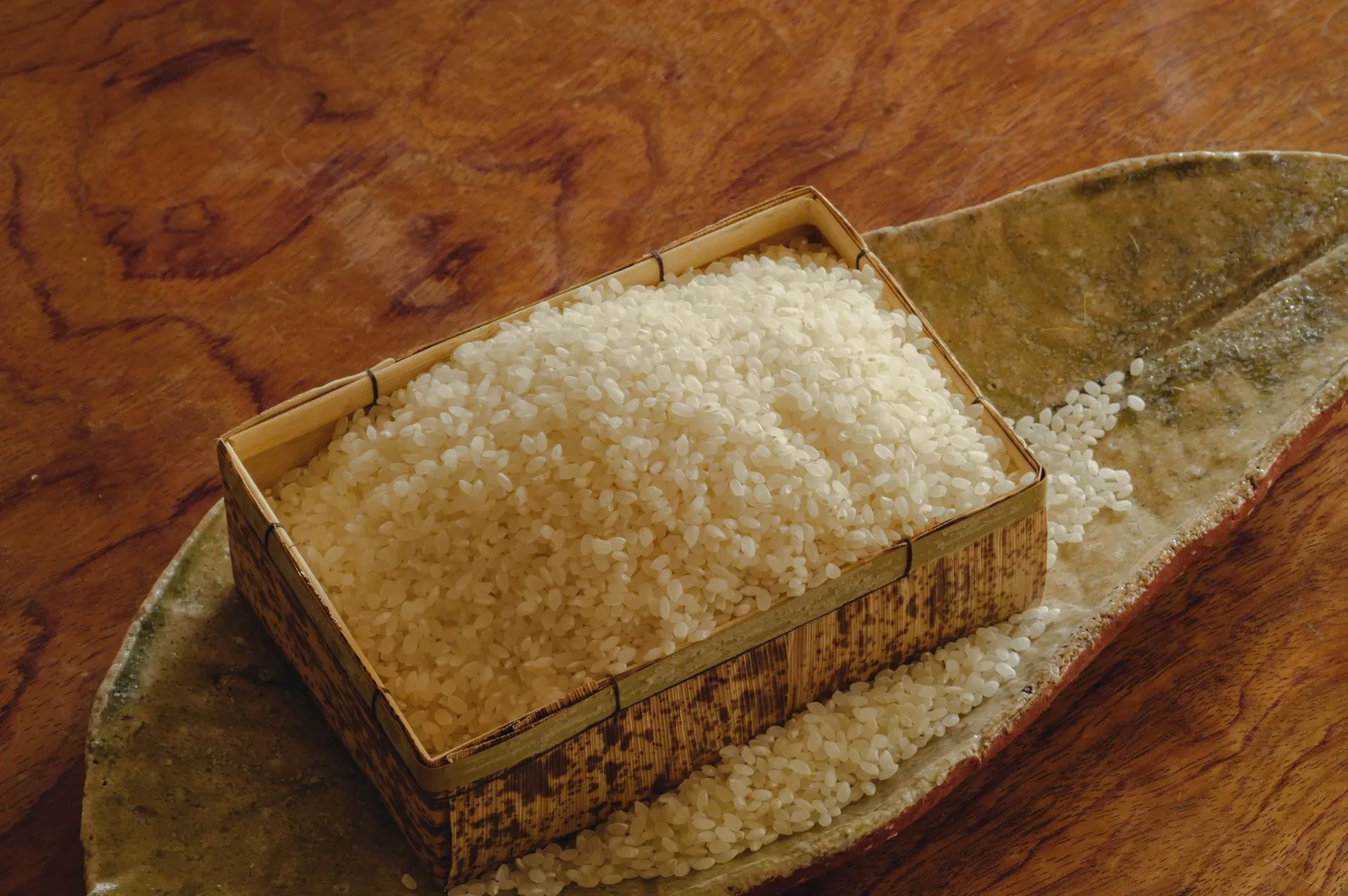
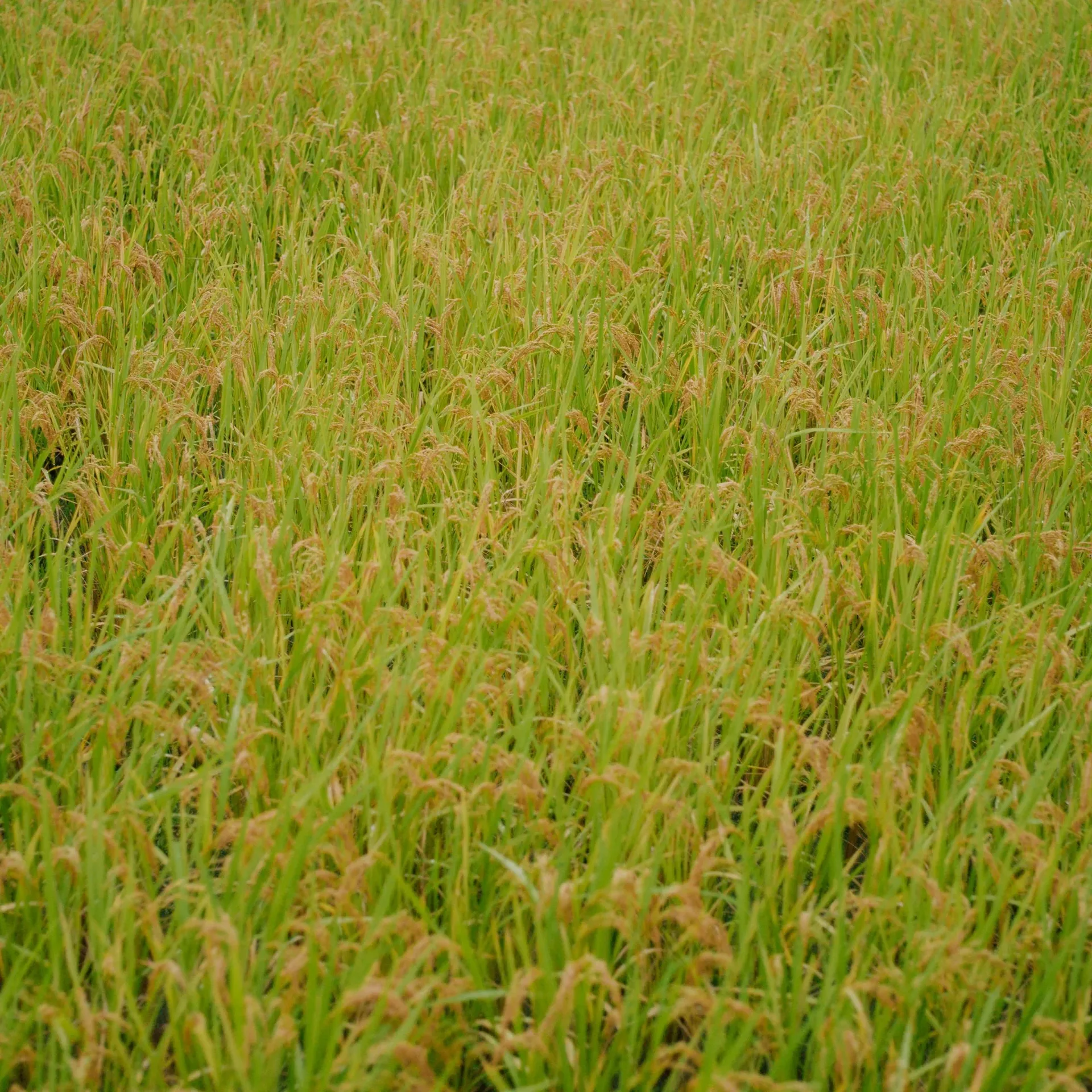
Tan’s kitchen is built around produce grown with care. Vegetables come from farmers who practice natural farming — no fertilizers, no pesticides, relying on the land’s own vitality. The rice is grown in the restaurant’s own paddies in Kyotango’s Kumihama area, where tadpoles and diving beetles swim in the clear water, proof of a chemical-free environment. From soil preparation to milling, the staff handles every step. The result is rice with a notable gloss, stickiness, and sweetness. Other partners include a vinegar brewery in Miyazu that uses traditional methods, aging its rice vinegar for over two years.
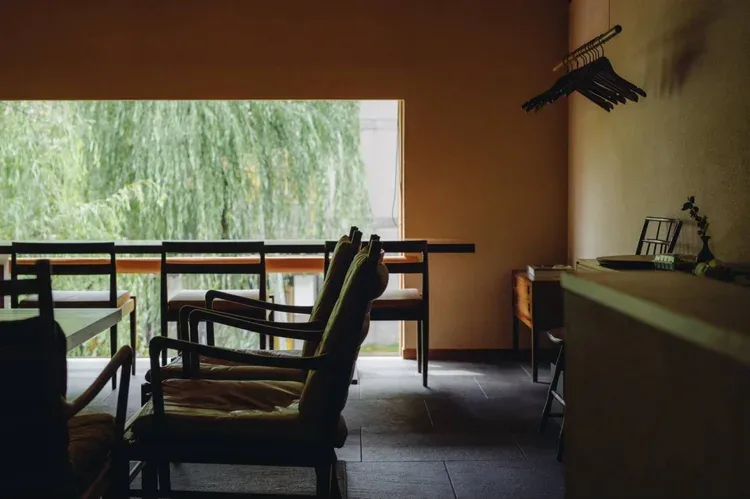
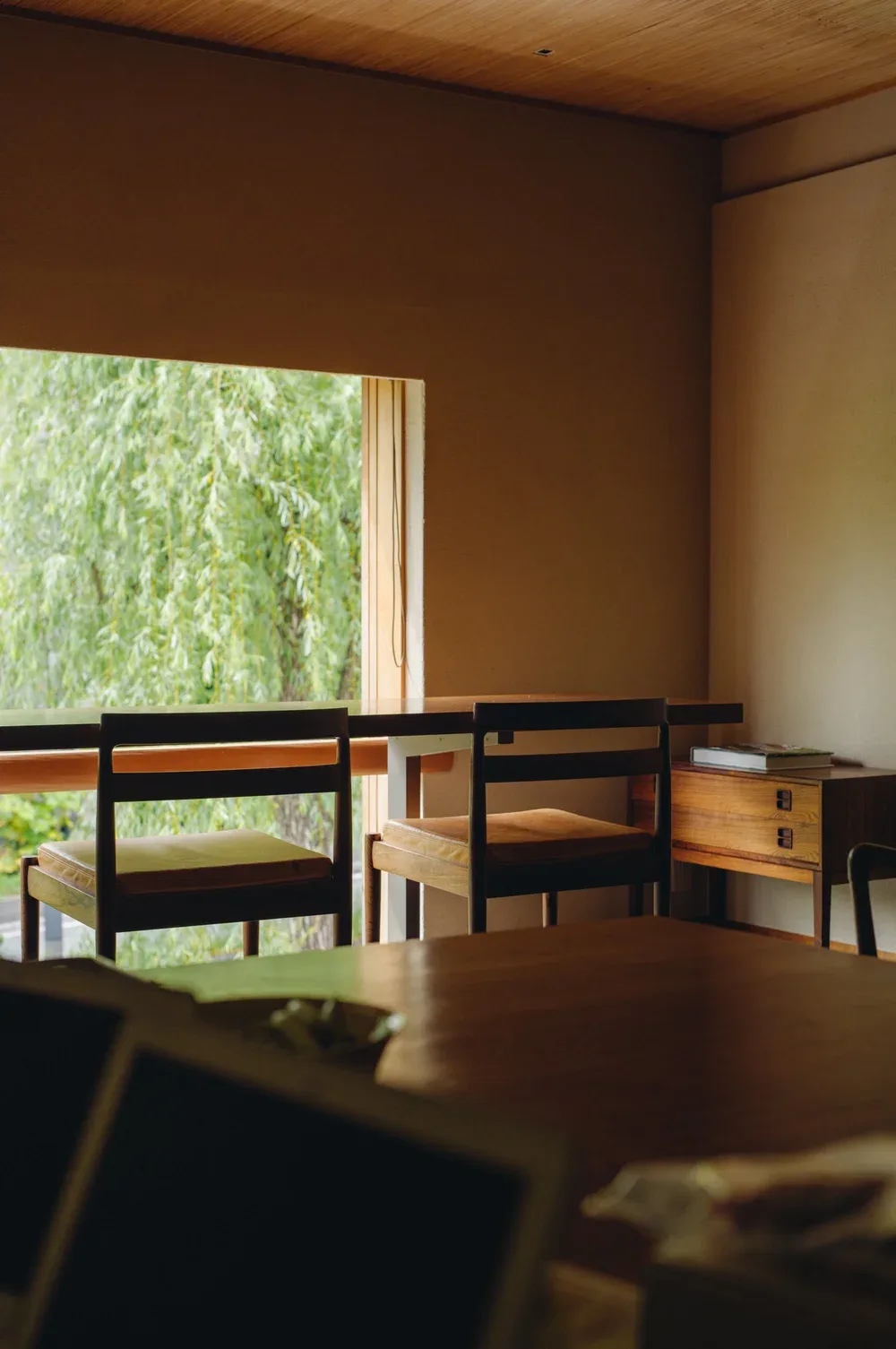
Architect Toshito Yokouchi, known for wood-rich residential designs, created the interior. The first-floor dining table is a single slab of Bubinga wood, paired with original “Tan chairs” by furniture maker Naomi Toda. Upstairs, Nordic furniture sets a relaxed tone. The restaurant itself feels like an extension of the home — a place to set down your shoulders and share a meal.
In 2026, Michelin awarded Tan a Bib Gourmand, acknowledging the kitchen’s ability to deliver good quality, good value cooking. The award fits naturally with Tan’s ethos: honest Japanese cooking that lets the ingredients speak, served in a setting that feels both simple and generous.
Recognition


Ambience

Details
Location





 Facebook
 Instagram