
The story
In the heart of Nijmegen, De Nieuwe Winkel has carved out a singular identity: it champions what it calls "botanical gastronomy." This is not a vegan restaurant in the traditional sense, but a kitchen that puts plants at the absolute centre, treating them with the reverence and technique usually reserved for the finest meats and seafood.
The restaurant’s philosophy is rooted in a deep trust in nature. "We mogen de natuur best wat meer vertrouwen," the team says—"We could trust nature a little more." This belief is put into practice through direct relationships with extraordinary sources, most notably Food Forest Ketelbroek in nearby Groesbeek. Co-founder Wouter van Eck calls his forest a "Lazy Farmers’ Paradise." There is no ploughing, sowing, weeding, or spraying. Instead, farmers plant and harvest endlessly: seeds, flowers, shoots, buds, tubers, nuts, and fruits. It is a system that grows richer every year, and it provides De Nieuwe Winkel with an ever-evolving palette of ingredients.
The kitchen also draws from the Ommuurde Tuin, a walled garden in Renkum where Esther has cultivated over four hundred edible crops for more than 25 years. These partnerships define the restaurant’s approach—working with nature rather than against it, and letting the land dictate the menu.
This commitment to sourcing and creativity has earned De Nieuwe Winkel two Michelin stars, a recognition of "excellent cooking" that places it among the Netherlands’ most celebrated dining destinations. The Michelin inspectors have acknowledged not just the technical skill, but the conviction behind the cooking.
The atmosphere at De Nieuwe Winkel is one of quiet confidence. The space is elegant yet unpretentious, allowing the food to speak. Dishes change with the seasons and the harvests from the food forests, meaning no two visits are quite the same. The wine list is equally thoughtful, earning a place on the Star Wine List.
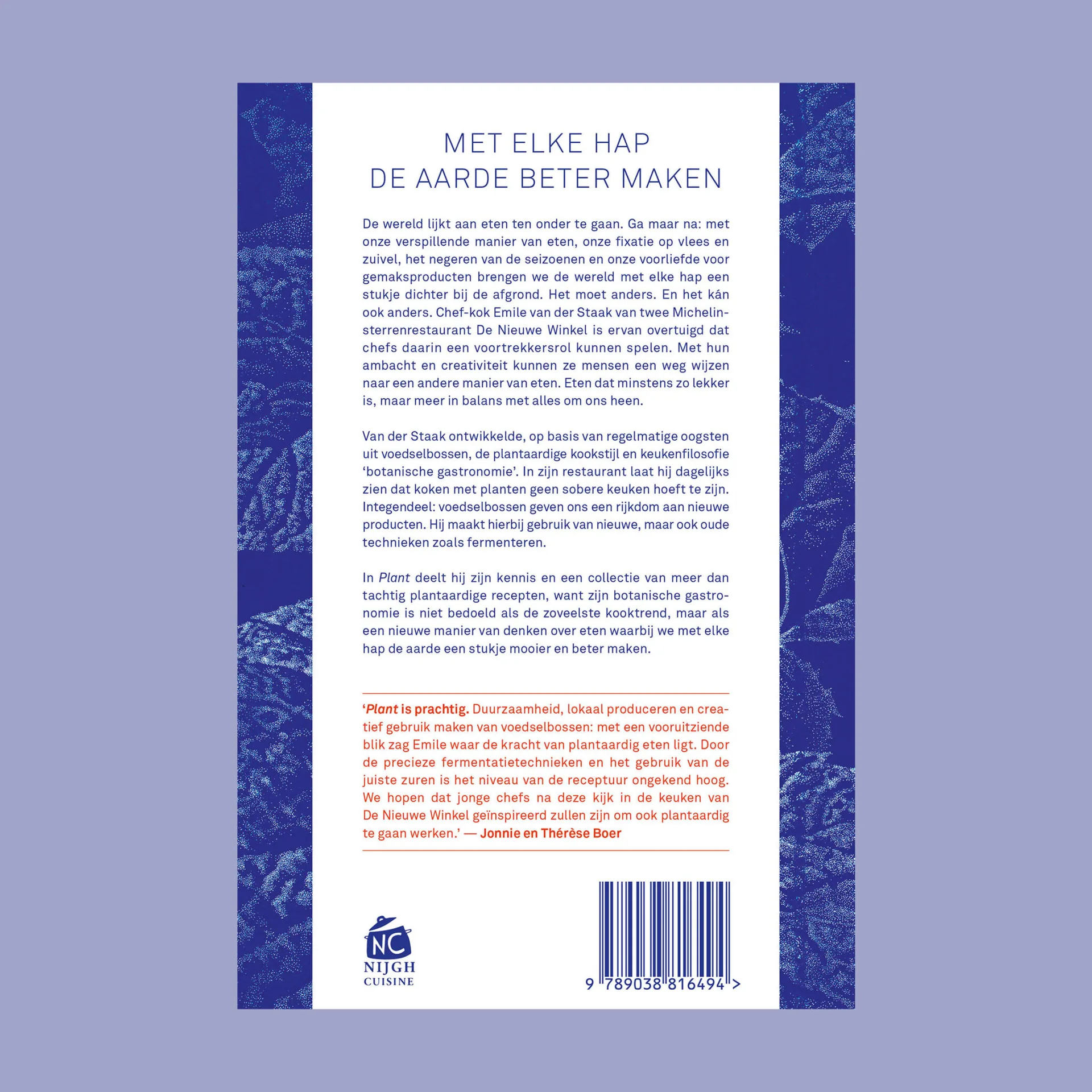
For those who want to take the experience home, the restaurant has published a cookbook called Plant, a guide to its botanical gastronomy from the kitchen of De Nieuwe Winkel.
De Nieuwe Winkel is located at Gebroeders Van Limburgplein 7 in Nijmegen. It is open for lunch and dinner, and offers private dining and event spaces. This is fine dining that looks forward, rooted in the soil and the seasons.
Recognition



Ambience
Details
History
Excellent cooking
Upon entering this special place – on the ground floor of a former orphanage – the entire kitchen team, who are focused on their work in the long, open kitchen, drop everything for a personal greeting. And that at a restaurant that has already gained worldwide fame thanks to the fully plant-based and vegan cooking style of culinary philosopher Emile van der Staak. His partner and hostess Louise Zegelink manages to create a relaxed atmosphere. Nothing stiff, just in typical Nijmegen style: 'super cozy'. The first amuse-bouche is a summer pea soup, served in a small glass, with our nose nestled among the greens. This beautifully brings together aroma and flavor. With every dish, you are once again amazed that no animal ingredients were used. Wow, that 'butter'! How do they make it so creamy? Even a feta made from watermelon seeds through a four-day process shows how chemistry and physics join hands to contribute to this top culinary level. We accompany the dishes with a wine selection curated by head sommelier Gauthier Cauwels, beer from beer sommelier Hubert Hecker, and botanical juices under the guidance of botanical and distilled drinks sommelier/liquid R&D Rody Misseyer. Emile himself helps serve. Lots of fermentation, flowers and herbs from the food forest, and lengthy food processes result in pronounced acidity and surprising dishes. Such as pickled tofu, with fresh, crisp Dutch spinach and okara rusks. Rich and intensely flavored. In the glass, a Côtes du Jura from Domaine Courbet with a full and rich taste that beautifully complements the dish. The kitchen team works with military precision, and the swift calling out of tickets contributes to a special evening featuring botanical art on the plate. What does catch us off guard is the deposit amount. We've never seen one quite that high before. The only advantage is that the total amount therefore seems somewhat more acceptable. But the culinary experience remains unique. It firmly scores a 6.
Within the sustainable concept of botanical cuisine, Chef Emile van der Staak presents dishes at the very highest level, based on local produce from his own food forest and garden. Vegan dining with a high degree of creativity and complexity...
Located in a former orphanage in a hidden spot in central Nijmegen, chef Emile van der Staak and his team continue to develop as a globally unique provider of botanical gastronomy. Increasingly, international guests travel to Nijmegen for it, and securing a reservation has become quite a sport. It is truly fantastic to experience how you can dine at a very high botanical level thanks to years of research and continuous development, including within their own laboratory. One of the first impressive dishes from the open kitchen, where work is carried out calmly, focused, and intensively, is as beautiful as a painting. The almond soup with dried tomatoes, pickled grapes, black almonds, seasonal herbs, and flowers is impressive and truly exquisite in flavor. Sourdough bread from the Knollentuin is served with plant-based butter made from broad beans and peas (no dairy is used at De Nieuwe Winkel), accompanied by hazelnut oil. This is followed by a carrot empanada filled with chanterelles, diced carrot chorizo, and nut-based feta. Another expression of expressive botanical development, served by the white brigade, just like all the dishes tonight. The menu is paired with suitable beverages such as wine, beer, and botanical non-alcoholic blends, overseen by three dedicated sommeliers. Wine sommelier Gauthier Cauwels handles the wines, Rody Misseyer curates the botanical drinks, and Hubert Hecker serves as the beer sommelier. The next course is a nut pâté served with cauliflower flower salad and walnut vinaigrette. Superlatives fall short; each dish is more exciting than the last, and our taste buds are working overtime. Gauthier pours a French unfiltered Les Gruches 2020 from Calvez Bobinet in the Loire. It is complex, with numerous layers and remarkable depth. Next, we savor a botanical bisque, a 'sea soup' featuring fresh algae and SCOBY, along with micro- and macro-algae, quickly followed by a broth infused with Chinese mahogany wood, red and black onions, and Dutch truffle. Highly distinctive and unique. Phenomenal is the grilled beetroot terrine served with a berry and cherry barbecue sauce, alongside yogurt made from hemp seeds. Paired with it is a Trousseau 2020 from Arbois by Tissot Winery in Jura, France. The first dessert is a Mexican dame blanche: tomatillo compote with ice cream made from Dutch corn, corn-amazake (a sweet, low-alcohol Japanese beverage based on fermented rice), and mole, followed by a 'nougat' crafted from hazelnut tempeh, hazelnut yogurt, and assorted summer fruits, garnished with edible flowers. Van der Staak’s botanical cuisine is almost otherworldly in its excellence. We declare: mission accomplished. Rises to number 6.
Please note: you can no longer simply drop in for dinner at De Nieuwe Winkel. This pilgrimage site, where botanical gastronomy takes center stage, is booked solid months in advance with guests from home and abroad. So you do not just come here for a casual meal. Prepare for an evening of exploring experimental dishes that bring to life the vision of chef Emile van der Staak. In short, it boils down to cooking with ingredients that are and remain kind to the earth. At De Nieuwe Winkel, no meat, fish, or game dishes are served, and dairy has now also been phased out. The restaurant collaborates with Voedselbos Ketelbroek and the Ommuurde Tuin in Renkum, where over four hundred edible crops have been cultivated for more than twenty-five years. Drawing from these treasure troves of ingredients, seasonal vegan menus are crafted. Taste comes first, and no compromises are made in that regard. It is busy and lively in the industrially styled dining room located in the basement of an old orphanage. In the spacious open kitchen, which flows into the dining area, intense focus prevails, and guests are regularly startled by a unified team call signaling that alertness is needed for the final touches on a course. A dashi made from potato peels kicks things off, designed to awaken the palate, and this flavor bomb immediately sets the tone. We enjoy an alcohol-free aperitif based on watercress flower, blackcurrant leaf, and kefir. Fresh and invigorating. Amuse-bouches follow, including a tartelette filled with maitake mushroom—also known as the dancing mushroom, named after the Japanese words *mai* (dance) and *take* (mushroom)—paired with various Dutch seaweeds. A true delight for the palate. Served with the bread is a plant-based butter made from sunflower seed milk, and truly, you would swear you were spreading a dollop of the finest cultured butter on your roll. Absolutely incredible. The same applies to the grilled fennel-seed tempeh, served with tarragon and black garlic. Spicy, packed with umami, almost caramelized. Beautifully plated is the green sunflower seed risotto with wild garlic and mustard seed, reminiscent of Monet’s *Water Lilies*. Pure coincidence, according to Emile. A “star” course featuring white asparagus flakes follows, accompanied by fragrant morels and buckwheat. Earthy flavors combined with rich, generous aromas. Without wanting to resort to superlatives, we can only conclude that vegan cuisine is practiced here at a high gastronomic level. Visionary chef Emile van der Staak thereby proves that culinary enjoyment can absolutely go hand in hand with respect for Mother Nature. Rated 7.
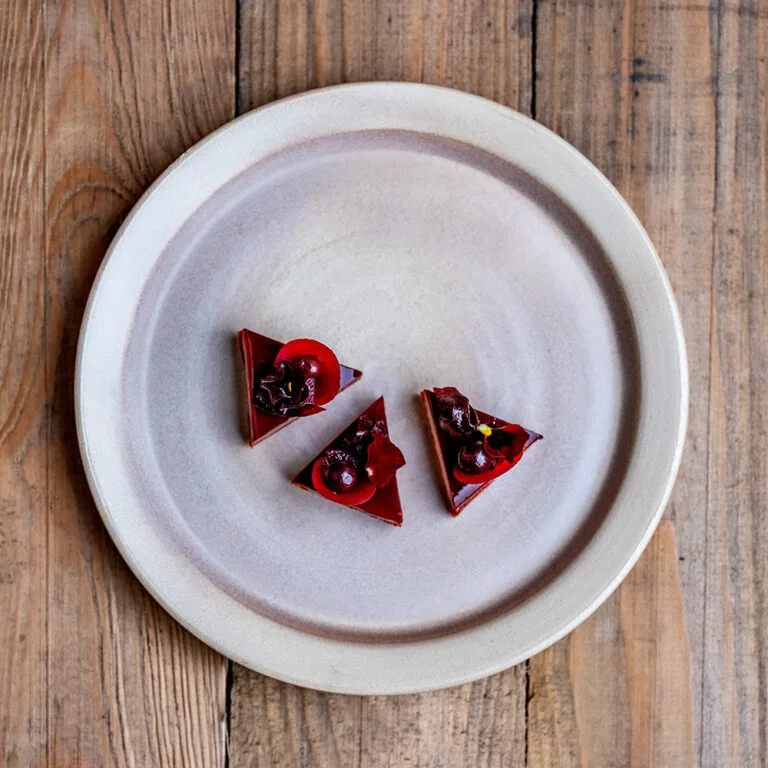
After a modest start, De Nieuwe Winkel has since become firmly established, and owner and chef Emile van der Staak is soaring like a comet. His culinary vision has not gone unnoticed, drawing crowds of diners from both within and outside the country. Botanical gastronomy is the driving force here, centered on cooking with ingredients that are gentle on our planet. Produce is foraged at the Ketelbroek Food Forest or in Groesbeek, as well as in the Walled Garden in Renkum. Crops are cultivated using permaculture principles, working in harmony with nature rather than against it. Seeds, flowers, shoots, buds, tubers, nuts, apples, pears, and plums are all put to extensive use, with experimentation never compromising on flavor. After all, flavor comes first. Located in the heart of Nijmegen, De Nieuwe Winkel occupies the basement of a historic orphanage. The decor is understated yet atmospheric, with a spacious open kitchen flowing directly into the dining area. A new seasonal menu is presented each time, complemented by optional pairings of natural wines, craft beers, or a bespoke botanical beverage selection. Alongside sommelier Tobias Visser, the team includes beer sommelier Hubert Hecker and botanical beverage sommelier Rody Misseyer. We are immediately treated to delightful amuse-bouches, including a poppy seed tartlet filled with kohlrabi and spring onion, finished with chives. This kicks off the nine-course tasting menu. Many courses are personally presented by the kitchen brigade, and Chef Van der Staak himself makes frequent appearances at the table. The plating is visually stunning. One of the starters features seasonal vegetables prepared like a ceviche, drizzled with redcurrant juice, baker’s yeast cream, and jalapeño oil. Absolutely stunning, bursting with pure flavors and beautifully plated. Paired perfectly with a fine beer: Wild Microbe Ale No. 27 by Studio Oedipus. For the main course, there is a celeriac millefeuille grilled on the barbecue and glazed with a dark beer and plum sauce. Accompanied by chanterelles and a lightly tangy vinaigrette. We are genuinely awestruck by such creativity and the reverence shown to pure, unadulterated flavors. For dessert, among other offerings, there is an ice wafer crafted from summer cabbage, filled with a floral parfait, “the finest cherries from the Betuwe,” and garnished with edible flowers and herbs. Welcome to the Top 10 of this guide.
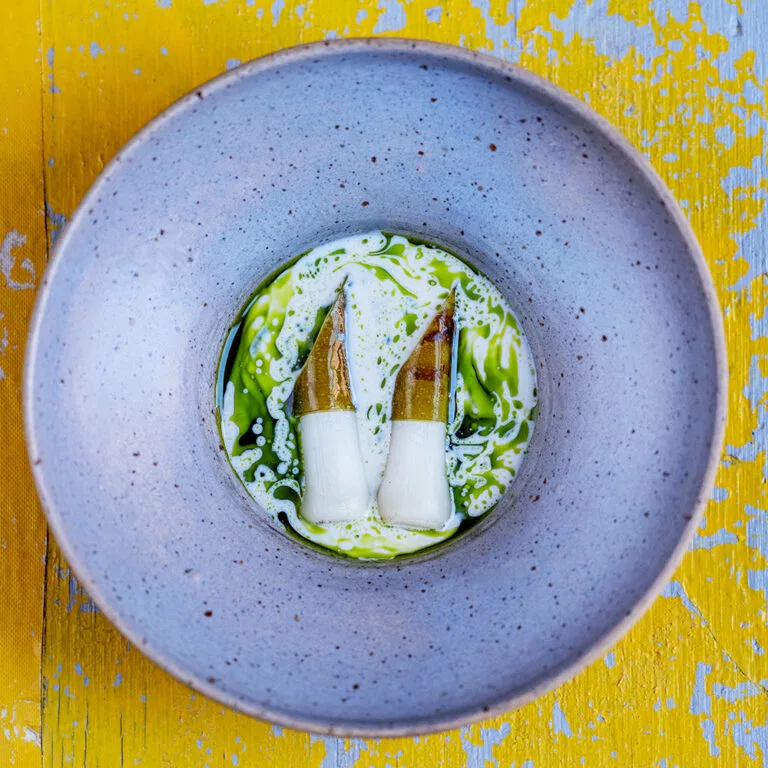
Potato chips with fermented leek and buckwheat with chanterelles. The amuse-bouches immediately make clear what you can expect here. Unusual combinations, creativity, experimentation, cooking with plants, eating locally, moving with nature and its seasons: botanical gastronomy. Owner and head chef Emile van der Staak emphasizes that flavor takes precedence, but always using ingredients that are gentle on our planet. Produce is harvested at the Ketelbroek Food Forest in Groesbeek and the Walled Garden in Renkum, where operations follow permaculture principles—a method of cultivating food that works in harmony with nature. In the open kitchen, the team works with enthusiasm and joy, and each dish is collectively seen off. The meals can be paired with natural wine, a specialty beer, or a botanical beverage—crafted through natural fermentation. De Nieuwe Winkel enjoys strong demand, as the basement of this former orphanage is packed night after night. We sample reduced whey from goat cheese served over leek, garnished with capers, elderberries, and blossoms. The oyster mushroom is particularly surprising; this fungus grows on oak trunks, is remarkably flavorful, and enjoys widespread popularity, especially in Japan. The dessert, a chestnut tart with quince and pine cones drizzled with liquid “chocolate,” is beautifully balanced. All of this comes at a considerable price, which Emile explains as an investment in the continuous development of new flavors.
De Nieuwe Winkel is located in the basement of a former orphanage, where chef Emile van der Staak and hostess Louise Zegelink have established their domain since June 2019. Here, the kitchen and restaurant are one, as cooking takes place in a fully open kitchen. This aligns perfectly with De Nieuwe Winkel’s philosophy, as Emile aims to minimize the distance between the raw ingredients and what ultimately ends up on the plate. He and his fellow chefs prefer to serve their own dishes personally, allowing guests to become part of their culinary process. Flavor takes precedence, and Emile strives to astonish diners through techniques like cooking with plants. “Fewer animals, more plants” is the guiding principle here. Despite this plant-focused approach, the menu still offers considerable complexity through fermentation and technical precision. It is often referred to as botanical gastronomy—a cuisine rooted in plants. He sources his ingredients as locally as possible, such as from the Ketelbroek food forest, which houses a treasure trove of edible plants. In his view, that is where the future lies: working with locally available produce. The menu features several options that change with the seasons, with every dish designed to “move in harmony with nature.” Emile van der Staak, whose hobby is cycling to Europe’s oldest food forest every Monday morning, reflects on the coronavirus crisis: “We took some time to rest and returned stronger. The forced closure provided ample room for experimentation, which yielded fascinating new insights in the kitchen. For instance, a new dessert emerged: the “no chocolate mousse.” We created something that tastes like chocolate using moldy spelt. Thanks to social distancing measures that reduced seating capacity, we have actually extended our opening hours from five to seven days a week. Fun fact: a cookbook will be released in 2021, the same year we celebrate our tenth anniversary.” Beer sommelier Hubert Hecker and wine sommelier Tobias Visser oversee the beverage program. The wine list features exclusively natural wines, crafted by producers who truly understand their craft. These are wines made with minimal intervention and no unnecessary additives. Just as important is the beer selection, which focuses largely on wild-fermented ales and unique brews from regional craft breweries. Additionally, there is a cider list, and an abundance of juices available, all produced through natural fermentation. What all these beverages share is a single defining trait: they let nature do the talking. Emile is a chef driven by a clear mission, supported by a dedicated and highly welcoming team that includes Tsjip van Scherpenberg on the floor and sous-chef Luuk Freriks.
Took a year off due to a major renovation that ran slightly longer than planned. But De Nieuwe Winkel has now returned. And what a return! In the city center of Nijmegen, we find the new home of chef-owner Emile van der Staak and his hostess Louise Zegelink, located in the basement of a former orphanage. The highlight is the open kitchen, which seamlessly merges the dining room and workspace into a single space. The interior design is sleek and atmospheric. Emile experiments with preservation and cooking techniques and champions botanical gastronomy. Many ingredients are sourced from the nearby Voedselbos Ketelbroek in Groesbeek and the Walled Garden in Renkum. This results in seasonal dishes that are predominantly plant-based, with meat or fish added as accents. Guests can choose between two menus, optionally paired with a wine or fermented juice selection. The amuse-bouches—a buckwheat tartelette with broad beans and wild garlic, and an apple tartelette with fresh coriander seed cream—immediately set the tone with their intensely flavorful profiles. We taste courgette blossoms with smoked egg yolk and an ajo blanco made from apricot kernels, sourdough miso soup with daikon radish and a daylily, and mackerel cured for 48 hours in kombu, then cooked in butter with miso and garum (fermented fish sauce), house-smoked black garlic, and pickled capers made from wild garlic. The pickled chicken, marinated in dark beer, then poached in broth, warmed in yeast butter, and garnished with malt oil and young Chinese mahonia leaves that taste like fried onions, deserves a standing ovation. What a beautiful balance of flavors and how stunning the presentation. In the glass, a Vienna-style beer from Veenhuizen. "Brewed with dedication" is printed on the label. You can truly taste it. Such innovation and creativity, served by a dedicated and highly welcoming team, earns its place in this guide's Top 100. Welcome back, and this time ranked at number 96 in the Lekker Top 100.
Location

 Facebook
 Instagram
 X
X