
The story
For 29 years, chef Jean Thoma and his wife Sonja have been quietly building something rare in the village of Schinnen. Their restaurant, Aan Sjuuteeänjd (often called Sjuut), is a testament to stubborn, joyful independence. “We are a strange bird in the hospitality world,” Jean says. That independence takes the form of a deep, unwavering commitment to organic, local, and seasonal cooking — long before it was fashionable.
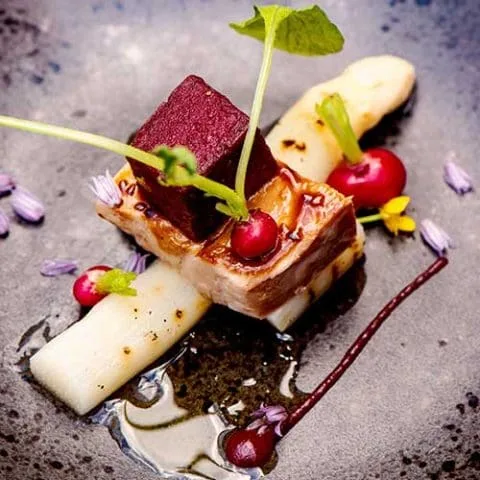
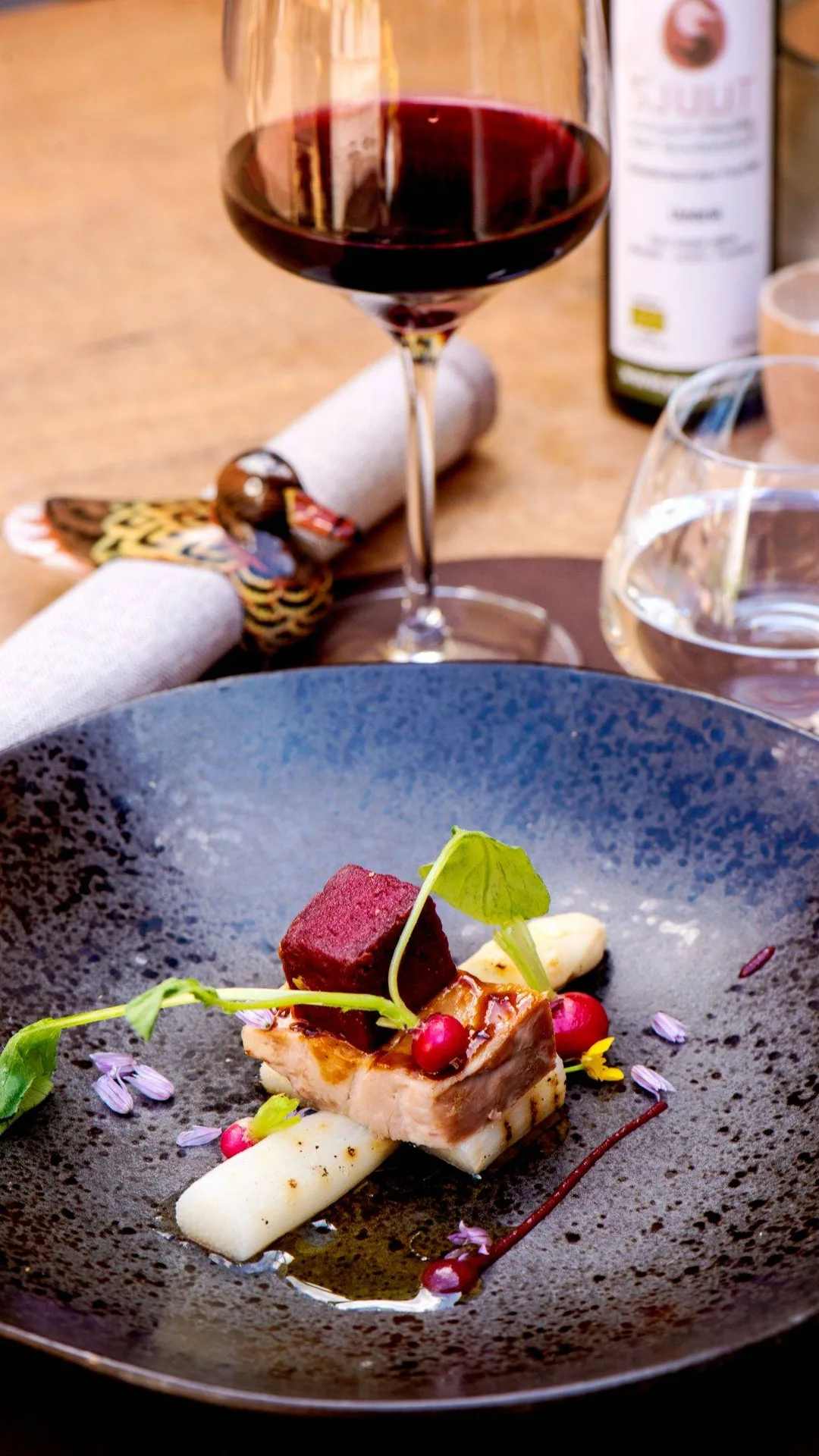
The couple’s story began in a pancake house in the nearby Steinerbos, where they met and took their first steps in the trade. Since then, they have never followed the crowd. “If you can make something nice out of pork neck, then you can cook,” Jean explains. “An organization like Michelin should look more at that.”
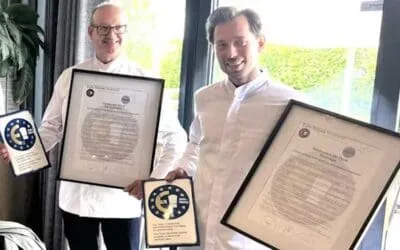
That attitude earned them a Michelin Green Star, an award that recognizes restaurants at the forefront of sustainable gastronomy. The team sees it as a warm appreciation for their mission: “I’d rather have forty guests than forty stars,” Jean says, but the green star is a meaningful nod to their pioneering work.
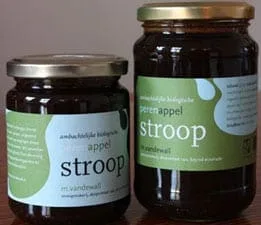
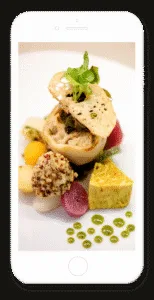
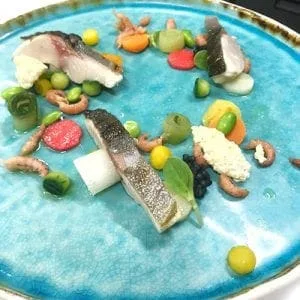
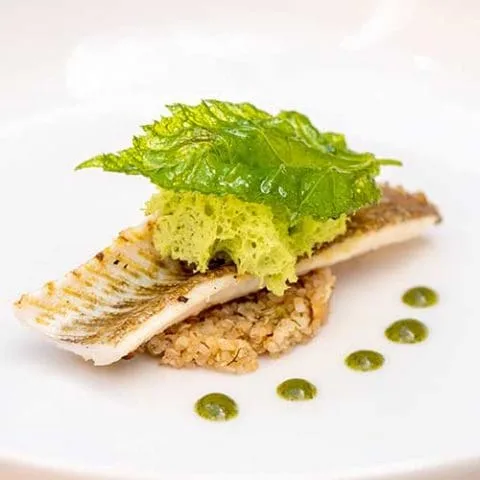
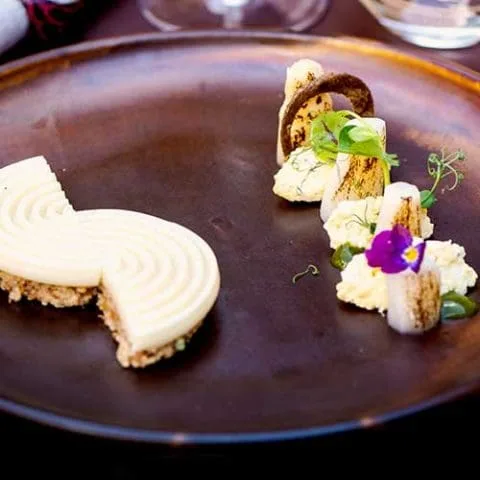
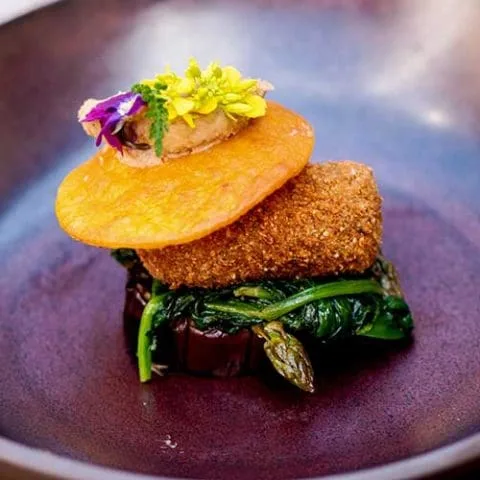
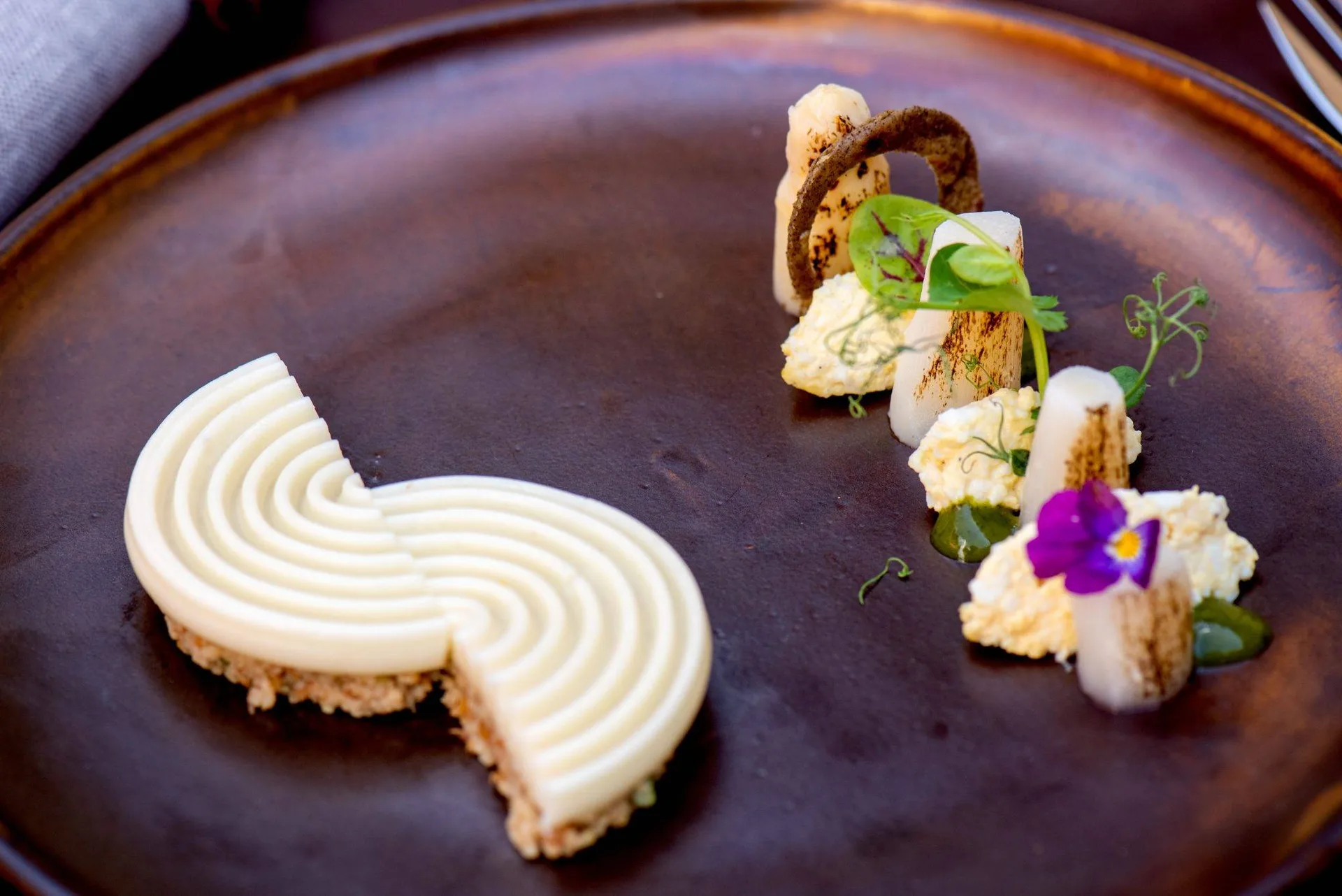
The kitchen works with a rotating cast of forgotten vegetables — Brave Hendrik, Bloemendaalse Blonde, Zeeuws Zeempje — all grown in their own garden or sourced from local producers like De Waog. Oyster mushrooms are cultivated on coffee grounds in nearby Schimmert. They use heritage breeds: Brandrode and Black Agnes cattle, Kuusj pigs from Mechelen, and rare chicken breeds like the Kraaikop. Even the fish is a “forgotten” catch: stone bass, horse mackerel, and bycatch.
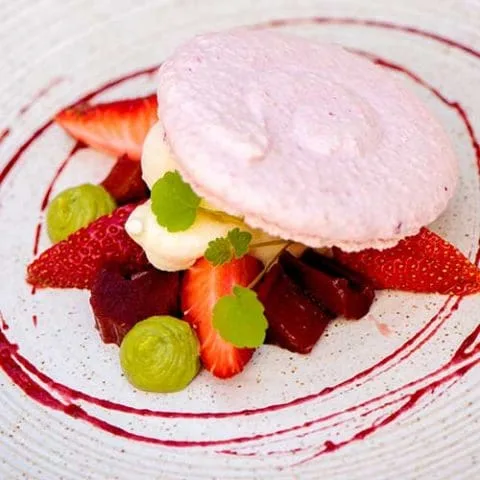
The menu is a surprise of the chef, offered in four, five, or six courses (€72.50 to €92.50), with optional wine, alcohol-free, or “Bob” arrangements. Dishes shift with the season, and the kitchen can adapt to fully plant-based on request. A separate cheese course features Limburgse kazen, made according to old traditions.
The restaurant calls itself the most sustainable in the Netherlands, and that claim is backed by concrete actions: recycled uniforms, eco-friendly cleaning products, waste separation, and kitchen scraps fed to animals. The golden EKO-certificate guarantees that 80% of purchases are organic.
Dining at Aan Sjuuteeänjd is not about trends or theatrics. It is about honest, delicious food that respects the land and the people who farm it. As Jean puts it, “We stay true to our own method — with our feet firmly in the mud.”
Recognition


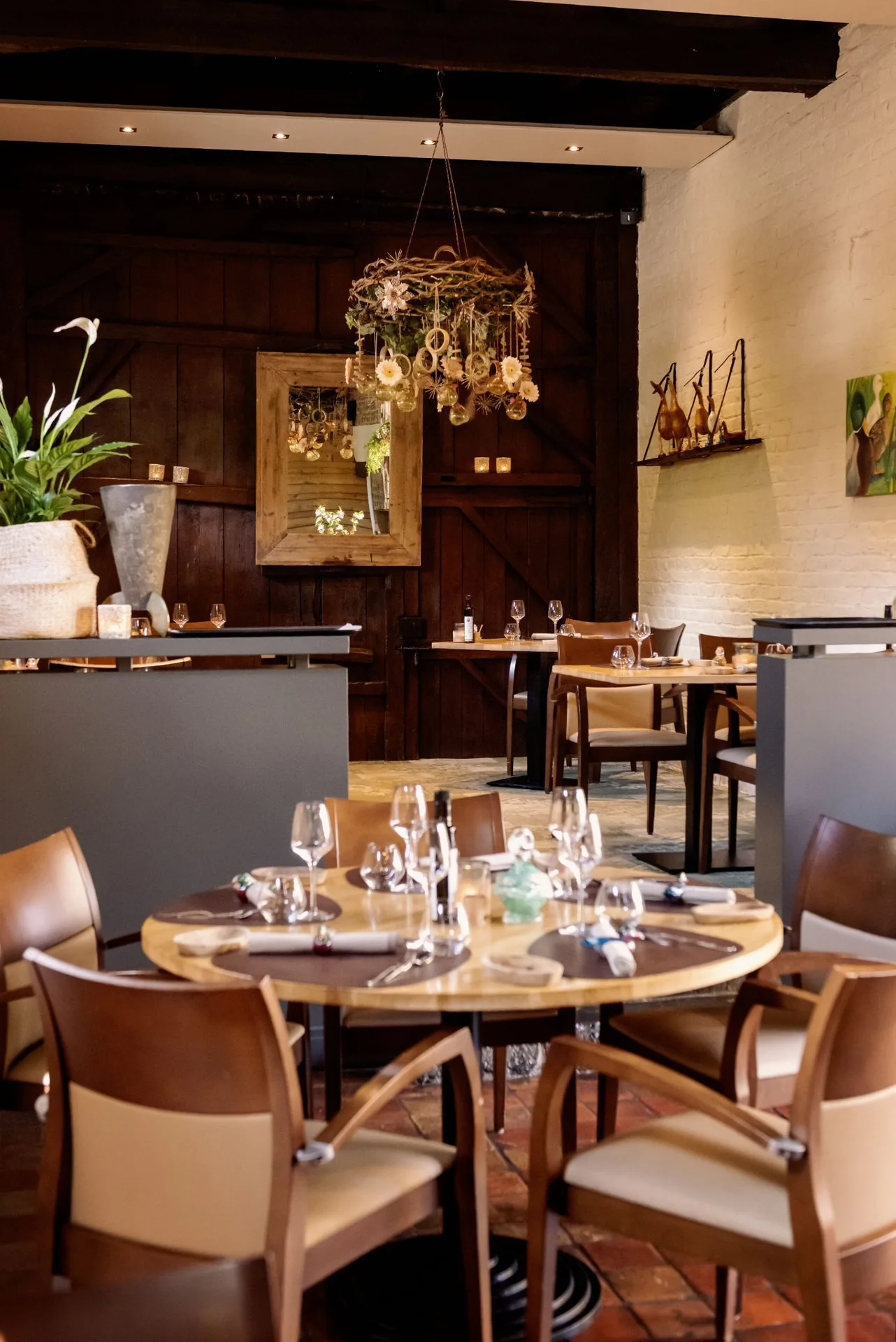
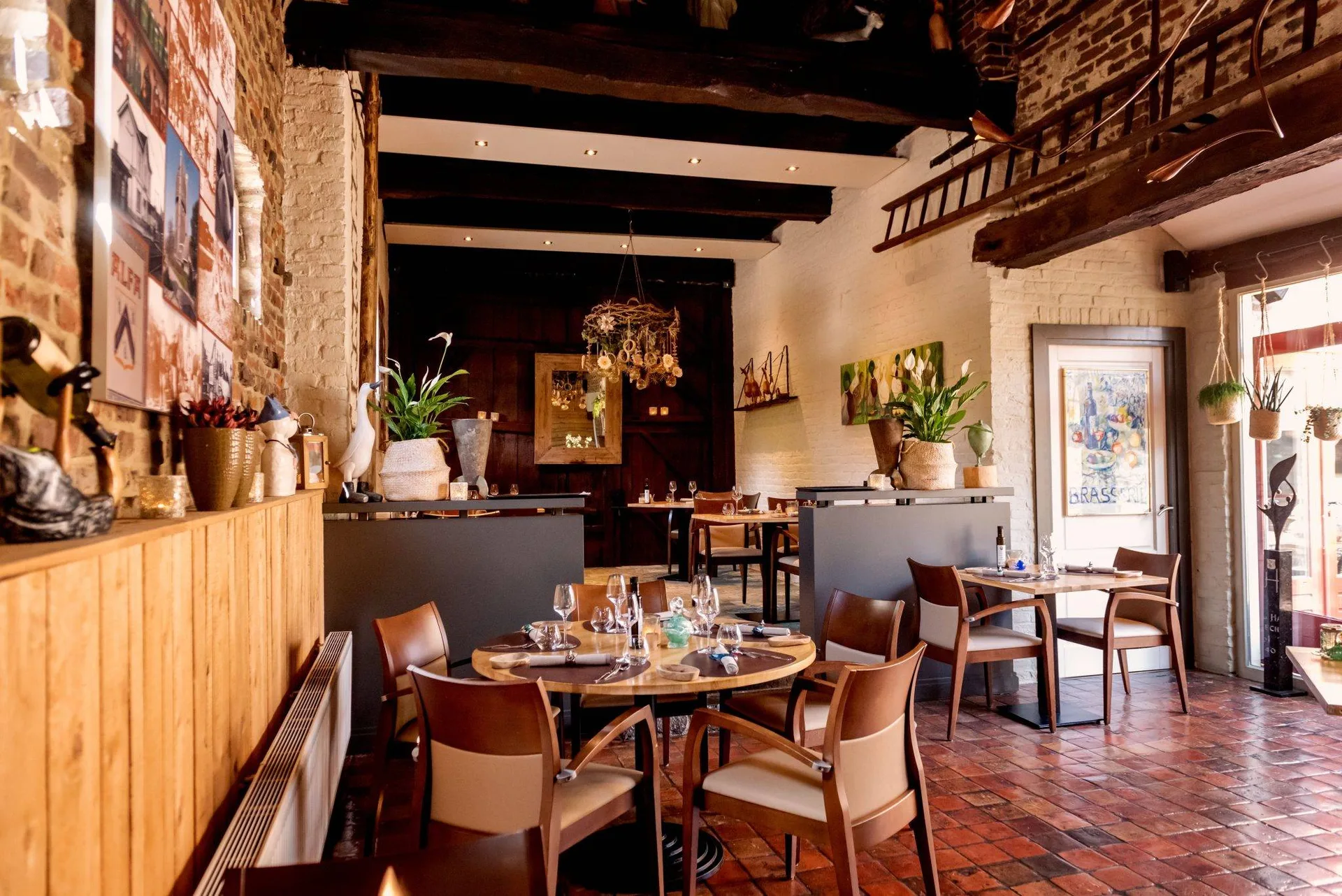
Ambience
Details
History
For more than 25 years, chef Jean Thoma and his wife and sommelier Sonja have been pioneers in organic and sustainable entrepreneurship. They were far ahead of their time by focusing heavily on local products of organic origin or vegetables...
Location

 Facebook
 Instagram