
The story
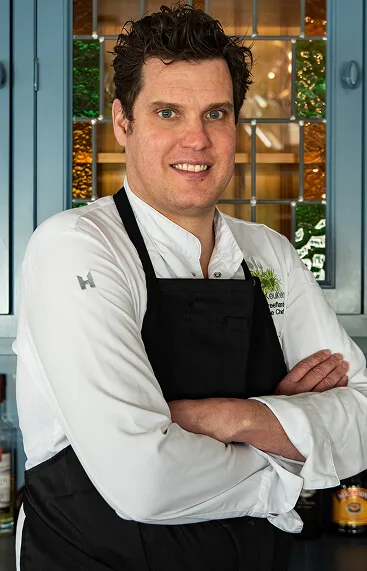
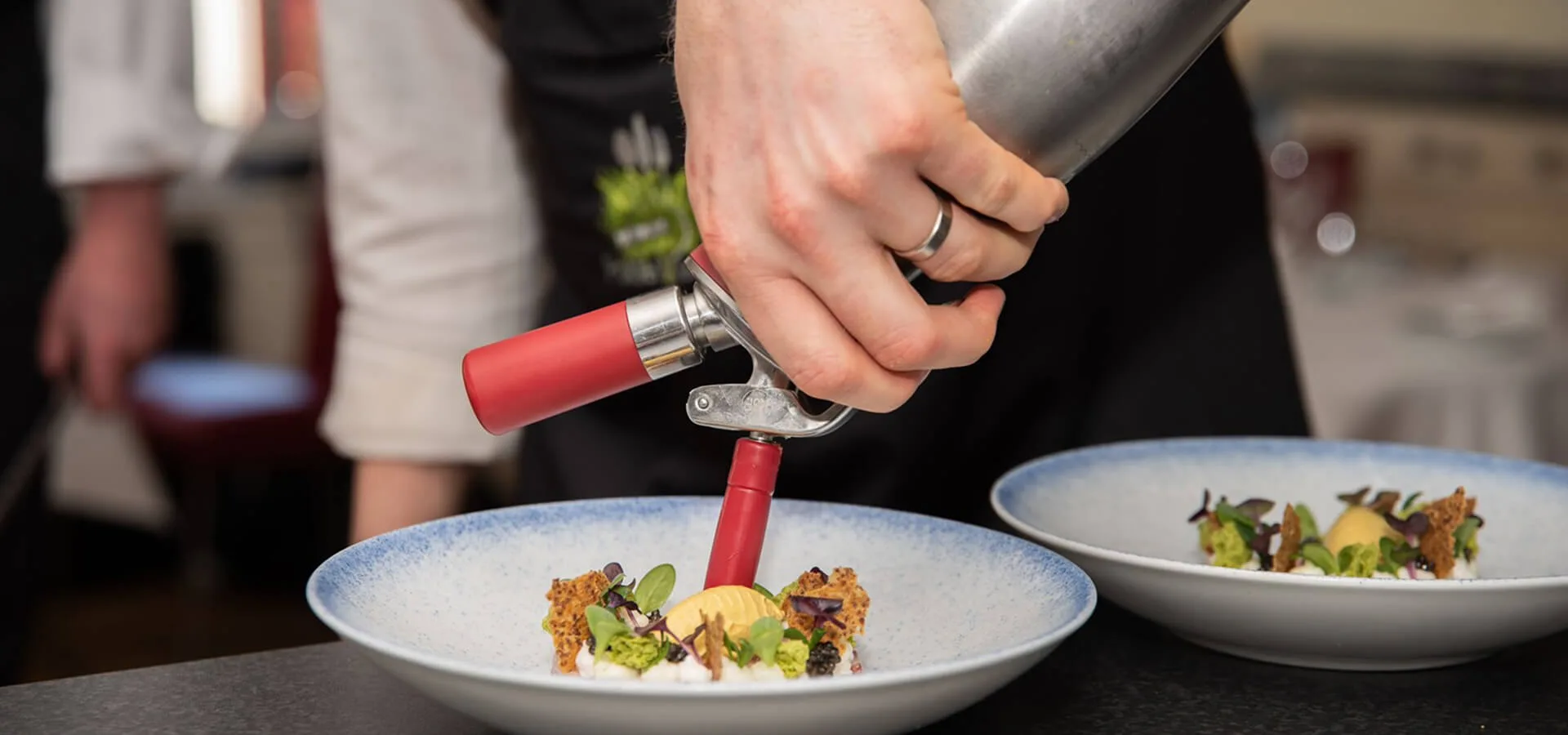
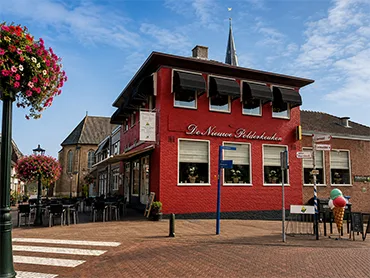
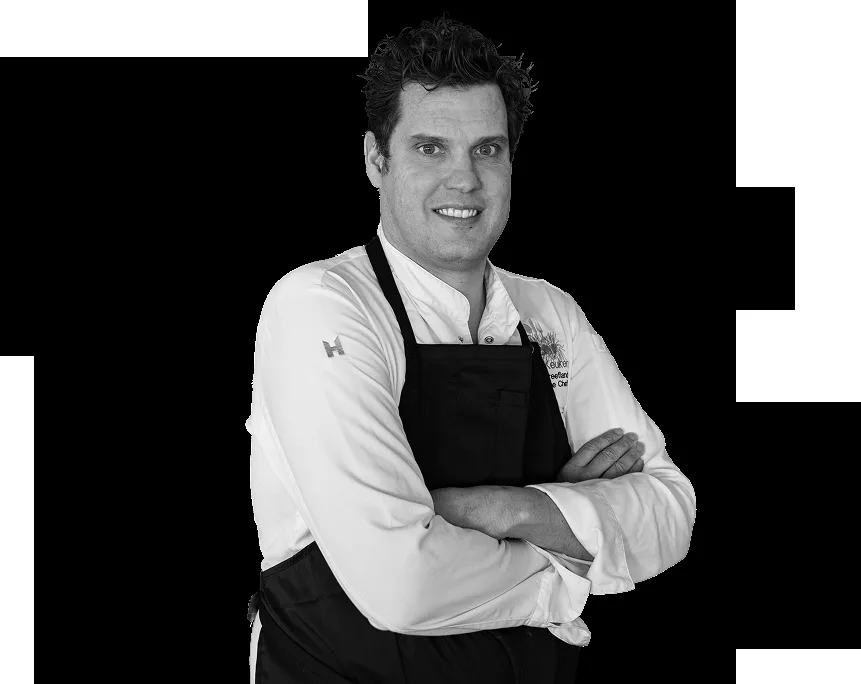
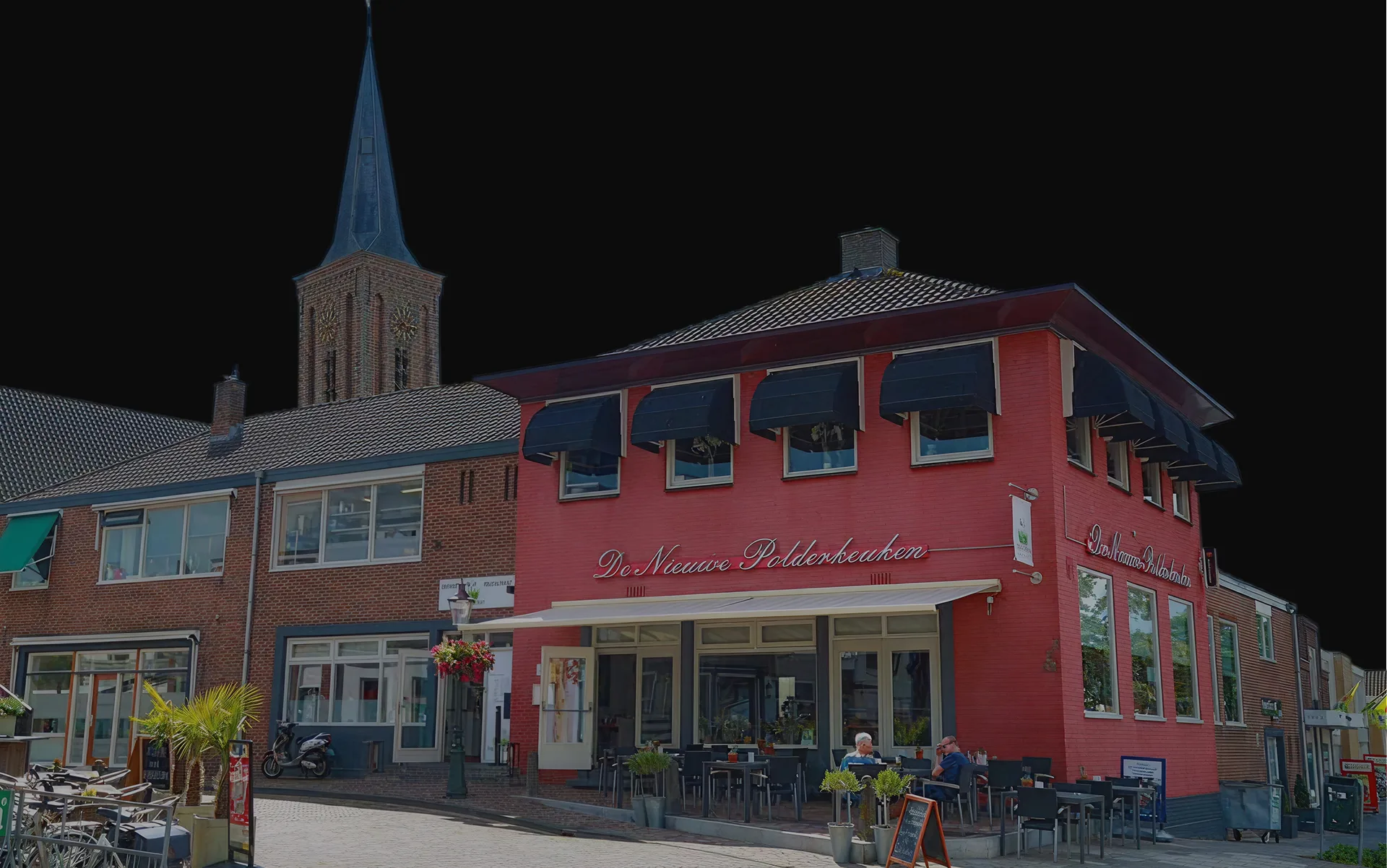
De Nieuwe Polderkeuken occupies the upper floor of a vivid red corner building in Stolwijk, where chef-patron Frank Streefland applies a classical French foundation to contemporary Dutch cooking. Raised in the adjacent Groene Hart countryside, Streefland designed a kitchen that tracks the harvest calendar instead of chasing culinary trends. The daily selection prioritises vegetables pulled directly from nearby farms, responsibly raised proteins, and seafood chosen for clean texture and balanced seasoning. This disciplined sourcing model has anchored the restaurant through multiple Lekker500 recognitions while maintaining a steady output of refined plates.
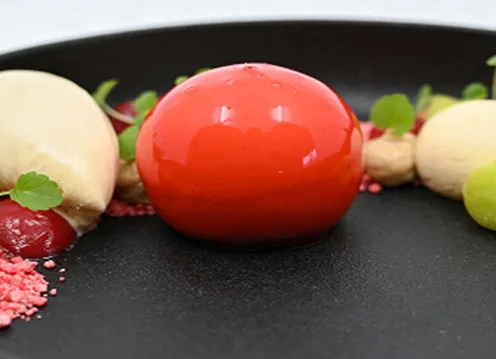
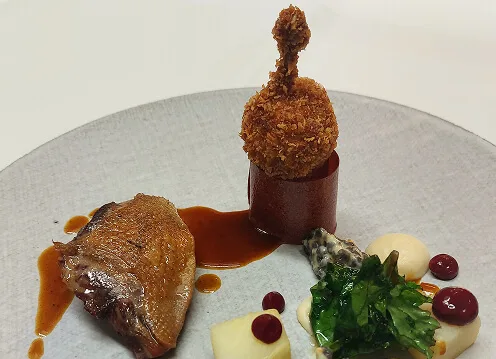
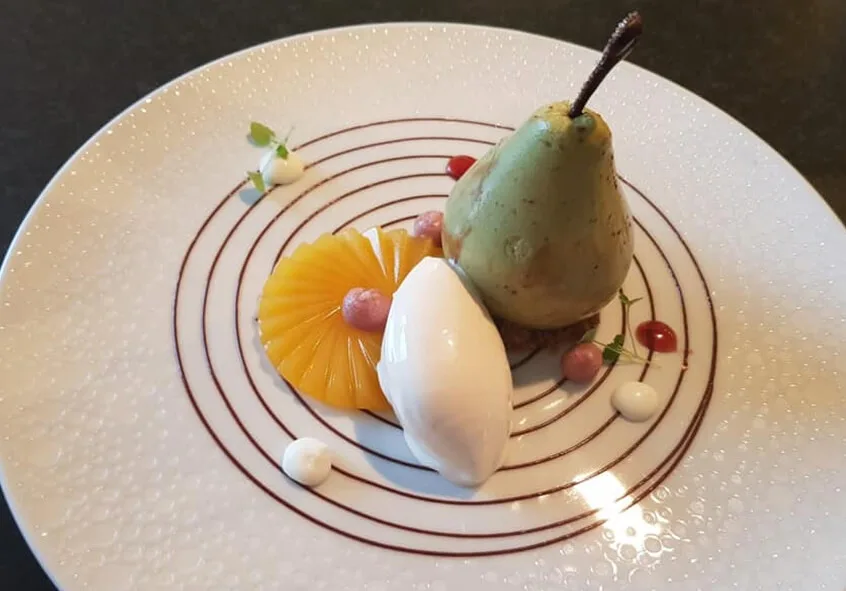
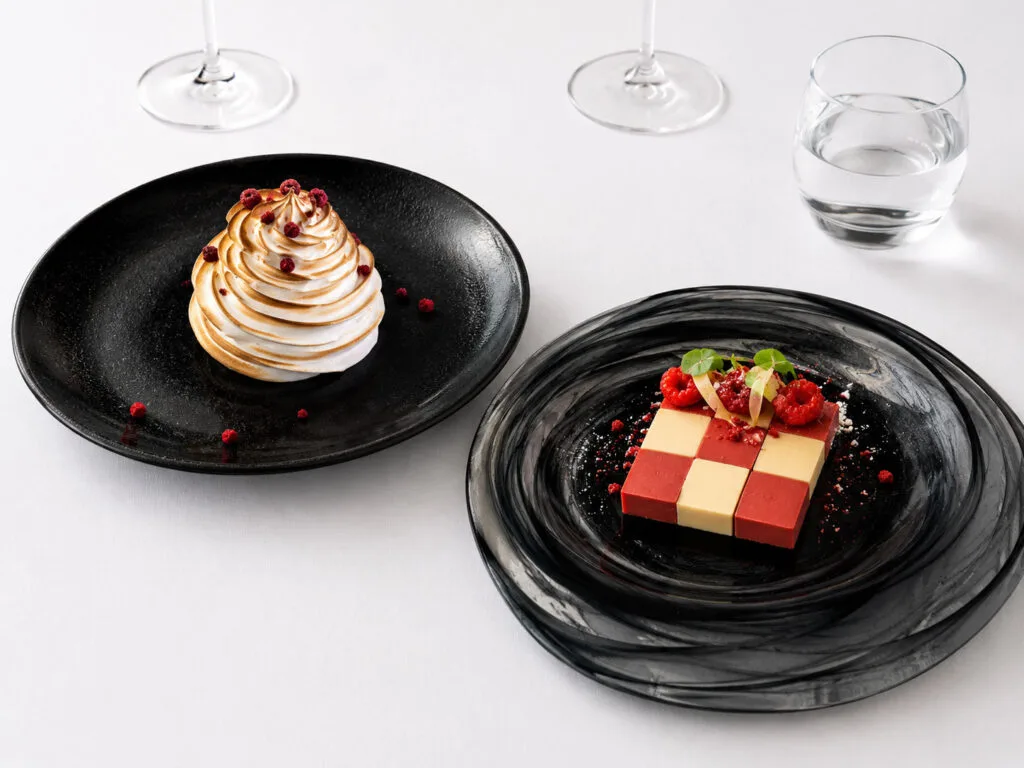
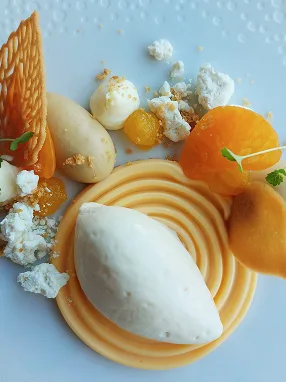
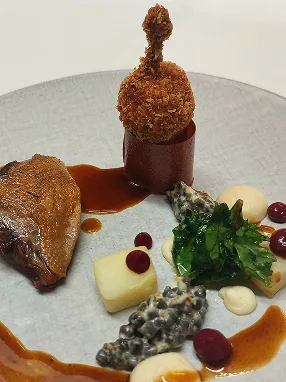
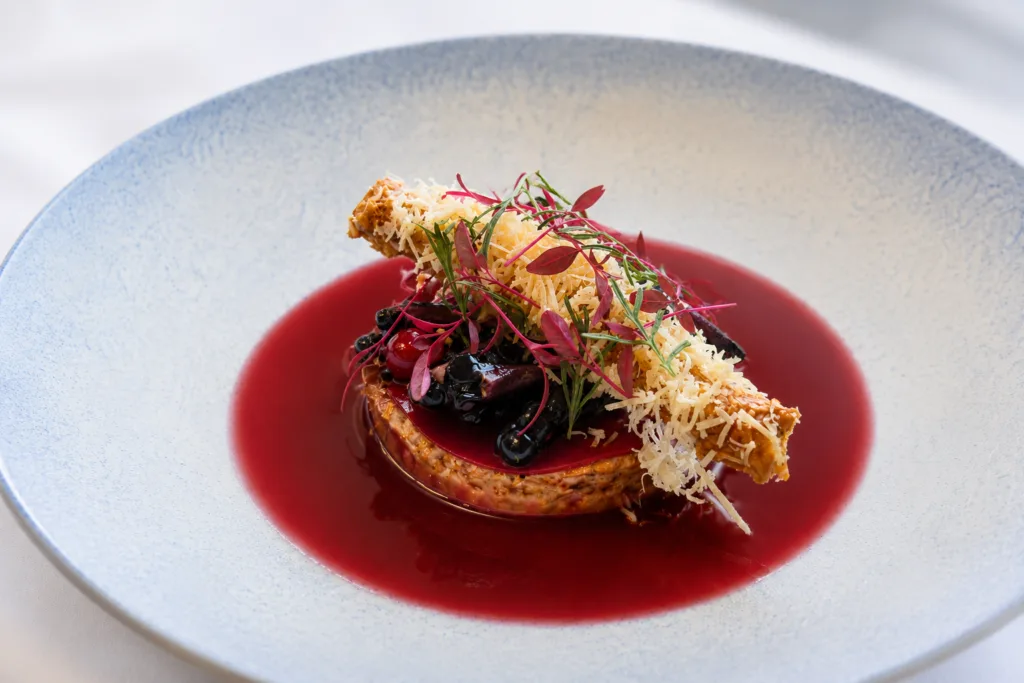
Guests regularly order the duck liver crème brûlée, a dish constructed with rhubarb ribbons and an olive oil parfait that cuts through the fat with bright acidity. The main courses rotate between poached veal sweetbread glazed with blackberry reduction, butter-poached sole shaved with summer truffle, and Krimpenerwaard lamb loin resting on polenta with morchels. Dessert stations feature Stolwijkse aardbeien arranged over white chocolate crumble rings, almond pannacotta droplets, and raspberry yoghurt set with fruit gel. These French compositions change with harvest windows, keeping the tasting menus closely tied to Dutch agricultural cycles.
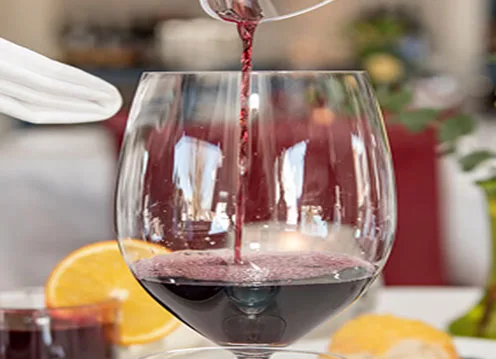
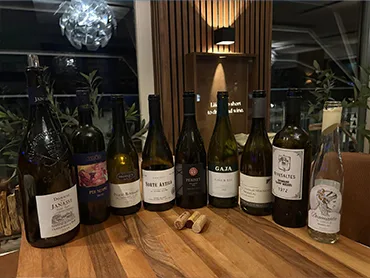
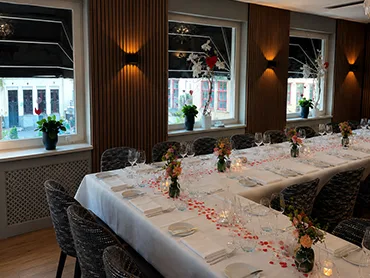
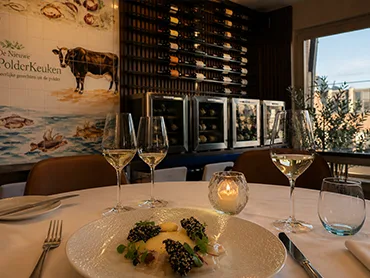
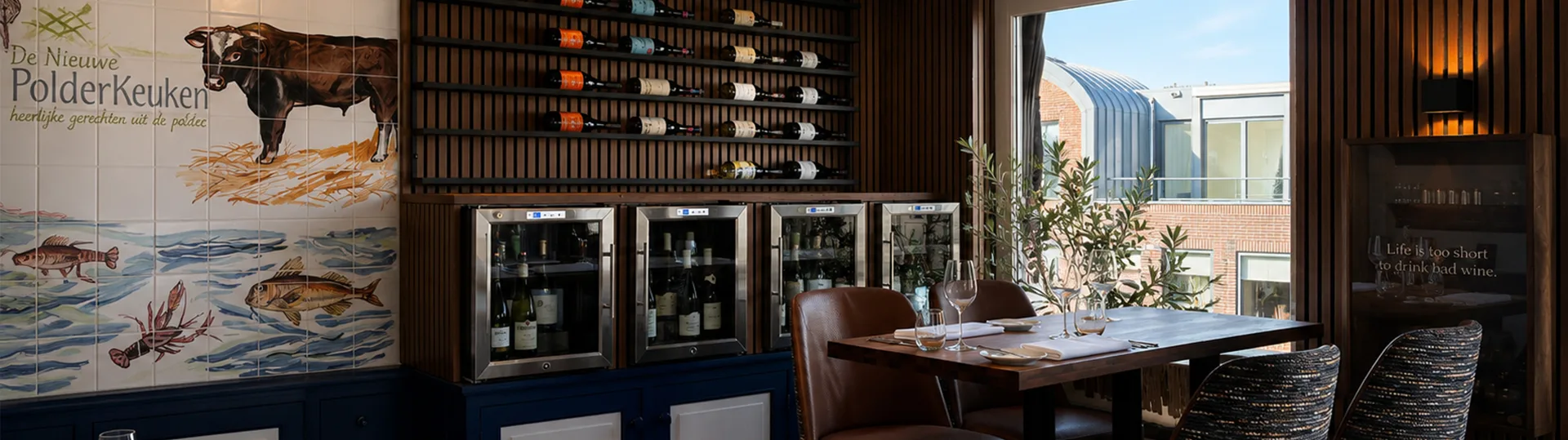
A steep flight of stairs or a narrow lift delivers visitors to a blue-walled interior lined with wooden floorboards and brass fixtures. Artist Bea Peters painted a continuous ceramic tile frieze depicting historical polder life, while repurposed grocery tins and antique kitchen racks anchor the decor in rural tradition. Large windows frame the Dorpsplein square, allowing natural light to shift across linen-draped tables throughout service. Sommeliers maintain a cellar of over one hundred fifty bottles, selecting obscure appellations to complement the French technique behind each dish.
Recognition

Ambience
Details
History
Owner-chef Frank Streefland grew up in this region and has a soft spot for local products. He combines a solid culinary foundation with a generous dose of creativity. Anyone who enjoys pleasant surprises should head to the chef...
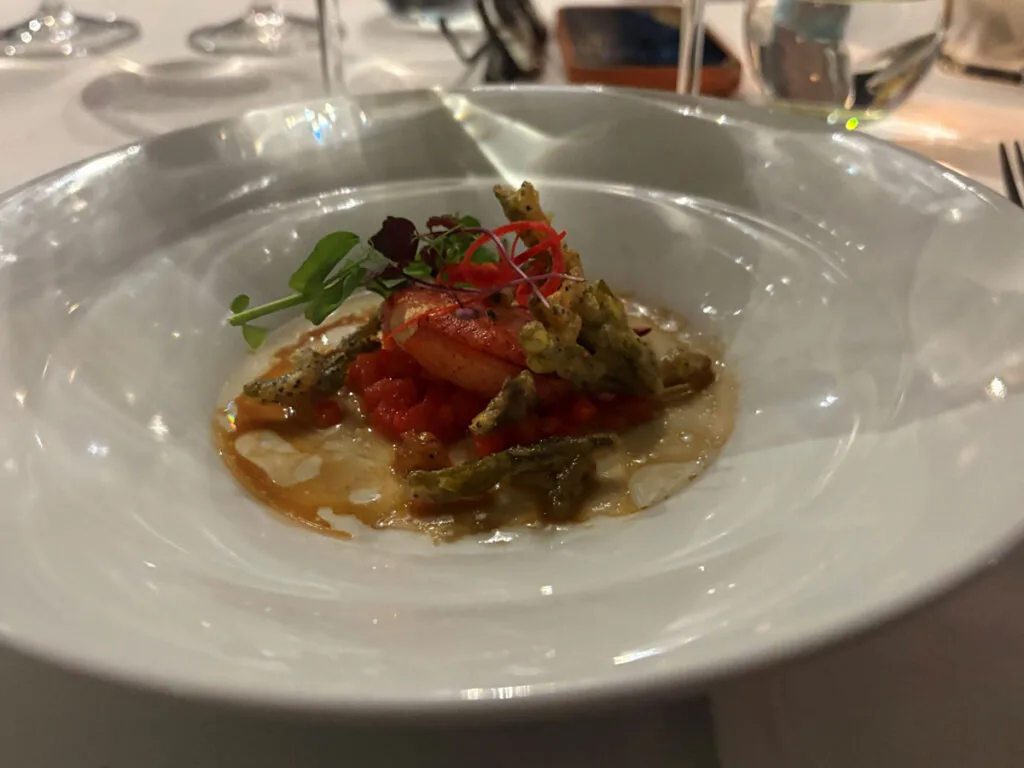
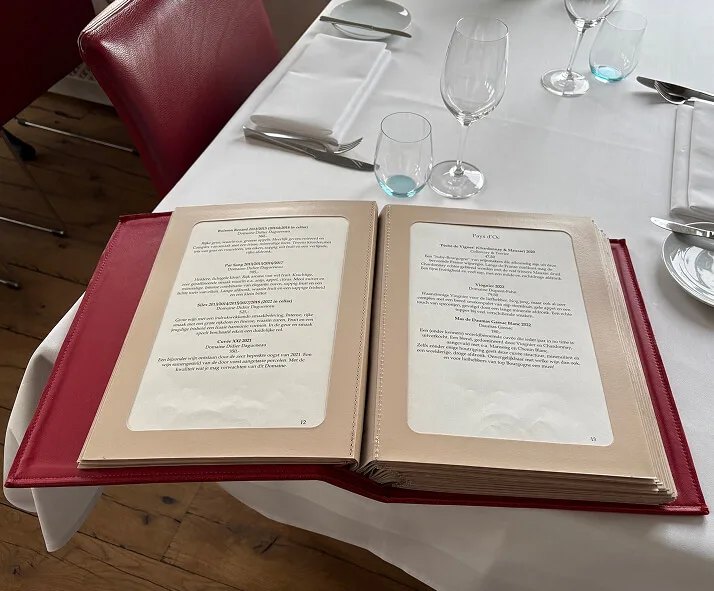
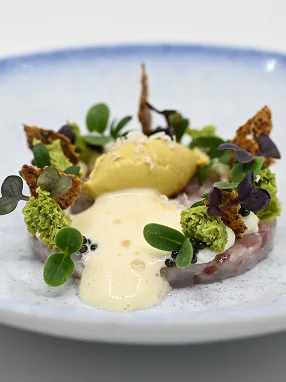
Vanuit het restaurant op de eerste verdieping van een groot hoekpand in het hart van Stolwijk heb je uitzicht over een rustig dorp met een mengeling van oudere en nieuwere panden. De buitenmuren zijn opvallend rood geschilderd, binnen is de kleur koningsblauw duidelijk aanwezig in kastjes in Oudhollandse stijl. De indeling lijkt wat onlogisch met een keuken die een halve verdieping lager ligt, maar dat heeft geen enkele invloed op de kwaliteit van de gerechten. Integendeel, chef en eigenaar Frank Streefland kookt hier zeer degelijk en hanteert een originele menukaart die de keuze biedt uit à la carte en menu's van drie tot acht gangen. De wijnkaart is indrukwekkend: een dik rood boek met een buitengewoon originele en omvangrijke wijnselectie. Wijnen uit Noord-Macedonië en Liechtenstein kom je niet vaak tegen, maar hier wel. Na een paar voortreffelijke amuses waaronder brioche met paling en appelstroop, komt een heerlijke combinatie van tomaat, rivierkreeftjes en een saus van rivierkreeftbouillon en karnemelk op tafel. Erbij een mooi glas cabernet blanc 2019 van August Ziegler uit de Pfalz. Op het andere bord een steak tartaar van rund uit de Krimpenerwaard met een saus van wortel en gekonfijte sinaasappel. Aardappelkrokantjes geven een mooi tegenwicht aan de subtiele smaak van de tartaar. De bijpassende wijn is weer mooi gevonden: een pinot gris van Wijngoed Thorn uit Limburg. Dan gebakken heilbot met een luchtige saus van beurre noisette en in het gezelschap van een pakketje zeer smakelijke ratatouille: hier bewijst de chef andermaal zijn originele aanpak. Het dessert met Stolwijkse aardbeien op een ring van panna cotta met koekkruimels met witte chocolade maakt het eetfeestje compleet.
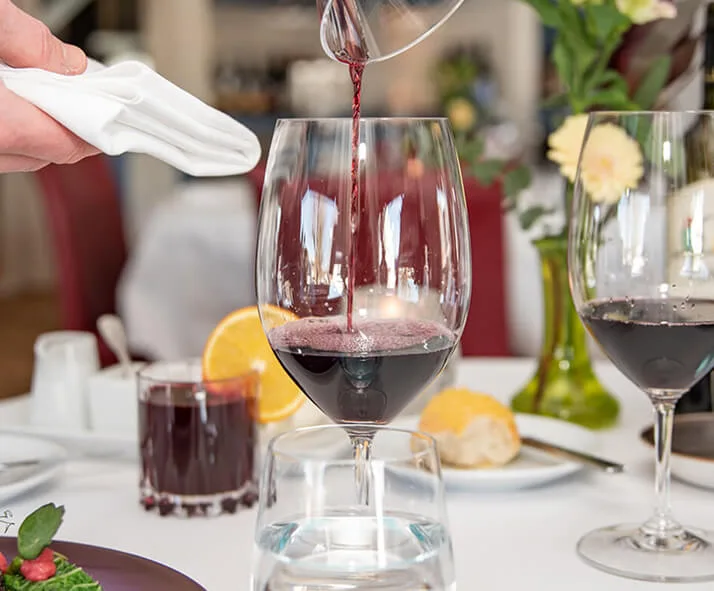
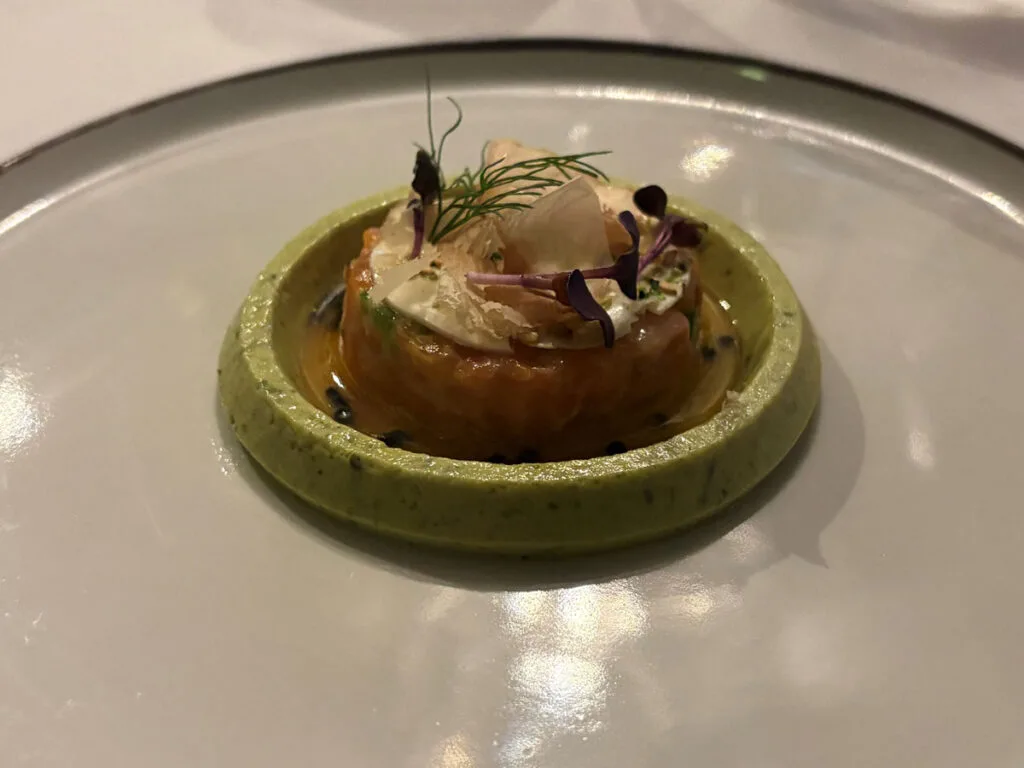
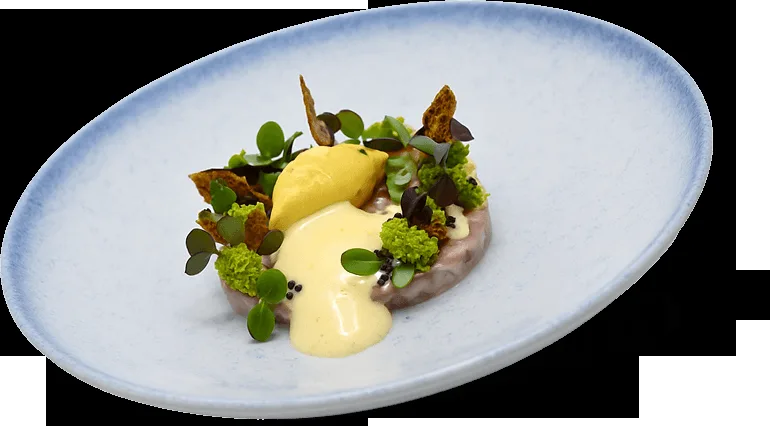
Stepping into the old core of Stolwijk, it is impossible to miss the red building housing De Nieuwe Polderkeuken. Owner-chef Frank Streefland also operates a catering company and a party center from this location. The restaurant is situated on the first floor and is accessible via a narrow elevator or staircase. During our visit, the proprietor was frequently present in the dining room, assisting the waitstaff, serving dishes, taking orders, and pouring wines. Alongside our aperitif wine—a sauvignon blanc served slightly too warm—came three amuse-bouches: a delicious smoked eel puff pastry, a quiche featuring Stolwijk cheese, and a piccalilli panna cotta with popped quinoa served in a small flowerpot. Streefland prepares a multi-course menu and aligns his cooking with a 'New-Netherlandish' culinary approach. The first course, a green mosaic of sea bass marinated in seaweed with hangop, yuzu, cucumber, and sesame, is a resounding success. The following course, a triptych of Dutch asparagus presented boiled, as a mousse, and fried, is equally well executed, complemented by an inventive sauce based on fermented asparagus. The main course features a multitude of ingredients: tender lamb fillet and tenderloin with a lamb-mint sauce, accompanied by celeriac, lavash, black olive crumble, hollandaise, wild garlic cream, and sea beet tempura. It truly fills both the mouth and the plate. For dessert, we are pleasantly surprised by a banana-shaped bavarois boasting a beautiful, intense flavor, paired with tonka bean and stracciatella ice cream. The wine list, however, warrants some criticism, as its selection and pricing are somewhat unbalanced. Additionally, the young and still inexperienced service staff would benefit from closer supervision.
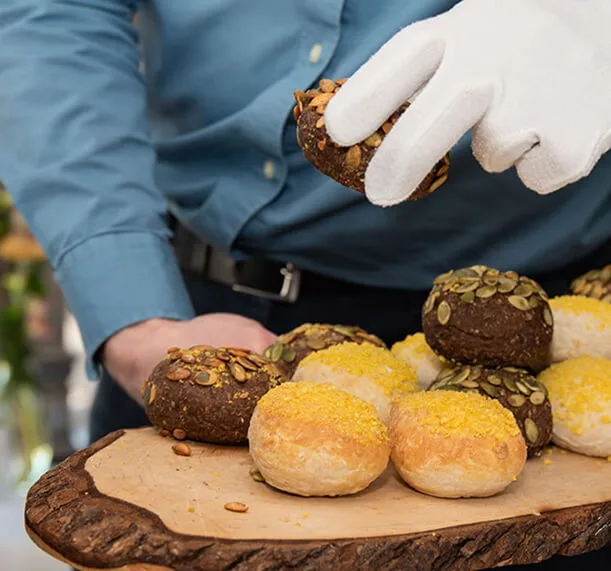
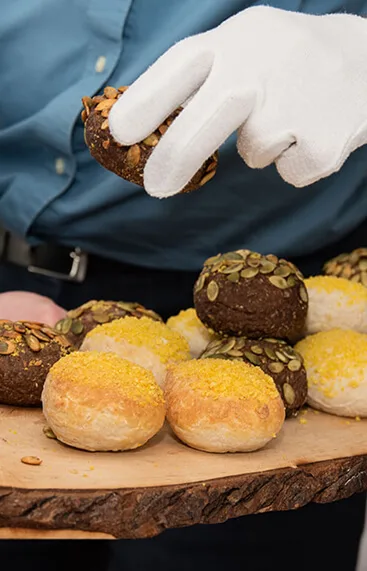
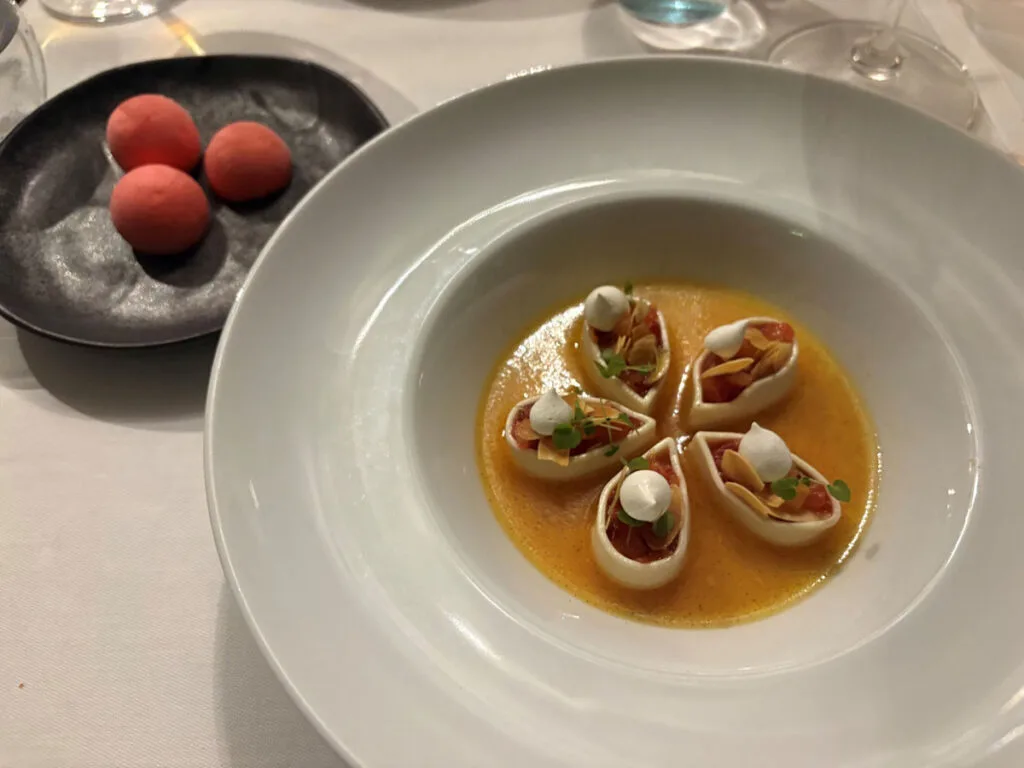
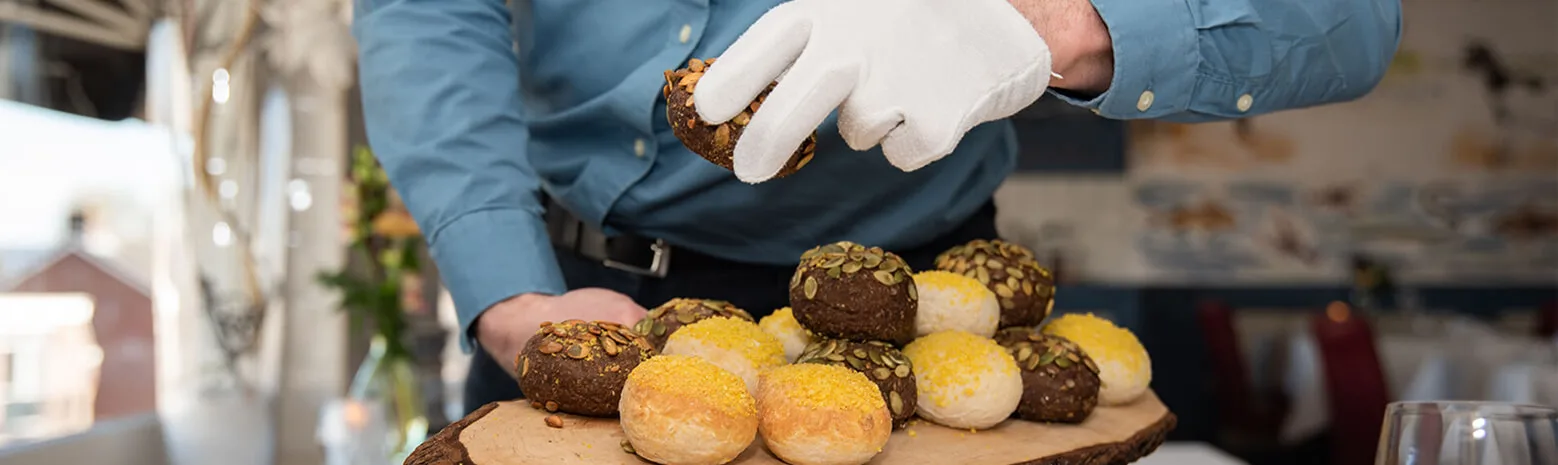
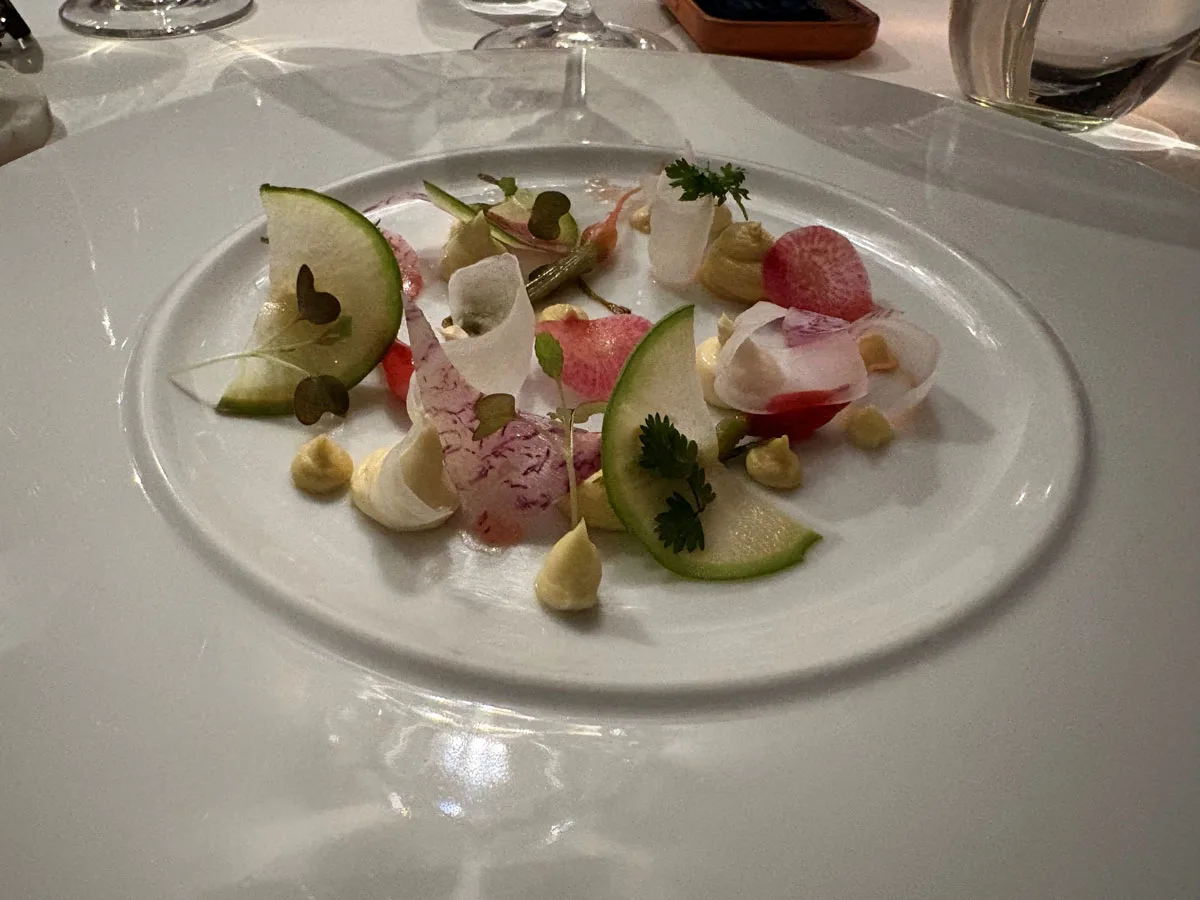
Chef-owner Frank Streefland describes his cuisine as New Dutch with a classic French foundation. We head to the first floor of the building (accessible by stairs and a tiny elevator) to sample it, where on the ground floor of the same property, a bistro run by the same owner is located. We are warmly welcomed by maître-sommelier Valentijn van Urk and shown to our table. The atmosphere is quiet. While enjoying a glass of Round House Chardonnay from South Africa—a beautiful golden-yellow white wine with a full yet fresh finish—we peruse the menu, which offers a modest selection of starters, intermezzos, mains, and desserts. Meanwhile, a warm and crispy sourdough roll is brought to the table and refilled as needed throughout the evening. We do not see the bread listed on the bill. The first course is house-smoked salmon with a garnish of finely chopped radish, cauliflower, and potato, seasoned with basil, garlic, and almonds. This is followed by a paper-thin ravioli filled with river crayfish, served in a light bisque finished with chopped chard, green apple, vanilla, and green curry. Refined and beautifully flavored. The main course is a true classic: pan-fried turbot à la meunière with a generous shaving of black truffle over it. My dining companion enjoys a juicy roasted lamb fillet with polenta topped with a garnish of curried cabbage and morels. Small sweets accompany the coffee. For all this, we receive a steep bill. Perhaps even too steep. Could that be why it remains so quiet throughout the evening?
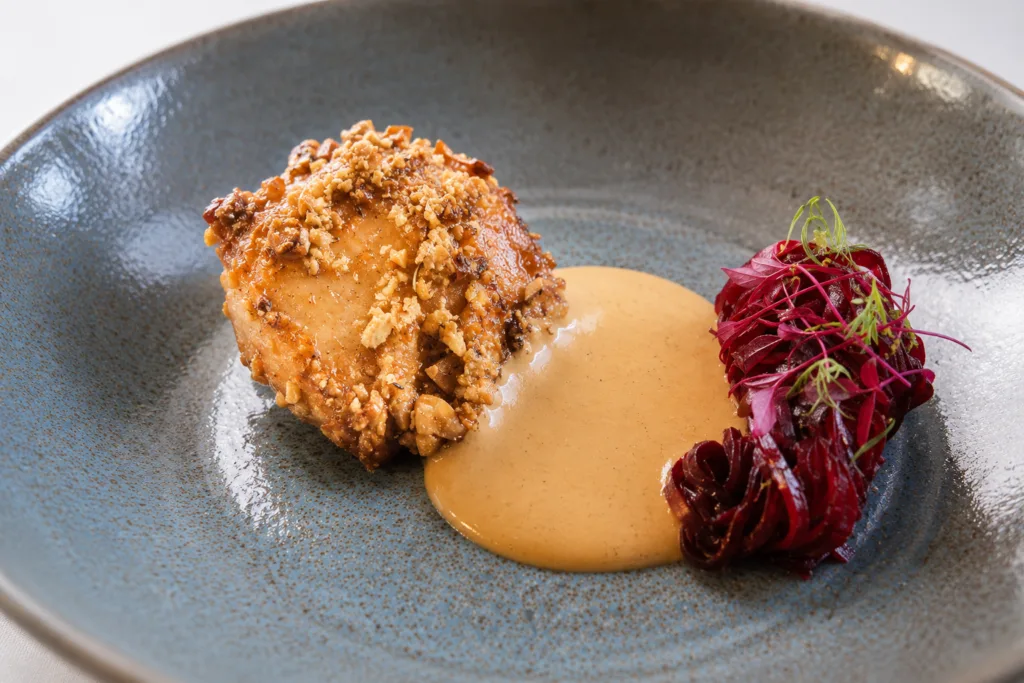
You’ll need to take the stairs (though there’s also a very small elevator) to reach this remarkable establishment run by owner-chef Frank Streefland, but once you’re up there, you’ve got prime seating: the village square with its ancient trees unfolds like a postcard from the last century. The restaurant itself features a spacious, blue-painted old-fashioned farmhouse living room. In contrast, the kitchen is thoroughly modern, as is the relaxed service provided by maître sommelier Valentijn van Urk. We sample cornbread served with goat butter, olive oil, or smoked butter, along with three delightful welcome bites, all paired with a lovely, affordable white wine from the Languedoc region. To begin, we get the chef’s signature dish: a duck liver crème brûlée accompanied by various olive preparations. It’s deliciously flavored and beautifully presented. On the other plate is a vegetarian dish: beetroot with goat cheese, lavash bread, and dill, served atop a honeycomb of pastry and polder honey. An extra touch of salty liquorice pieces pairs wonderfully with the other flavors. A lovely discovery. For the main course, we have monkfish, perfectly seared, juicy, flavorful, and tender yet firm. It comes with a side of Zeeland bacon, buttermilk, onion, and seaweed. Once again, these unexpected combinations turn out to be a perfect match. Also served is lamb from Waard, cooked to perfection, accompanied by morels, peas, broad beans, lavender, and rhubarb. To finish, we enjoy local cheeses followed by a delightful dessert combining banana, yogurt, tarragon, raspberry, and pink peppercorns. Highly recommended!
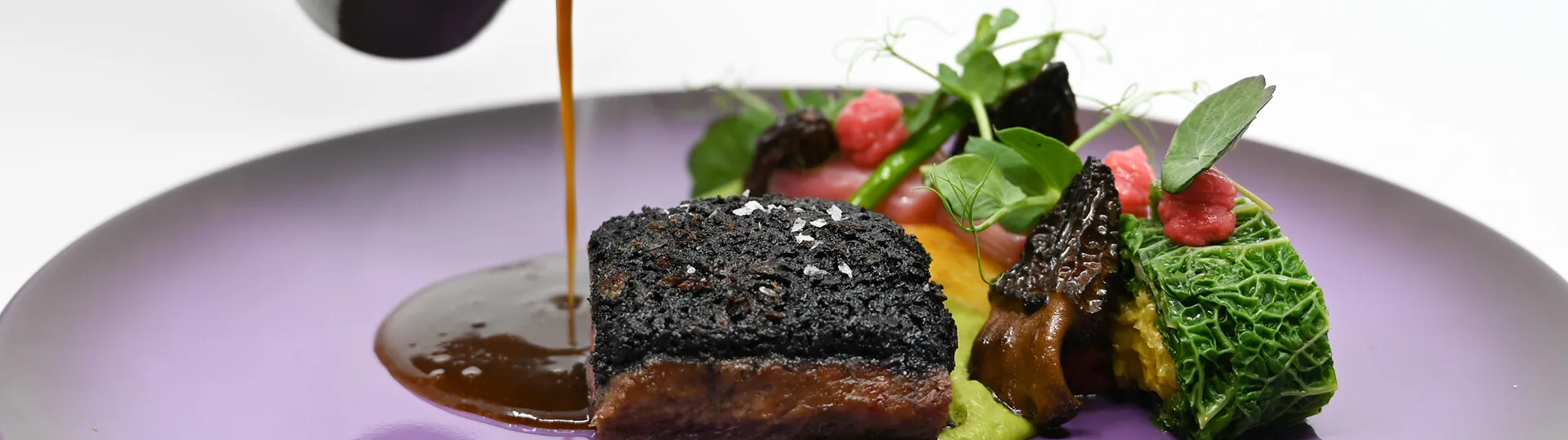
The ascent to this charming restaurant on the first floor of a striking red-painted corner building in the heart of Stolwijk is narrow and steep. For those with limited mobility, a lift is available. This speaks volumes about the ingenuity of owner-chef Frank Streefland, who besides running the Polderkeuken also operates the downstairs bistro 'Polderkamer'. Upon entering, we enjoy fresh cornbread with lavender butter and a selection of promising welcome bites with pronounced flavors. We also appreciate the farmhouse atmosphere evoked by vintage grocery tins, brocante kitchen racks, plank flooring, and a tiled counter featuring polder landscapes. The regular maître-sommelier Valentijn van Urk returns after a brief absence and pours a half-sweet Vouvray Vigneau-Chevreau alongside the chef's signature dish: duck liver crème brûlée with mango chutney and olive oil ice cream. Exquisite. Just like the skin-seared sea bass. The perfectly cooked fish is served atop braised fennel, accompanied by cauliflower purée, scallops, green asparagus, and a yuzu-infused beurre blanc. The pièce de résistance is rose-seared beef cheek. It is paired with a glass of full-bodied red Rhône wine from Louis Chèze, which complements the accompaniments of chanterelles, beetroot, raspberry, goose liver, and a separately served red wine sauce beautifully. A fine establishment.
The small, cozy, and quiet restaurant De Nieuwe Polderkeuken is located on the first floor of a striking red building in the center of Stolwijk. The tables are set with immaculately starched linen, and the red leather chairs are comfortable. The highlight is the tiled wall featuring scenes from the polder, designed by artist Bea Peters. Chef-owner Frank Streefland grew up in the Green Heart and works with organic produce from the surrounding polder landscape, such as lamb from the Krimpenerwaard, Stolwijk cheese, and Oudekerkse honey, which inspire his hearty regional creations. He serves classic cuisine with a modern and often surprising twist that regular guests love to return for. The diverse wine list features 120 wines from various vintages, origins, and price ranges. A lovely place.
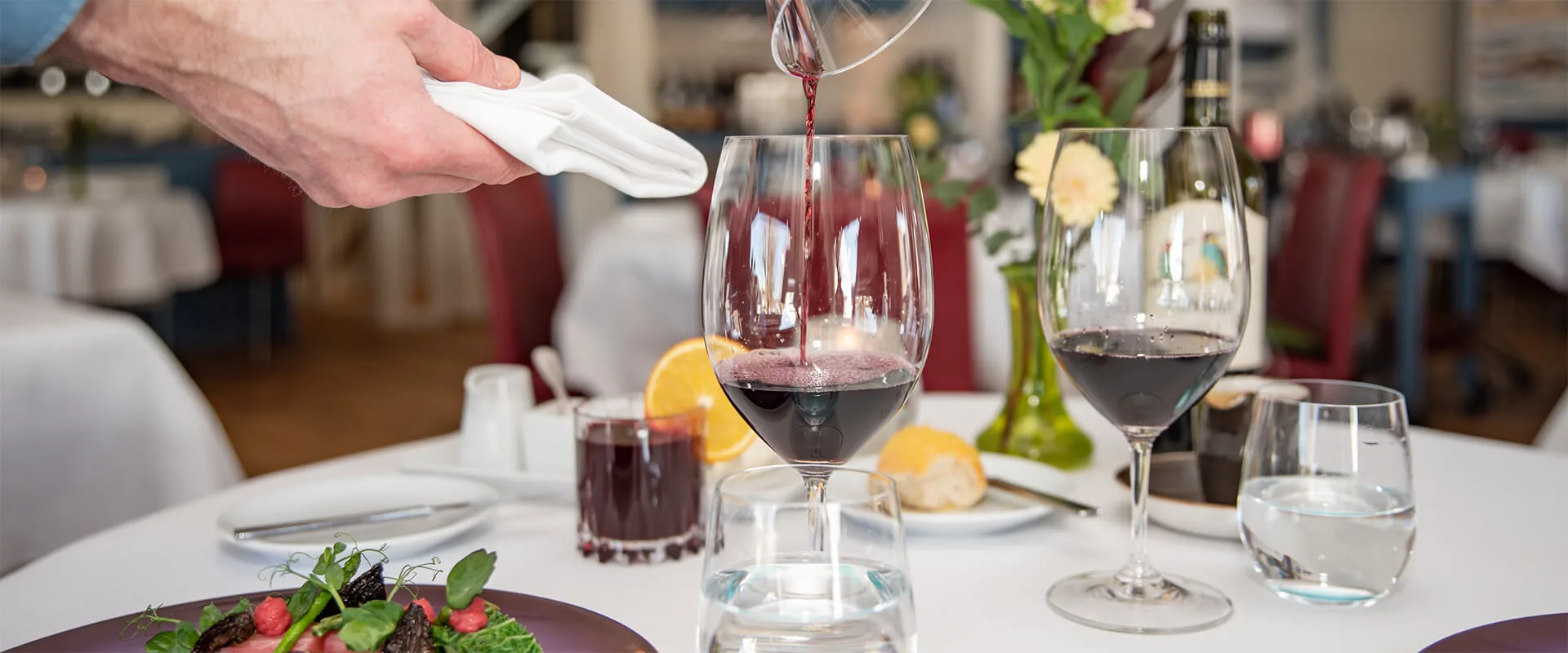
Located in the middle of the Green Heart. In the dining room, the tiled wall featuring images of the polder landscape immediately catches the eye, designed by artist Bea Peters. Owner-chef Frank Streefland, who grew up in the Stolwijk area, cooks using as many local products as possible. We are warmly welcomed by maître sommelier Sebastian Paliama and shown to our table. Over a glass of white sparkling Thorn Clarke brut from the Eden Valley estate, we peruse the menu, which offers a limited à la carte selection and a surprise menu ranging from three to seven courses. We opt for à la carte and start with a foie gras crème brûlée. The liver has a wonderfully soft taste, while the lightly sweet mango jelly gives this starter just the right touch. Next come scallops with fresh asparagus and a rich Pernod sauce with a gentle anise aroma, served on the side. Unfortunately, the scallops are slightly overcooked, meaning the center is no longer pink and the delicate flavor is lost. Lamb from the Krimpenerwaard region is cooked to perfection, allowing Streefland to showcase his expertise at its best. The slices are beautifully pink and served with a robust lamb jus and crisp, fresh seasonal vegetables. To finish, blueberry mousse with ice cream made with gin and tonic. Delicious.
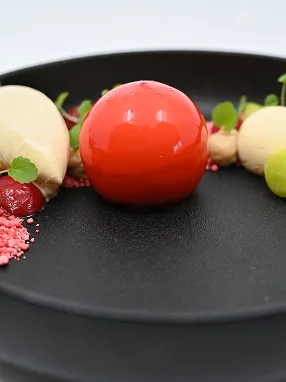
In the center of the small rural village of Stolwijk, we find restaurant De Nieuwe Polderkeuken, located on the first floor and accessible by stairs or a small elevator. The dining room has the appearance of a large rustic kitchen. Owner-chef Frank Streefland likes to cook with products from the surrounding area. The menu is modest: the tasting menus are composed of à la carte dishes. As an introduction, there is a white wine that receives no explanation, along with a handful of amuse-bouches including a choux pastry with fennel cream and a shot of watermelon. For the starter, a well-seasoned veal tartare with grilled langoustine, kletskop cheese, piccalilli, and grapefruit. The bitter-sour taste of the latter means we can no longer taste the poured Mestizaje 2017 wine. What a pity about this otherwise beautiful wine. The sole with foie gras and table-shaved summer truffle is well-cooked, but lacks dynamic balance in the dish. The service is young and enthusiastic, but the wine guidance leaves much to be desired. The explanation is brief and perfunctory. The Waard lamb, featuring rose-seared fillet and braised meat in a crispy crust, is served with avocado and eggplant cream. The poured red Costières de Nîmes is simple but pairs well with the neutrally flavored main course. The dessert turns out to be the most beautiful and 'richest' dish of the evening. On a black plate appears a combination of various Stolwijk strawberries with white chocolate crumble and homemade farmhouse yogurt ice cream. Accompanied by a glass containing a generous amount of bavarois, Swiss cream, and meringue. There are a few points to pay attention to here and there, but we would gladly return.

 Facebook
 Instagram
 X
X