

The story
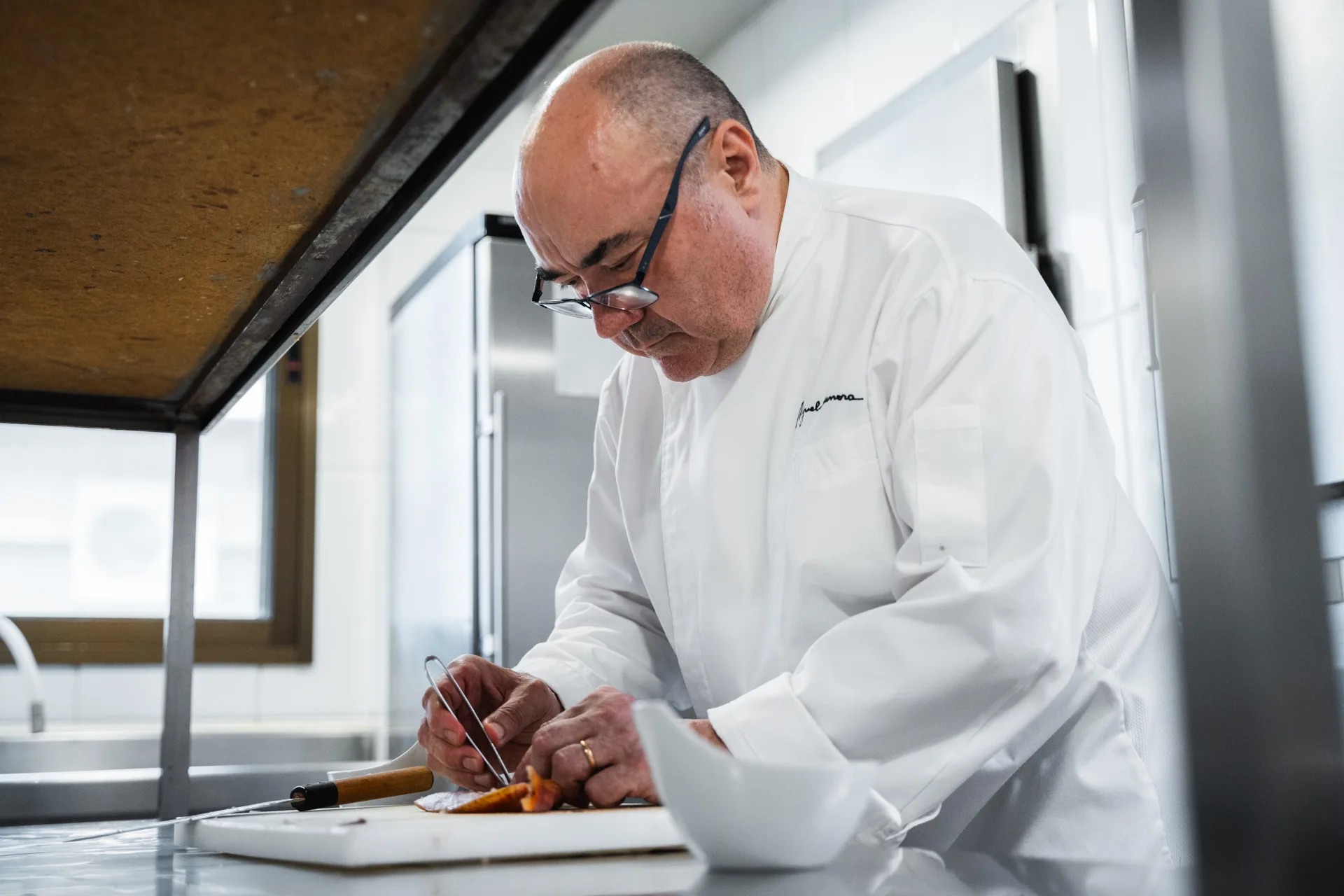
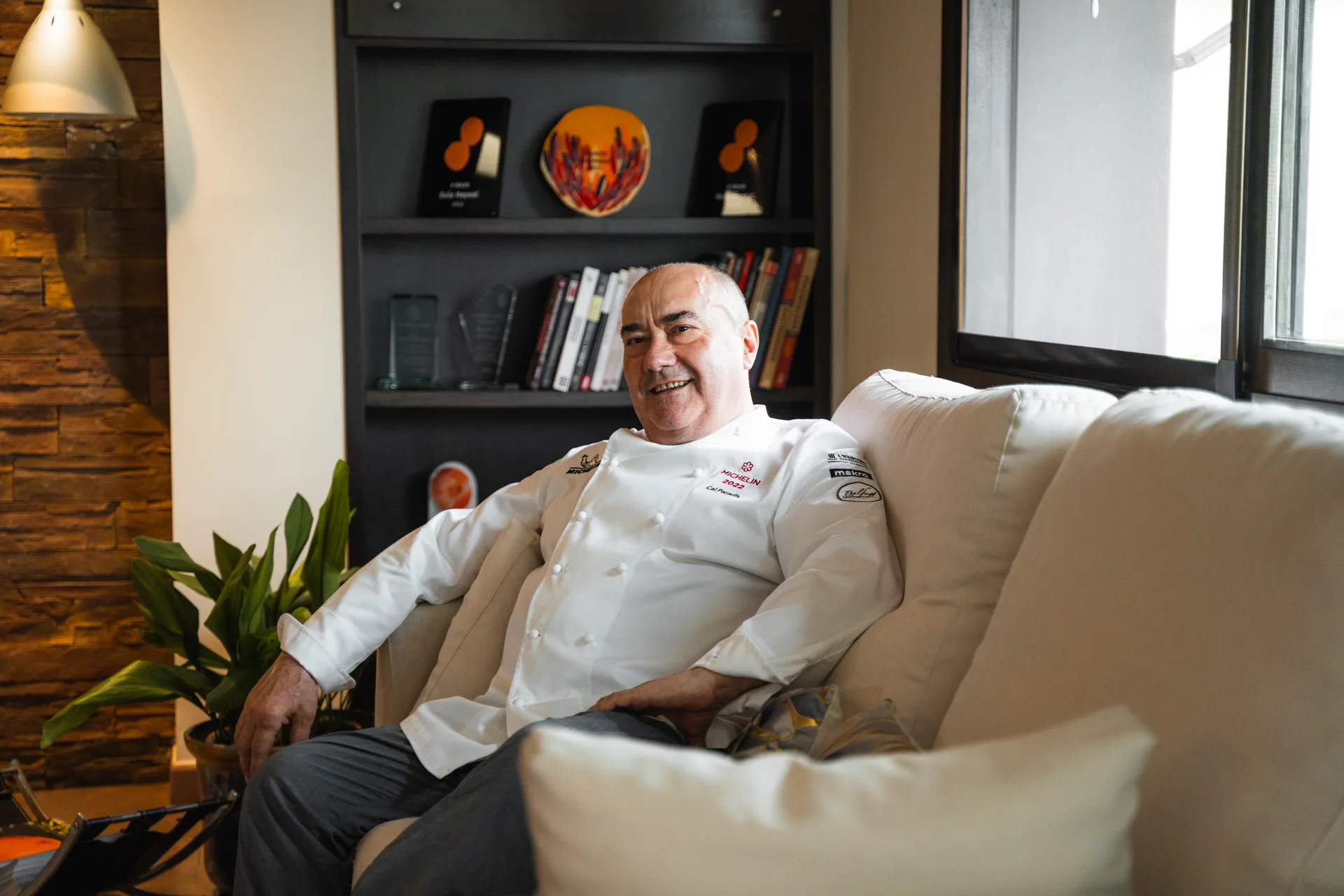
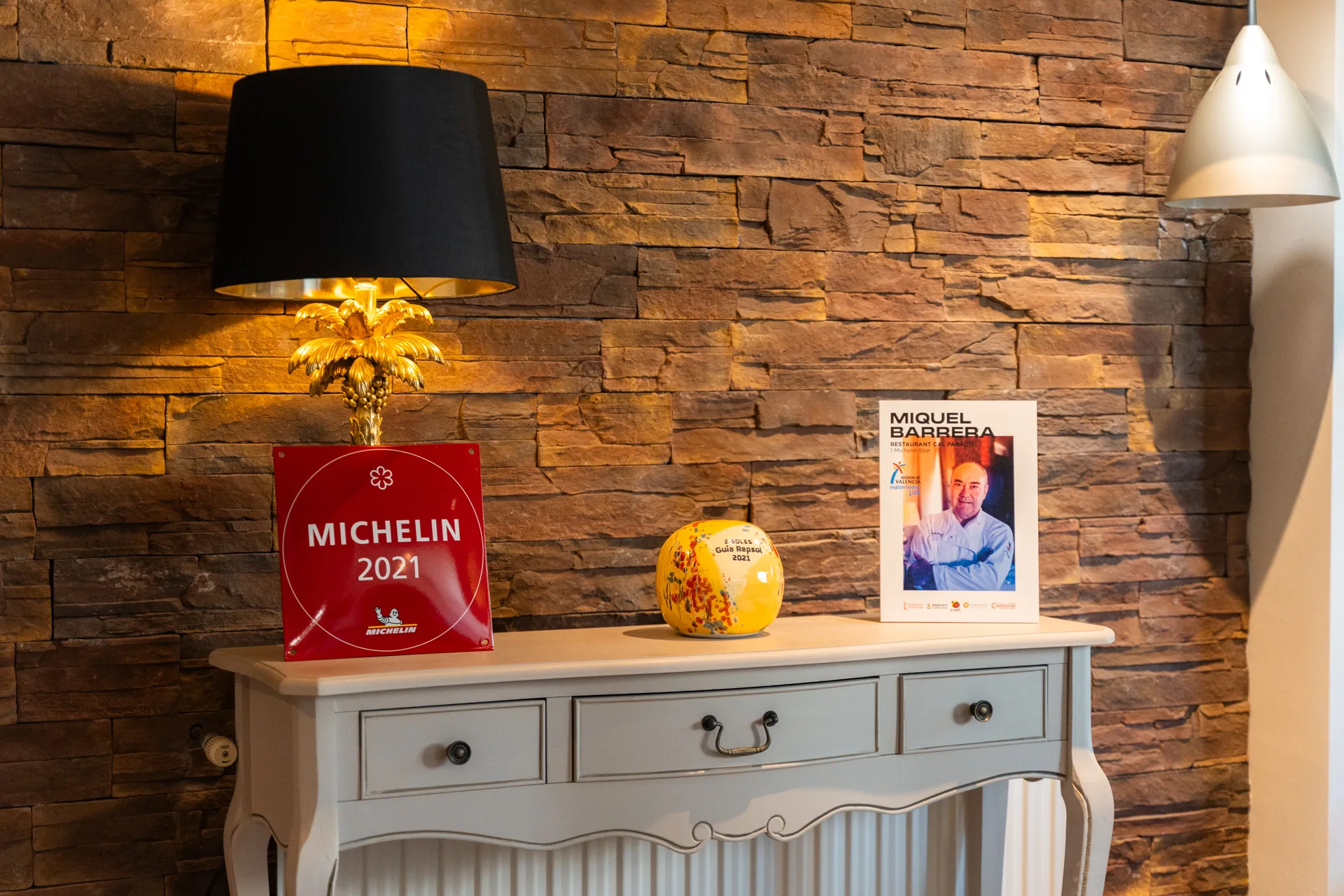
In the quiet town of Vall d'Alba, near Cabanes, Cal Paradís carries forward a story that began in 1973, when chef Miguel Barrera’s parents opened the emblematic restaurant El Paradís. Today, Miguel and his partner Ángela have transformed that family foundation into a destination for contemporary cuisine that speaks directly to the landscape of Castellón. The restaurant holds a Michelin star, a recognition that reflects not just technical skill but a deep, coherent philosophy of place.
The kitchen at Cal Paradís is built around the ingredients of the Mediterranean coast and the nearby mountains. Miguel Barrera works with local producers and his own kitchen garden, irrigated with water from the Cenia spring, to grow heirloom varieties such as the “roget” bean and the “tomaca de penjar” tomato. Boletus edulis and Valencian truffles come from the forests of Penyagolosa and the Maestrazgo ranges. Nothing is wasted: surplus vegetables are turned into preserves, and used oil is recycled. The restaurant holds a certificate for efficient and sustainable cooking from Repsol, and its rooftop solar panels reduce energy consumption.
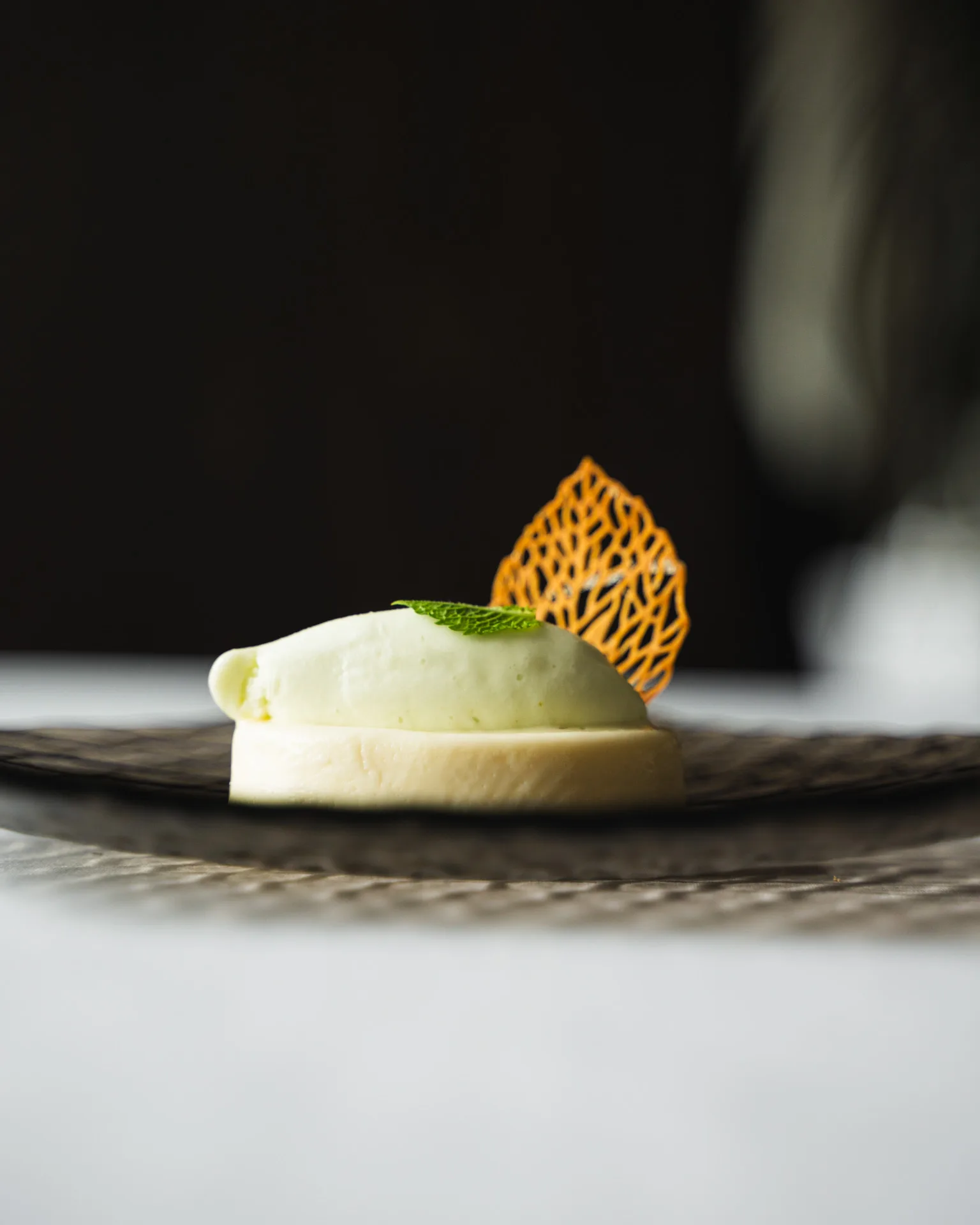
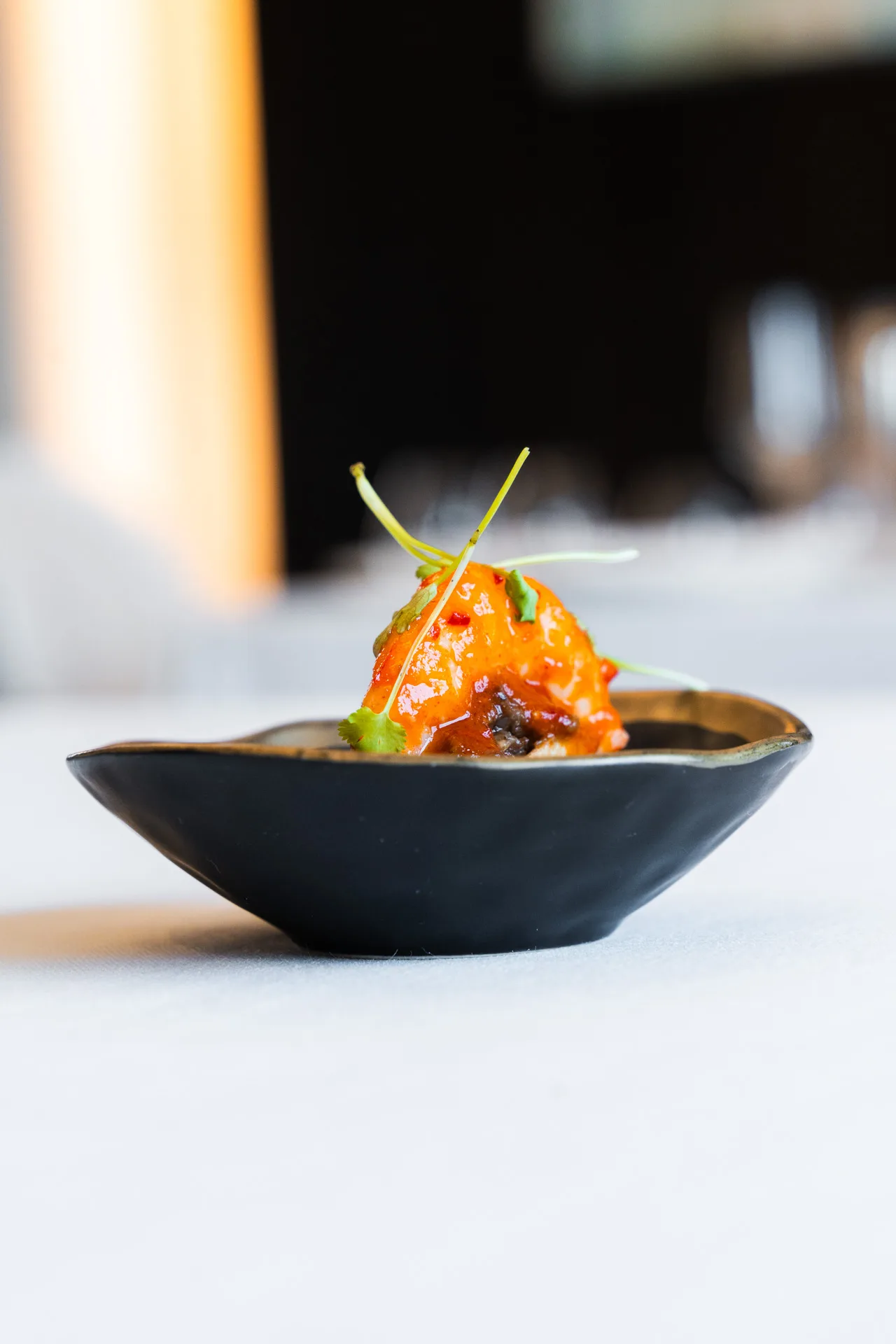
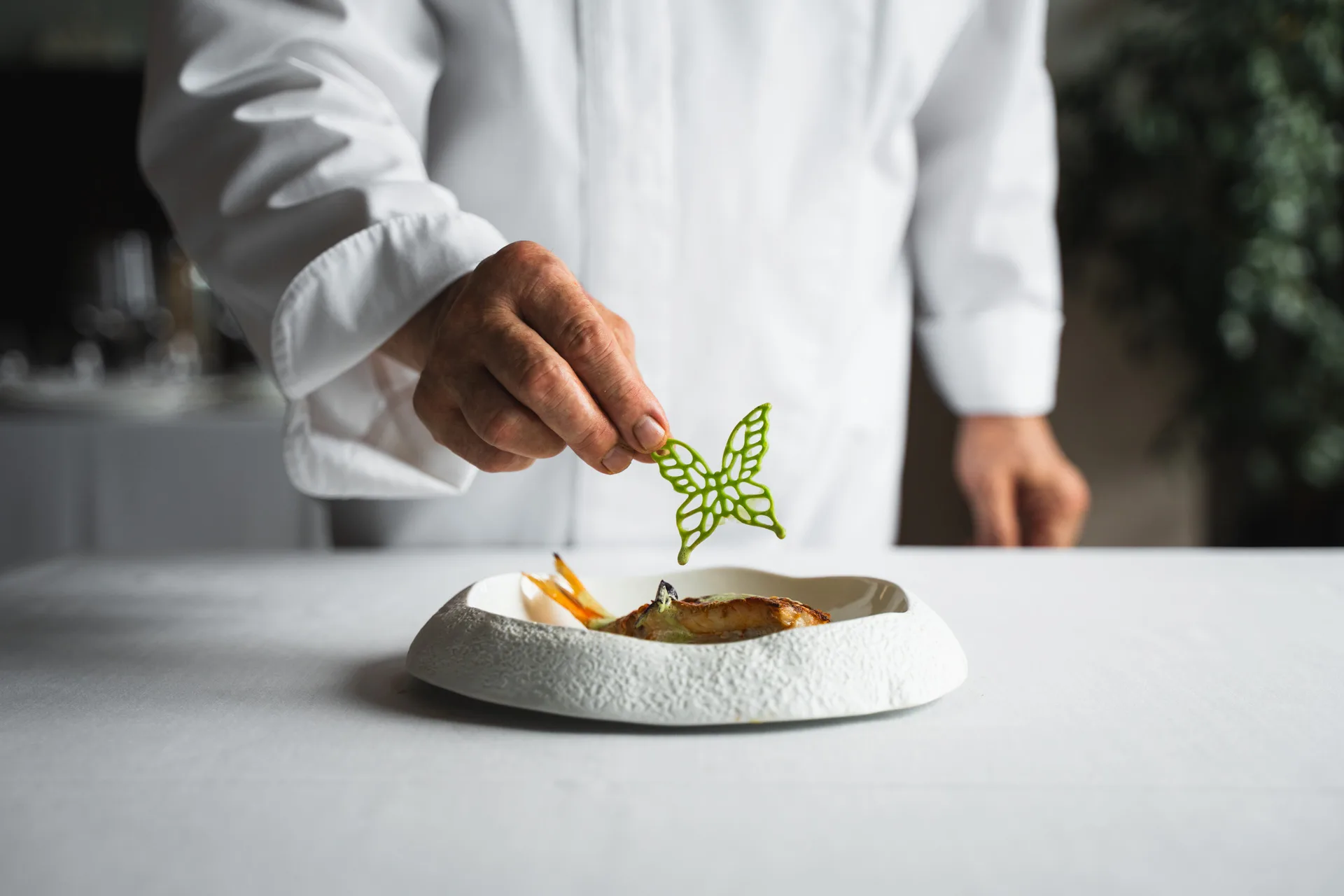
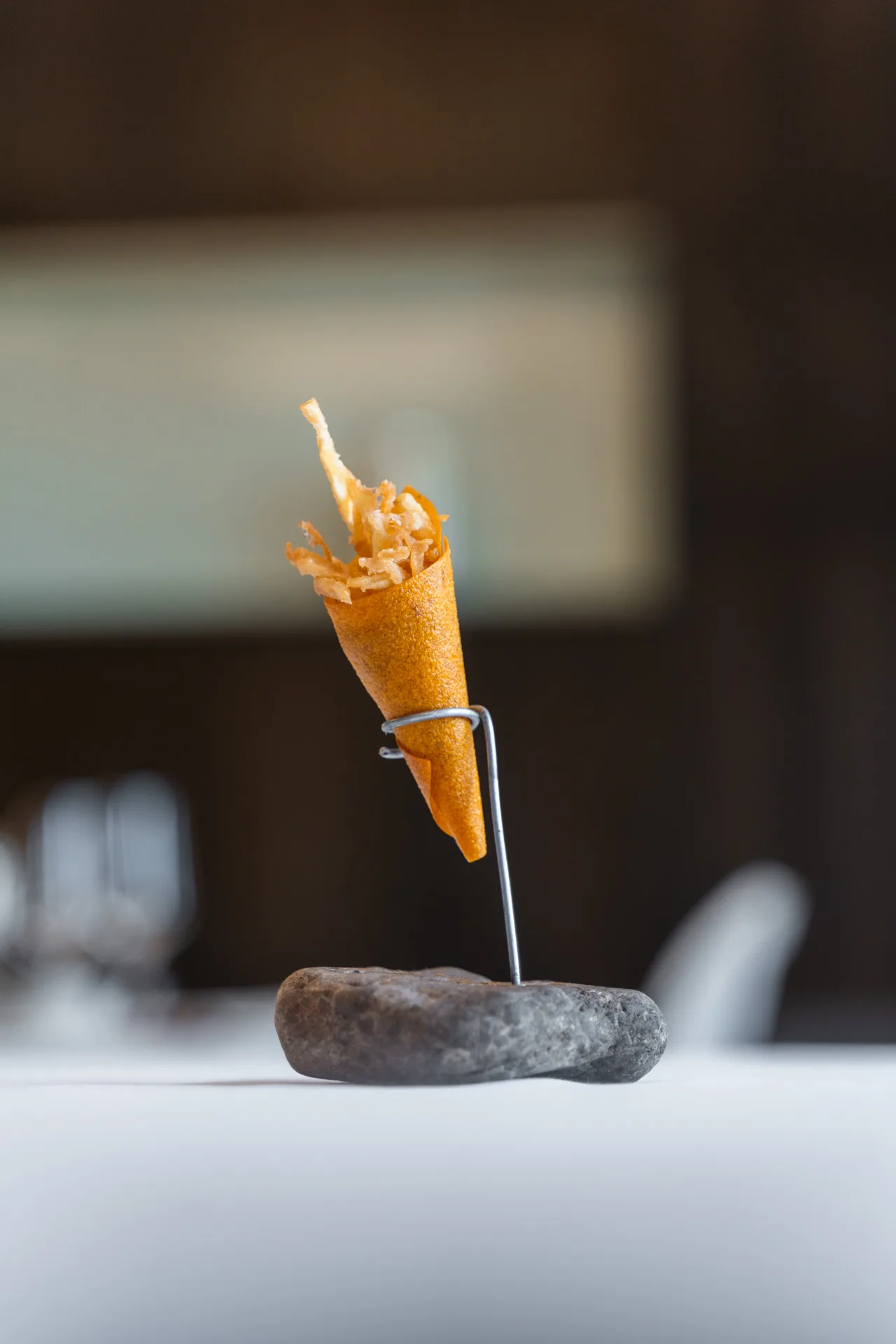
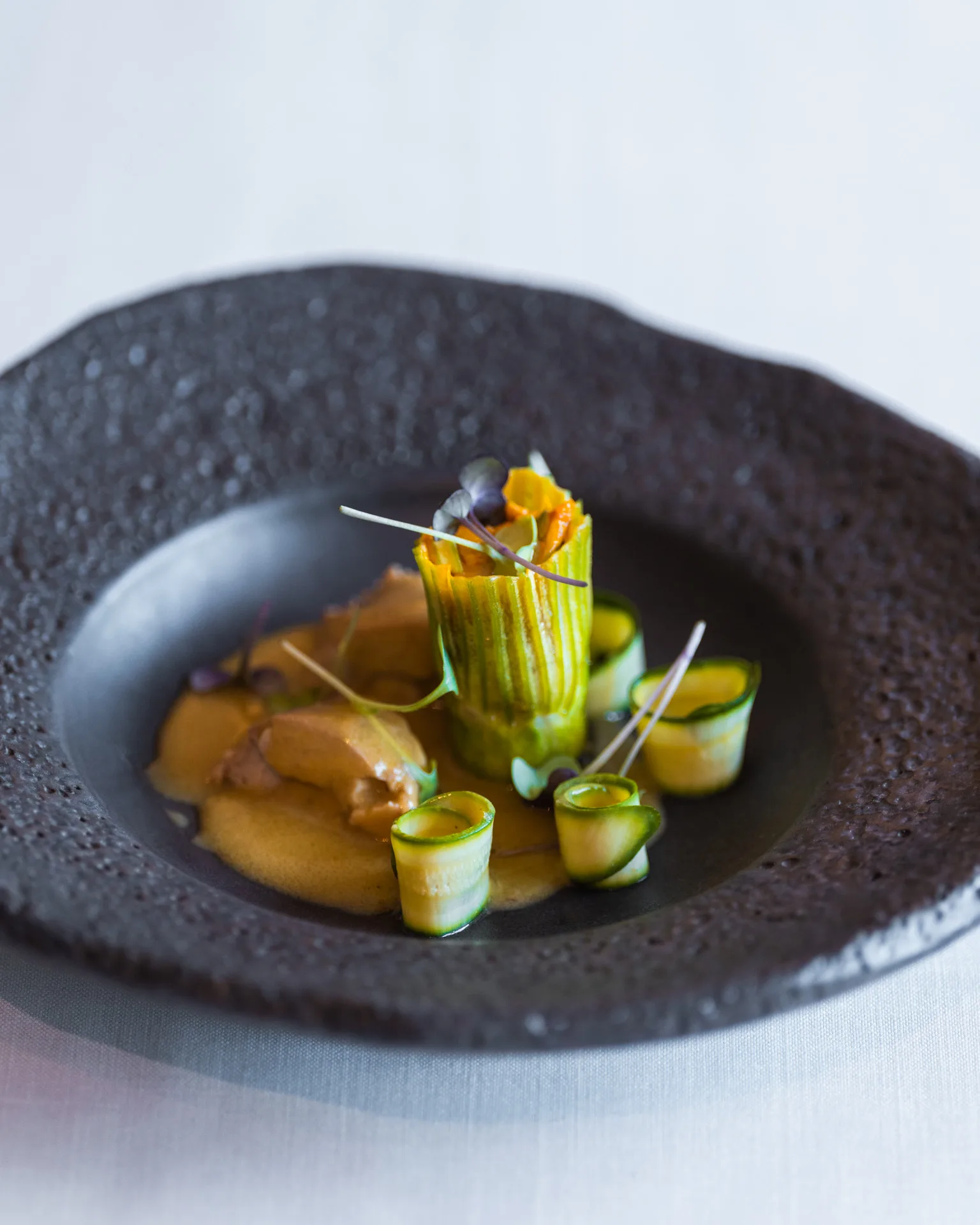
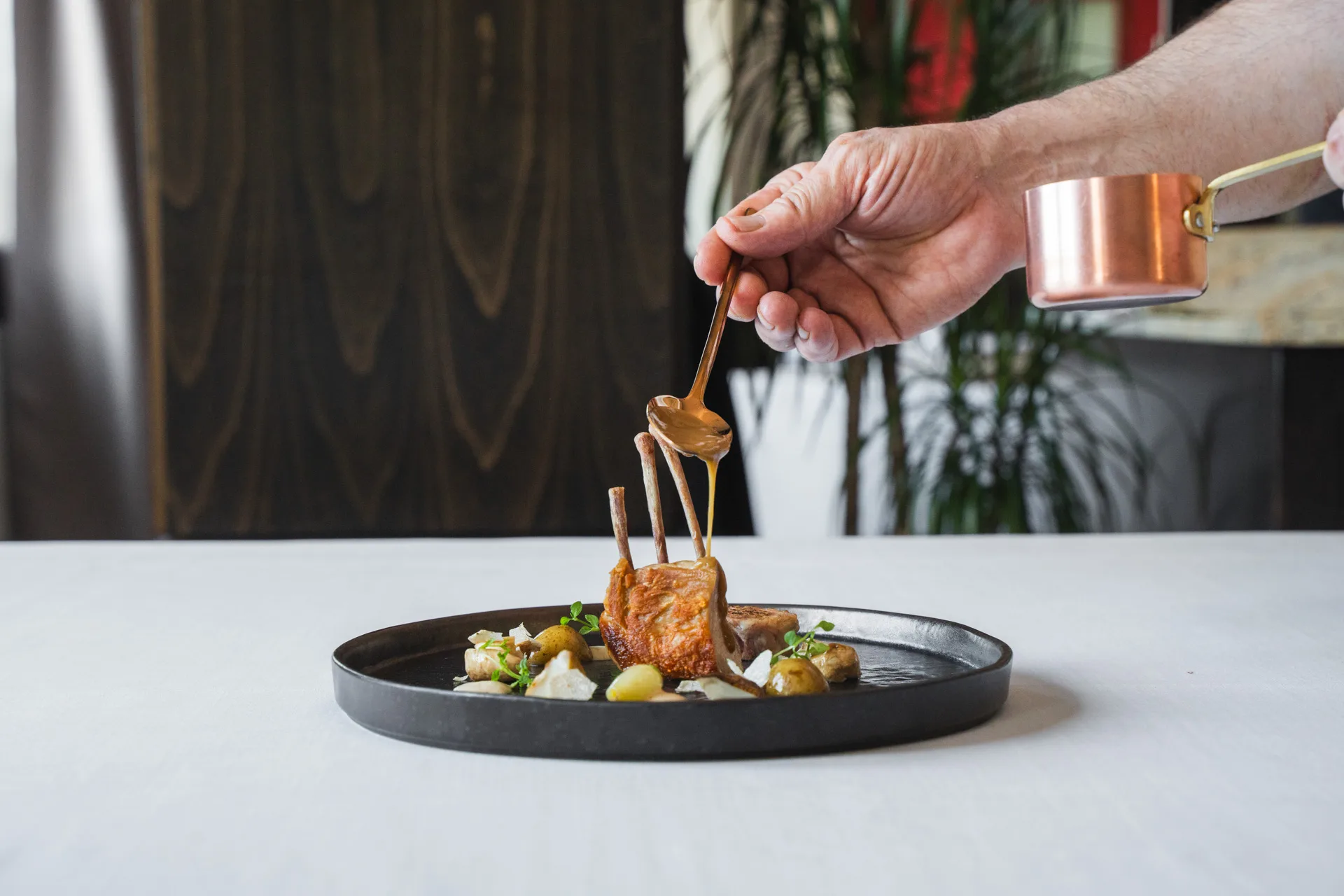
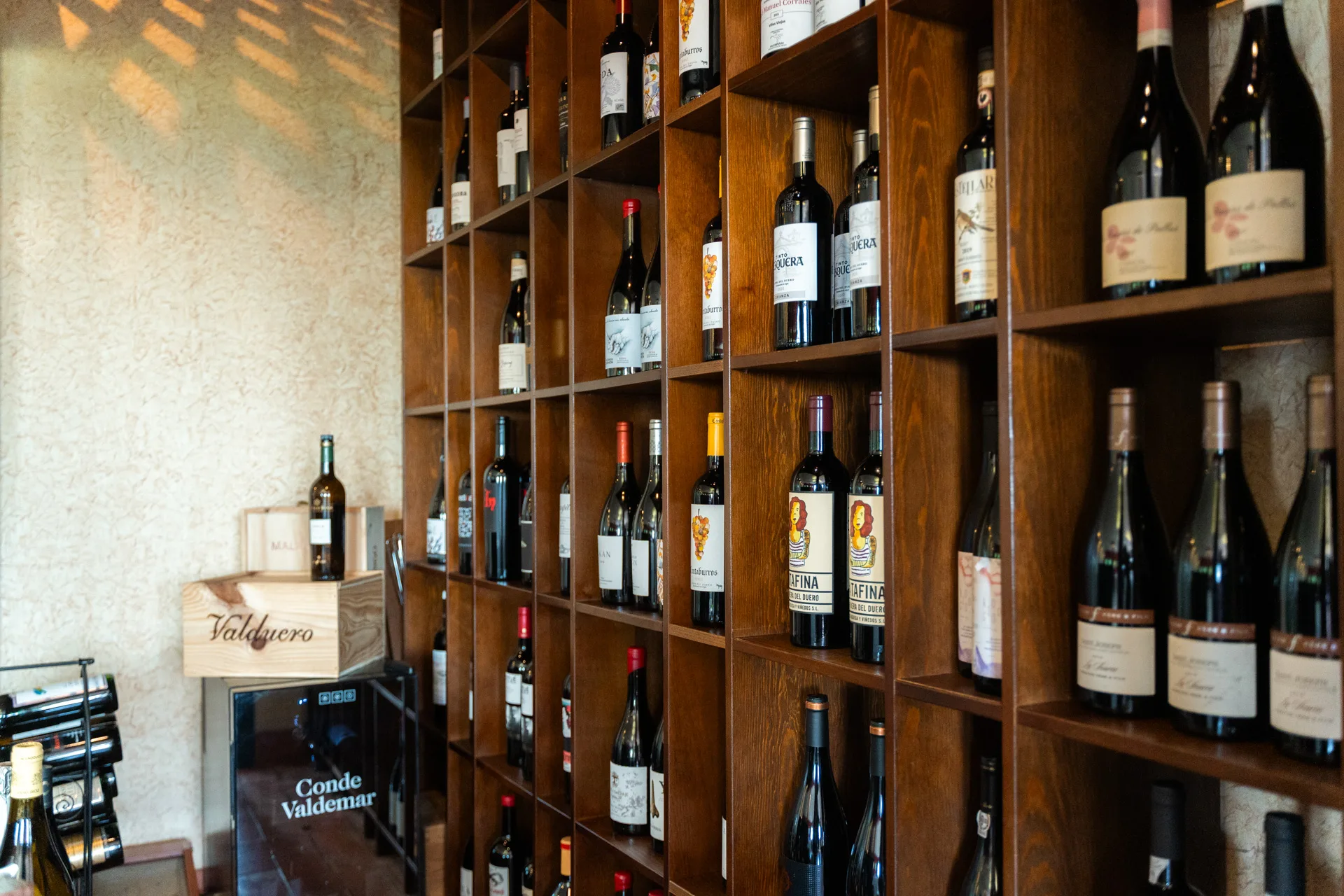
The result is a menu that feels both rooted and inventive. Two tasting paths are offered: the Gastromercat menu, which balances authenticity with modern technique, and the Miguel Barrera menu, which deepens that exploration into more intricate territory. A vegetarian version of the Plana de L’Arc menu is also available, made with seasonal produce. The wine list, curated by the sommelier team, draws from local and international bottles, each chosen to complement the food.
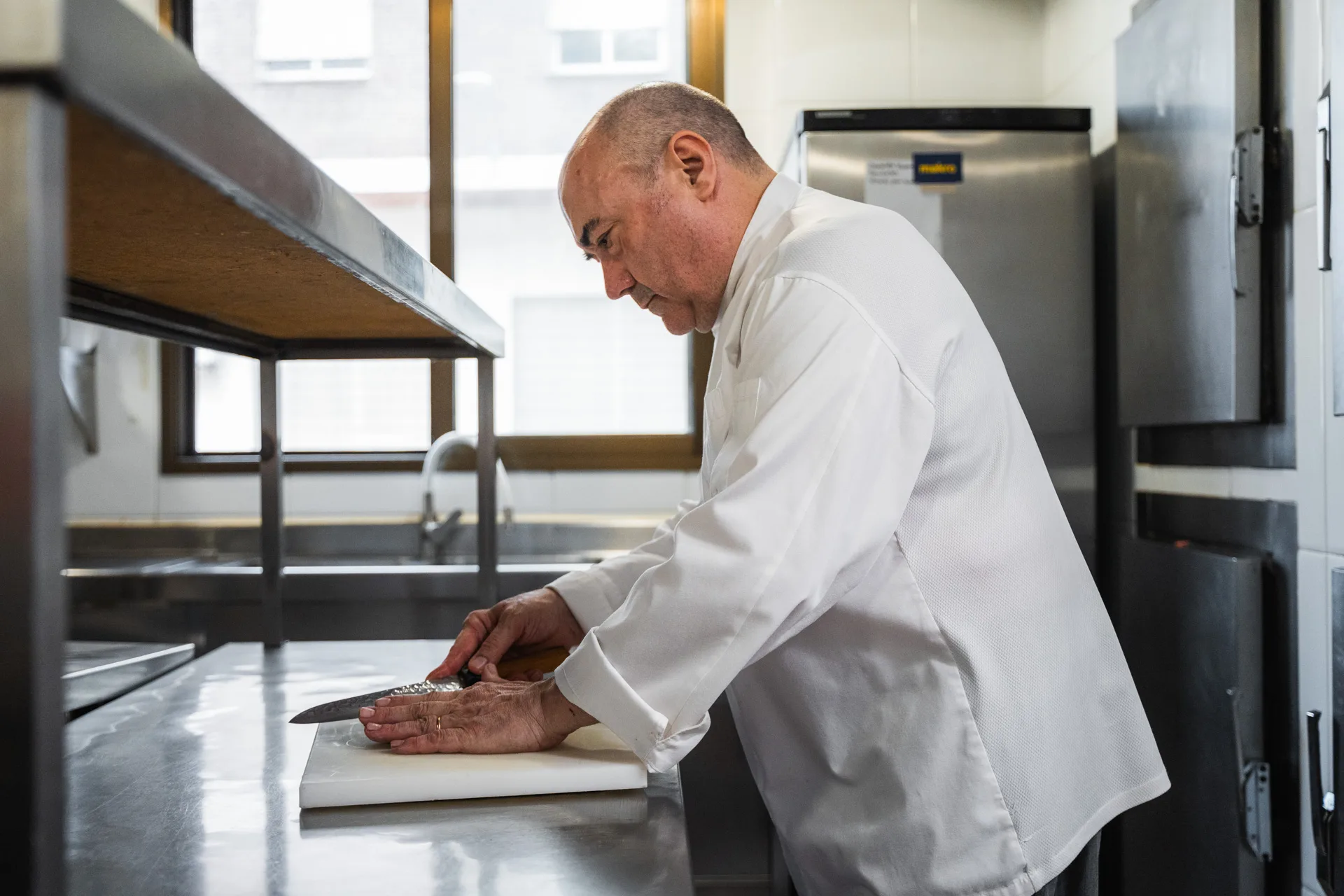
Miguel Barrera’s earliest memories are of the aromas and sounds of his parents’ kitchen, where every pot and pan told a story. That sensory imprint drives his cooking today. Ángela, his partner in the kitchen, brings her own deft touch and creativity. Together, they have built a team that treats the region’s pantry with respect and imagination.
Cal Paradís is a restaurant where sustainability is not a slogan but a daily practice — from the compost that feeds the garden to the circular economy that governs purchasing. It is contemporary cooking with a clear sense of where it comes from, and why that matters.
Recognition

Ambience
Details
History
Location

 Facebook
 Instagram