
The story
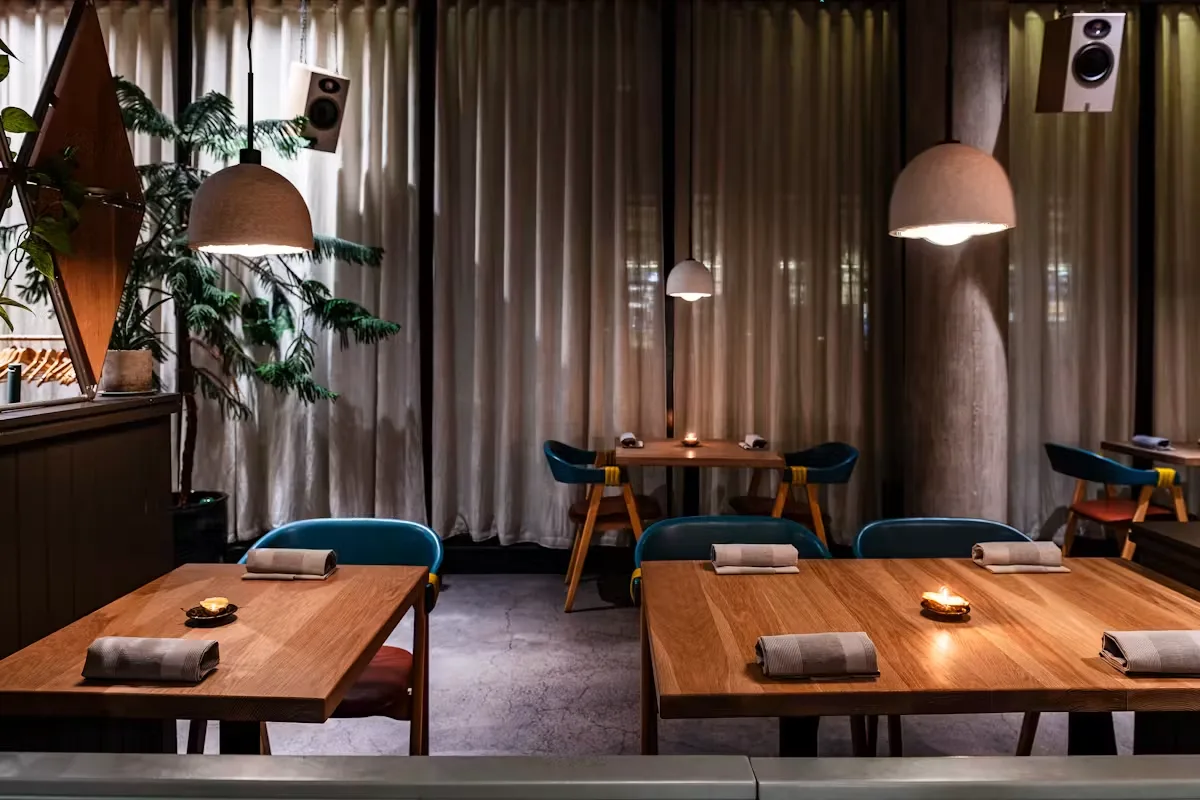
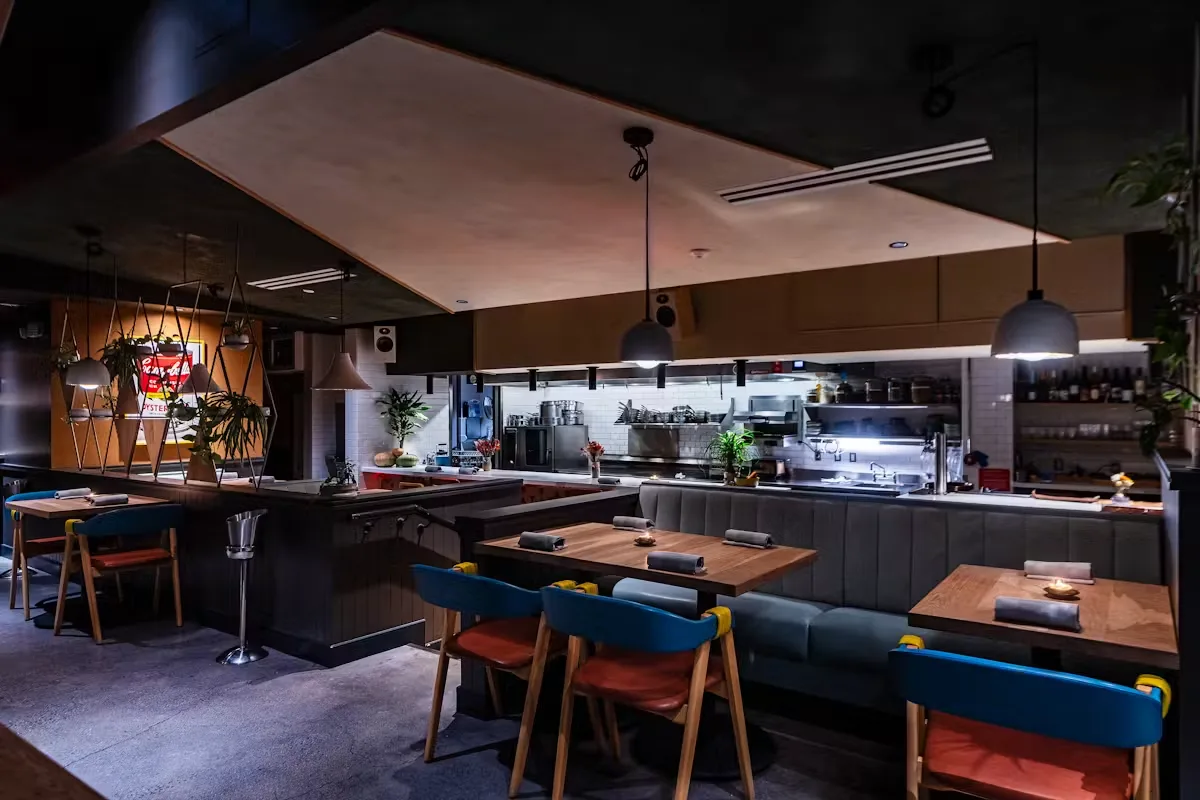
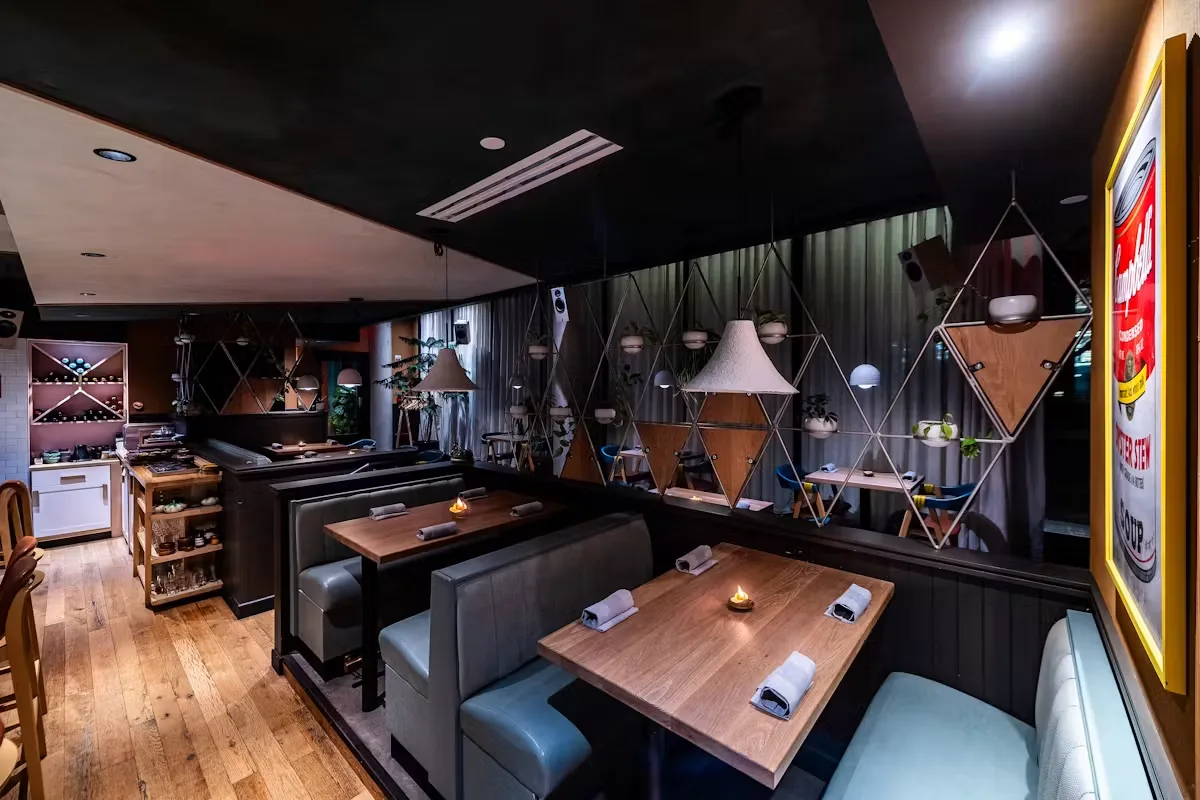
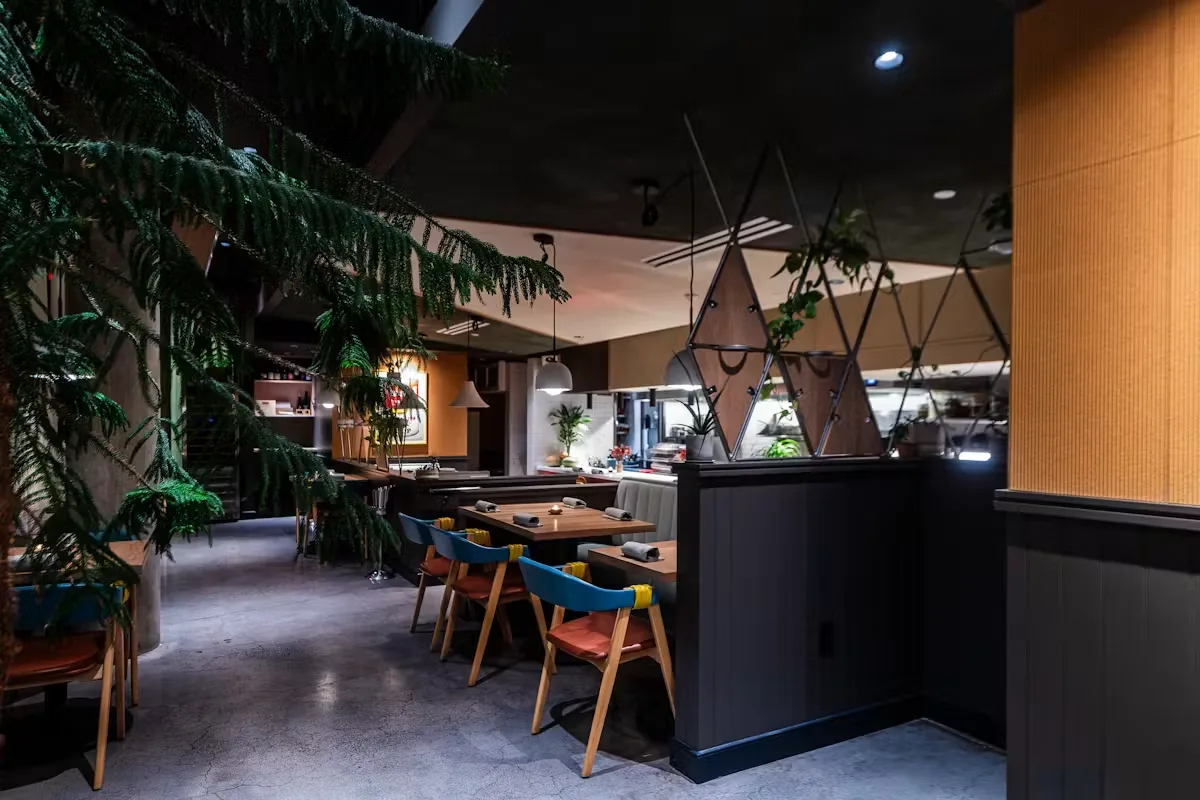
At Oyster Oyster in Washington, DC’s Shaw neighborhood, the kitchen begins with a provocative idea: what does a restaurant of the future look like? The answer, according to Chef Rob Rubba and co-owner Max Kuller, has nothing to do with culinary spectacle. Instead, it is grounded—regional, responsible, and deeply connected to the land.
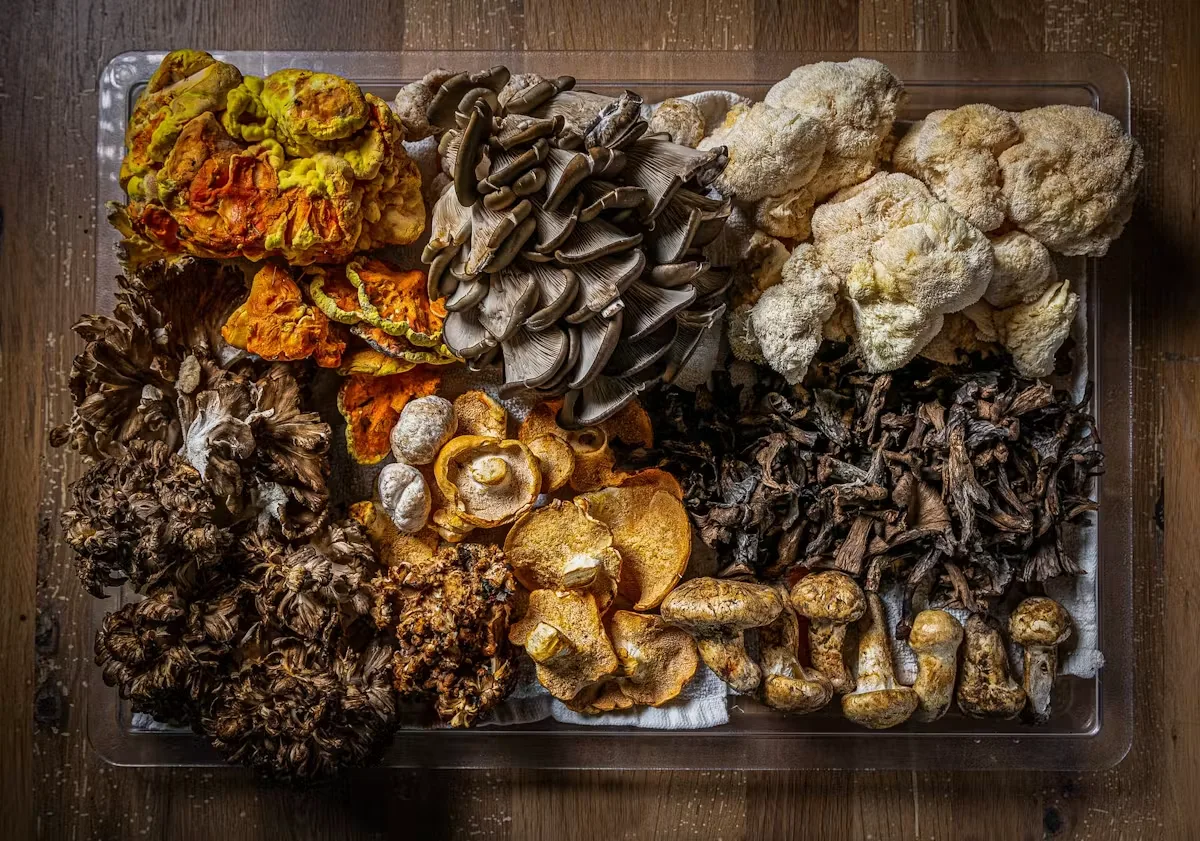
Opened in 2020 during the pandemic as a small takeout operation, Oyster Oyster officially launched its dining room in 2021. The name itself holds meaning: oyster mushrooms, a staple of the plant-forward kitchen, and the Chesapeake oyster, which naturally filters and restores the region’s waters. This dual symbolism runs through the entire restaurant.
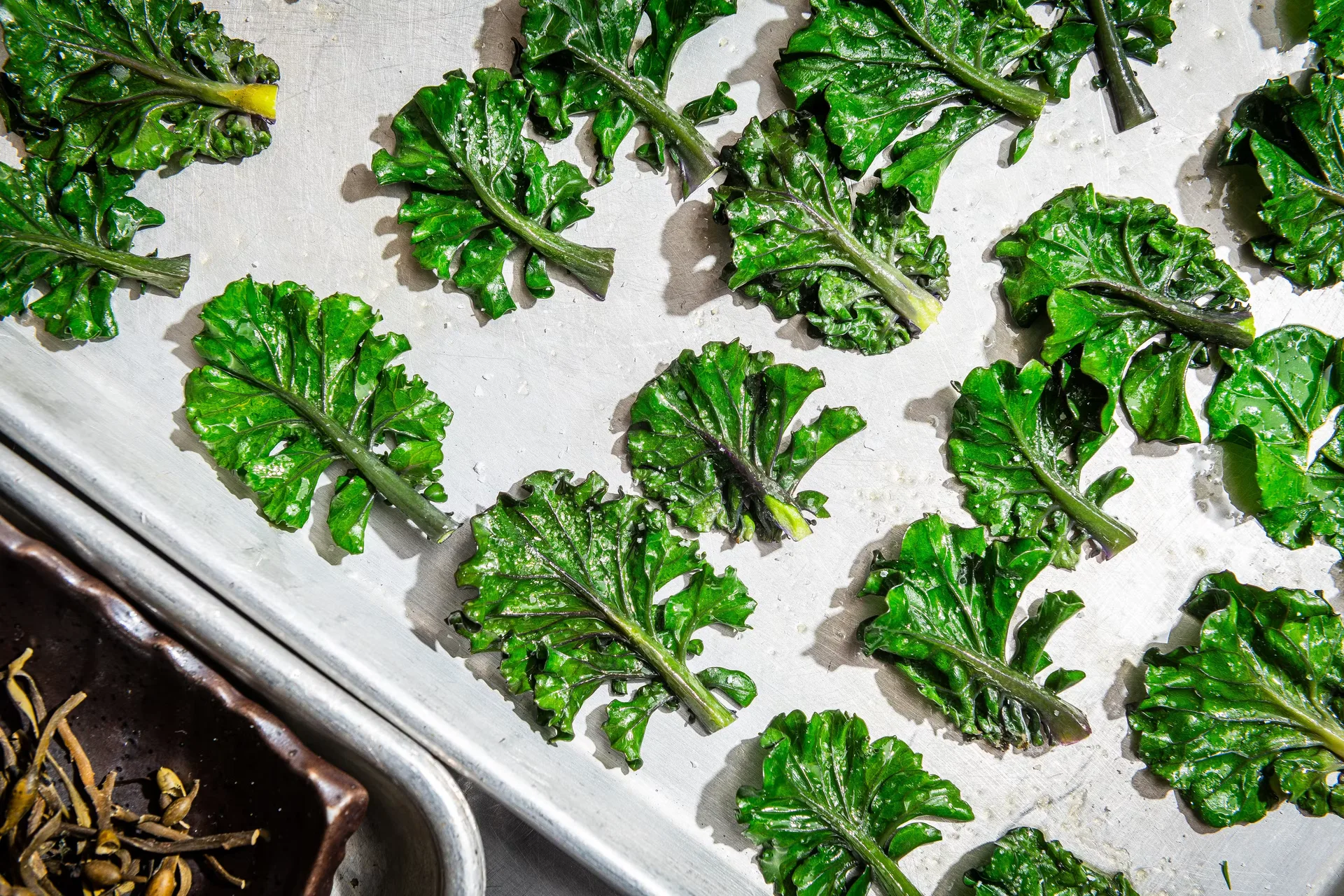
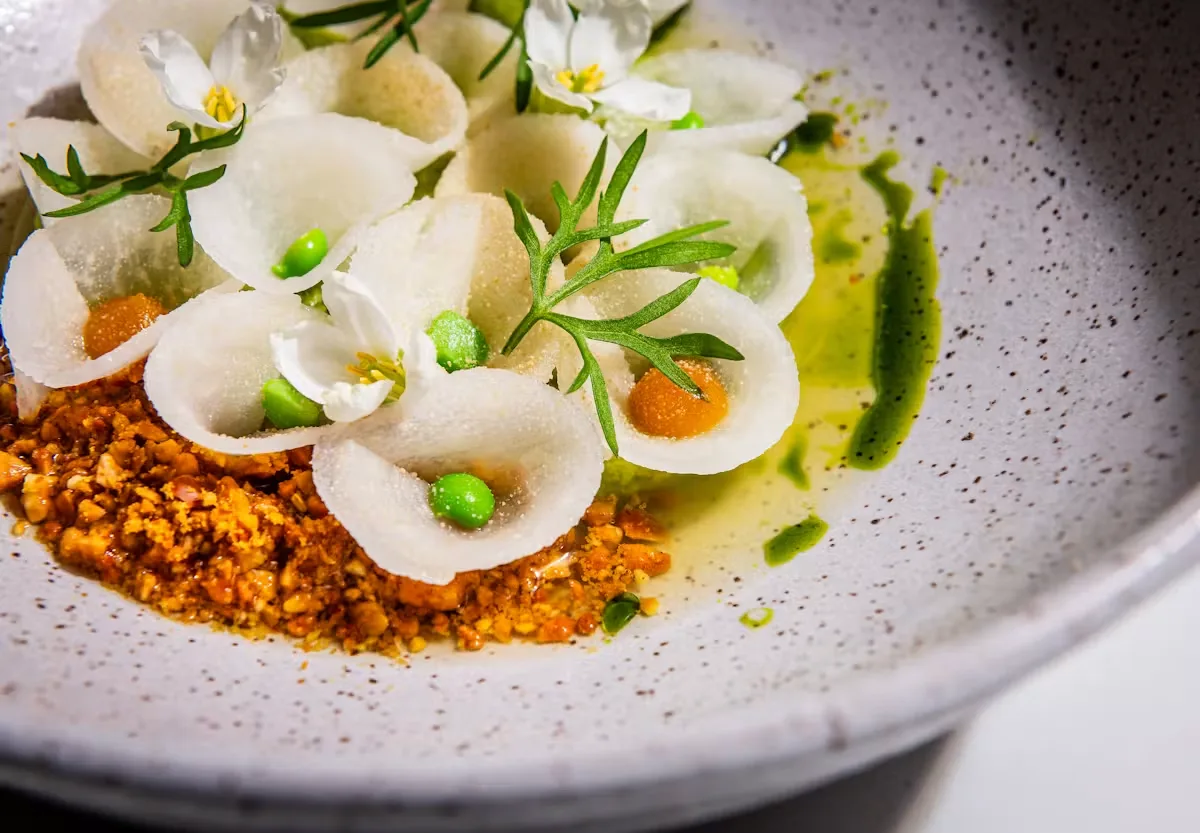
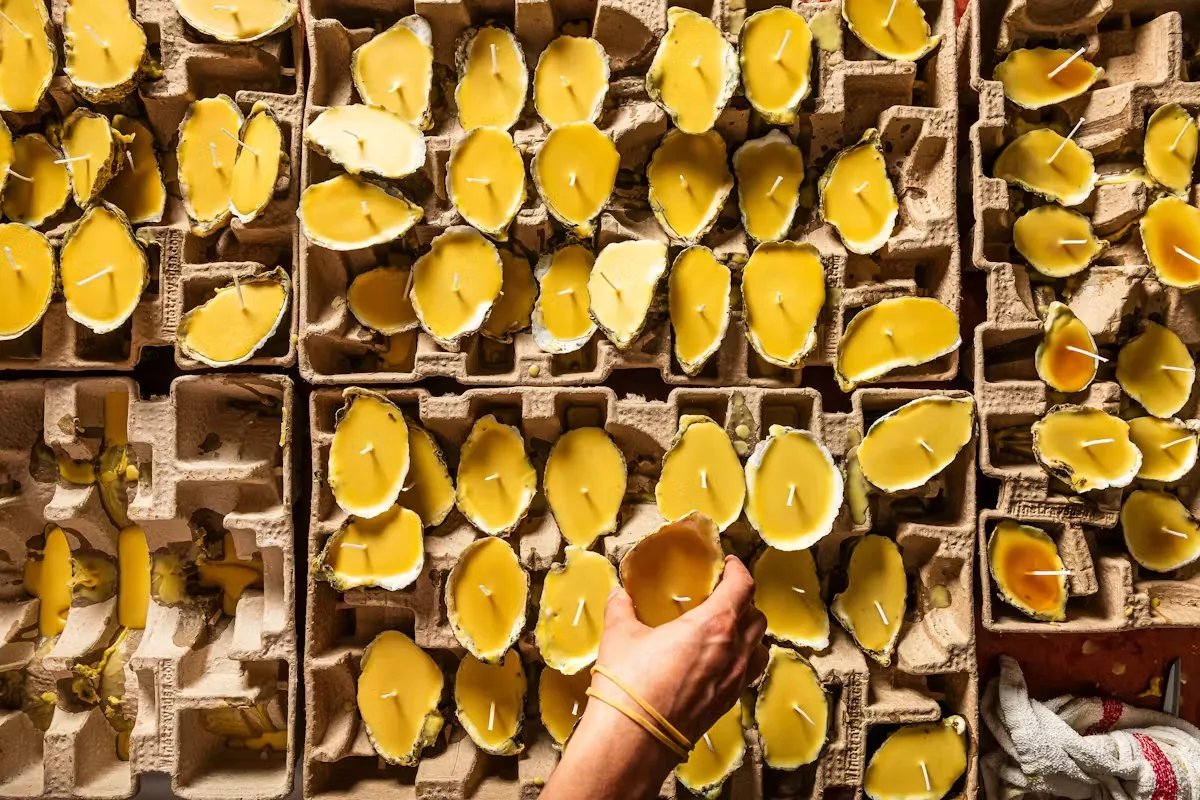
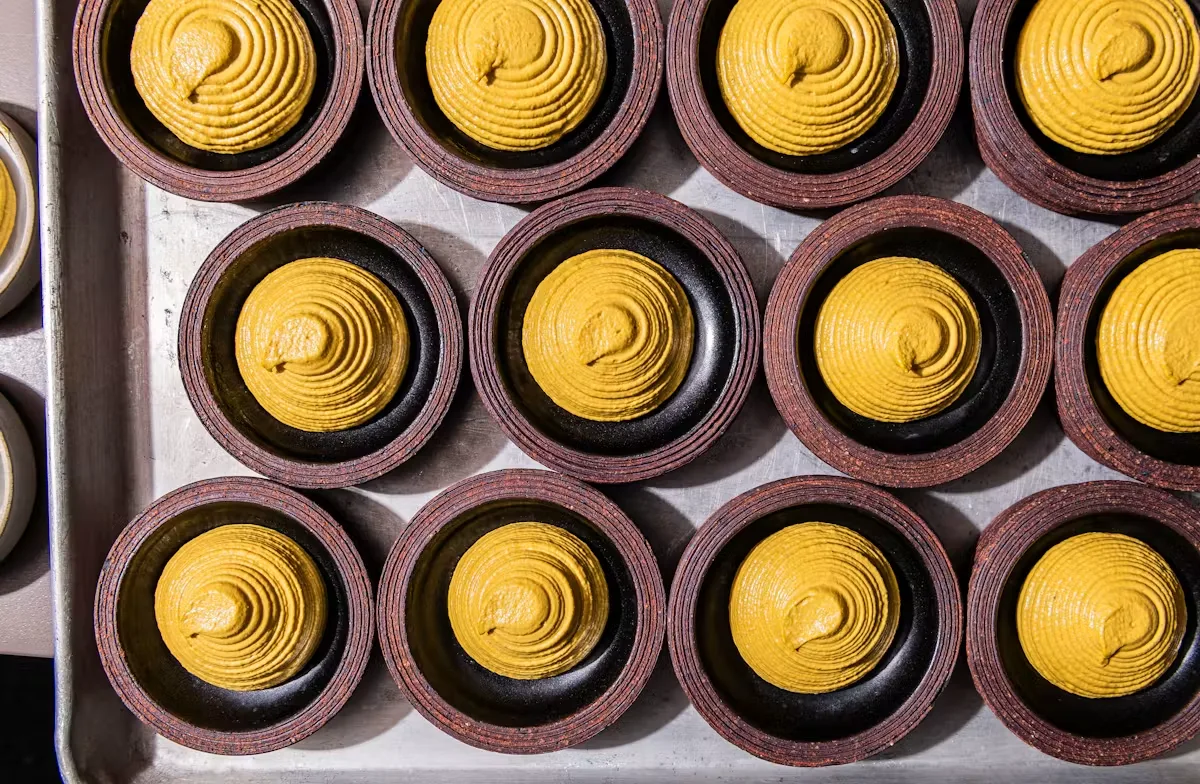
The guiding philosophy is “to cook like tomorrow matters.” Waste is not an option. Potato peels become savory sauces. Day-old bread transforms into miso through fermentation. Even wine bottles are reborn as plates. Every detail is designed with responsibility in mind, from the materials used to the sourcing of ingredients.
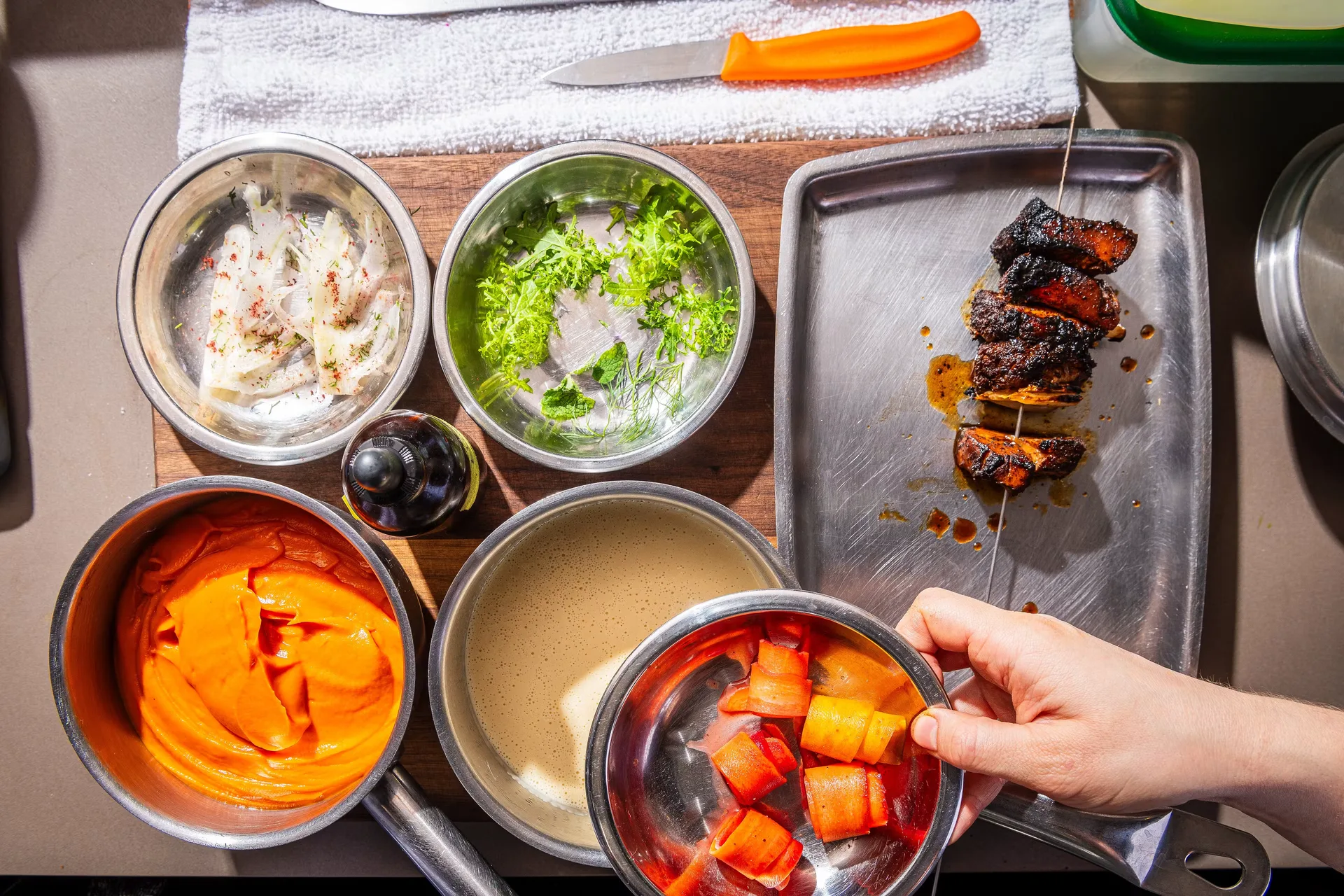
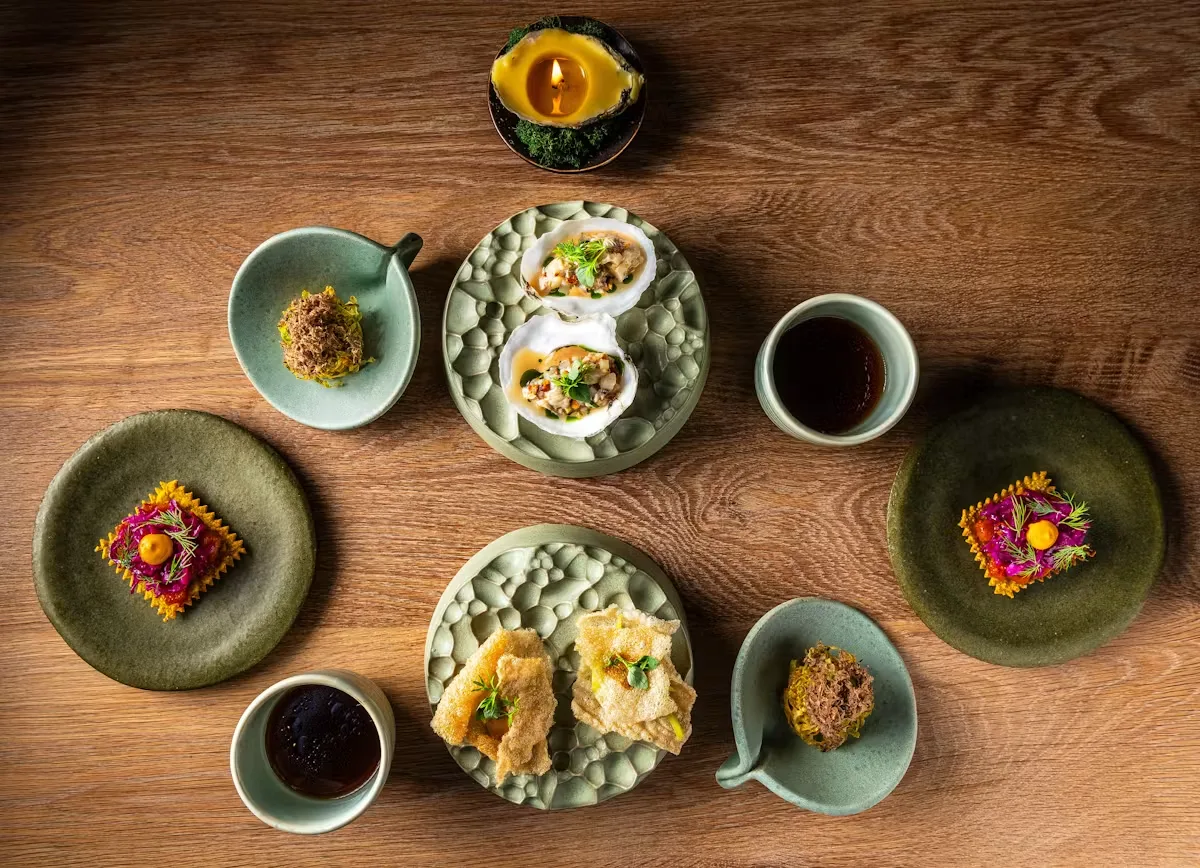
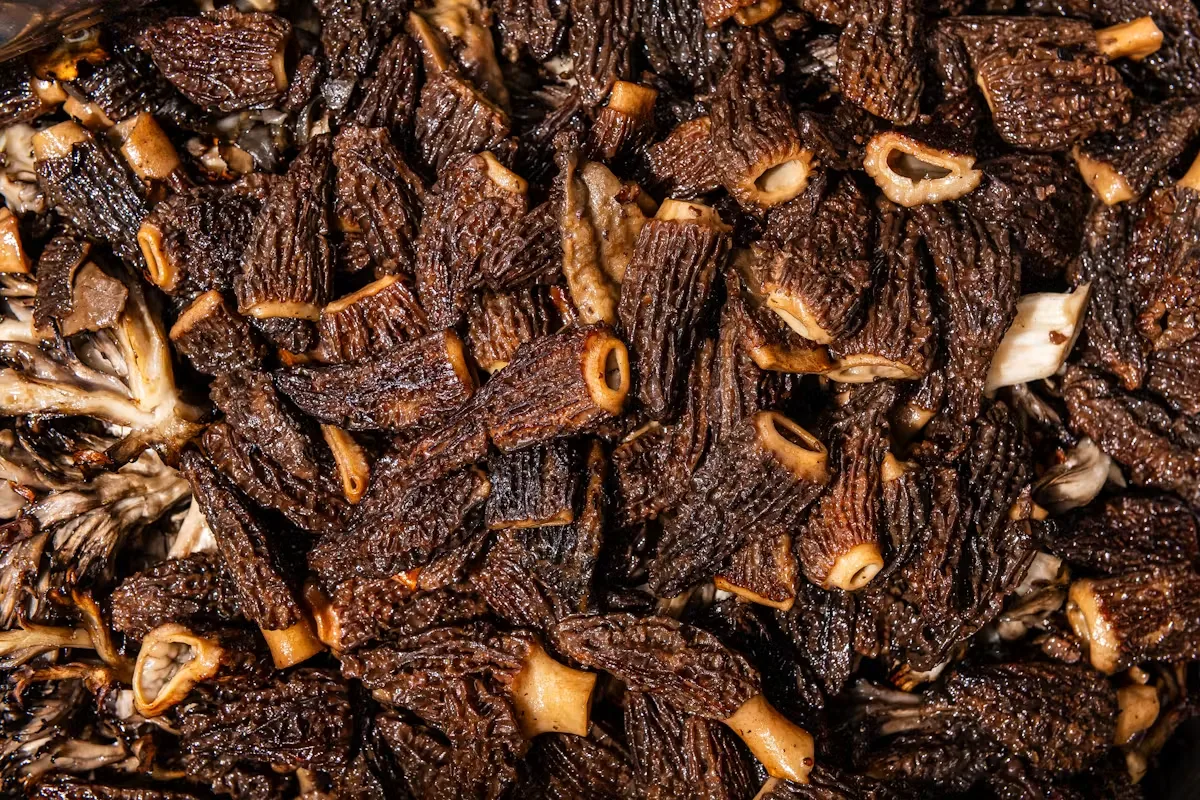
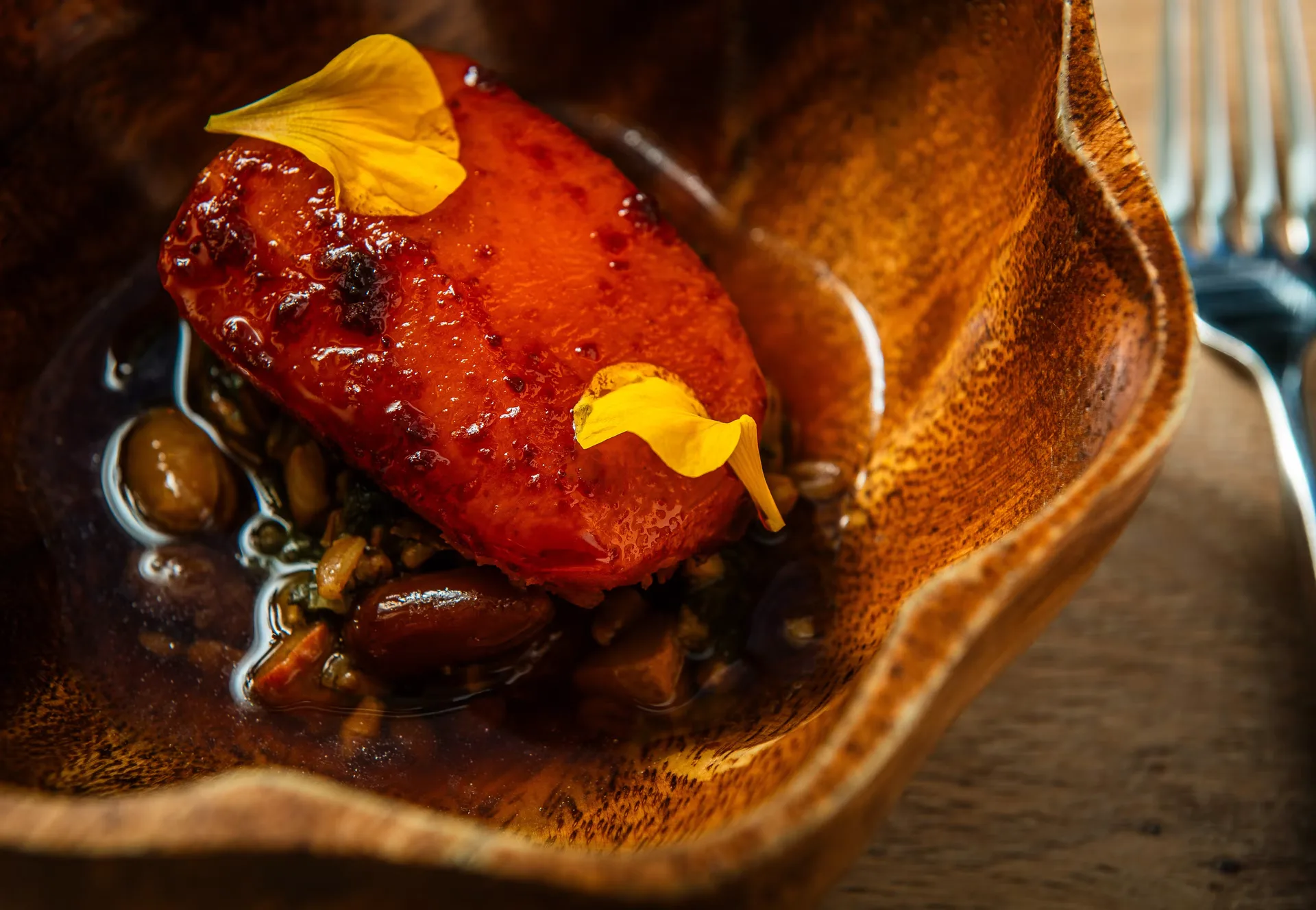
The menu is a tasting experience that changes constantly, reflecting the Mid-Atlantic’s agricultural rhythms. The current seasonal offering is $135 per person, prepared vegetarian or vegan with the option for an oyster course. Recent dishes include golden beets with red cabbage and berbere spice, celery root with smoked celeriac, and asparagus with morels, ramps, and a roasted potato skin dashi. The kitchen works almost entirely with produce from regional farms, orchards, and mills.
Oyster Oyster’s vision has earned notable acclaim. It has held a Michelin Star since 2022 alongside a Michelin Green Star for its sustainability leadership. Chef Rob Rubba has been named a Food & Wine Best New Chef, received the Outstanding Chef award from the James Beard Foundation, and has been recognized with The Best Chef Awards.
But these honors, the team says, are not the driving force. They serve as validation that a restaurant rooted in responsibility and care for the land can resonate far beyond its walls. The work is the point—and it is a quiet, powerful argument for what dining can be.
Recognition


Ambience
Details
History
Location

 Instagram