
The story
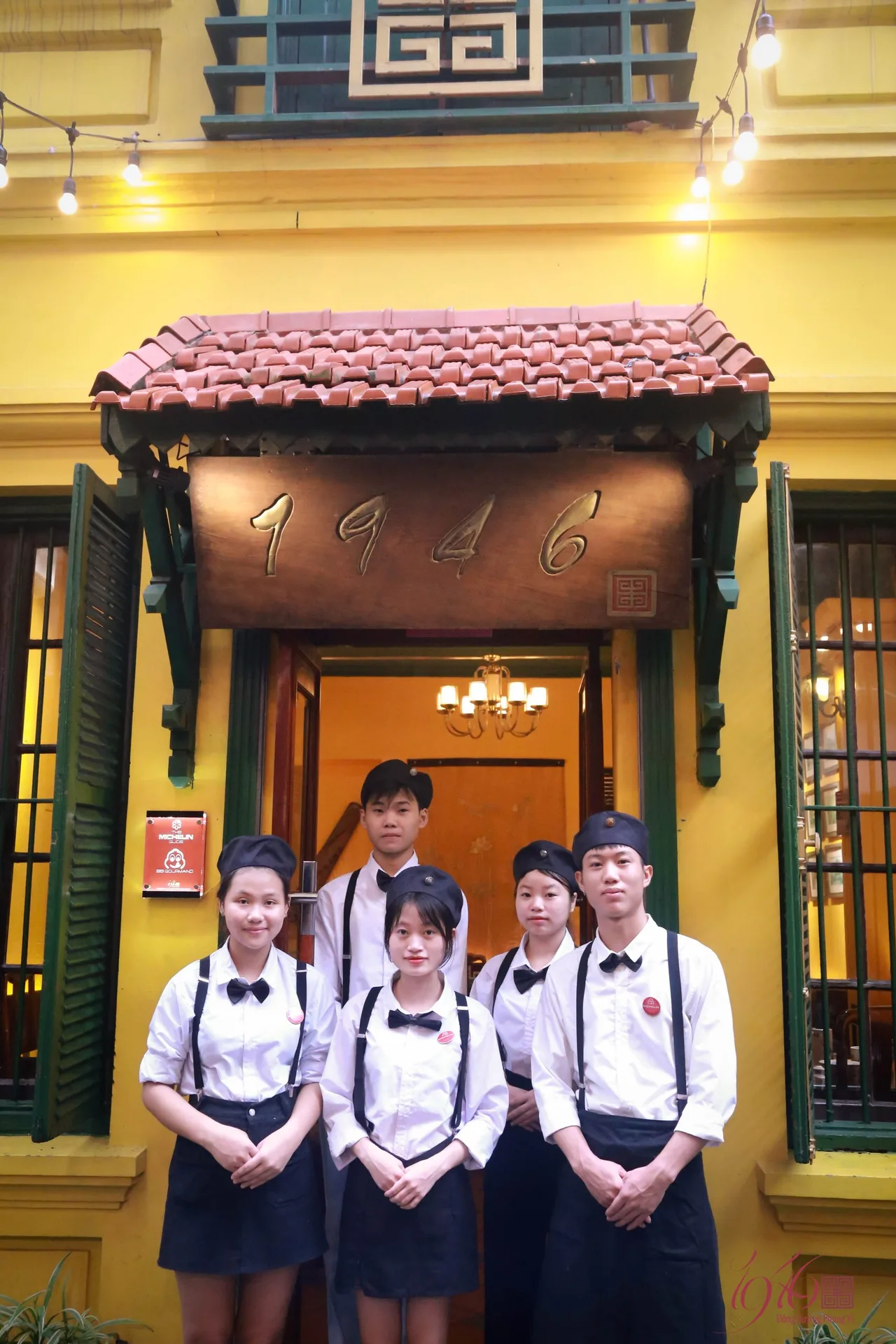
The name 1946 raises eyebrows – a birth year, a historic date? The owner explains it was a whim, but one that captures a deep responsibility. Born and raised near the old Cho Mo tram terminus, he watched Hanoi’s beloved landmarks vanish. The clang of trams, the scent of firecrackers, the fields of Hung Lang herbs – all fading. 1946 is his attempt to hold onto those memories. The restaurant’s website carries a personal letter: “I want my sons to know what a ‘chiết yêu’ bowl is, what a sour plum tastes like, what ca trù music sounds like – things they’d otherwise only find on the internet.”
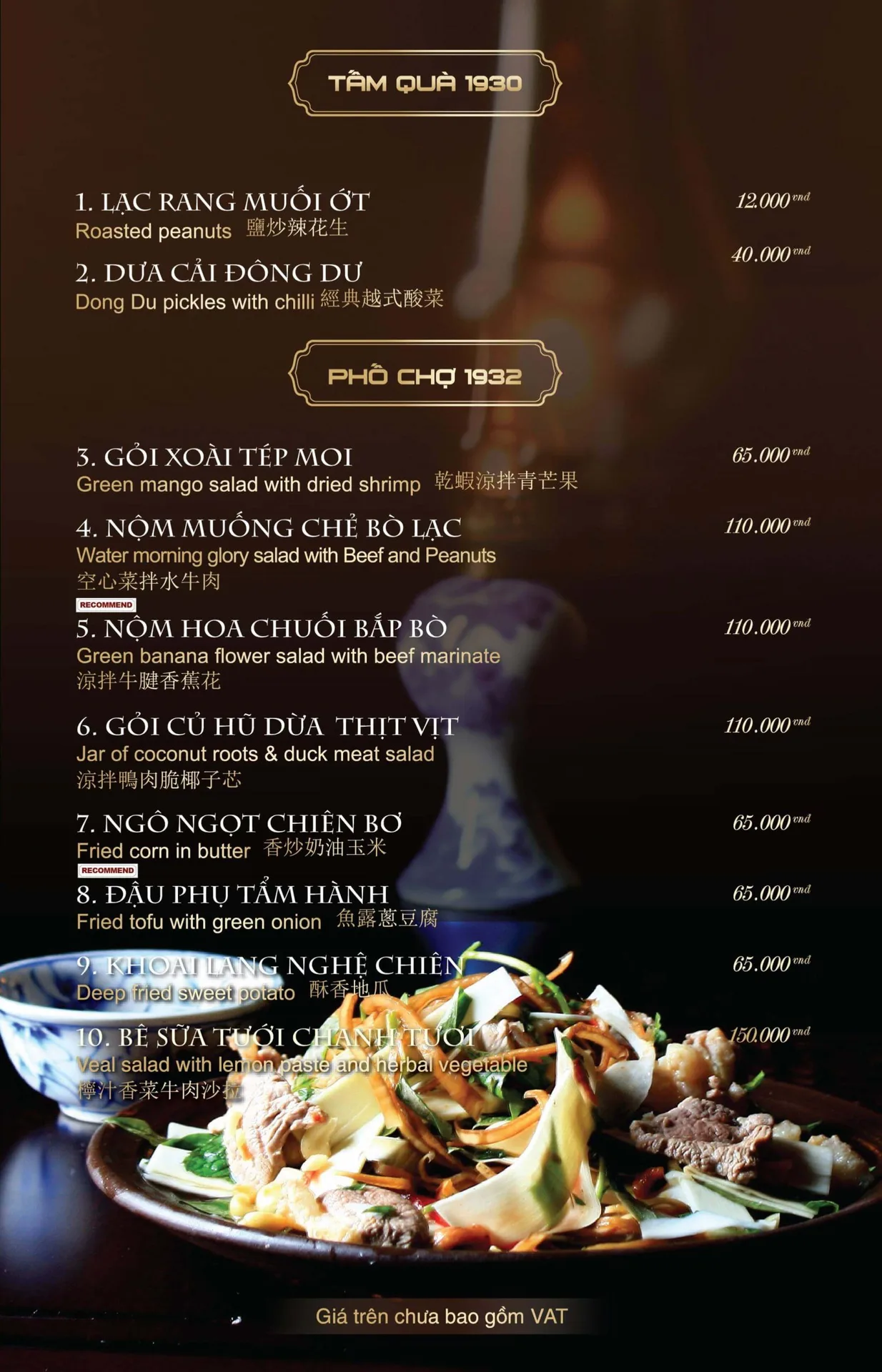
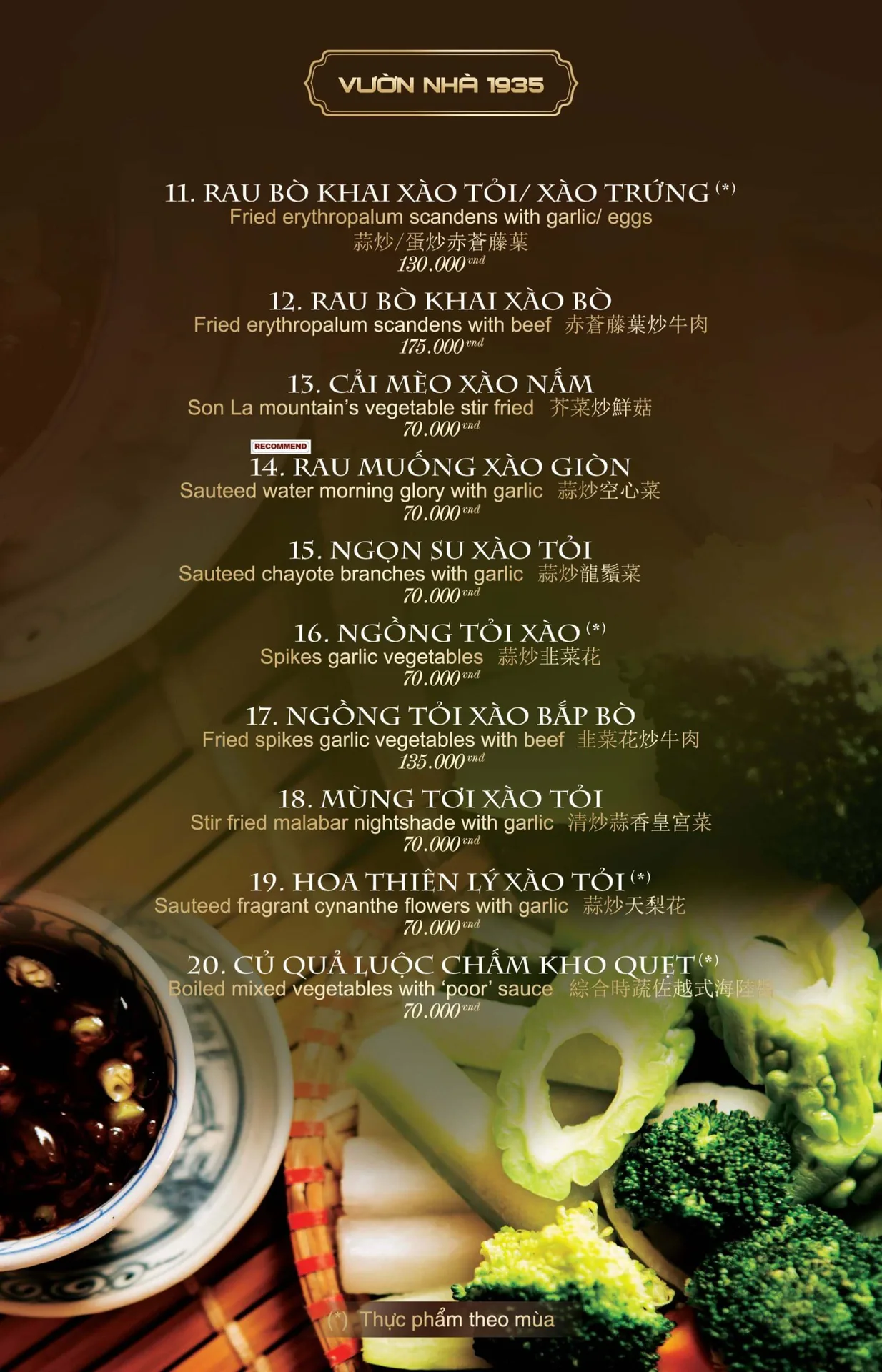
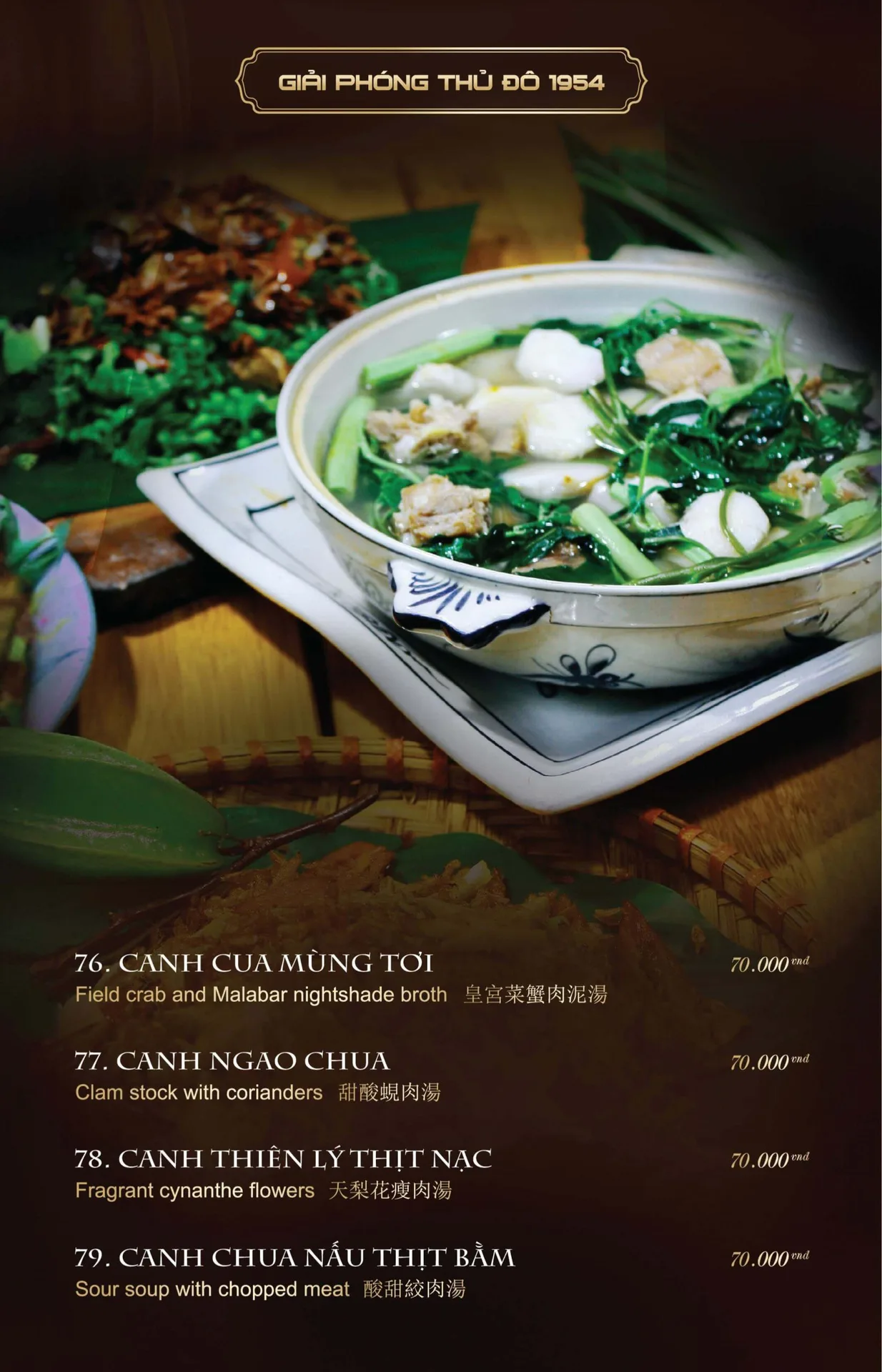
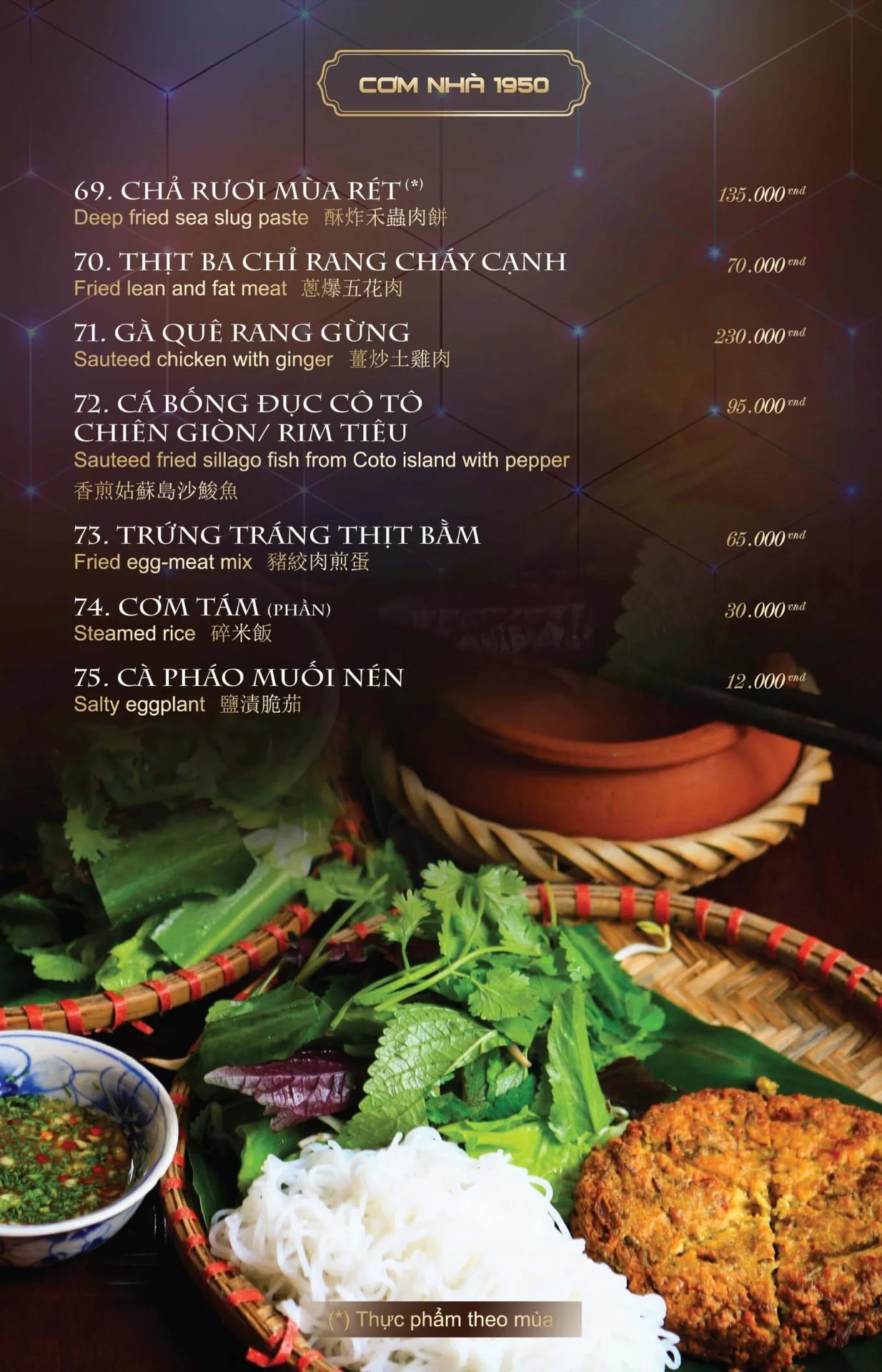
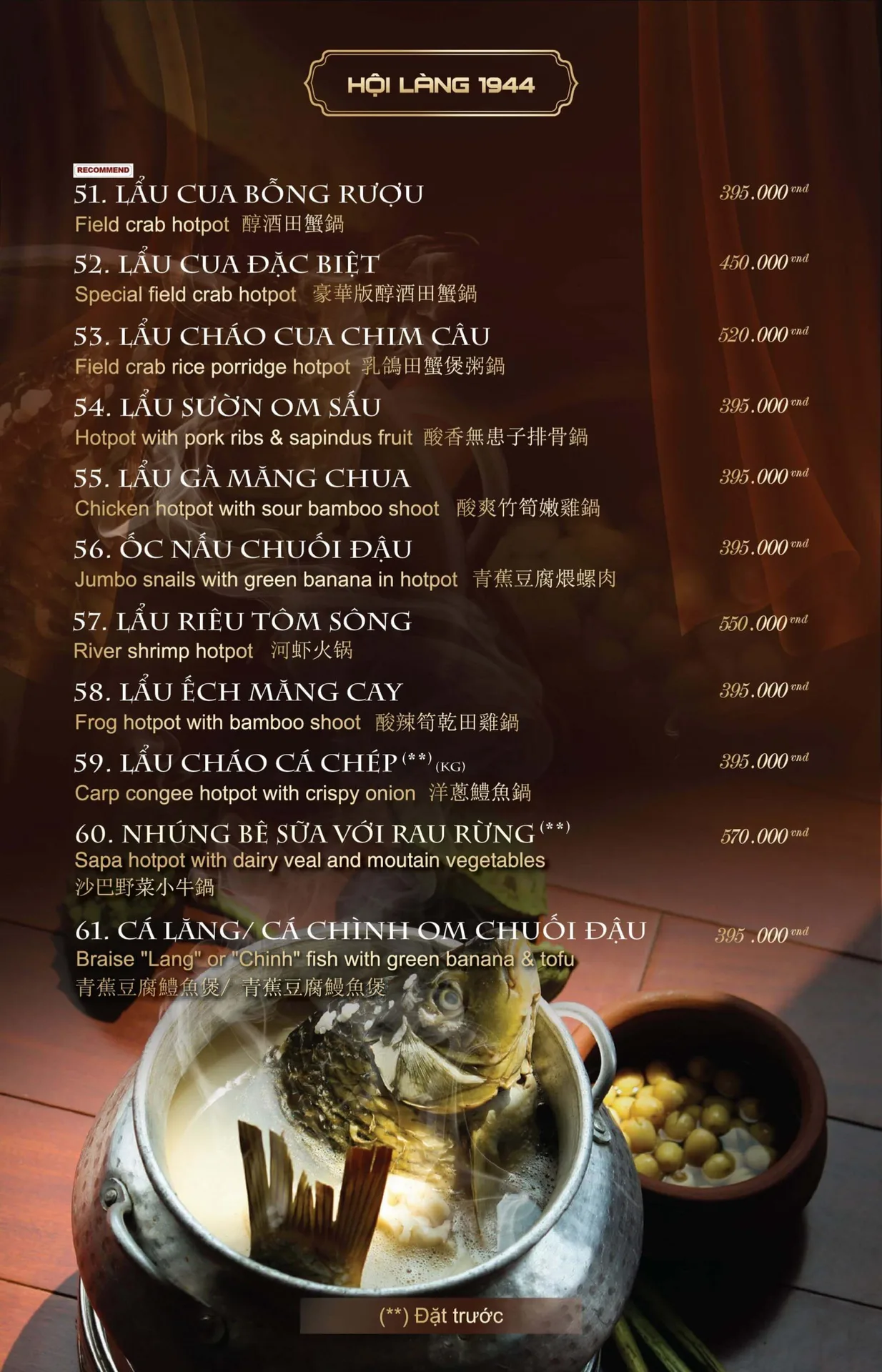
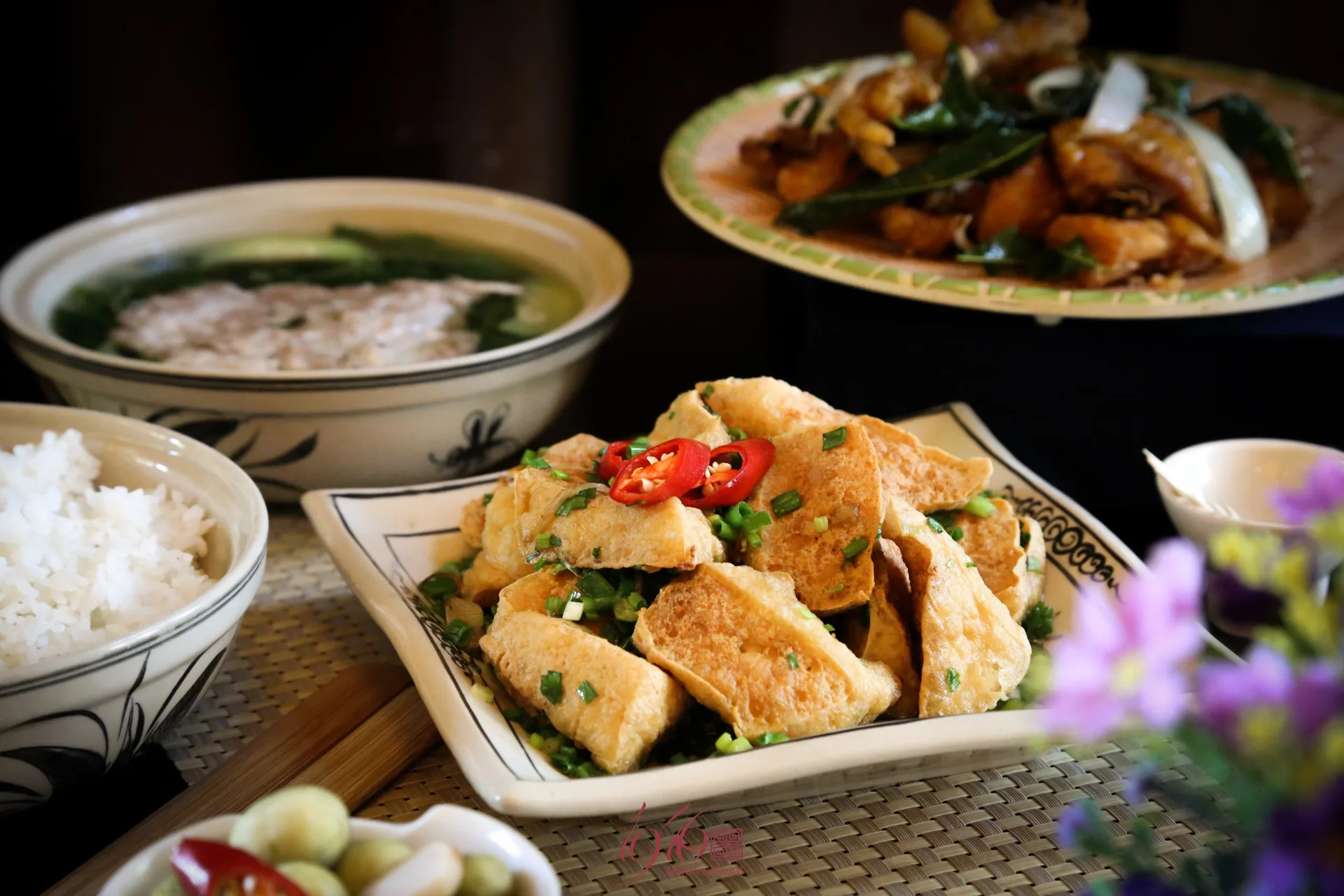
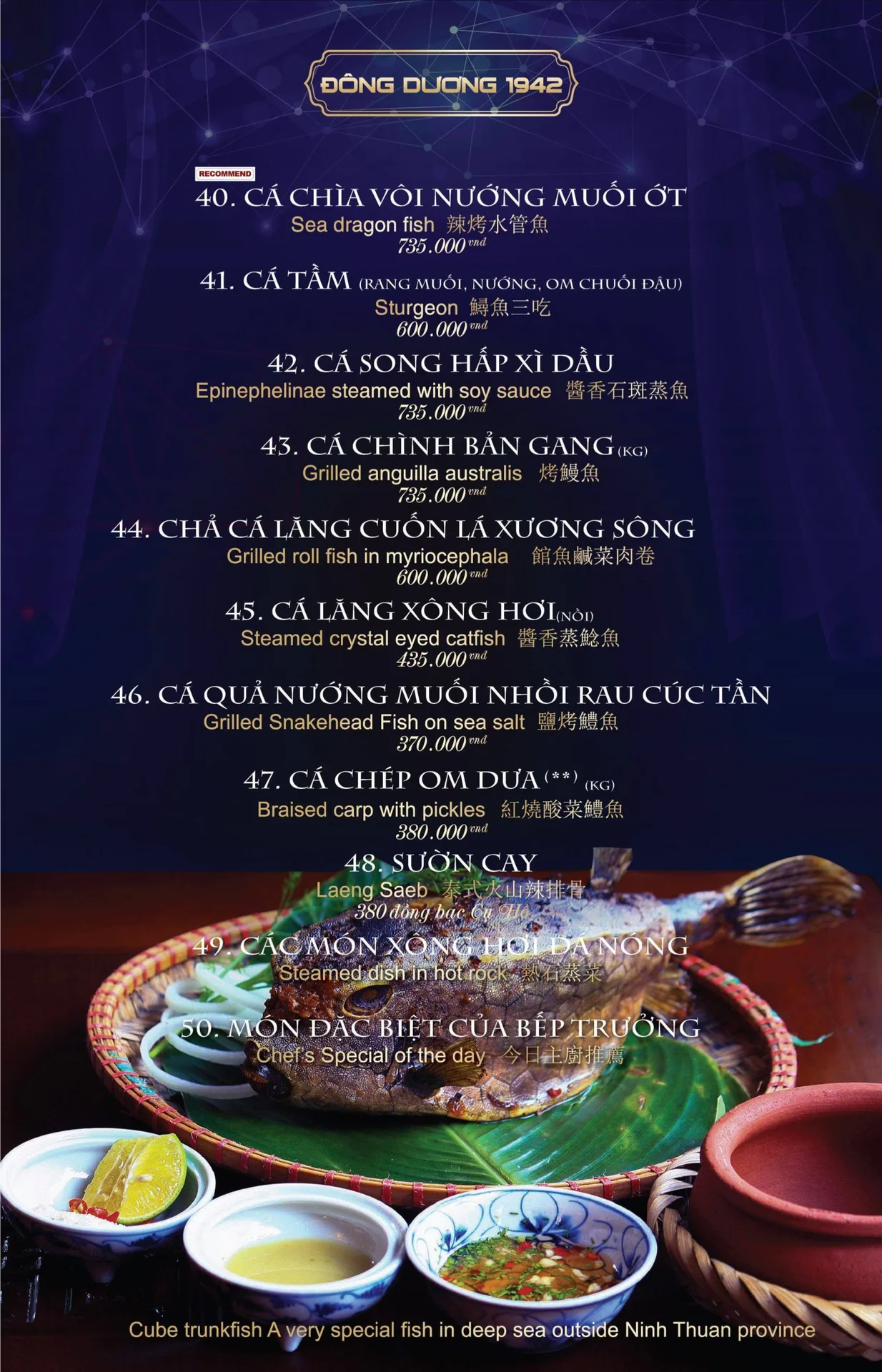
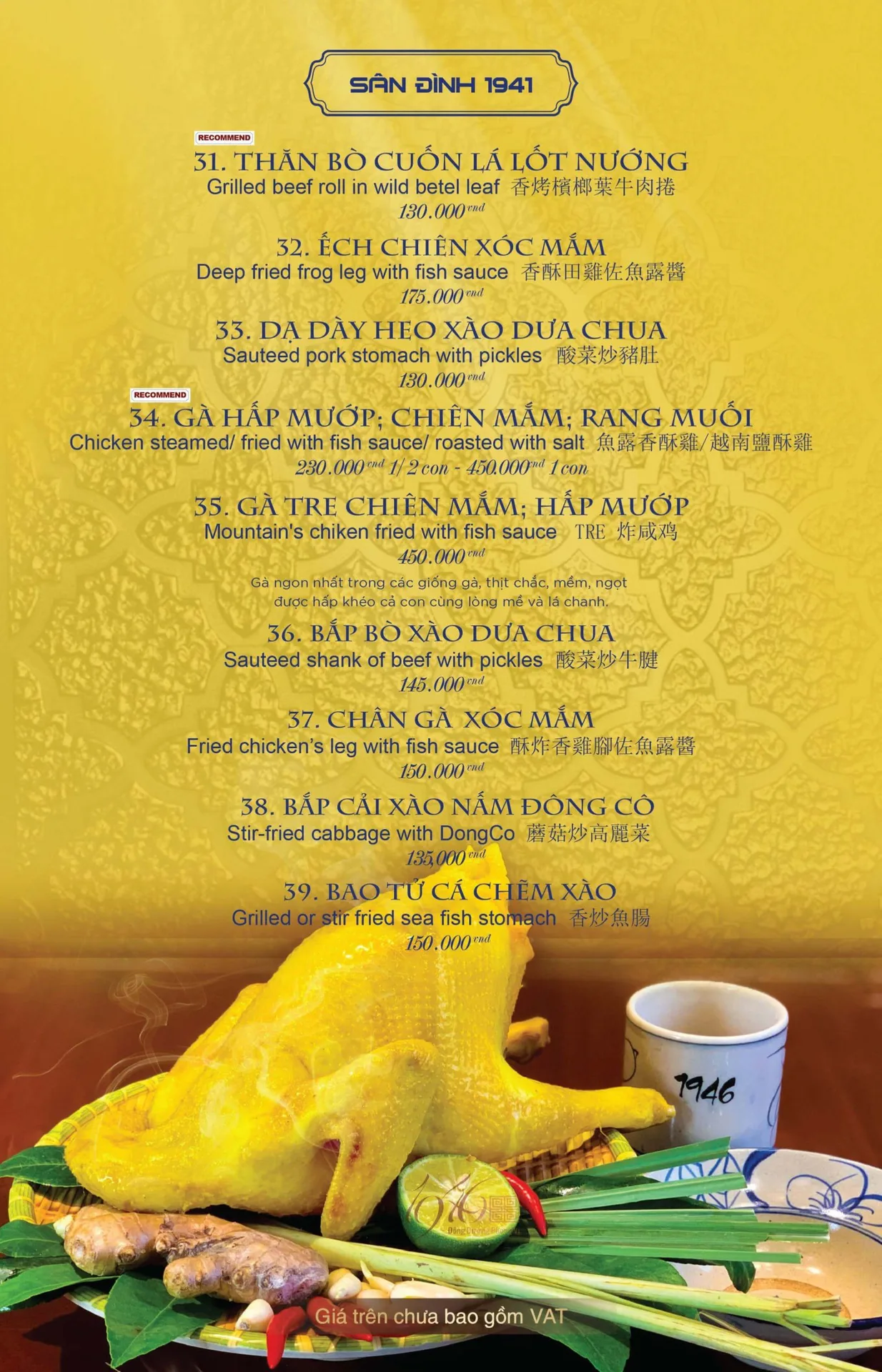
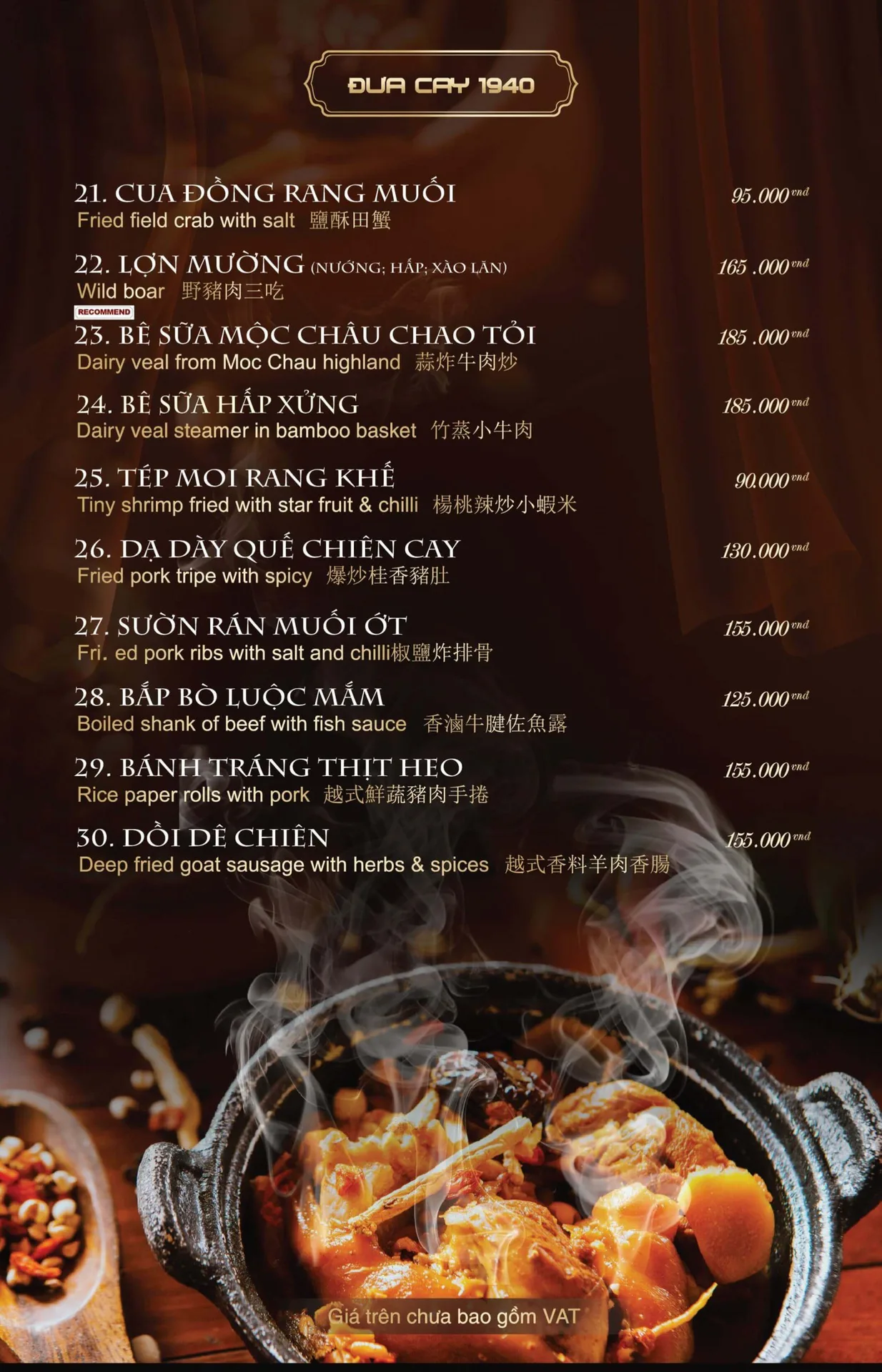
The menu is a collection of everyday dishes, but each one is a ticket back to childhood. The owner describes them as “dung dị” – unpretentious – yet perfectly seasoned. Expect a crab soup that pairs with pickled eggplant, Thanh Tri steamed rice rolls, and “đậu Mơ tẩm hành” – tofu with spring onion, smoked over straw so the aroma of burnt rice husk clings to each bite. These are the flavours of Hanoi’s old kitchens, served in bowls collected from the countryside.
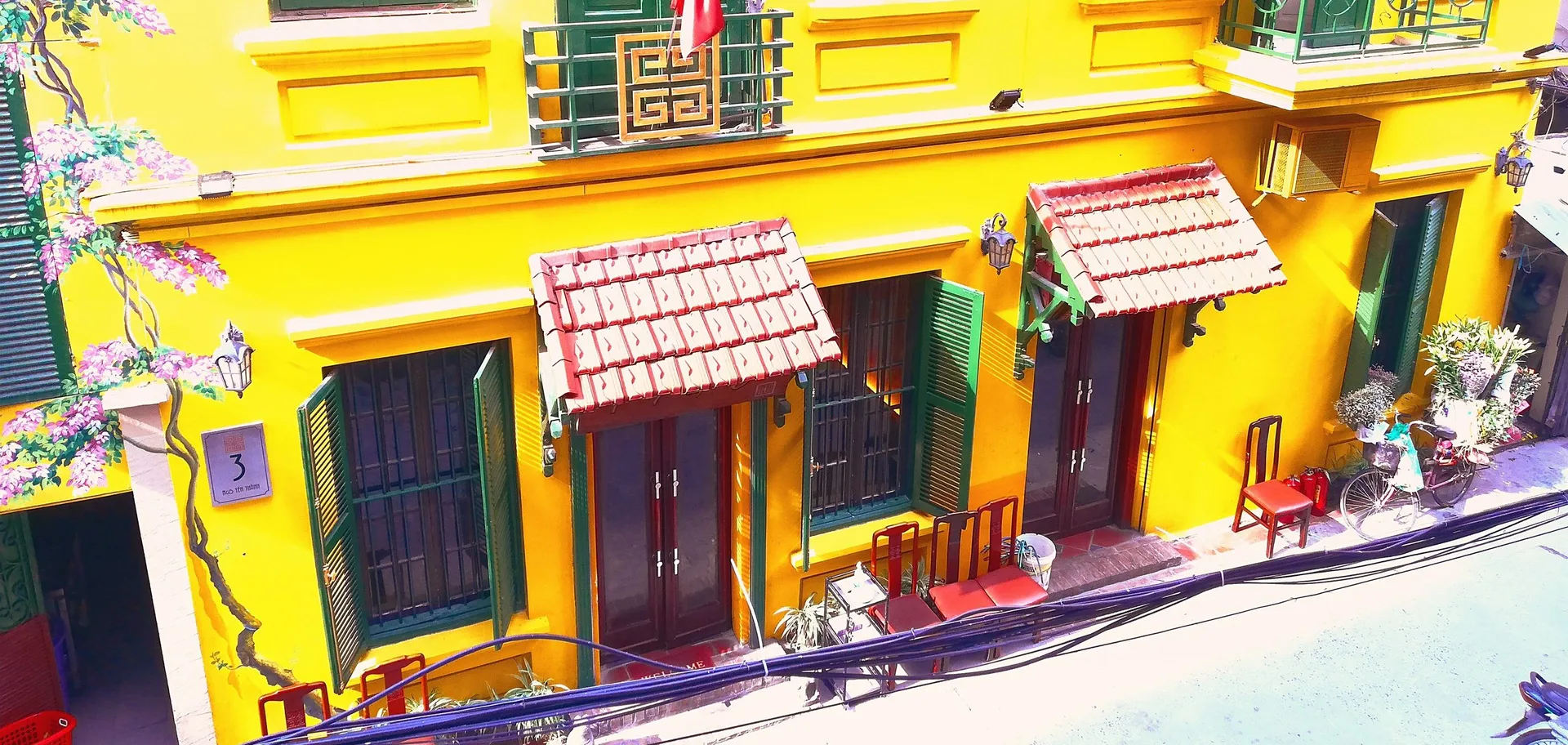
In 2026, 1946 Cua Bac was awarded a Michelin Bib Gourmand, a nod to its good quality, good value cooking. The recognition feels earned: this is Vietnamese cooking that doesn’t shout, but whispers stories of a city that once was. The dining room is unpretentious, lined with antique photography from 1880–1942, where older guests linger, comparing “then and now.” For those who love Hanoi, 1946 Cua Bac is not just a meal – it’s a memory preserved.
Recognition

Ambience
Details
Location

 Facebook