
The story
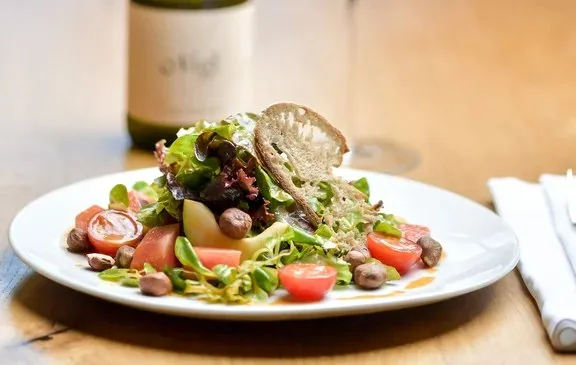
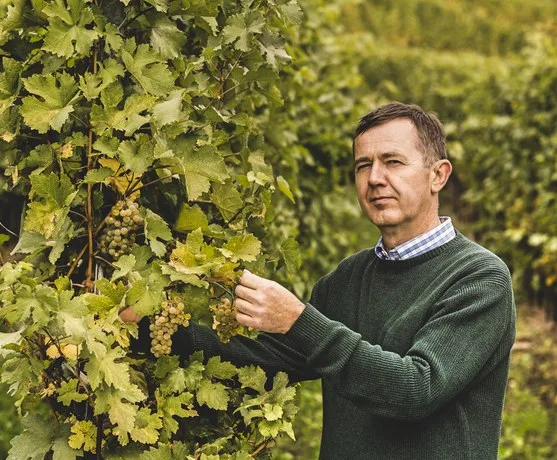
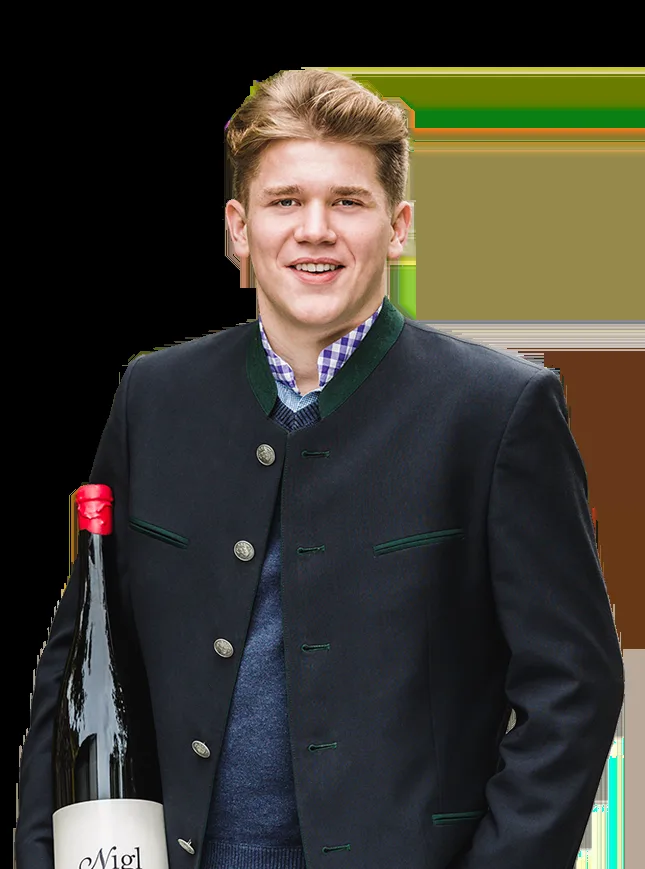
Bertram Nigl returned to Senftenberg in 2017 to direct the restaurant after completing his training abroad. His methods bridge traditional Waldviertler techniques with precise modern execution. The Gault Millau awarded thirteen points this year, observing that his plates hold their own against the estate’s celebrated wine list. A ceviche of seared trout rests on cucumber and buttermilk, finished with dill oil and local peach. He approaches heritage recipes with equal care, serving Oma Nigl’s Grammelknödel with spitzkraut and brown gravy.
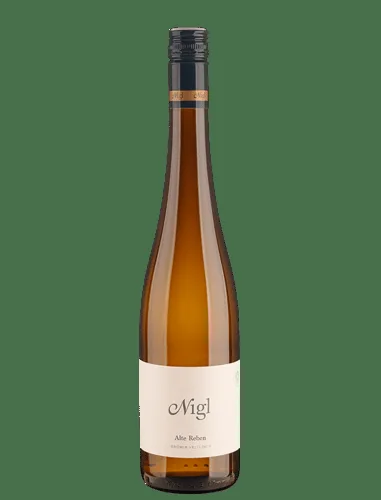
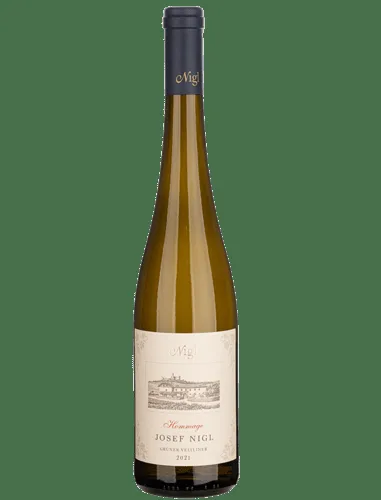
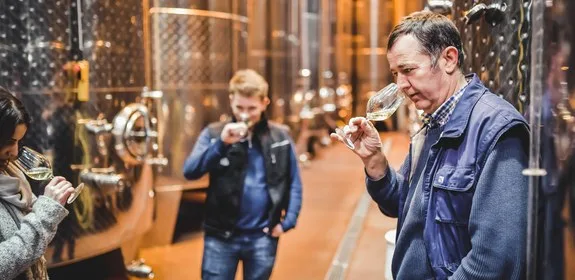
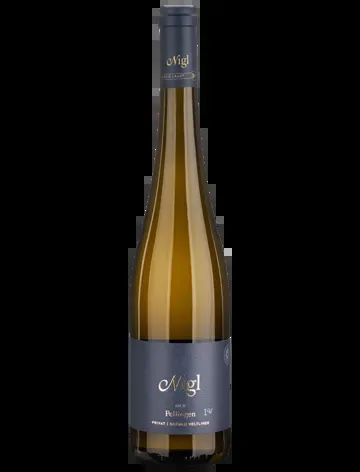
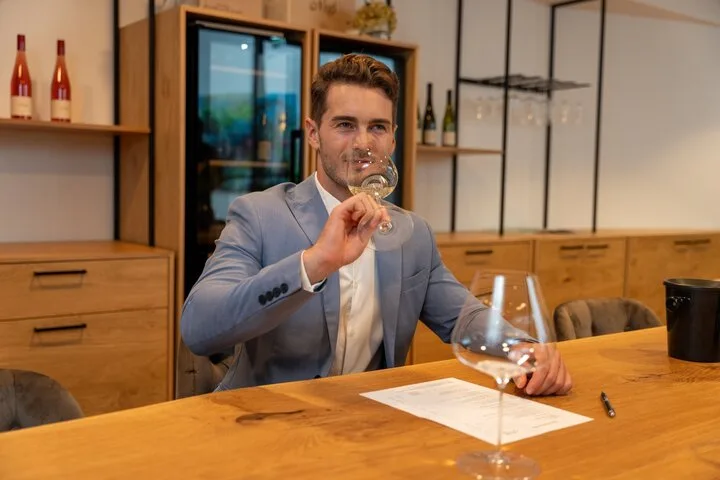
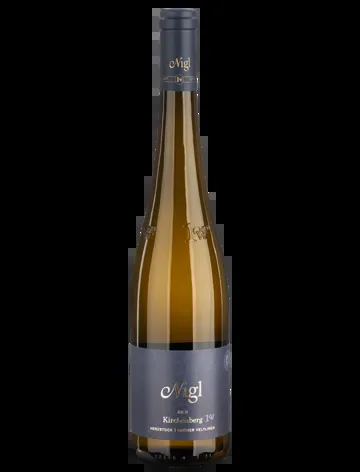
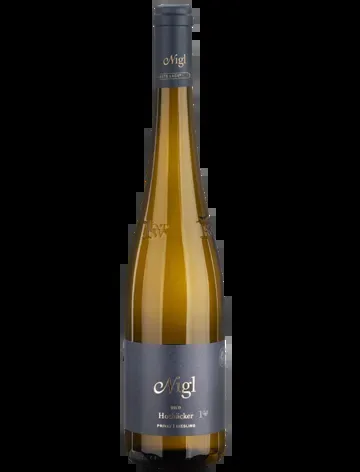
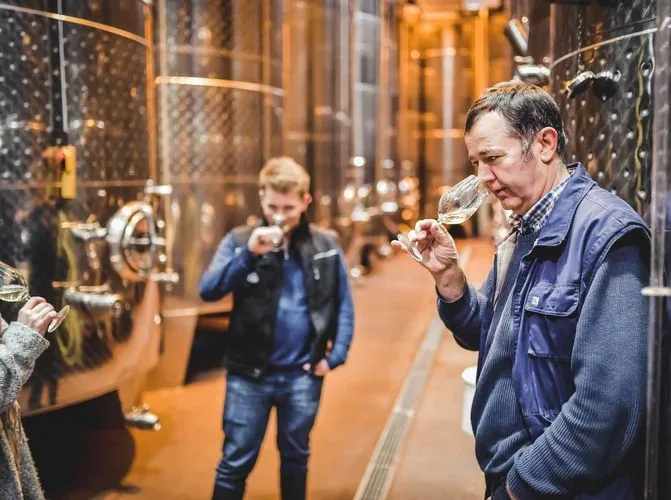
Within this Austrian kitchen, the dining room operates as an extension of the vineyards. A vegetarian Germknödel gains brightness through careful seasoning, relying on crisp Kremstal Grüner Veltliner to tie the flavors together. Sommelier Alexander Pollak structures these combinations deliberately, matching the mineral backbone of mica schist soils to lighter proteins. Guests frequently return for the octopus preparation or the simple comfort of the potato dumplings, both benefiting from disciplined plating.
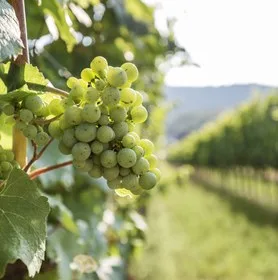
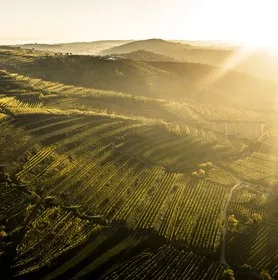
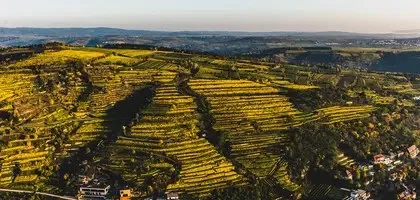
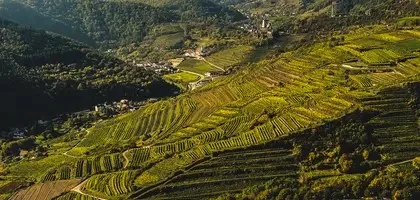
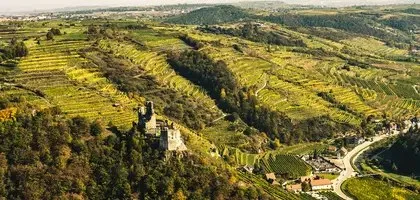
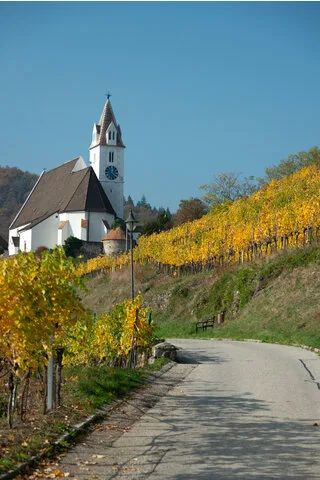
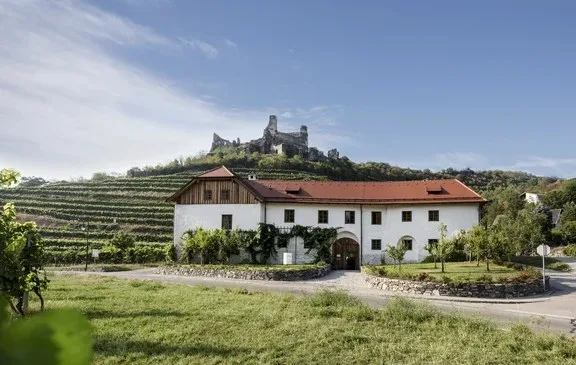
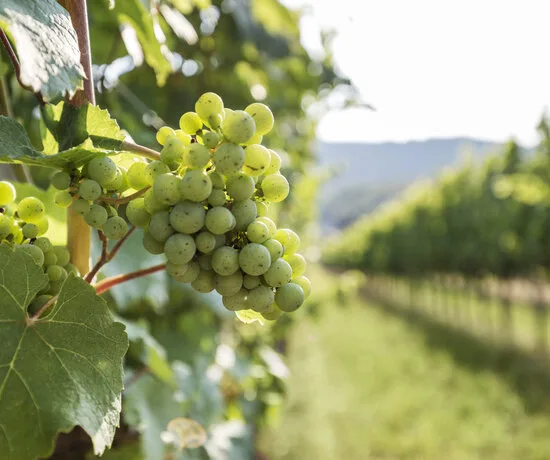
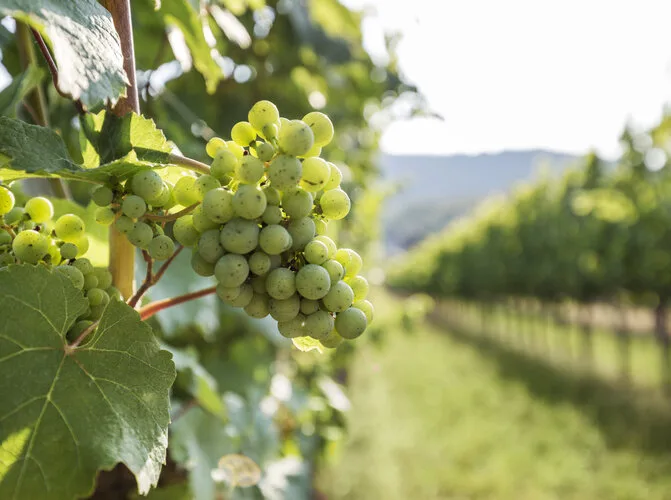
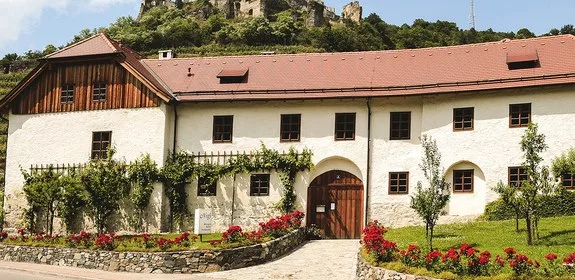
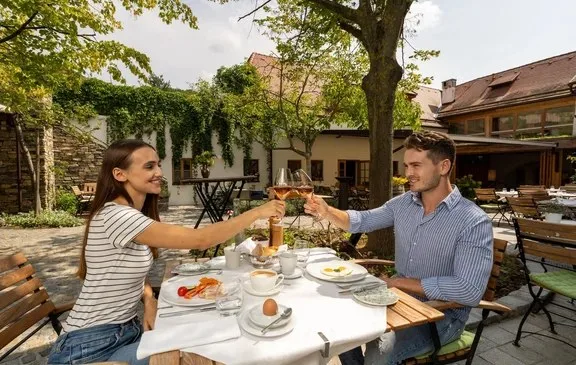
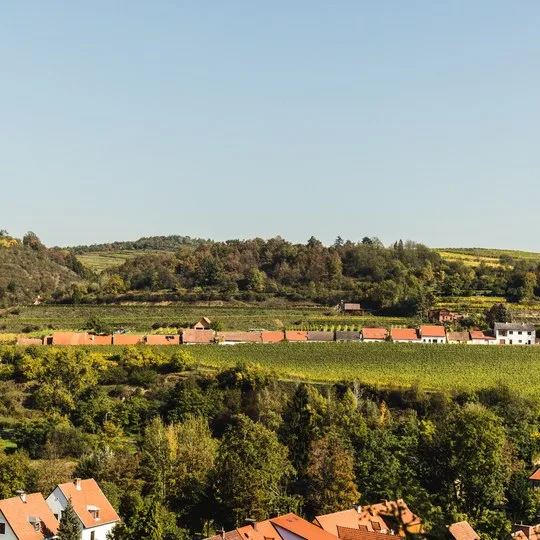
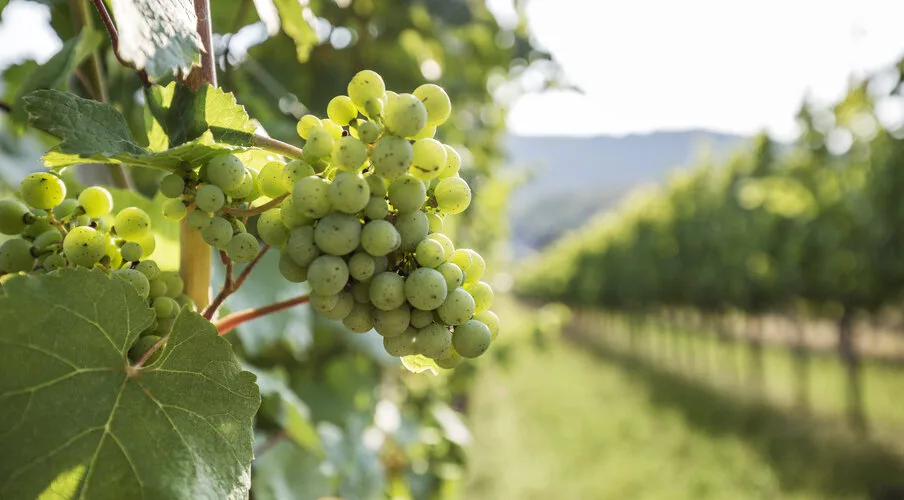
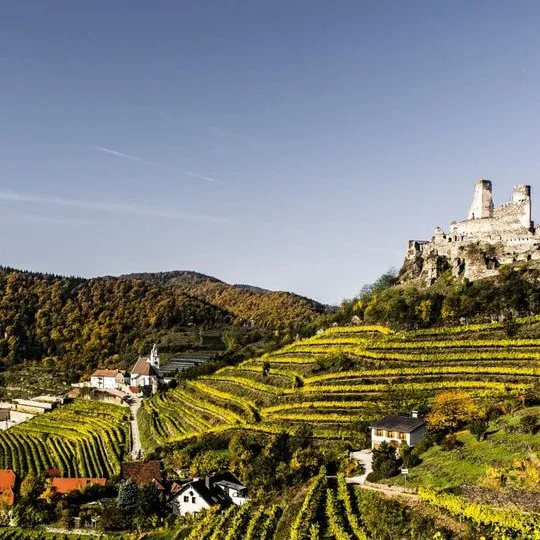
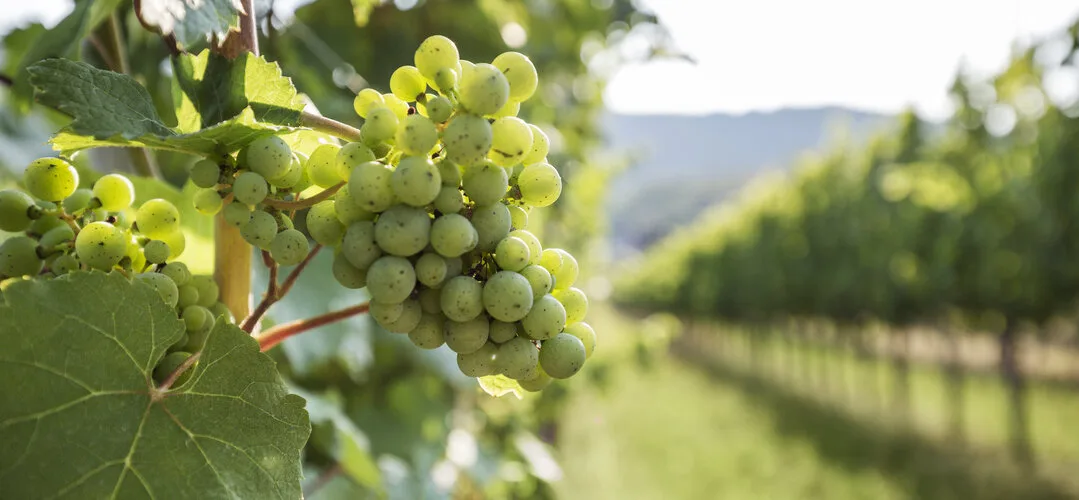
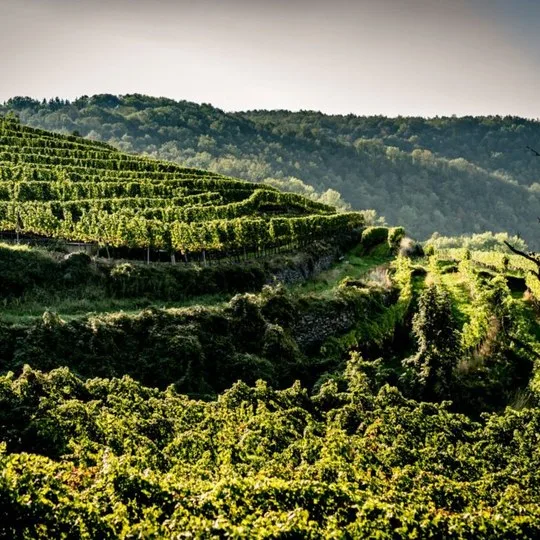
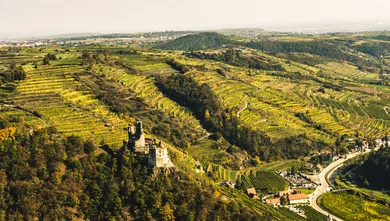
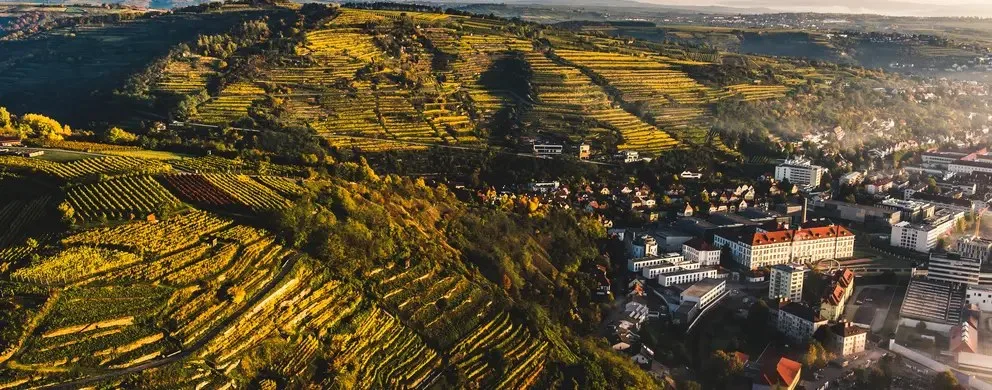
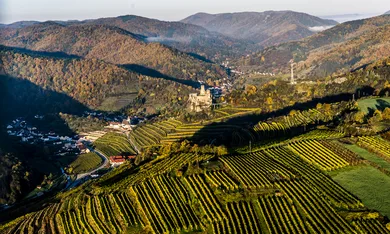
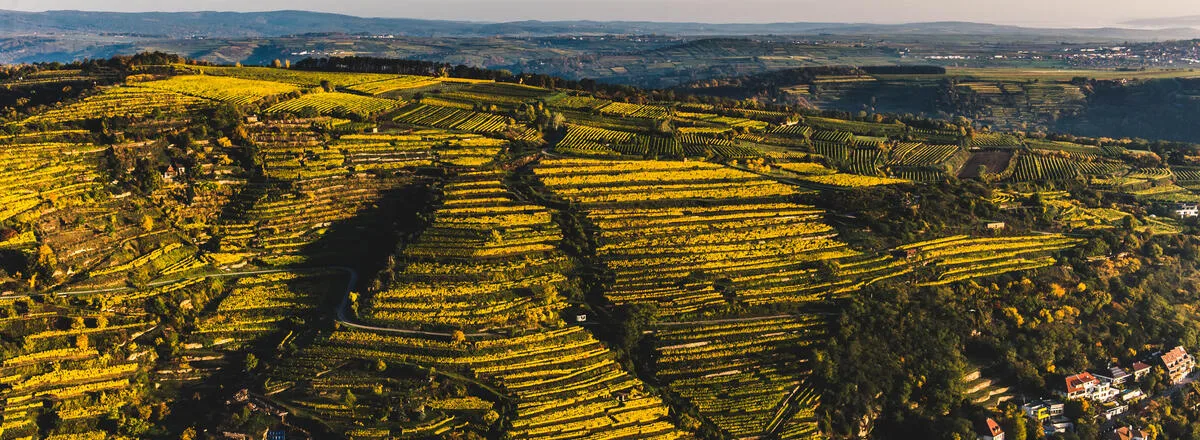
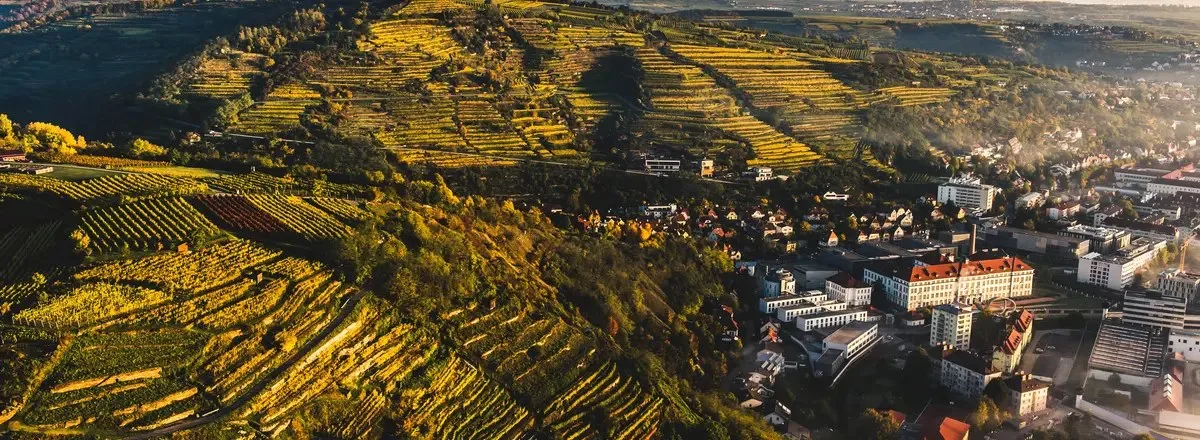
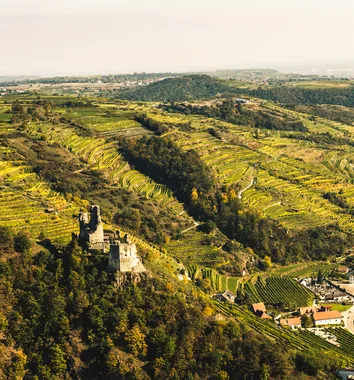
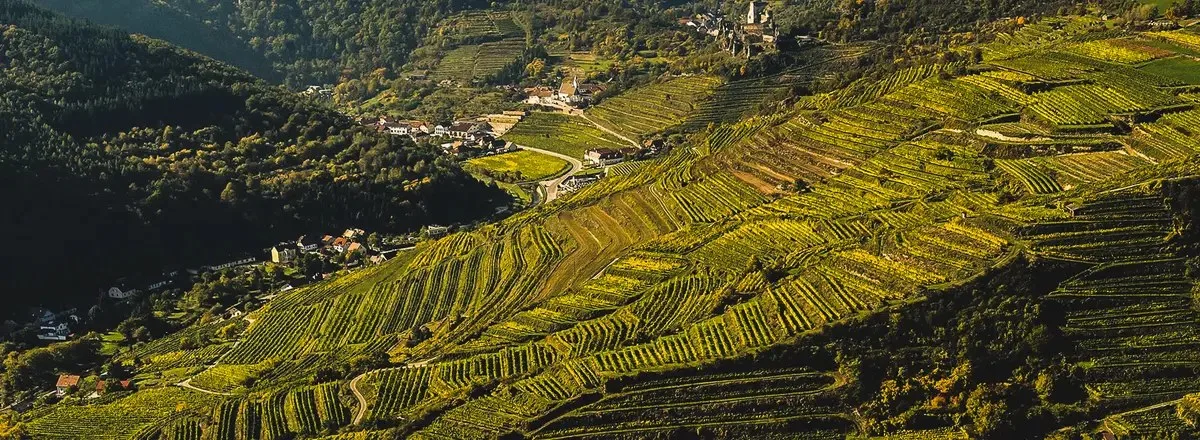
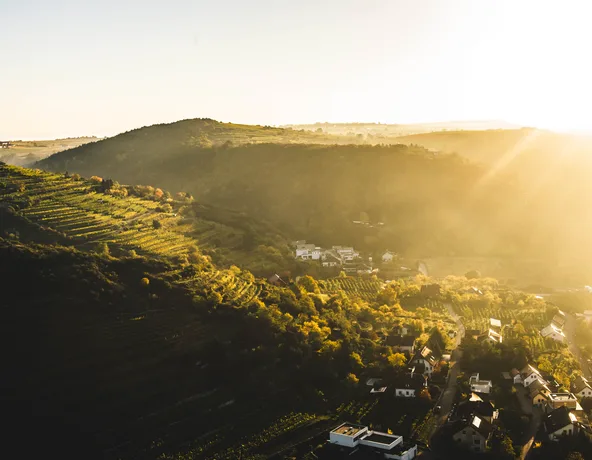
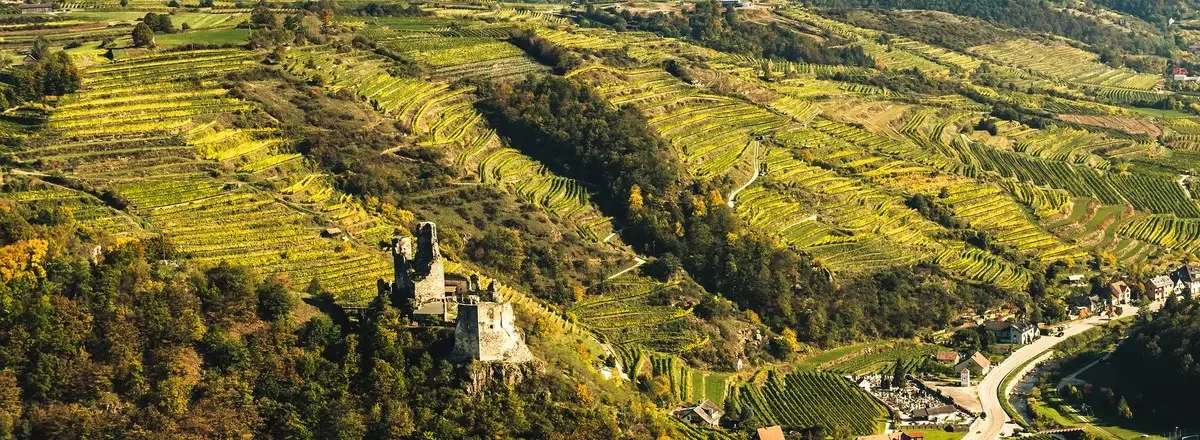
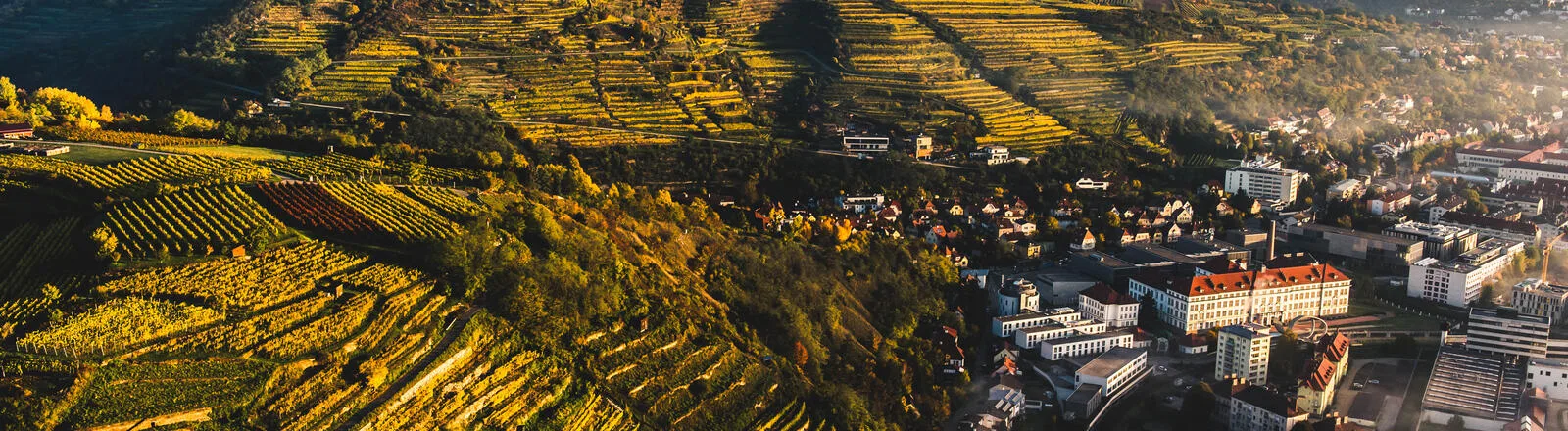
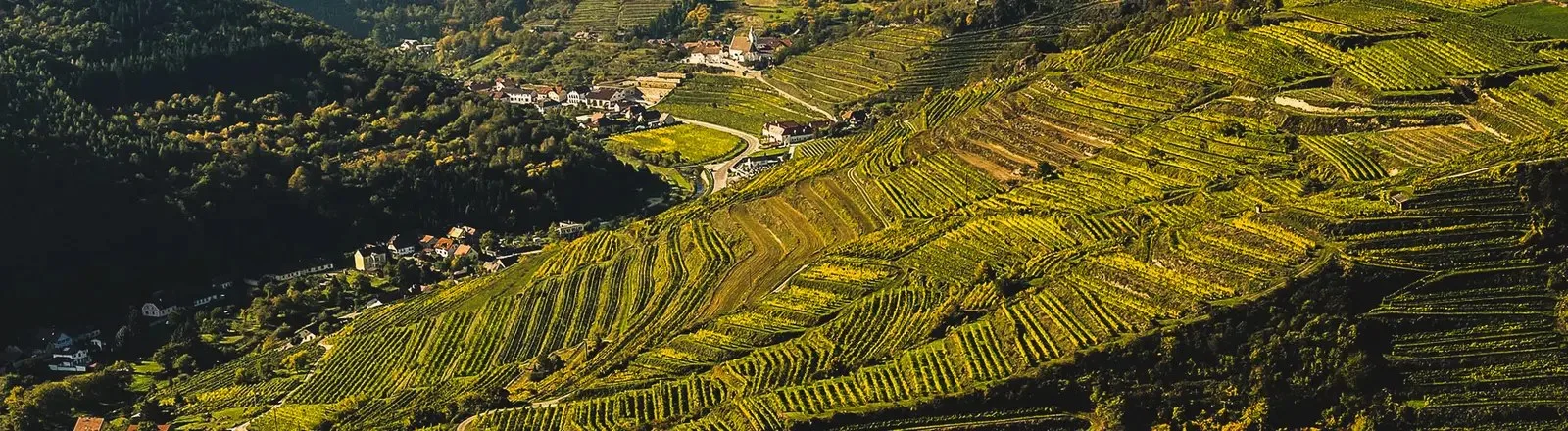
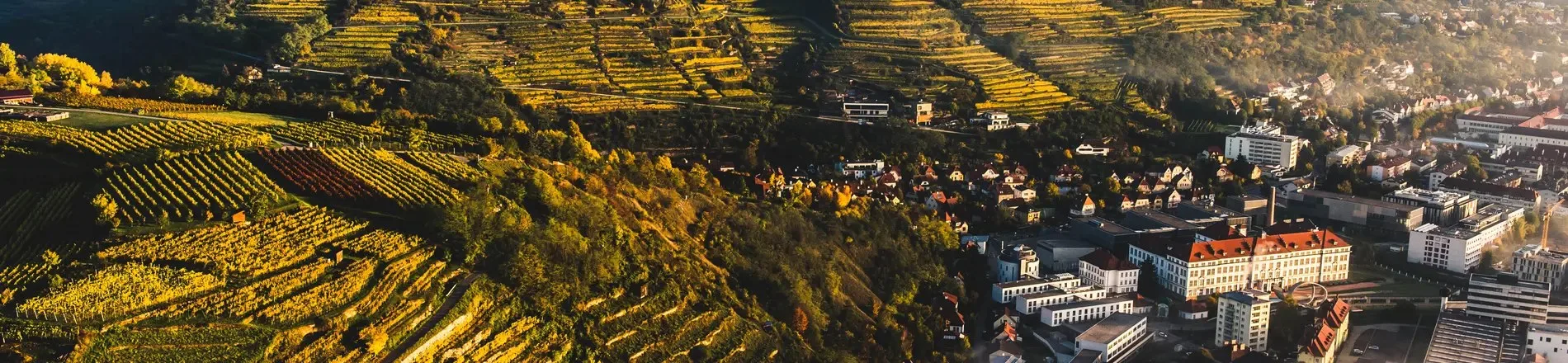
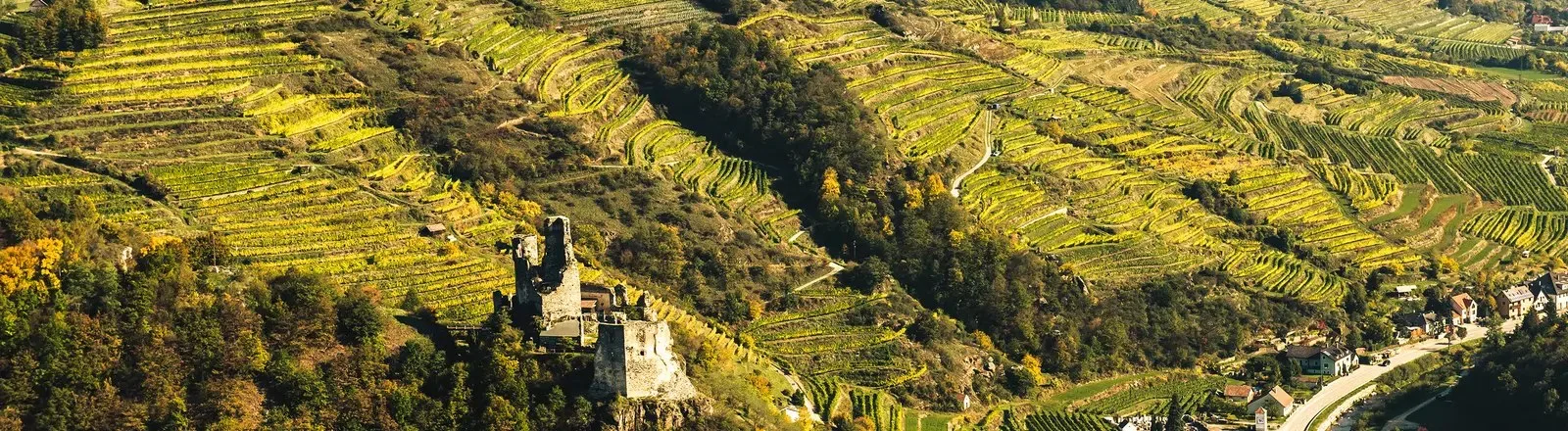
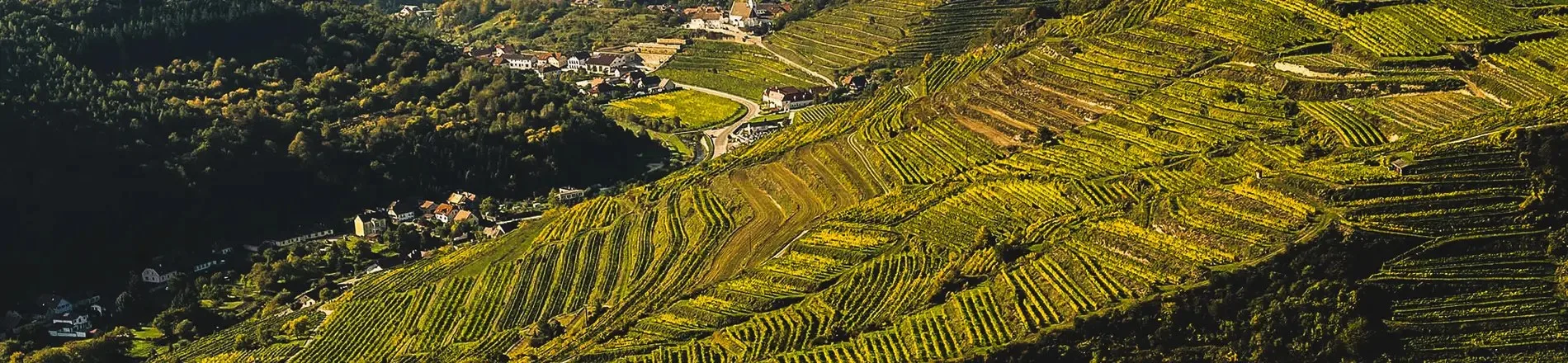
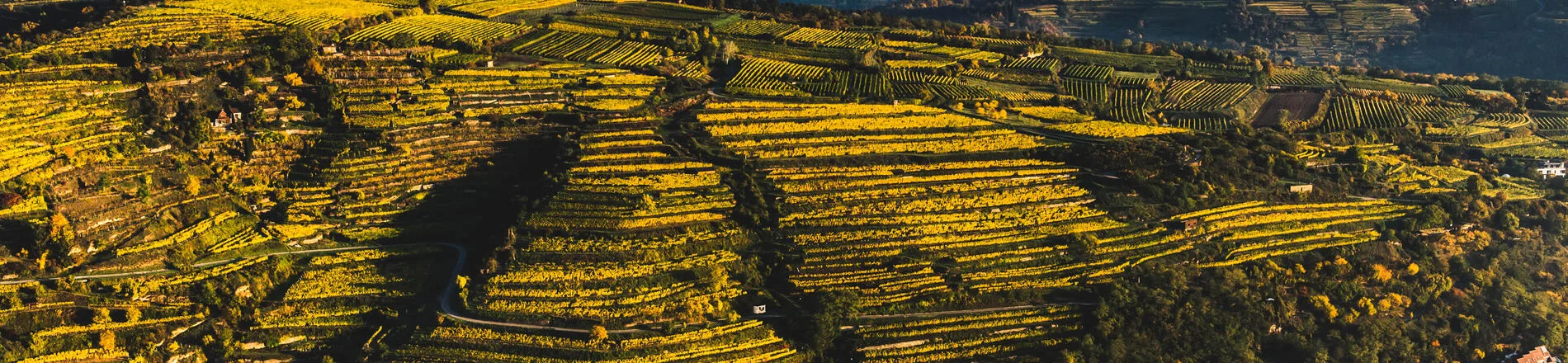
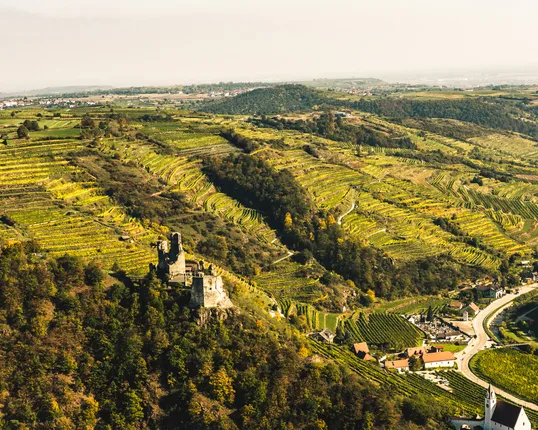
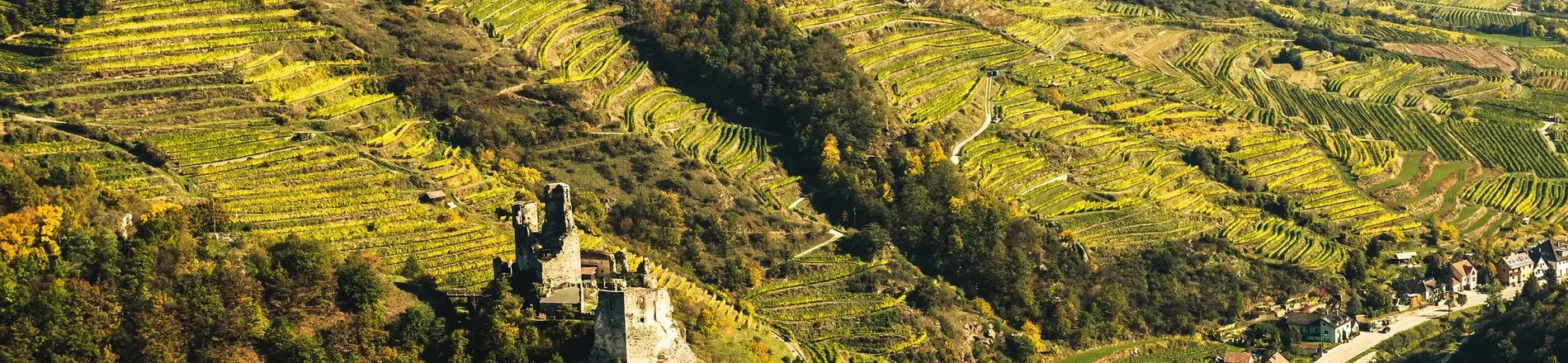
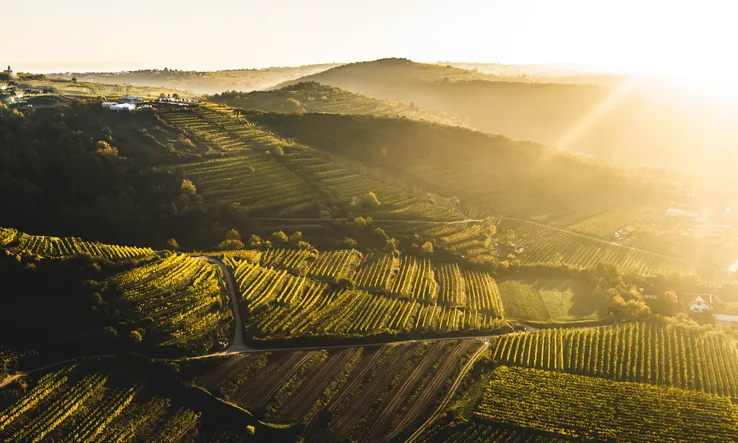
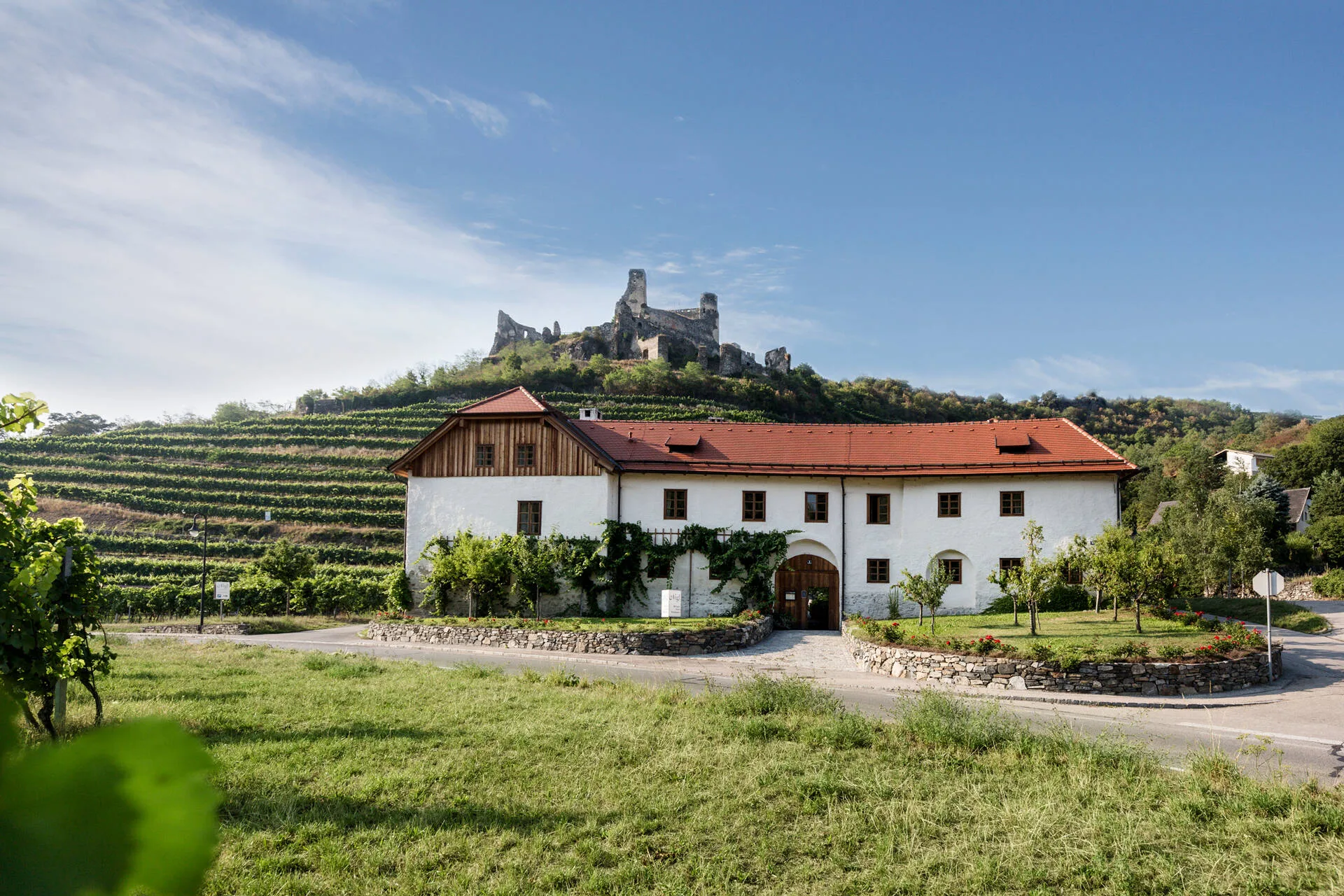
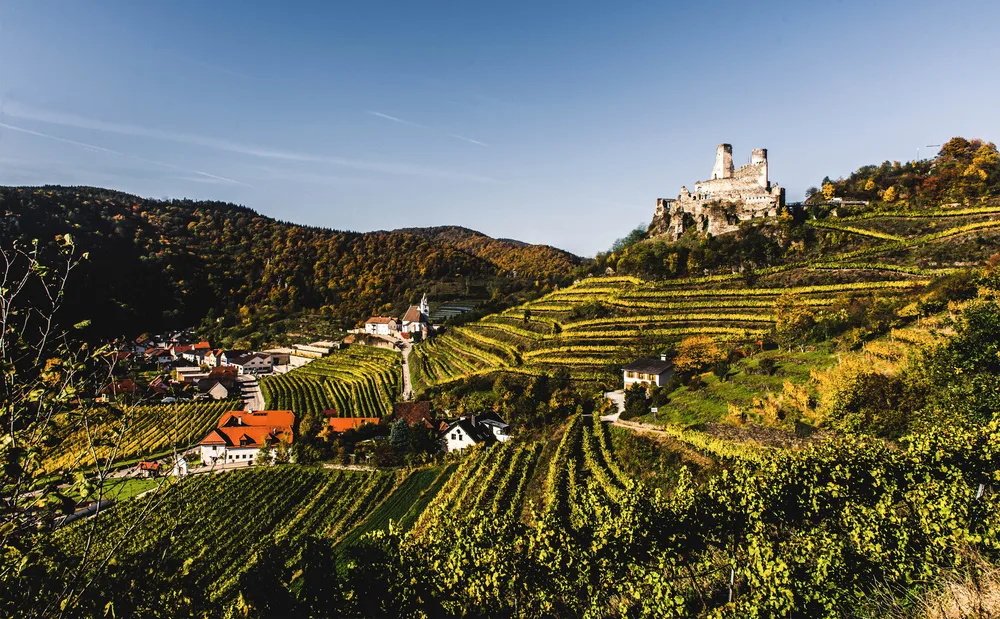
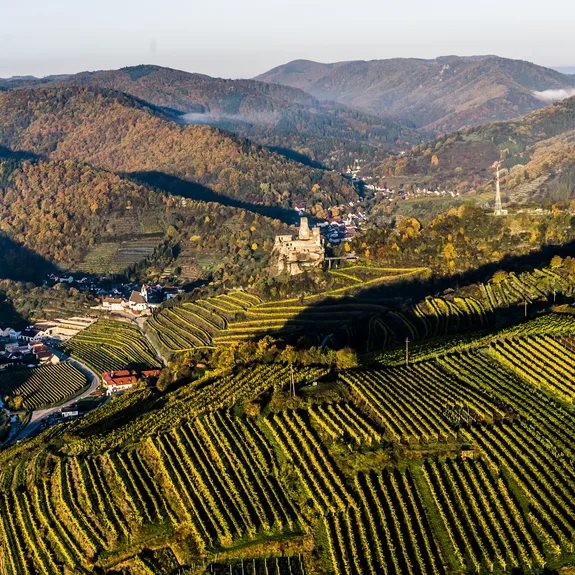
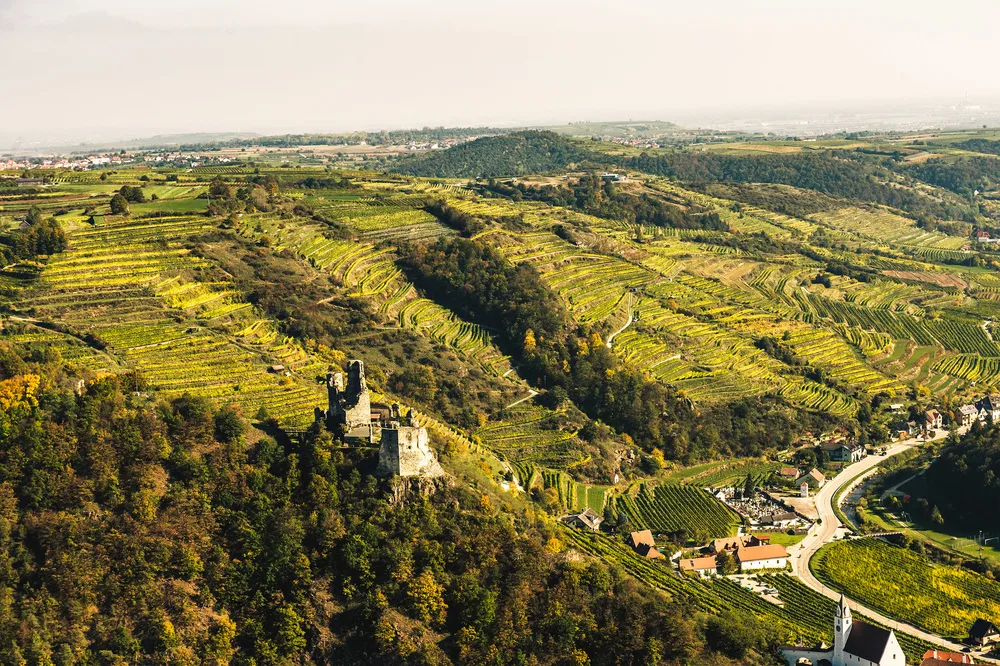
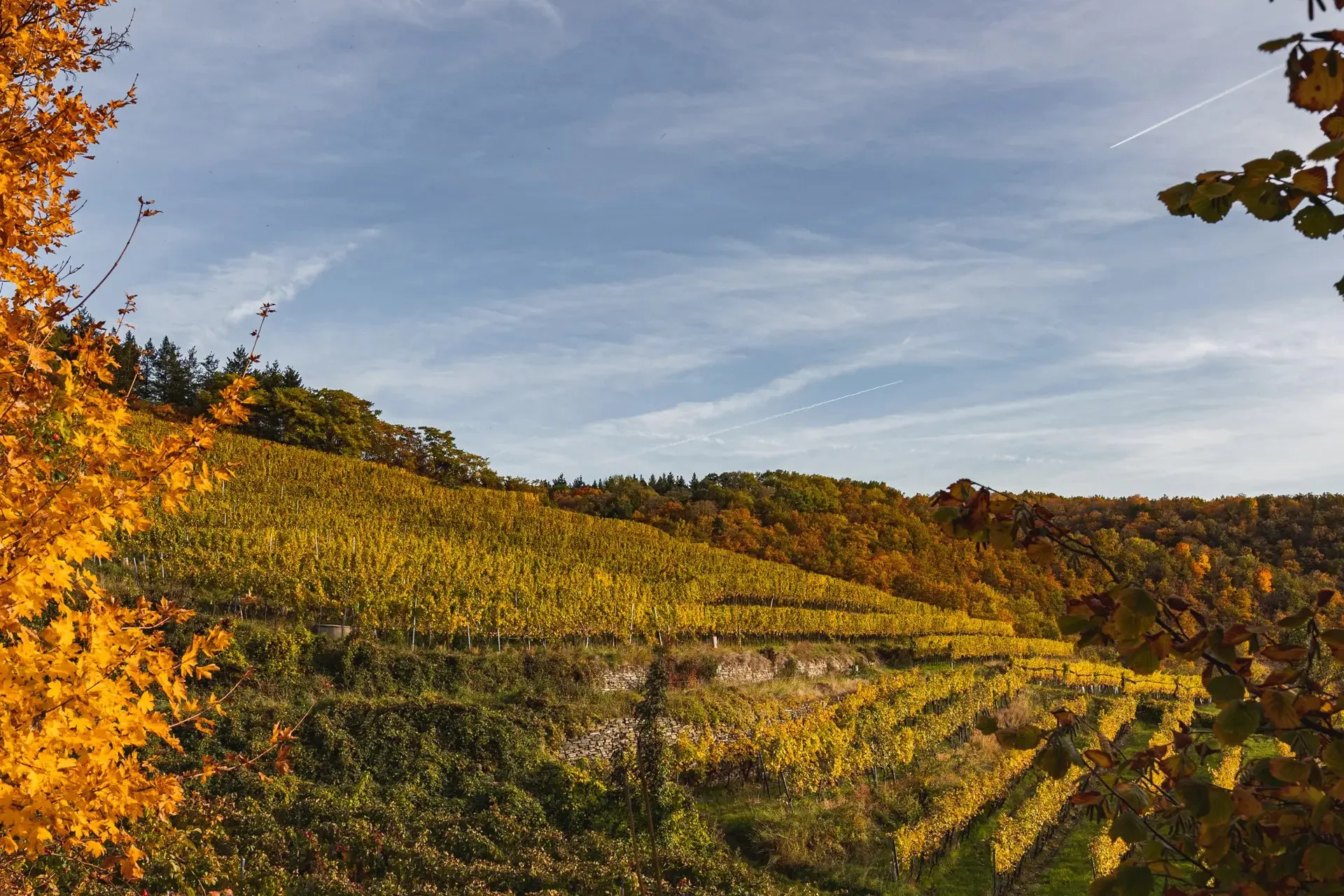
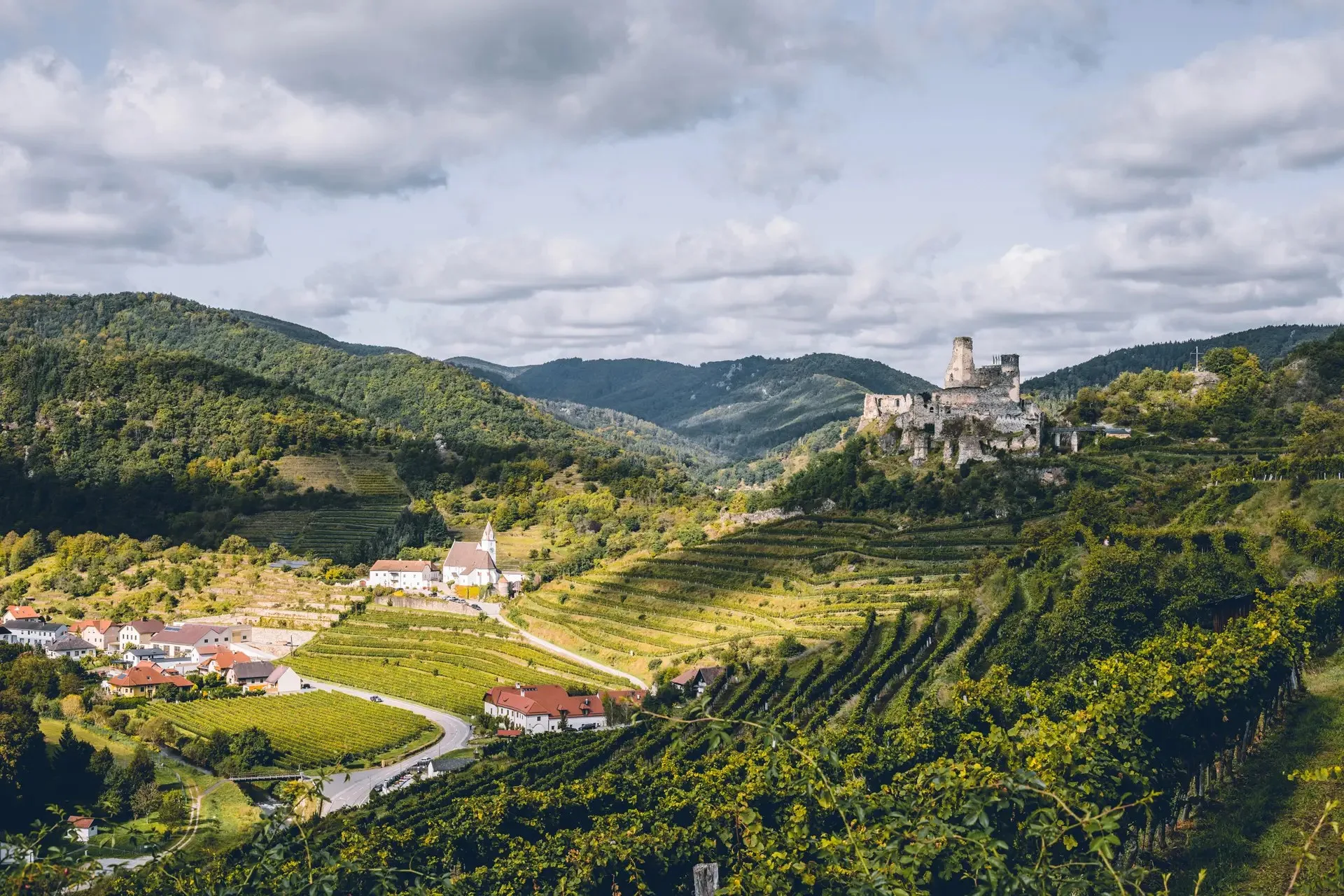
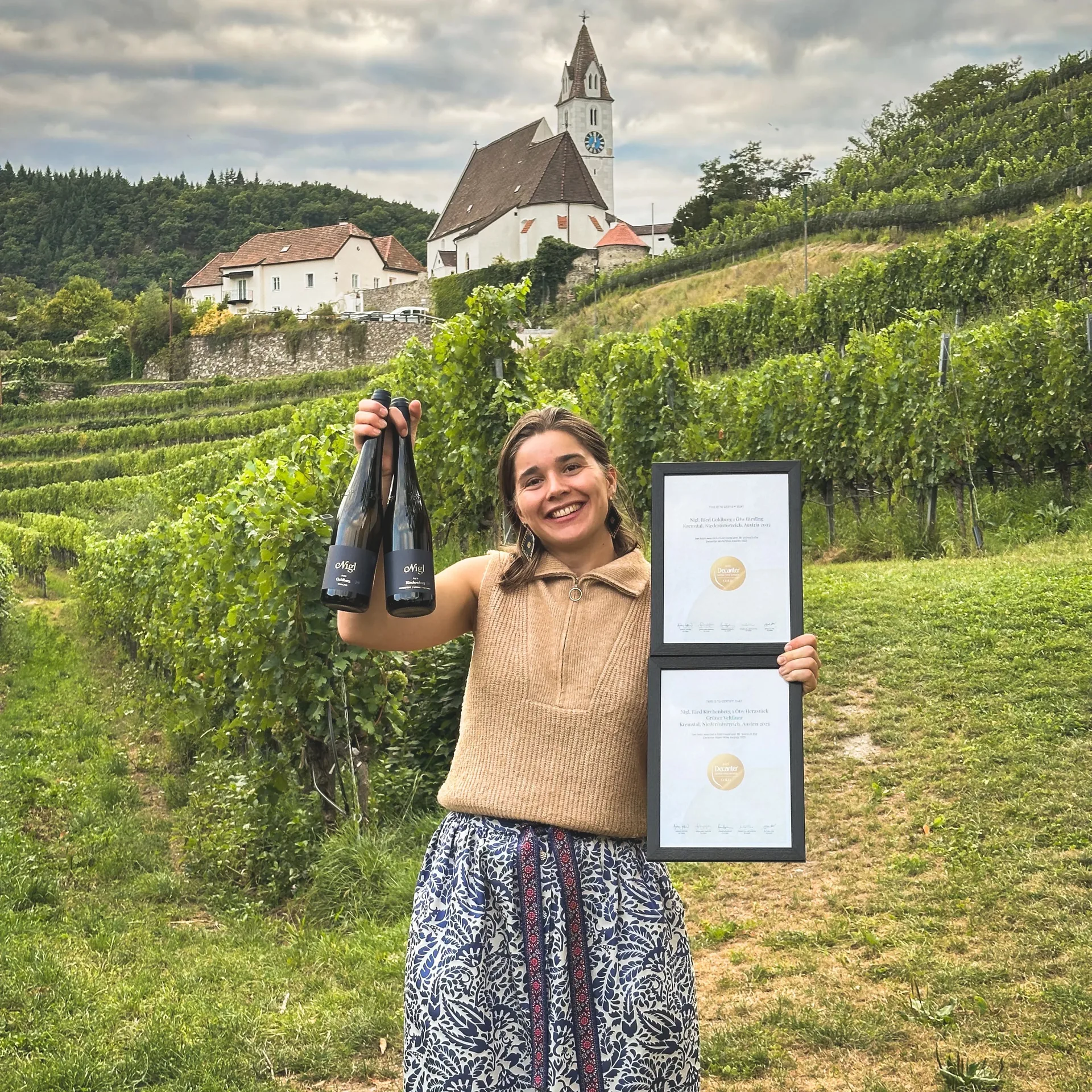
The building sits at the foot of the Senftenberg castle ruins, originally serving as a twelfth century harvest courtyard before the Nigl family acquired it in 1995. Stone terraces climb the hillside above the dining area, planted with Riesling and Grüner Veltliner vines that thrive in the cool Krems Valley air. Large windows frame the working vineyards rather than offering distant panoramas. The space reflects a quiet confidence typical of regional Austrian cuisine, favoring substance over spectacle.
Recognition

Ambience
Details
History
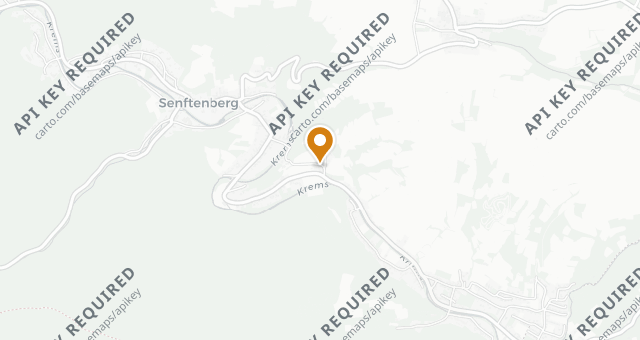
It is no small feat for the kitchen of a restaurant and country inn to hold its own against the wine list of a premier winery, which is curated around treasures from its own cellar. Chef Bertram Nigl and his team accomplish this more than adequately. The ceviche of lake trout with cucumber, buttermilk, and dill oil impresses with its harmonious pairing with vineyard peach, while the sautéed octopus with leek, teriyaki sauce, and miso complements the sweet potatoes beautifully. "Grandma Nigl's Grammelknödel in traditional Waldviertel style" served with pointed cabbage and roast gravy are solid, though the "vegetarian-filled yeast dumplings" could have used a touch more spice and pep. This is more than compensated for by the excellent wine pairing. Address: Kirchenberg 1, 3541 Senftenberg, Austria Contact: 02719 2609 500, reservierung@weingutnigl.at, https://www.weingutnigl.at/ Opening Hours: Mon–Fri 14:00–22:00, Sat 12:00–22:00 Team: Bertram Nigl, Head Chef, Alexander Pollak, Maître d'
Location





 Facebook
 Instagram