
The story
Restaurant Lucie takes its name and its soul from a grandmother in the Pyrenees. In her small, fragrant house near the Spanish border, Lucie filled afternoons with butter, roasting meat, and simmering wine. Her grandson, Yannick Bigourdan, grew up watching her sweep through the market each morning for the most perfect guinea fowl, the freshest eggs, cheeses that tasted of mountain air. Everything she made, she made for him.
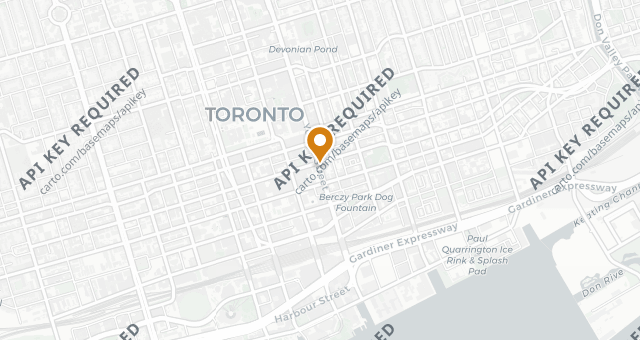
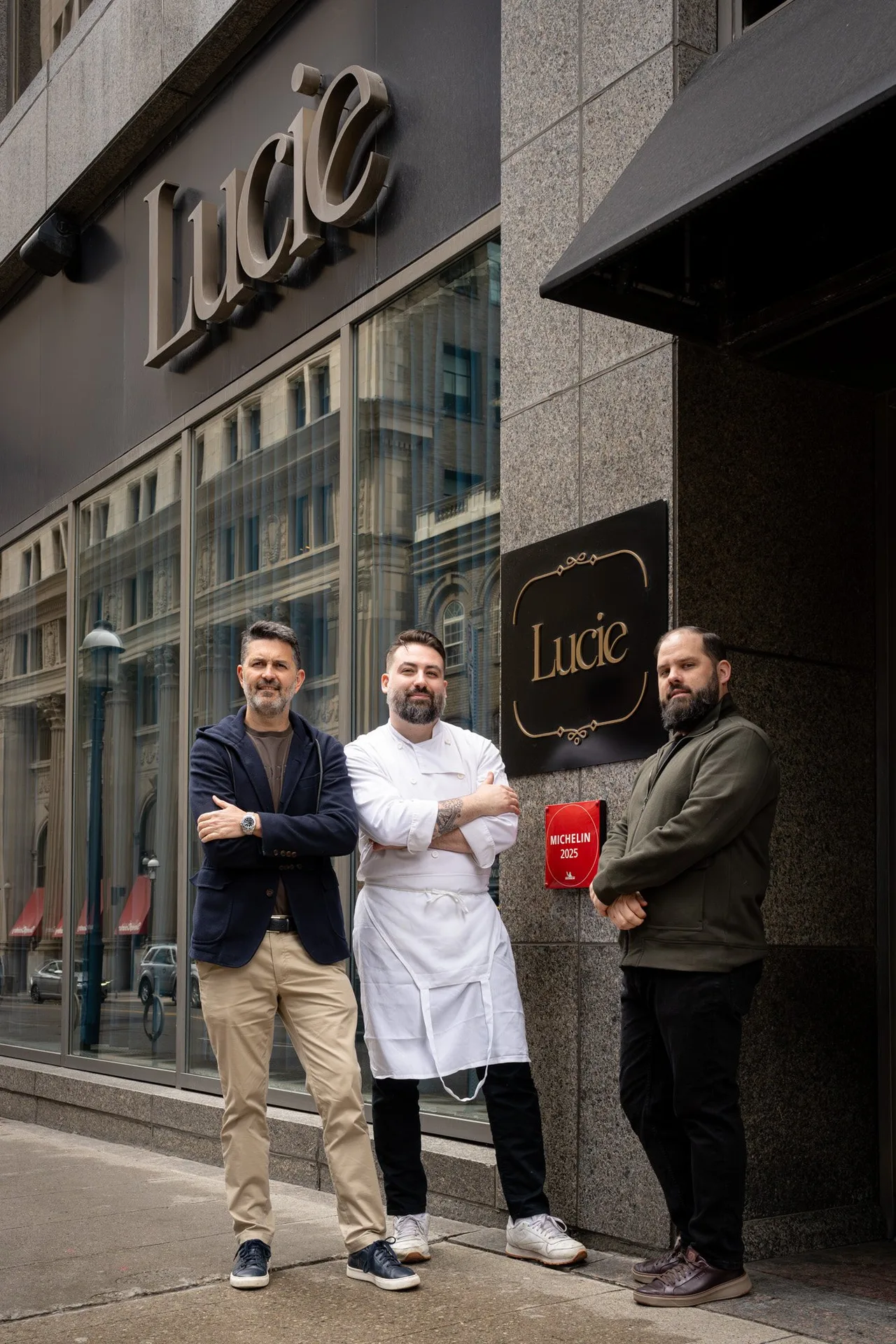
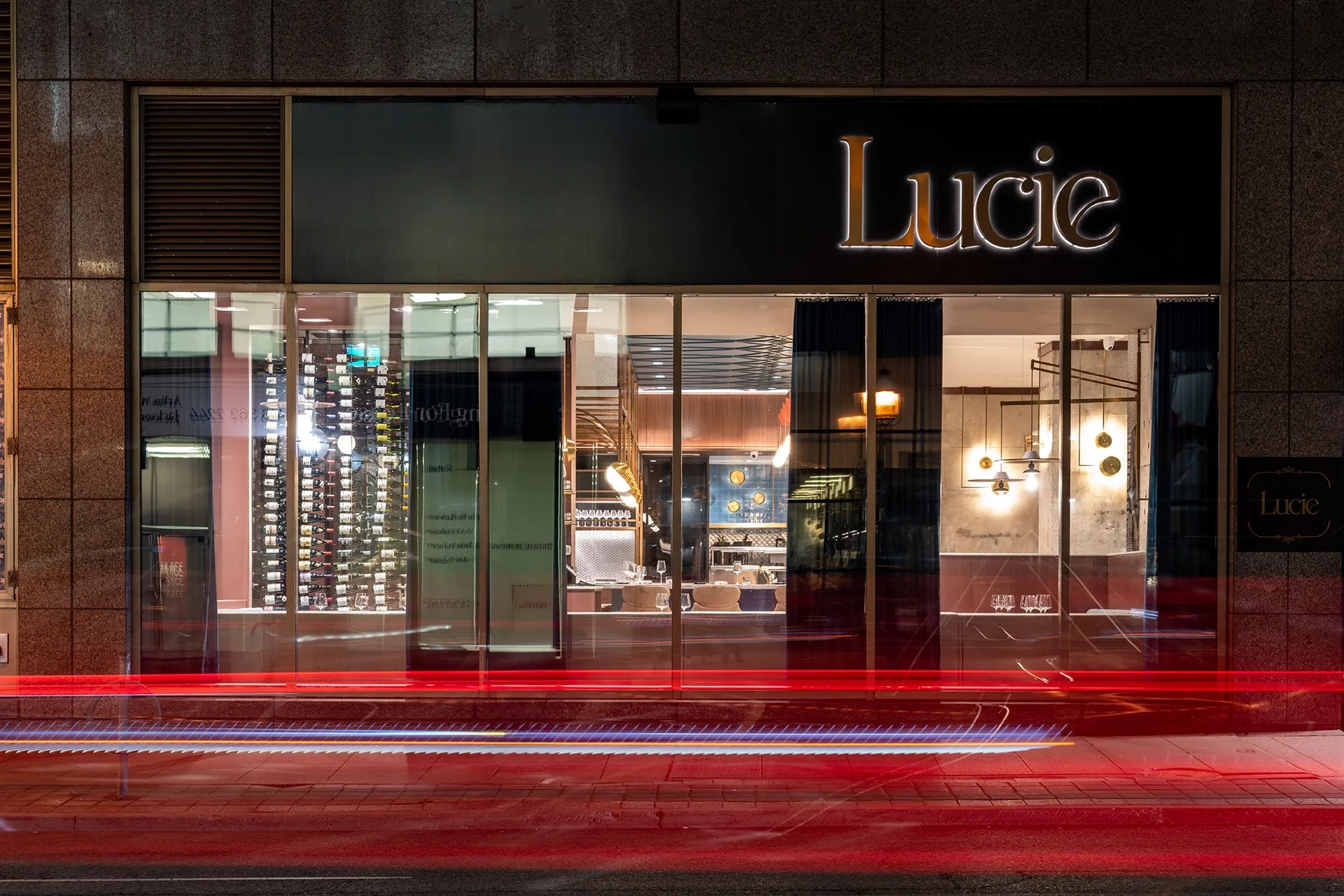
That spirit of unconditional generosity — the belief that feeding people well is the most important thing you can do — lives on at 100 Yonge Street in Toronto. Lucie is a French restaurant built around that conviction, run by partners Yannick Bigourdan, Executive Chef Michael Angeloni, and Adam Teolis. The three have built restaurants together before: The Berczy Tavern and Notte Ristorante. Lucie is the third, and the only one named for a grandmother.
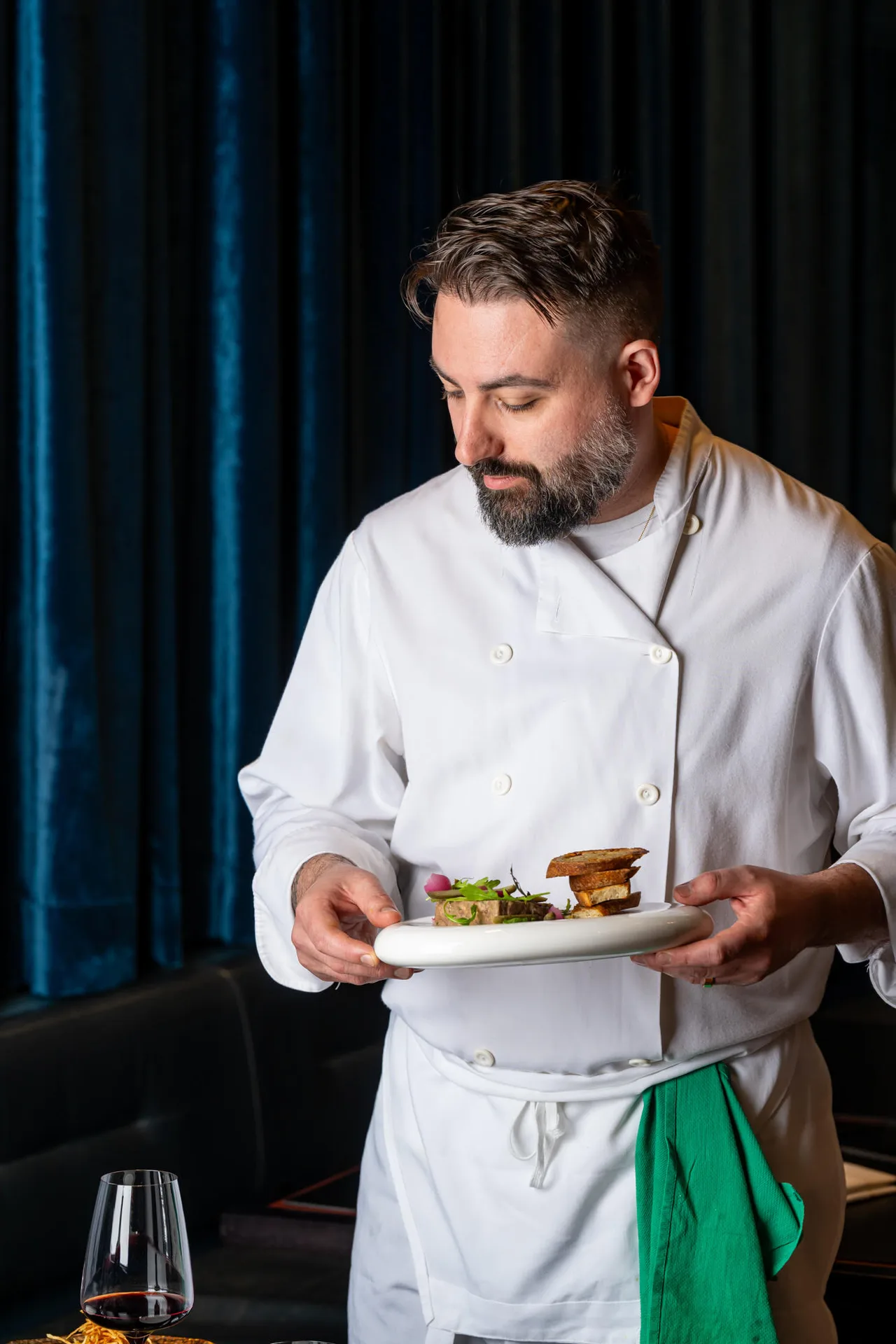
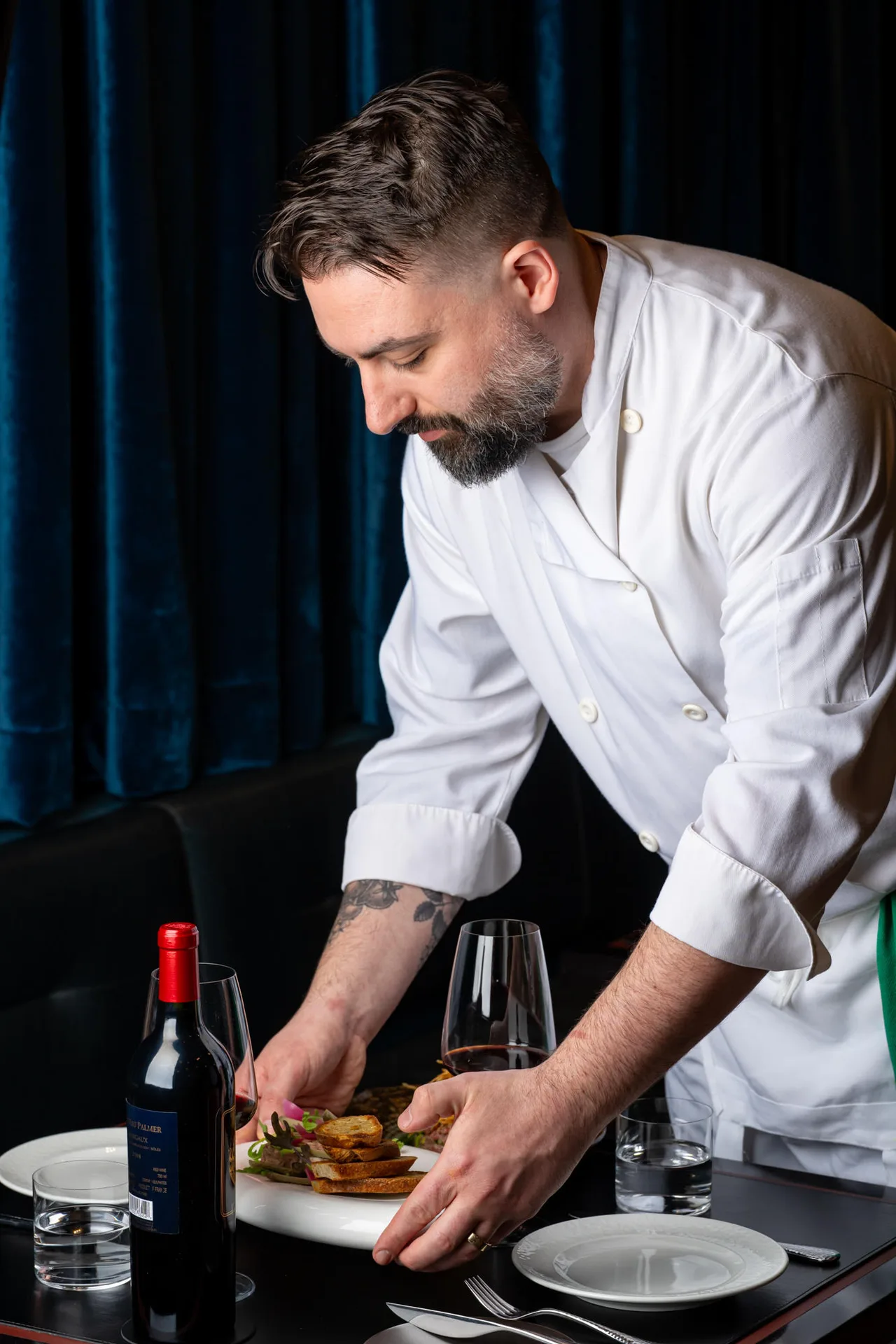
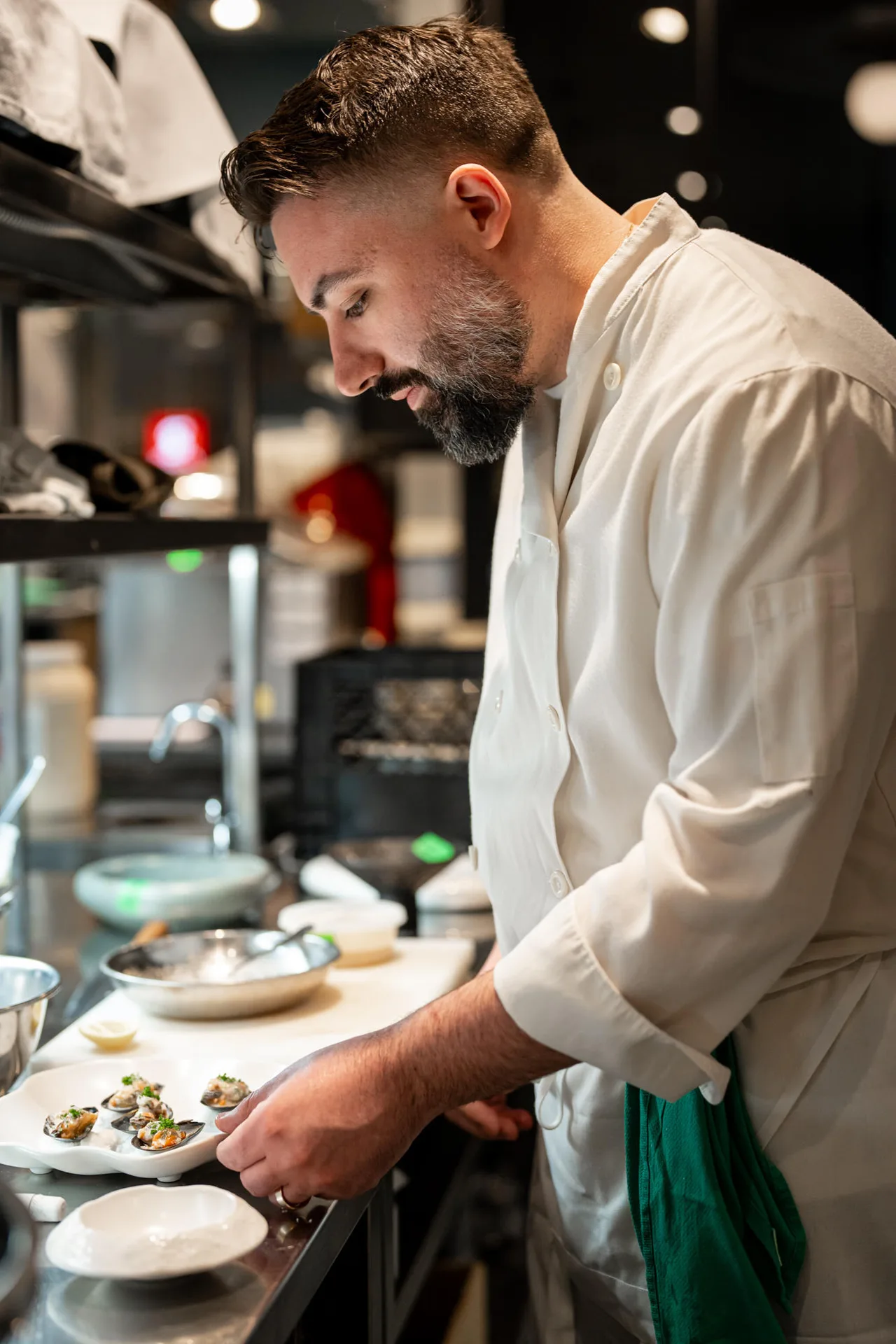
Chef Michael Angeloni, who took over the kitchen in May 2026, is a Toronto chef of Italian and Polish heritage. His career runs through the kitchens that shaped modern Toronto dining — L’Unita, Splendido, The Black Hoof, Grand Electric. At Lucie, his craft turns to French technique, ingredient-led and deliberate. Stocks built from scratch over hours. Sauces reduced until they hold the room. Pastry that earns its place on the plate.
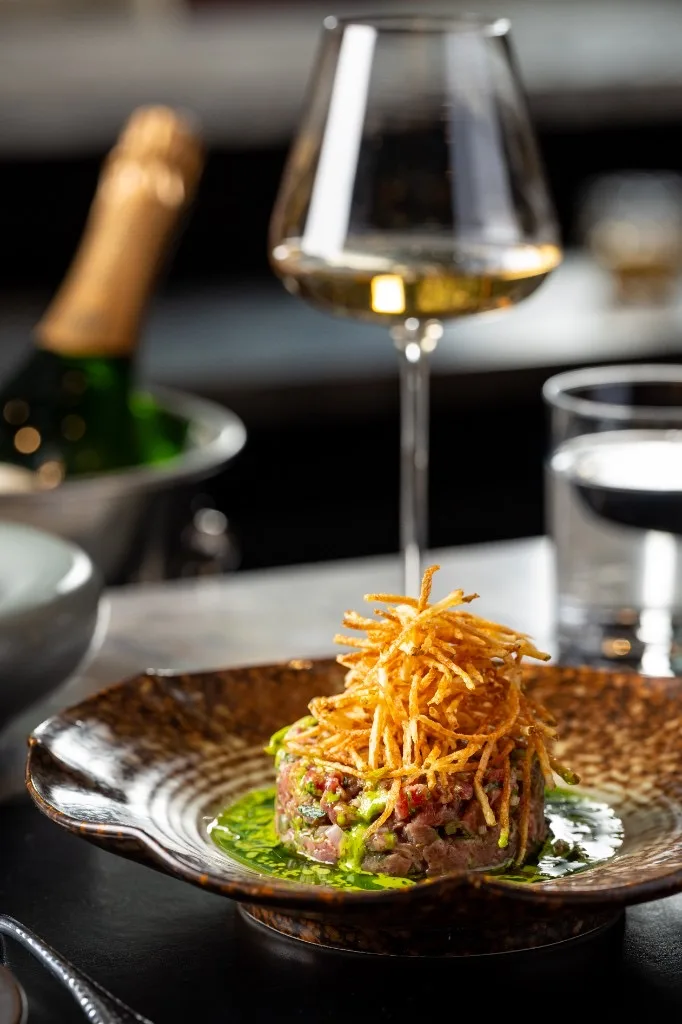
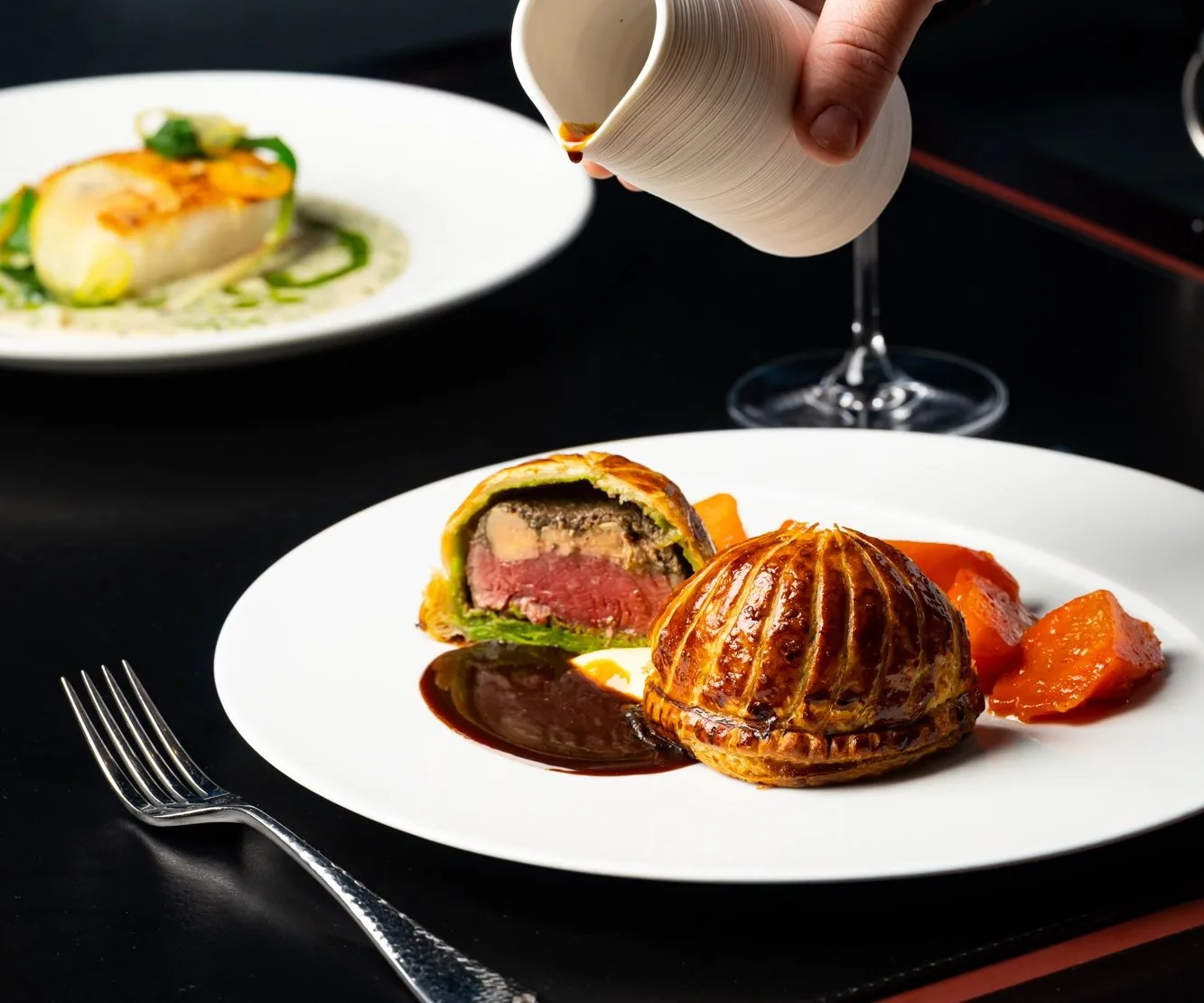
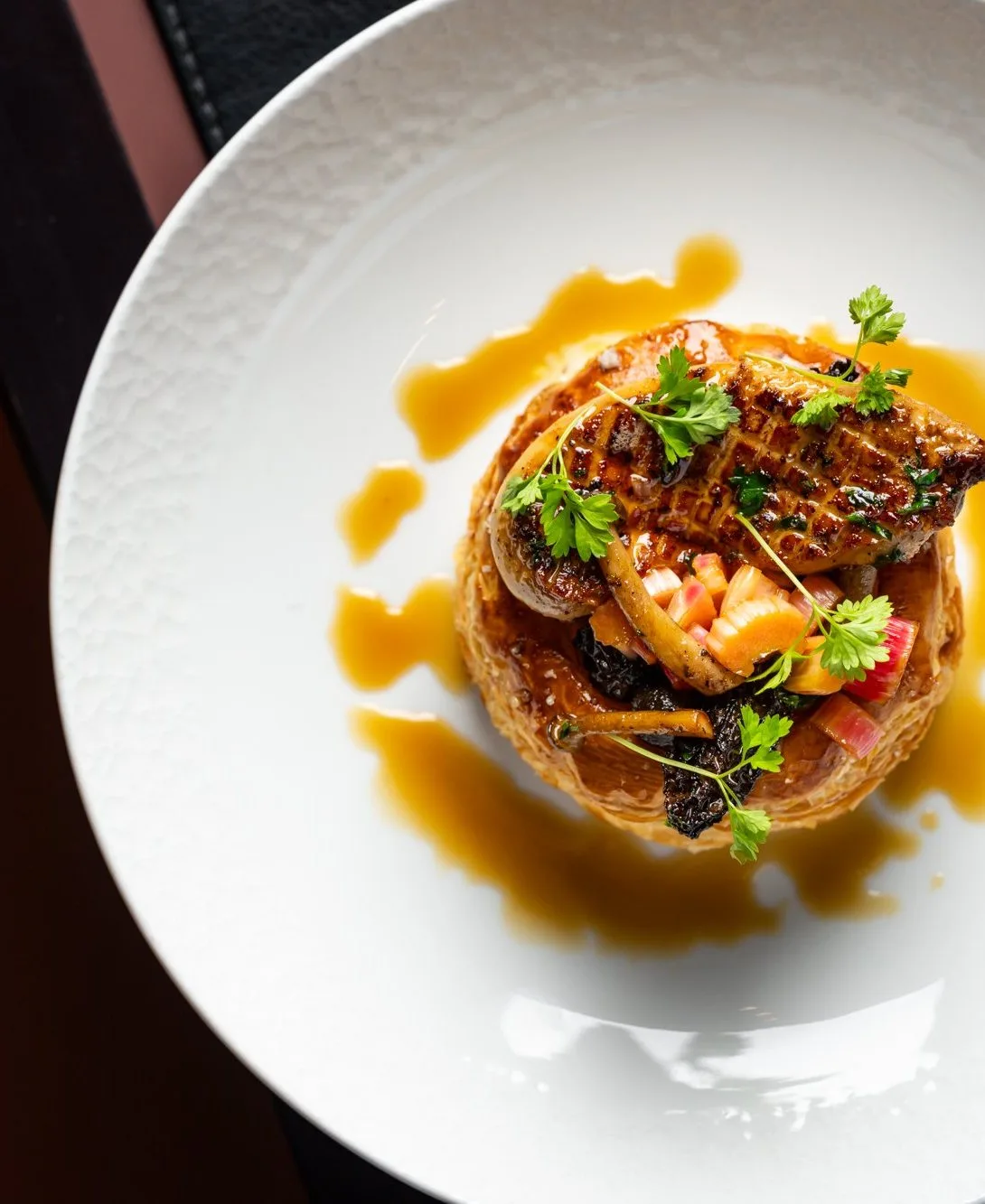
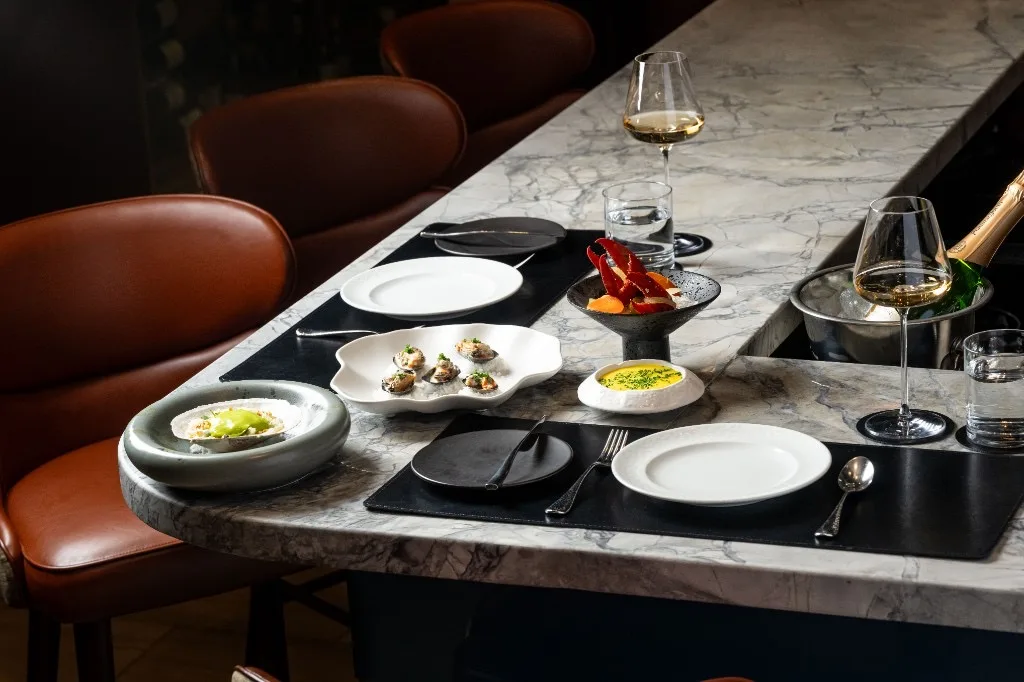
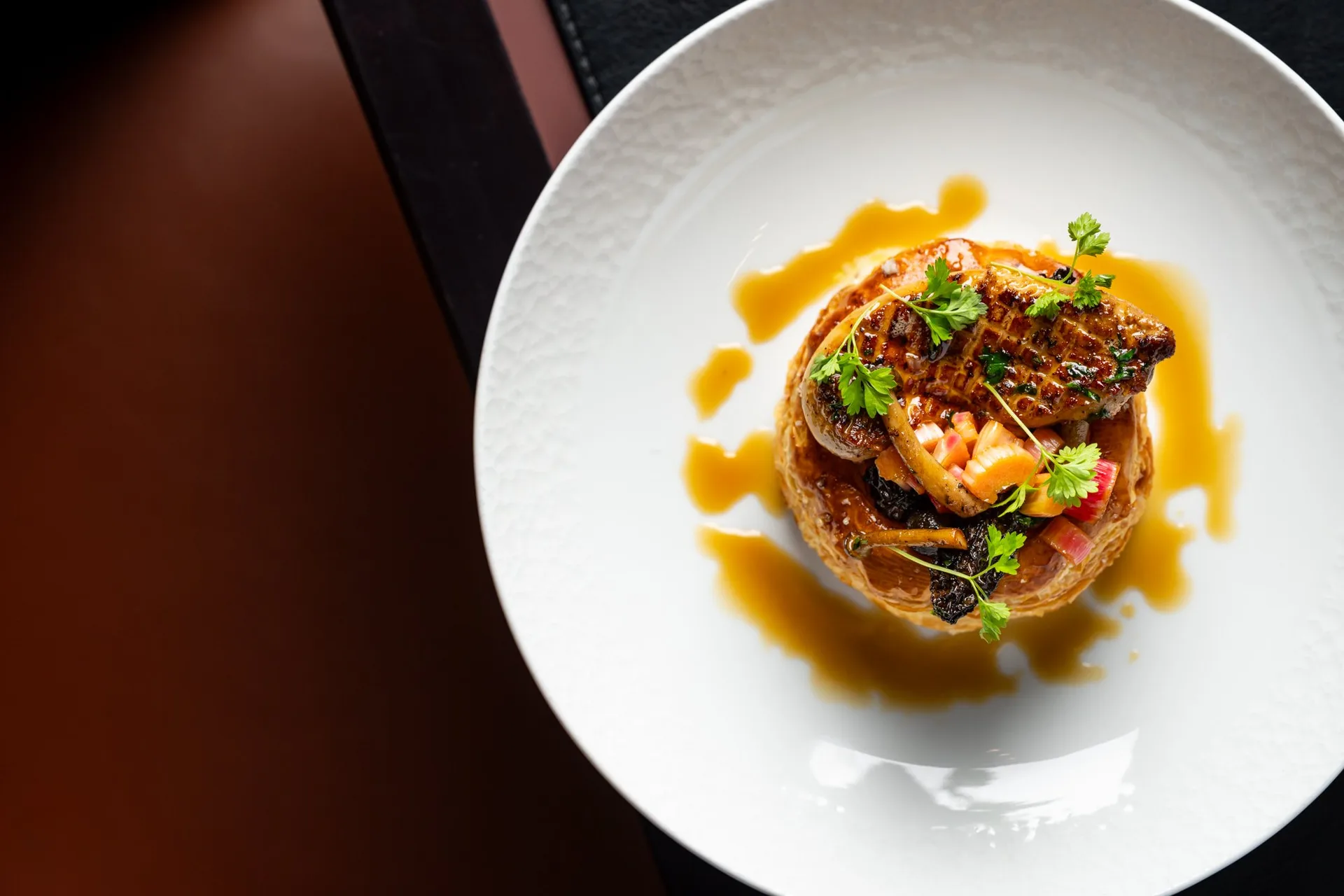
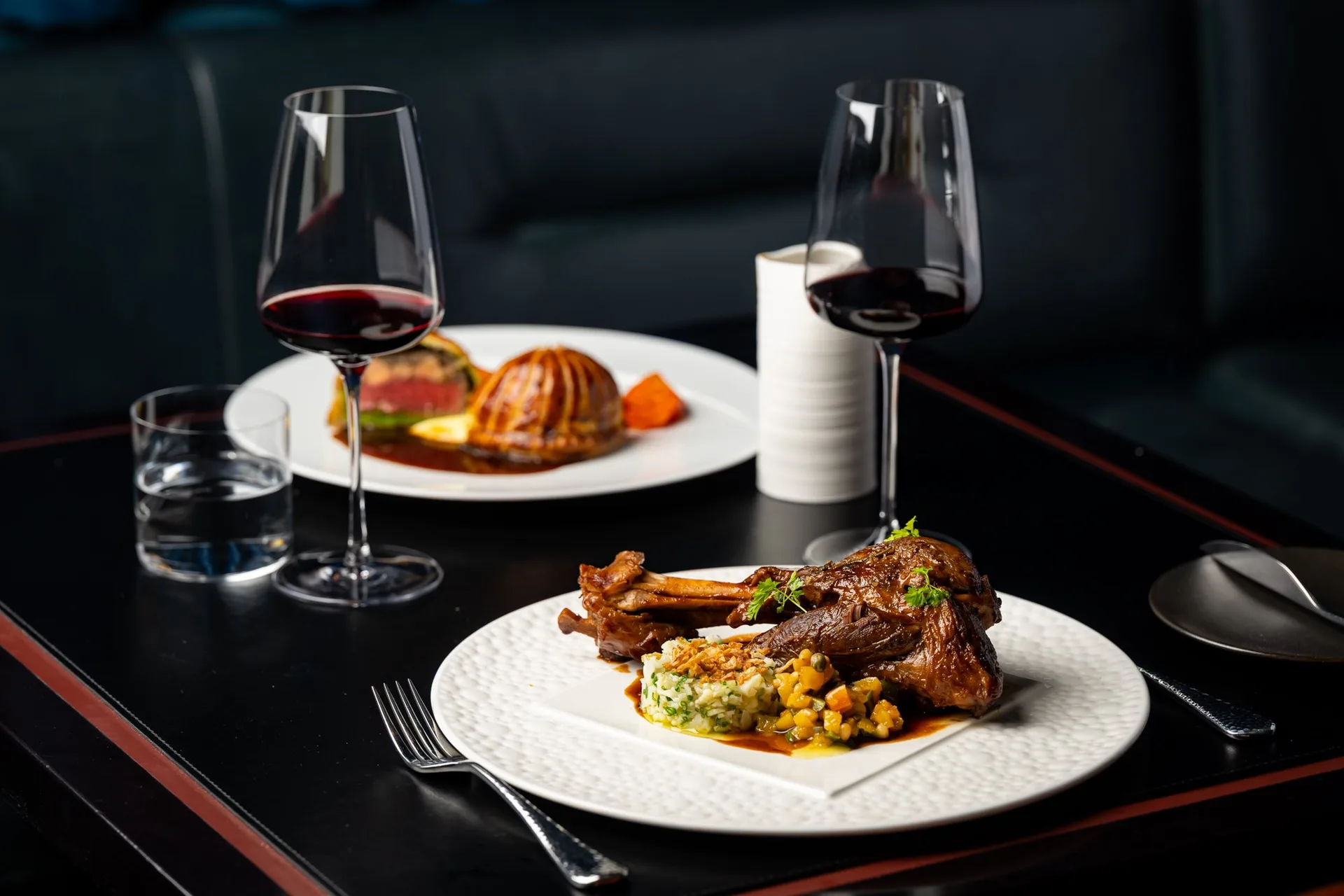
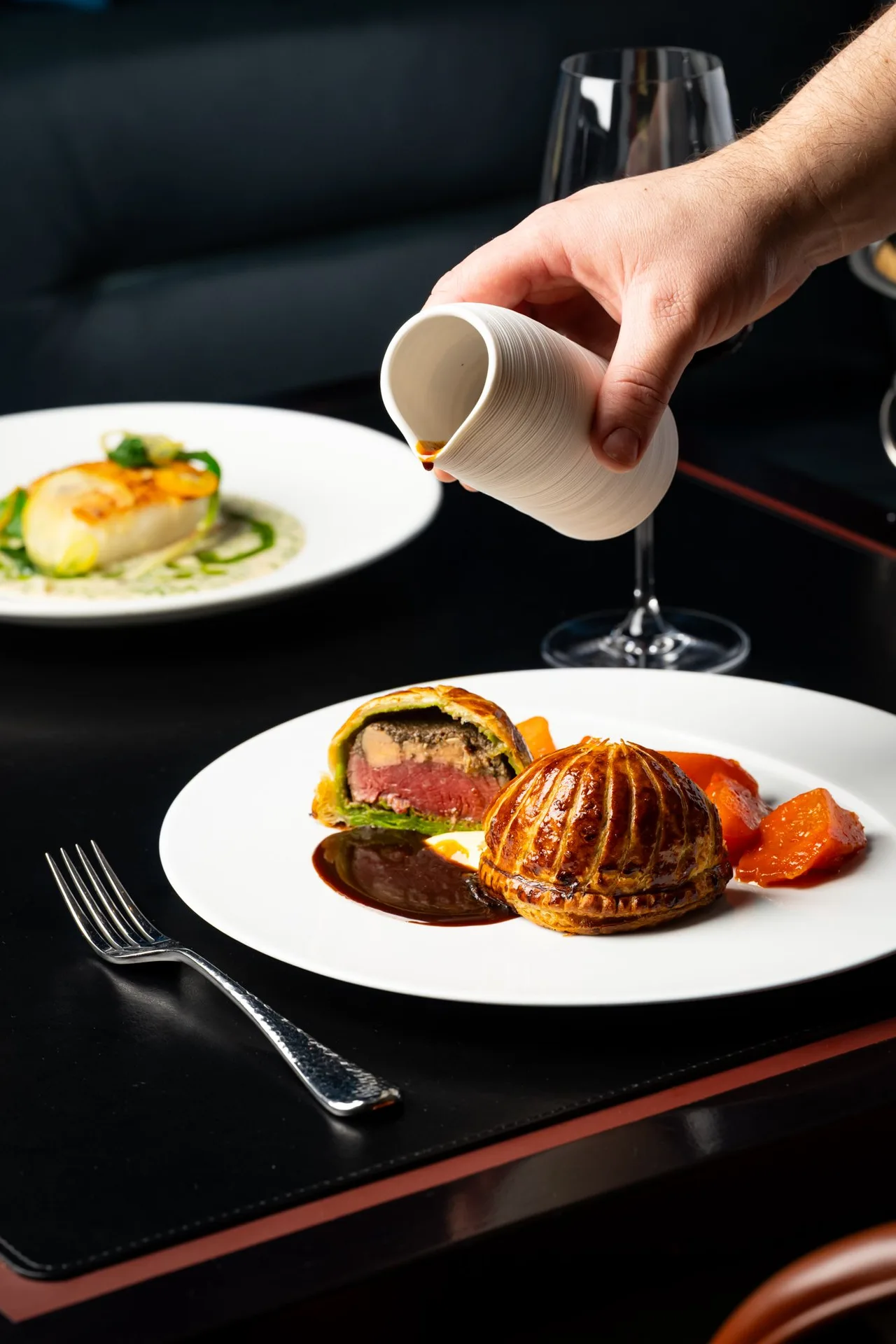
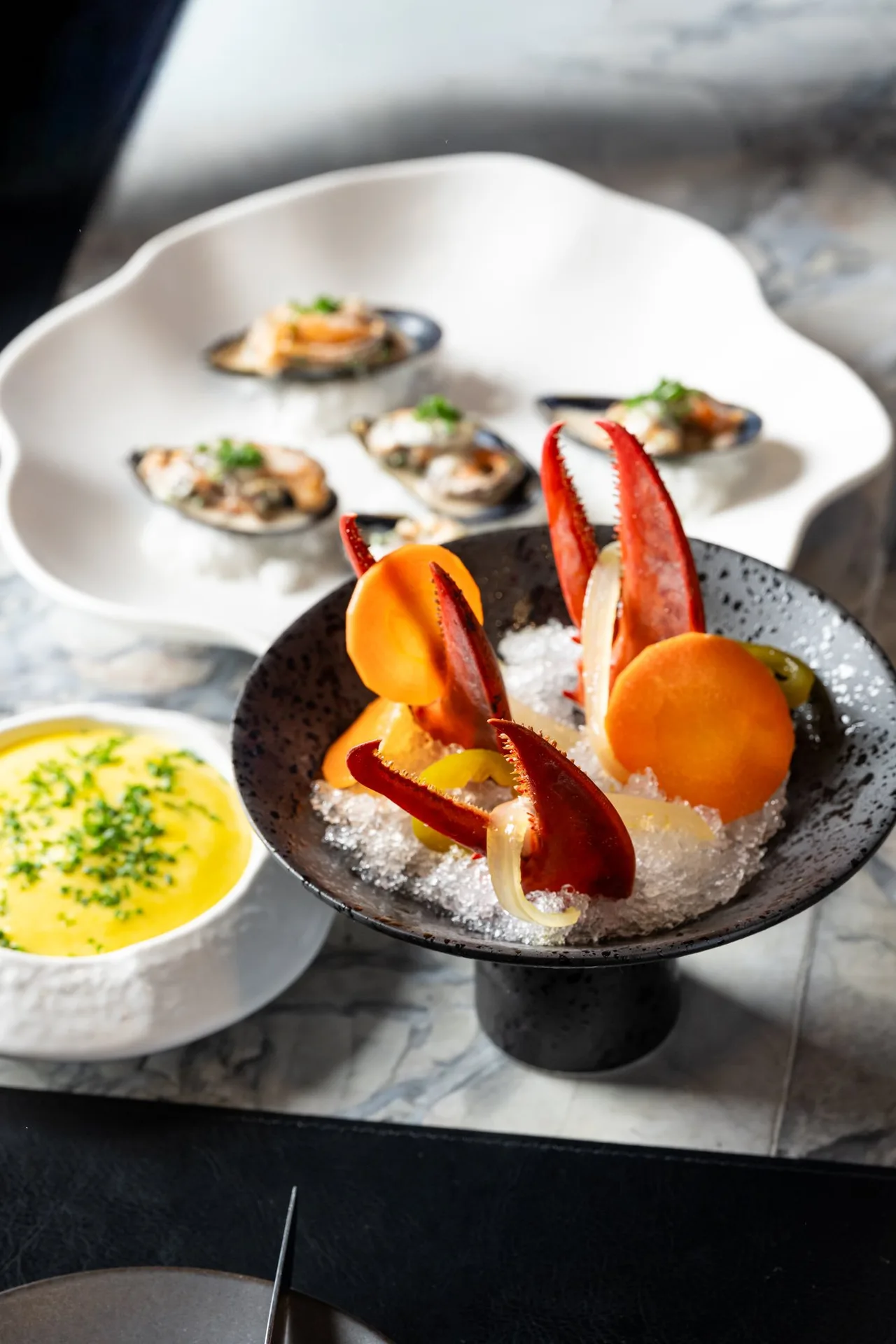
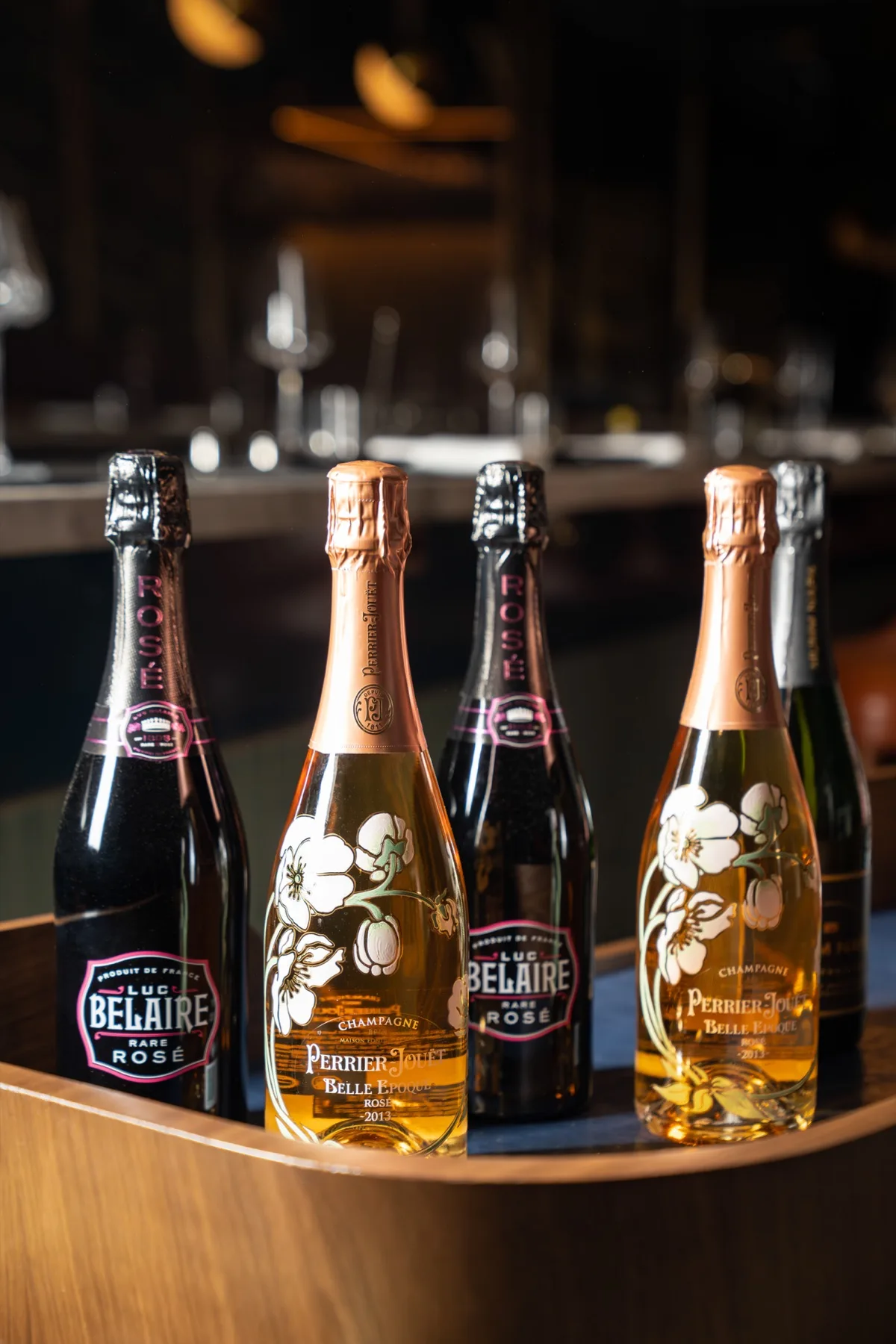
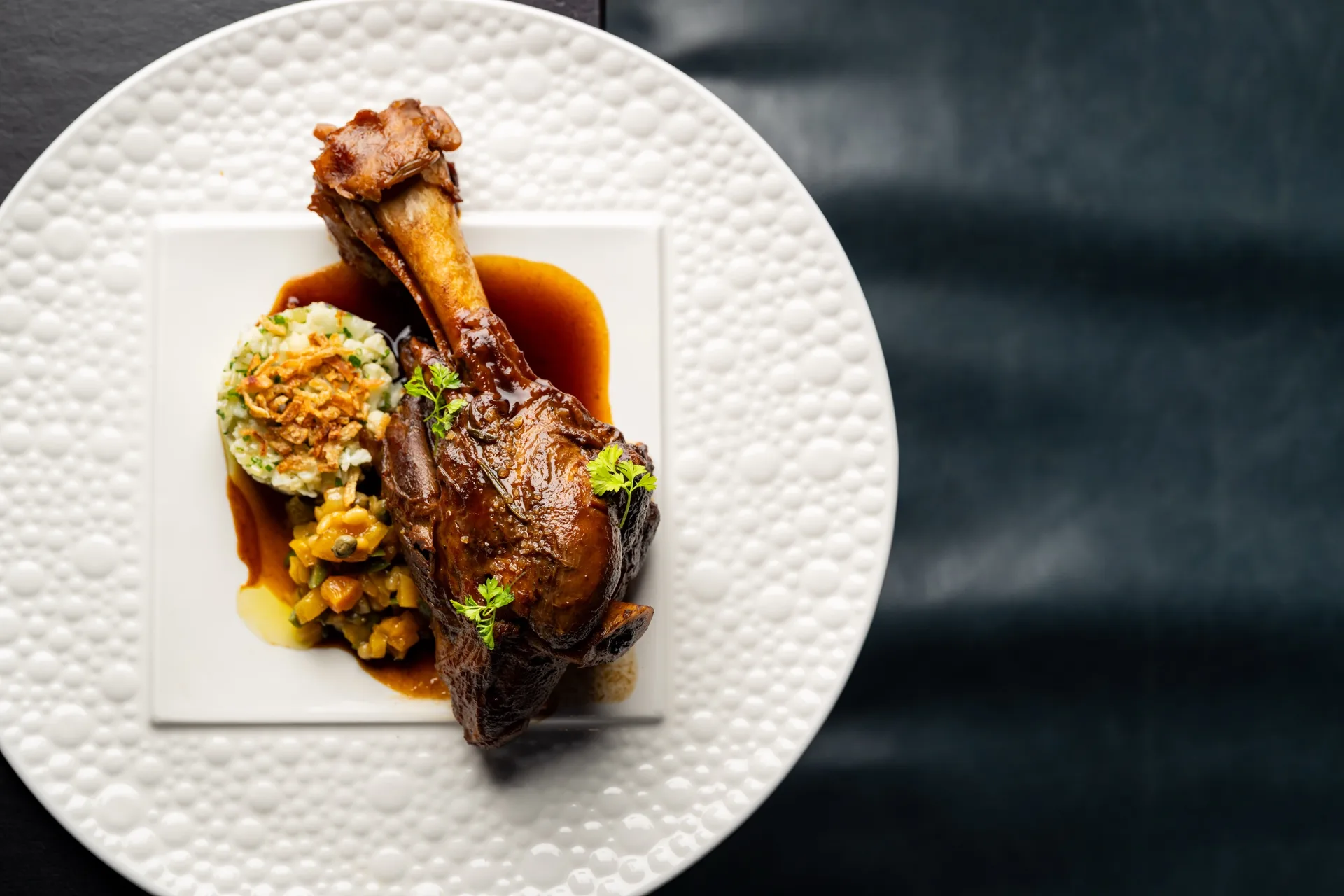
The menu reflects what the season offers and what the kitchen feels compelled to explore. An à la carte section runs from a raw bar with scallop crudo and lobster claws to entrées like venison carpaccio and Quebec foie gras in a vol-au-vent with rhubarb and morels. Plats principaux include a peppered Wagyu bavette and a bison Wellington — tenderloin wrapped in foie gras and mushroom duxelles. The raw bar, anchored at the front of the room, pairs crudo and bites with cocktails and Champagne.
For those who want the full arc of the evening, Carte Blanche is the chef’s tasting menu, composed entirely from what arrived that morning and what is at its peak. Five courses, served to the whole table, requiring about two and a half hours. The menu changes with the market; courses are not printed in advance.
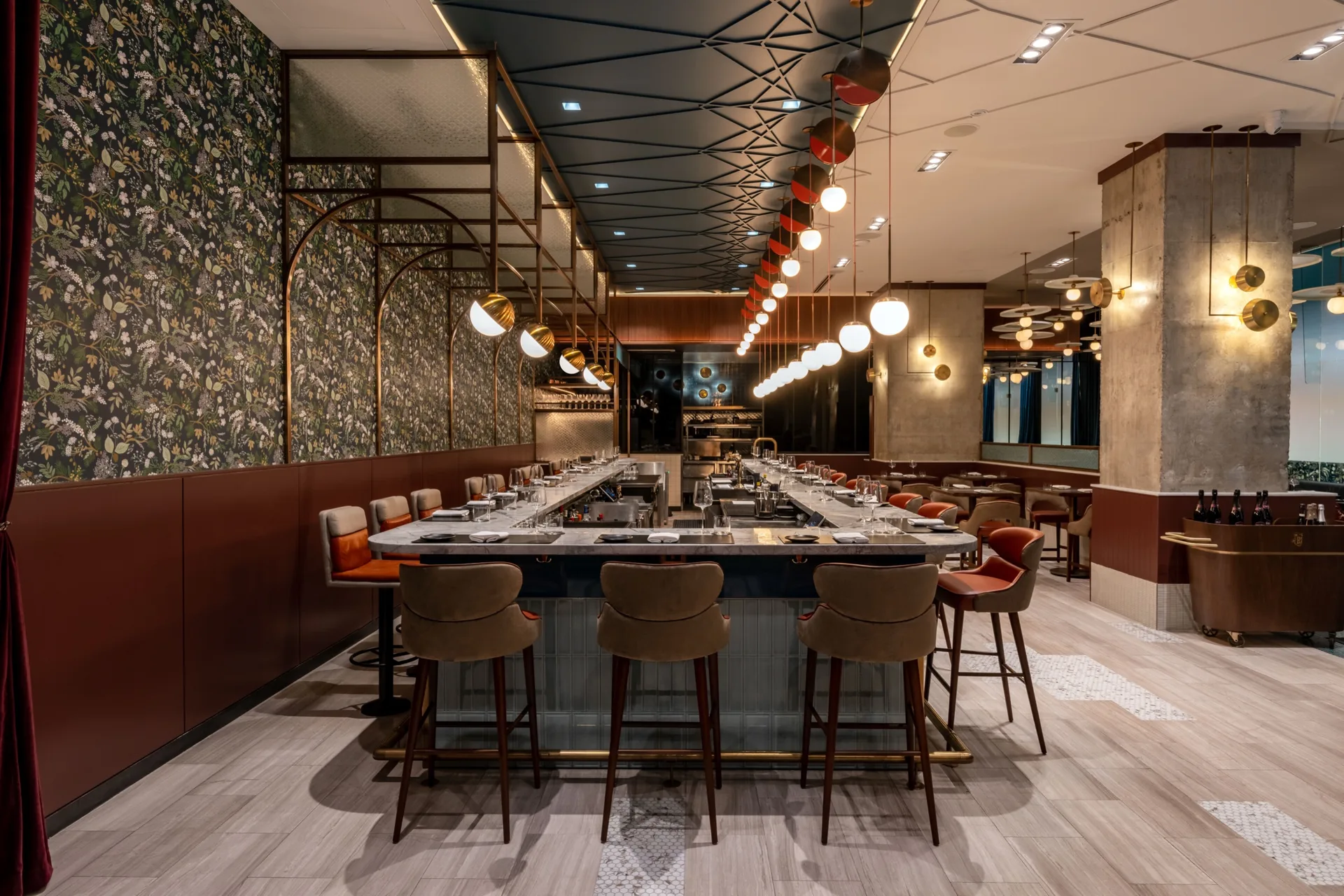
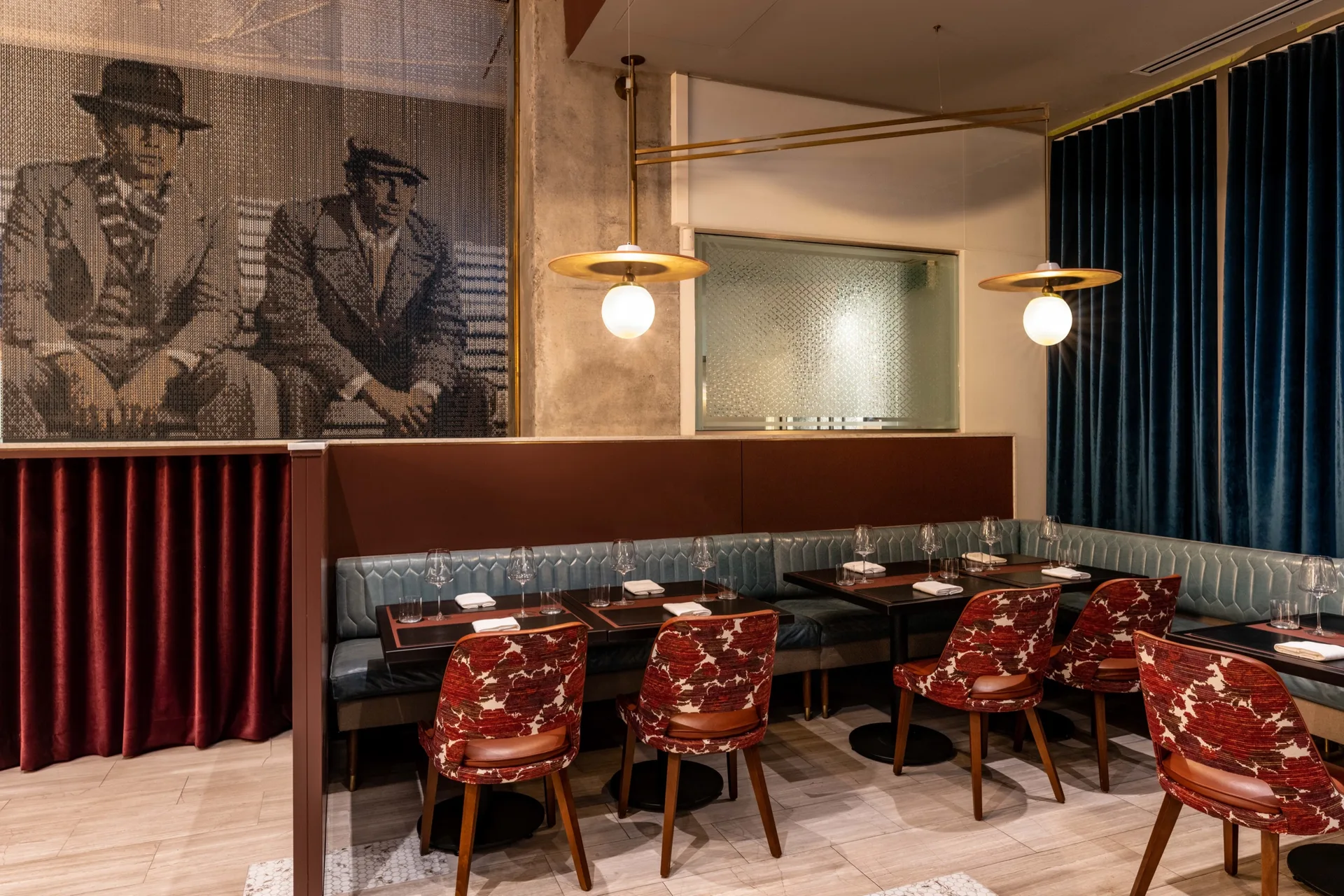
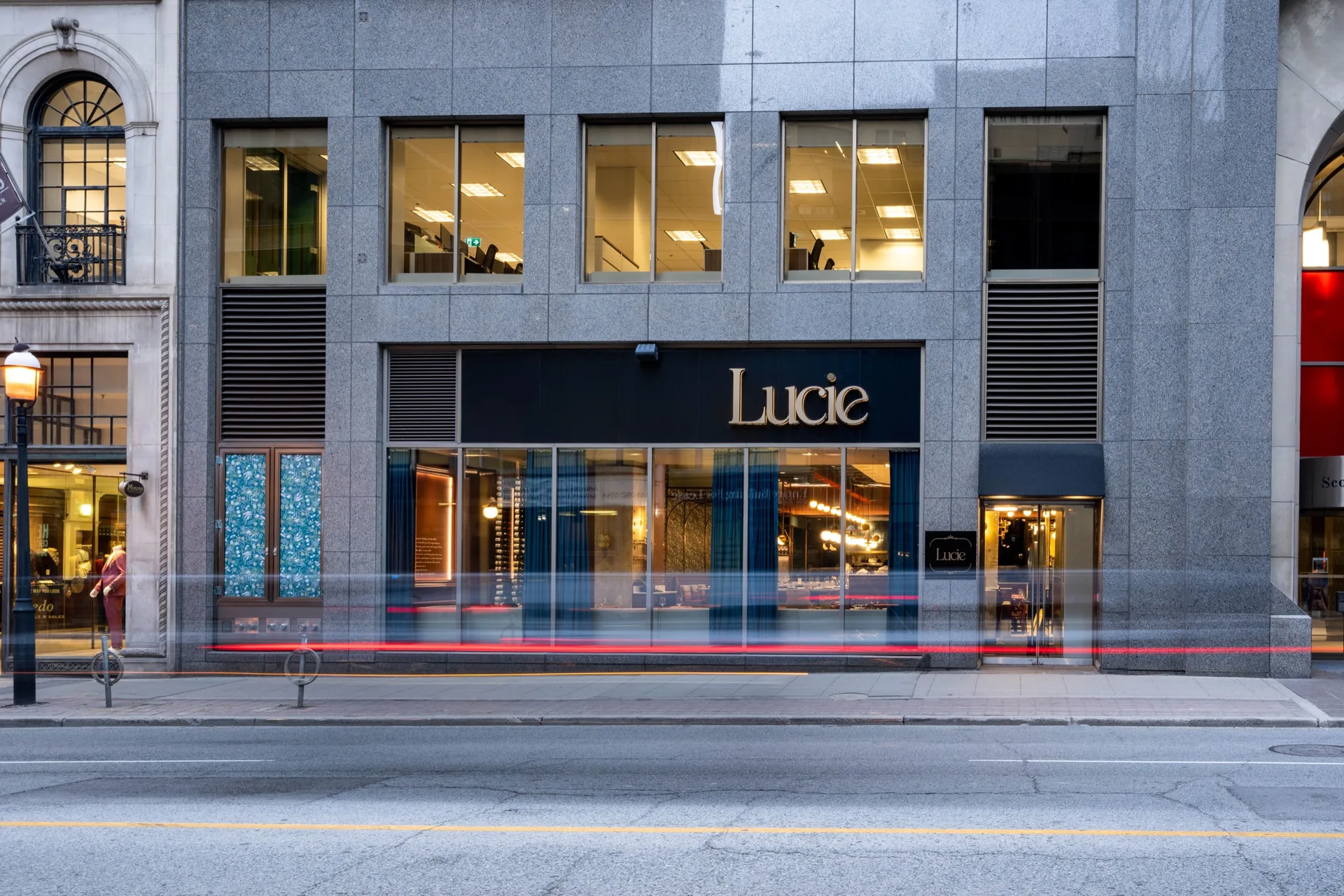
Three connected spaces form the dining room. The main room in deep blue velvet and warm brass. The front room with teal banquettes and a curated wine display. The bar, where every detail catches the light. The architecture rewards attention without demanding it. Guests can sit at the raw bar for a single plate and a glass of wine, or take a full meal in the dining room — the space moves at their pace.
Lucie’s approach has earned it a Michelin Recommended distinction in Toronto. That recognition appears naturally in the guests’ own words: “Lucie is absolutely deserving of its Michelin recognition,” one diner wrote. Another called it “the best dining experience we have ever had,” noting the attention to detail by the wait staff, the ambiance, and the impeccable delivery of flavours.
This is a French restaurant that wears its technique lightly. The kitchen’s point of view is clear: every plate is deliberate, not formulaic. The craft you can taste — handmade pasta, whole-animal butchery, an obsession with sourcing — comes from a chef who has spent more than a decade learning what makes people want to come back. At Lucie, that craft speaks French. The result is a room where the meal leads the evening, and where a grandmother’s table, reached across decades and an ocean, is set again in downtown Toronto.
Recognition

Ambience
Details
Location
 Instagram