
The story
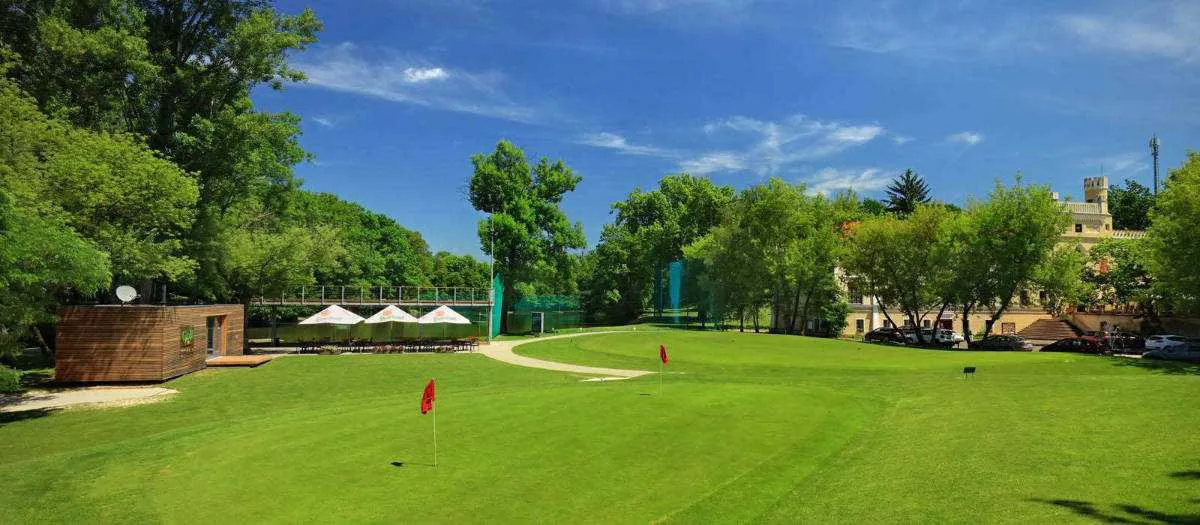
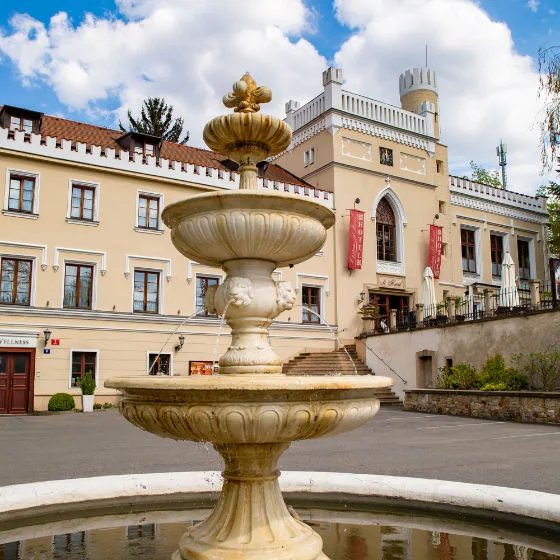
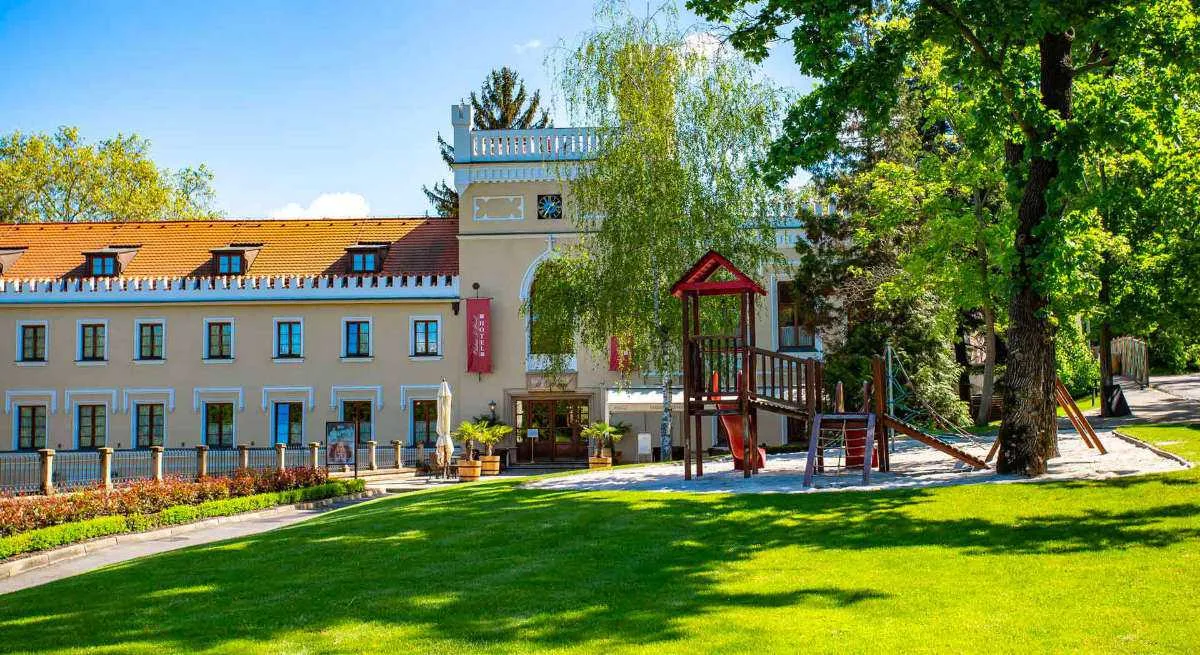
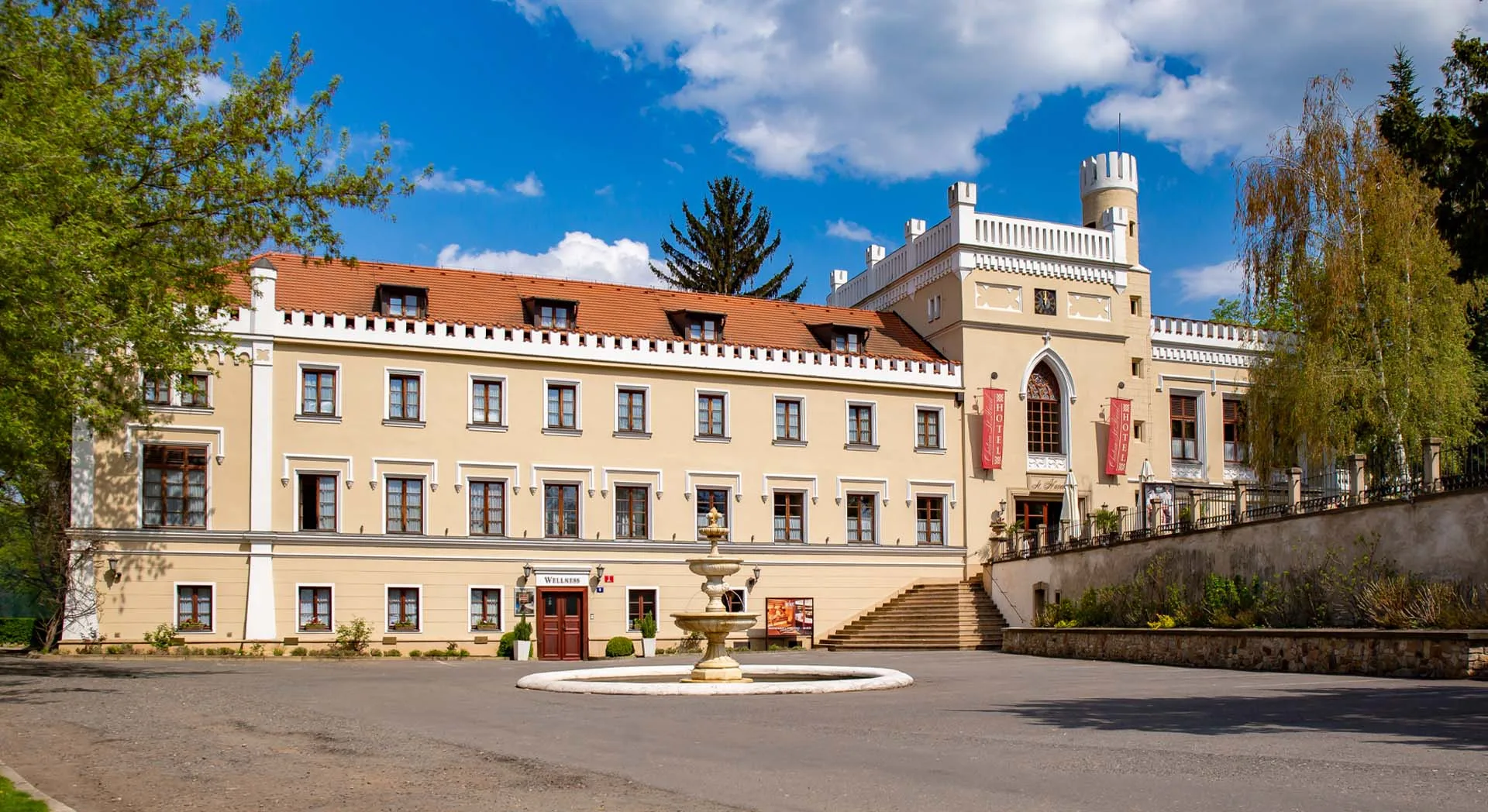
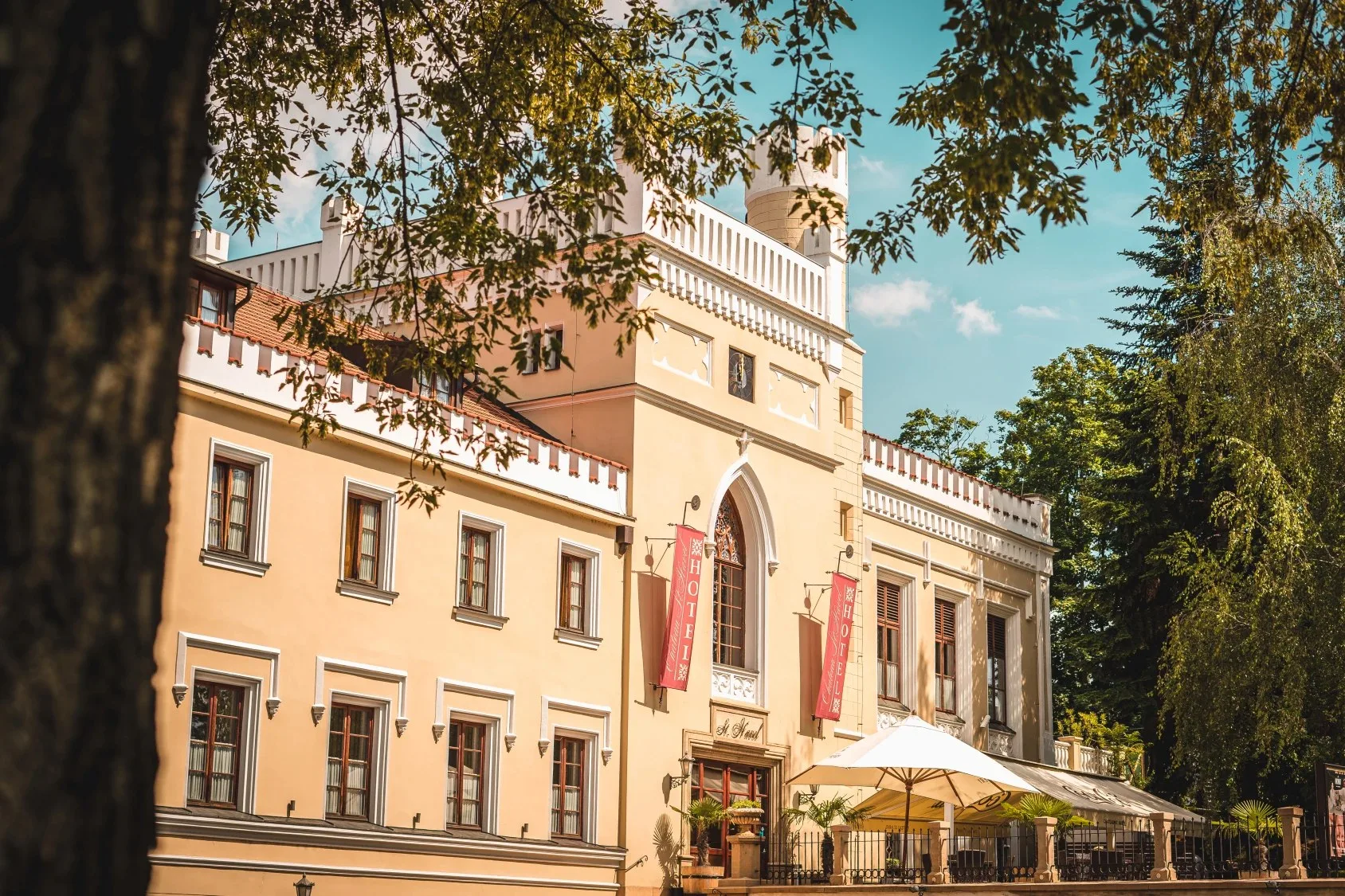
Chateau St. Havel in Prague anchors its Czech and European kitchen within a building first documented in 1273. The structure began as a defensive tower for villagers before expanding into the neo-gothic hotel that stands today. An English park with still ponds surrounds the grounds, keeping the pace steady away from the capital’s center. These historical layers inform a dining approach that respects classic regional traditions while testing modern technique boundaries.
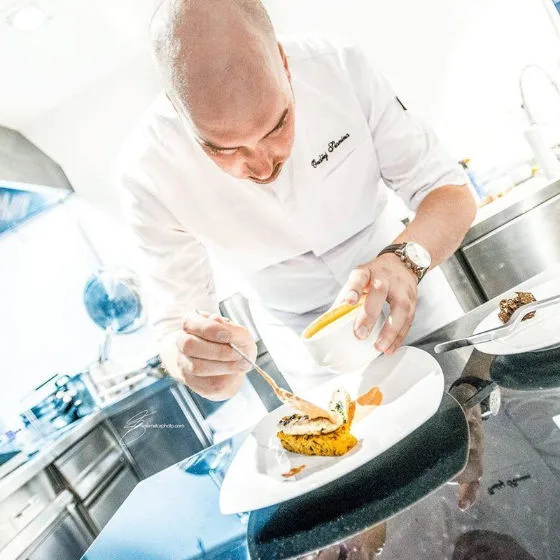
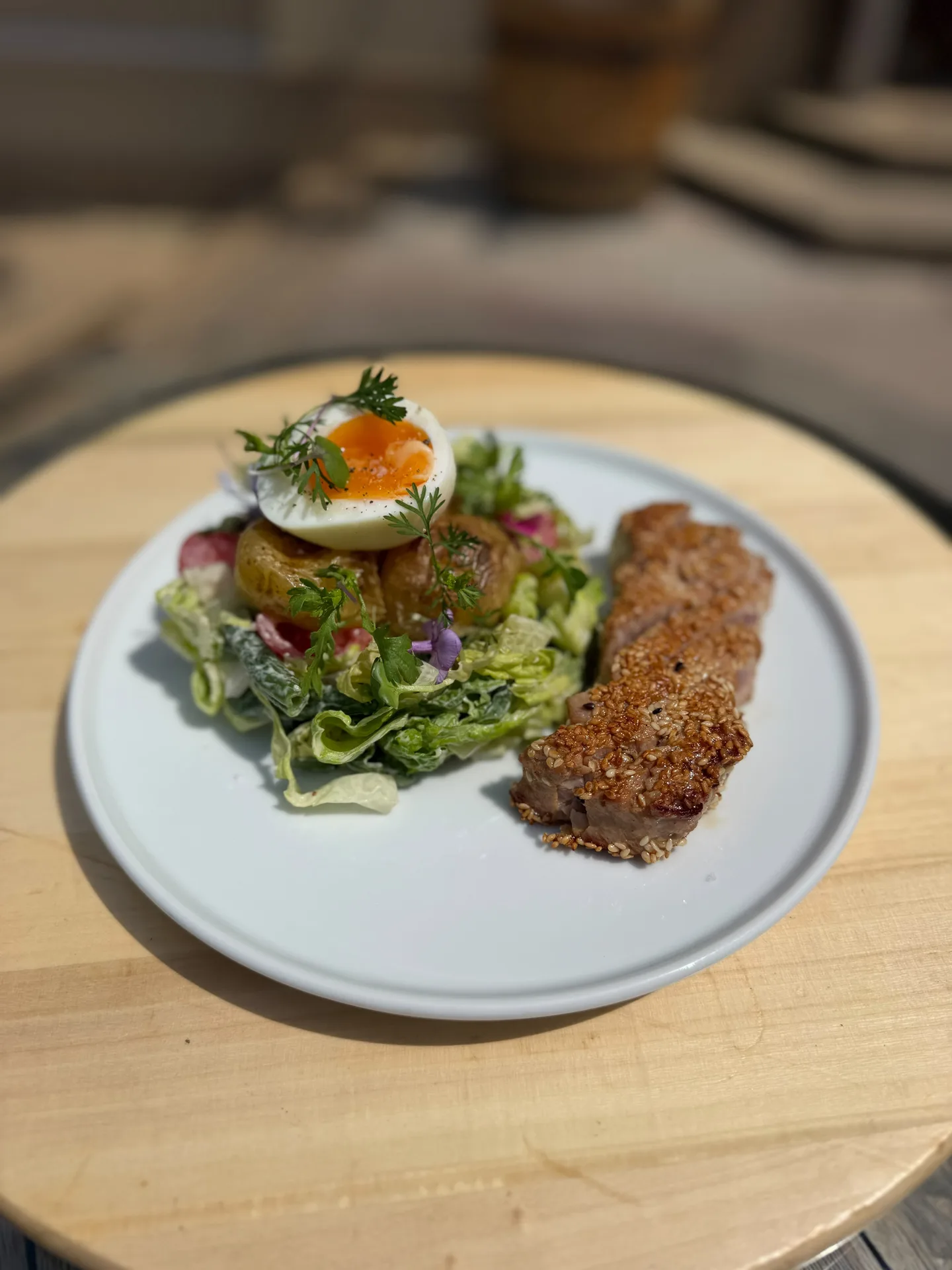
The kitchen sources produce directly from local breeders and farms, ensuring most items carry BIO certification. This focus guides preparations like monkfish slow-poached in a rosé wine reduction, served with pea purée and a precise cube of kohlrabi. Roasted veal loin accompanies tart gooseberries and rolled spinach pancakes throughout the current lineup. Such careful flavor layering recently secured thirteen points from Gault&Millau.
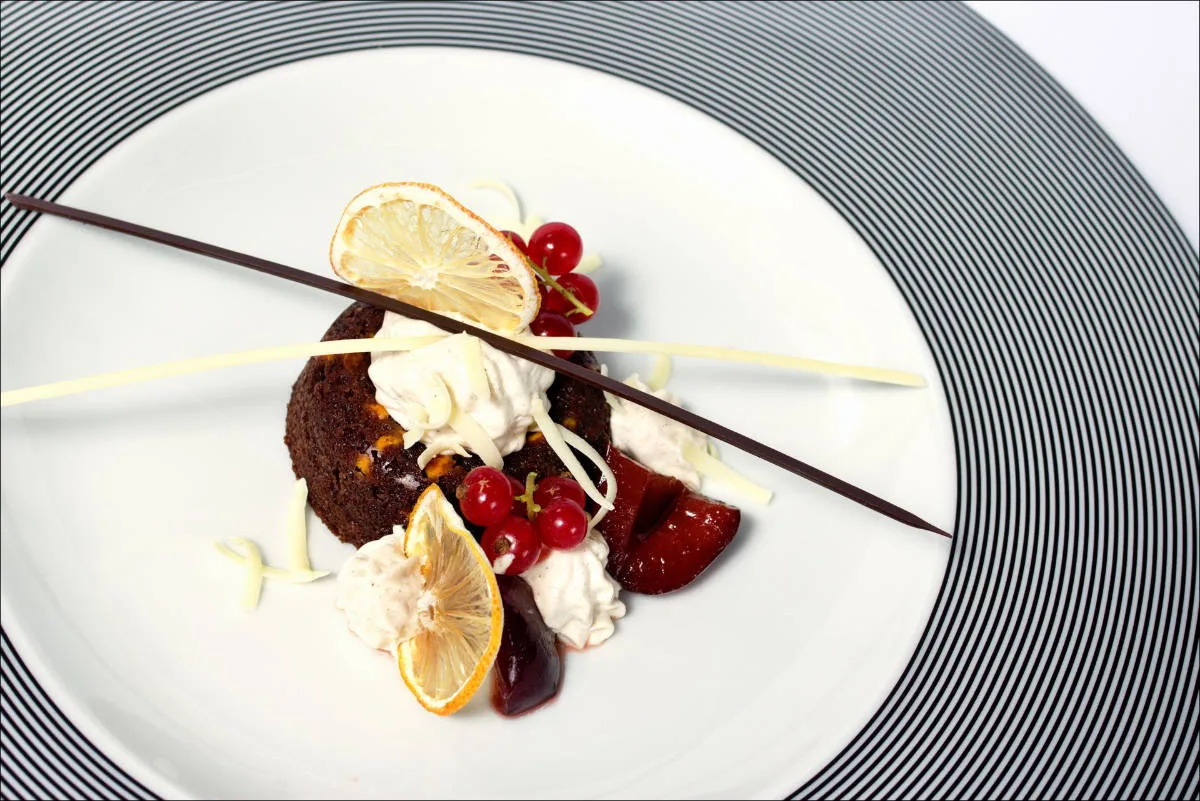
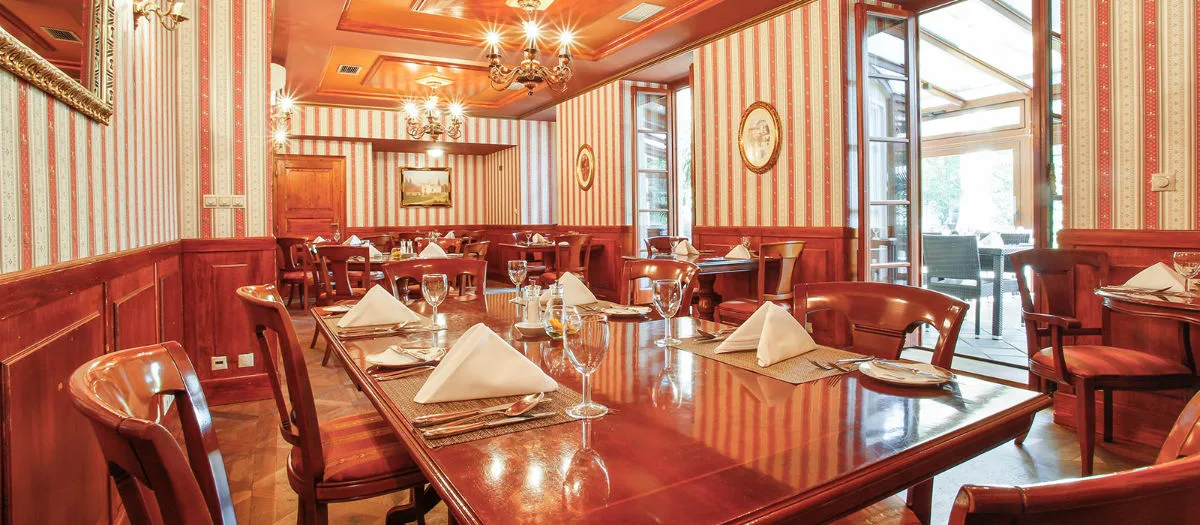
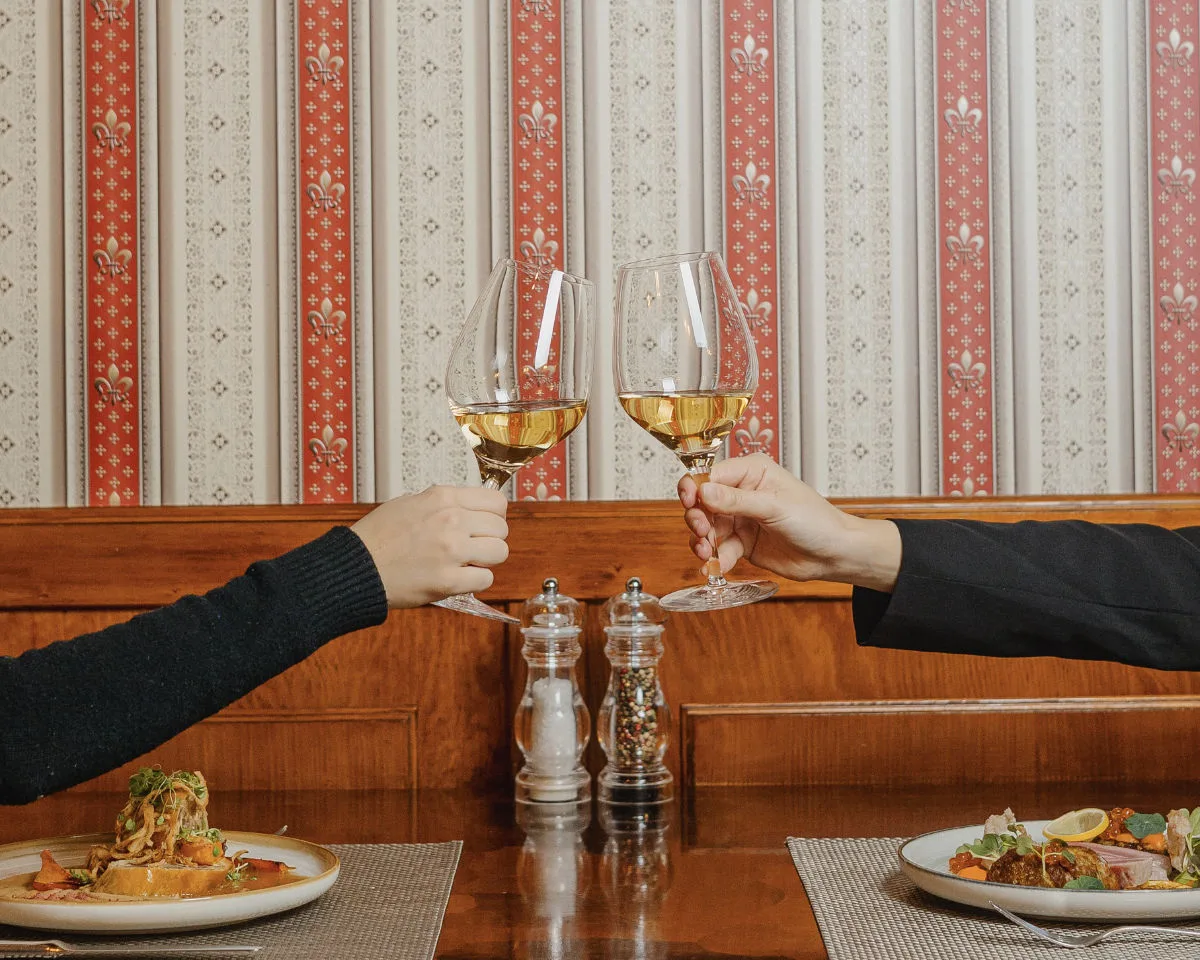
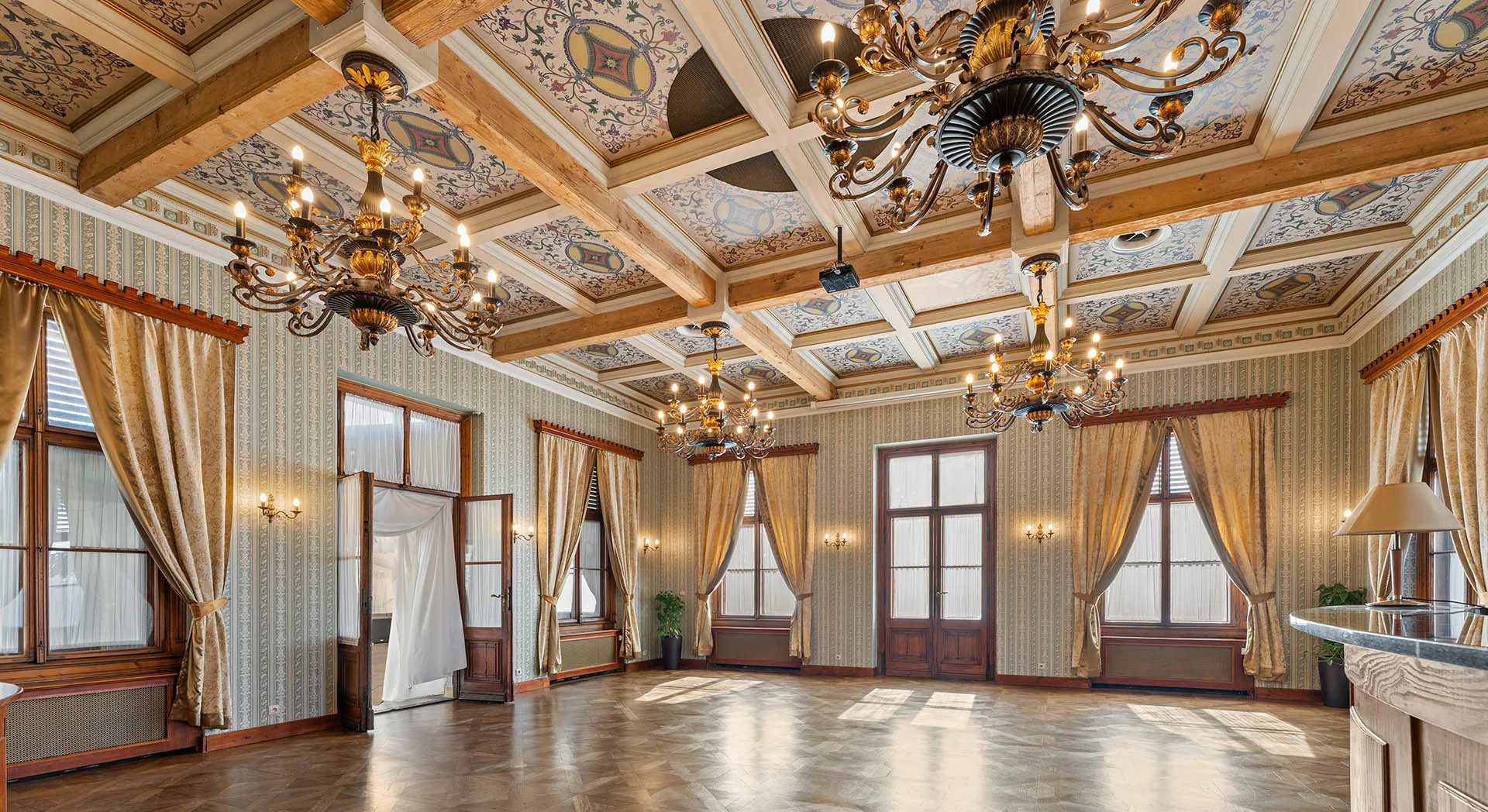
Guests settle into a retro-styled interior designed to keep evening conversations comfortably low. Sommeliers curate a broad selection of wines and spirits to match the rotating menu offerings. Staff members stay closely trained on pairings, guiding visitors toward drinks that complement the richer protein preparations. A final course of blackberry parfait with currant meringue usually signals the end of a measured service.
Historical records trace the property back to a fortified tower built near Vyšehrad Abbey in 1273. Ownership shifted through several centuries until a complete renovation restored the neo-gothic façade and added twenty-eight guest rooms. Today the same grounds host a dedicated cooking school where visitors learn seasonal preservation methods. This commitment to hands-on instruction mirrors the restaurant’s own dedication to sourcing and preparation.
Recognition

Ambience
Details
Location

 Facebook
 Instagram