

The story
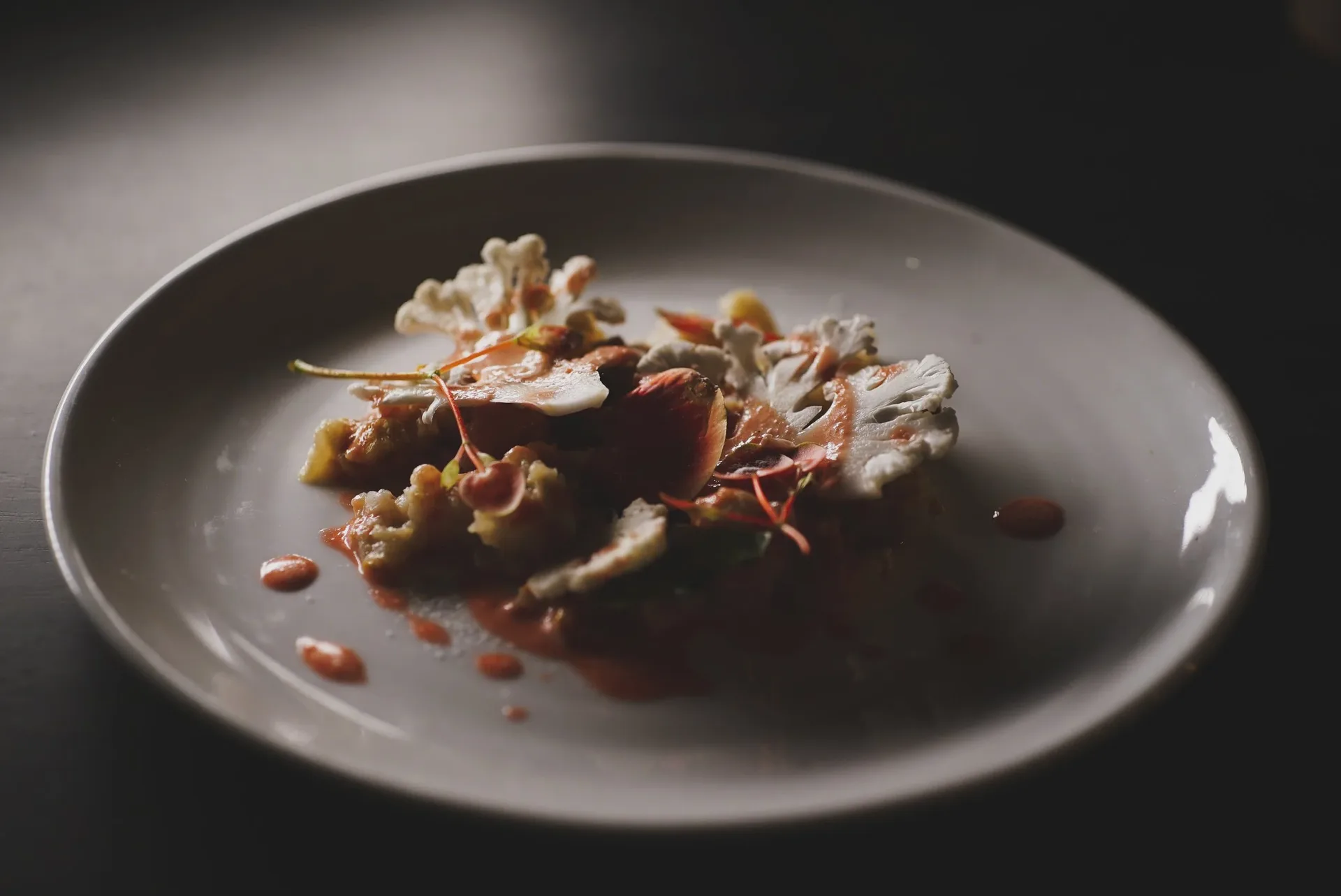
At Moulin d’Alotz, chef Fabrice Idiart writes a quiet manifesto. “Gastronomie enracinée” – rooted gastronomy – is his phrase, and the menu unfolds as a “plaidoyer végétal,” a vegetable plea. The building is a 17th-century mill in the Basque countryside, a place that, Idiart says, “vibrates” with his energy and vision. He grew up in this region, and his cooking is an ode to the raw, poetic, and intriguing nature of the Basque Country.
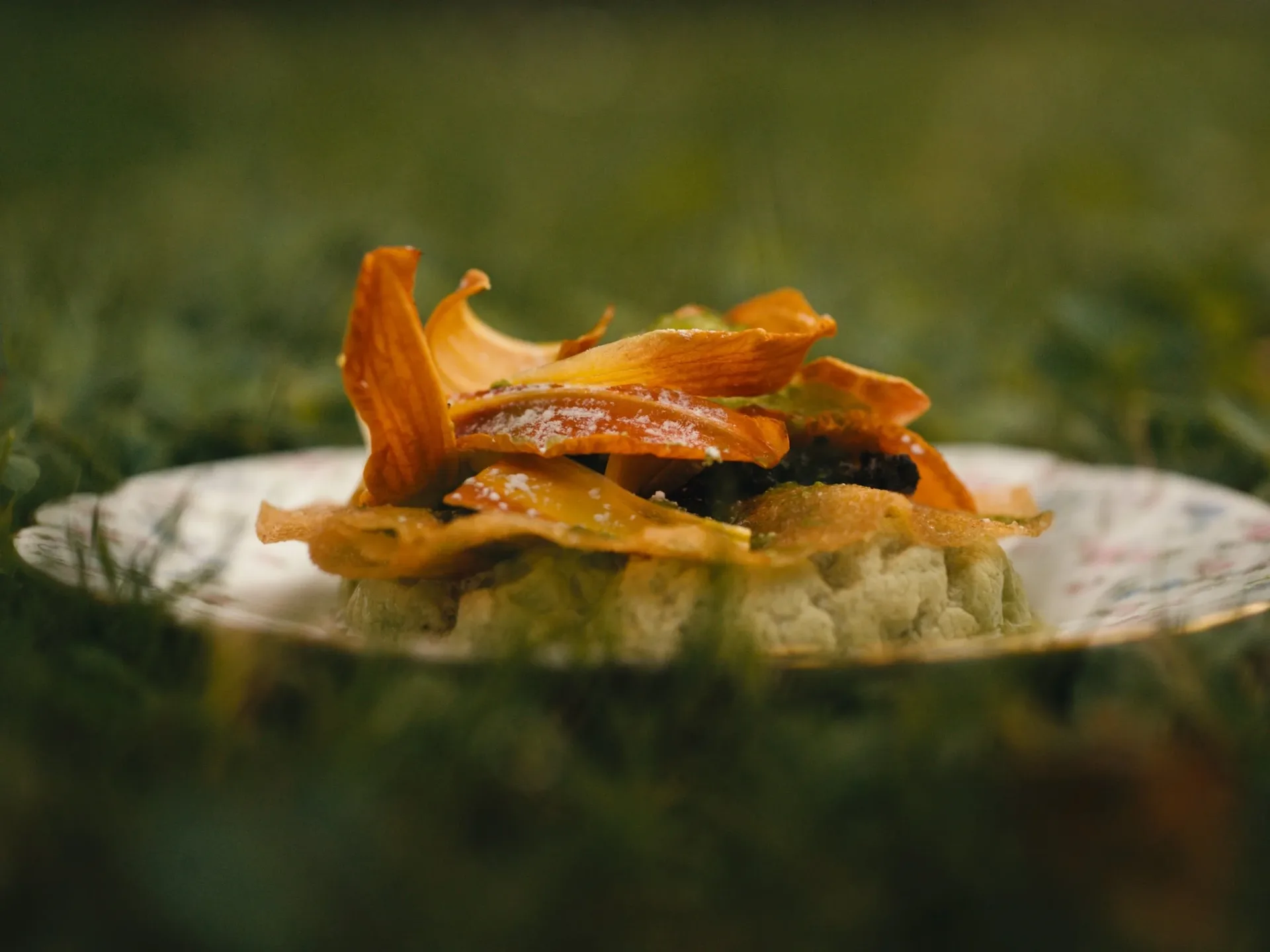
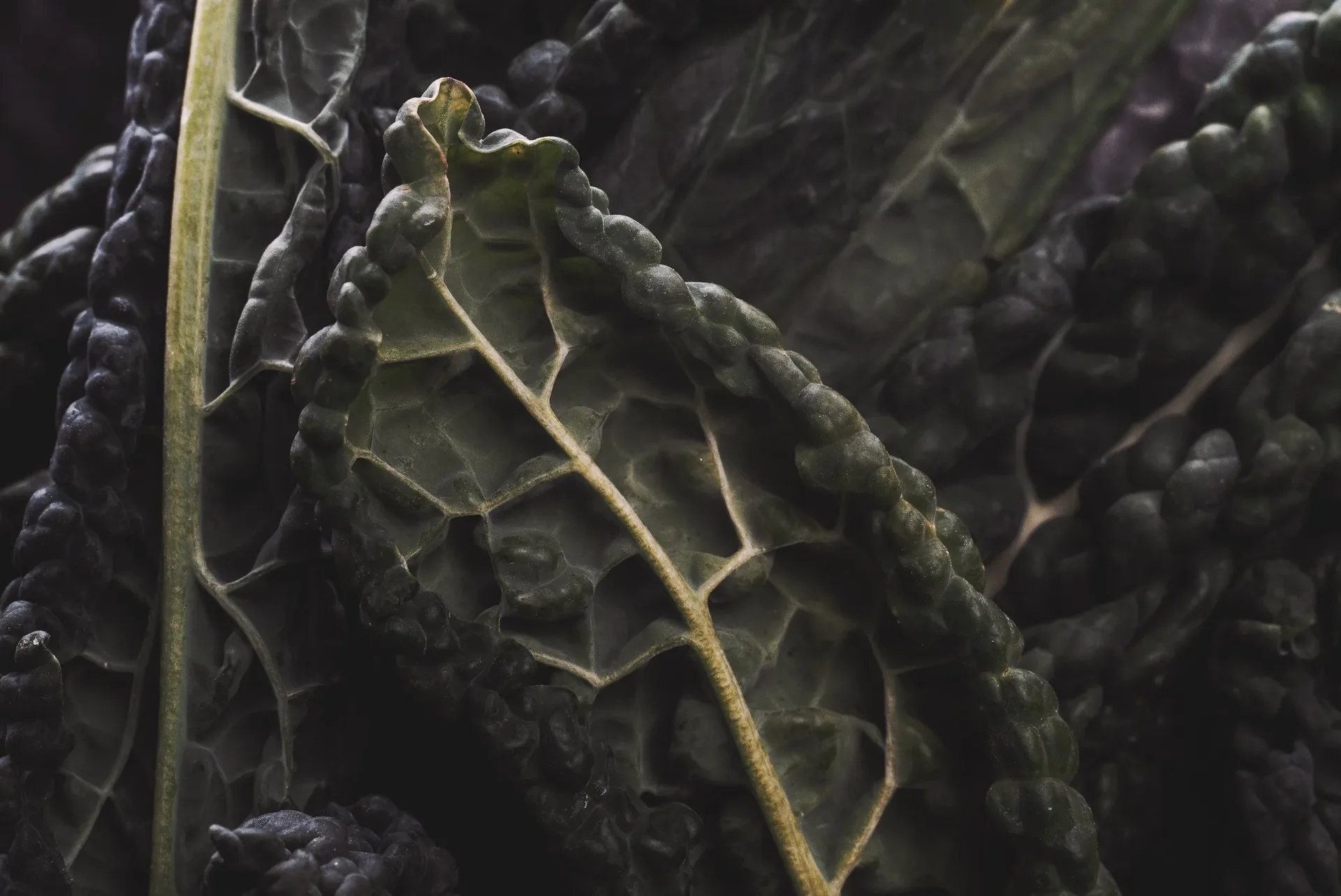
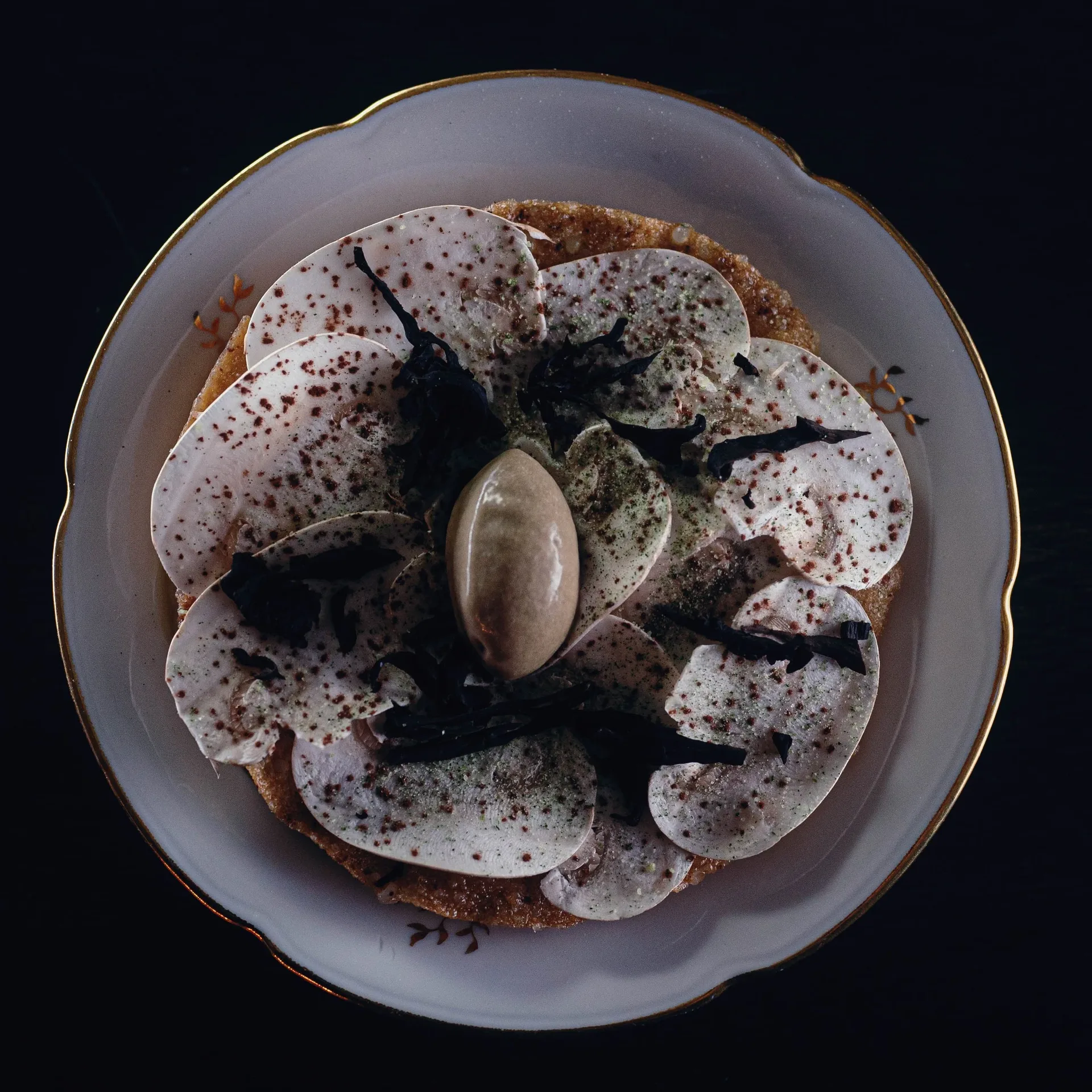
Idiart didn’t learn vegetables as a main course in culinary school; they were always garnishes. His shift to a 100% plant-based menu came from a place of creativity, not militancy. “The vegetable is the element that speaks to me most,” he explains. Dishes follow like acts of an opera, with vegetables leading the narrative through changing seasonal rhythms. The result earned a Michelin star in 2026 for high-quality cooking, recognizing Idiatr’s singular, vegetable-focused path.
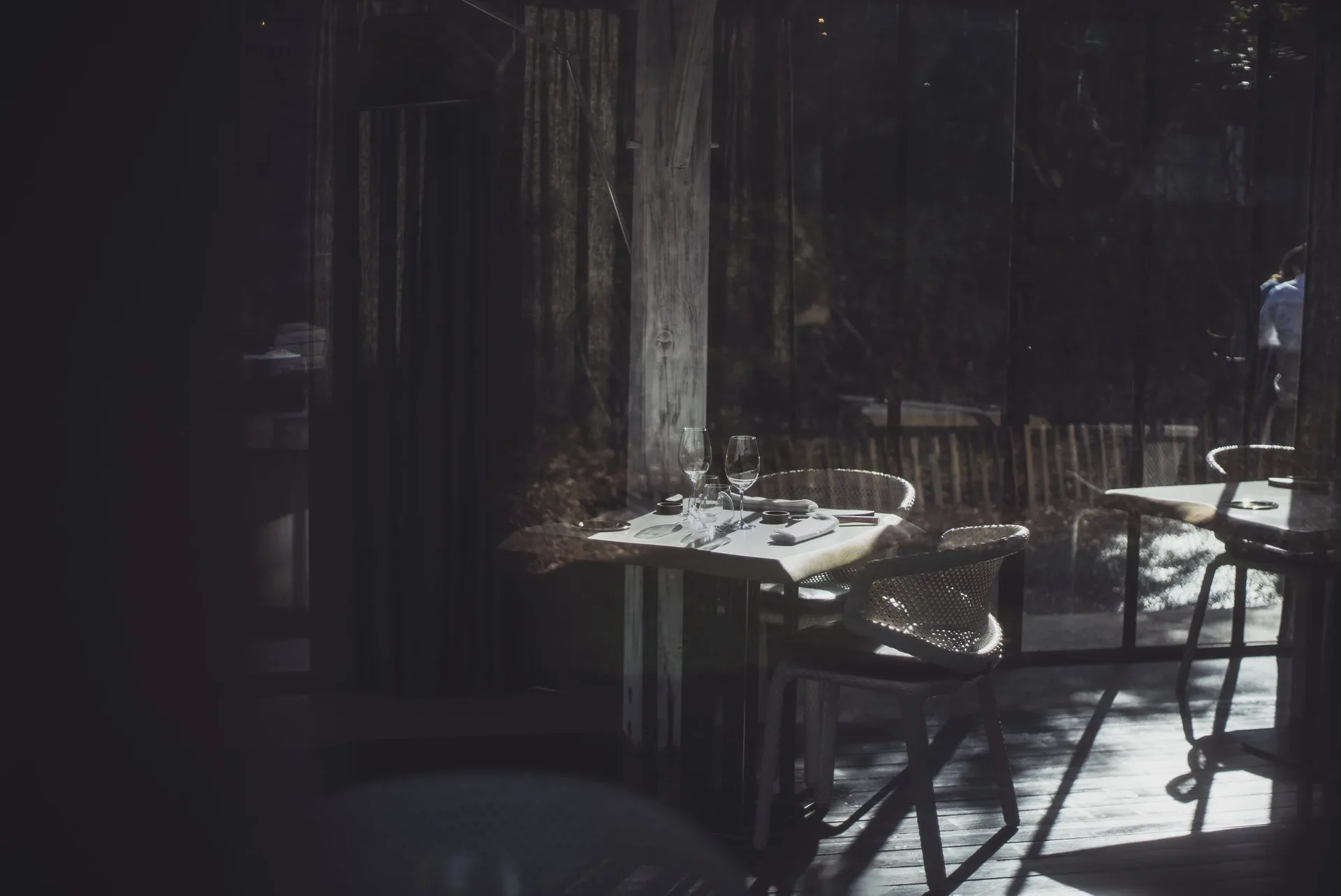
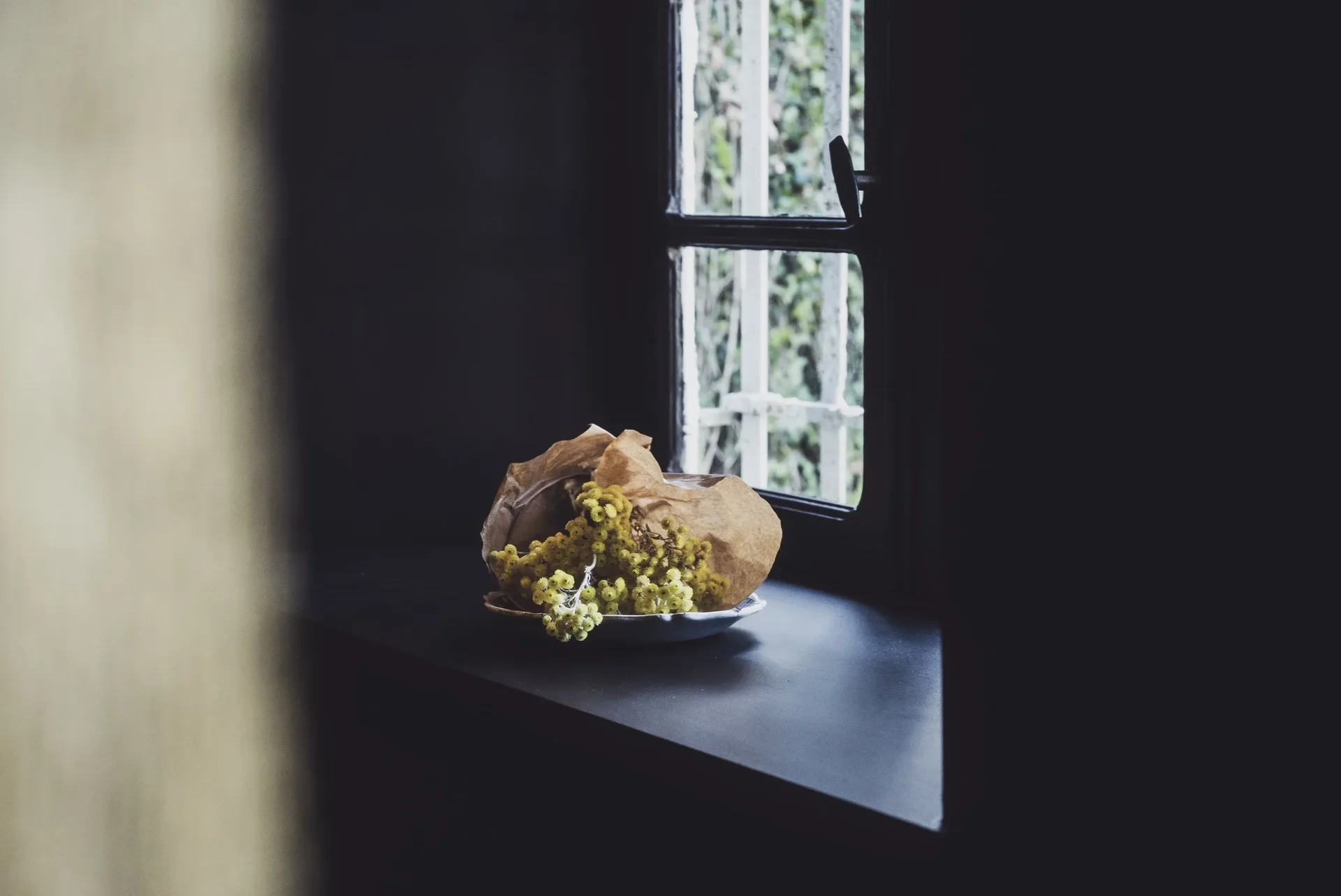
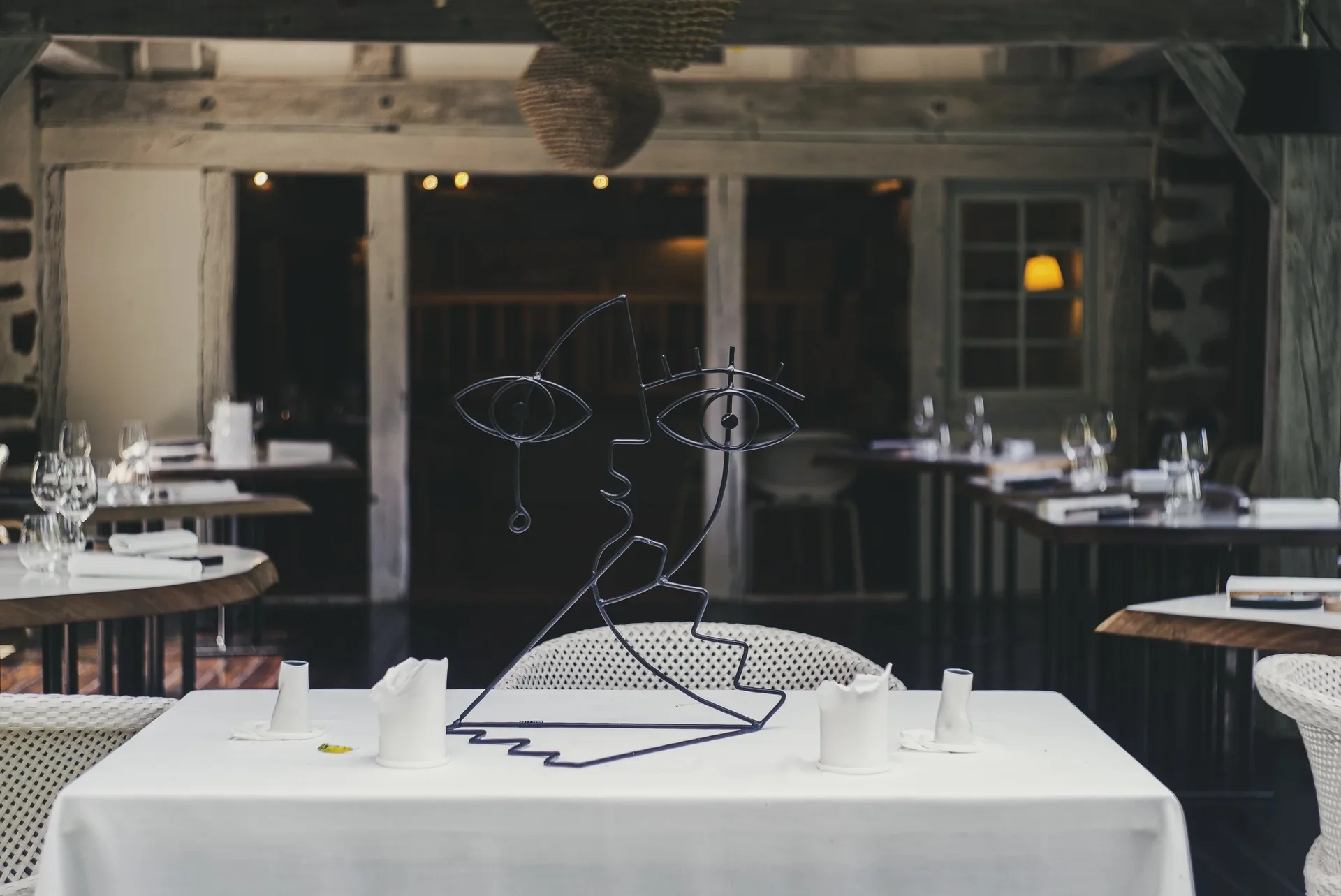
The mill itself is a stone-and-timber structure that feels both ancient and alive. Outside, there is outdoor seating; inside, the dining room is intimate. Meals are served as multi-course menus – a Signature 6 service at €131, or a paired version with house cocktails and wines. The pace is unhurried, and the chef insists on not missing a single moment of exchange with his guests. That improvisation, that “osmose,” fuels his creativity.
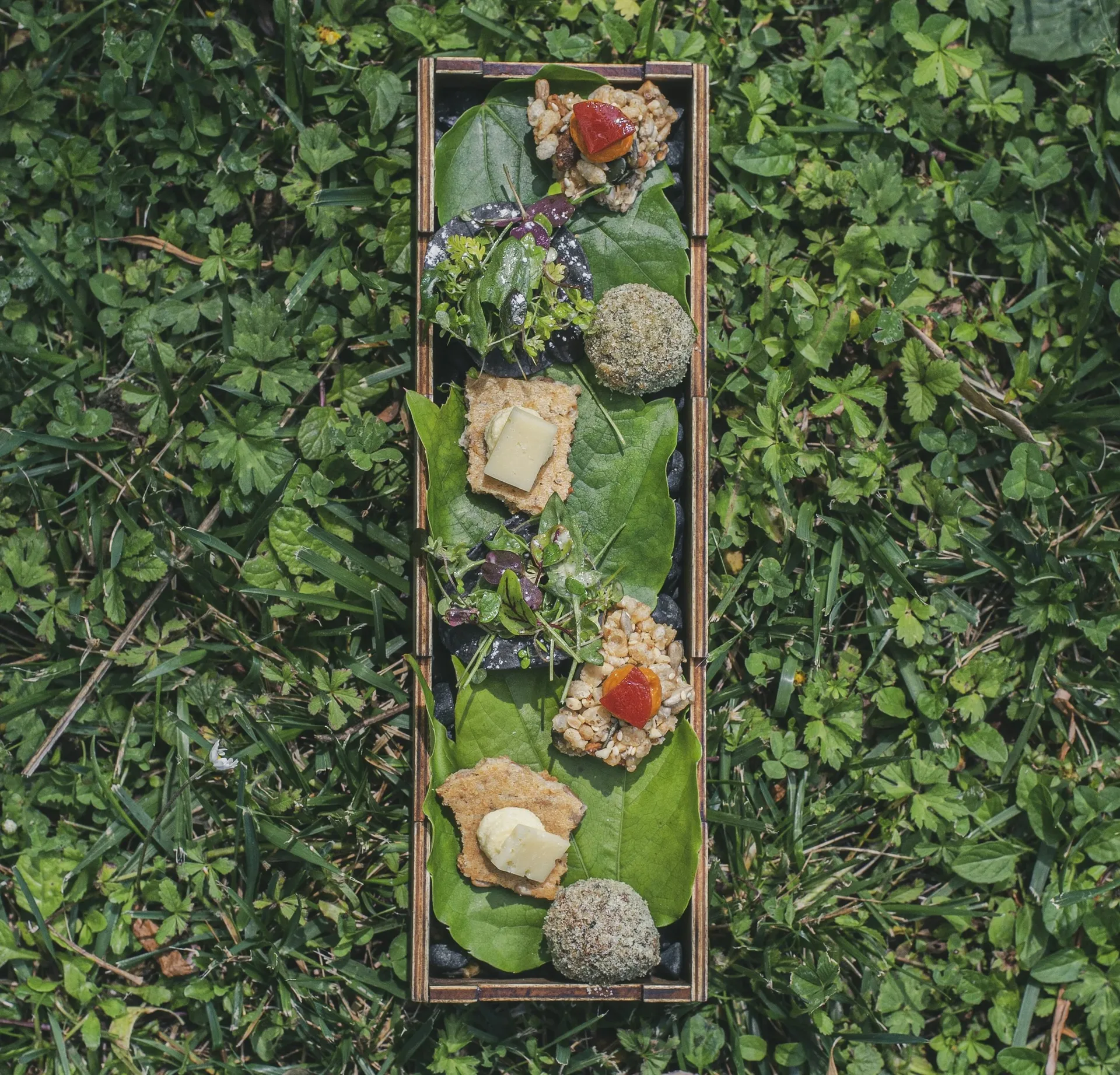
Idiart carries three ingredients with him always: a jar of preserved cèpes from his mother, father, or godmother; a mix of dried fruits; and a good olive oil. These are the anchors of a kitchen that celebrates the vegetable in all its forms. The cuisine is vegetarian-friendly and vegan-friendly by nature, not by label. Dining here is a reminder, as the chef puts it, “to walk barefoot in the grass” – to awaken the intuition of childhood and find the enchanting vision of the world around us.
Recognition

Ambience


Details
Location








 Instagram