
The story
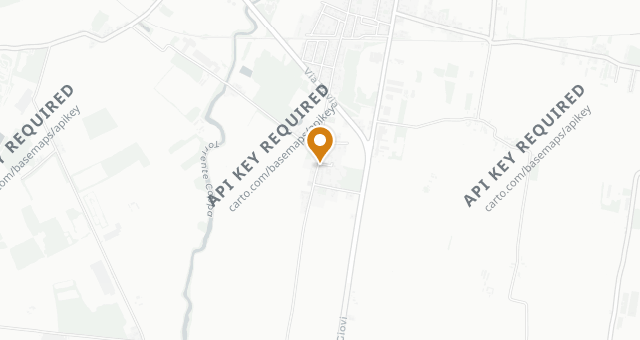
In the hamlet of Argine, a frazione of Bressana Bottarone, a 14th-century castle stands well-preserved among the surrounding houses. It is here, inside the old inn of the Castello di Argine, that Chef Simone Bottazzi opened Novanta in February 2023. The restaurant’s name and setting immediately ground it in the layered history of the Oltrepò Pavese, a region that has long been a crossroads of culinary traditions.
Bottazzi’s approach is rooted in the idea of “cucina di confine” – border cuisine. The Oltrepò Pavese sits at the meeting point of Lombardy, Emilia, Piedmont, and Liguria, and Novanta’s cooking reflects that osmosis. The team studies the region’s traditional recipes, especially those of grandparents, while working with a carefully selected network of local producers. They are part of the Slow Food Alliance of Chefs, a pact that promotes good, clean, and fair food. In February 2025, Novanta was included in the MICHELIN 2025 guide, a recognition that speaks to the quiet precision of what they do.
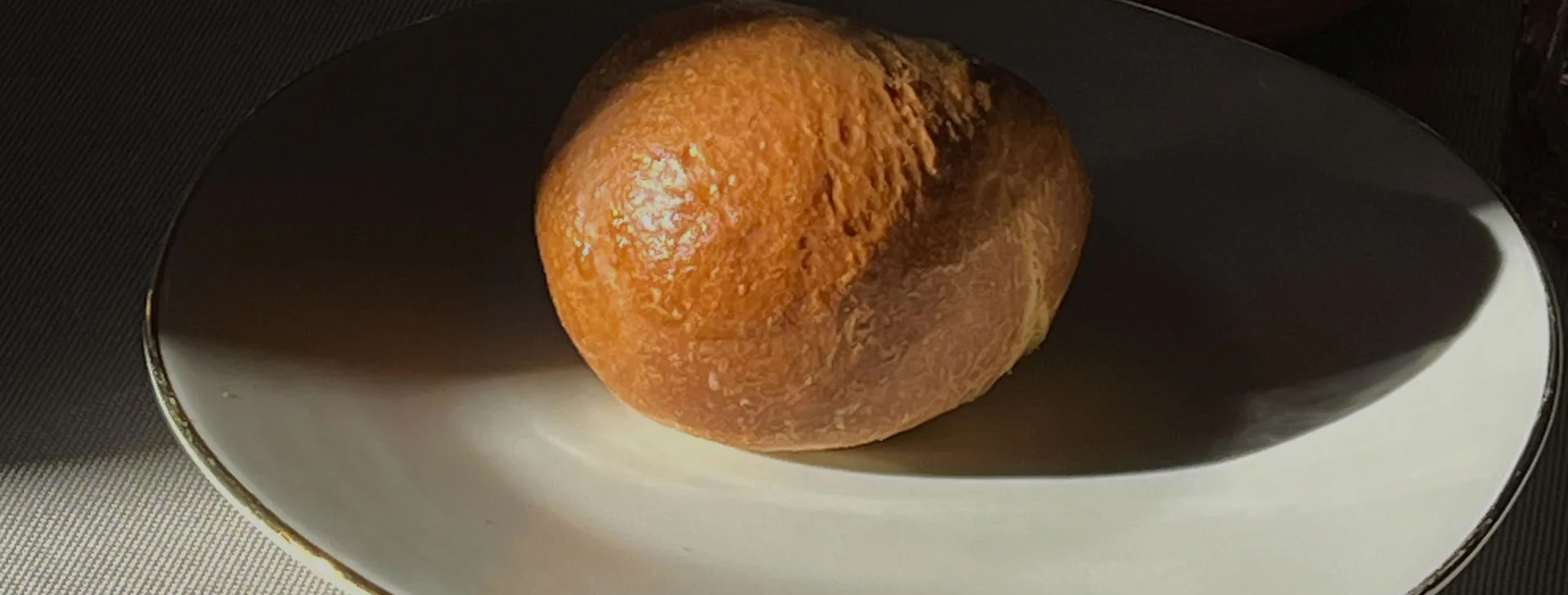
The ingredients tell a story of place. Vegetables and aromatic herbs come from Acà Oltrepò Pavese, a farm that grows ancient varieties. Meat is sourced from Macelleria Bertone, where the supply chain is ultra-short, and the bread uses ancient grains from Il Boscasso, grown at 600 metres altitude. Fish includes baccalà, tied to the historic Via del Sale that crosses the region. The cheese selection features producers like Gino Verdi, a talent scout of Lombardian products, and the salumi speak to a close link with the Food Valley of Parma – the restaurant’s sommelier, Simone Verdi, is half-Parmesan.
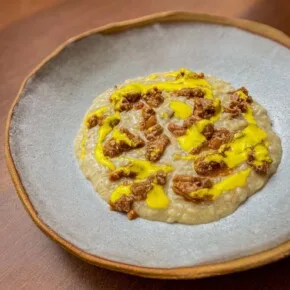
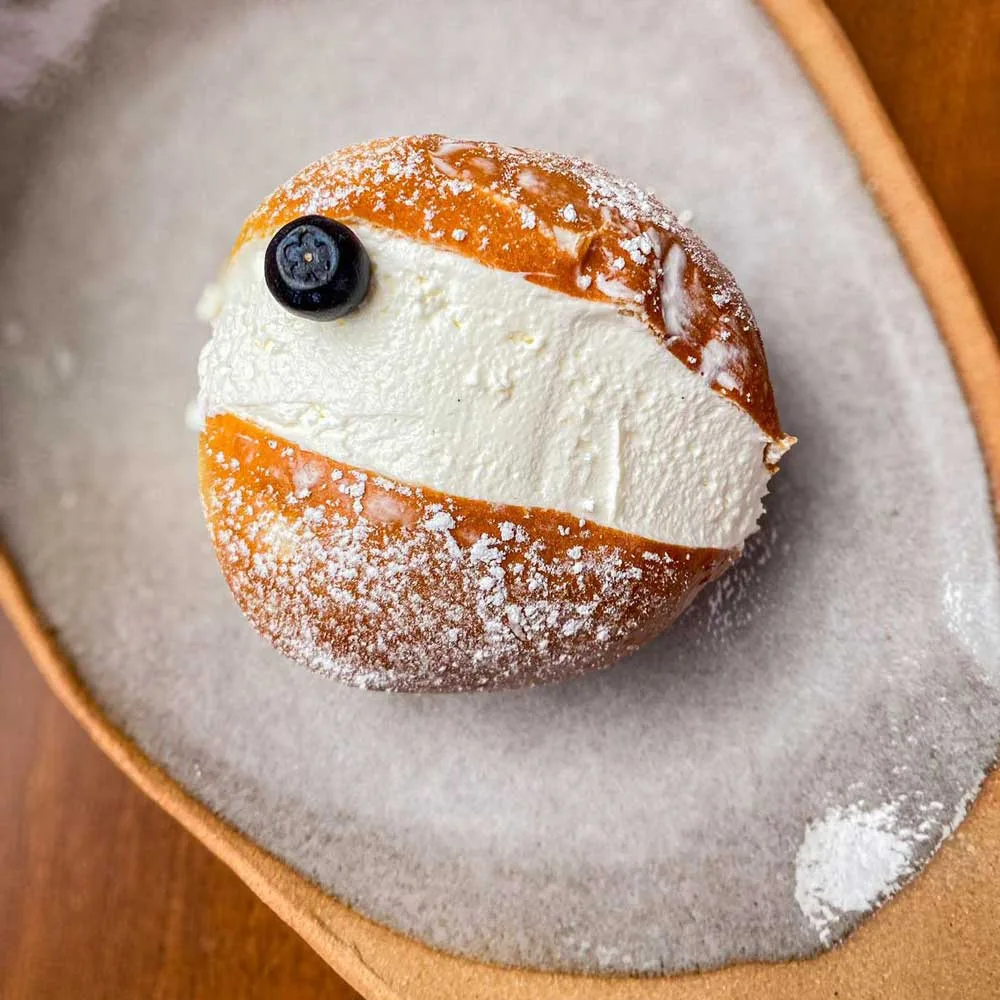
The menu is named “Confini” – borders – and it is a tasting journey through these influences. Antipasti might include a battuta of beef diaphragm with wild rocket and Chartreuse mayonnaise, or a millefoglie of tongue and toasted brioche with mushrooms and a reduced rum sauce. Primi range from potato gnocchi with cuttlefish, broad beans, and Ligurian trombetta zucchini, to agnolotti of braised Varzese beef. Secondi show a similar range: monkfish lacquered on a spit, a duck breast cooked rosé with pea purée, or a Slow Food cheese platter with Silter and Furmac dal fèen. Desserts finish with a house tiramisù or a pavlova with natural yoghurt and strawberries.
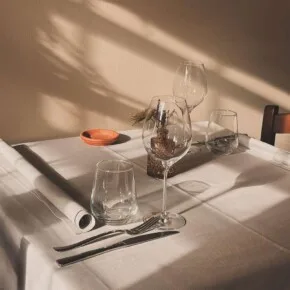
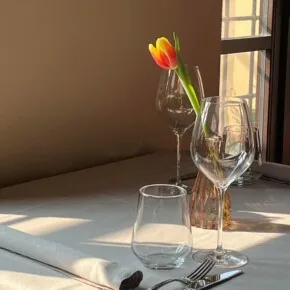
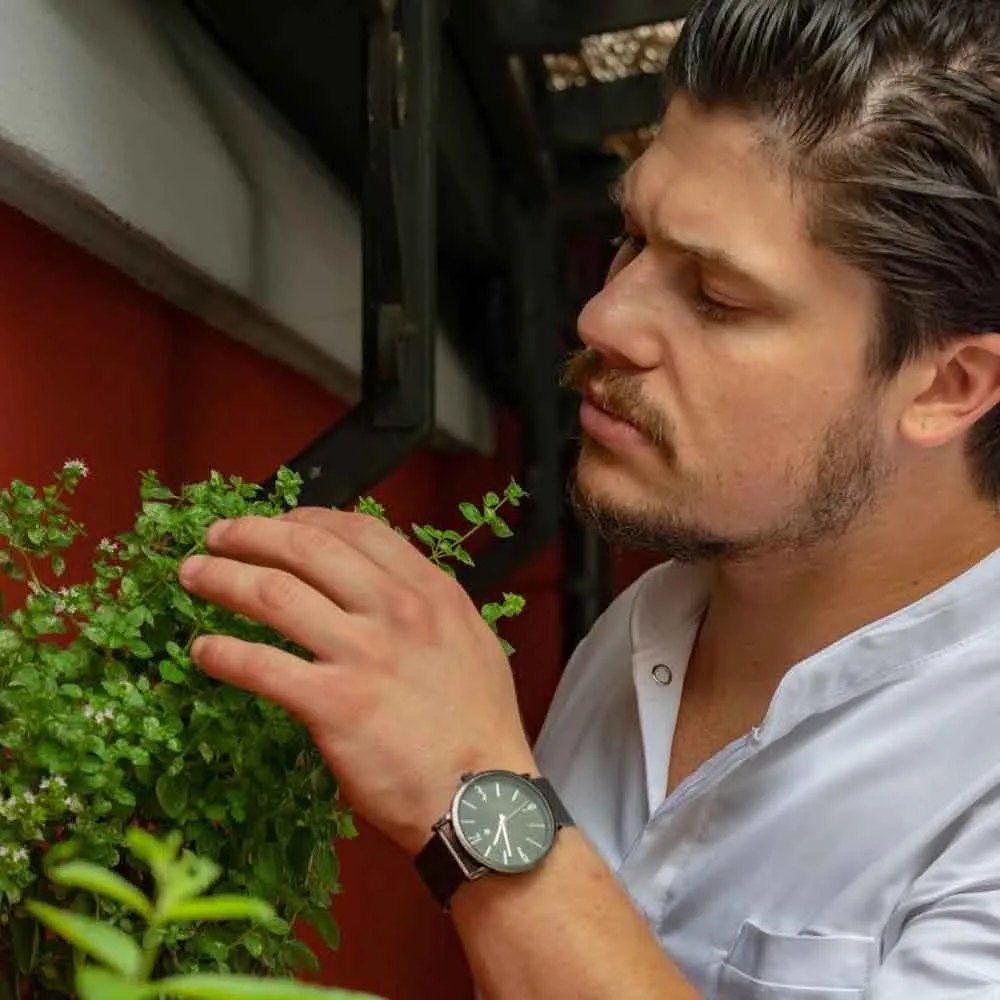
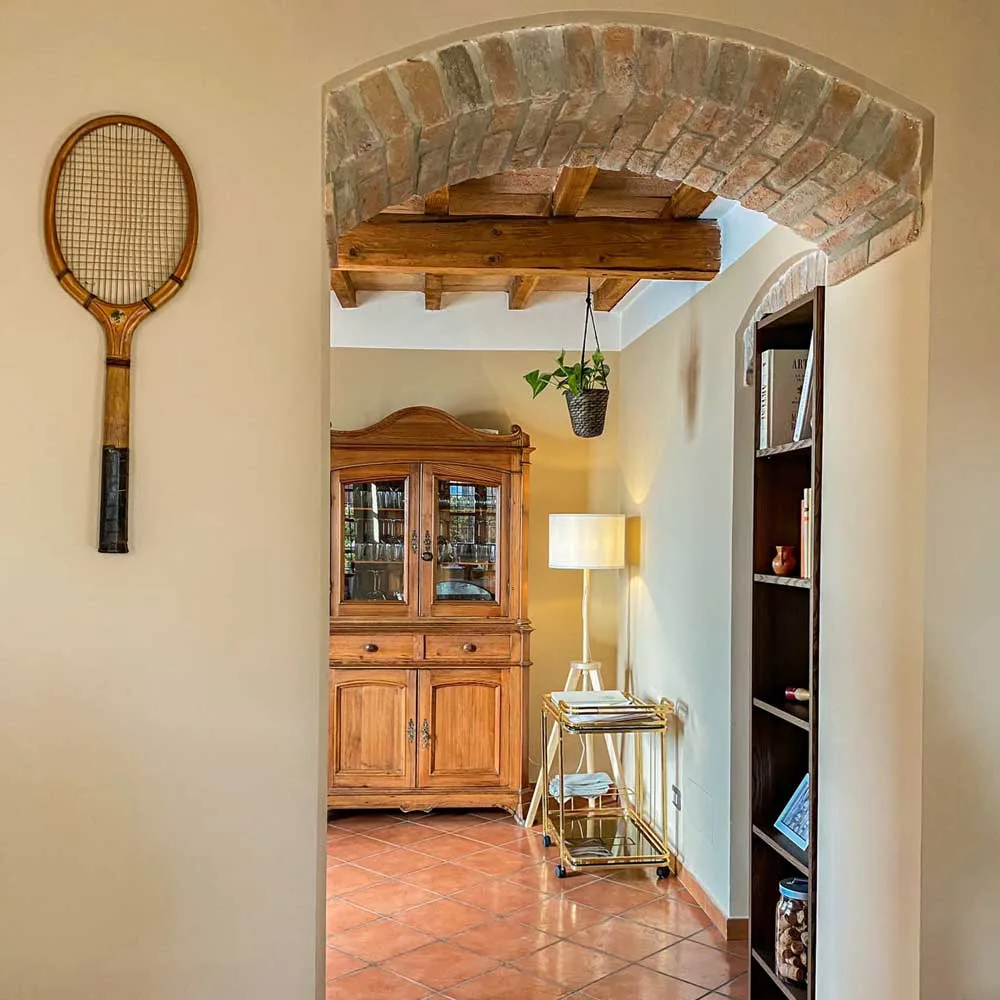
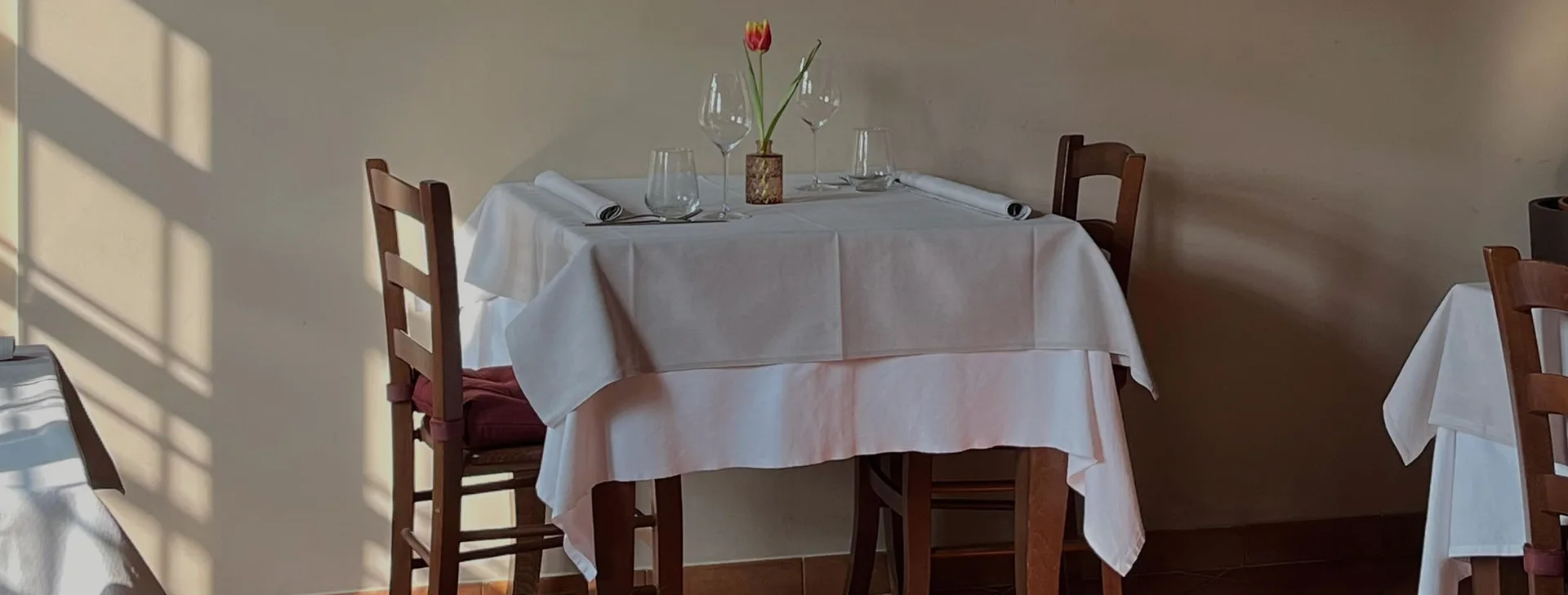
The restaurant describes itself as “a place where being curious is what matters.” The team is small: Simone Bottazzi in the kitchen, and Simone Verdi in the dining room, a sommelier and illustrator who also runs the Uain Clab project within the restaurant. The space, within the old castle inn, feels both historic and immediate – a spot where the traditions of Lombardian cuisine are given a young, thoughtful voice.
Recognition

Ambience
Details
Location
 Facebook
 Instagram