
The story
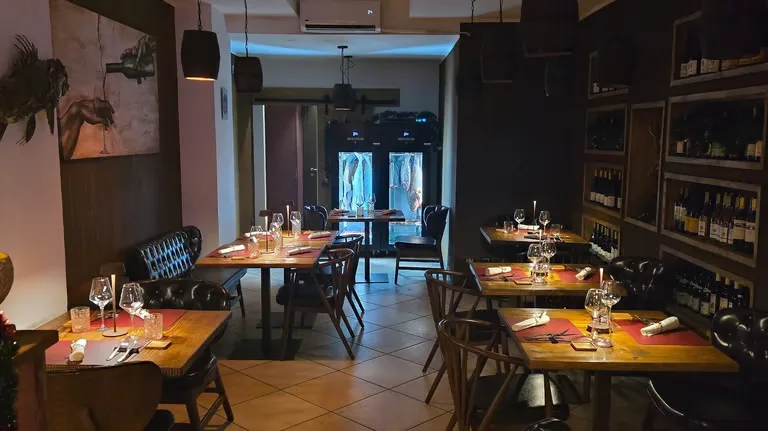
By day, La Ristobottega operates as a typical Reggio bottega, serving quick lunches to locals. When evening falls, the same space transforms. The lights dim, the open kitchen comes alive, and the focus shifts to a refined dining experience built around dry-aging and fermentation. The restaurant claims a first for Reggio Calabria: a visible aging fridge where fish and meat are displayed, letting guests appreciate the quality of the raw ingredients.
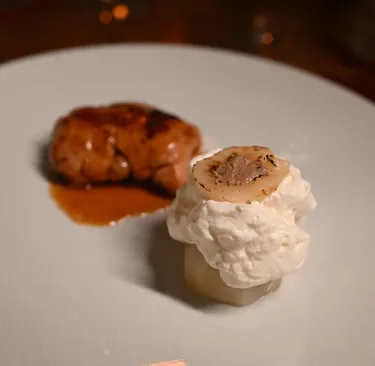
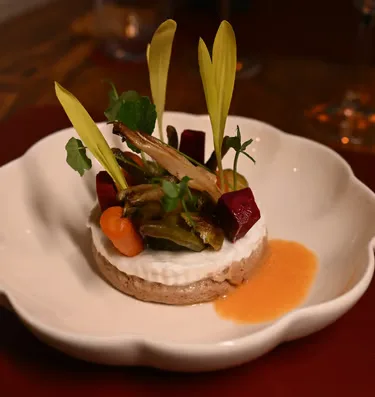
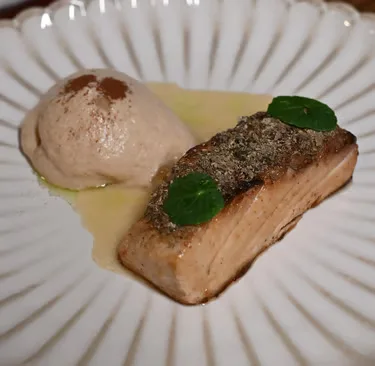
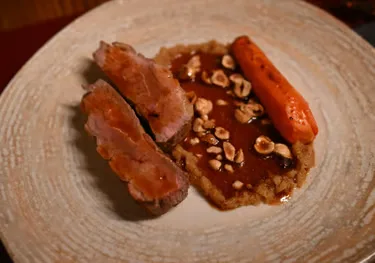
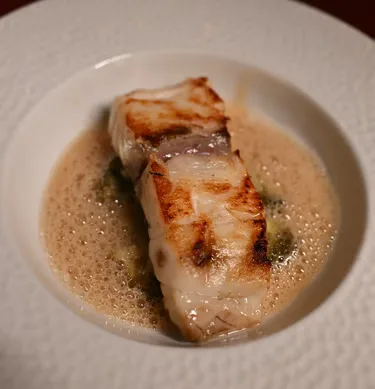
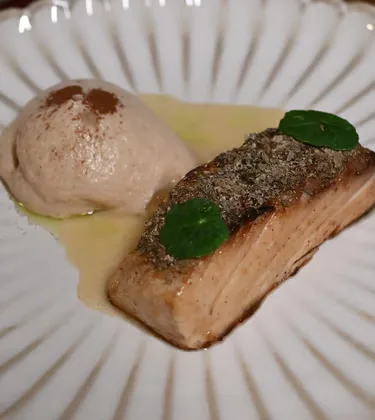
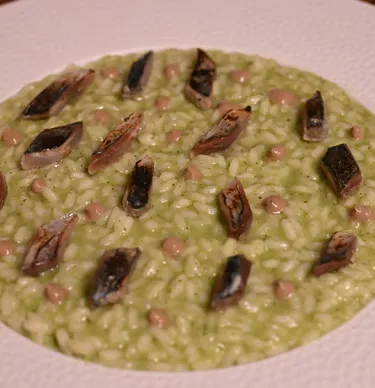
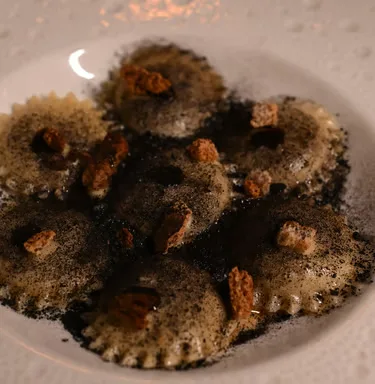
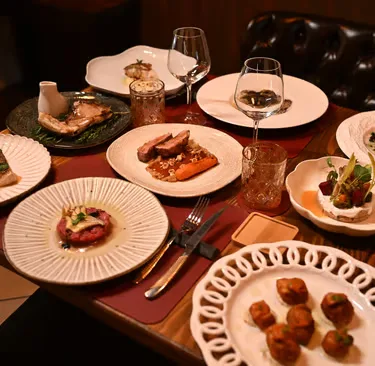
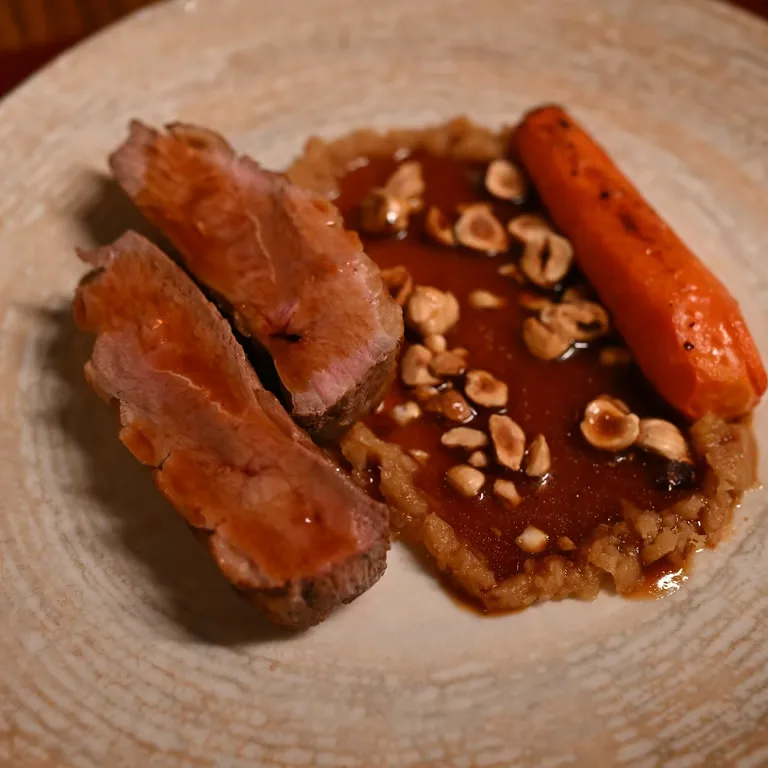
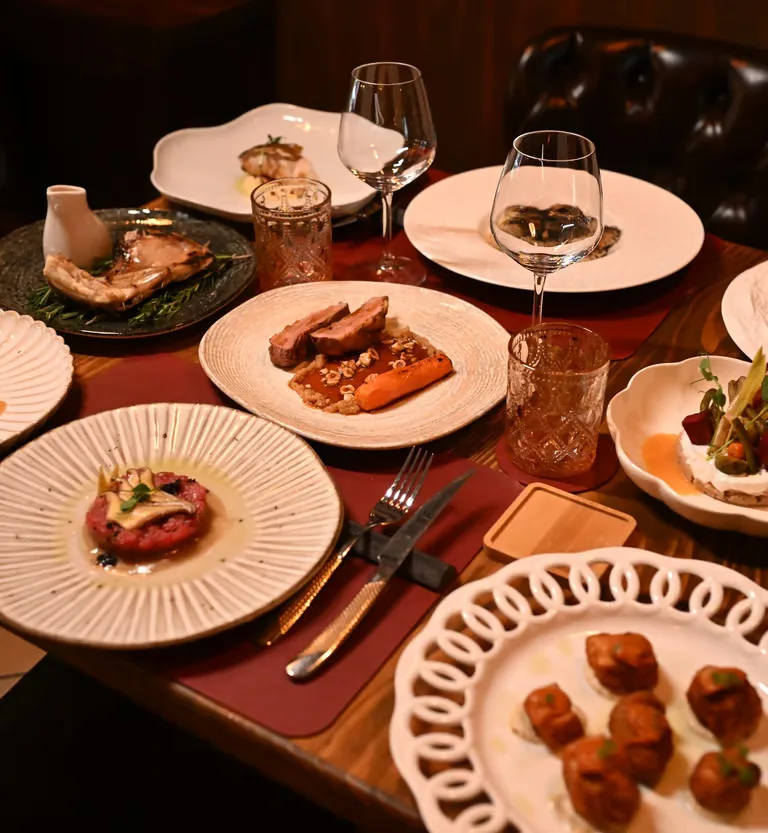
The kitchen’s philosophy centers on aged proteins and vegetable ferments, creating dishes that balance richness with acidity. The menu changes with the seasons, but signature antipasti include the Nuggets di Spada – crispy swordfish with eggplant mayonnaise and ghiotta sauce – and the Tartare di Cernia, a grouper tartare marinated in kombu and lime with grapefruit cream and bergamot oil. Primi like the Carbonara di Mare reinterpret a classic with fish demi-glace, tuna guanciale, and onion powder. Secondi highlight the aging technique: Ombrina Frollata al Moscato (aged ombrina with fermented broccoli, tuna bottarga, and foie gras crystals) and Cube Roll di Manzo alla Piastra, a noble cut of beef seared on the griddle with reduced jus and roasted vegetables.
Two tasting menus are available – five or seven courses – both starting with a welcome entrée and warm bread with local olive oil. The seven-course menu (€65, excluding wine) offers a journey through the kitchen’s best, from the swordfish nugget to the aged ricciola with caramelized cauliflower and candied lemon.
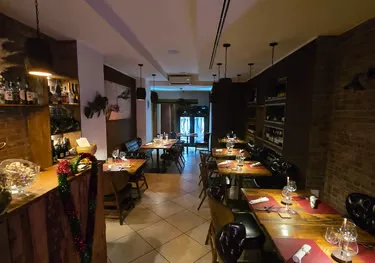
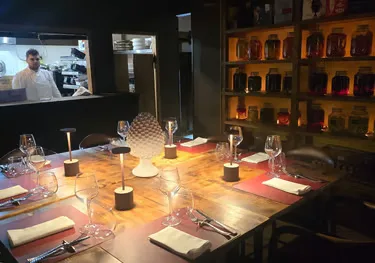
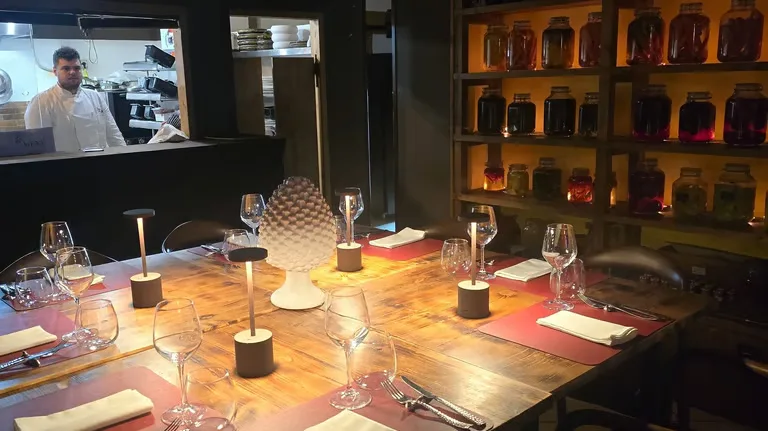
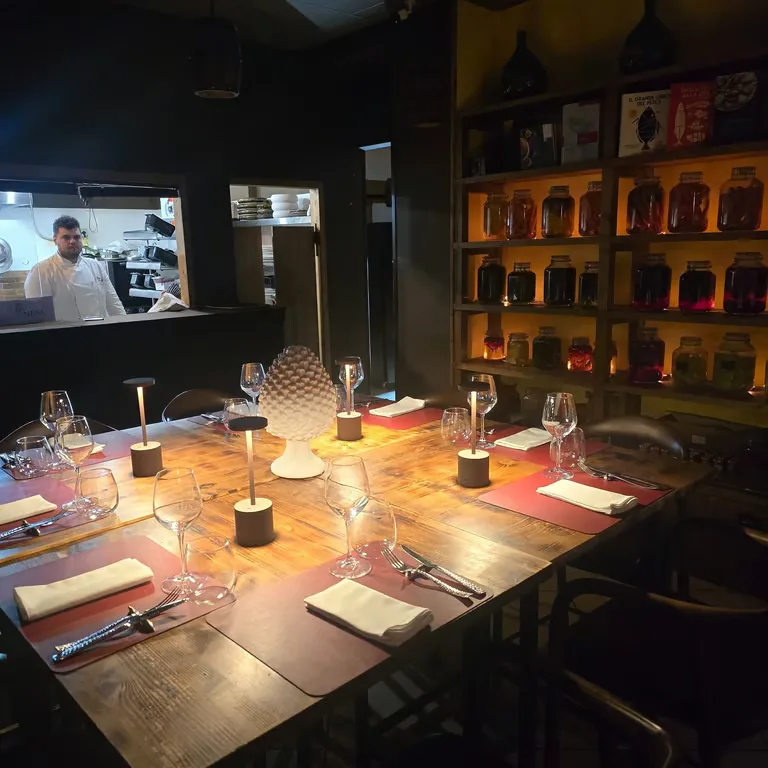
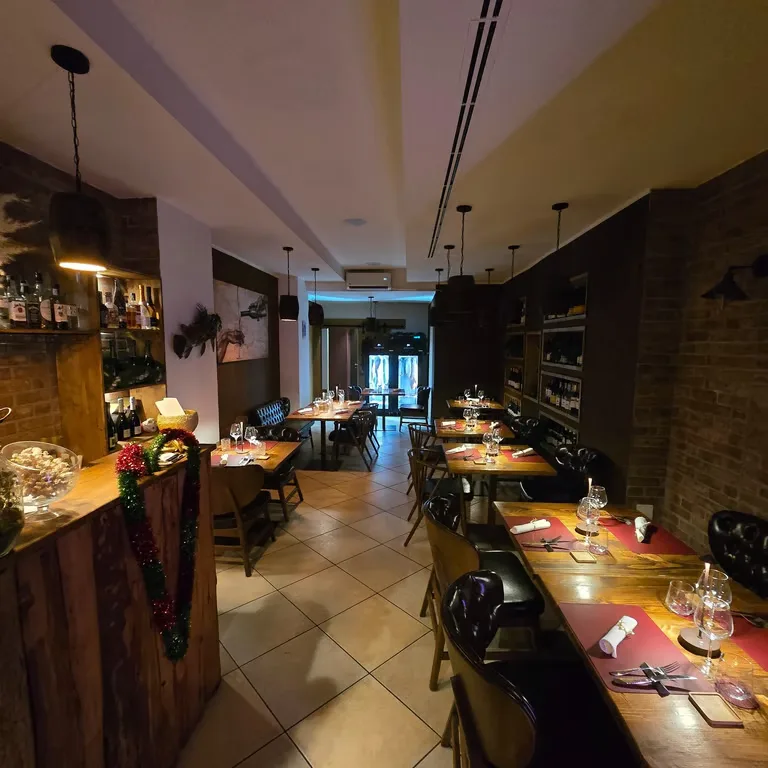
La Ristobottega offers two distinct dining rooms. The main sala is intimate, with soft lighting and the aging fridges on display. The second room, called the Sala Fermentazioni Chef, is more informal and centered around the open kitchen, allowing guests to watch the team at work and feel closer to the action.
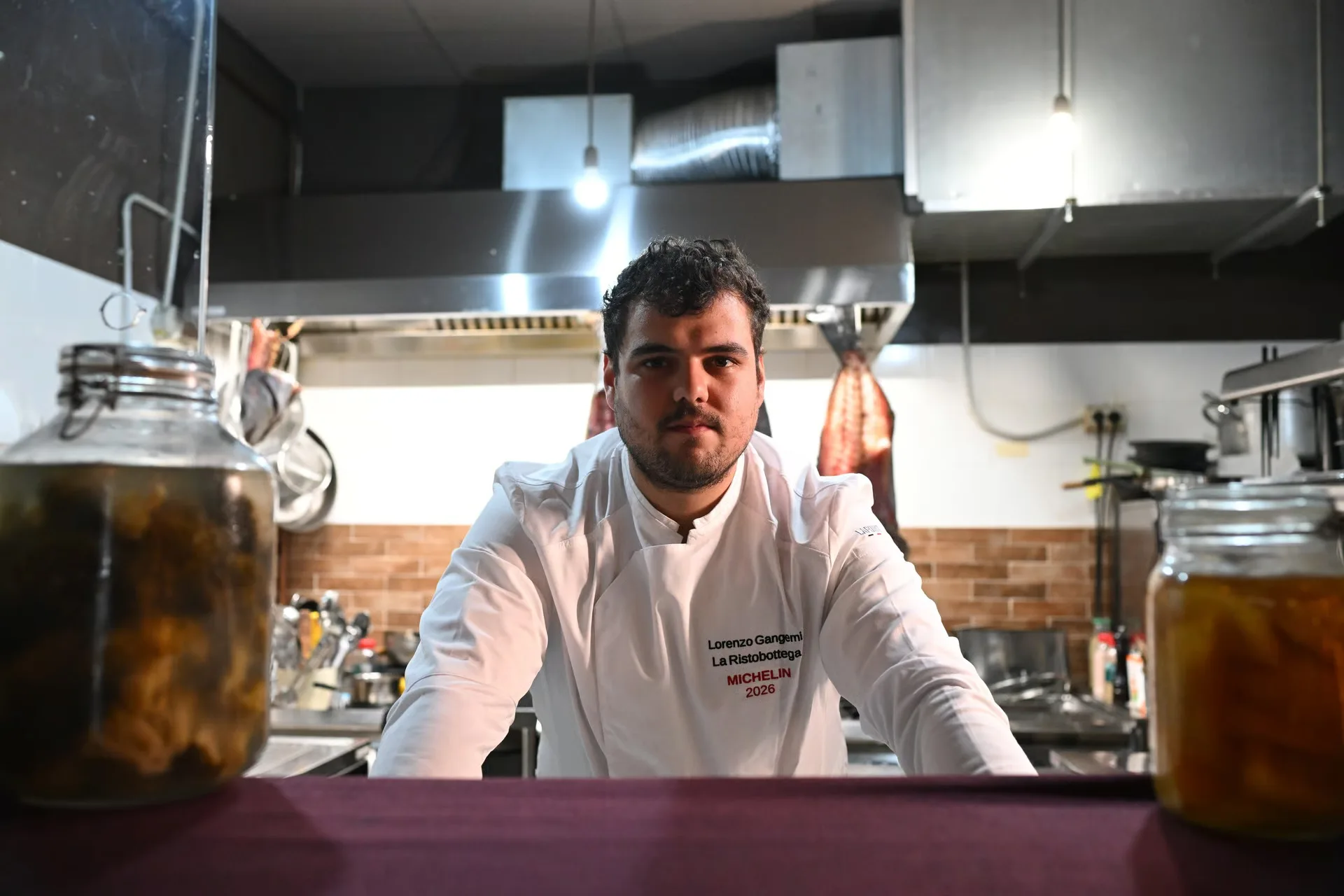
The restaurant’s commitment to quality has earned it a Michelin Recommended distinction, a recognition that reflects its thoughtful approach to contemporary Calabrian cooking. It’s a place where tradition meets technique, and where the region’s ingredients are treated with respect and creativity.
Recognition

Ambience
Details
Location

 Instagram