
The story
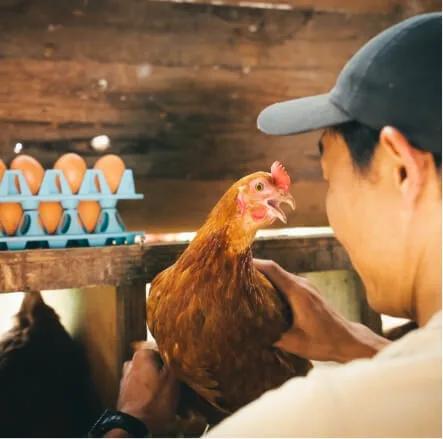
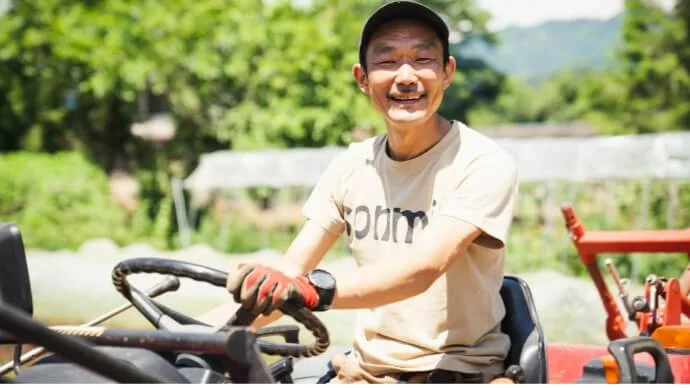
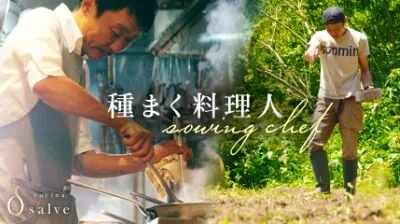
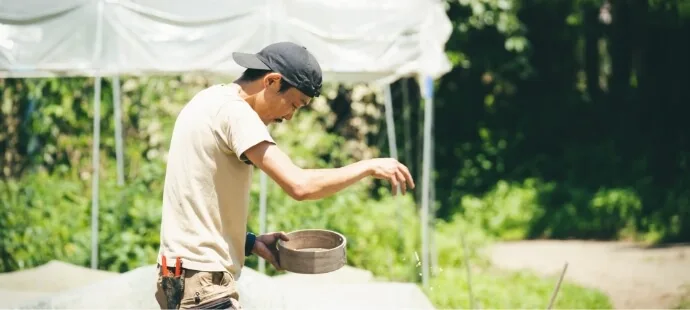
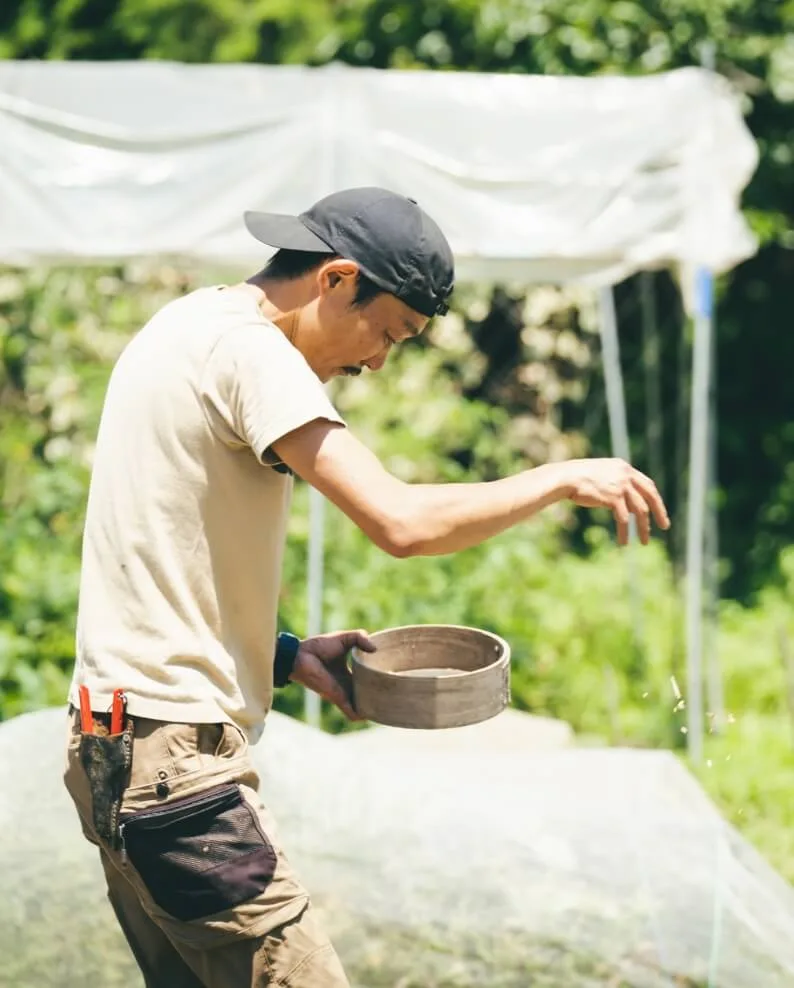
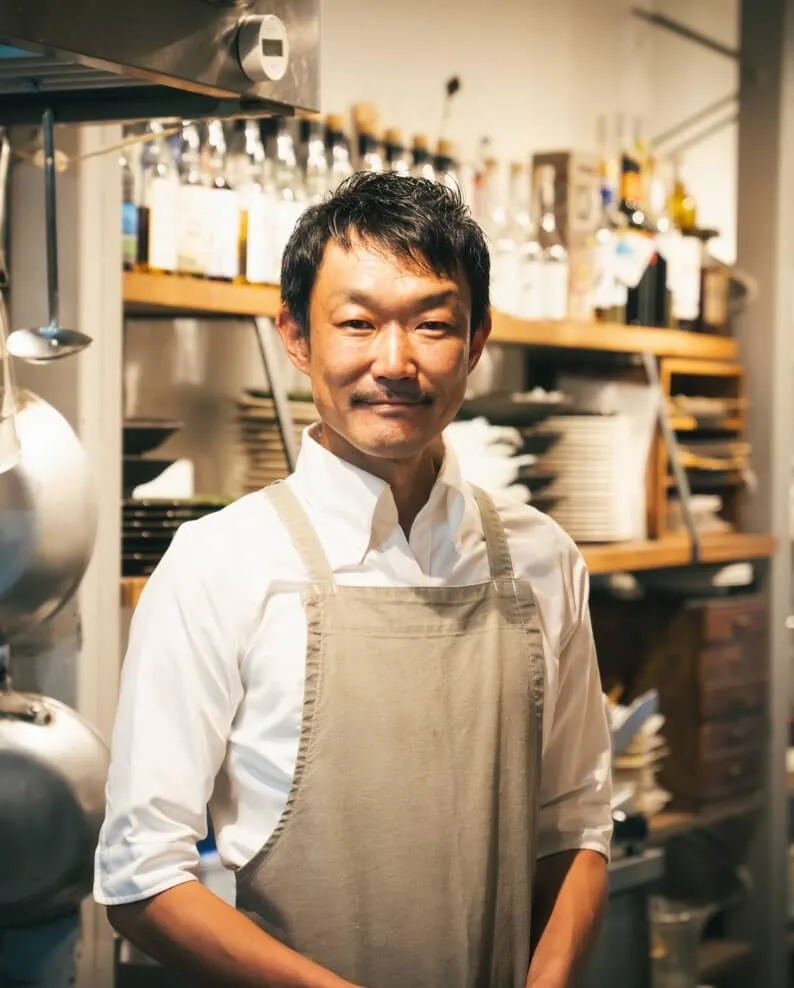
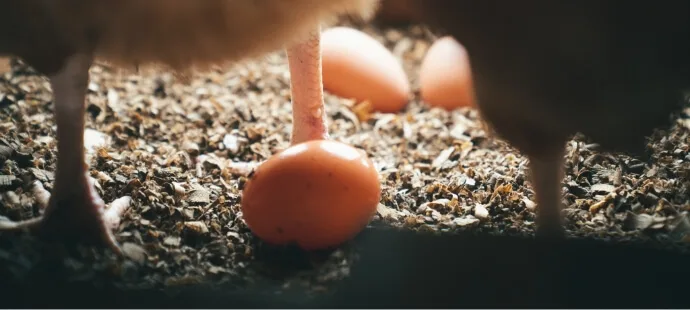
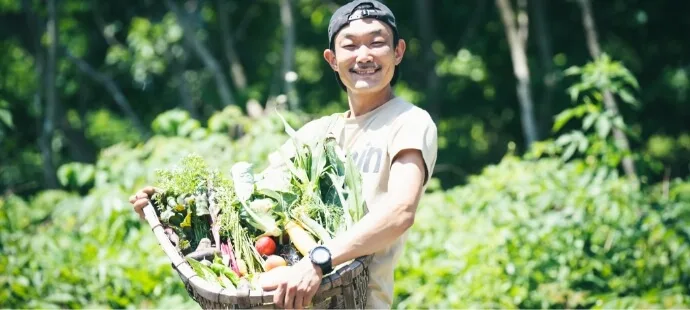
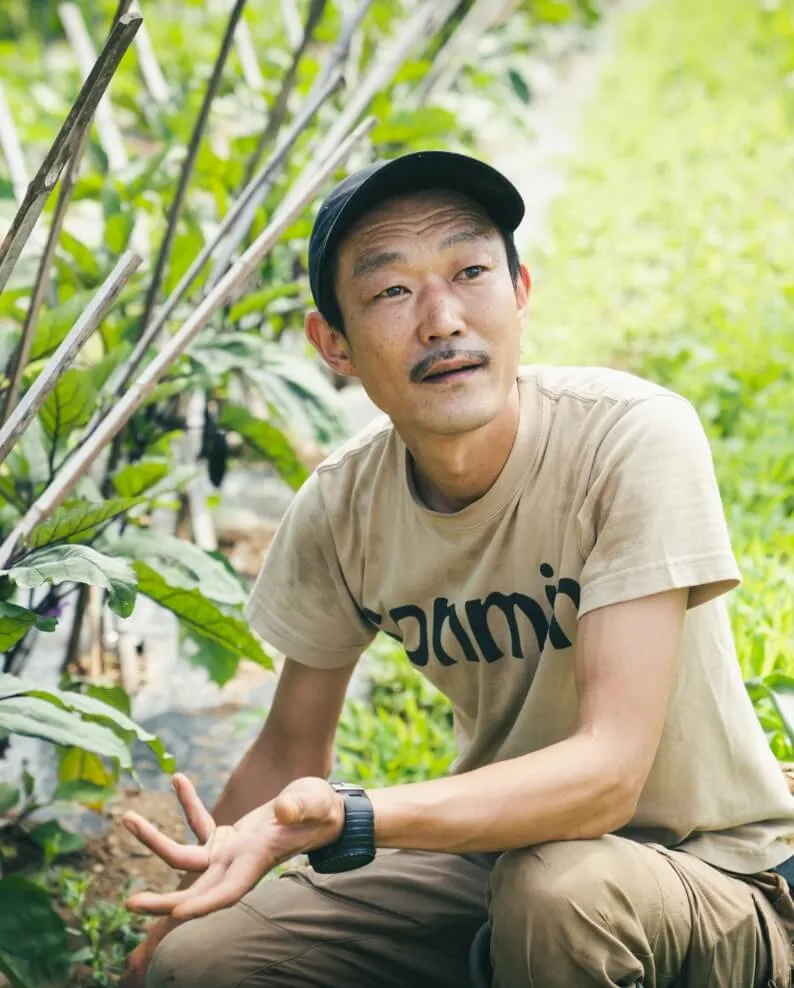
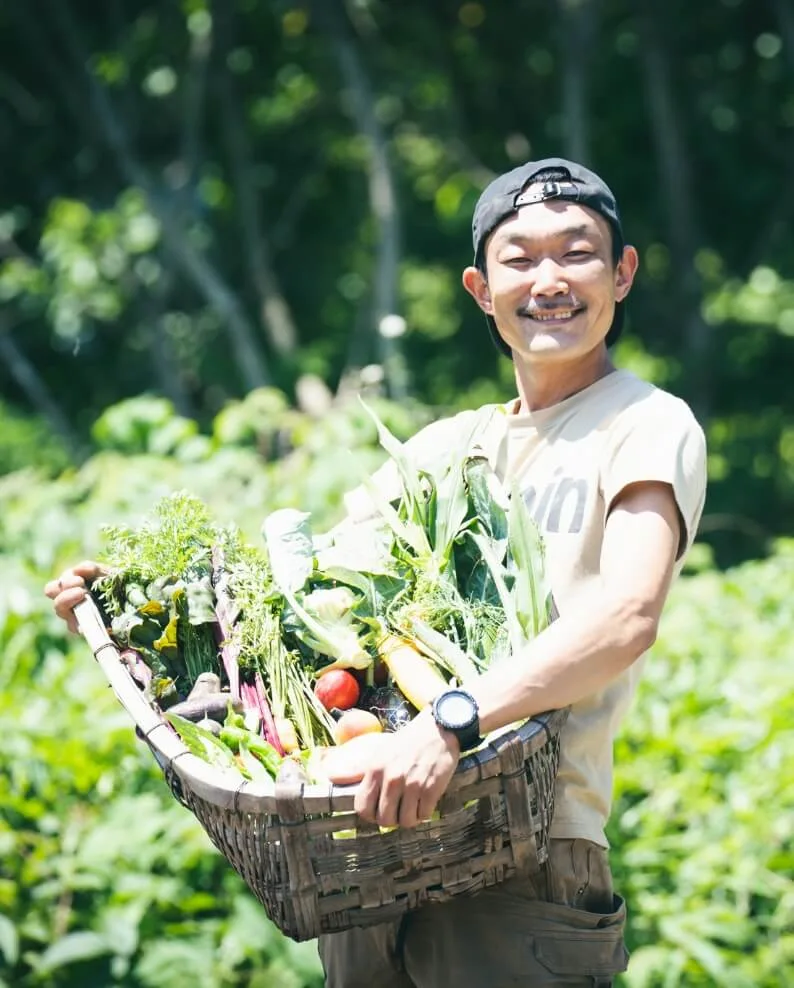
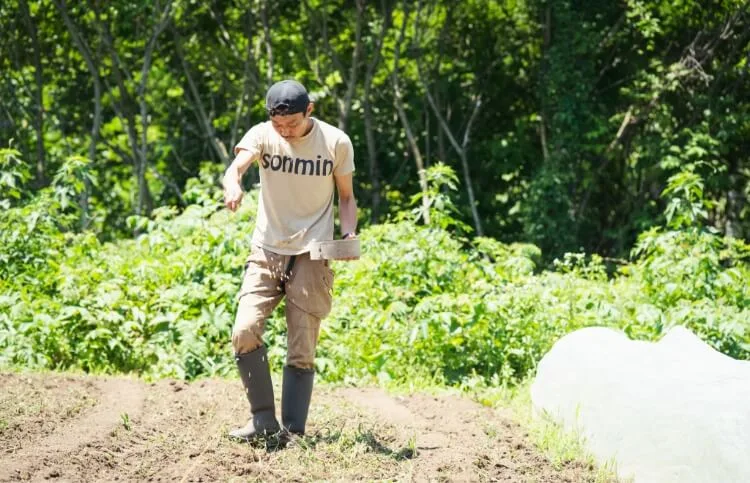
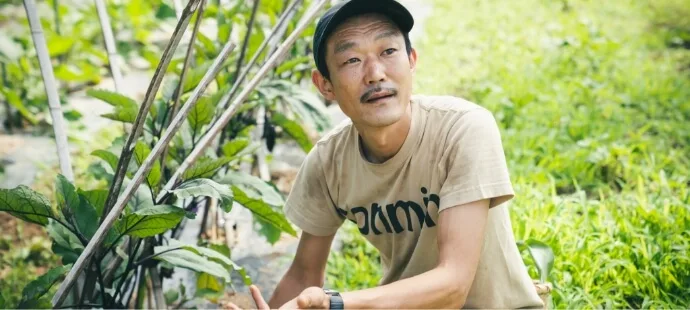
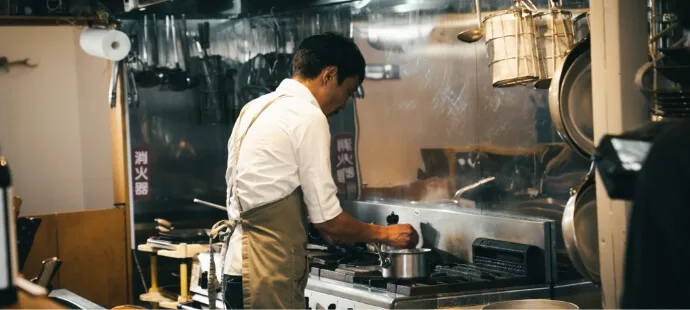
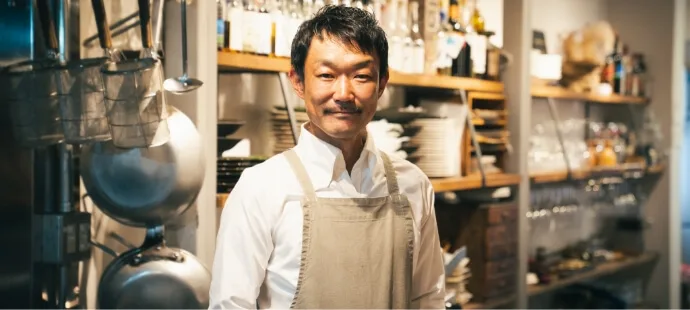
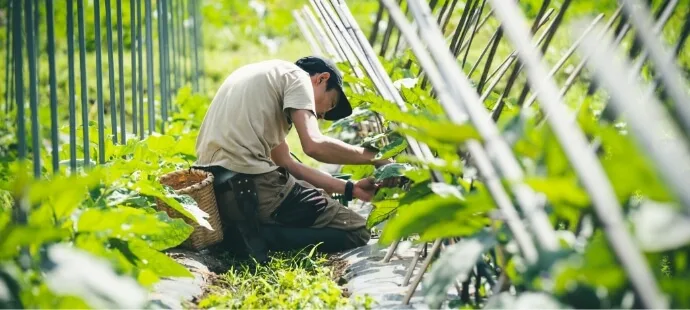
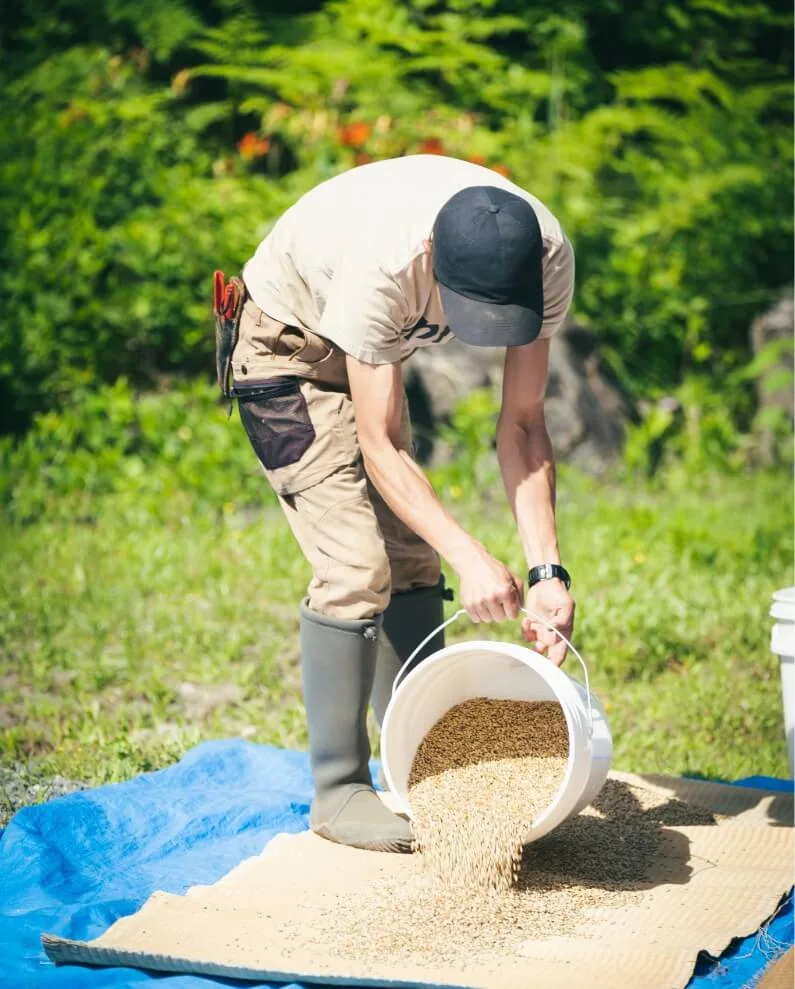
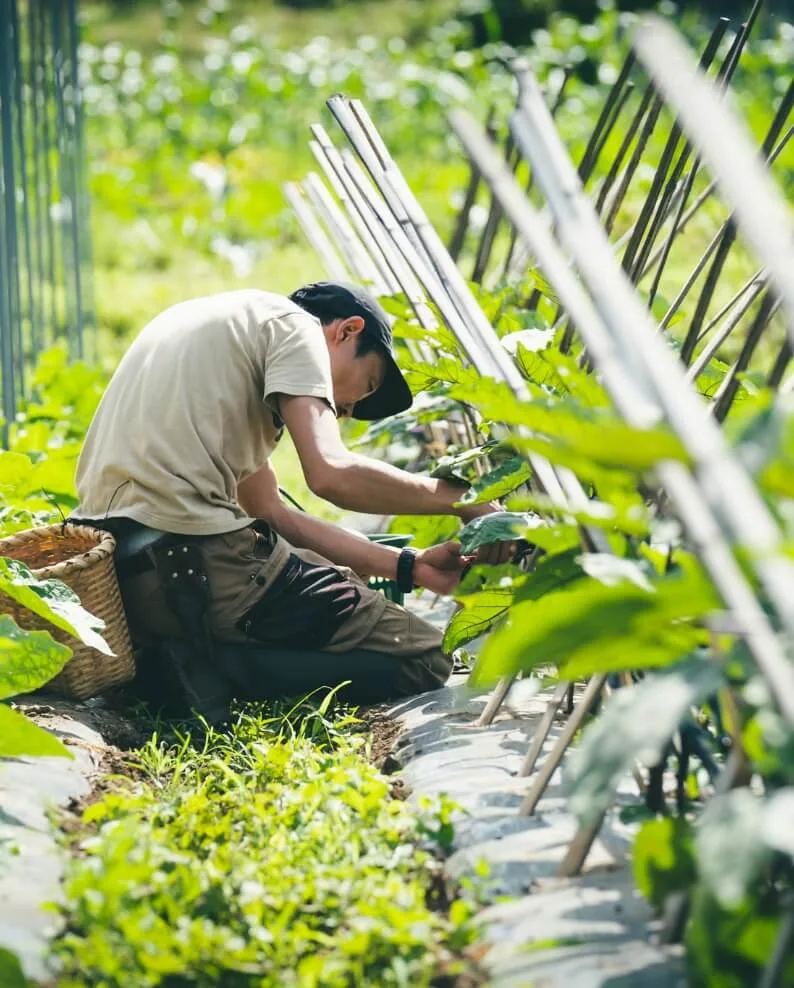
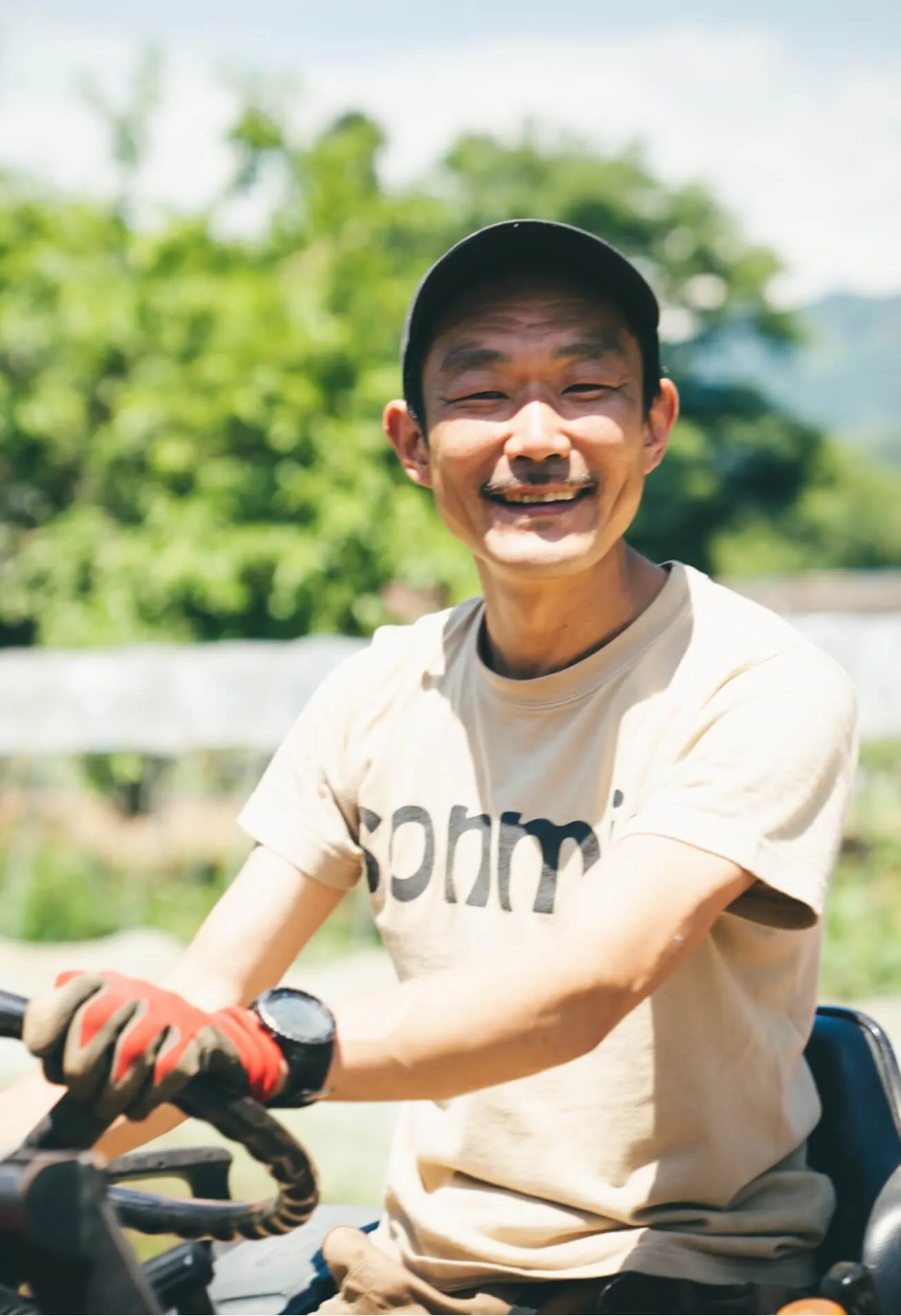
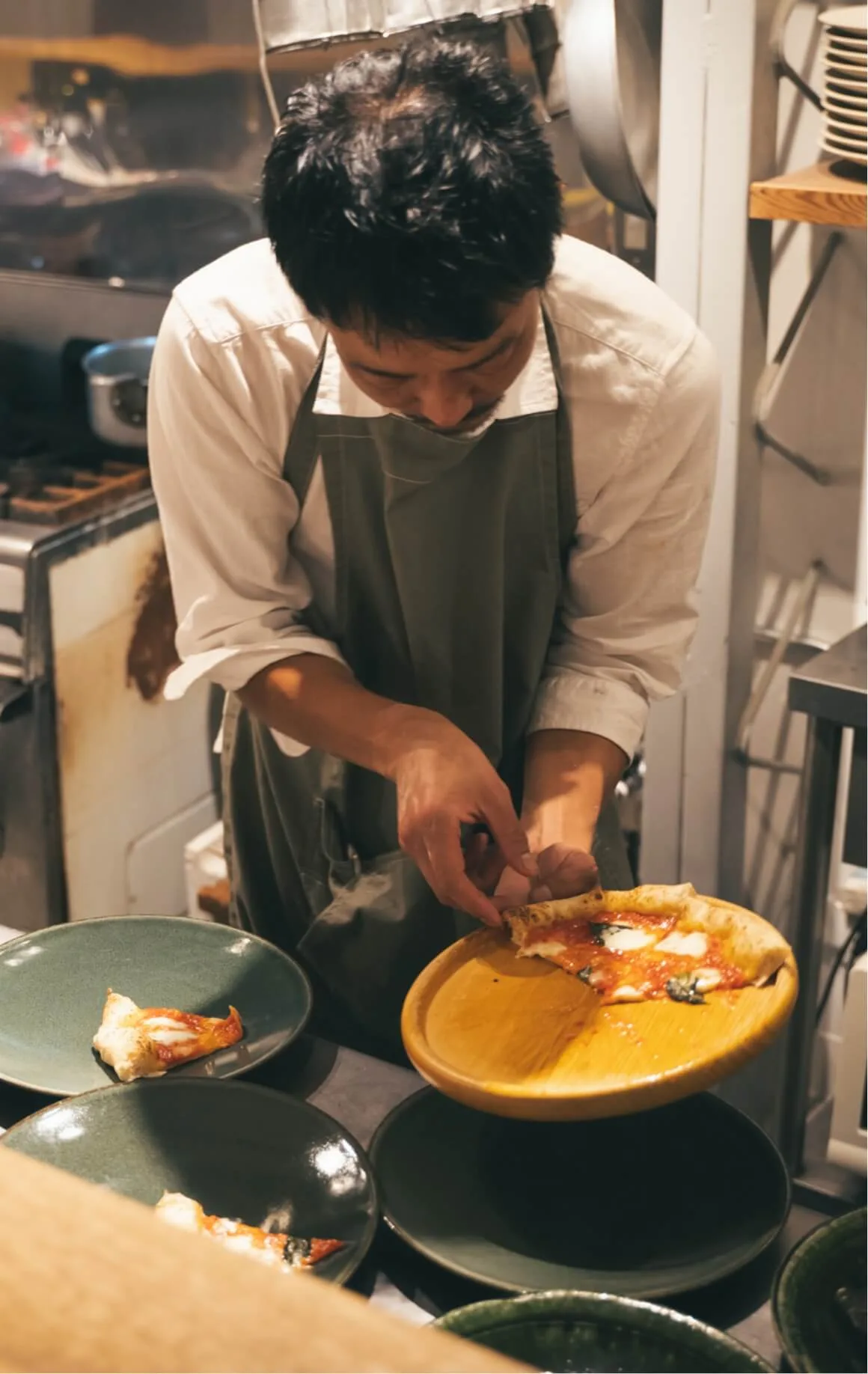
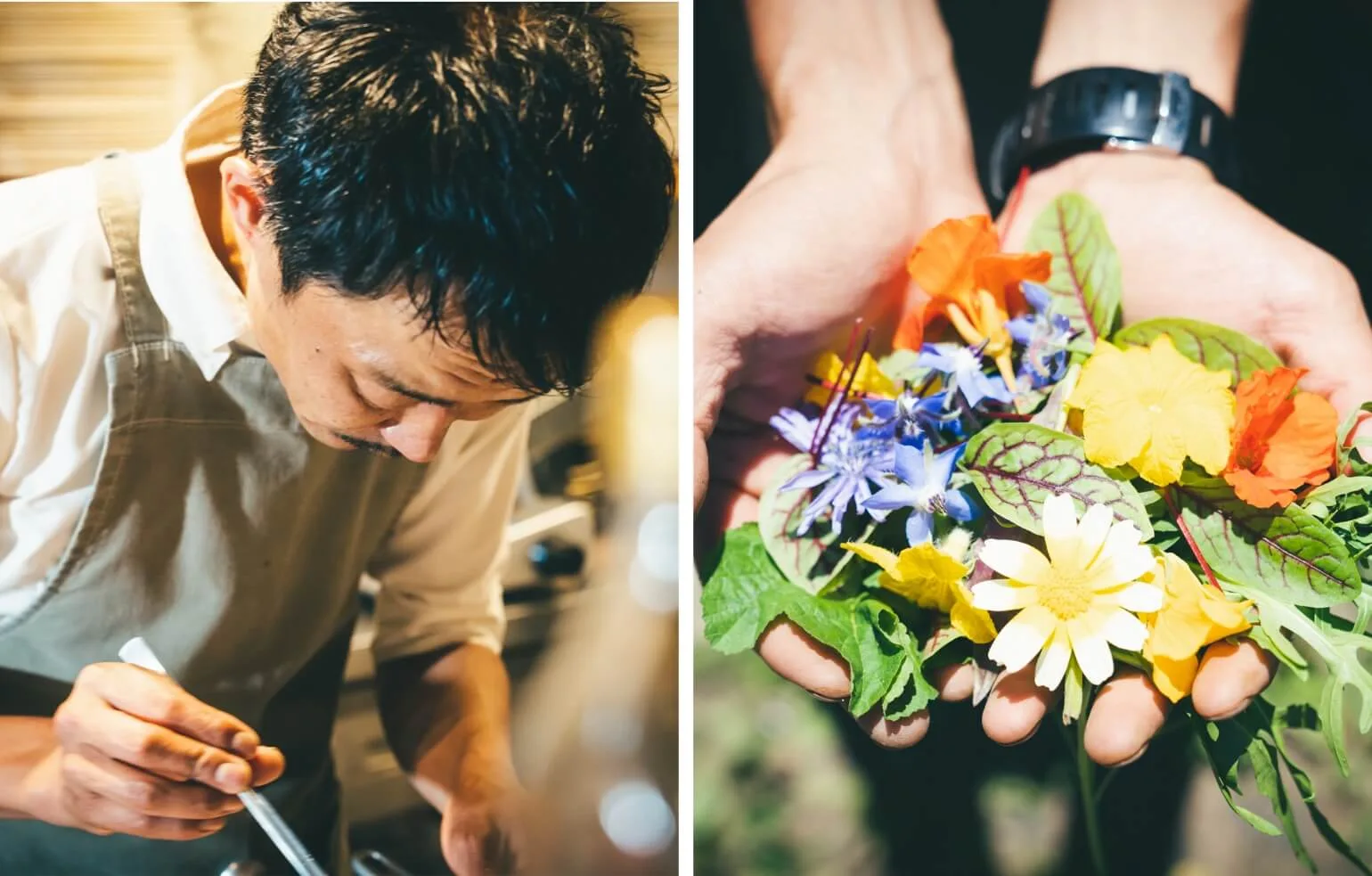
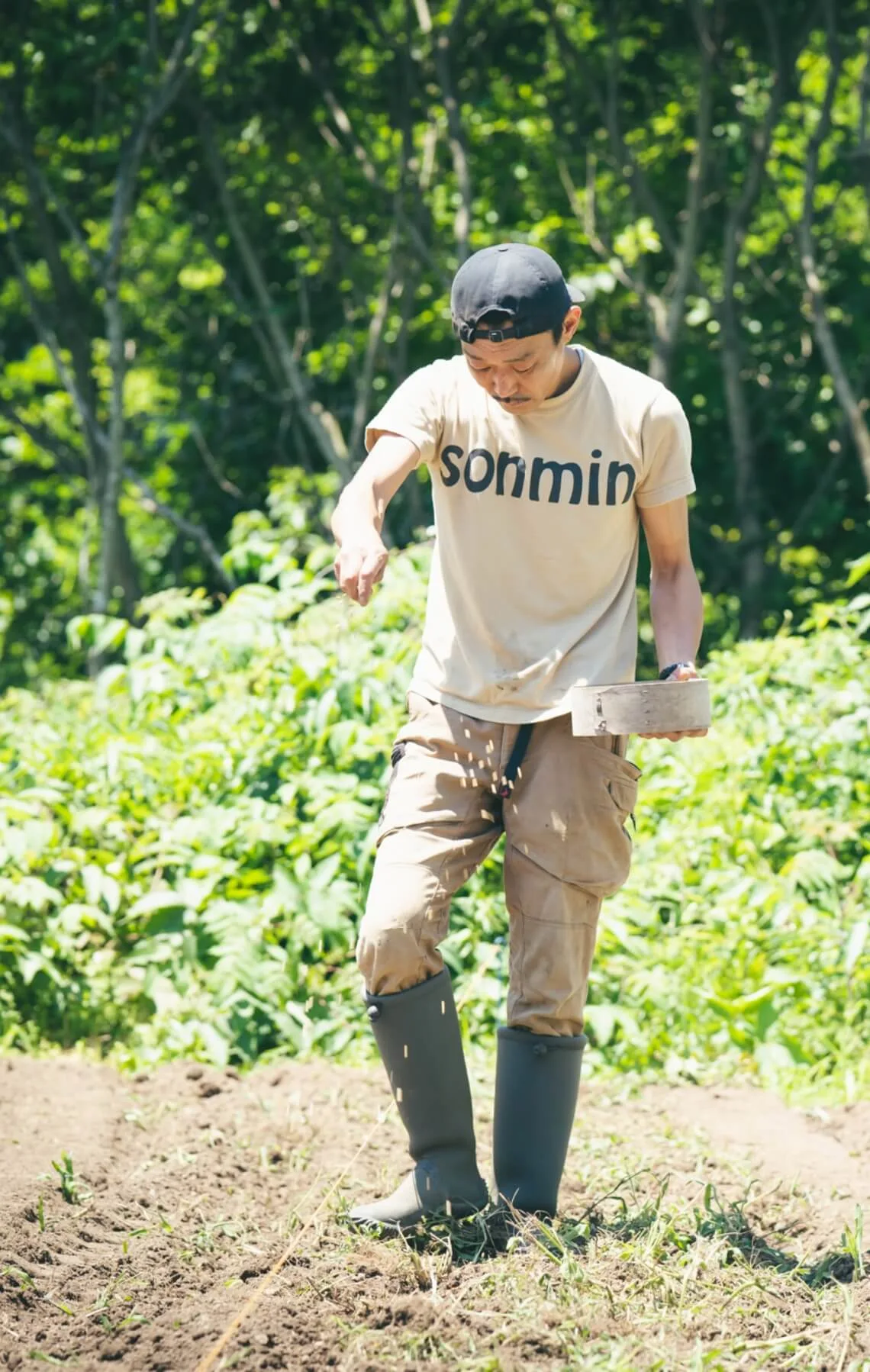
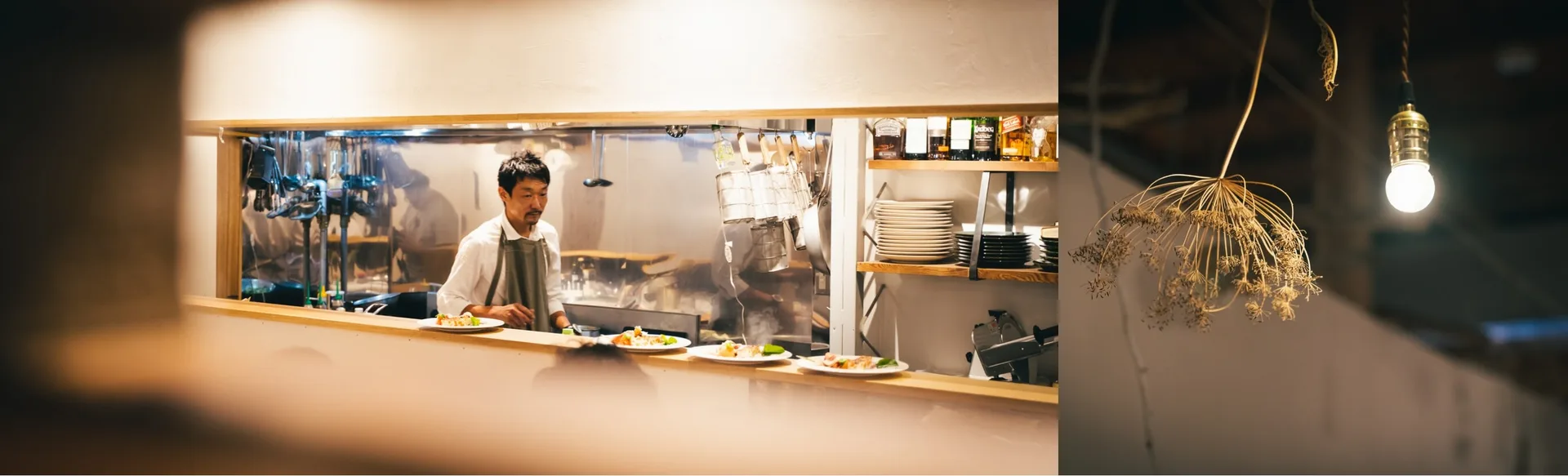
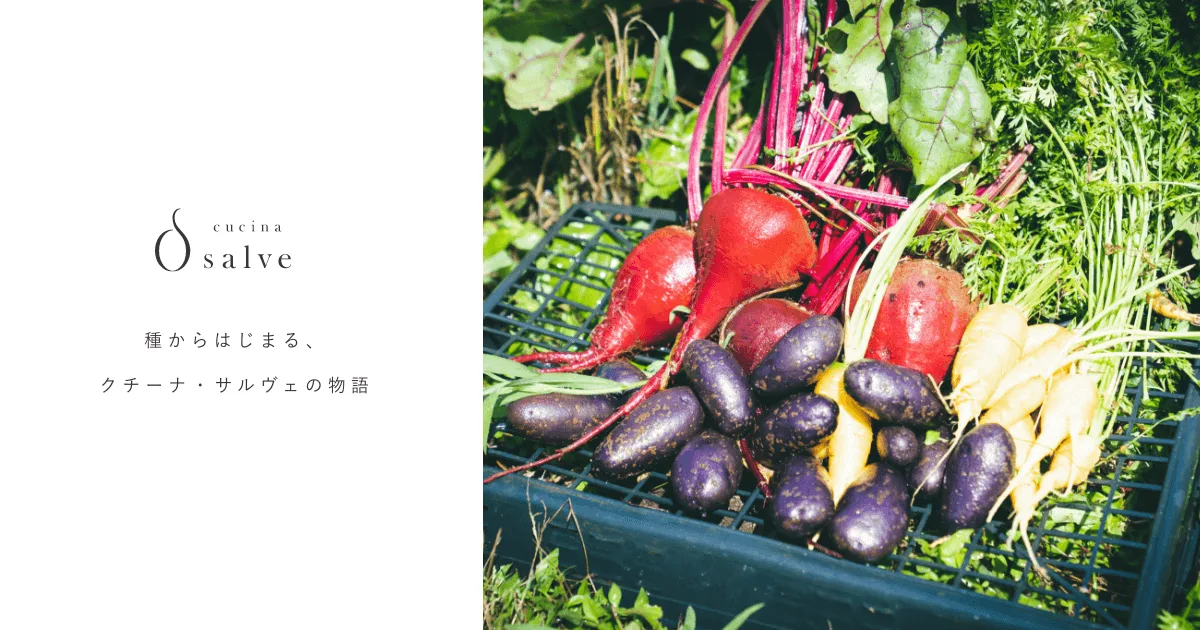
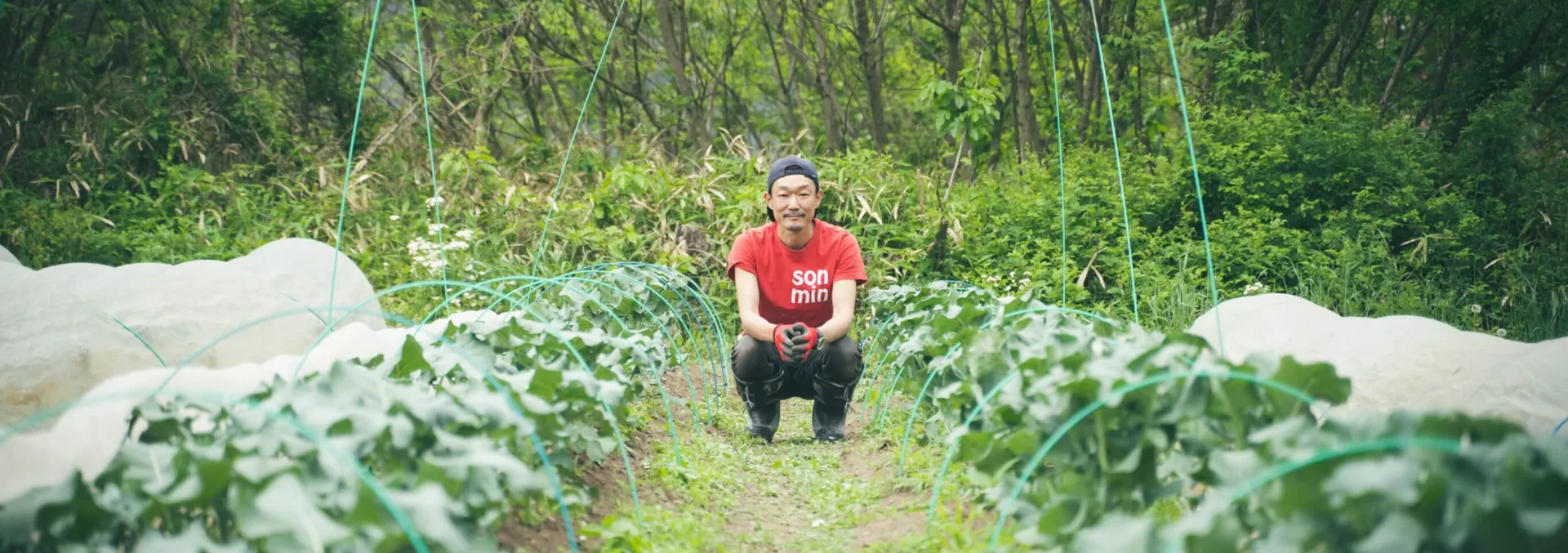
Hiroshi Tsubouchi identifies as a seed-sowing chef. He started growing vegetables and raising chickens after battling severe allergies as a child. This personal search for safe food evolved into cucina salve, which opened in 2019 near Chichibu Shrine. The Gault&Millau guide awarded this Italian kitchen a score of 14. Tsubouchi rejects fixed recipes because weather shifts the flavor of every harvest. Rain changes an eggplant overnight, forcing him to cook by listening to the produce. He holds a diploma from the Italian Ministry of Education, merging formal technique with his daily work in the soil.
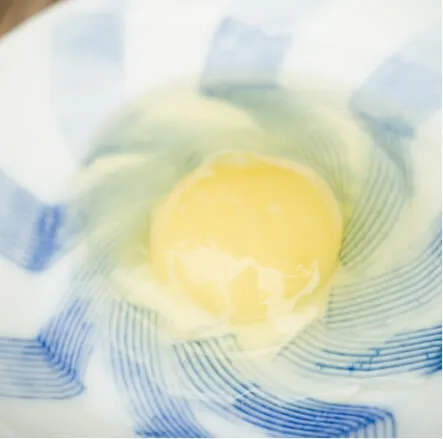
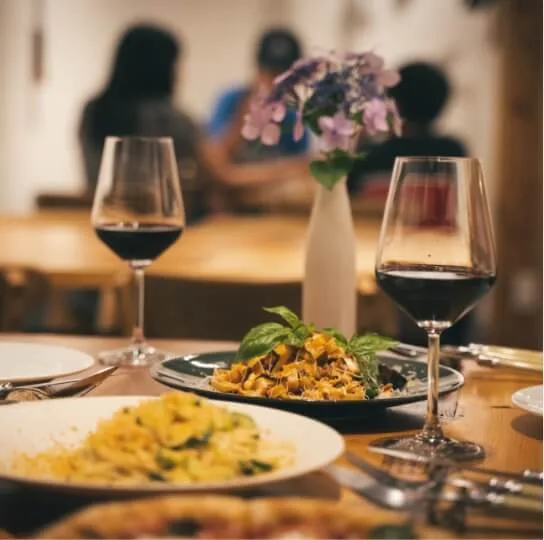
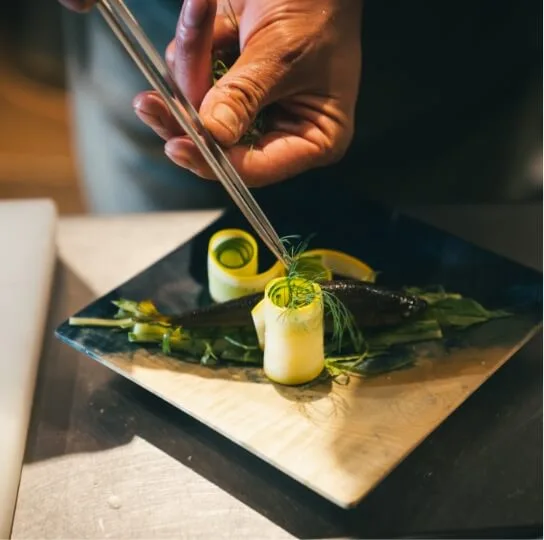
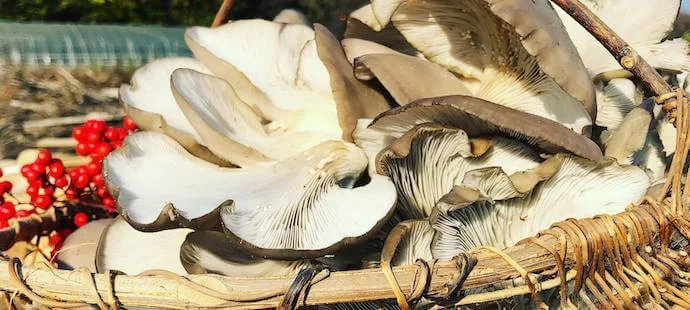
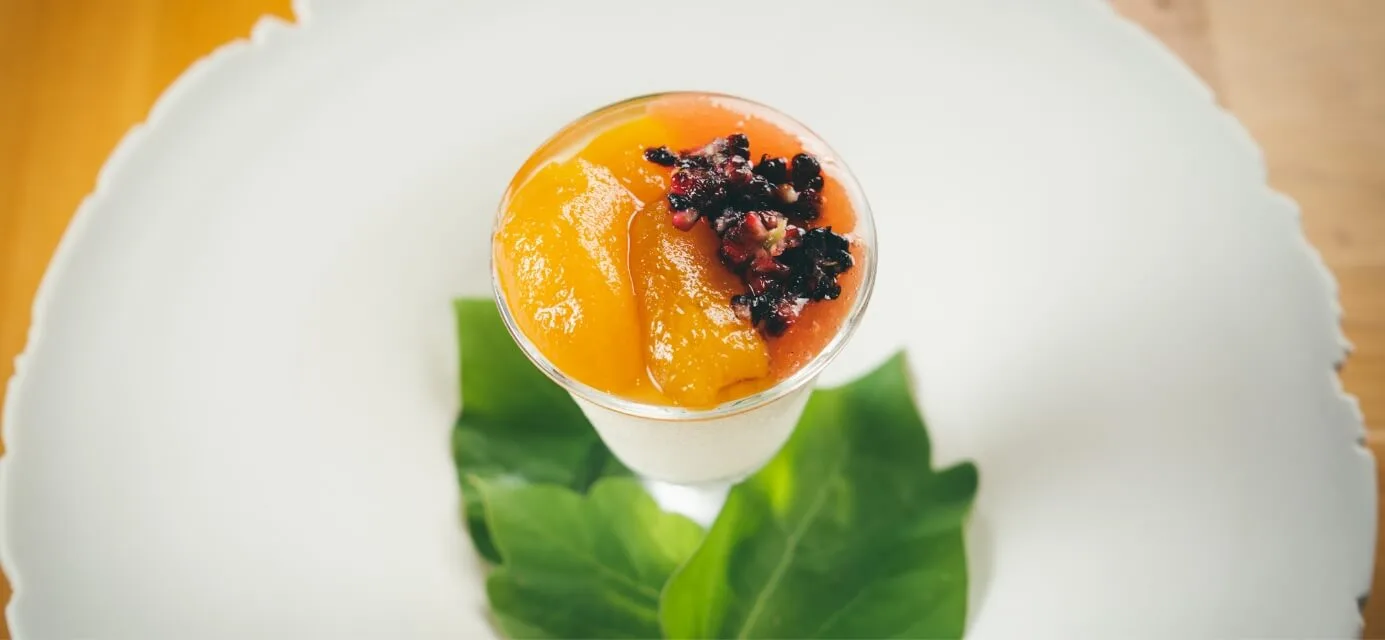
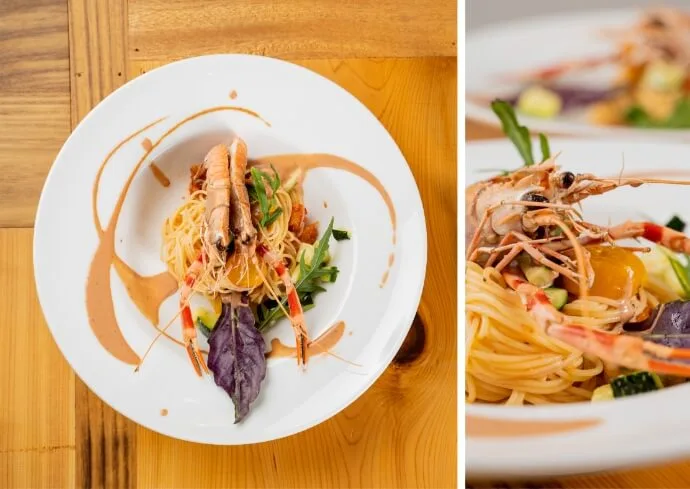
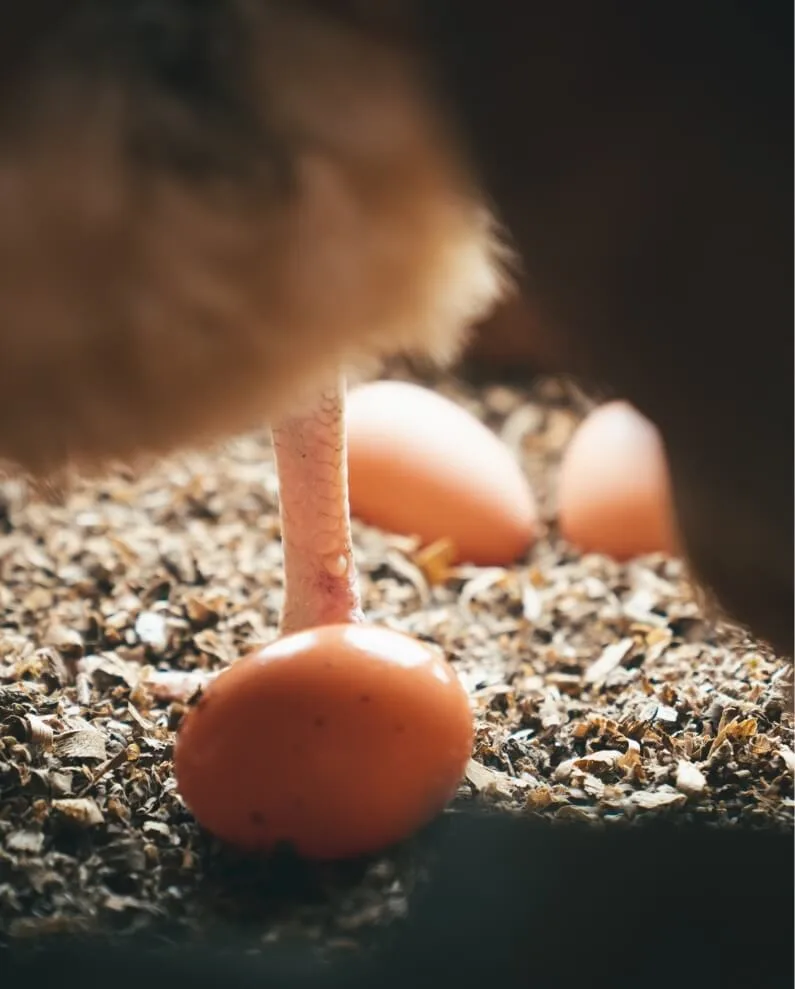
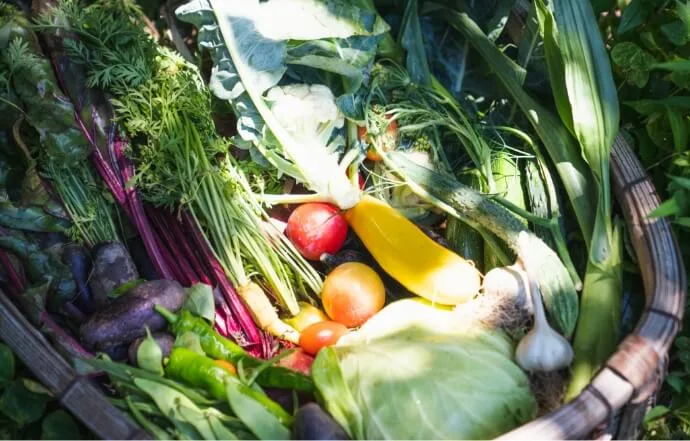
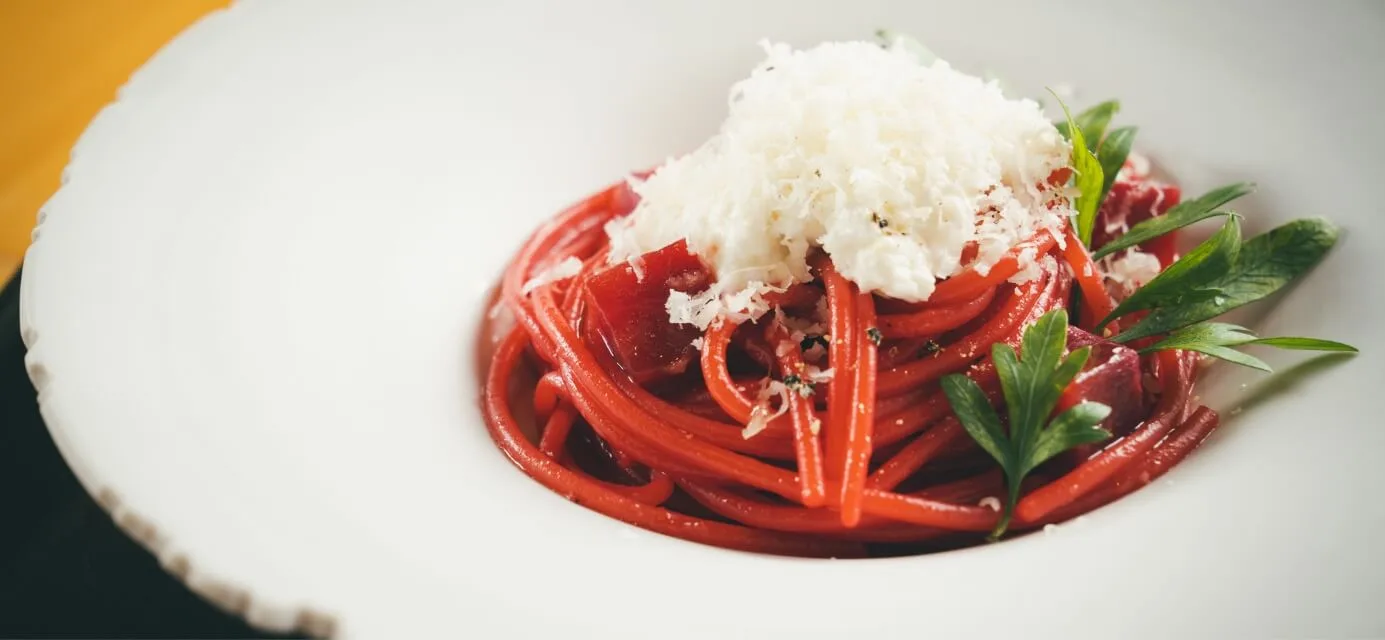
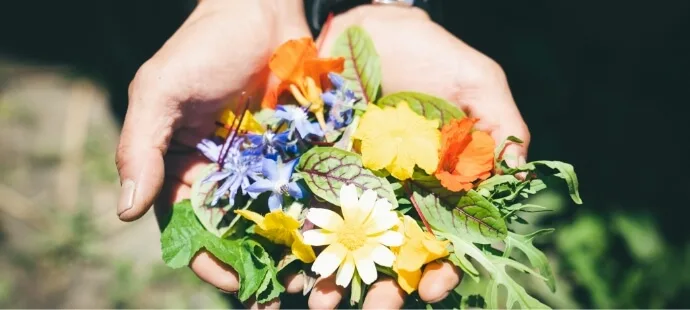
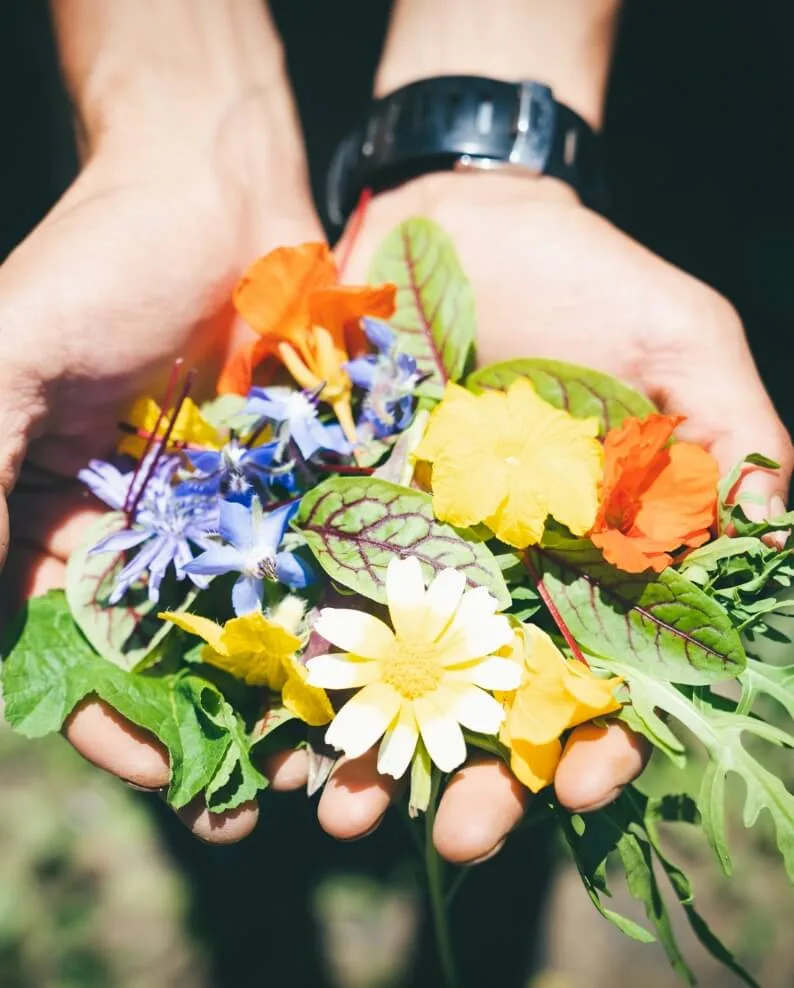
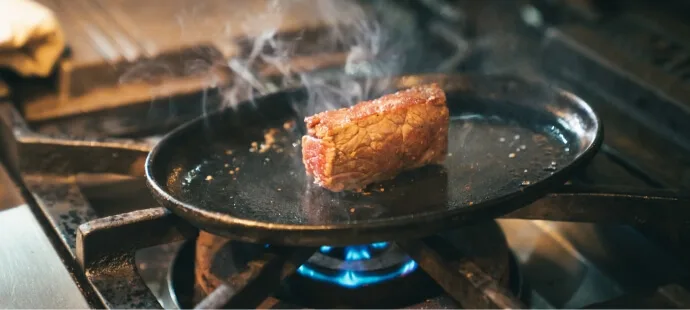
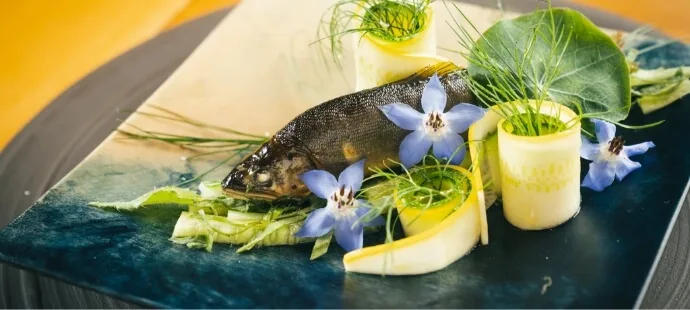
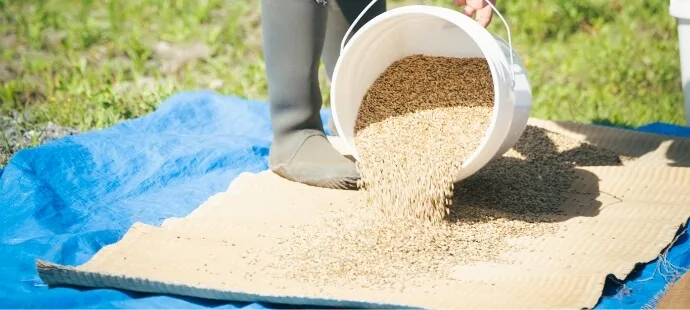
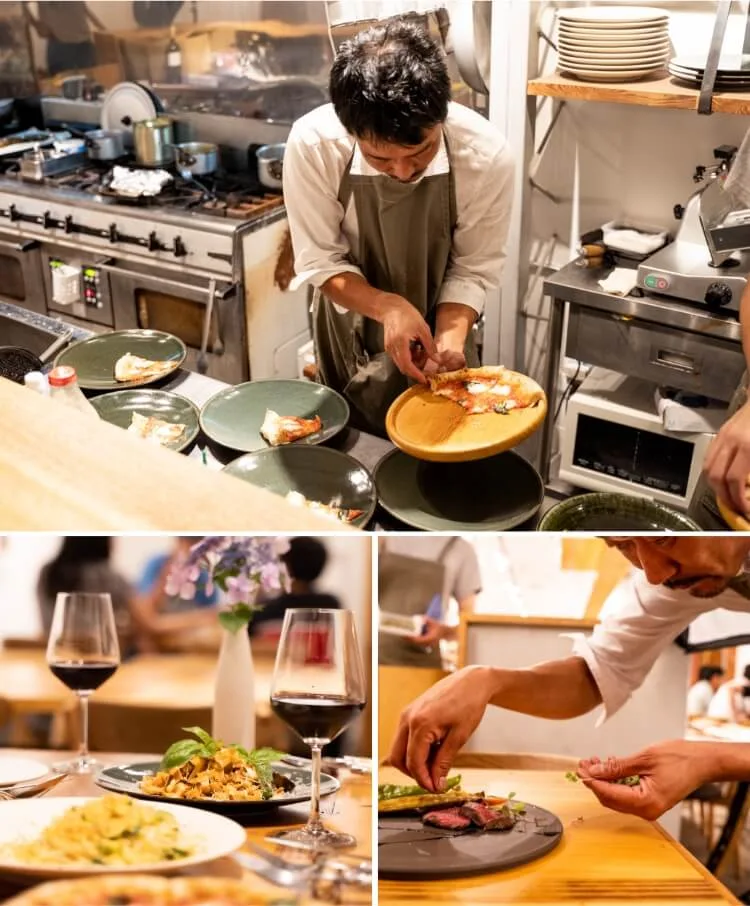
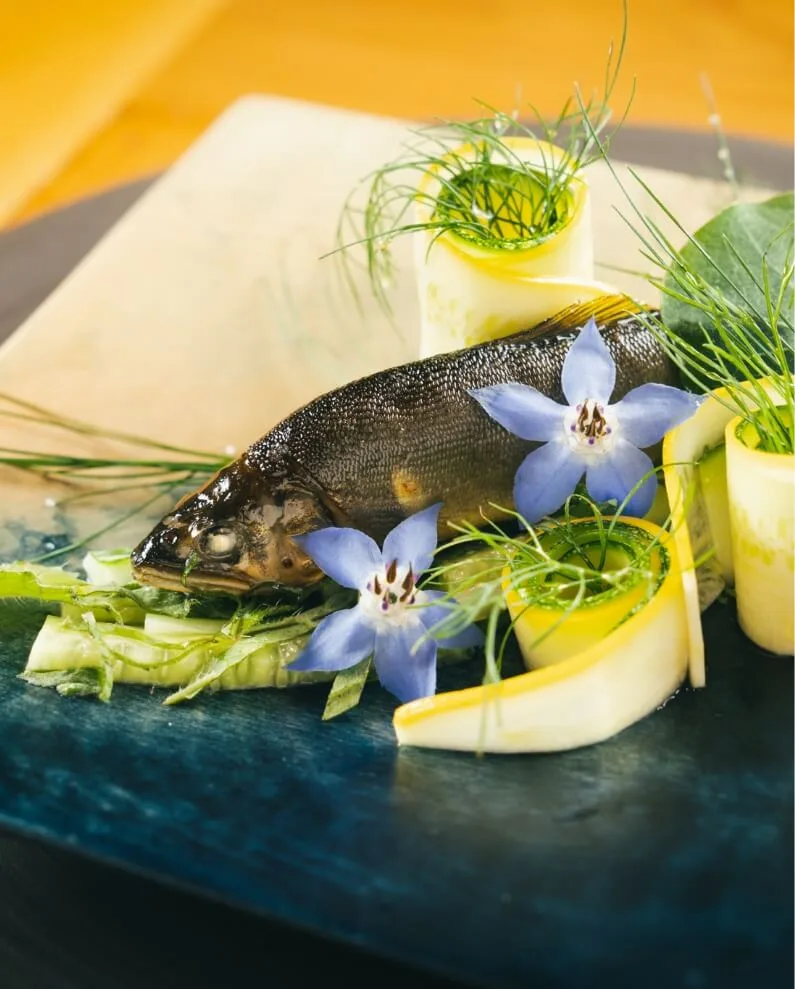
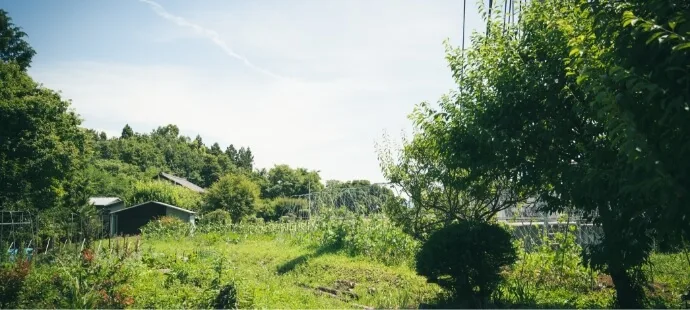
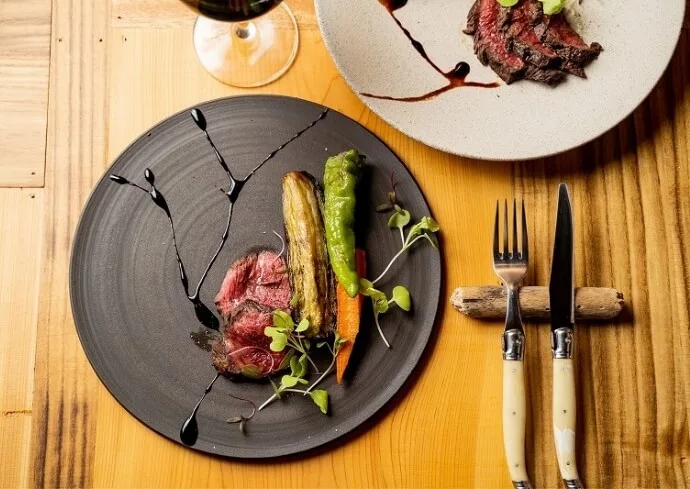
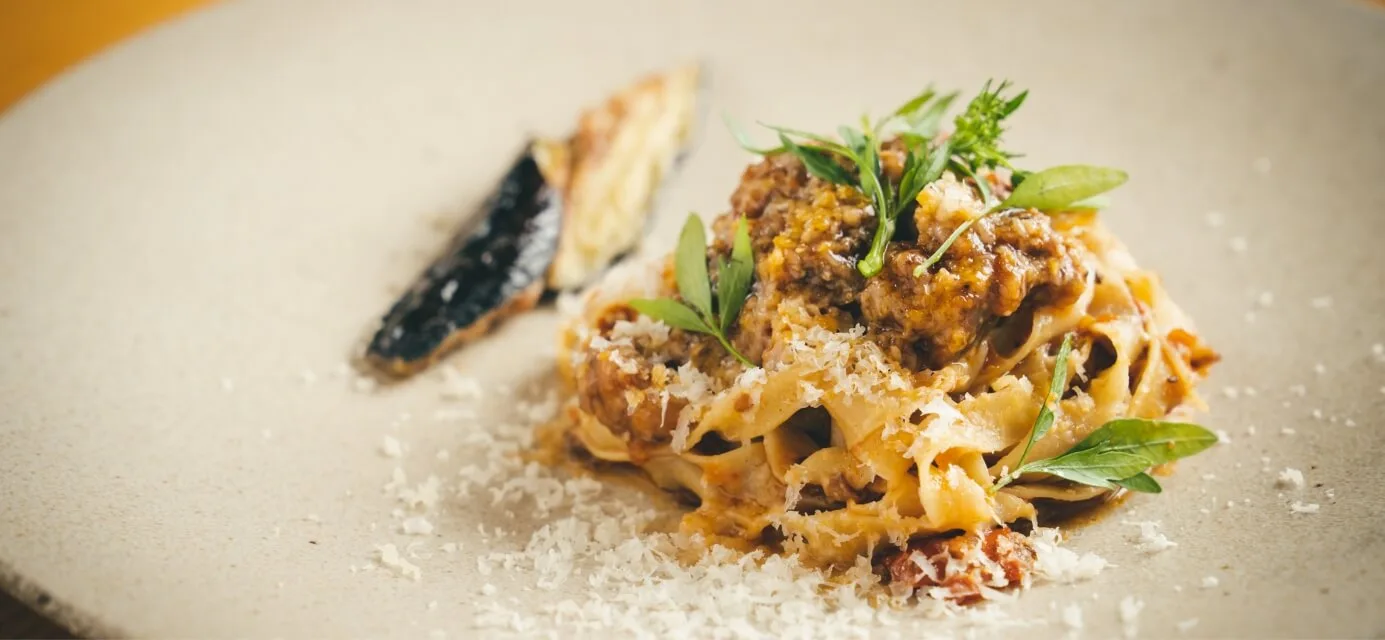
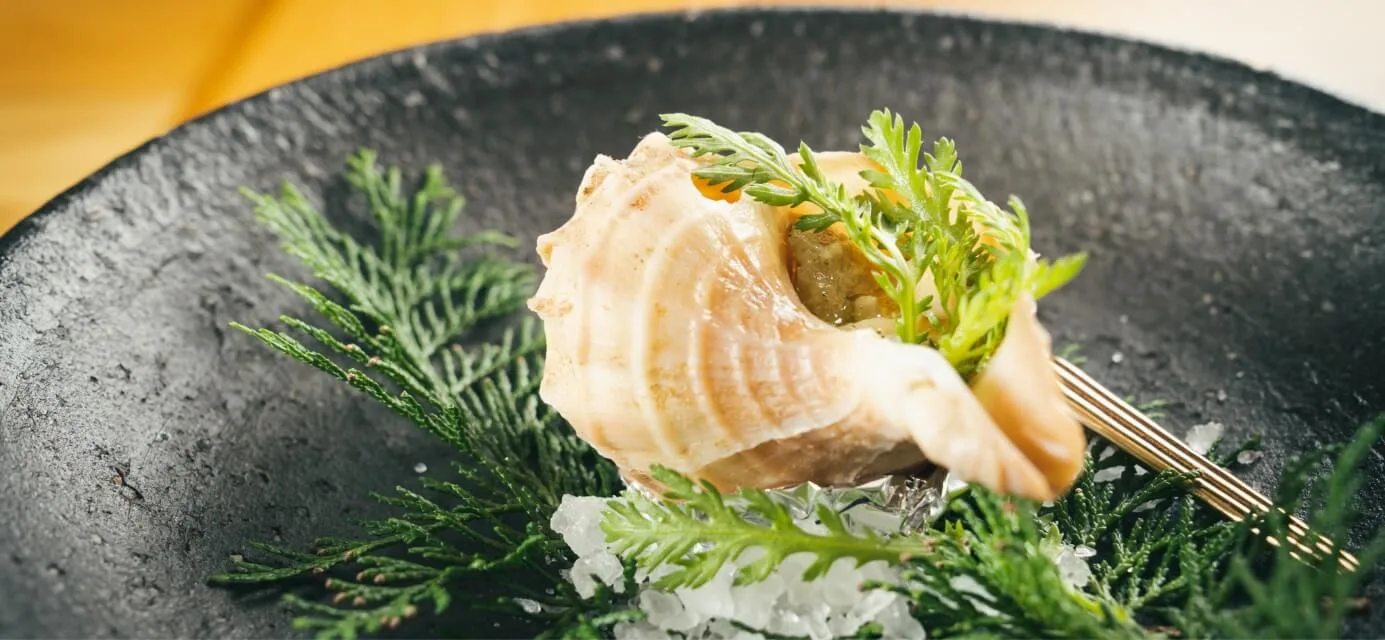
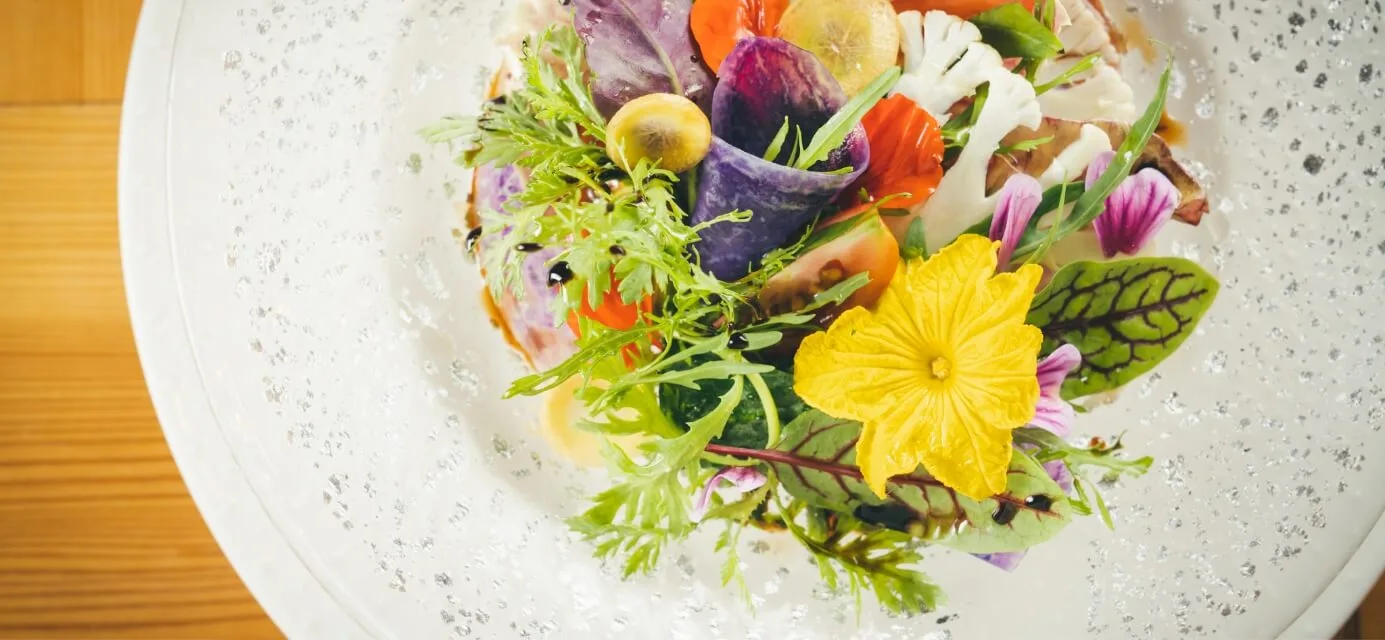
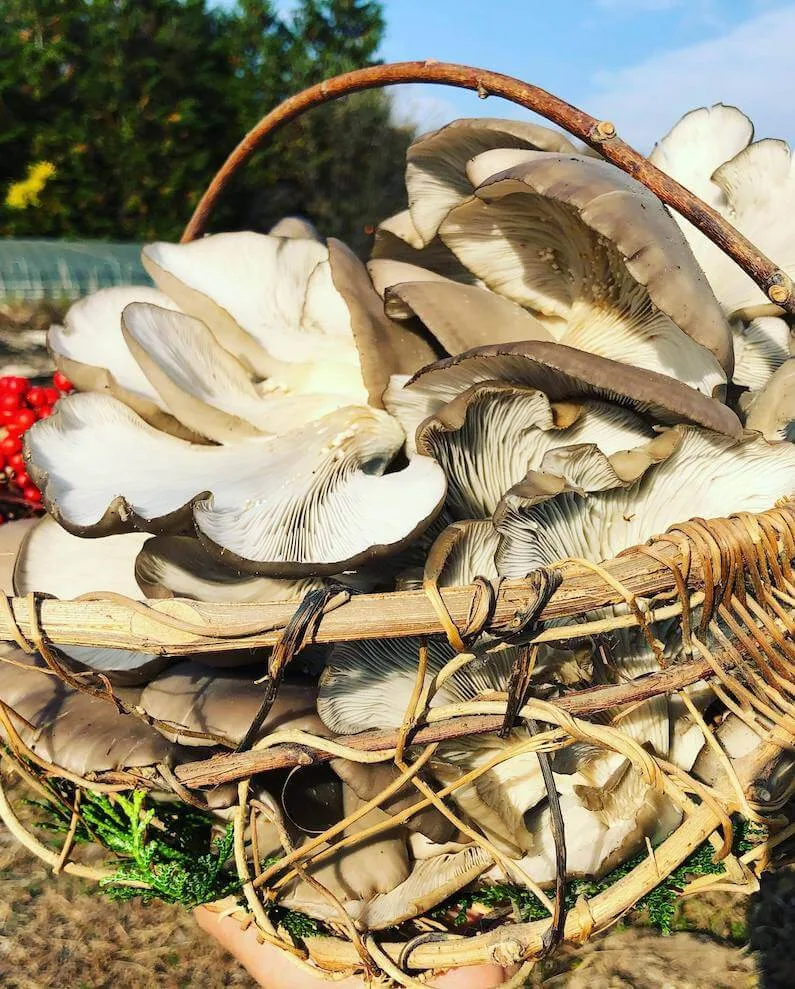
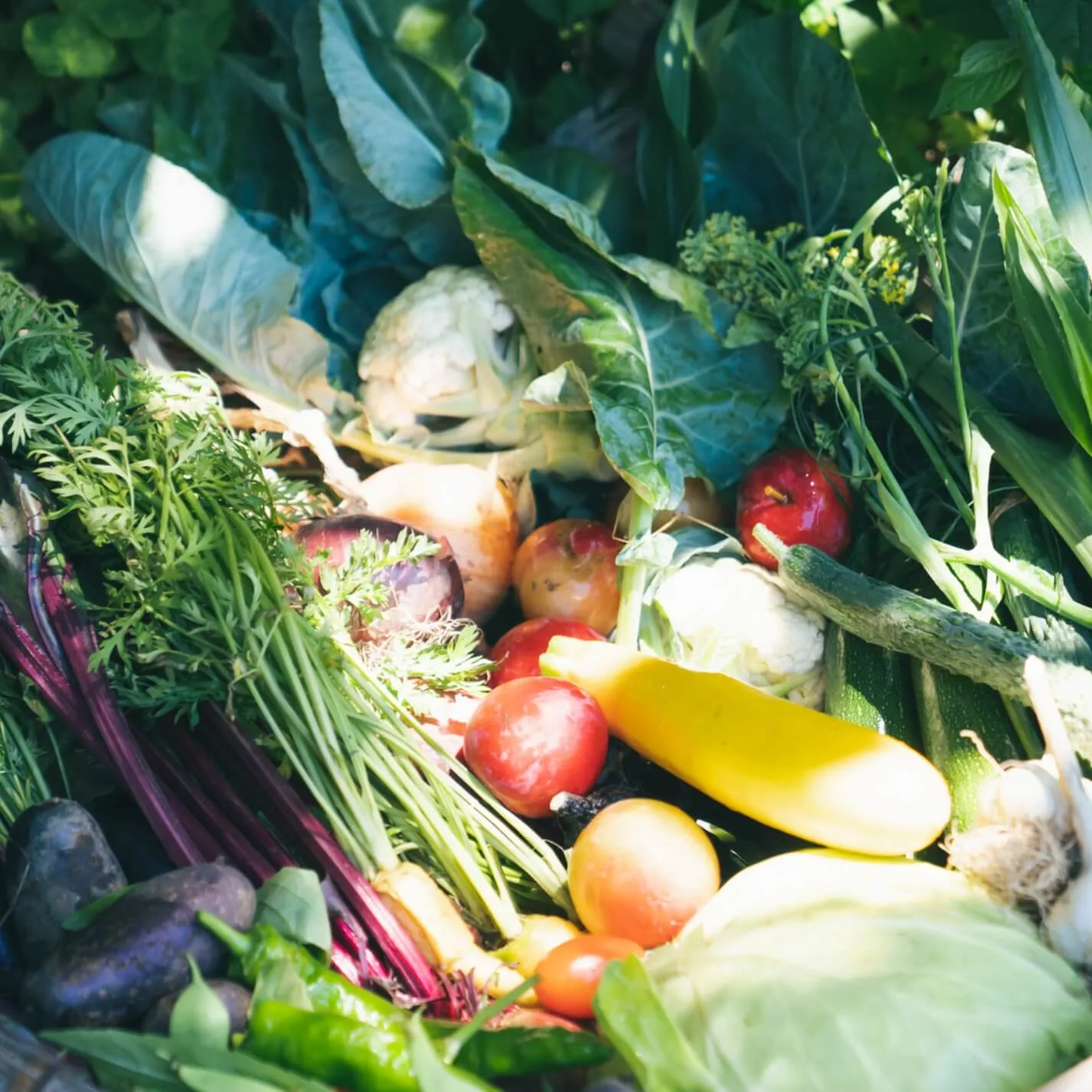
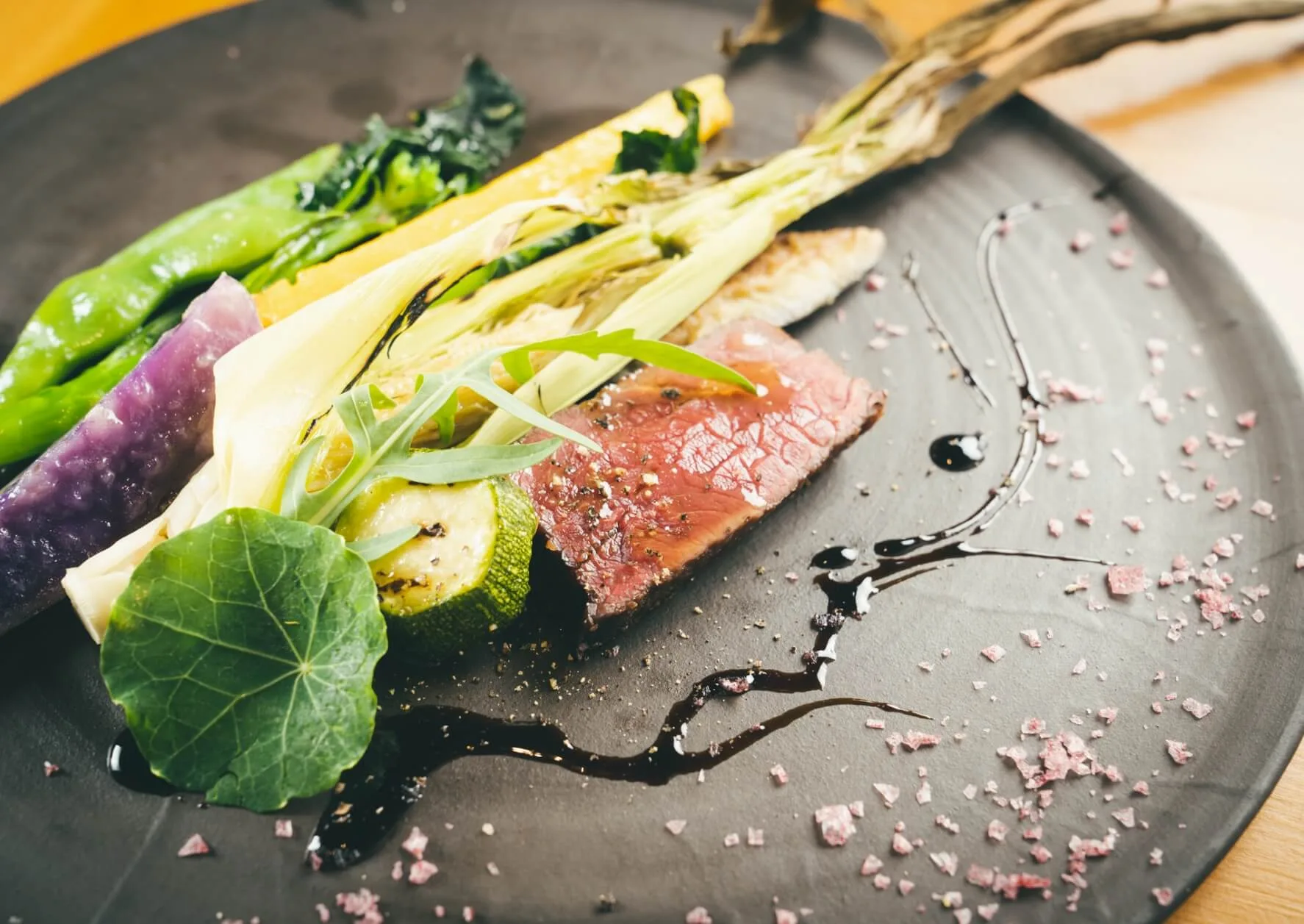
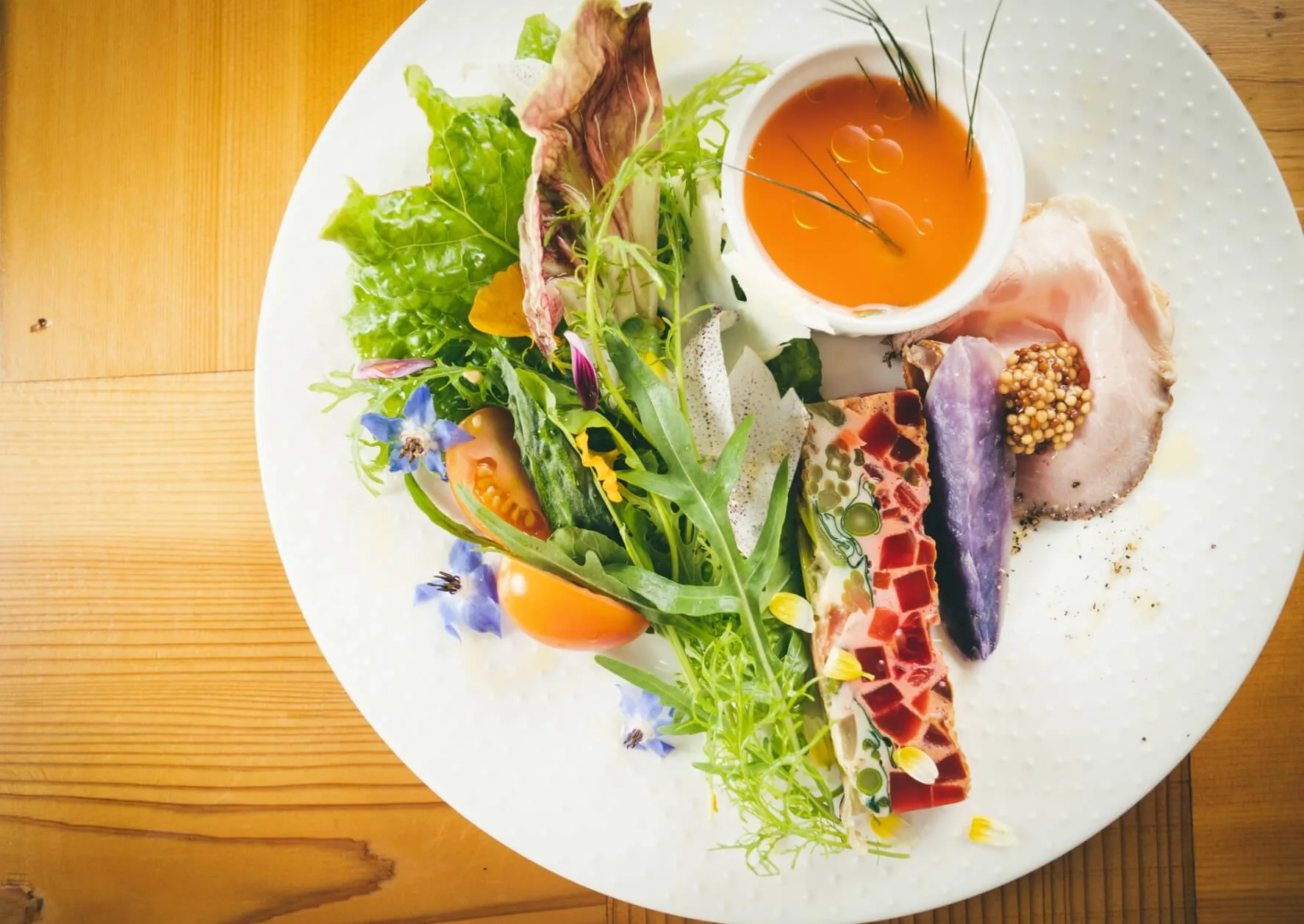
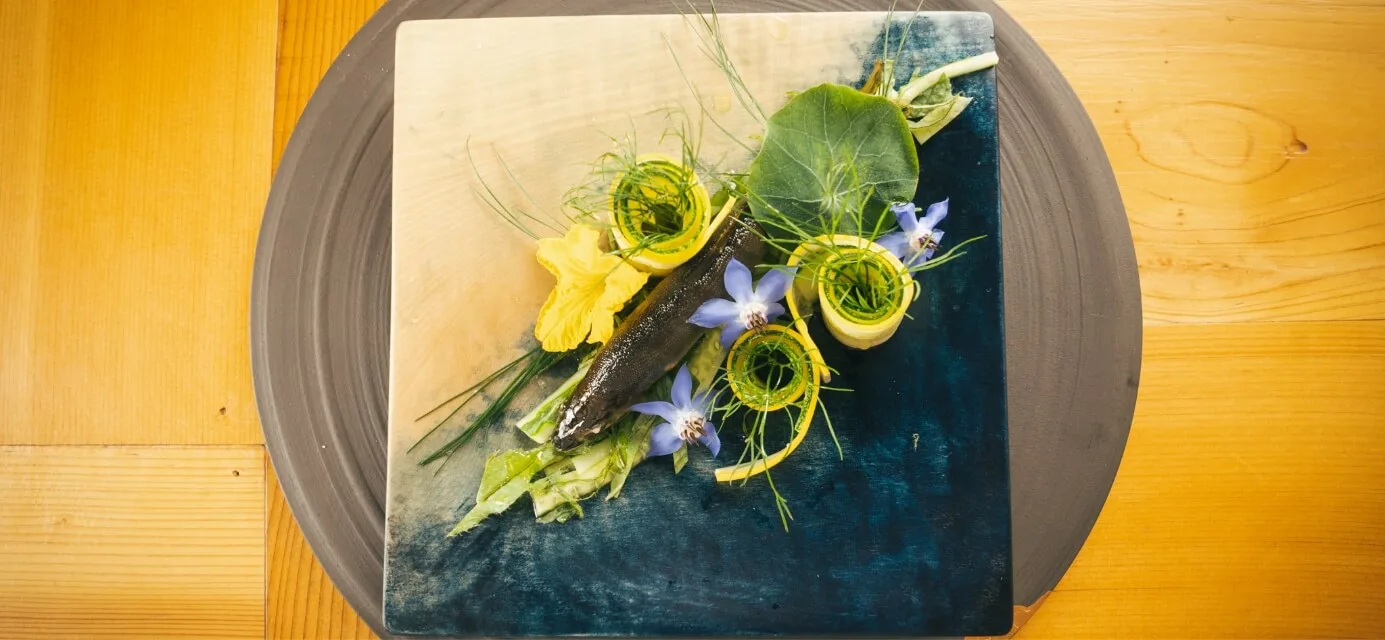
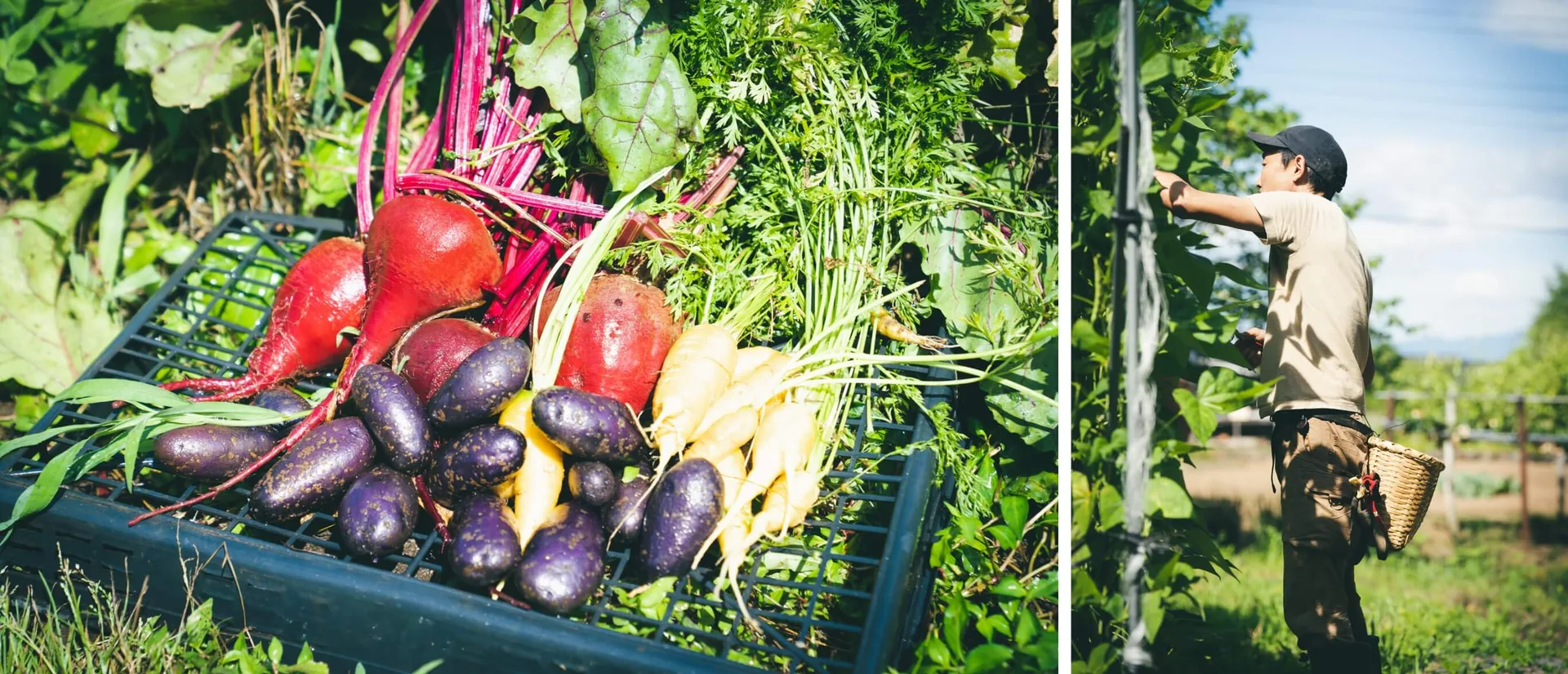
The farm yields over 150 vegetable varieties. Tsubouchi turns local byproducts like tofu okara and rice bran into feed for his chickens, keeping chemicals out of the land. This produce feeds the Italian cooking offered across courses of six to ten plates. Diners encounter Stuzzichino starters, house-made pasta, pizza, and mains featuring wild game like deer or boar. The kitchen handles vegetarian requests and food allergies with care. Each dish reflects the Chichibu basin environment, where limestone and clay soils generate the temperature swings needed for diverse cultivation.
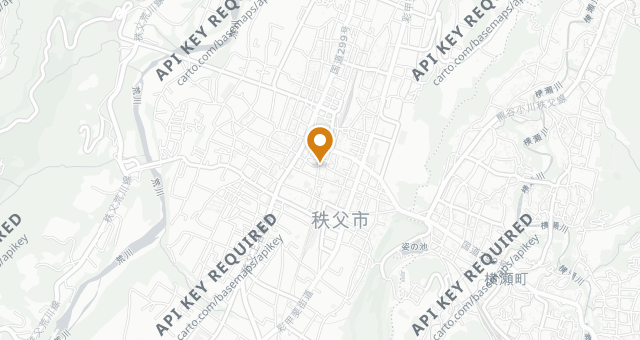
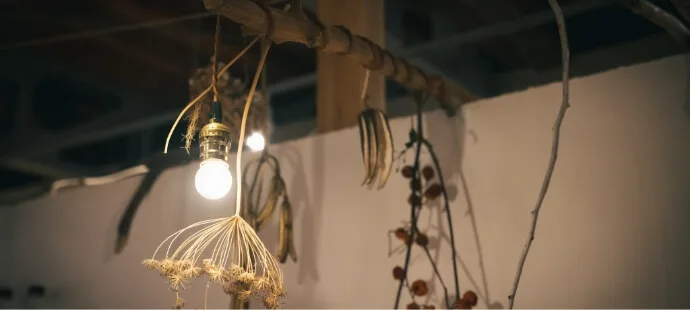
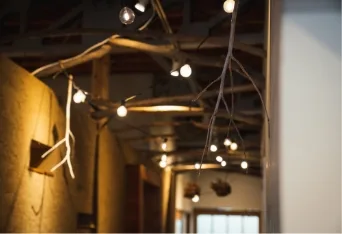
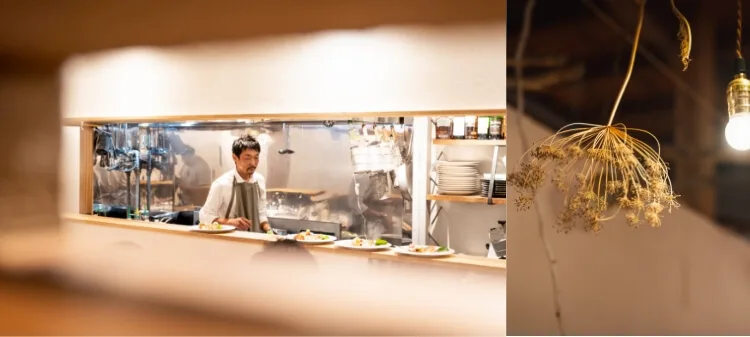
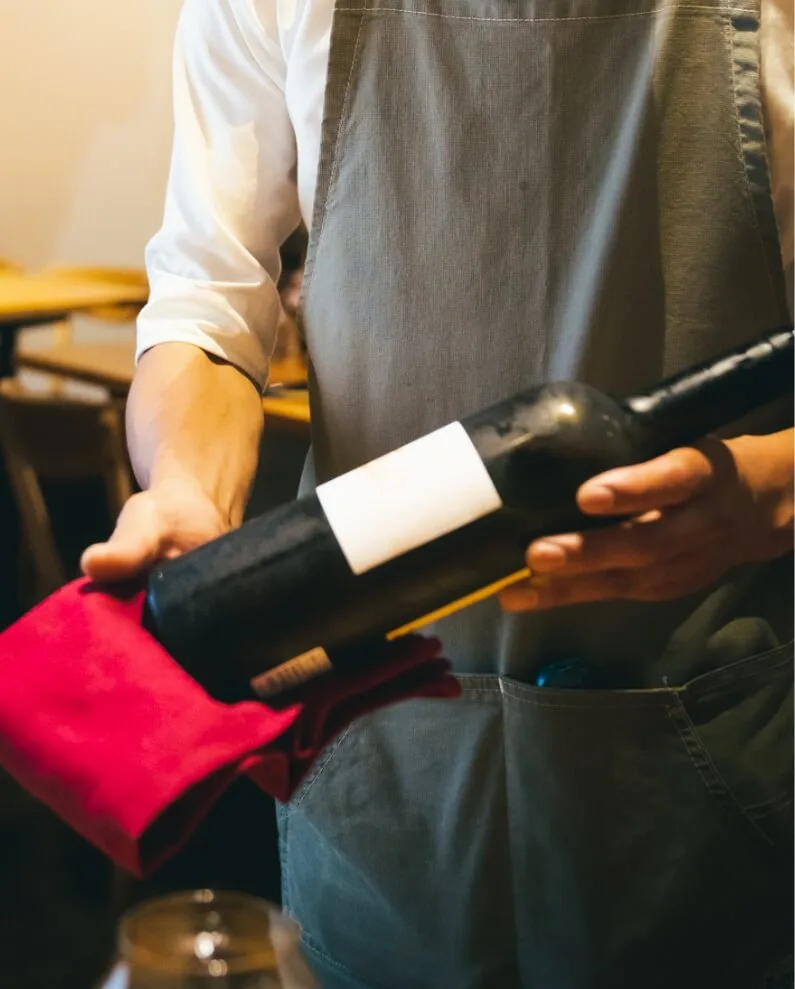
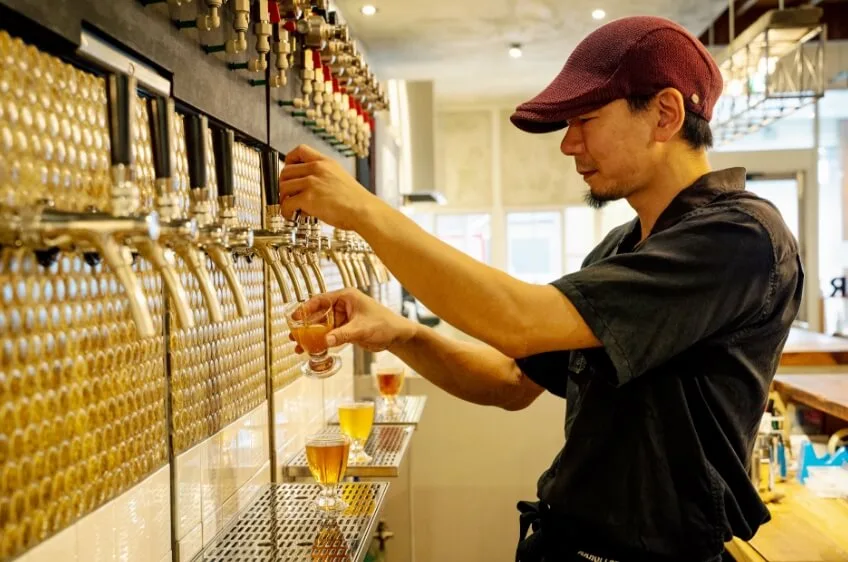
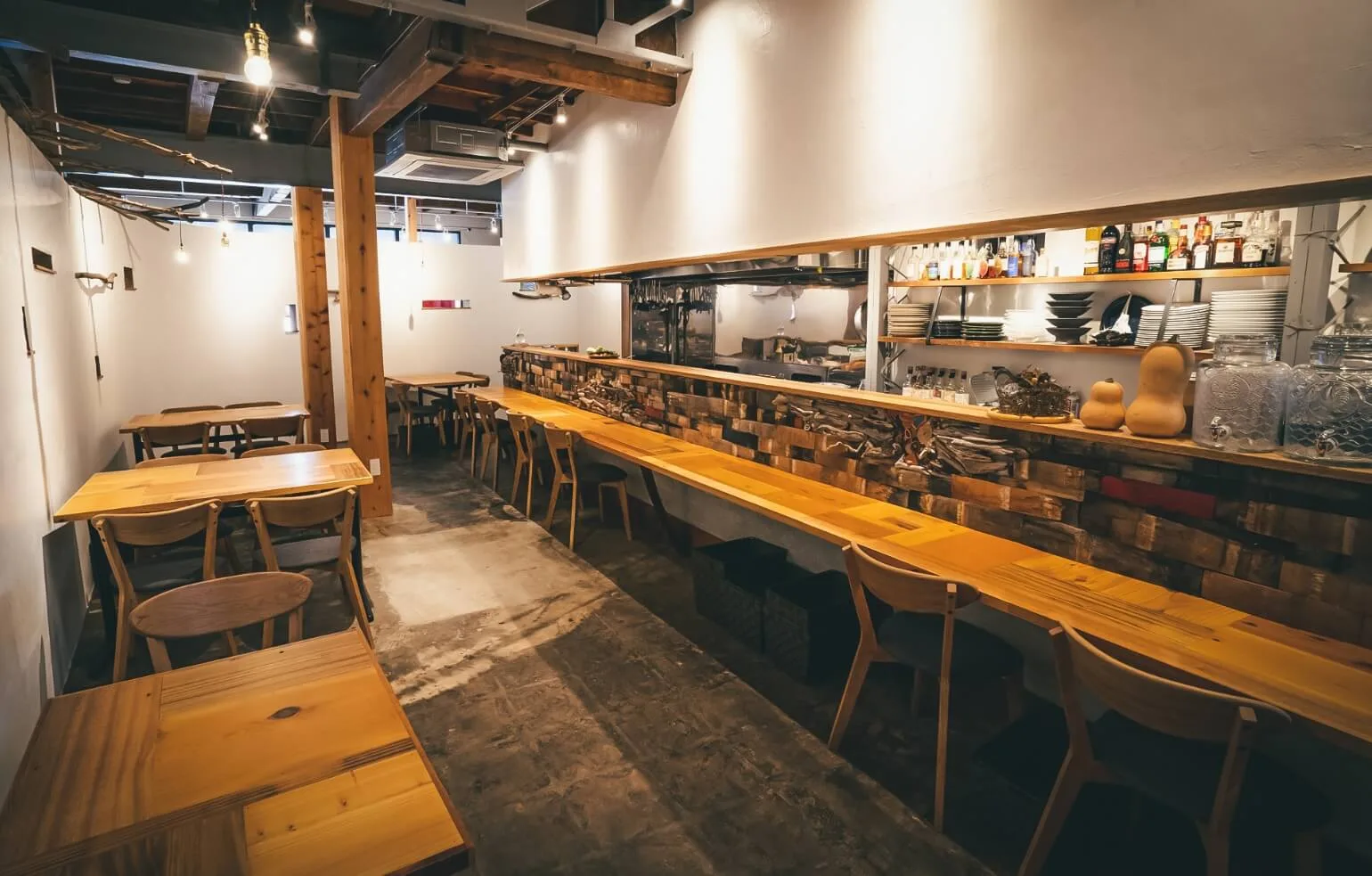
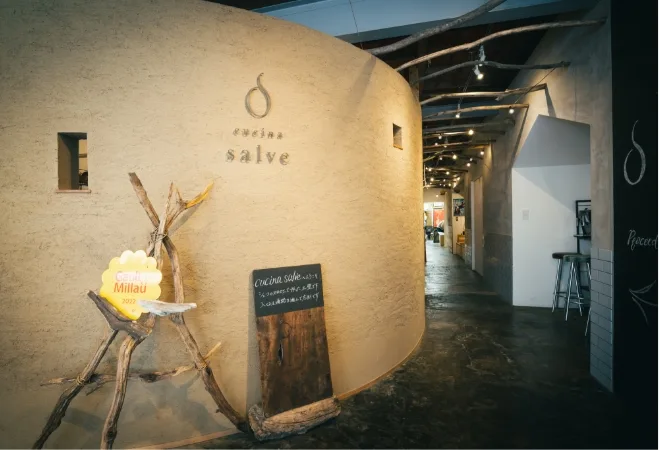
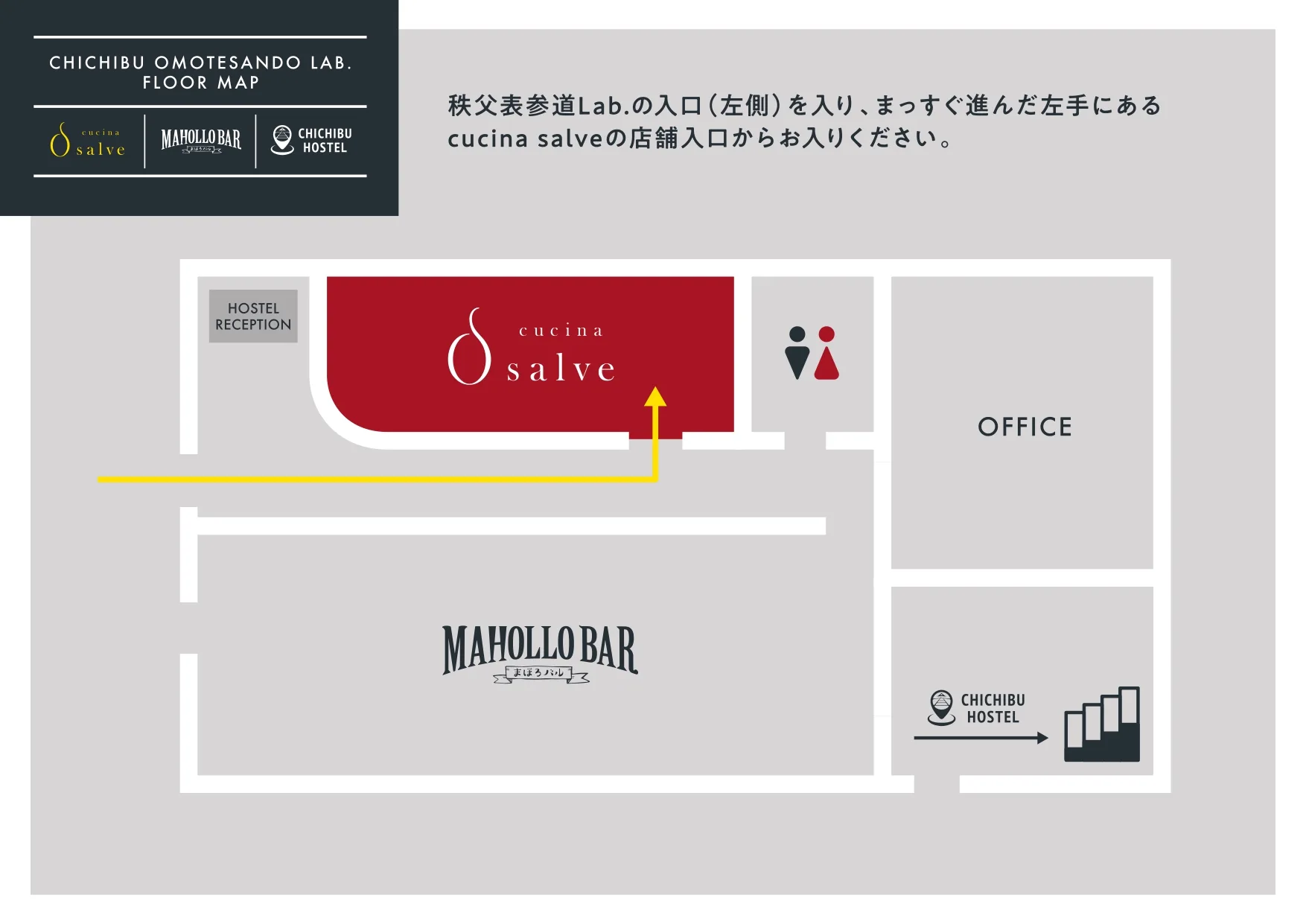
The venue sits inside the Chichibu Omotesando Lab complex near a guesthouse. Guests often combine their meal with walks through the historic streets of the town. Tsubouchi built the restaurant to showcase the relationships formed while traveling across Japan to find exceptional ingredients. The room focuses attention on the food and the company of fellow diners. Lunch runs on weekends and holidays from 11:30 to 14:00, and dinner starts at 17:30. Groups of eight or more book the whole space for exclusive events.
Recognition

Ambience
Details
 Facebook