
The story
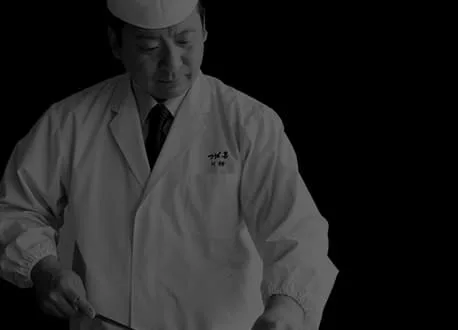
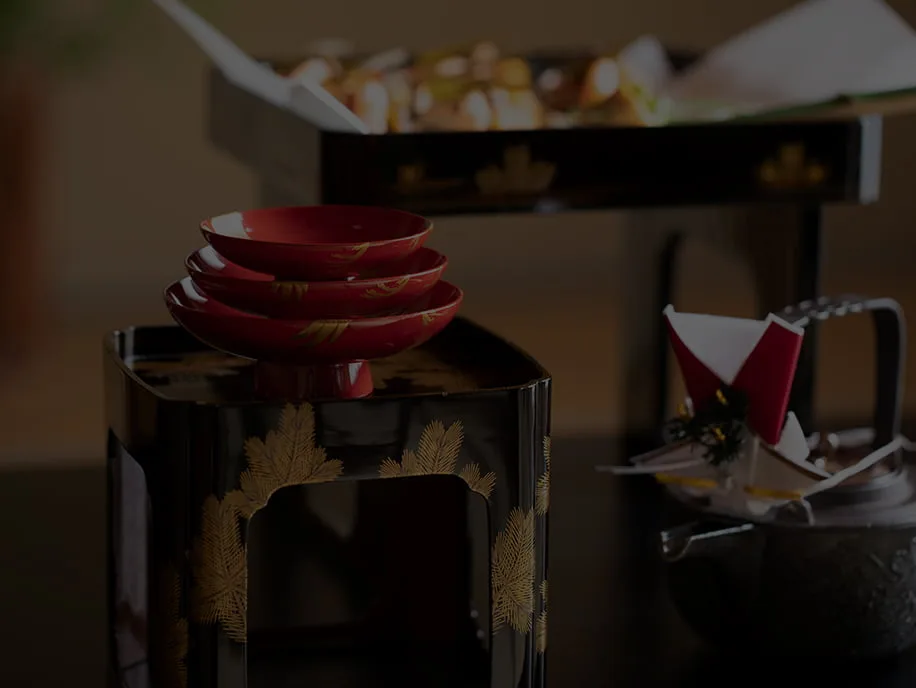
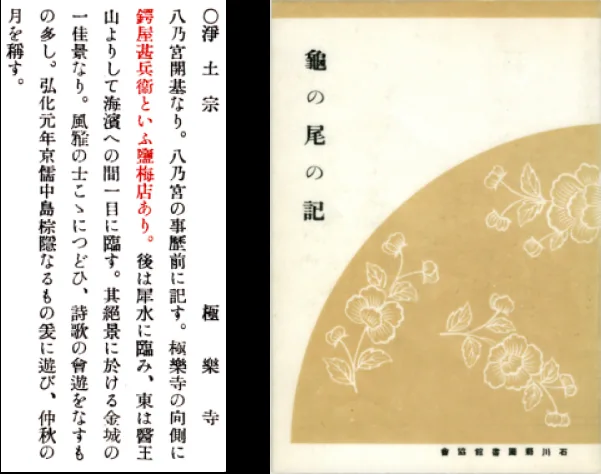
TSUBAJIN has served refined Japanese cuisine in Kanazawa since a sword guard artisan named Jinbei Tsuba III opened a small eatery beside his workshop in 1752. The family transitioned from crafting metal tsuba to preparing regional provisions, eventually earning recognition as the premier establishment in the Kaga domain. Modern chefs continue this lineage, drawing on centuries of local sourcing while meeting contemporary standards that recently earned the restaurant a 16.5 rating from Gault&Millau. The kitchen operates without fanfare, focusing instead on precise techniques passed down through generations of ryotei practitioners.
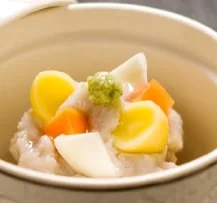
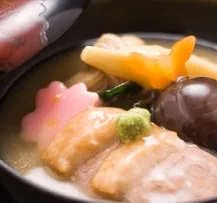
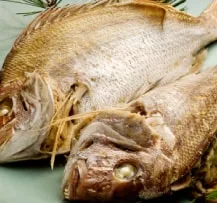
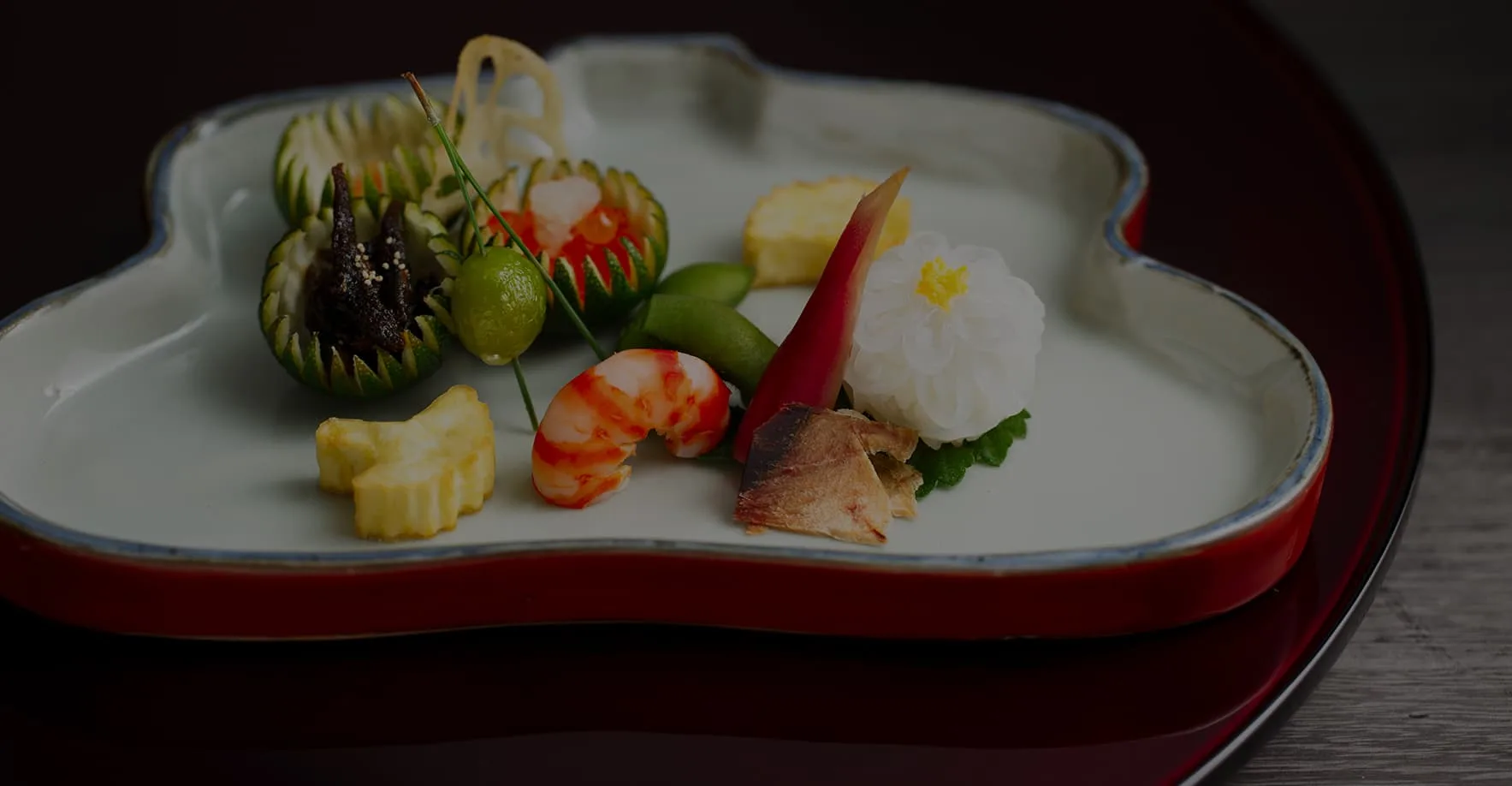
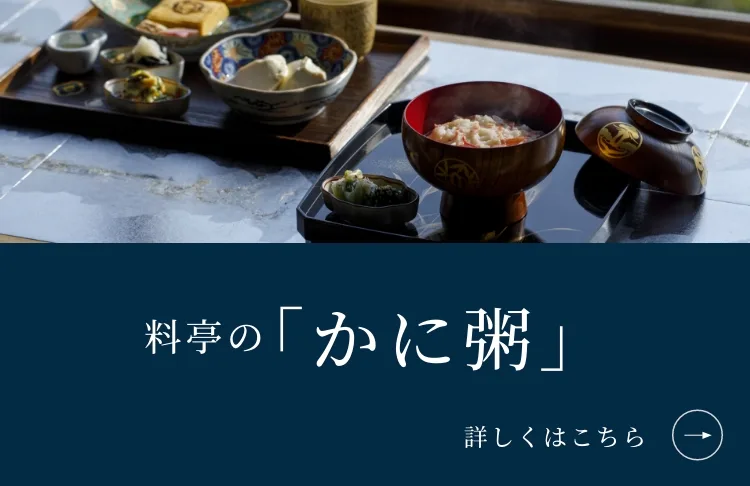
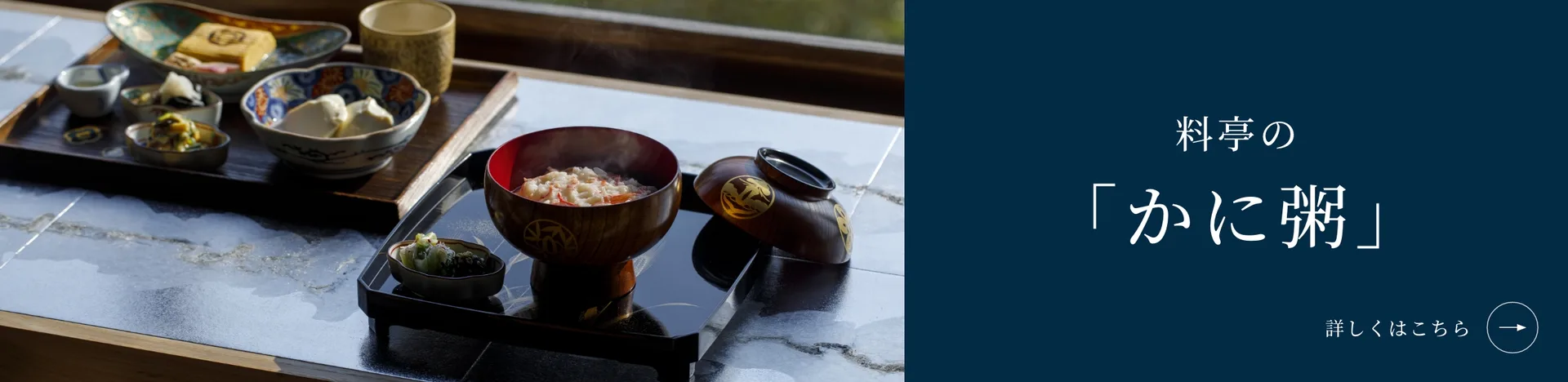
Diners encounter carefully structured courses that highlight the distinct rhythms of Japanese cooking rather than heavy seasoning. The menu frequently features tsubuni-ni alongside fresh sashimi and delicate simmered vegetables sourced directly from Ishikawa farms. Guests can also request the seasonal crab porridge, a lighter preparation that showcases local seafood during winter months. Every plate follows the calendar, ensuring ingredients reach the table at peak maturity.
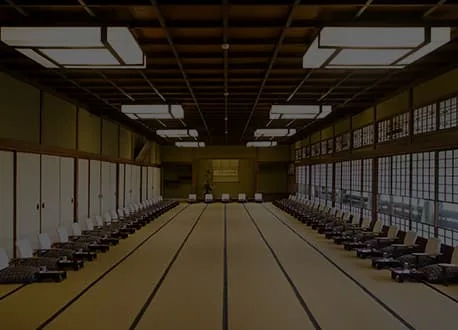
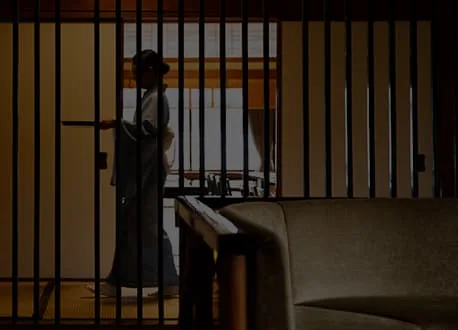
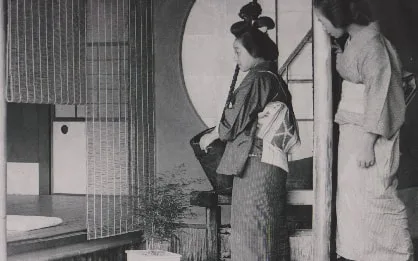
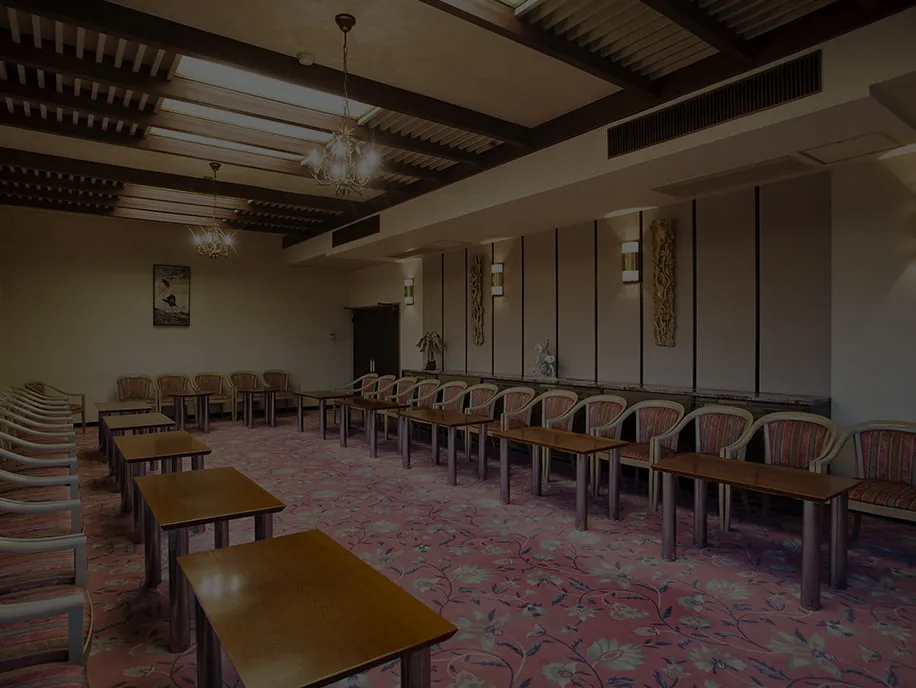
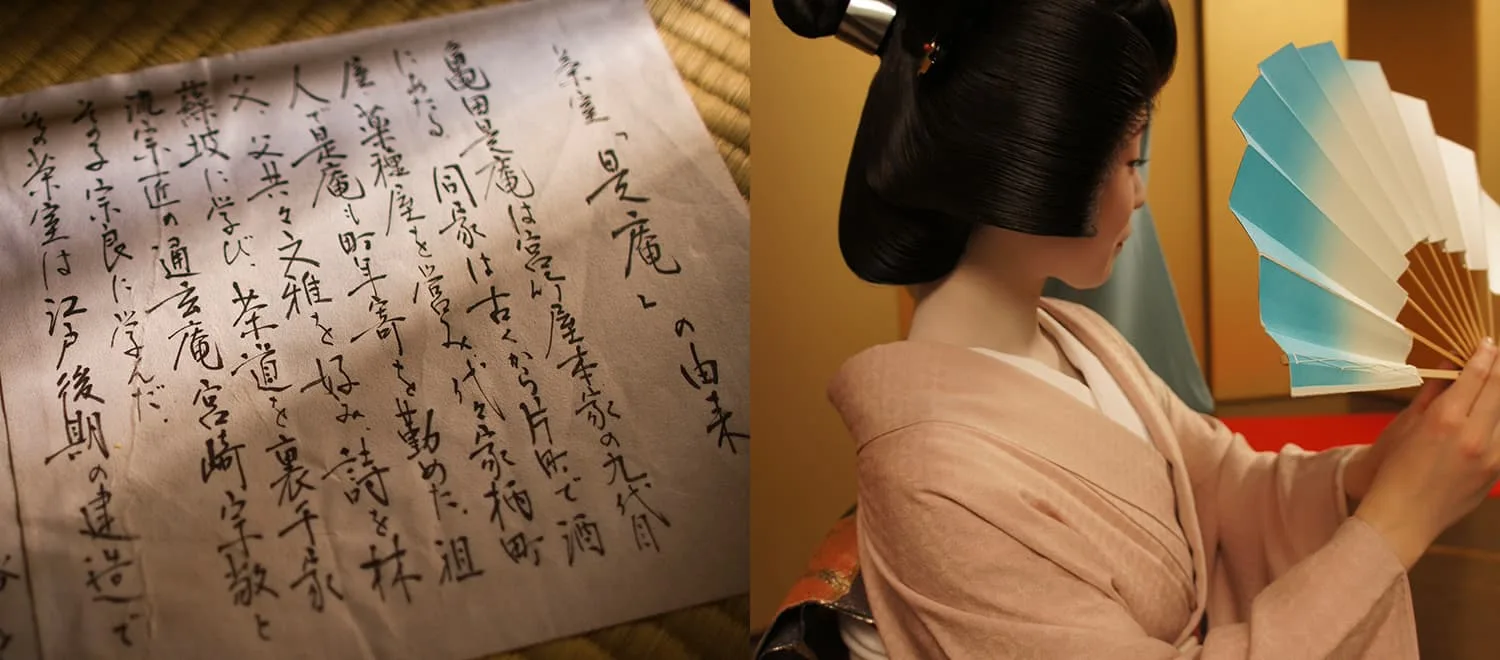
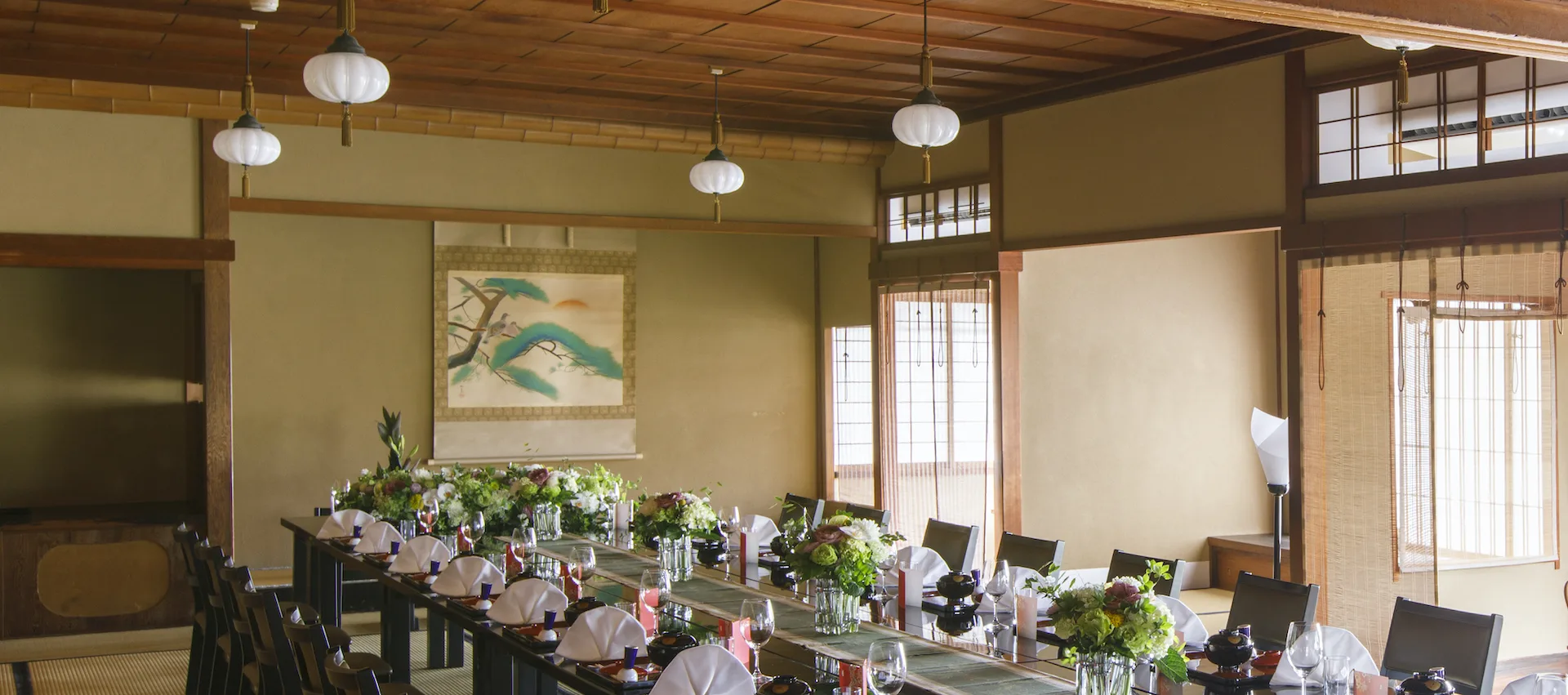
The dining spaces retain original architectural elements that once hosted literary gatherings and state visits. Sliding doors feature hand-painted haiku verses, while carved wooden panels display motifs drawn from classical poetry. Historical figures such as Prime Minister Ito Hirobumi admired the views from the Tsuki-no-ma room, and poet Basho Matsuo previously held gatherings in Koharuan. Today, visitors experience these interiors alongside live performances by Kanazawa geiko, who perform traditional songs in adjacent alcoves.
Recognition

Ambience

Details

 Instagram