The story
In the ancient capital of Nara, where the first Chinese influences arrived in Japan over 1,300 years ago with the Tang dynasty missions, Naramachi Kuko (often simply called Kuko) creates a Chinese cuisine that honors that history while remaining distinctly its own. The restaurant’s name, kuko (枸杞), refers to the wolfberry – a traditional Chinese herb long associated with longevity and vitality.
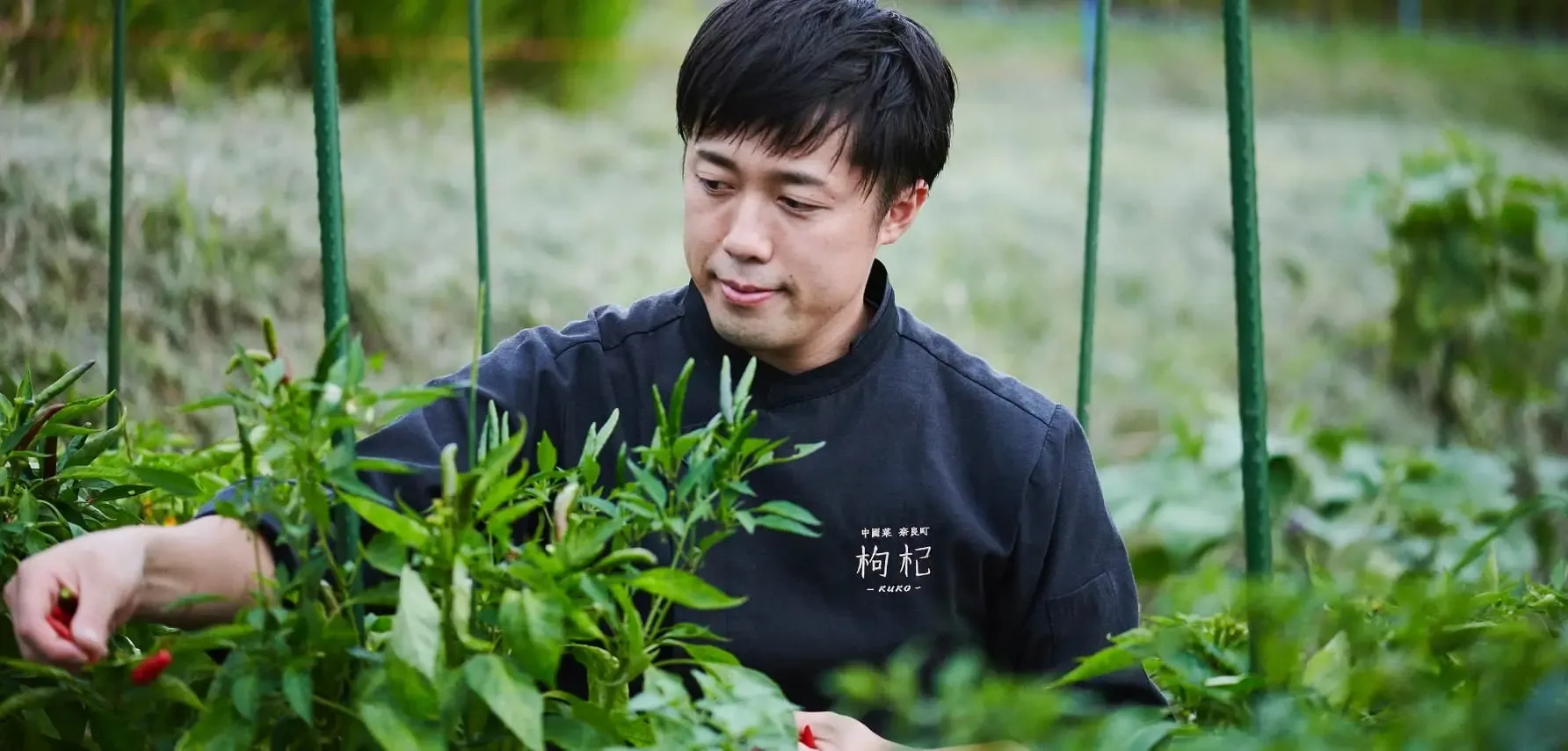
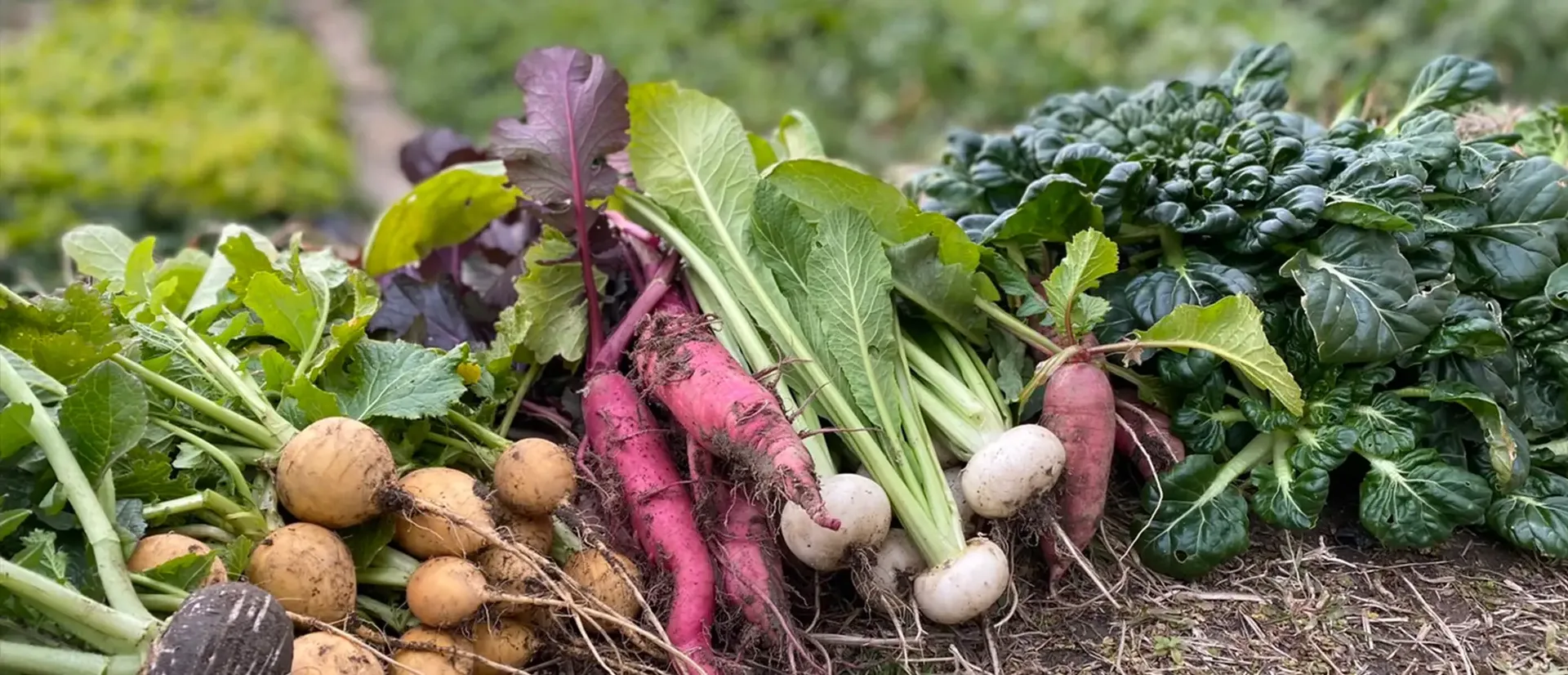
The chef’s philosophy is summed up in two classical Chinese concepts: shindo fuji (身土不二, body and earth are one) and ishoku dōgen (医食同源, food is medicine). This translates into a kitchen that is inseparable from the land. Kuko cultivates its own organic vegetables – including traditional Yamato heirloom varieties and Chinese greens – on a farm in the hills just ten minutes from the Naramachi streets. The produce is grown without pesticides or chemical fertilizers, and is certified under the “Petakin no Megumi” label, which promotes biodiversity and environmental protection. This commitment to sustainable farming has been recognized with a Michelin Green Star for four consecutive years (2022–2025), and in 2026 the restaurant received its first Michelin star.
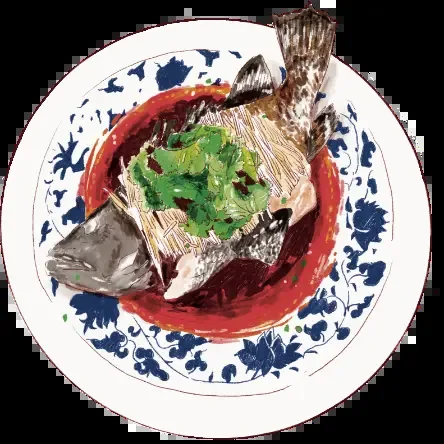
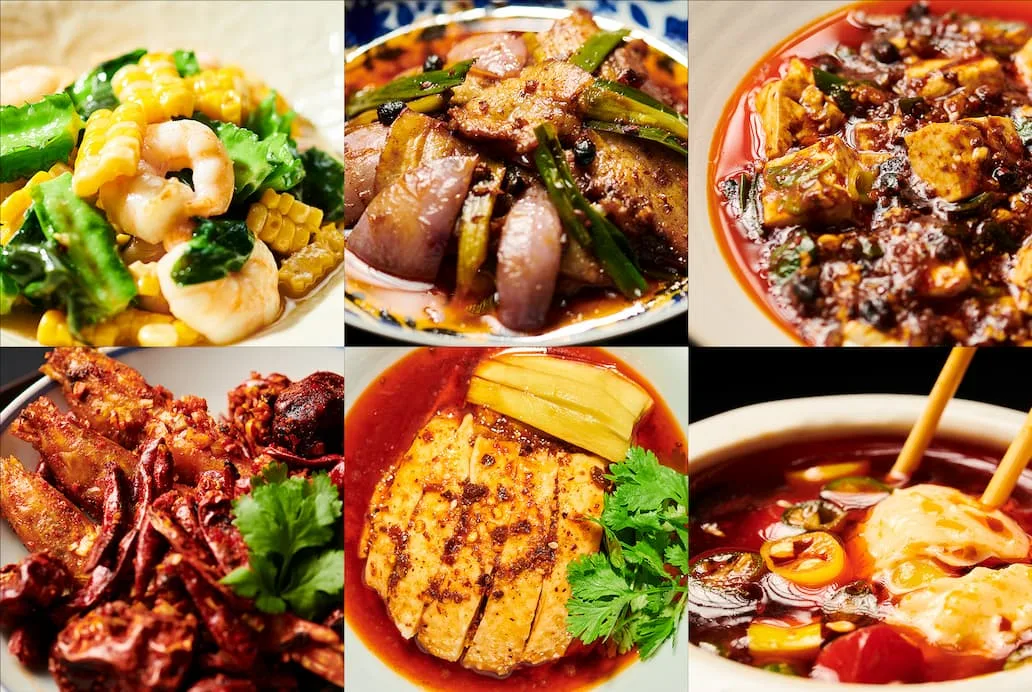
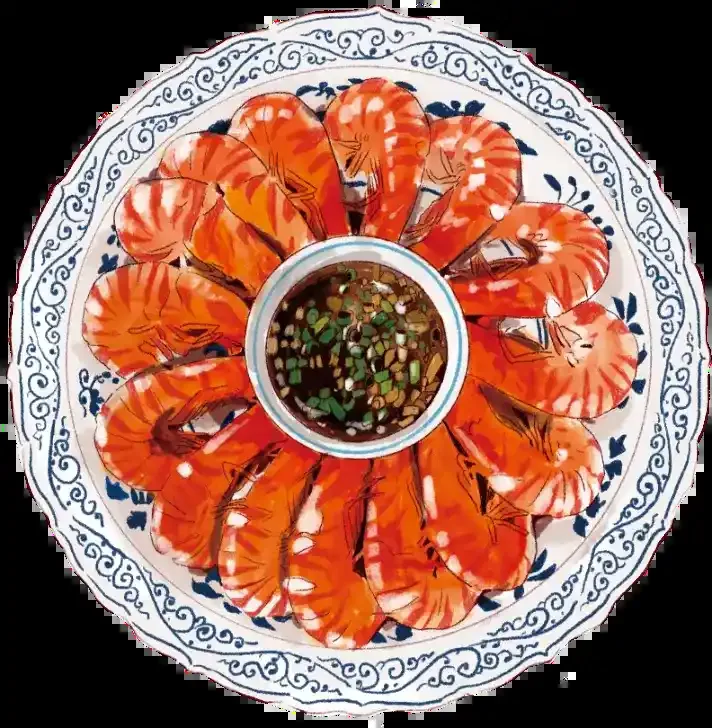
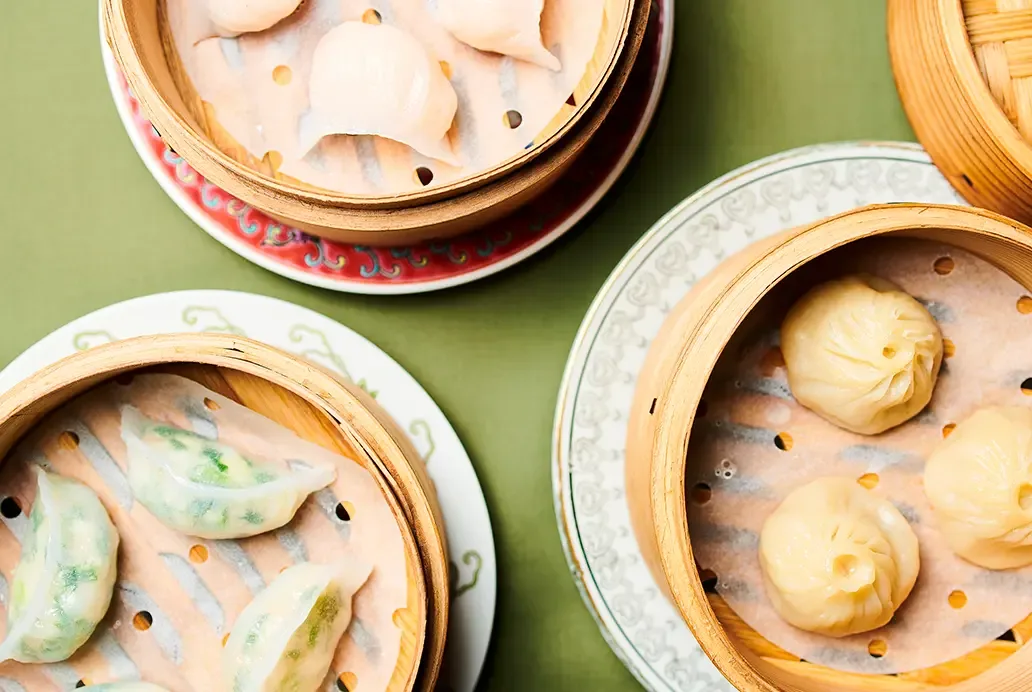
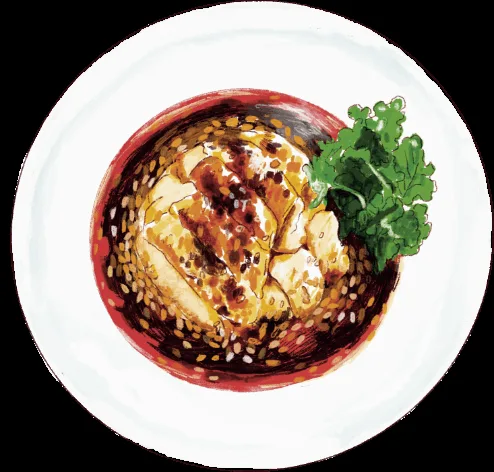
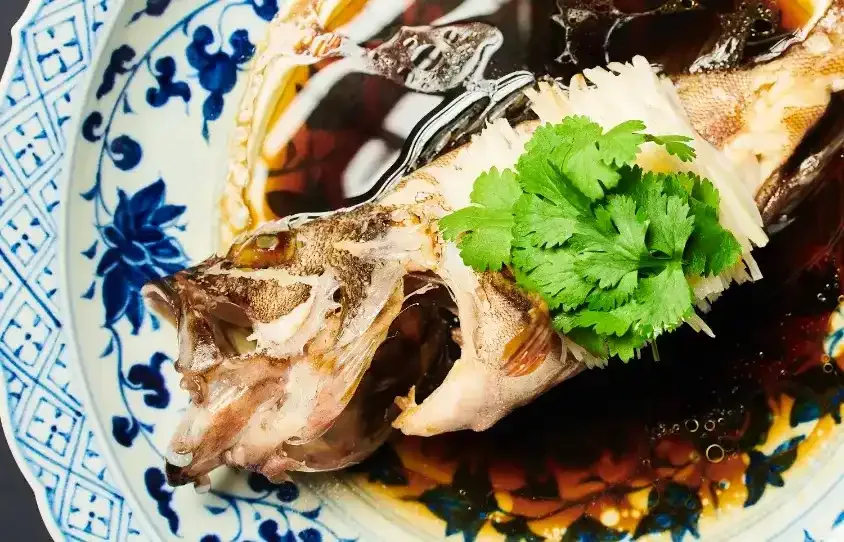
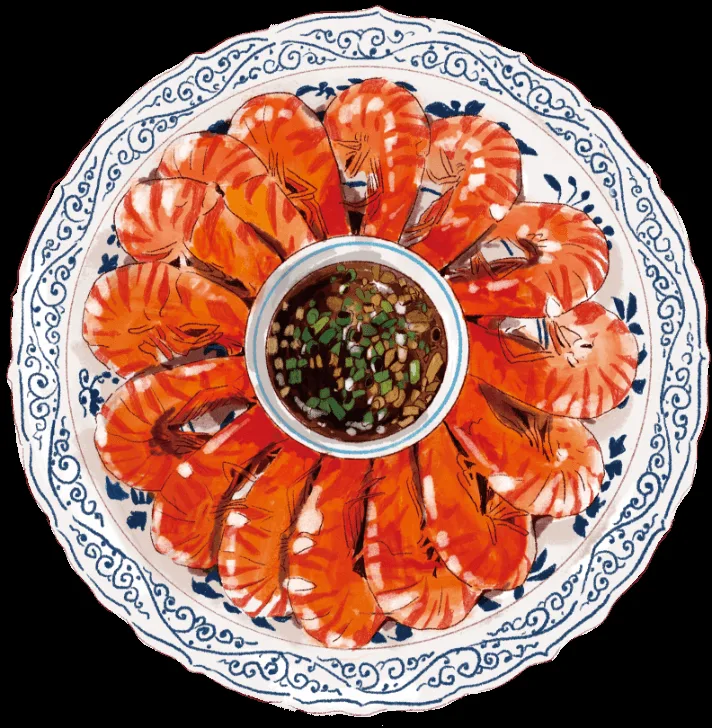
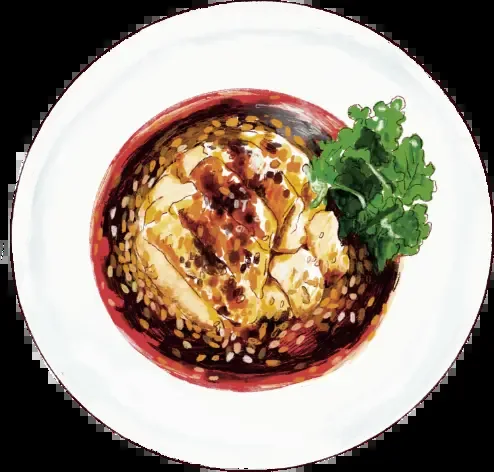
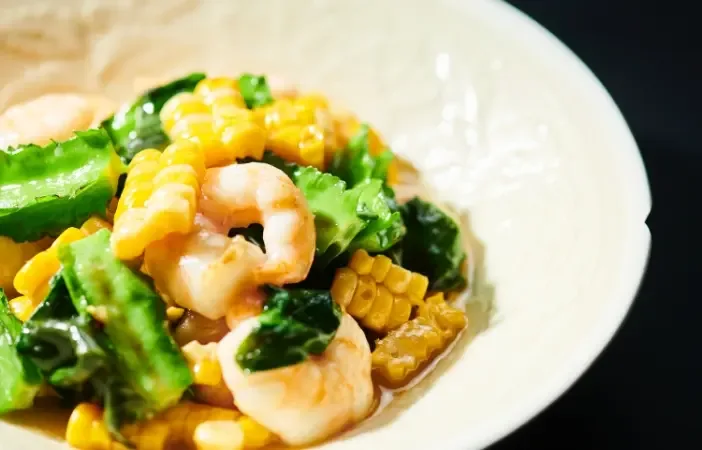
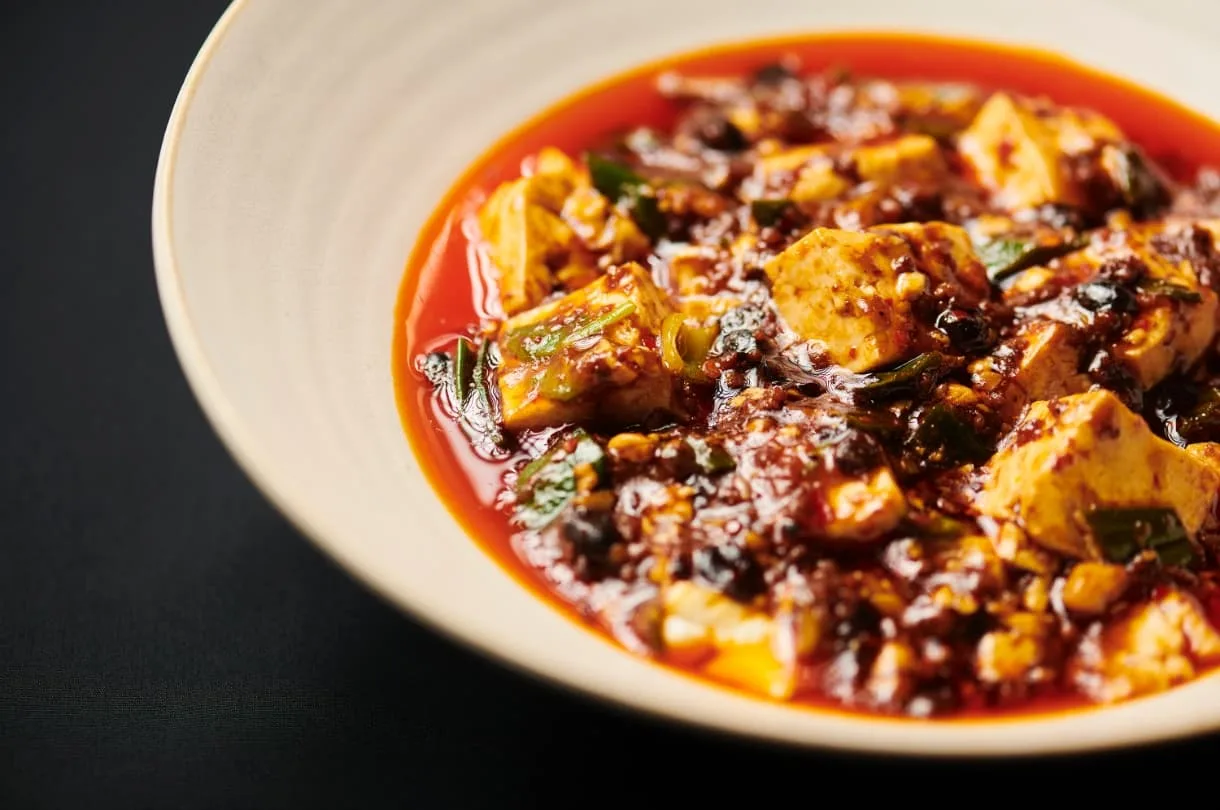
The cuisine is a fusion of Sichuan and Guangdong styles, adapted to the local terroir and the changing seasons. The menu follows the 72 seasonal micro-seasons (shichijūni kō), with heavy use of spices, herbs, and house-made fermented condiments. Lunch features a dim sum course (the Kuko Dim Sum Course), with eight kinds of handmade dumplings wrapped fresh just before serving, using vegetables harvested that morning. Dinner is a more elaborate tasting course that moves through seafood, meat, and vegetables, finished with a sweet. The kitchen works with only two staff, so the pace and service are intimate and deliberate.
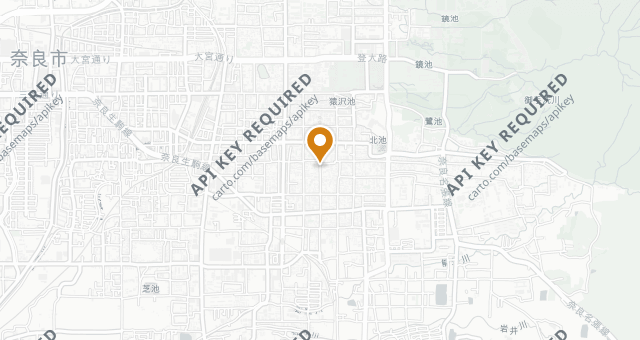
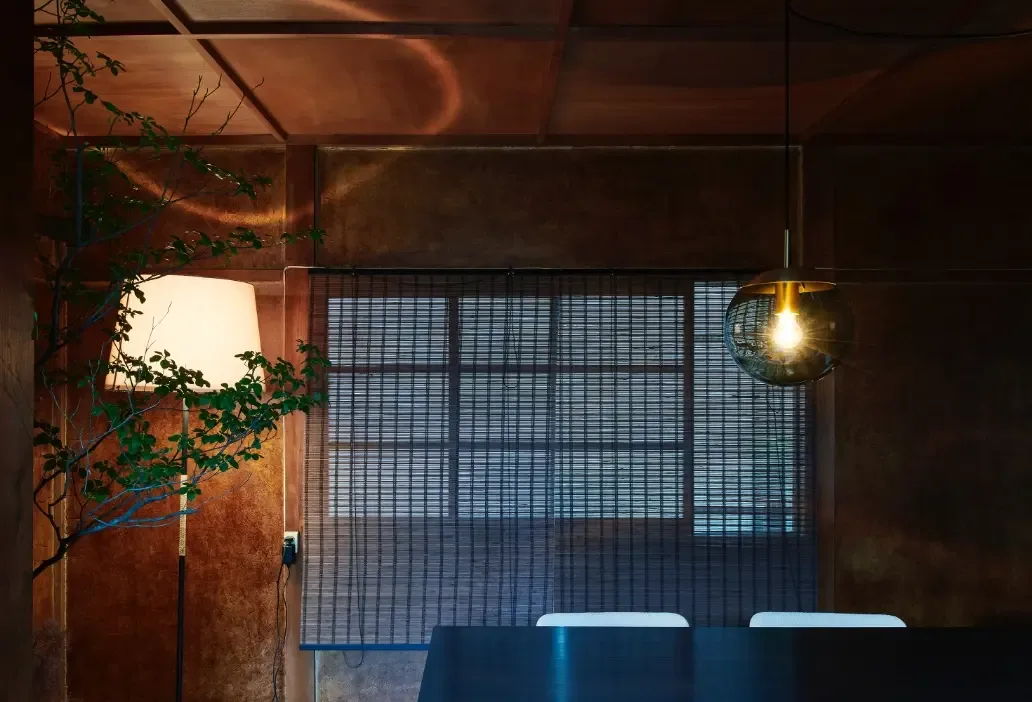
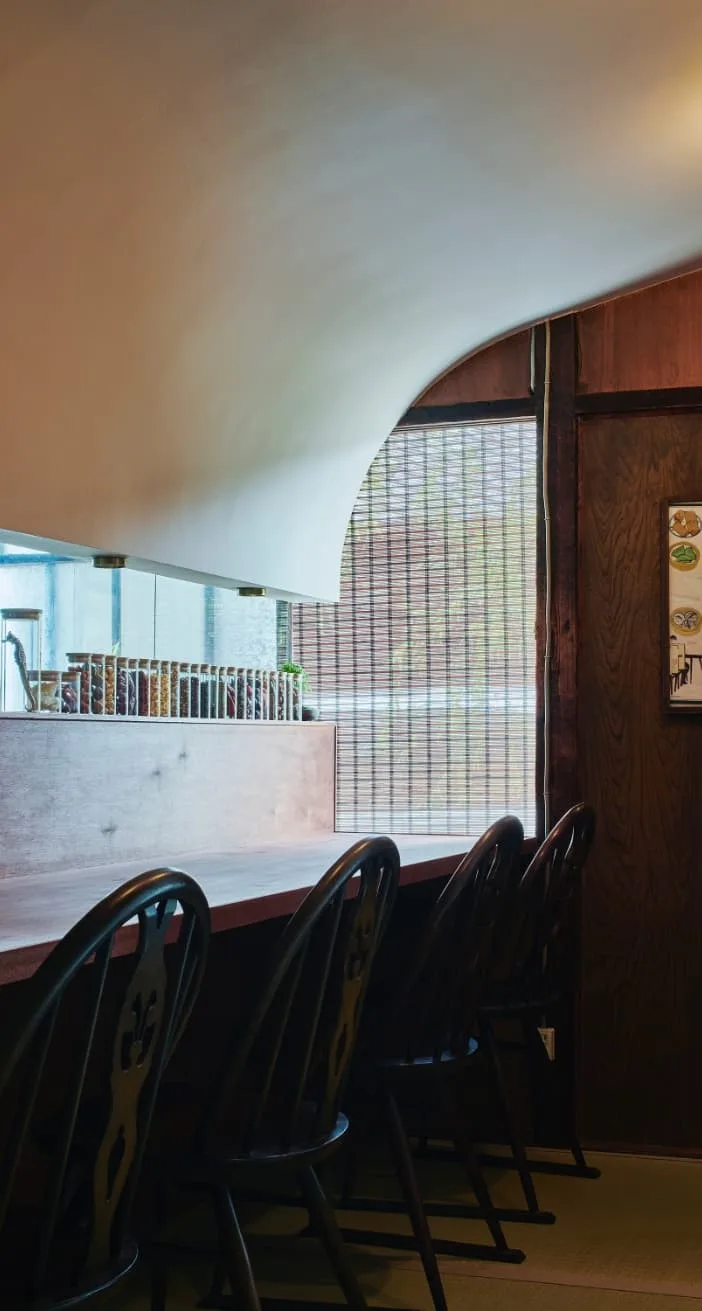
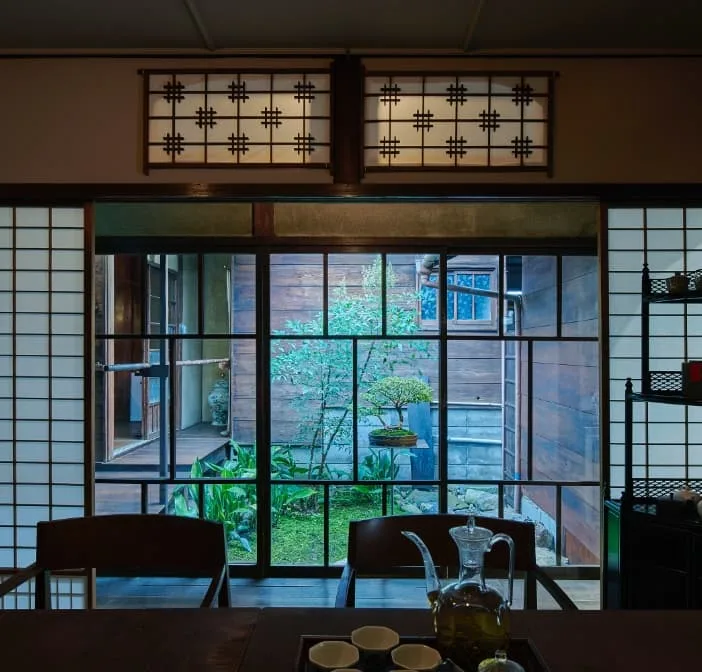
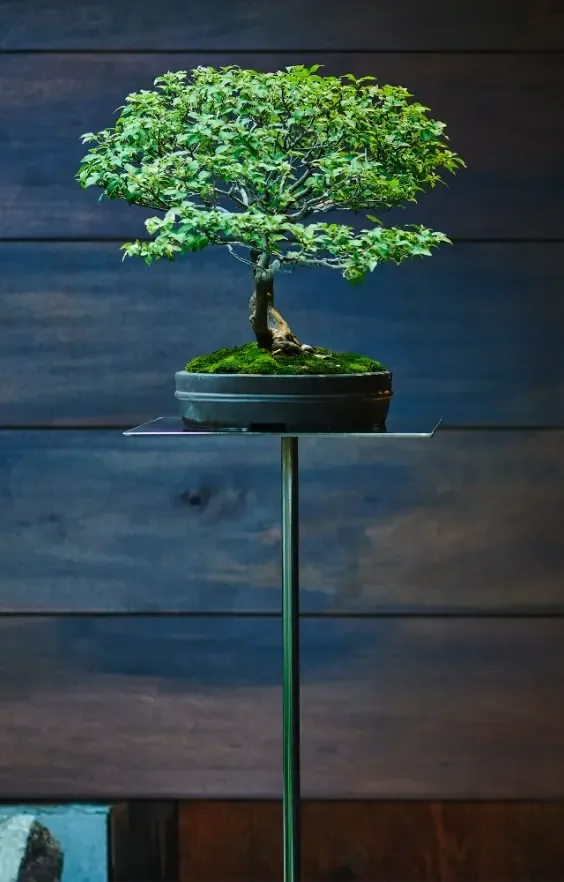
The restaurant occupies a quiet residential street in Naramachi. It is fully reservation-only, with bookings opening on the first of each month for the following month (via Instagram DM, Facebook Messenger, or email). The dining room is small, and the atmosphere is calm and focused. Guests are asked to refrain from wearing perfume, as the experience places great importance on scent. The restaurant is cash-only at lunch (credit cards accepted for dinner), and there is no parking.
Kuko is a restaurant that asks for patience and understanding, but rewards those who respect its rhythms with a meal that feels both ancient and alive – a personal, principled expression of Chinese cuisine in the city where it all began.
Recognition

Ambience
Details