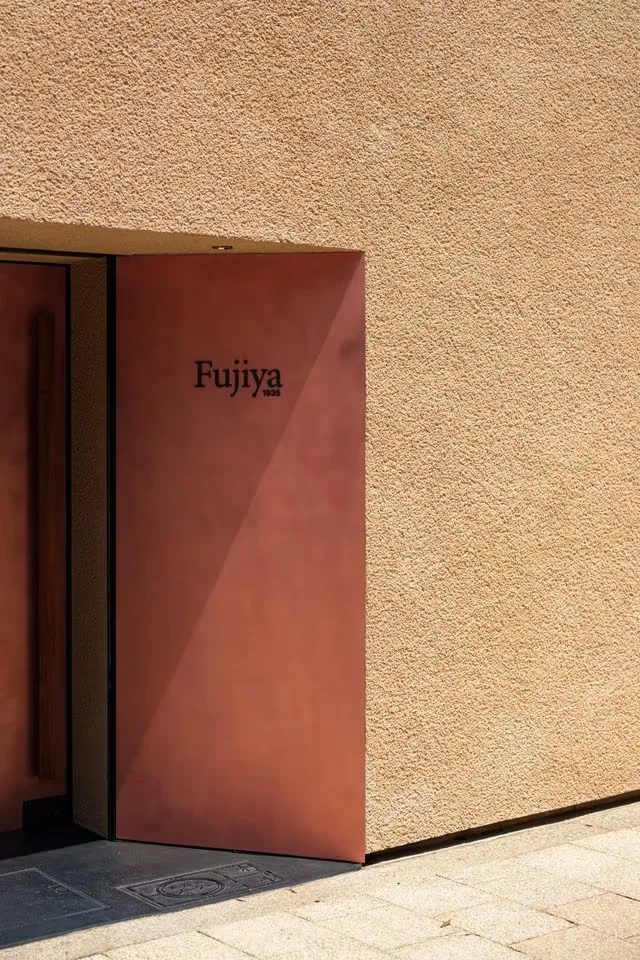

The story
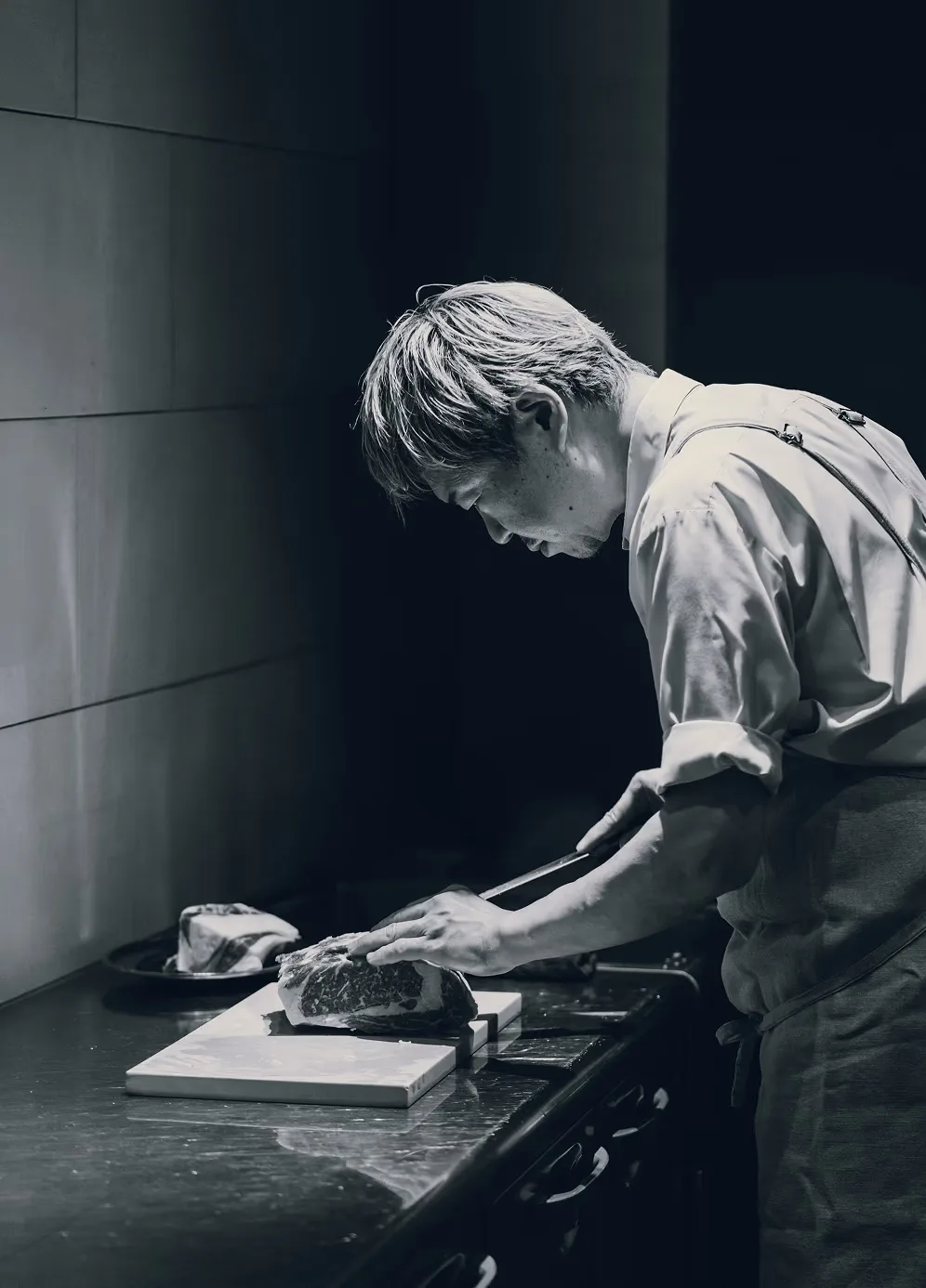
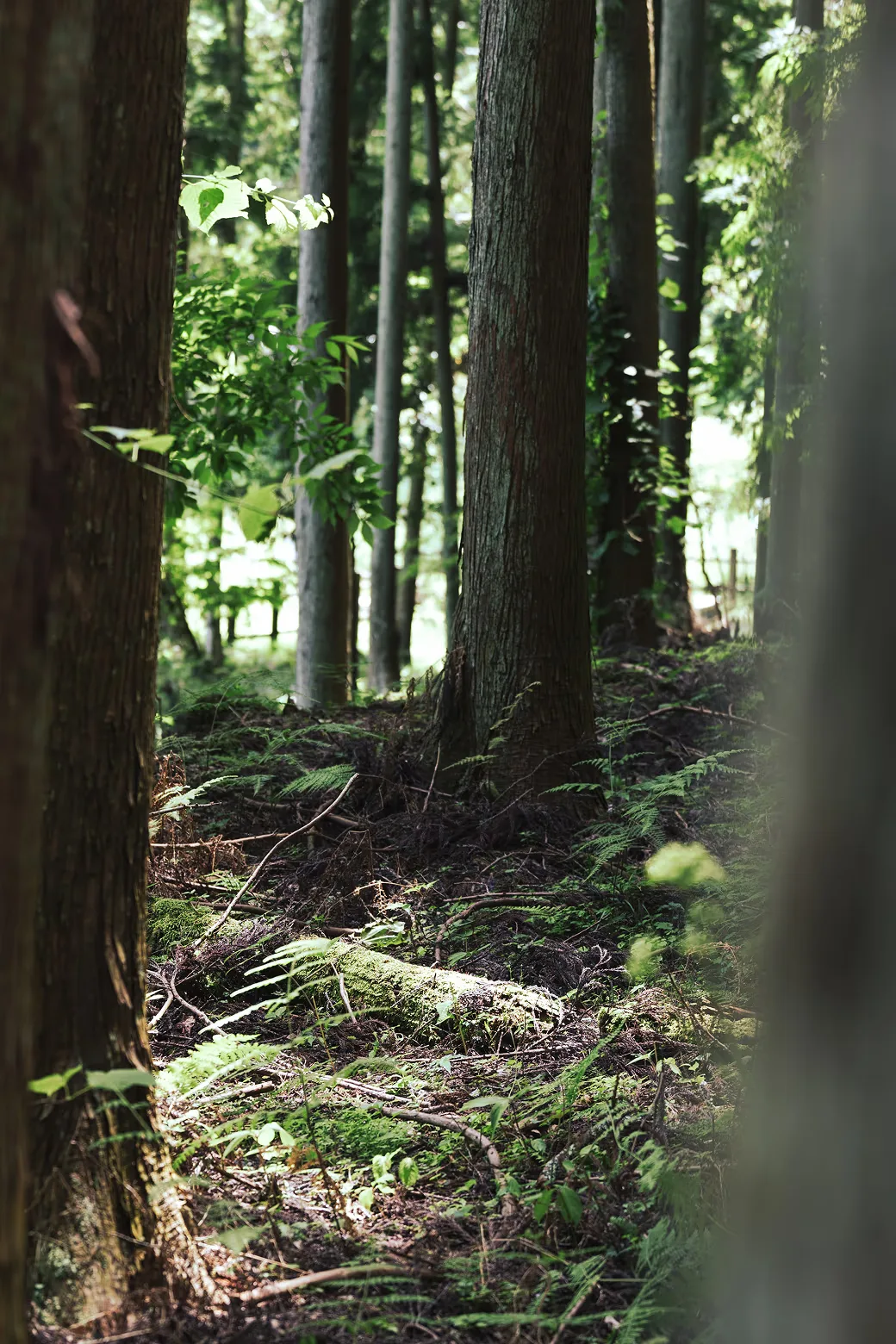
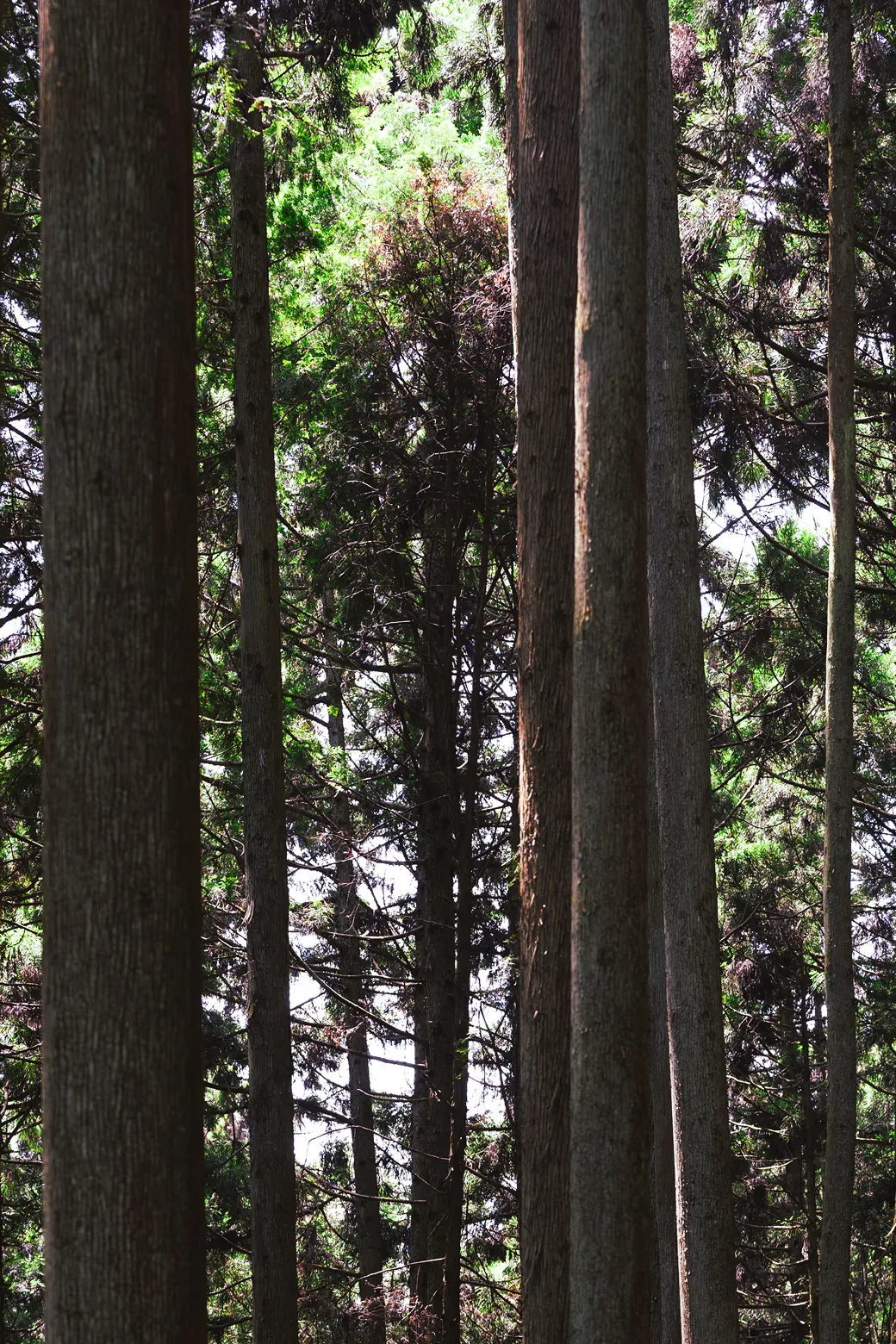
At Fujiya 1935, the table is a place to reconnect with nature’s rhythms. Chef Tetsuya Fujiwara describes the restaurant’s philosophy as “eating the seasons” – an antidote to urban life where the passage of spring, summer, autumn, and winter often goes unnoticed. “Wild animals instinctively feel the changing seasons, eating wild vegetables in spring and flushing out the waste accumulated over winter,” he writes. “As part of nature, perhaps we too need a diet that follows the seasonal cycle.” The goal is to create an experience that becomes a “delicious memory” – one that lingers and resurfaces unbidden when the same season returns.
This approach earned Fujiya 1935 two Michelin stars, a recognition of the kitchen’s precise, poetic cooking. The tasting menu changes with the calendar, highlighting the finest ingredients from producers who share the chef’s dedication. “Our cooking would not exist without the producers who face nature with passion every day,” says Fujiwara. “We want to deliver these important ingredients to the table fresh, with heat and aroma still rising.”
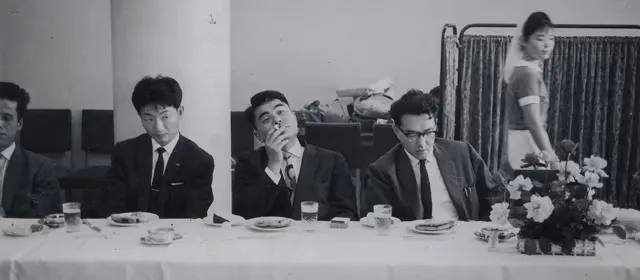
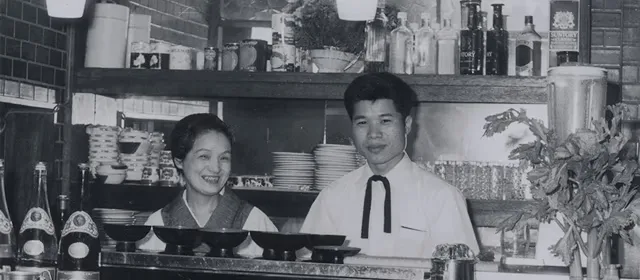
Fujiya 1935 stands on a foundation built by four generations of the Fujiwara family. The story begins in 1935, when chef Tetsuya’s great-grandfather, Fukumatsu Fujiwara, opened a rice shop that also served as a local eatery. His “stew udon” – a blend of Western and Japanese flavors – was so popular that three large pots emptied daily. The second generation, chef Tetsuya’s grandfather Masami, was a linguist and trader who later turned to cooking, opening a Japanese restaurant. In 1957, the family name became “Fujiya.”
The third generation, chef Tetsuya’s father Chiya, trained at the Hotel Hanshin’s Western kitchen before opening his own restaurant and eventually taking over the main shop in 1993. In 2003, after Chiya retired, chef Tetsuya and his wife reopened the restaurant as Fujiya 1935, a new chapter with a modern, seasonal vision. (The original “Western-style restaurant Fujiya” later revived by Chiya continues alongside, preserving the traditional flavors.)
The menu is a series of seasonal vignettes. A recent spring offering included a bread made with snow peas, filled with fine bubbles; kinmedai (golden eye snapper) with a cherry blossom sauce; scallops with fava bean crystal and air butter; clam and butterbur sprout; sea urchin and aosa seaweed; spring vegetable pasta; and a pizza with firefly squid and kogomi (fiddlehead fern). Desserts explore strawberries in multiple forms: jelly, doughnuts, and with pomelo. The meal concludes with a sense of the season captured on the plate.
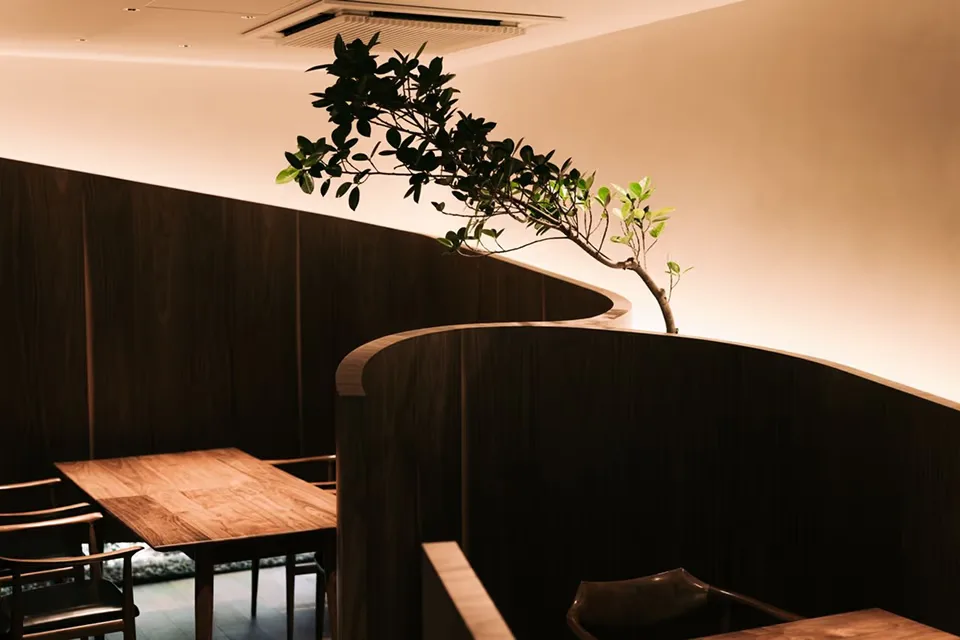
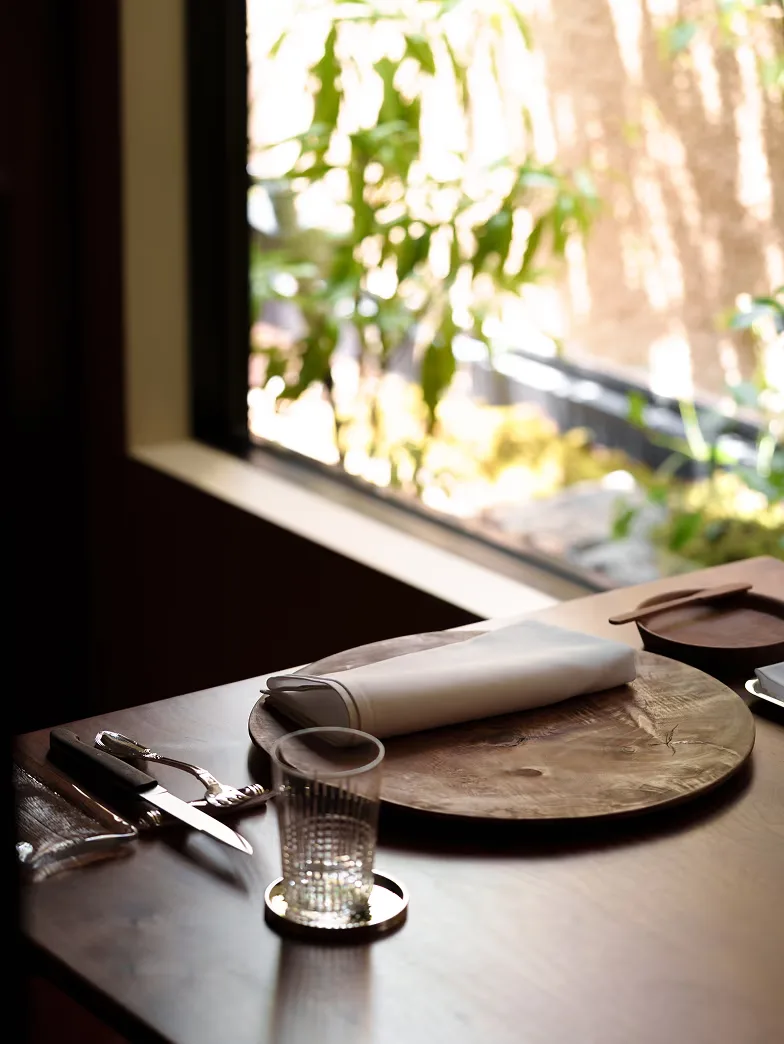
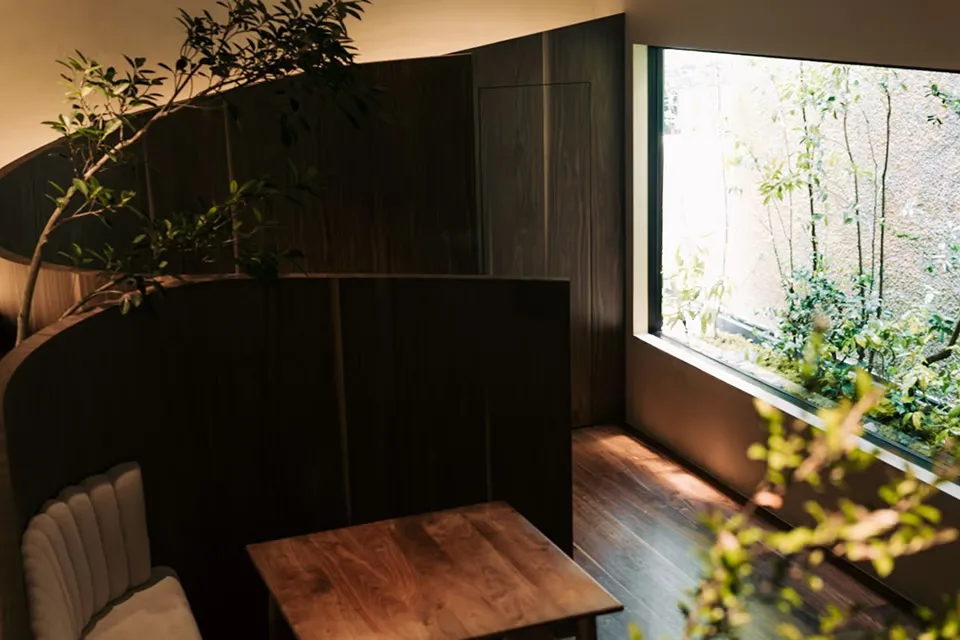
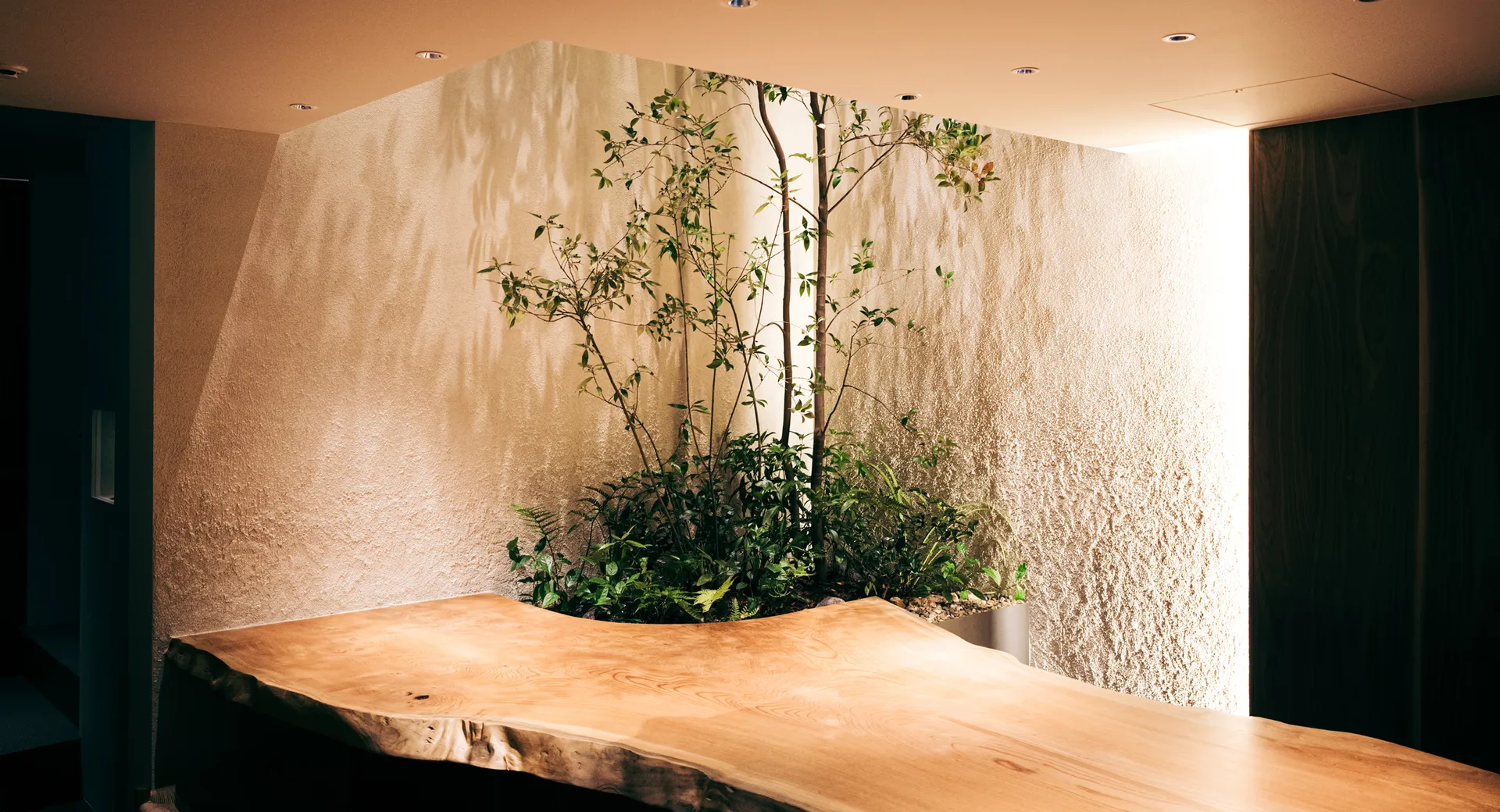
The dining room is calm and focused, with service that reflects the chef’s meticulous attention. Dinner begins at 18:30 sharp, a single seating that encourages guests to settle into the rhythm of the evening.
Fujiya 1935 is not a museum of history but a living continuation of a family’s dialogue with nature – a place where the seasons are not just noticed, but tasted.
Recognition


Ambience

Details
Location