
The story
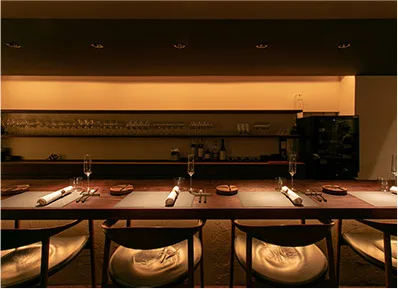
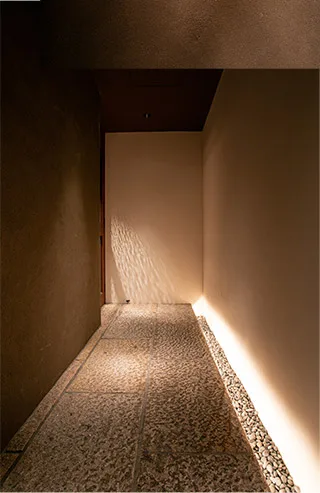
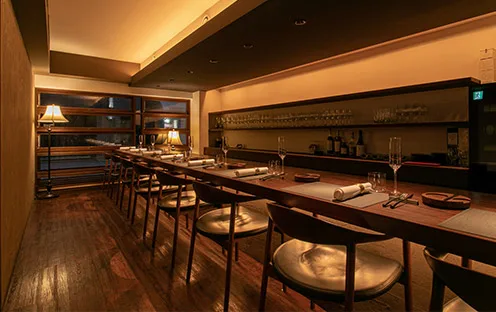
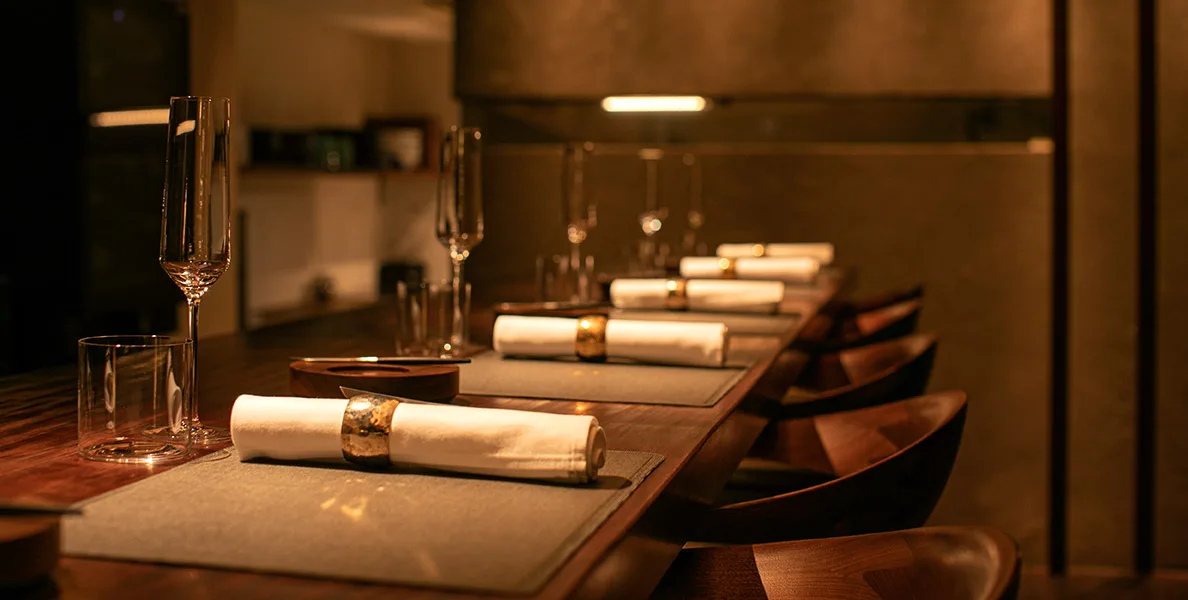
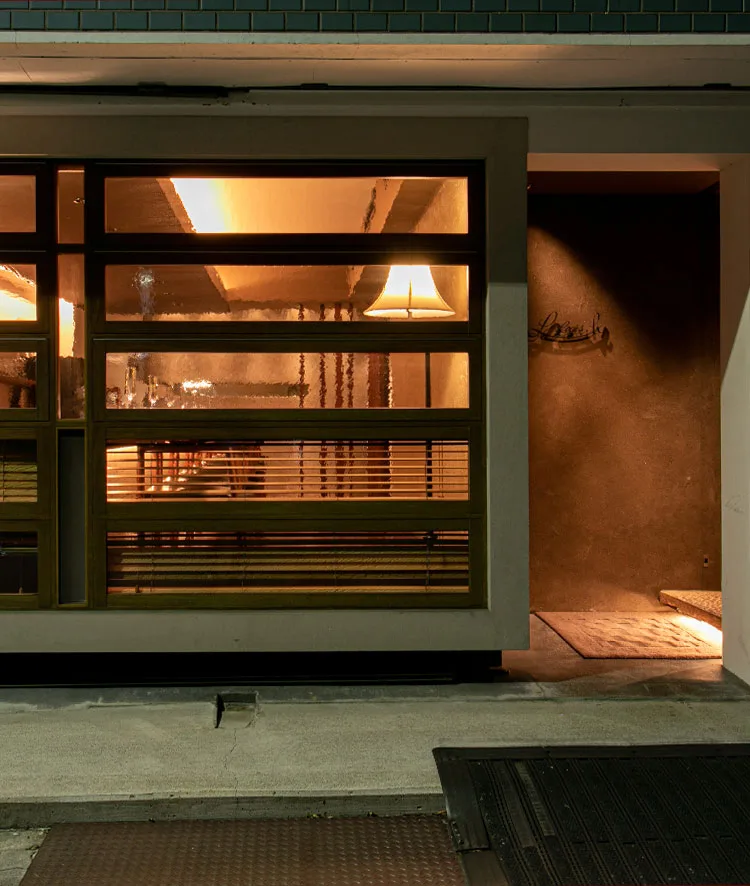
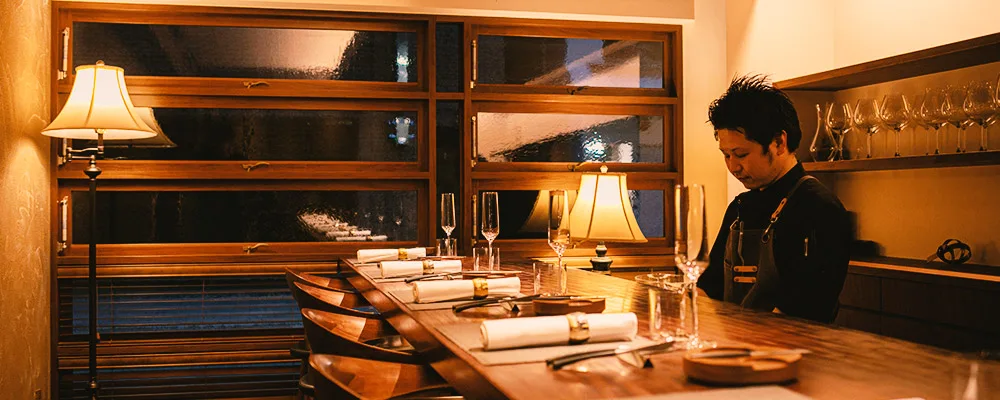
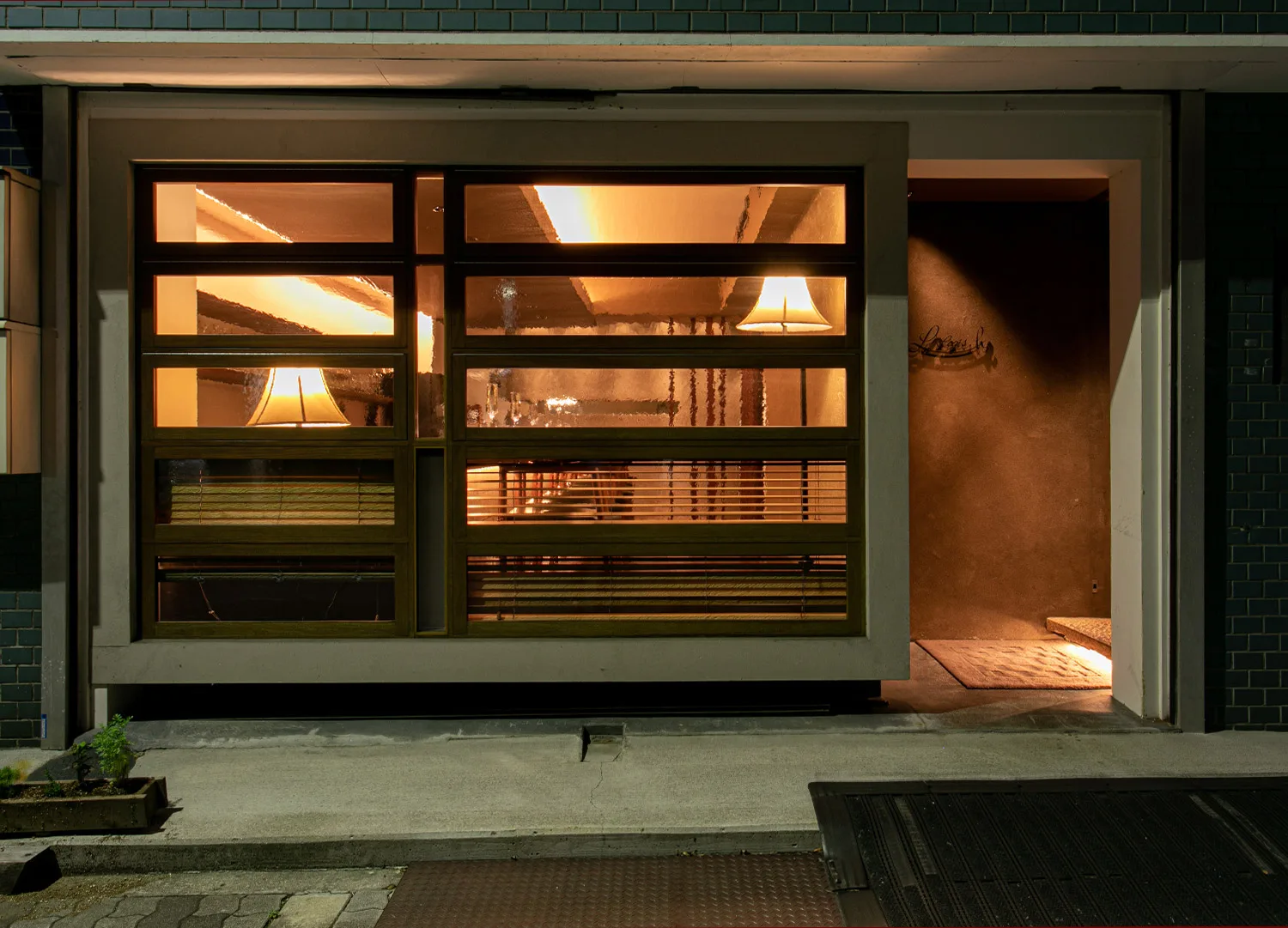
In a quiet alley near Minamimori-machi, Temma, and Osaka Tenmangu, Le Logis h (ル ロジ アッシュ) occupies a slender stone-paved passage. Behind the door, an eight-seat counter of solid wood stretches the length of the room, lit by antique lamps and a softly glowing frosted-glass door. The space is intimate, unhurried, and designed for one thing: focused attention on the plate.
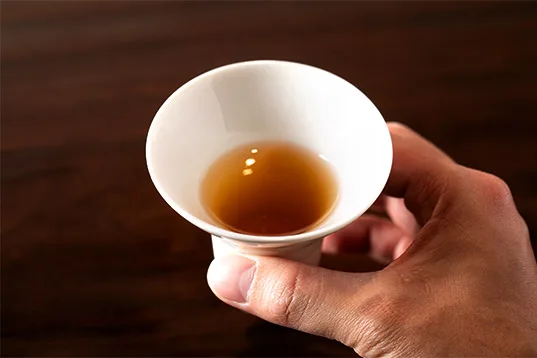
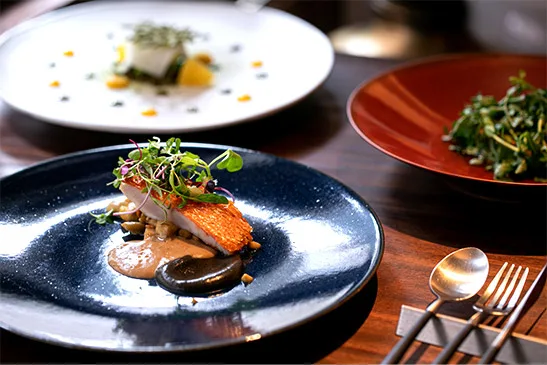
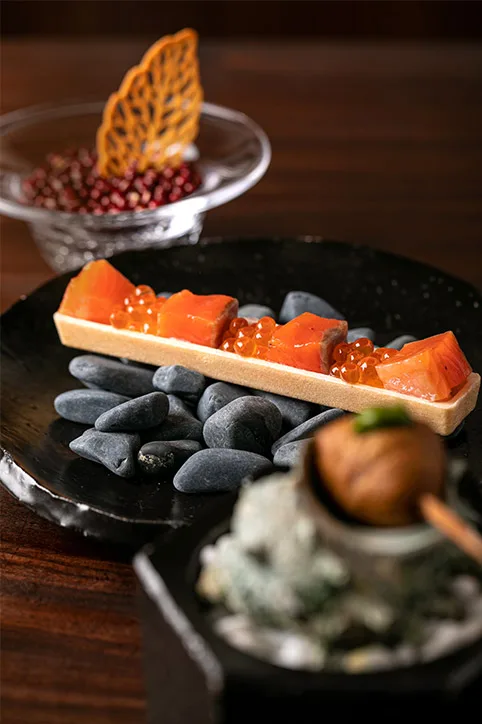
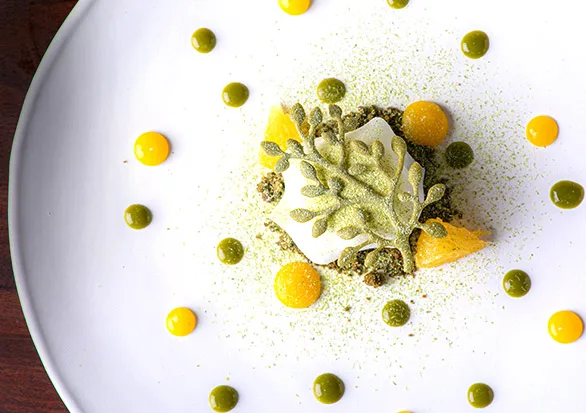
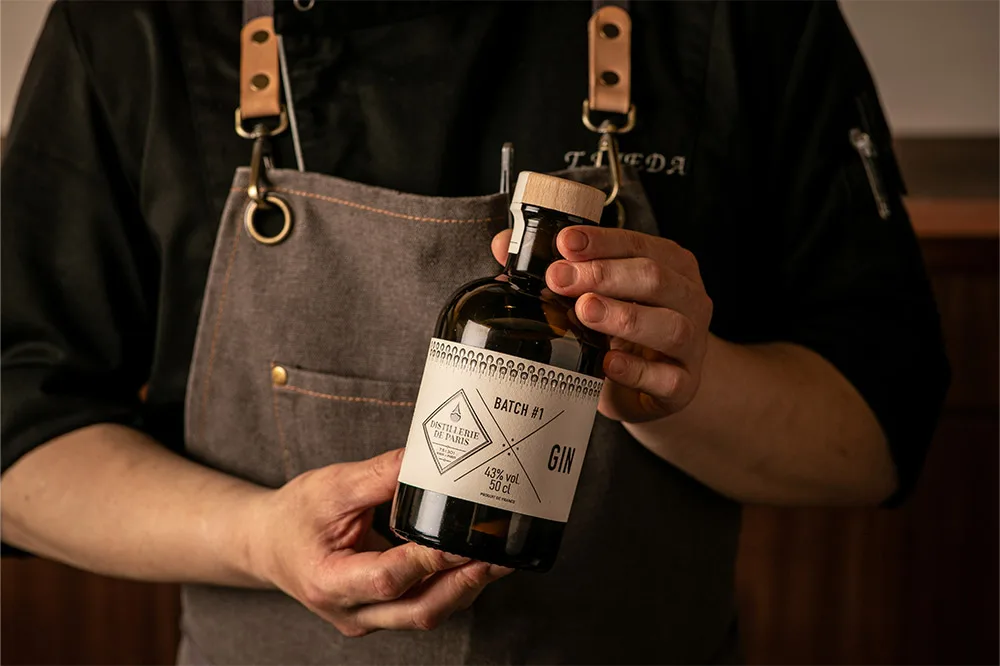
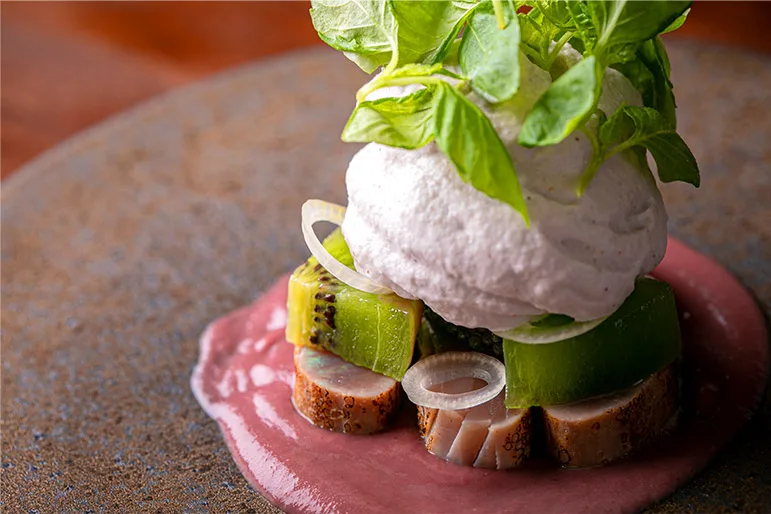
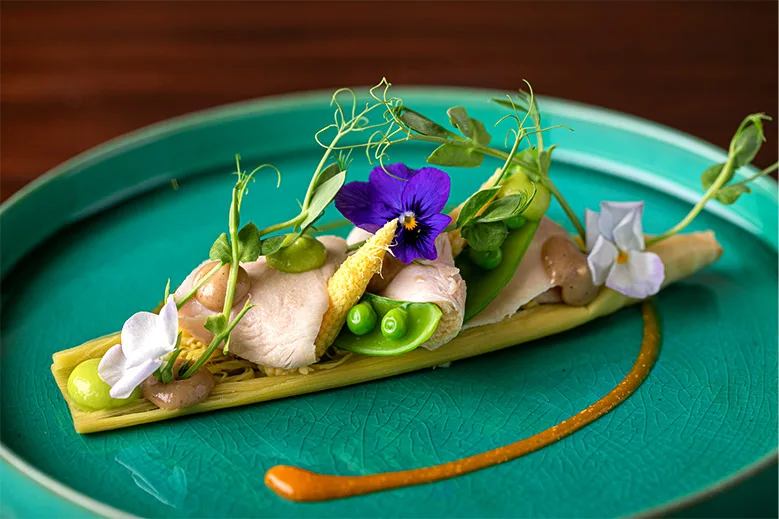
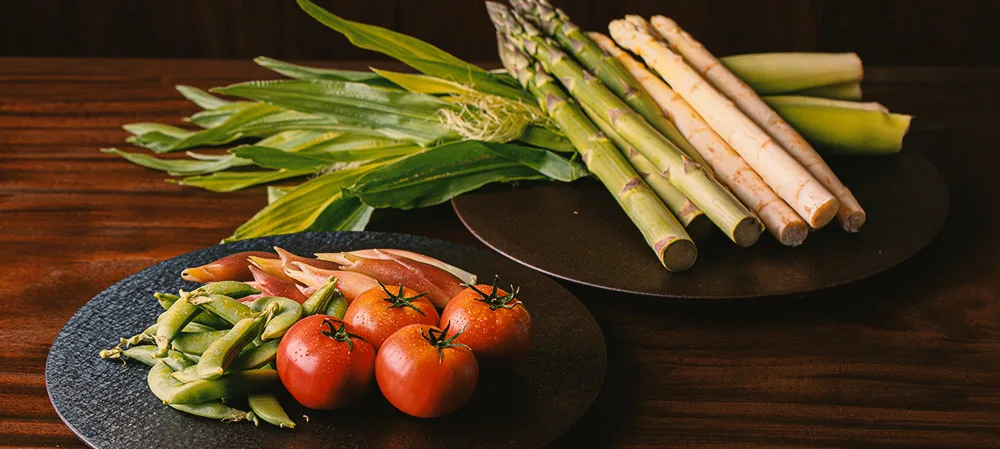
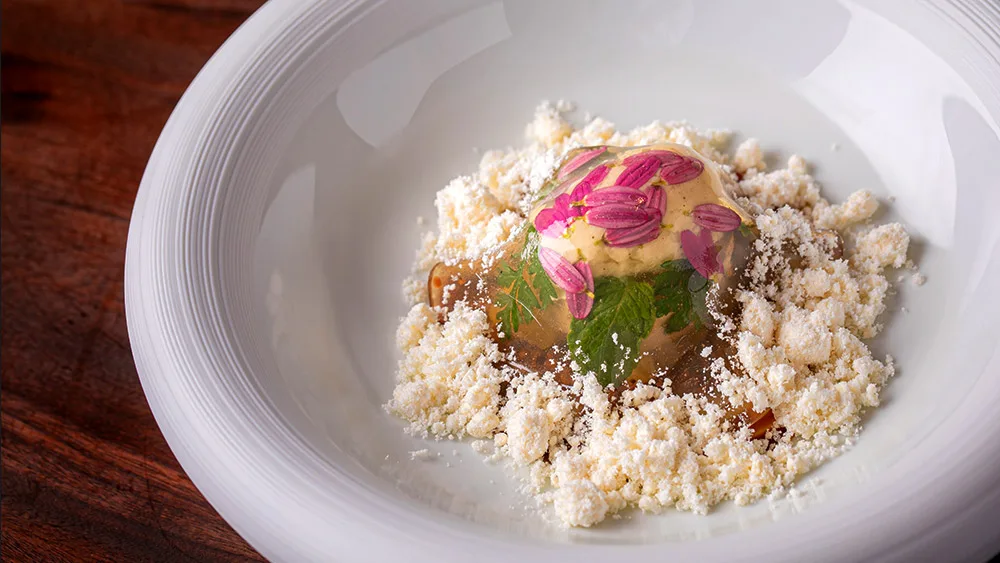
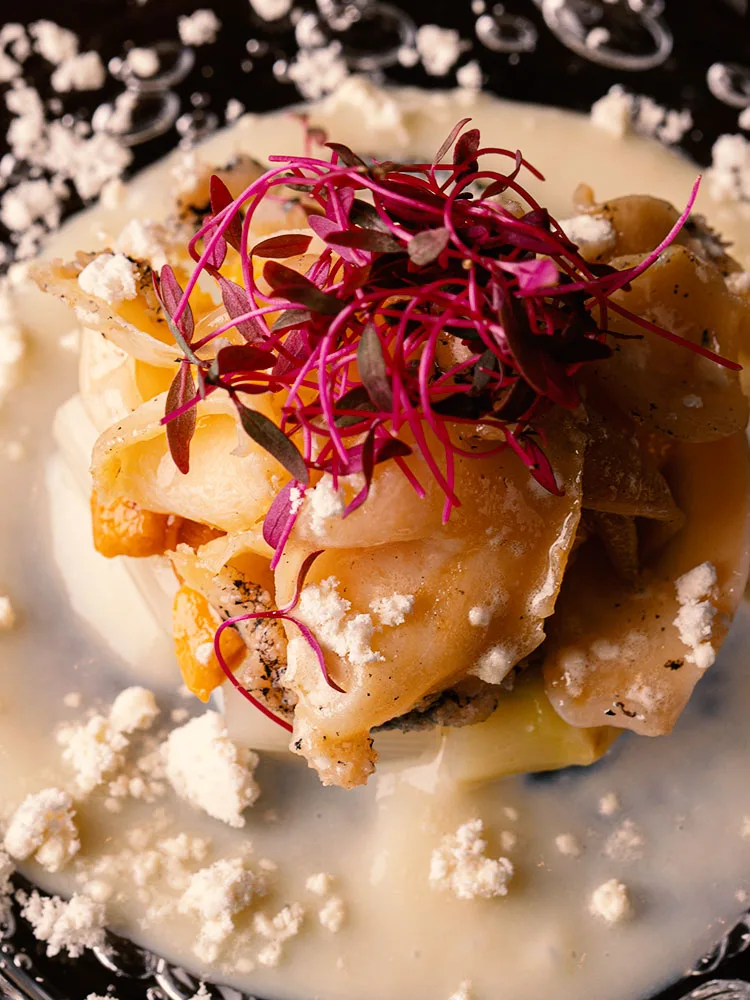
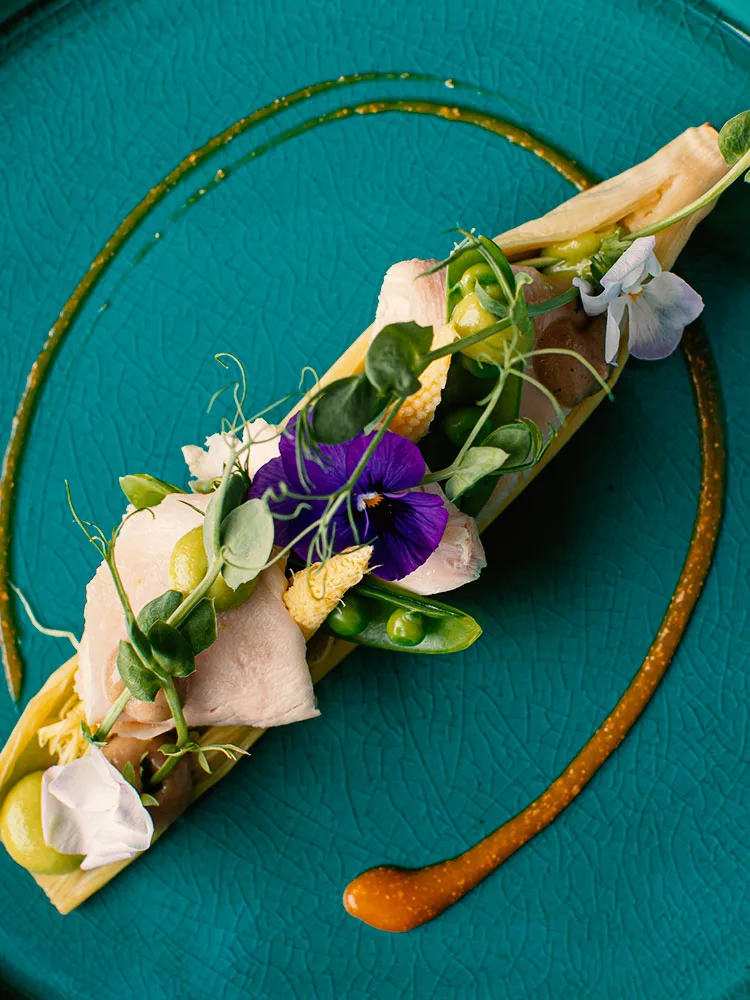
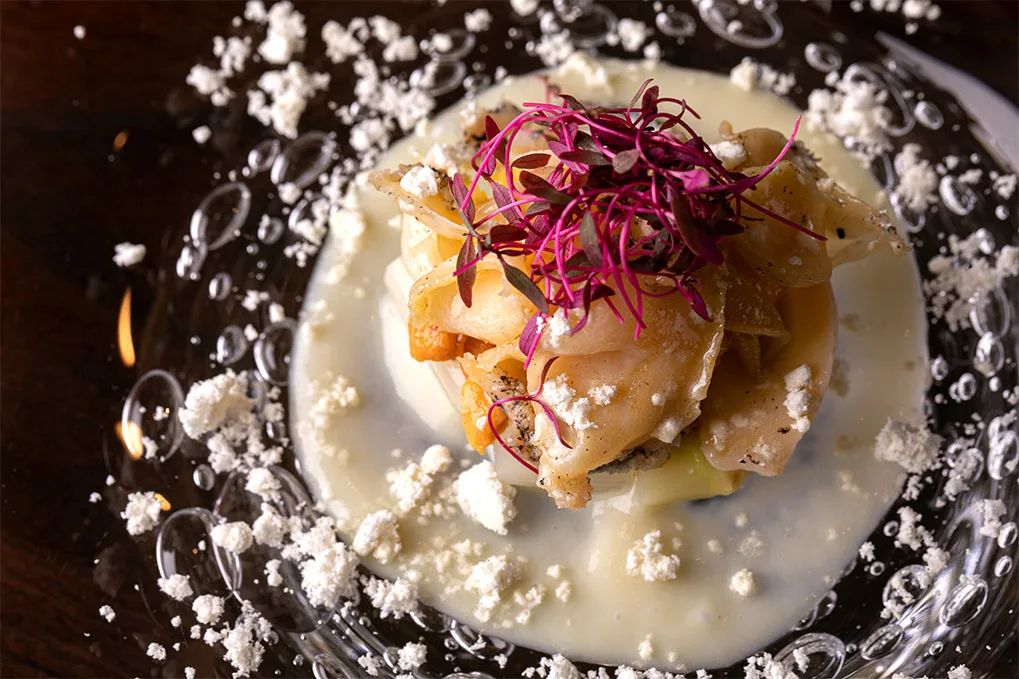
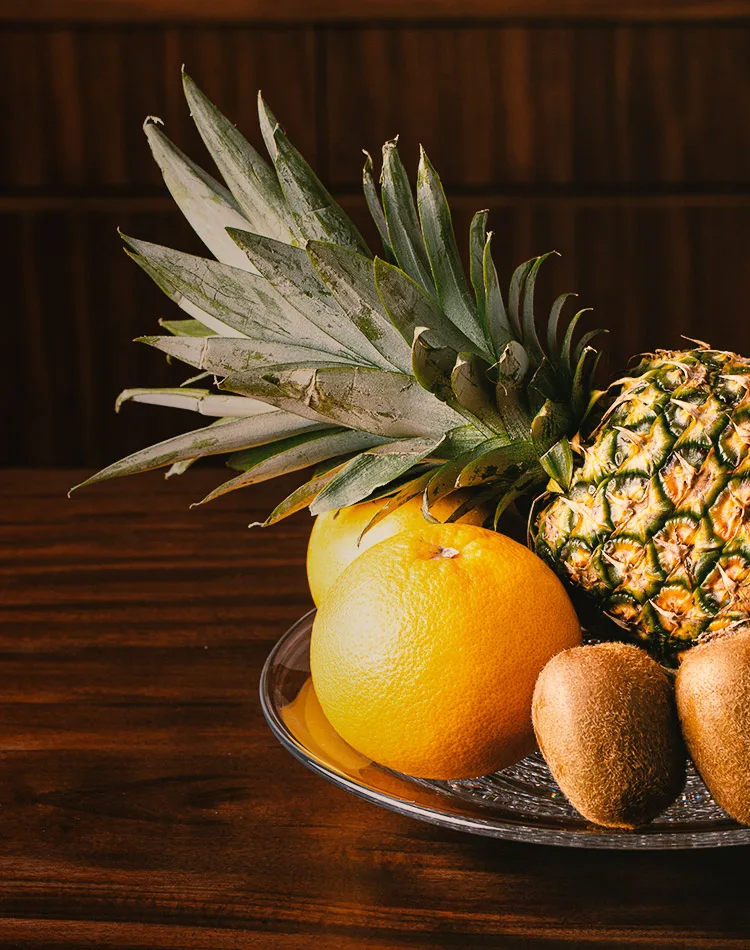
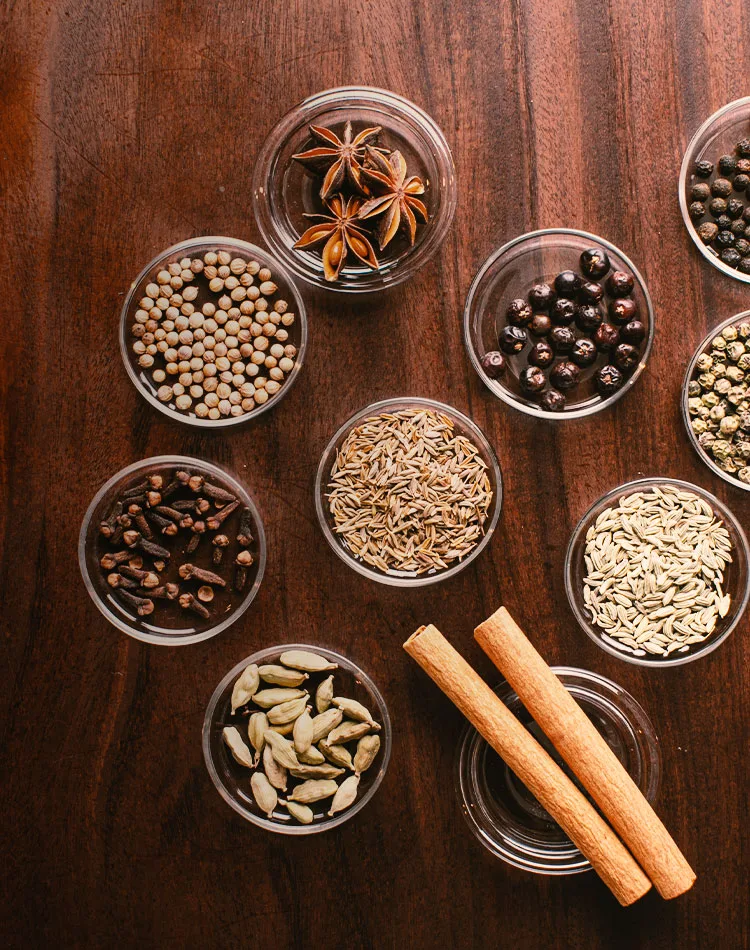
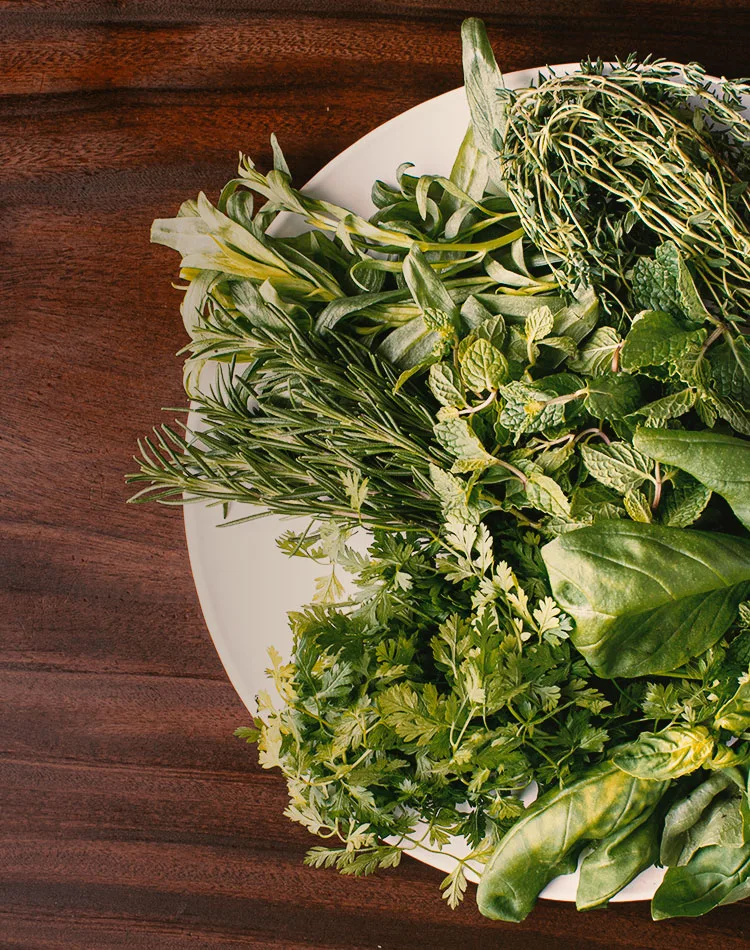
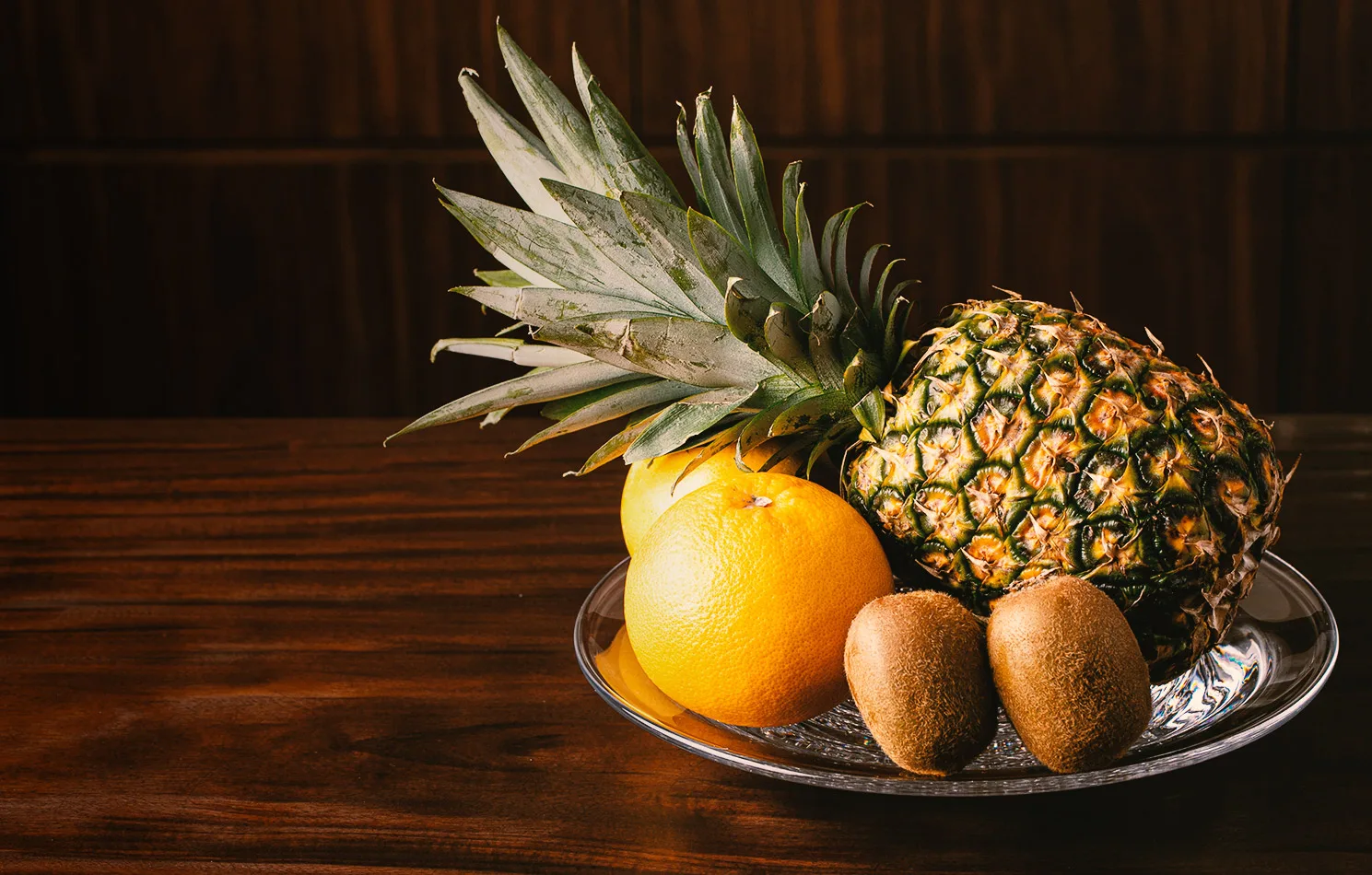
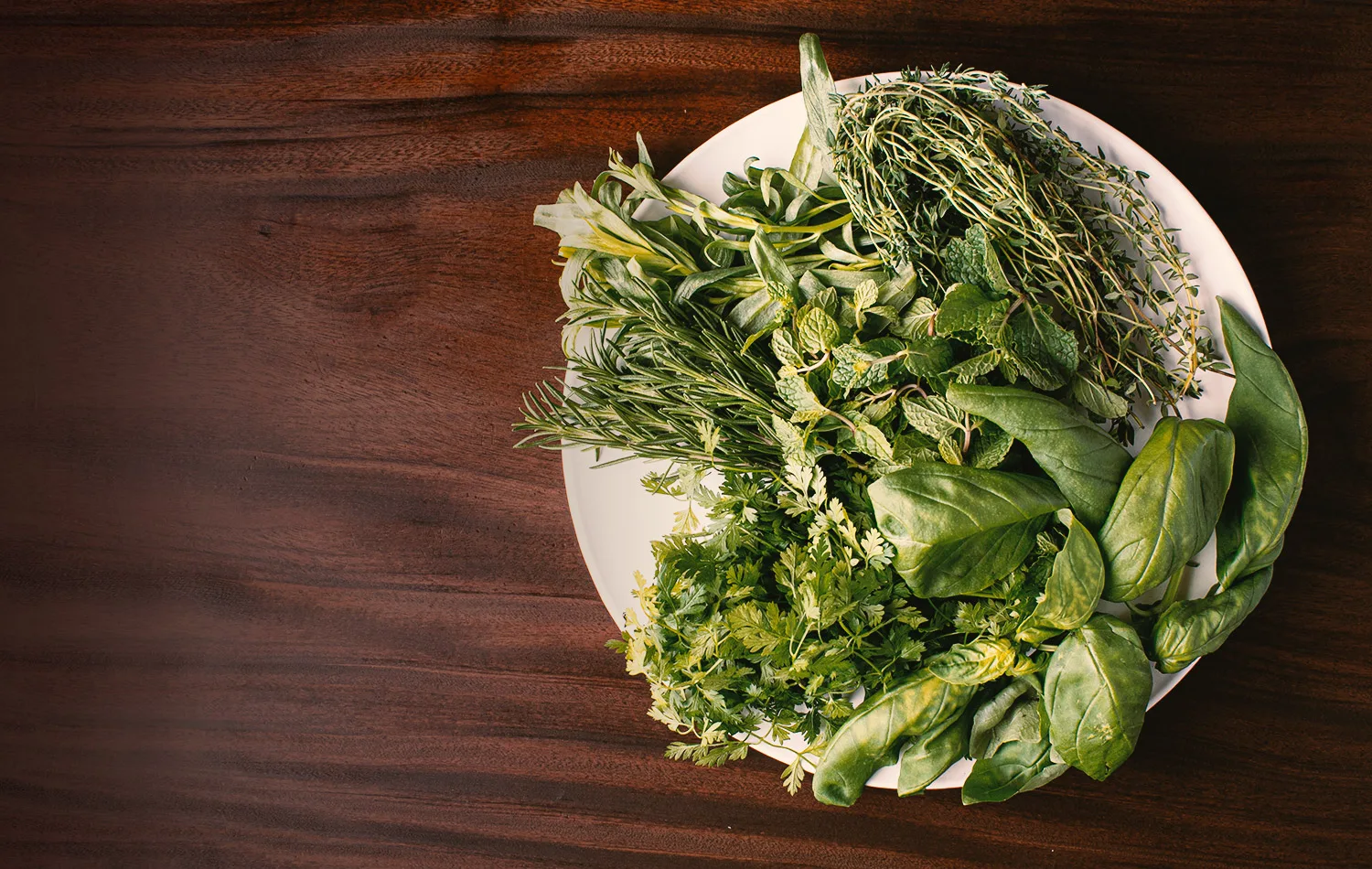
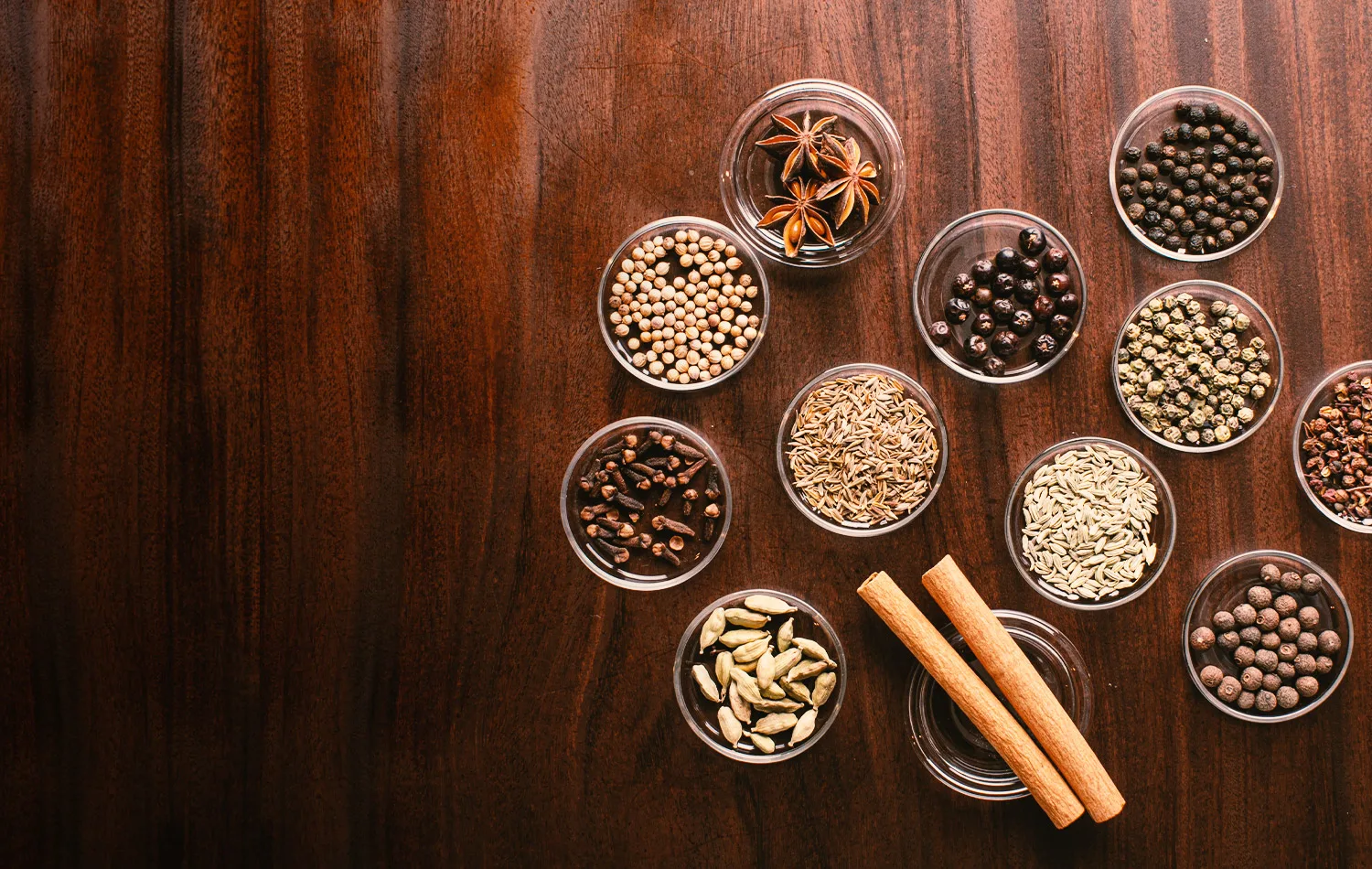
The kitchen works with a single guiding principle—spice, herb, and fruit combined in new ways. The chef sources around fifteen spices at any time, from cardamom and allspice to Sichuan peppercorns and the Taiwanese mountain pepper called maguo. Four to five fresh herbs are used, and the meal begins not with an amuse but with a herbal tea, meant to settle the guest before the first bite. Seasonal fruit, five types or so, appears as both garnish and protagonist, marking the passage of the seasons.
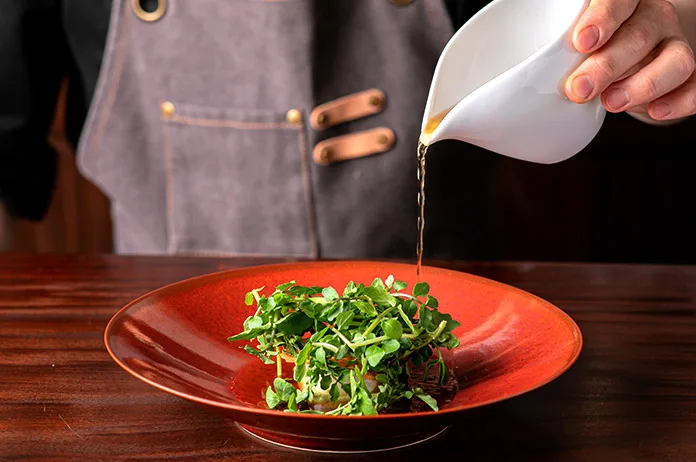
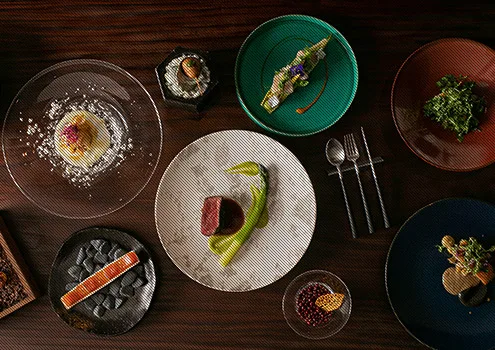
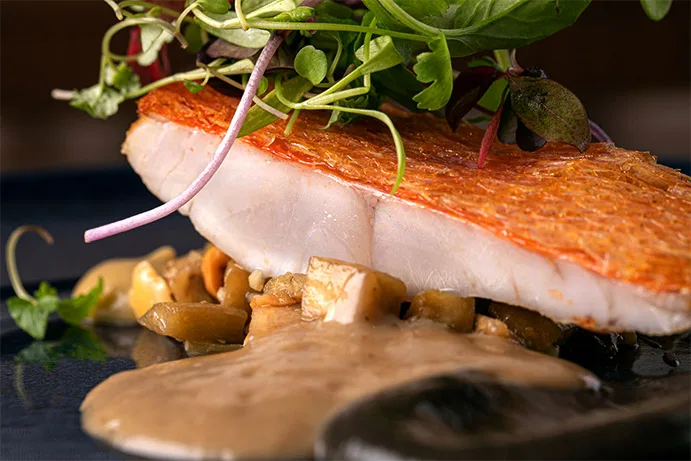
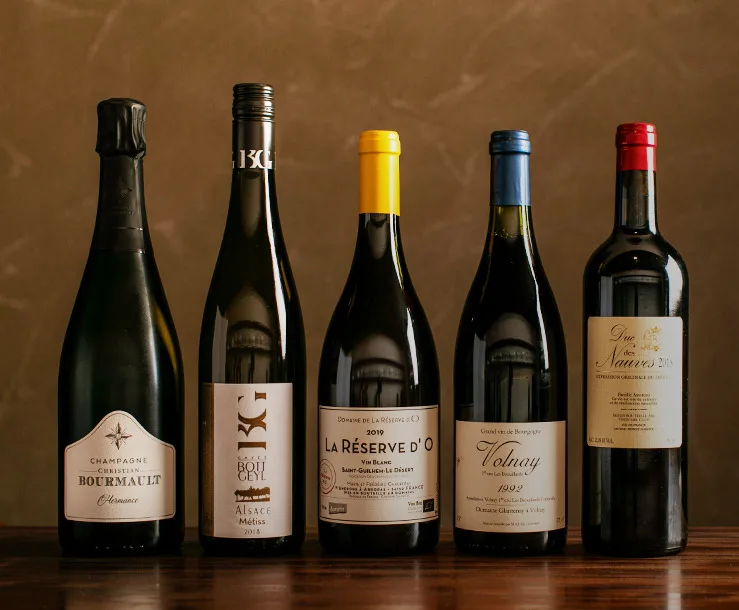
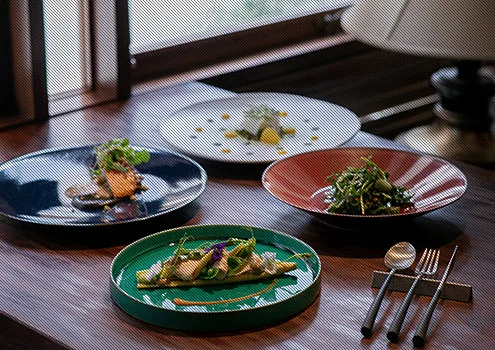
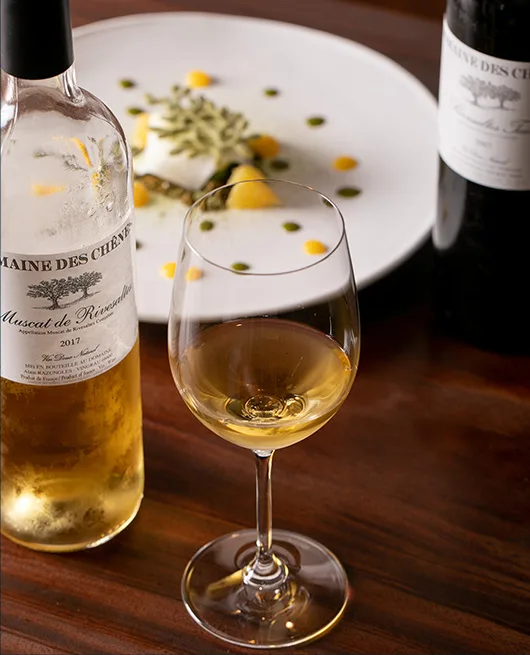
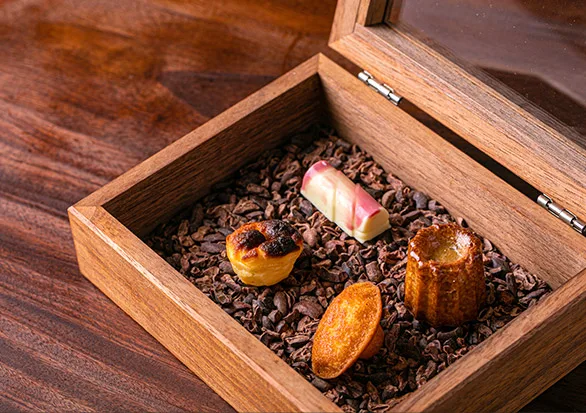
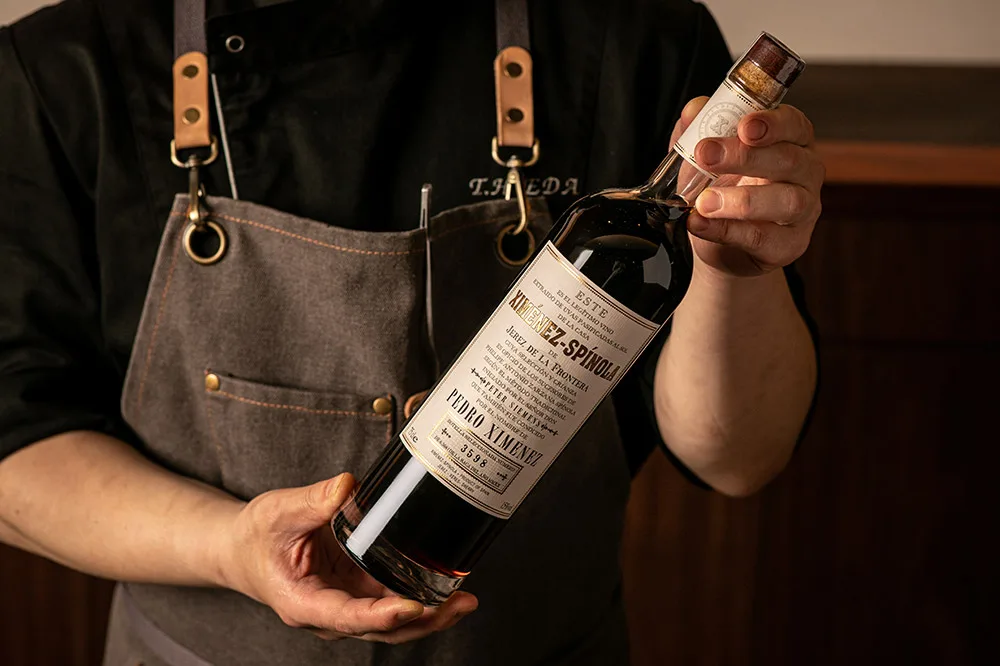
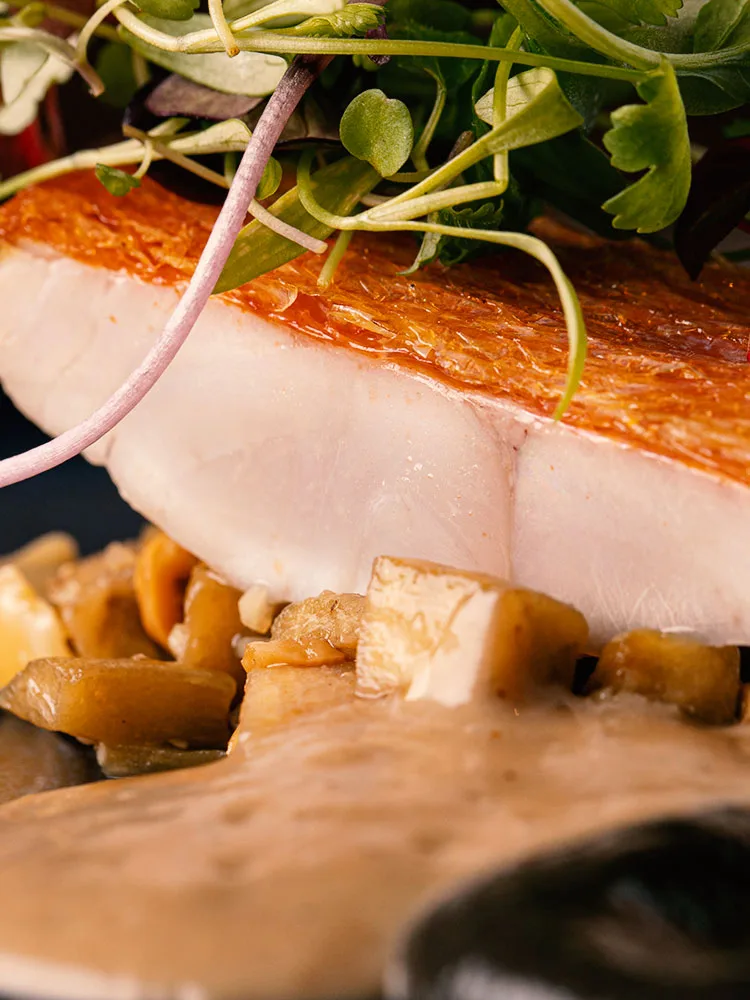
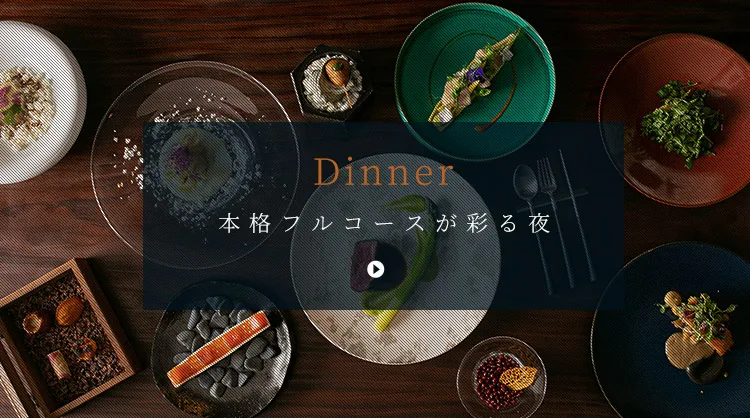
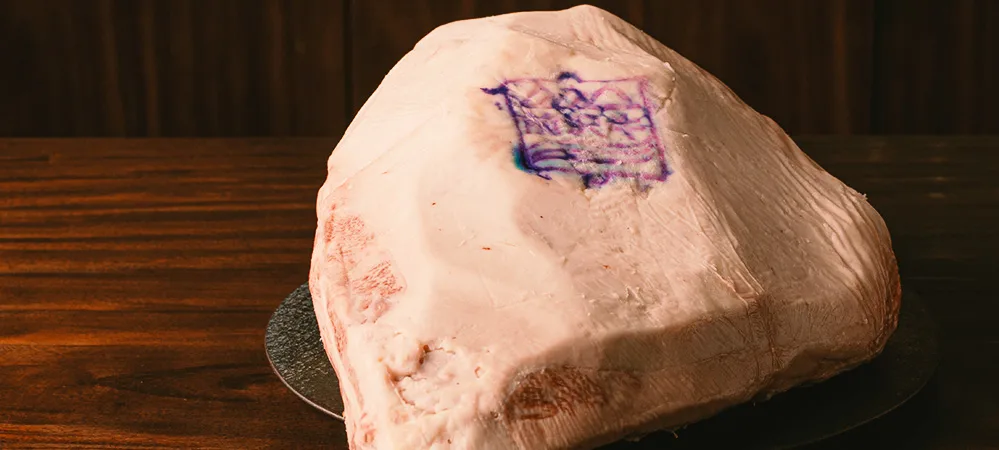
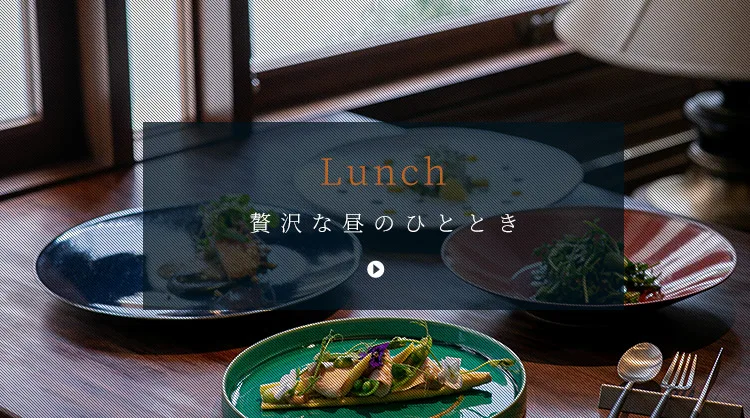
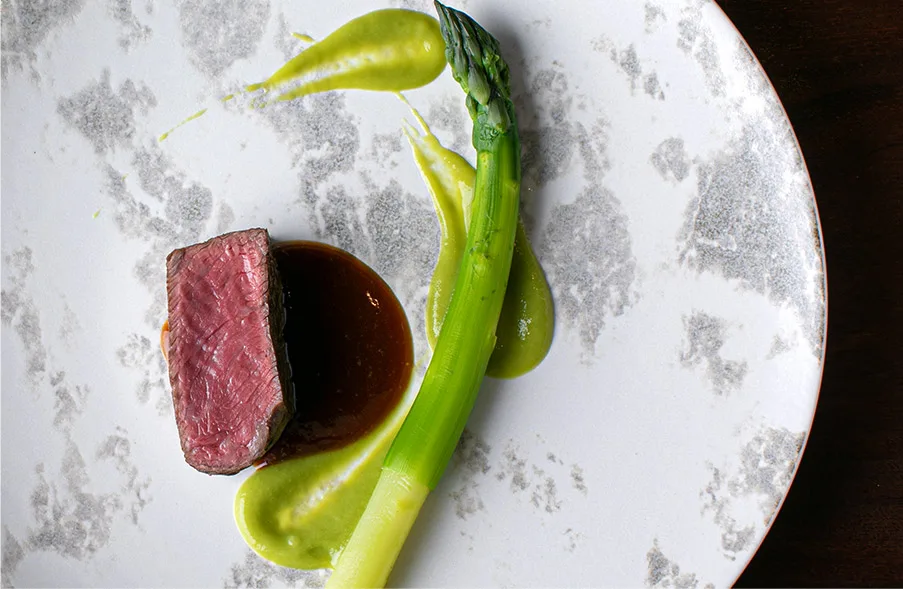
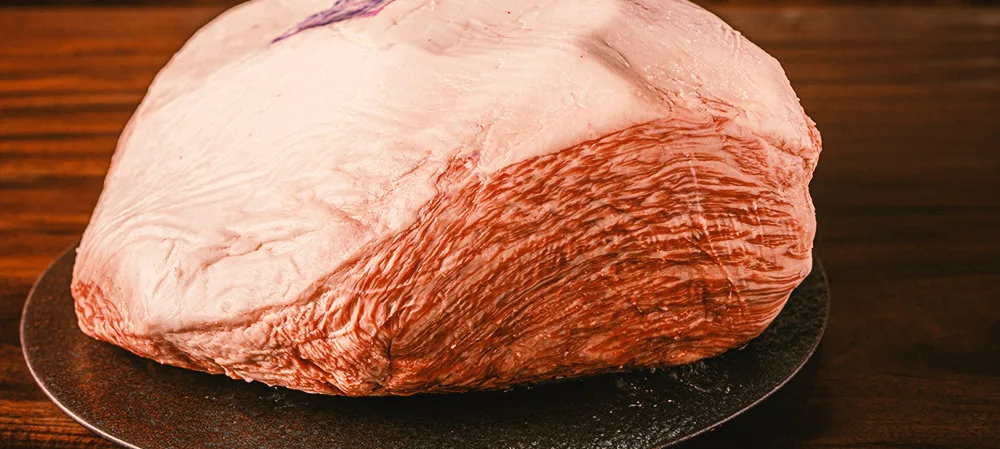
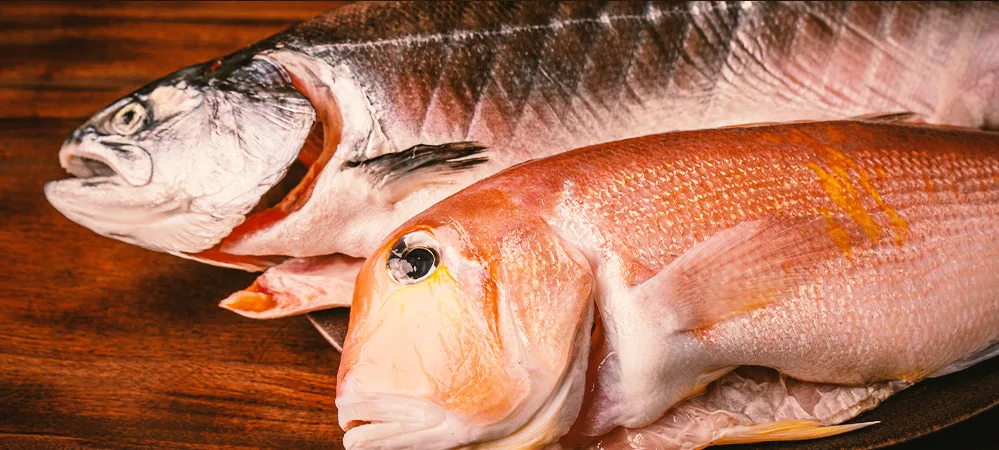
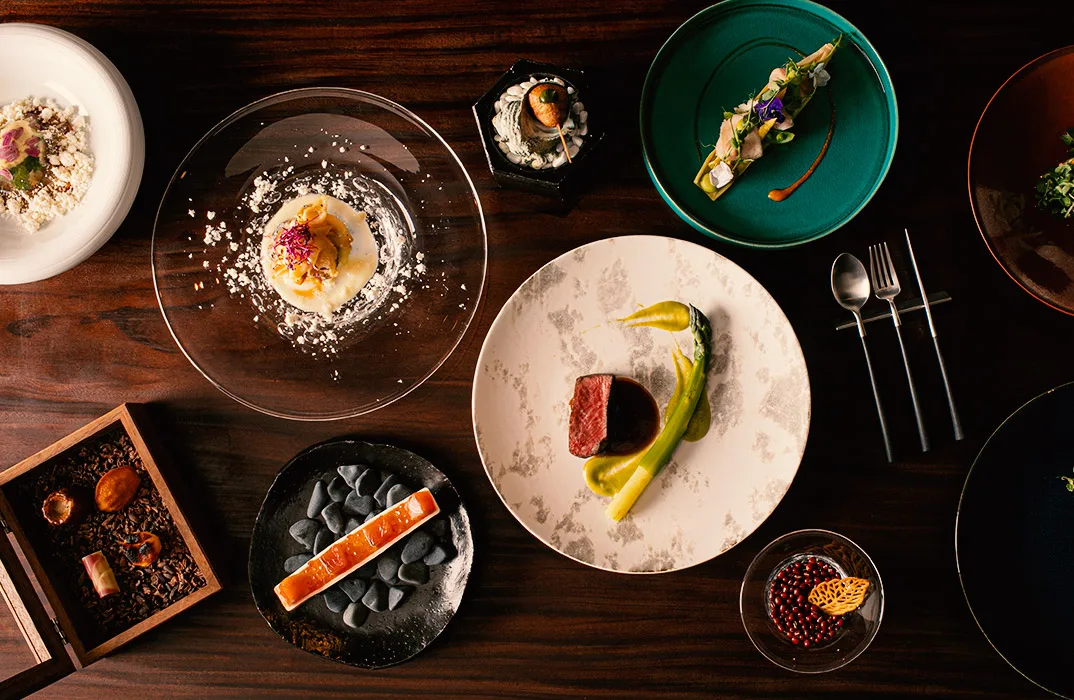
Both lunch and dinner are omakase courses. A typical dinner might open with an amuse, follow with a soup, cold and warm appetisers, a vegetable course, foie gras, fish, and meat—often premium Maesawa beef—then two desserts and mignardises. The foie gras is treated with spice and herb for a modern, lighter finish. Lunch offers a shorter weekday option alongside the full course, and the kitchen encourages pairing with organic wine, especially natural French bottles from a list of over fifty.
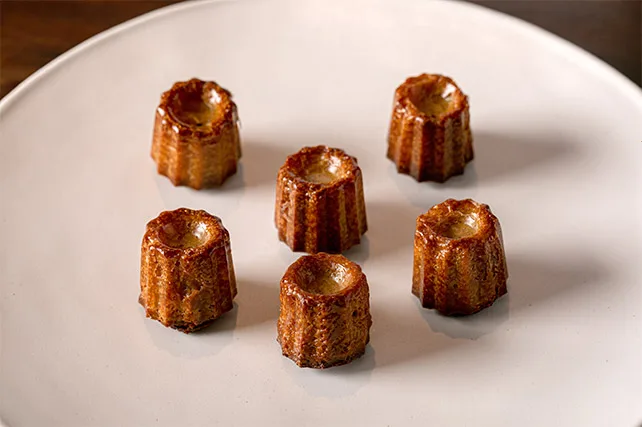
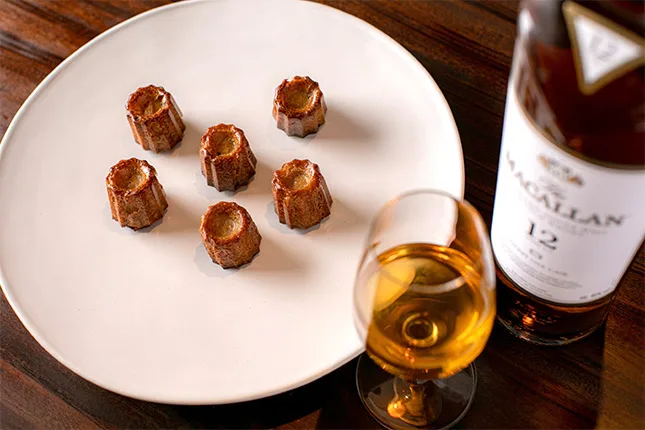
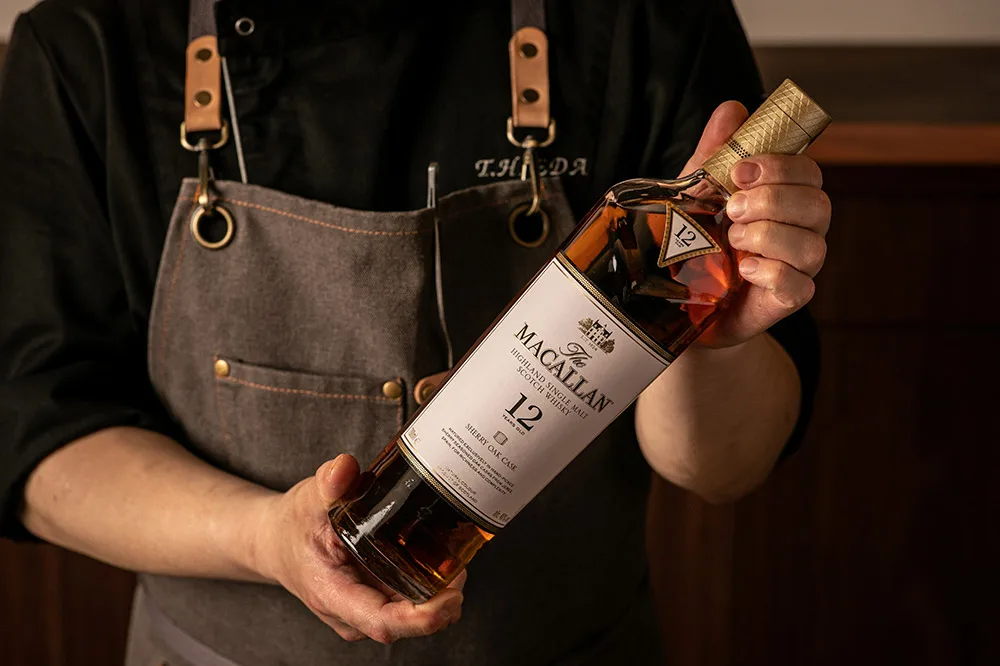
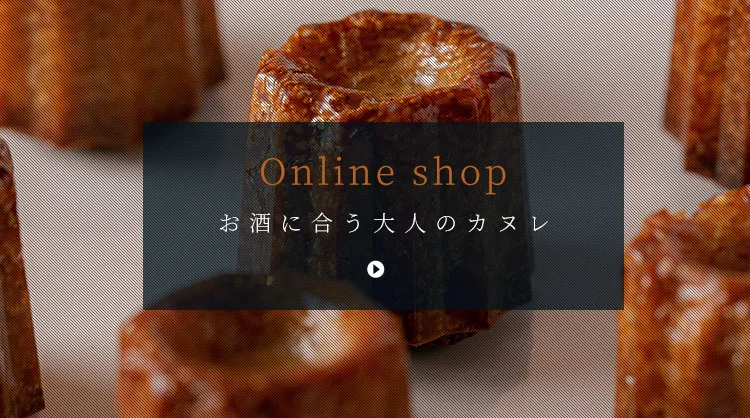
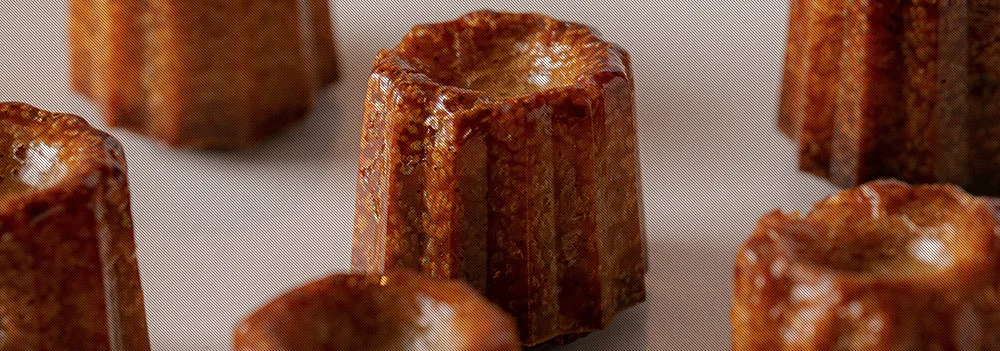
One of the restaurant's signatures is a small canelé served at the end of the meal, made with Okinawan brown sugar and whisky. It has proved so popular that it is now available for takeaway and online order. The bitterness is deep, the aroma restrained—a deliberate adult finish.
Le Logis h received a Michelin Recommended distinction in 2026, a recognition that feels earned rather than sought. The cooking is personal, the atmosphere calm, and the approach to French cuisine is genuinely original—rooted in Osaka, not in any textbook.
Recognition

Ambience

Details
Location