The story
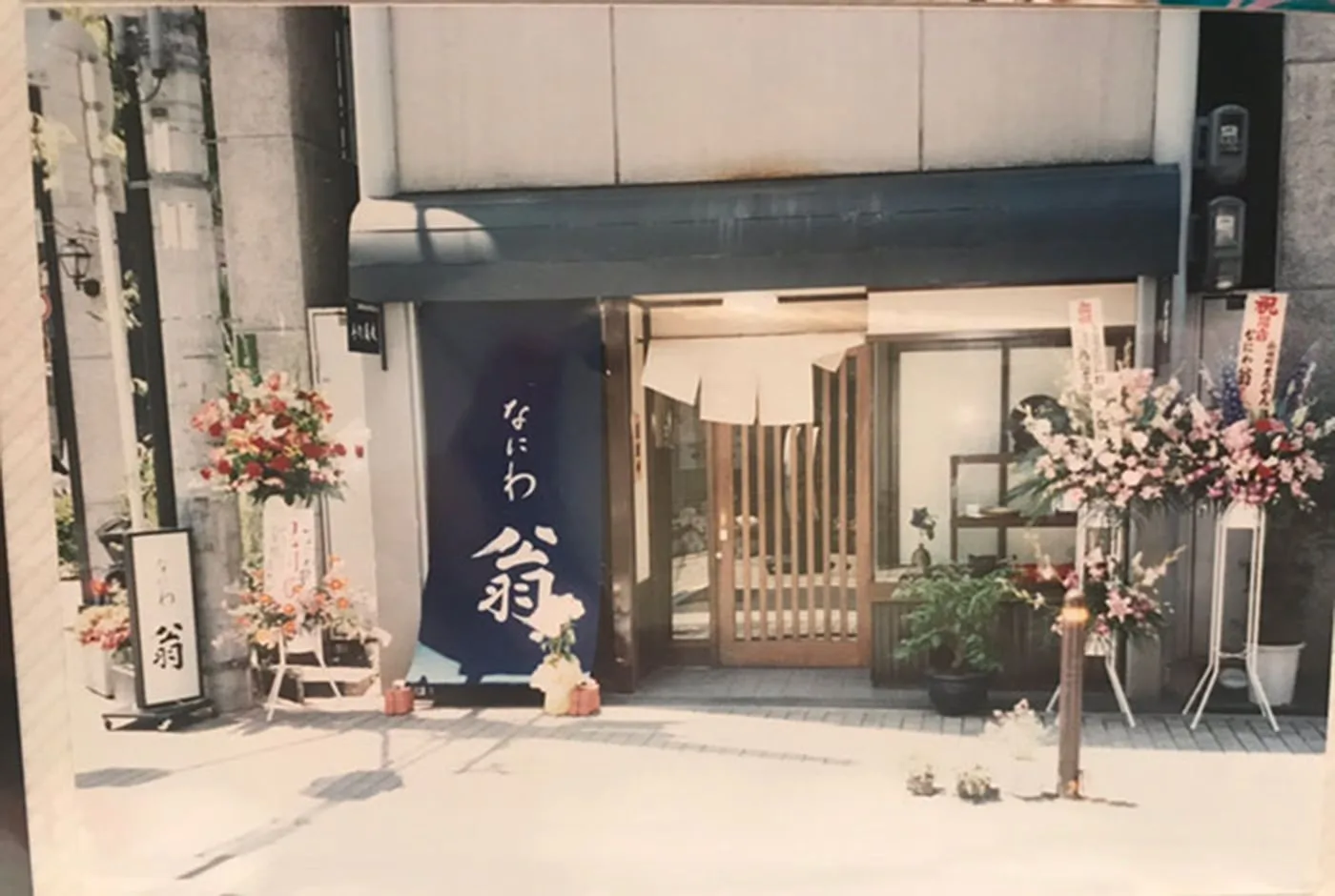
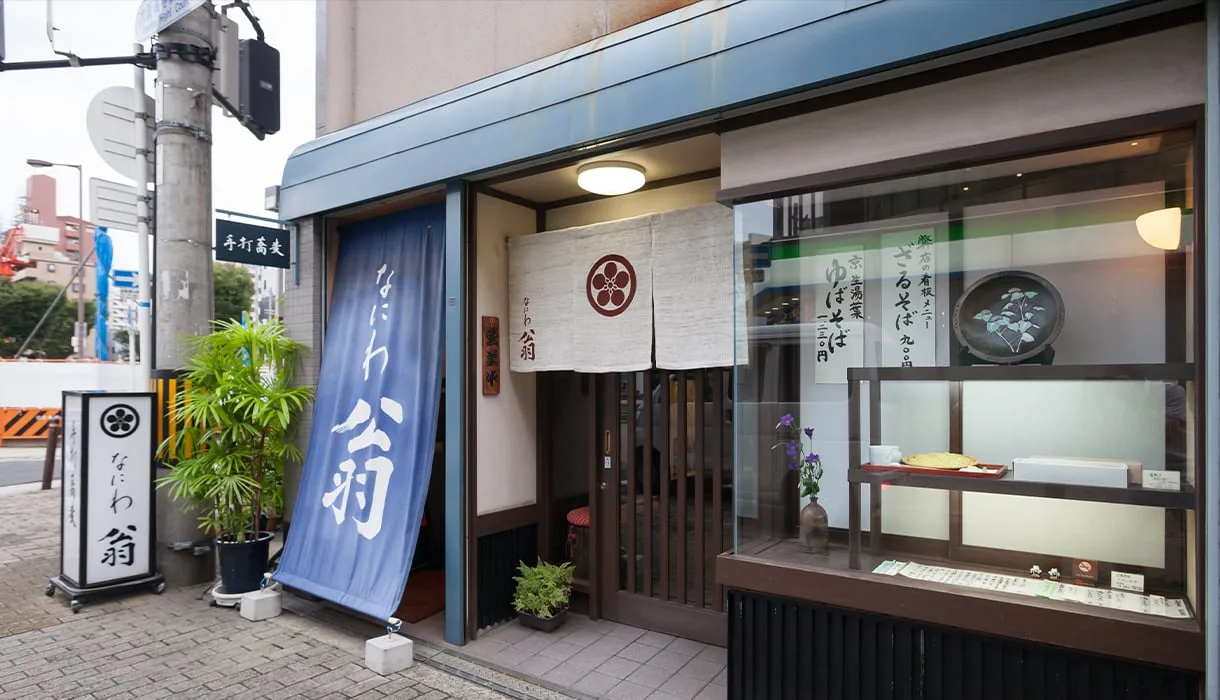
In the quiet, cultured district of Nishitemma, north of Osaka’s city center, Naniwa Okina has been serving handmade soba for over nine decades. The shop sits on the historic Old Pine Street, an area once part of the approach to Osaka Tenmangu Shrine and now known for its antique galleries and art spaces. Inside, the calm interior with wood-panelled walls sets the tone for a focused meal: the buckwheat noodles themselves.
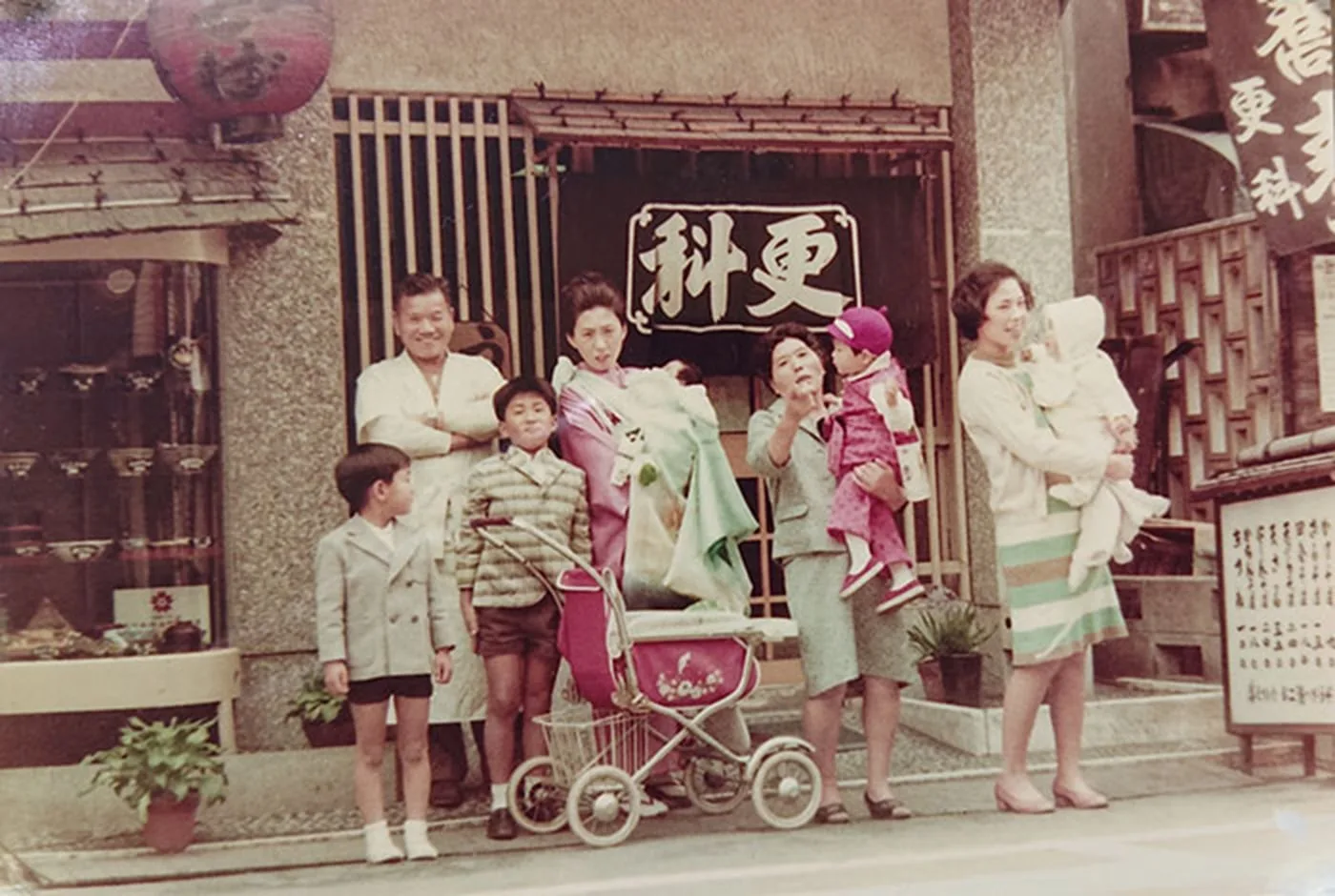
Founded in 1930 in Namba, the restaurant moved to its current location in 1951. The third-generation owner, Takushi Kanda, trained under the legendary soba master Takahashi Kunihiro at the renowned “Okina” in Yamanashi. That apprenticeship shaped his approach. “Work is about flow,” he says—the flow of making noodles, of daily service, and of the restaurant’s own history. In 1999, the shop relaunched as a dedicated handmade soba specialist, milling its own buckwheat daily. The broth, however, remains unchanged: a dashi passed down from the founder, a taste that Kanda realized was the true heart of the restaurant.
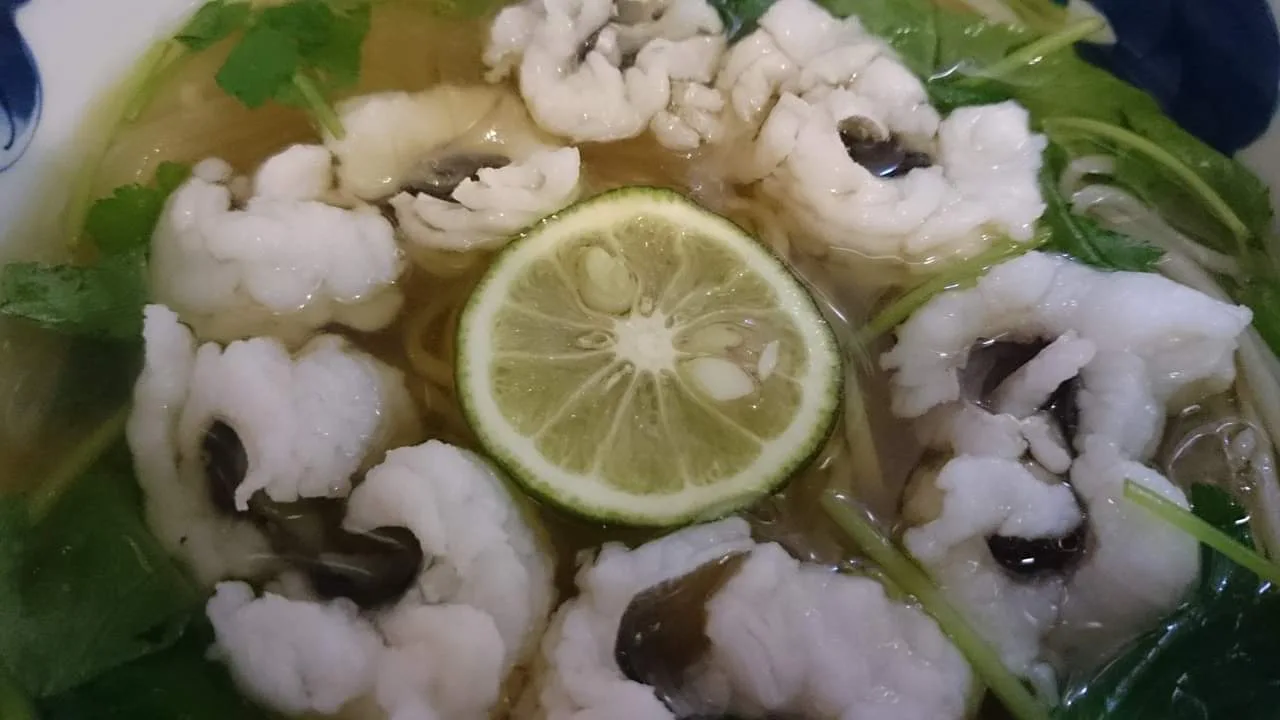
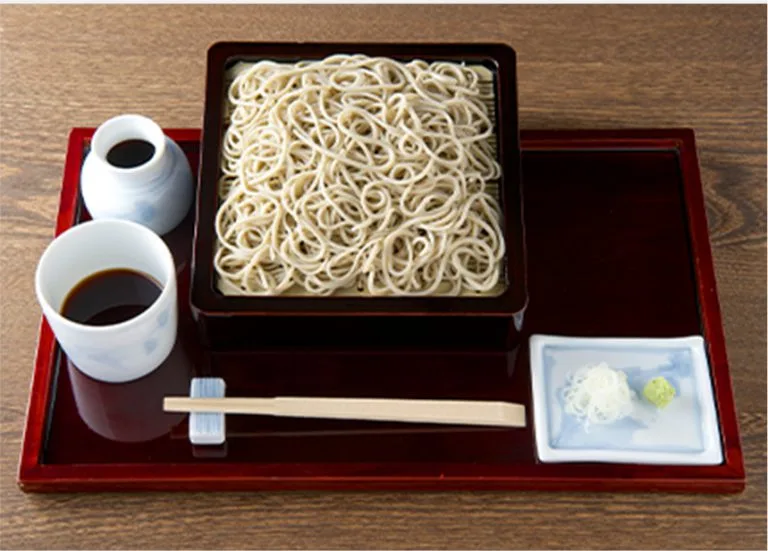
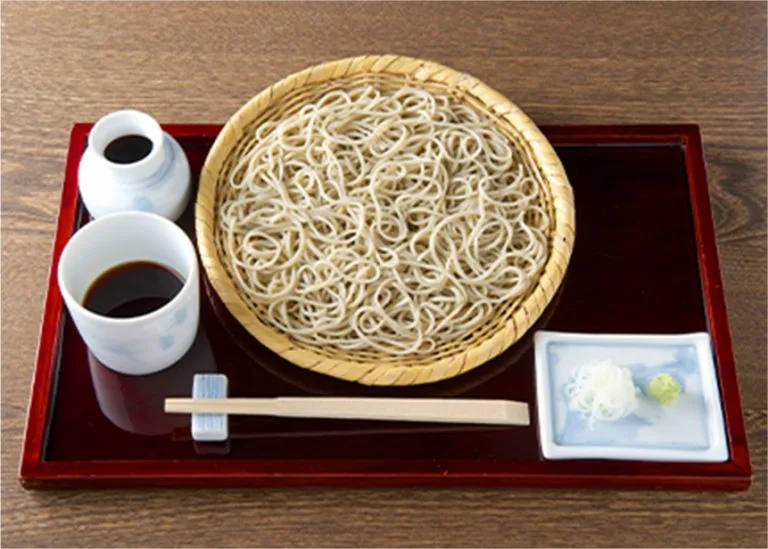
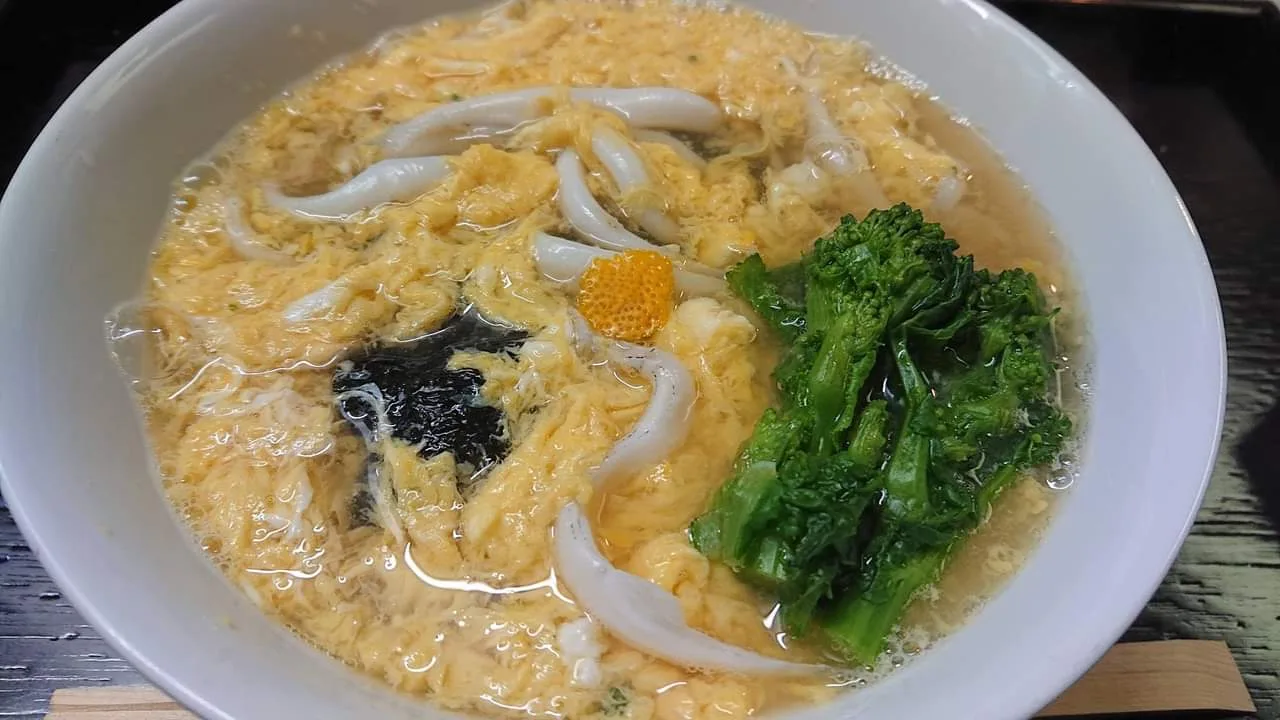
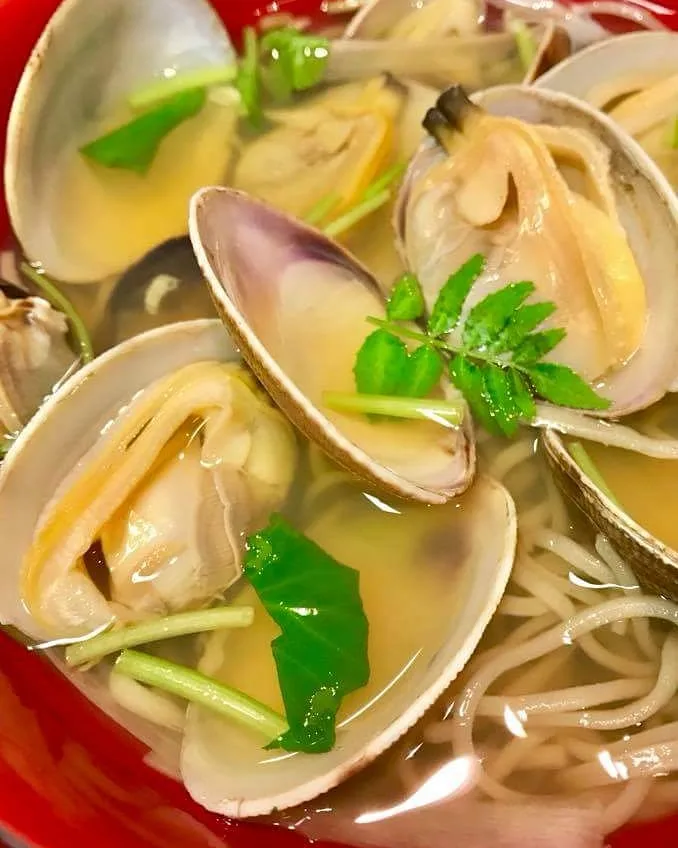
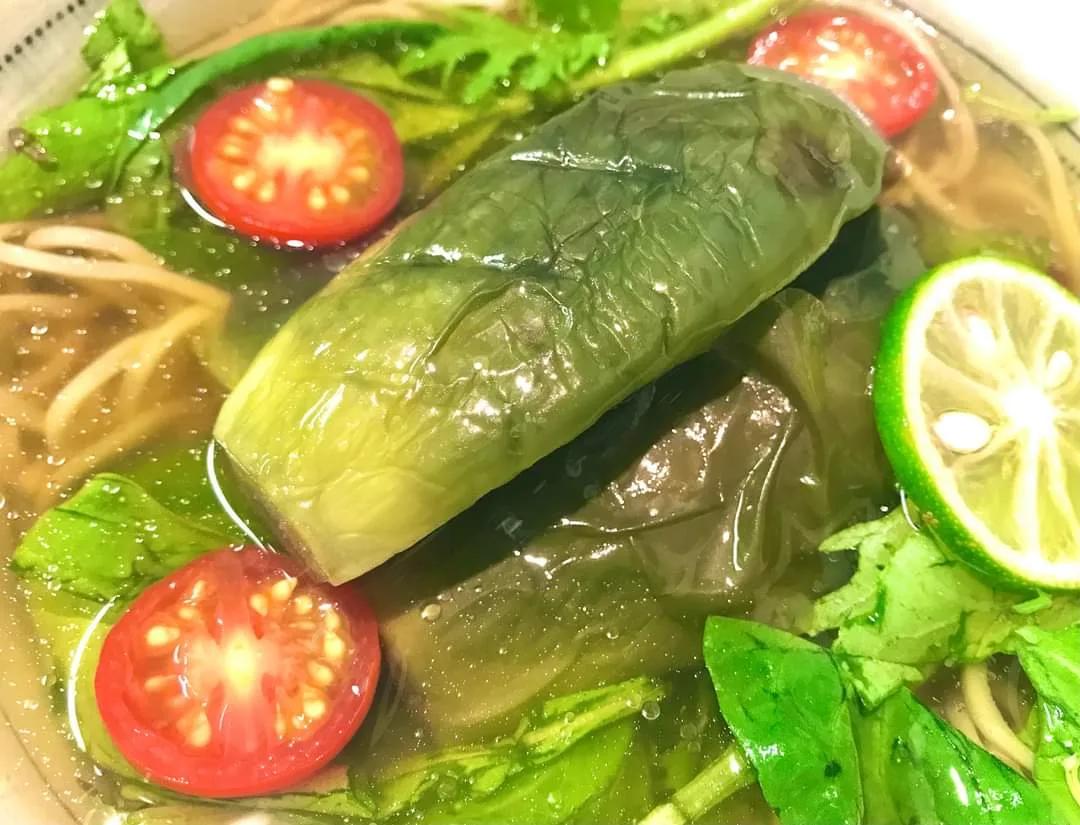
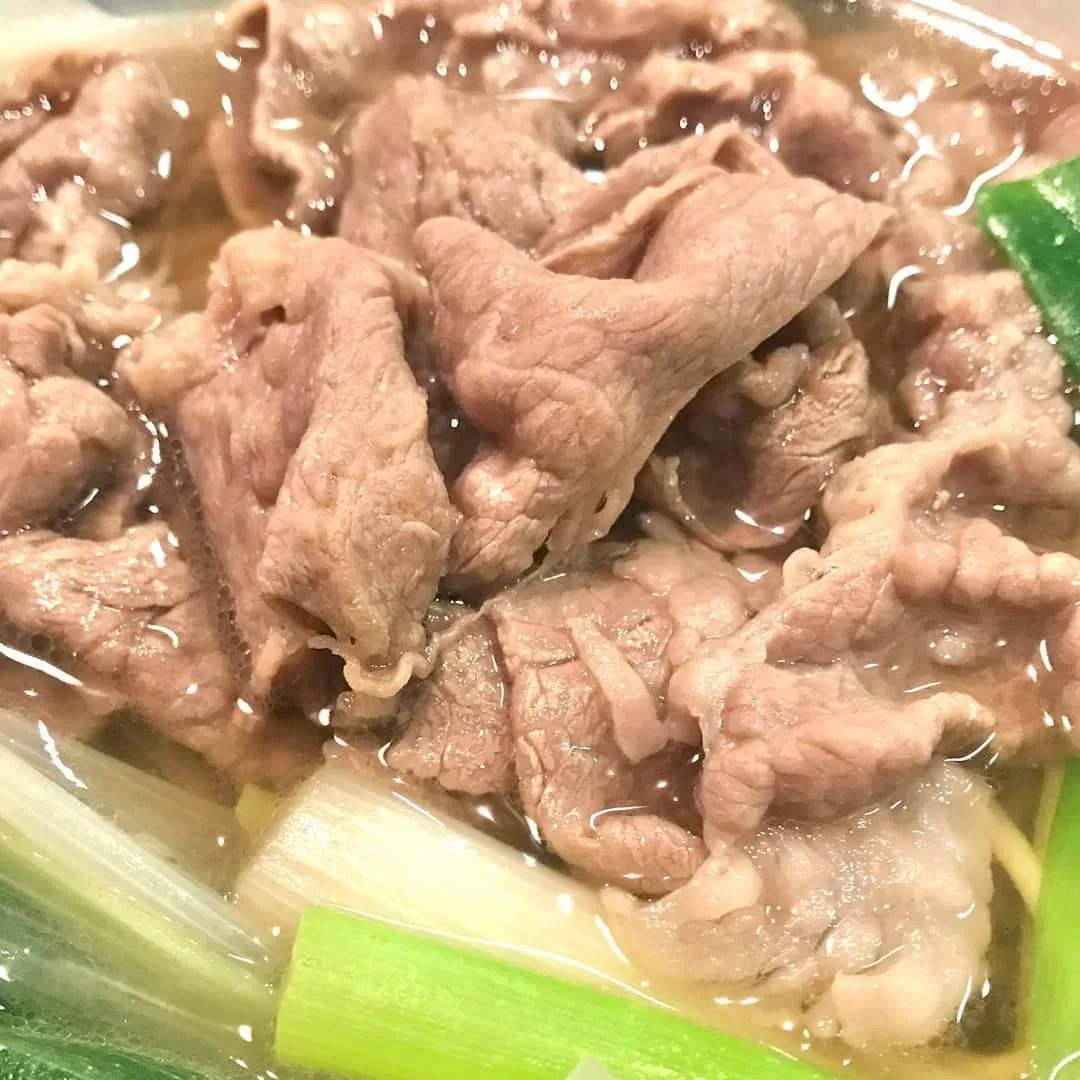
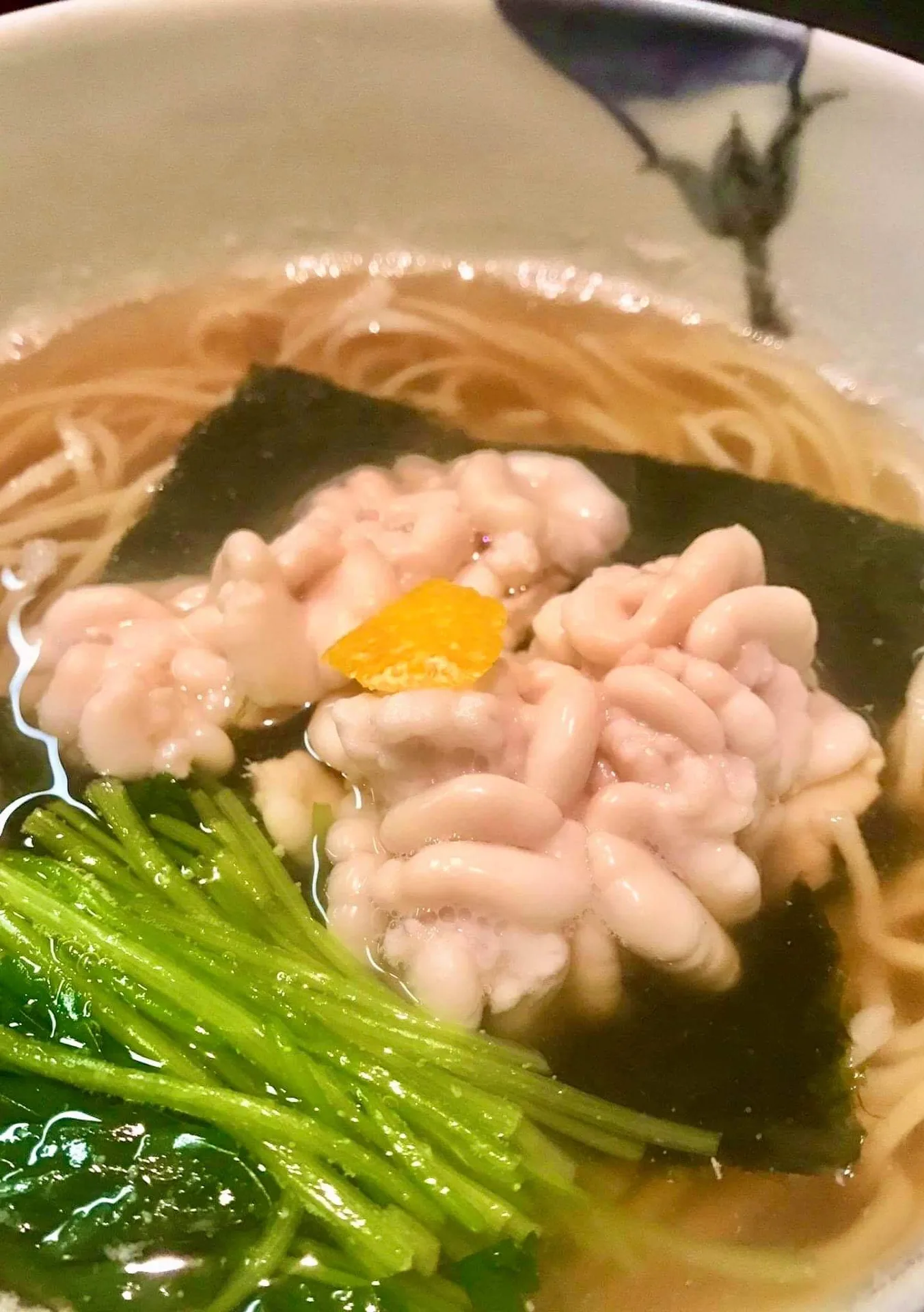
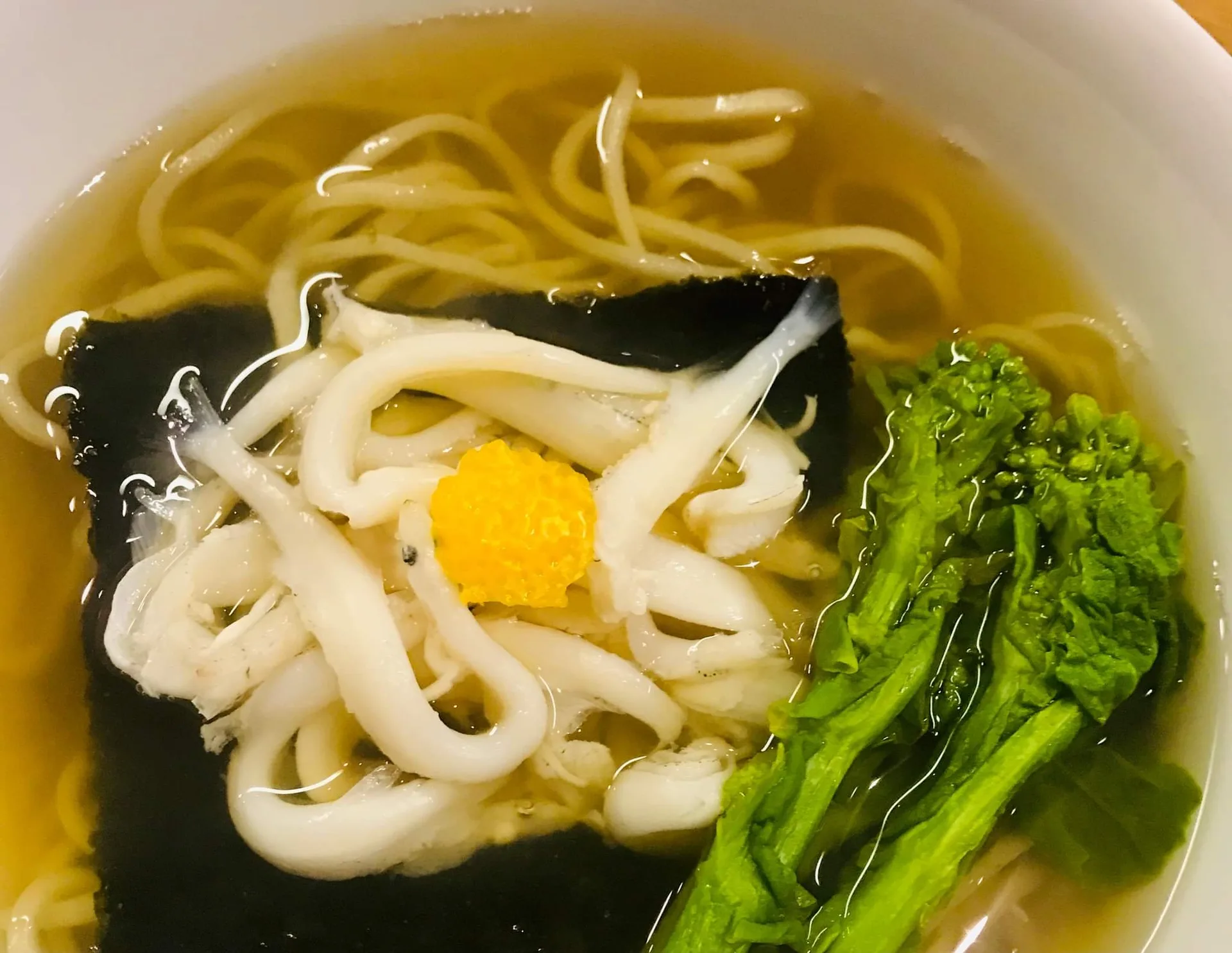
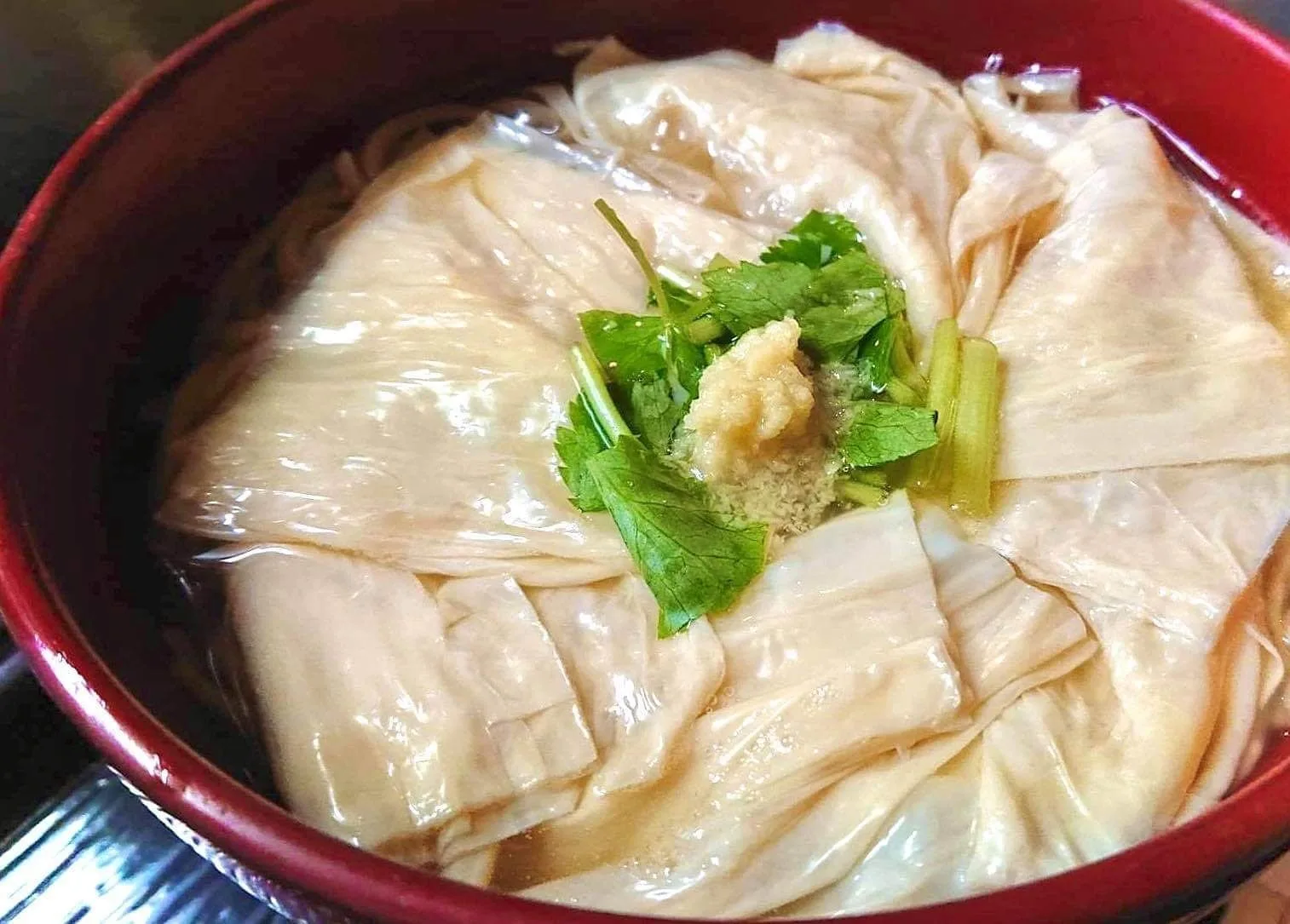
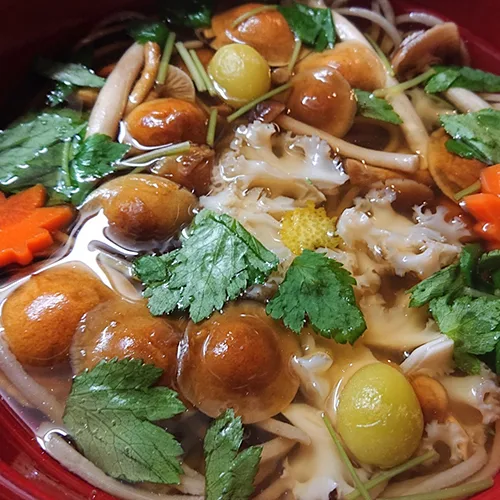
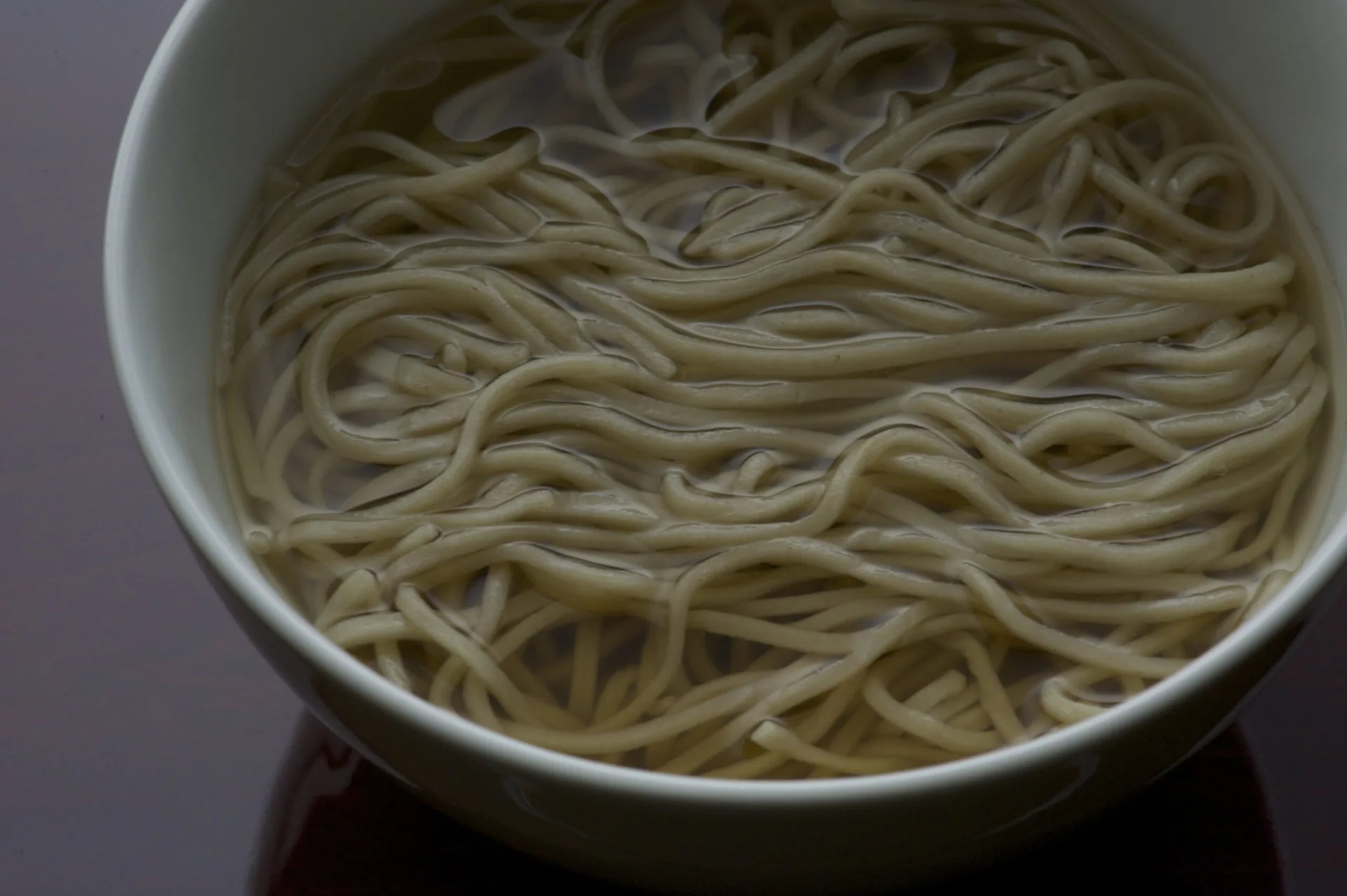
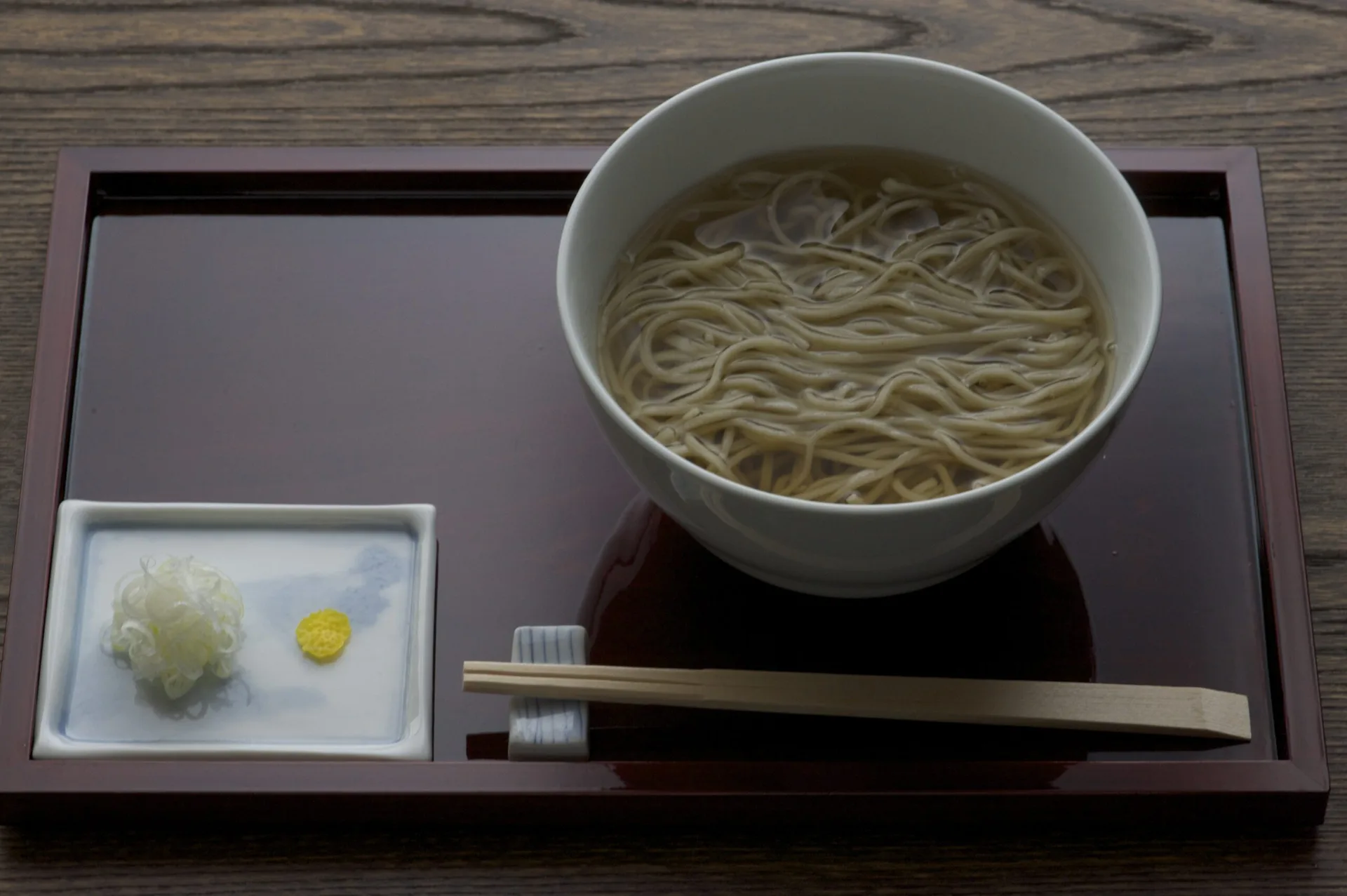
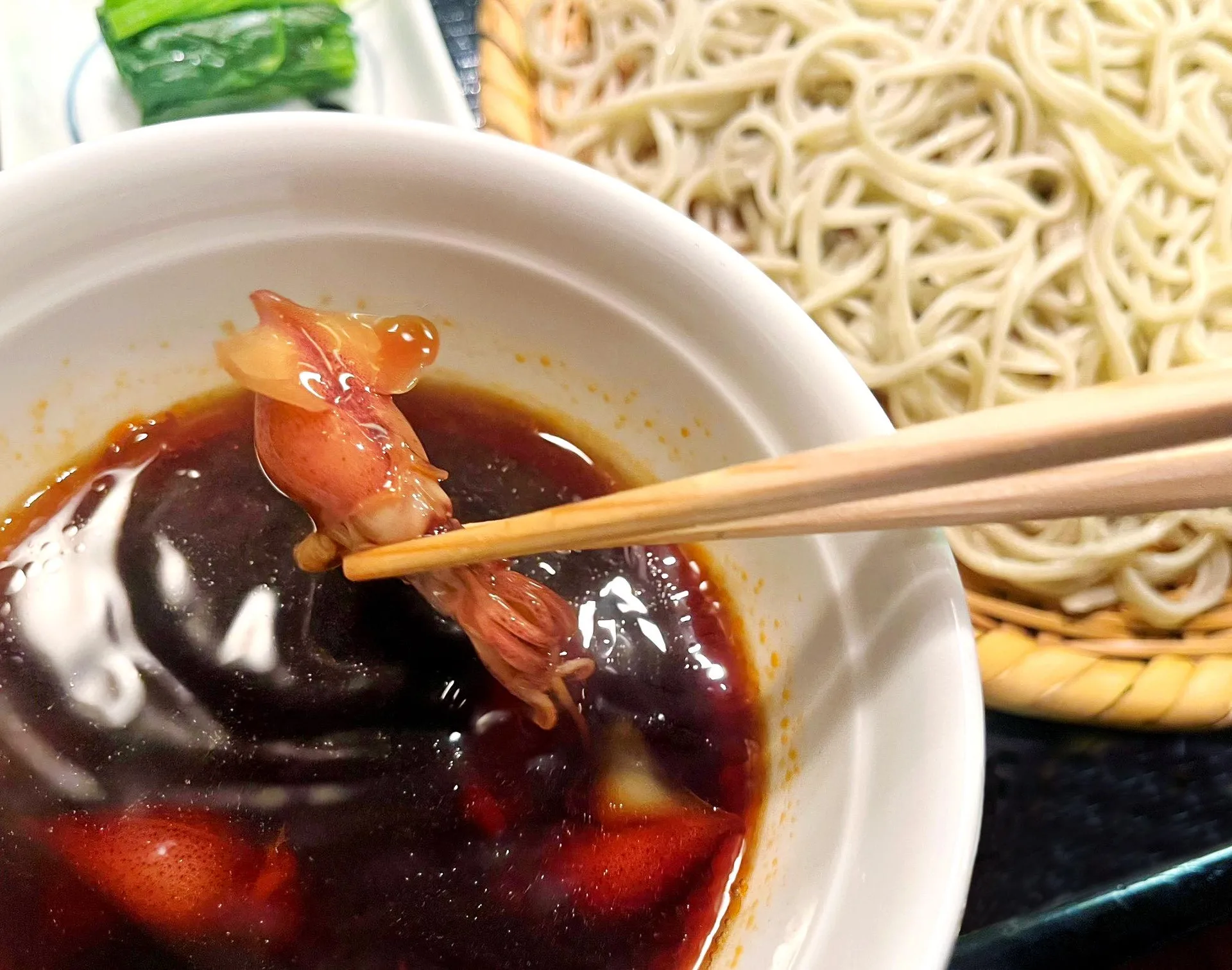
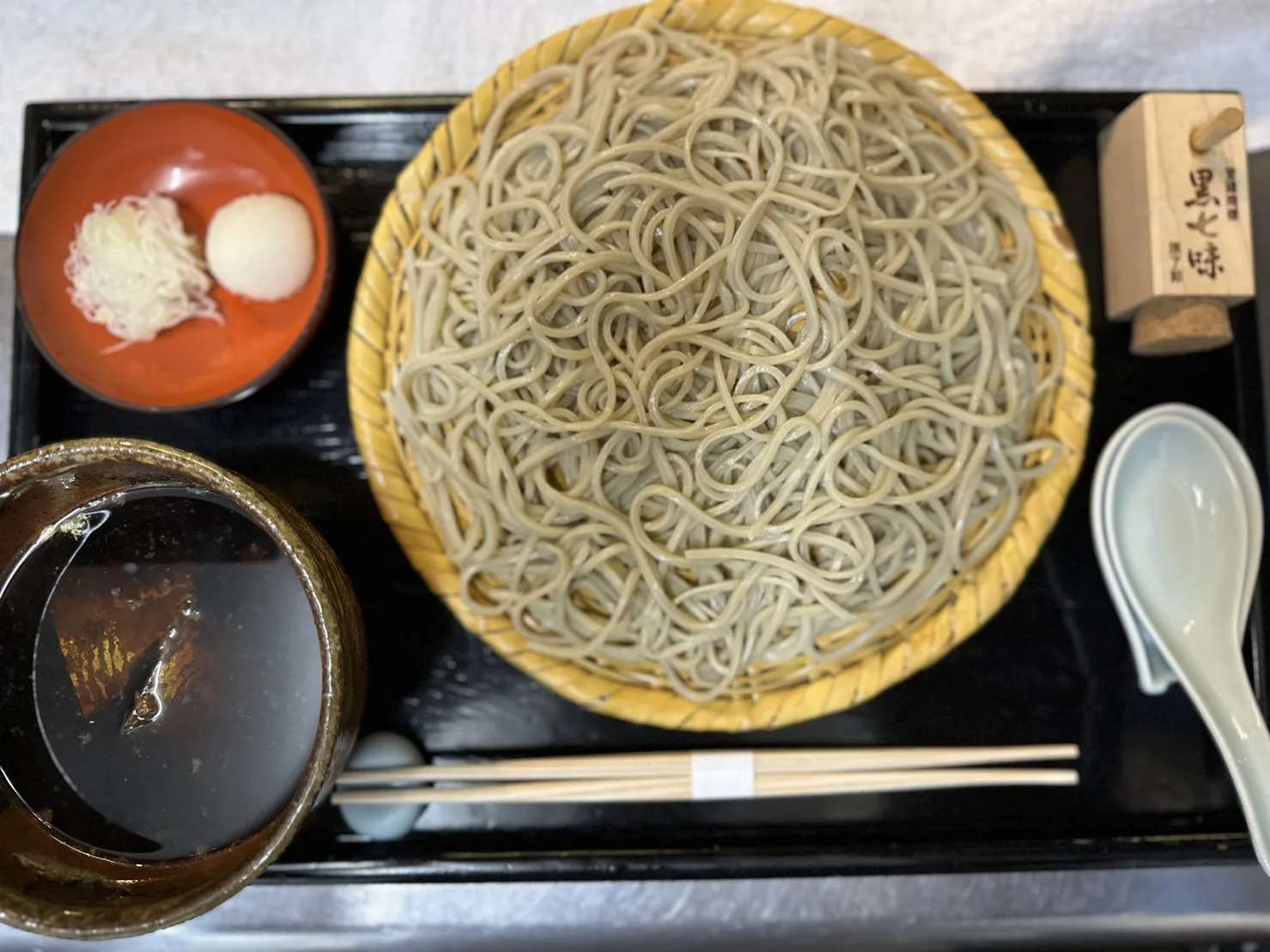
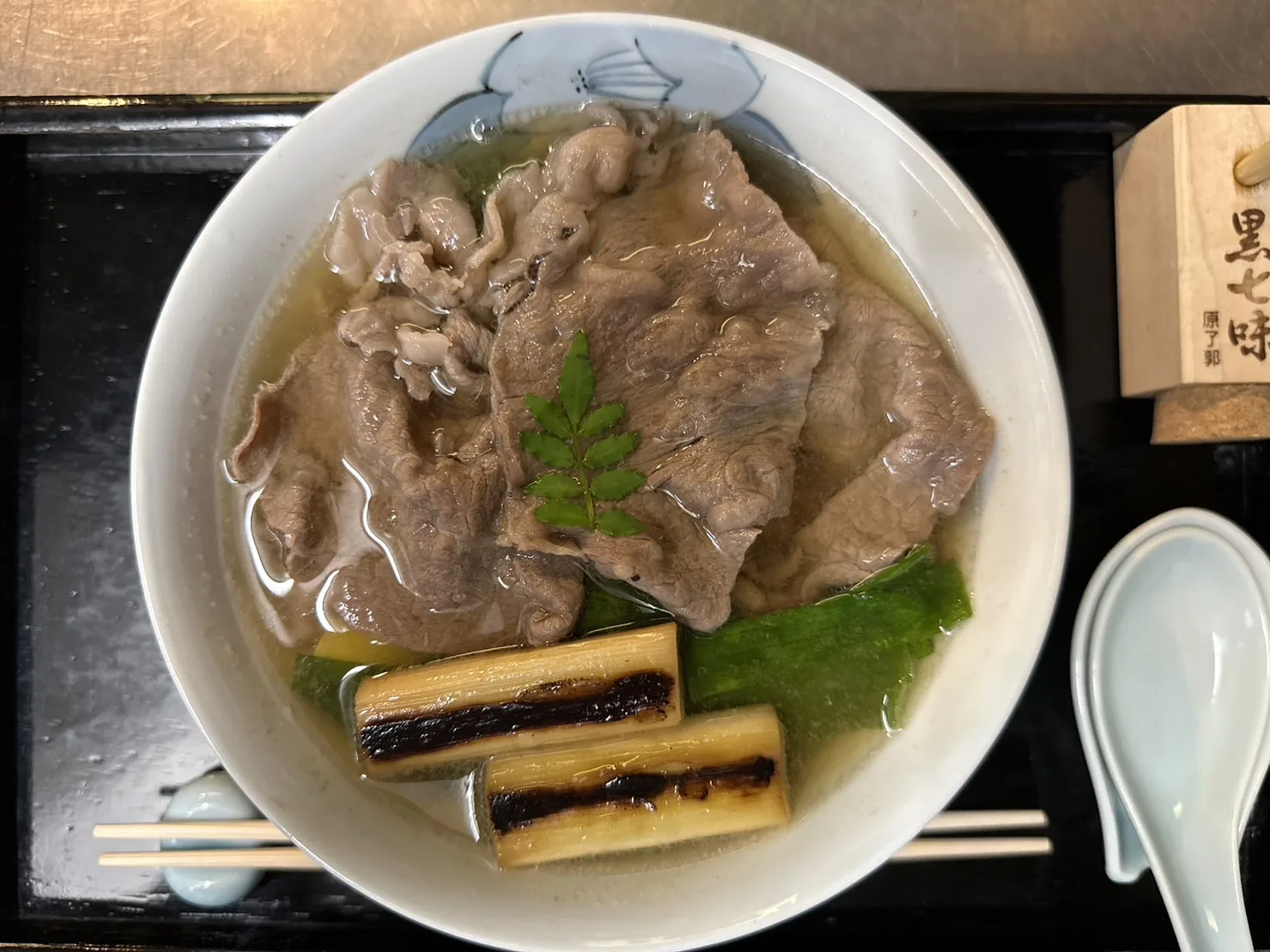
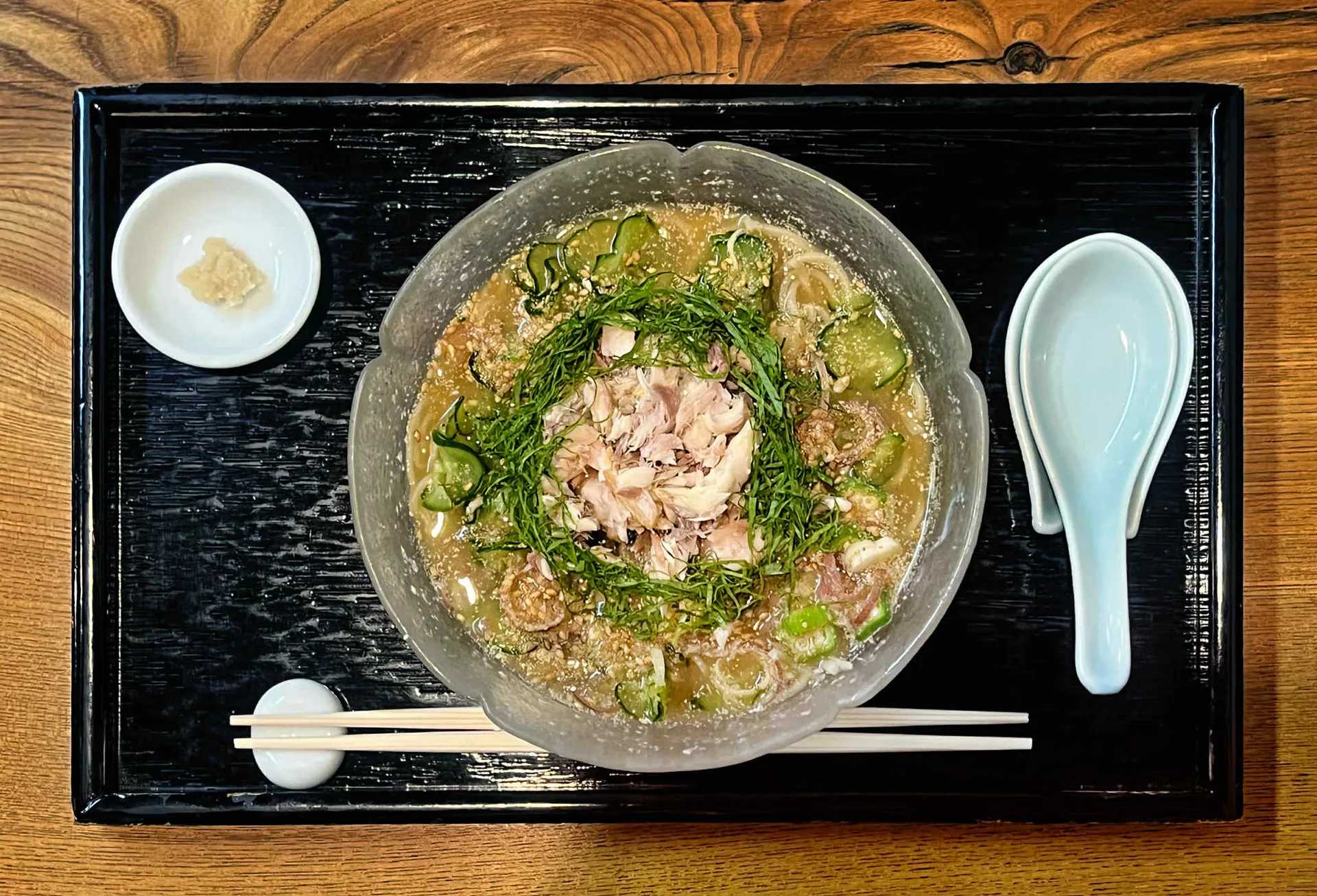
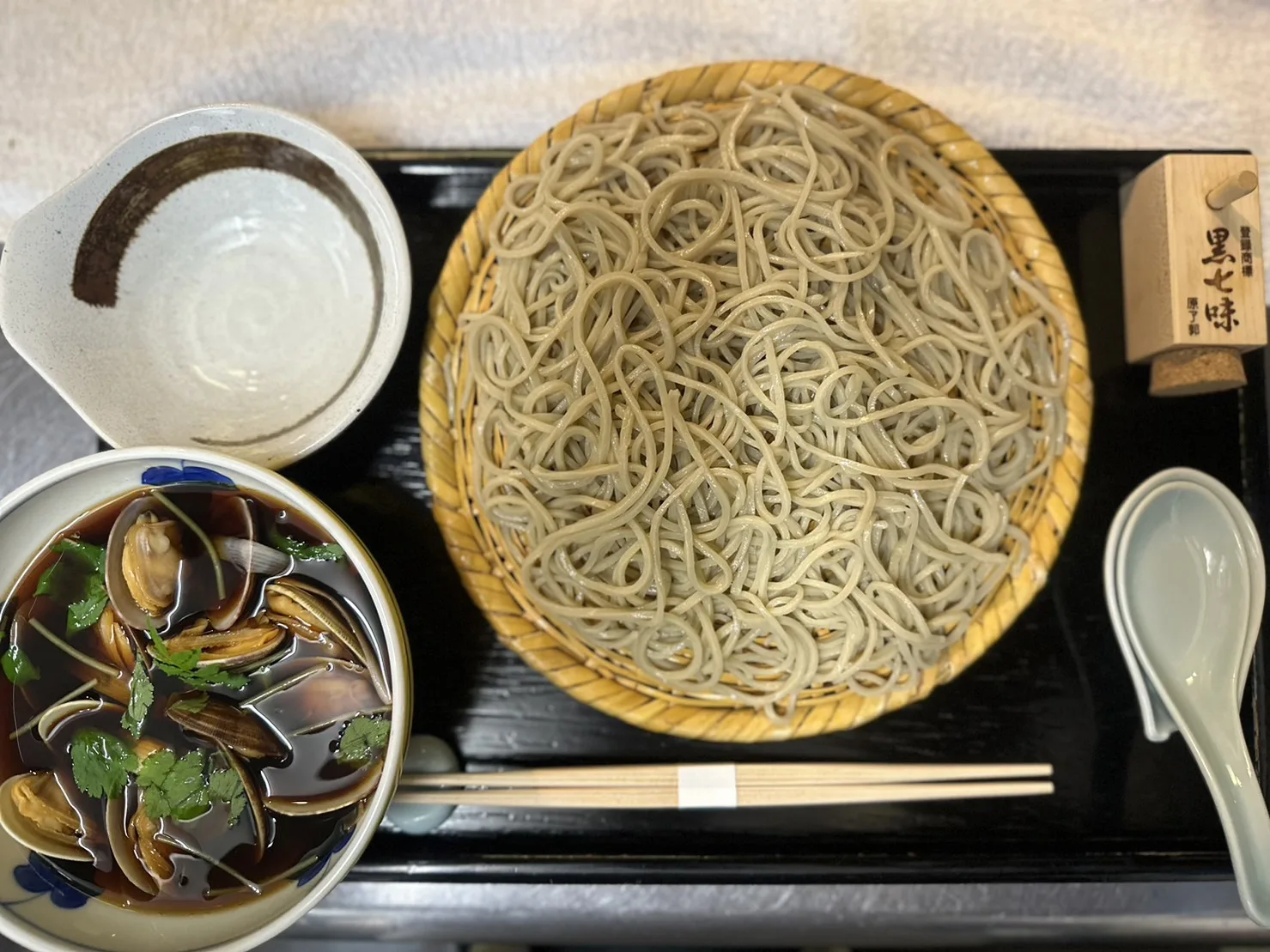
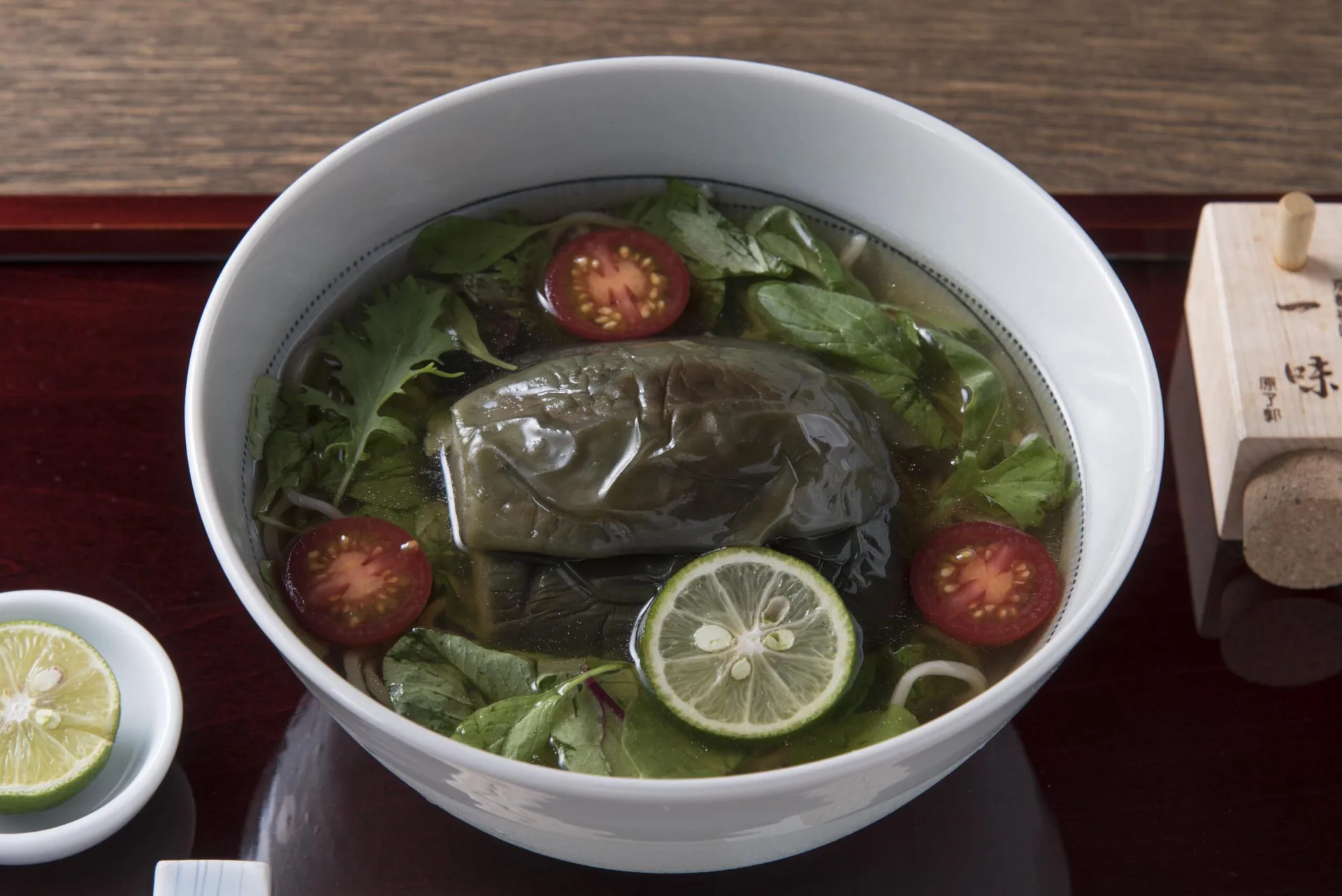
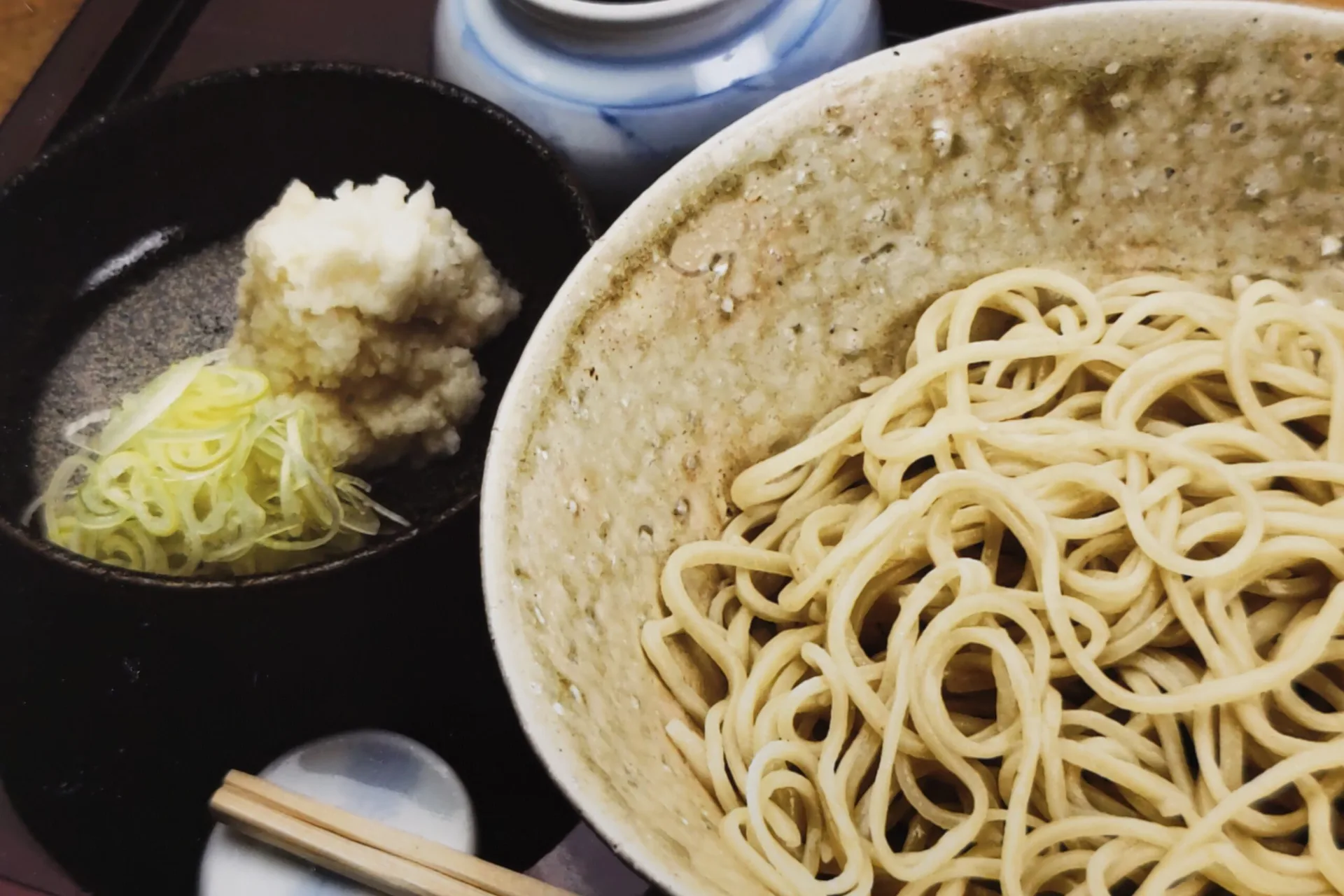
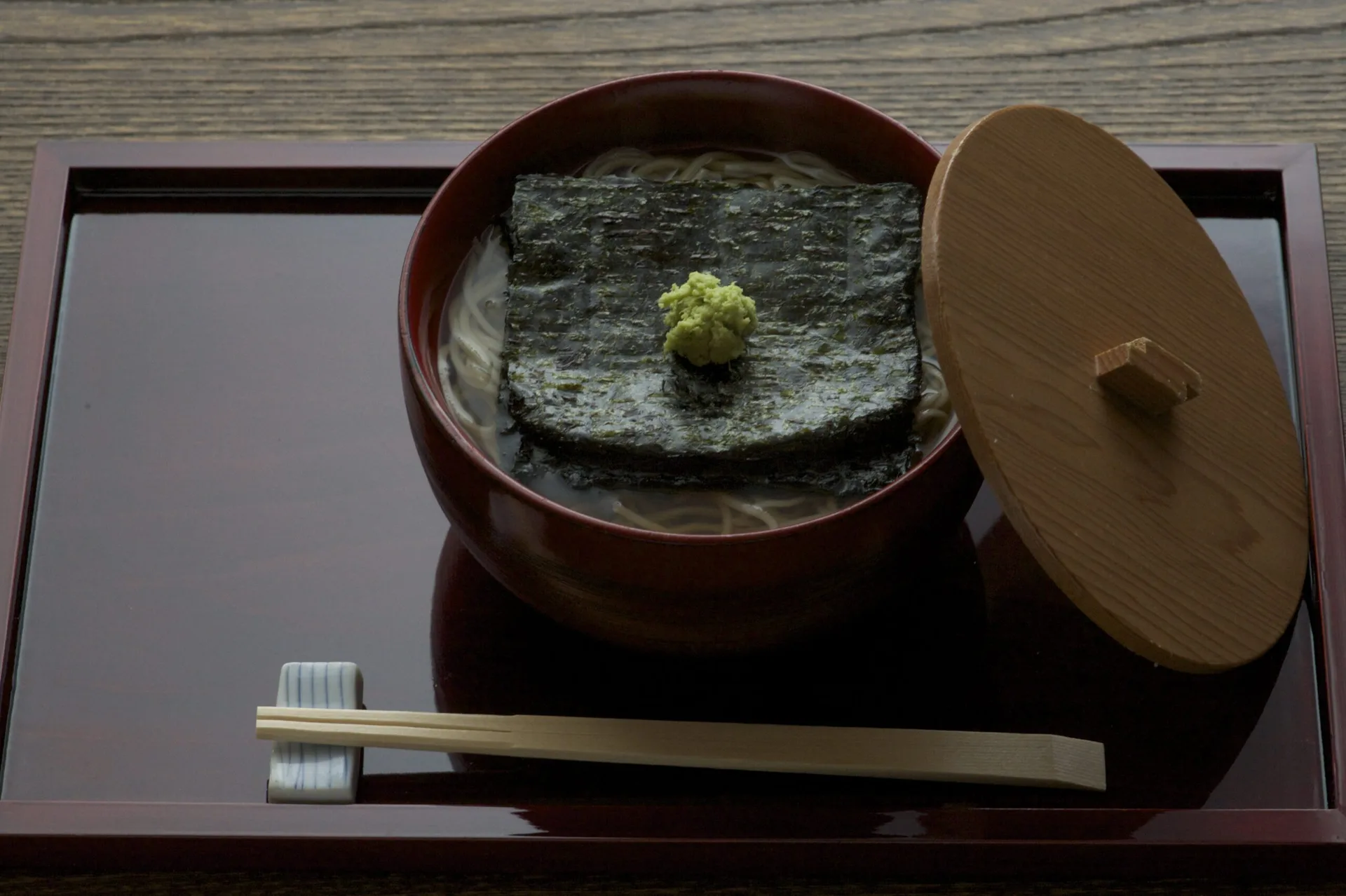
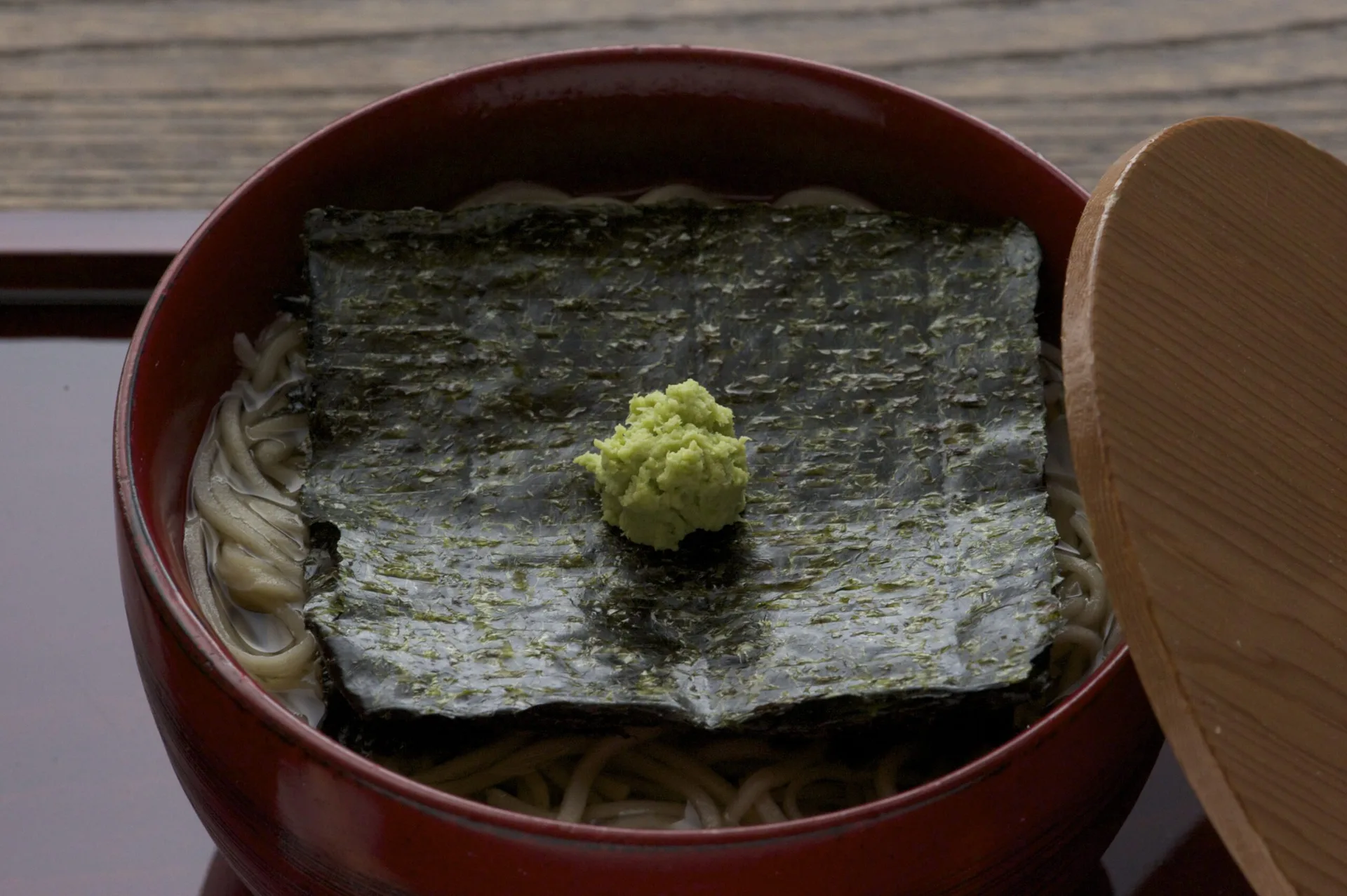
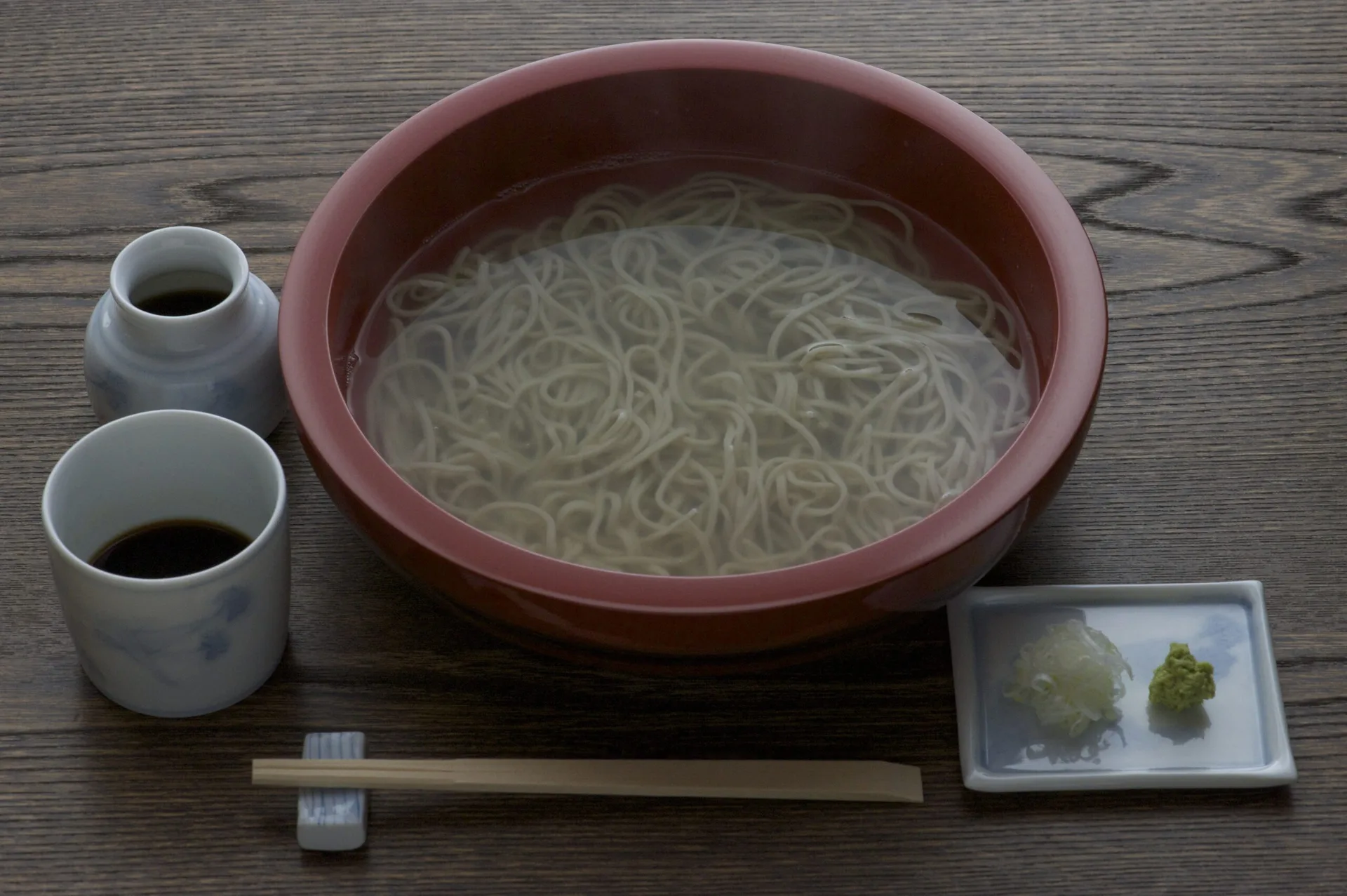
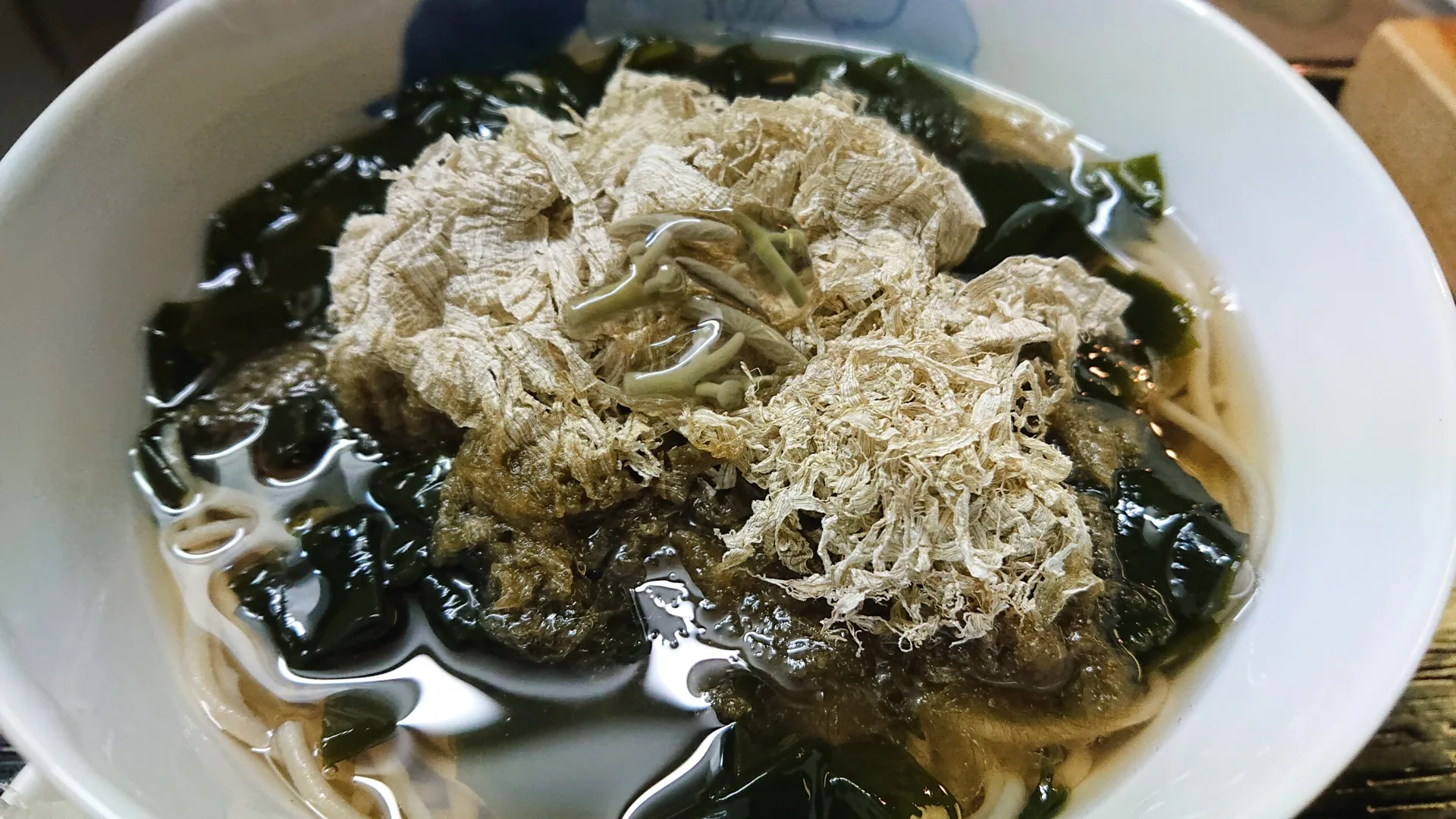
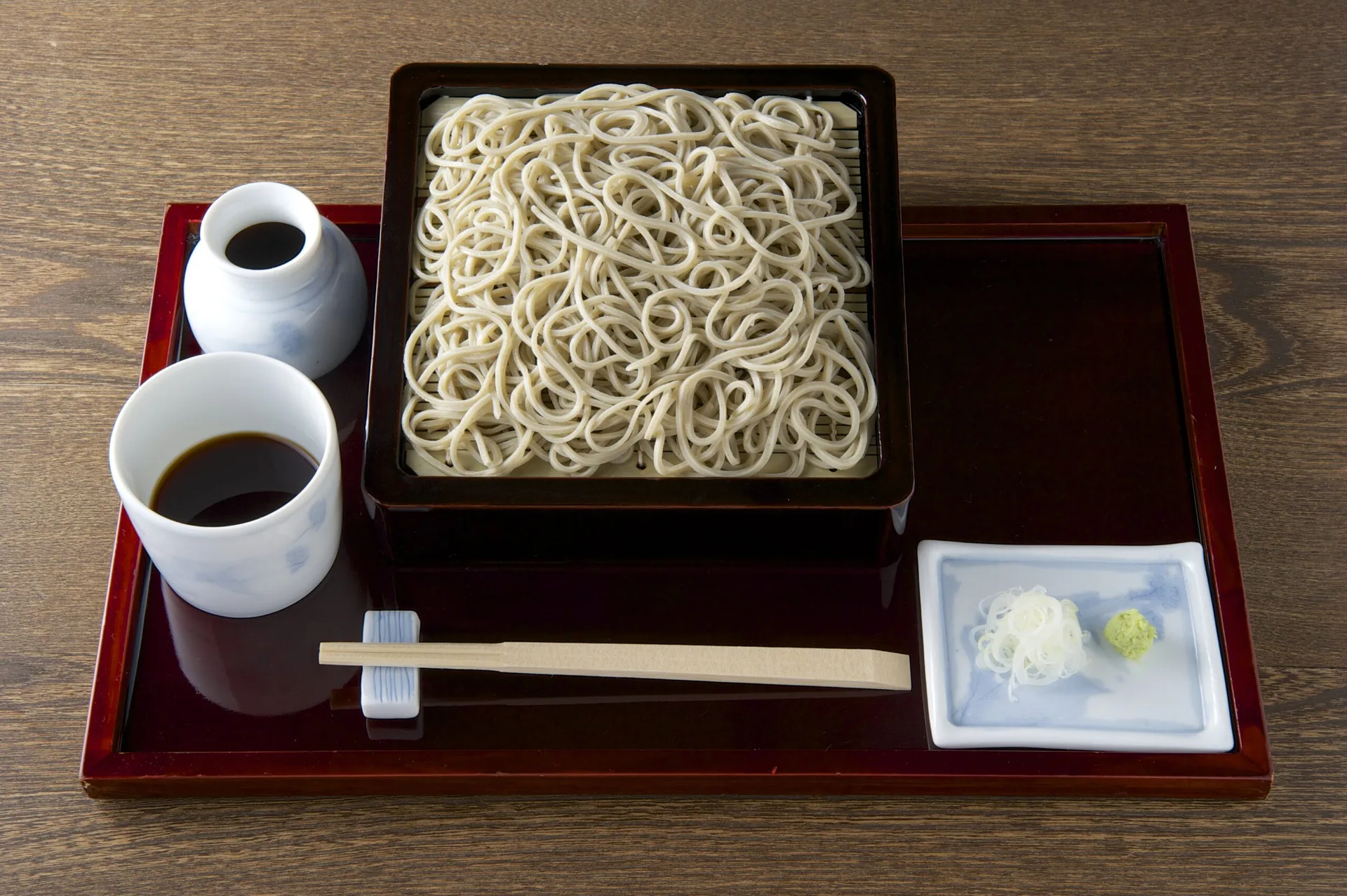
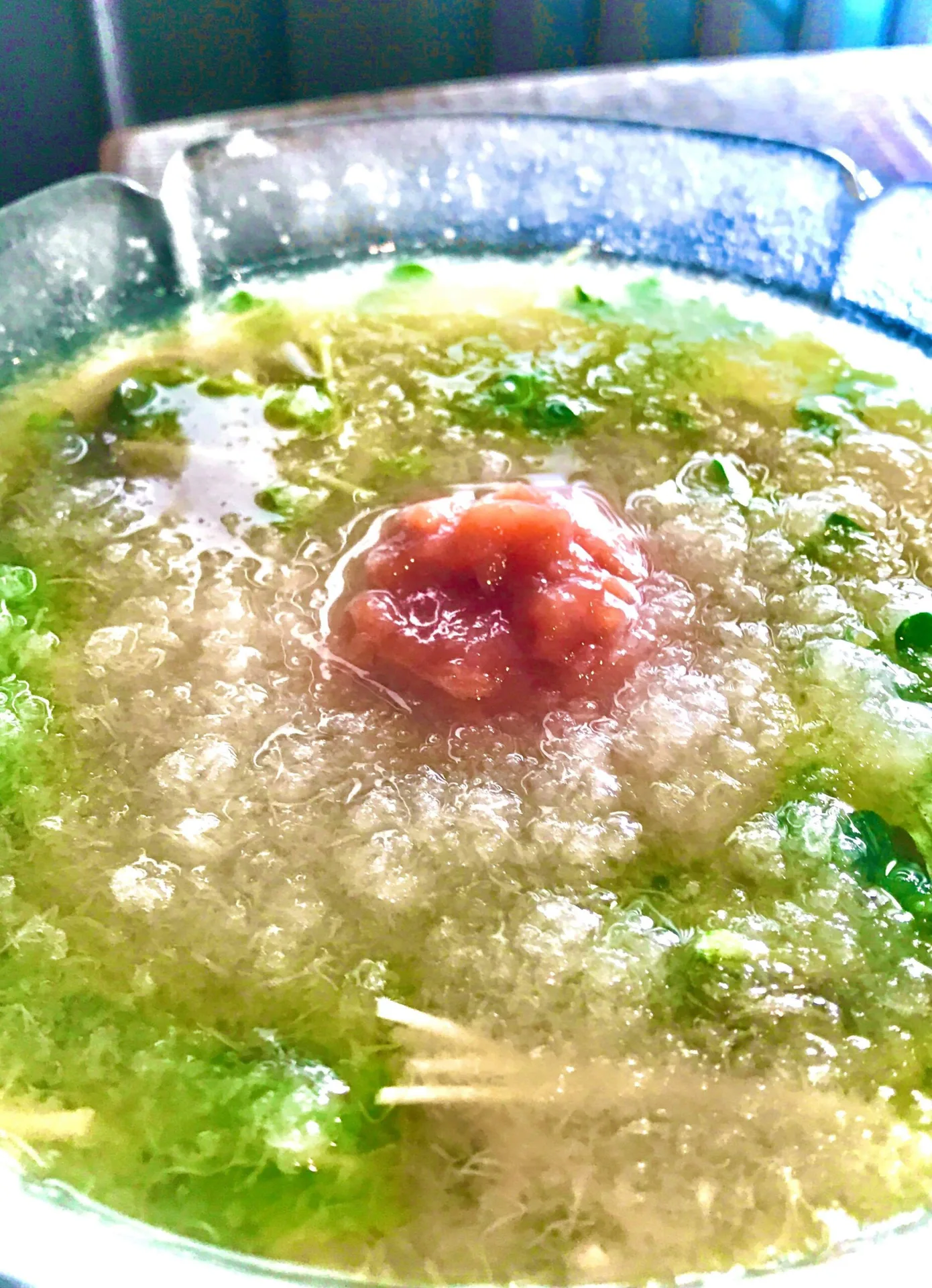
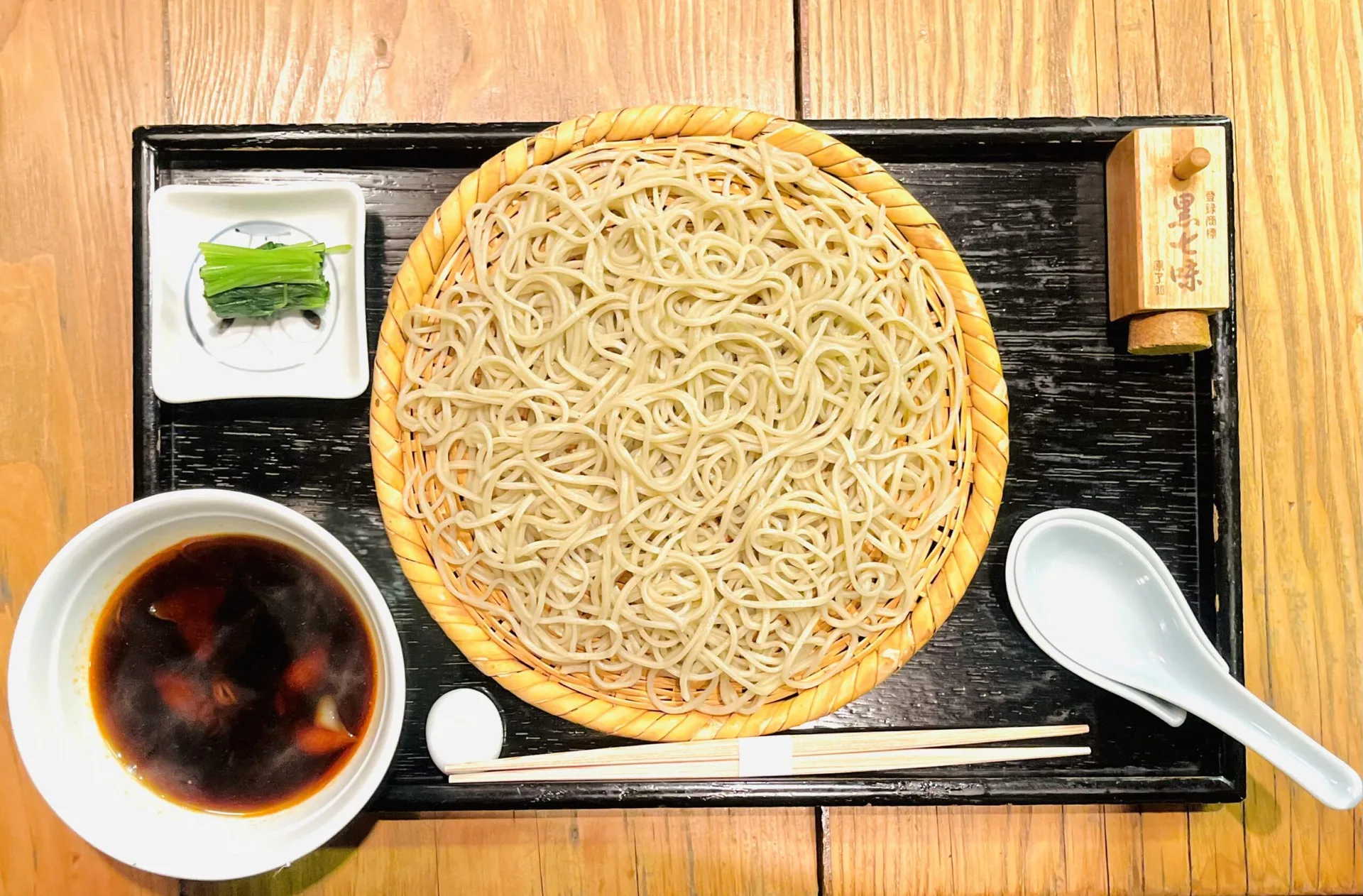
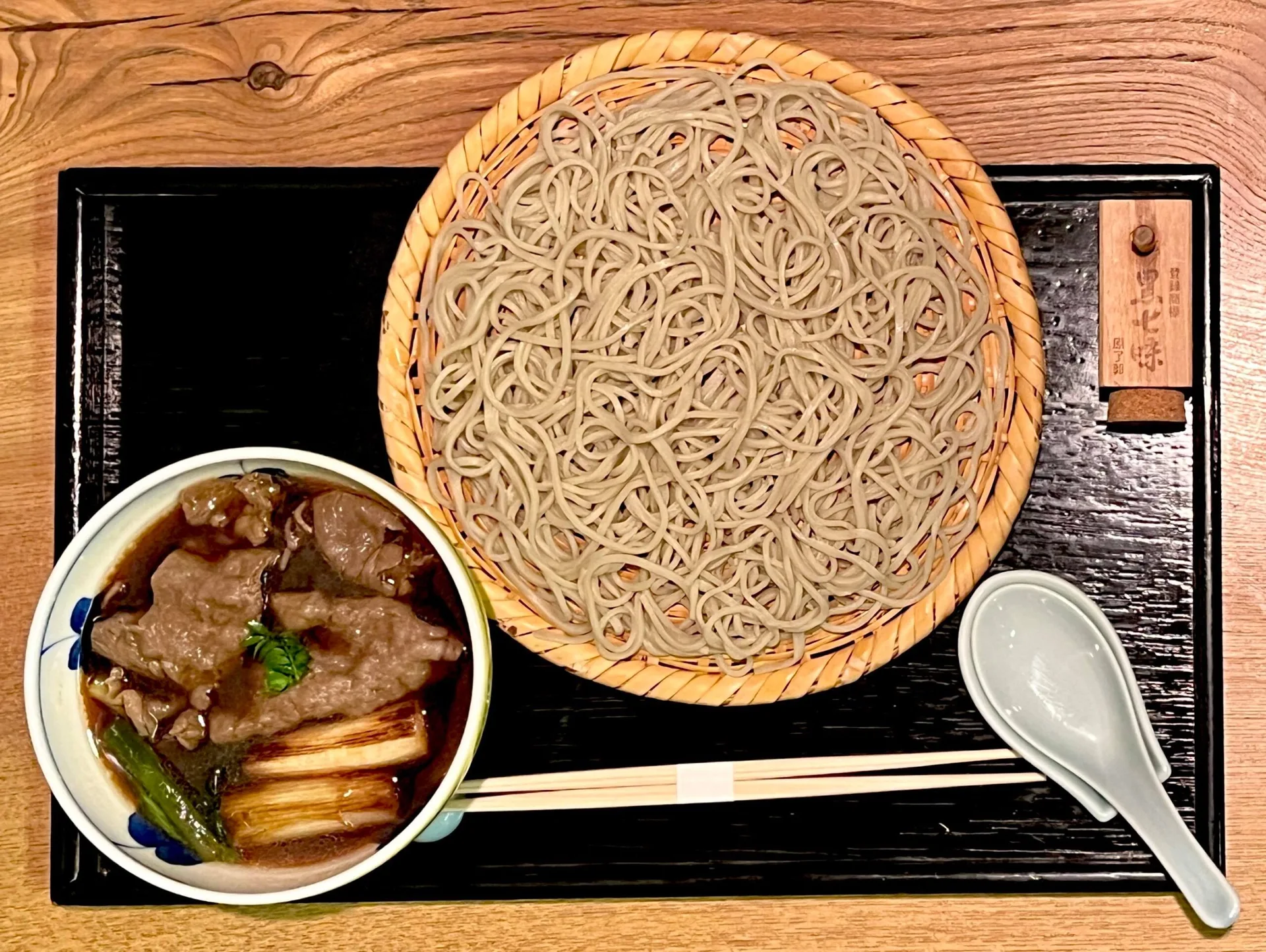
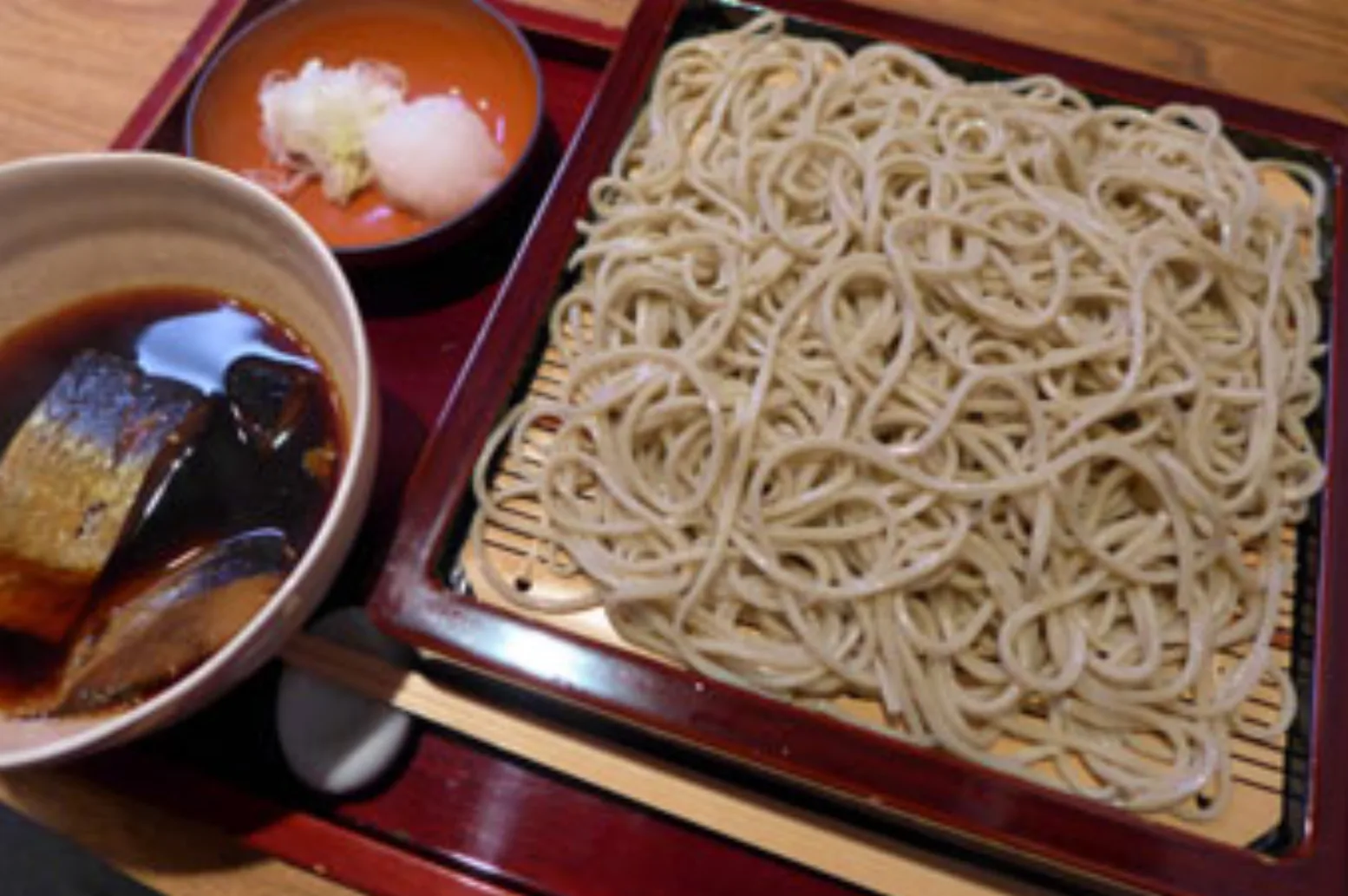
Naniwa Okina offers two styles of soba. The house specialty is ni-hachi (80% buckwheat, 20% wheat), prized for its smooth slurp, springy texture, and clean finish—the kind that makes you want a second order. The ten-wari (100% buckwheat) is made in limited quantities, with a stronger flavor and aroma, yet remains remarkably supple. Both are available in a wide range of preparations, from classic zaru (cold) to kake (hot broth), and seasonal offerings that change with the calendar.
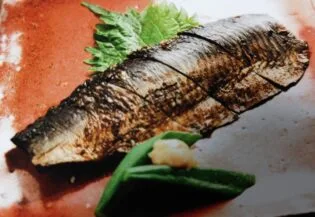
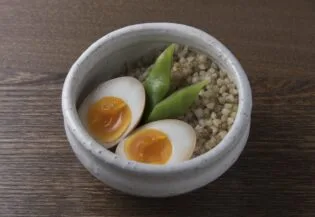
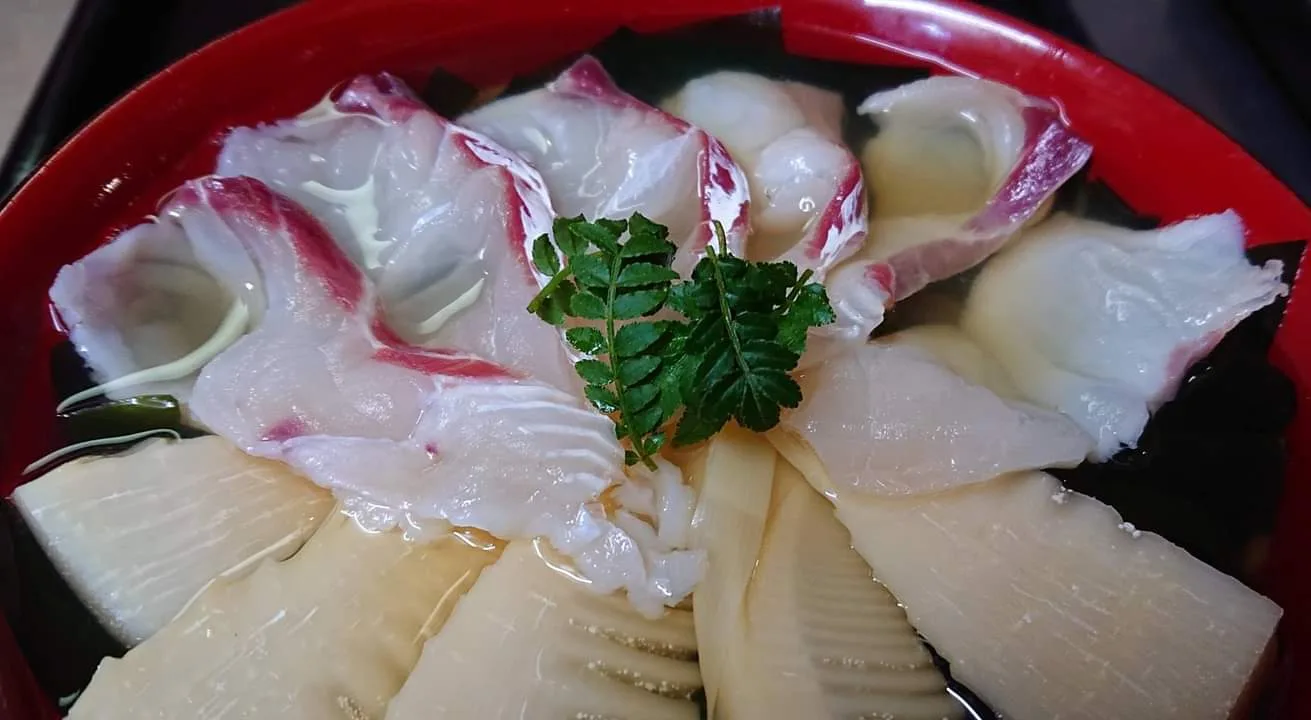
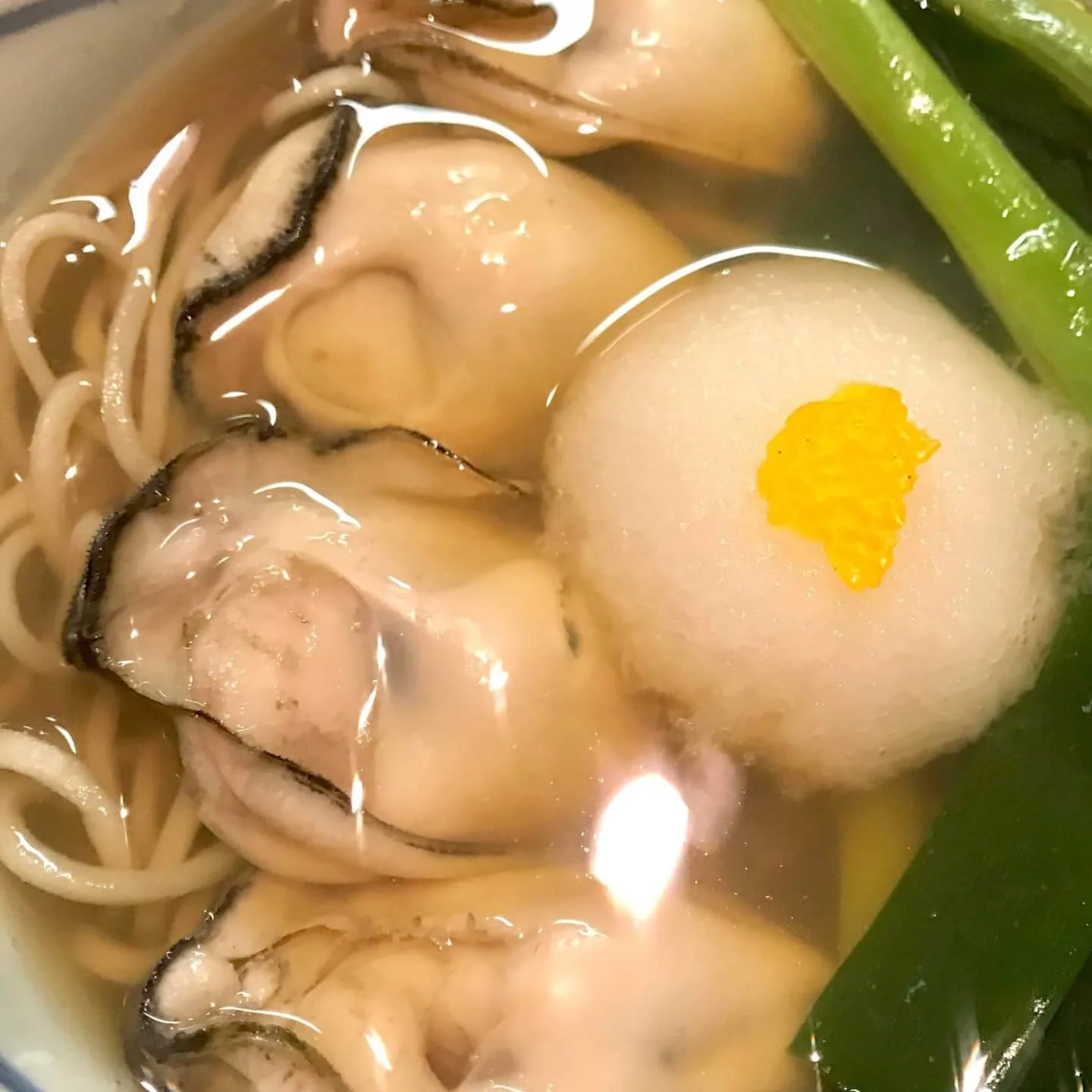
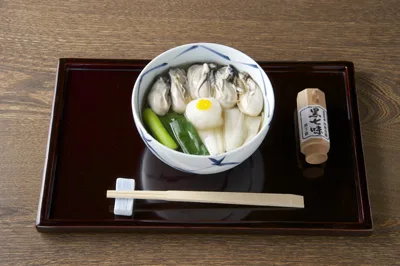
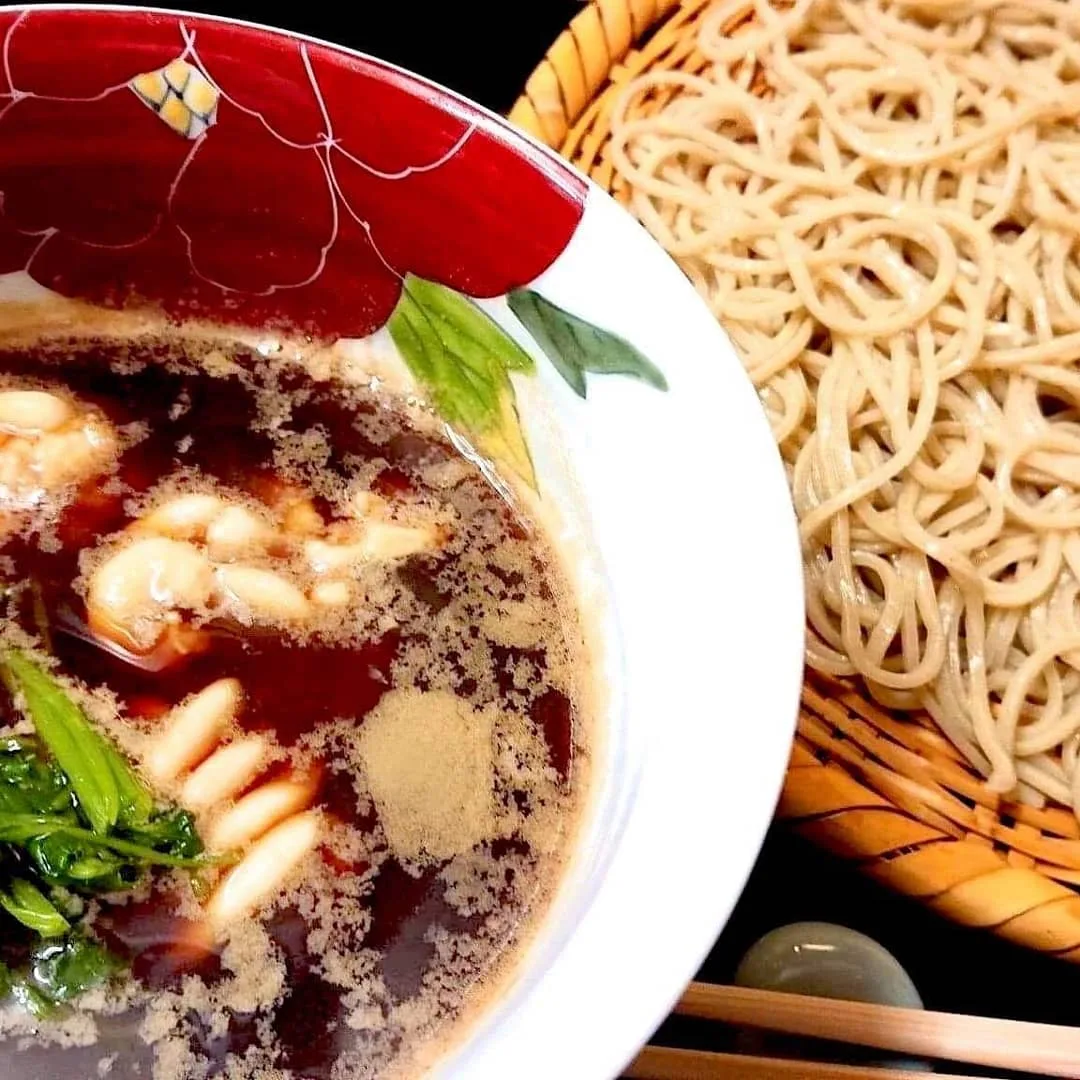
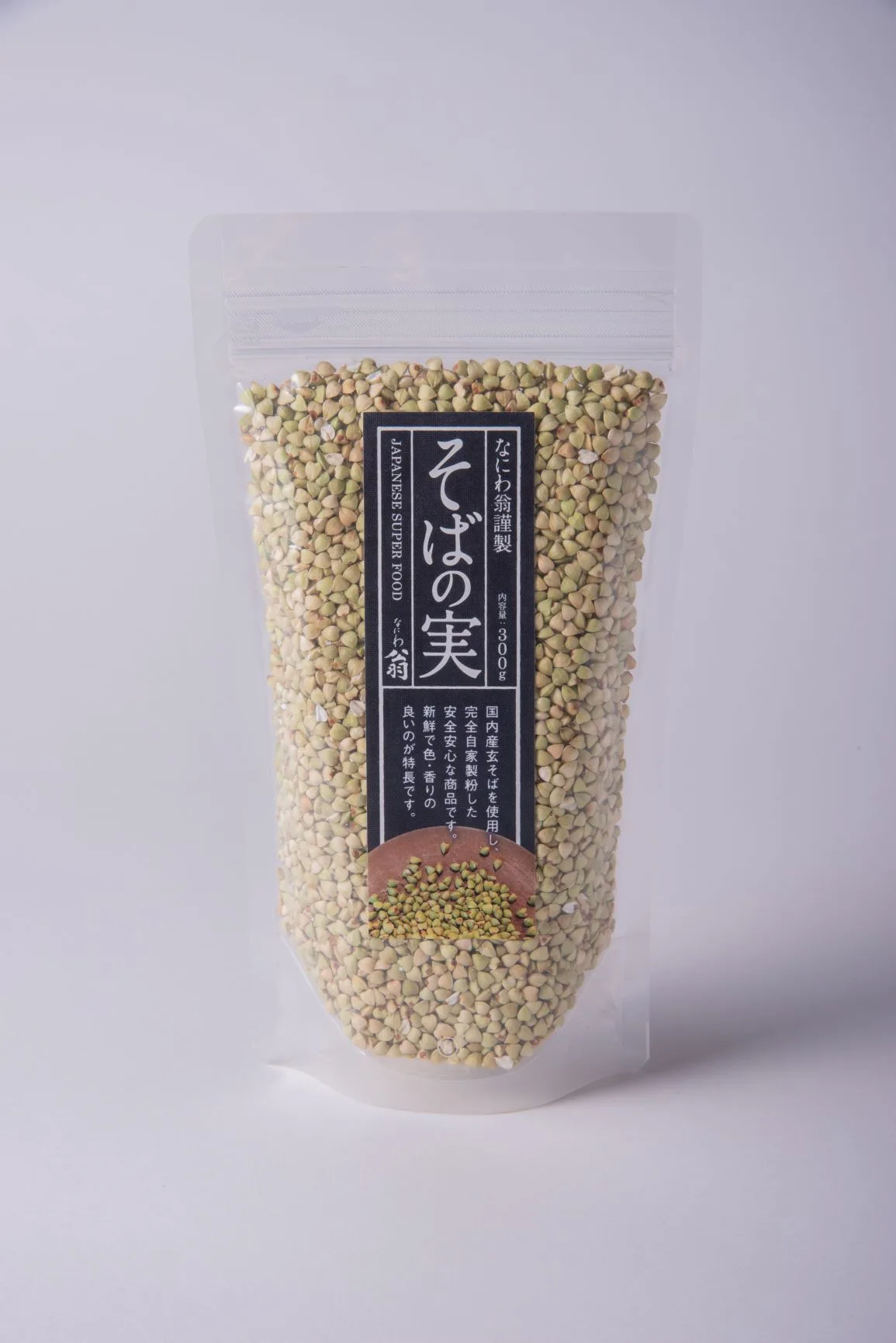
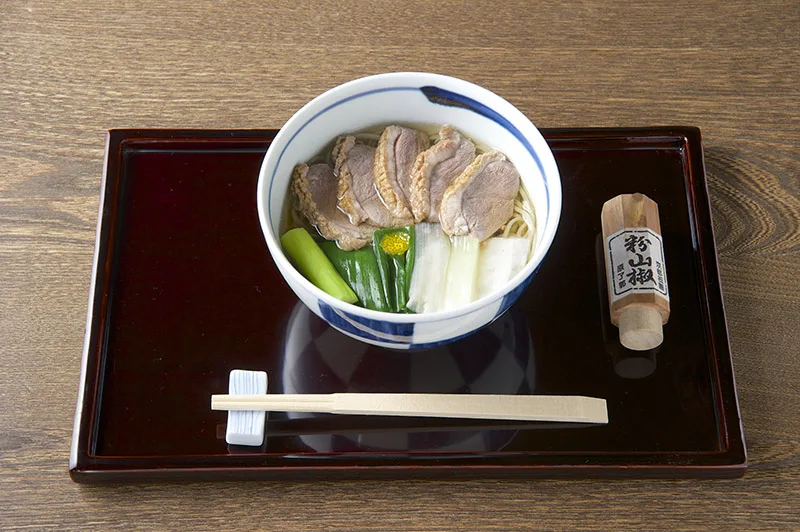
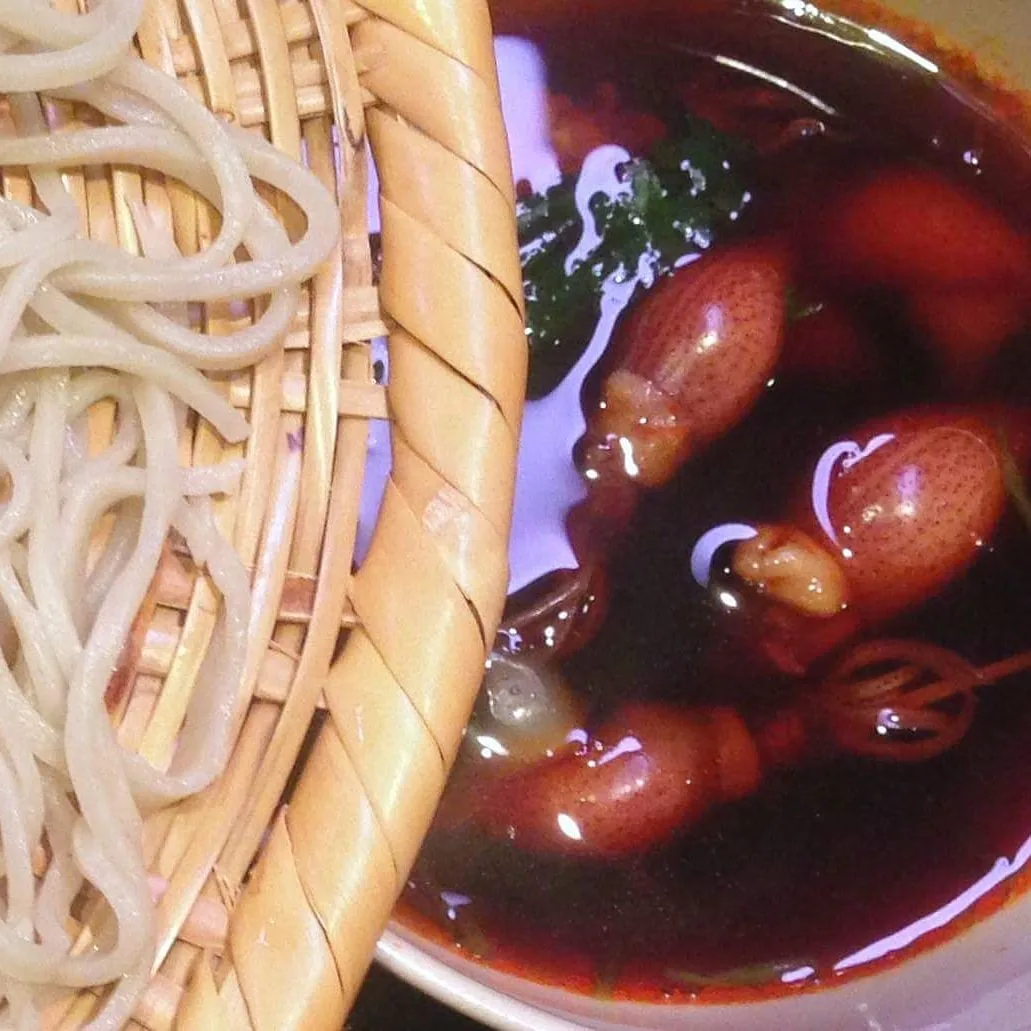
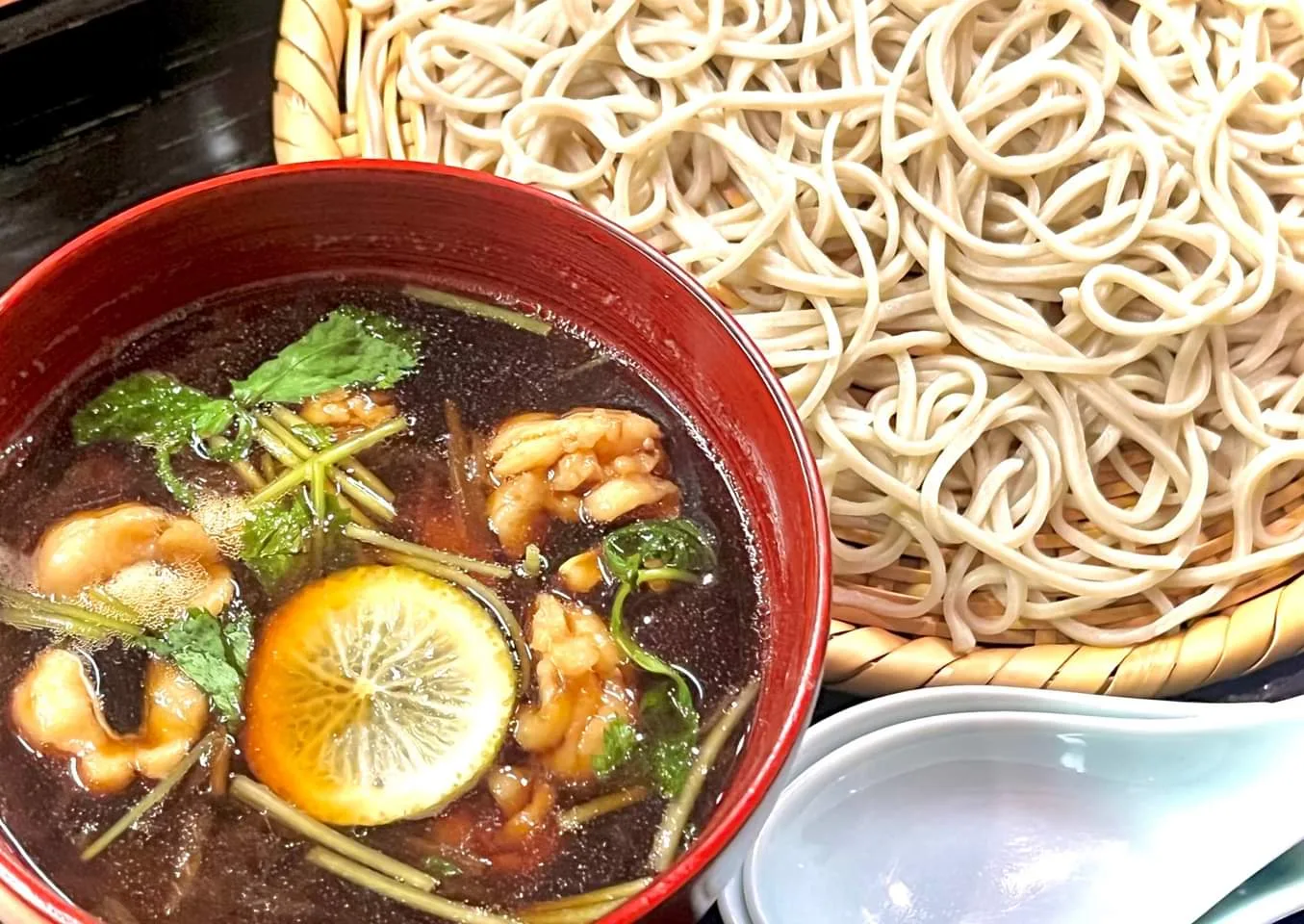
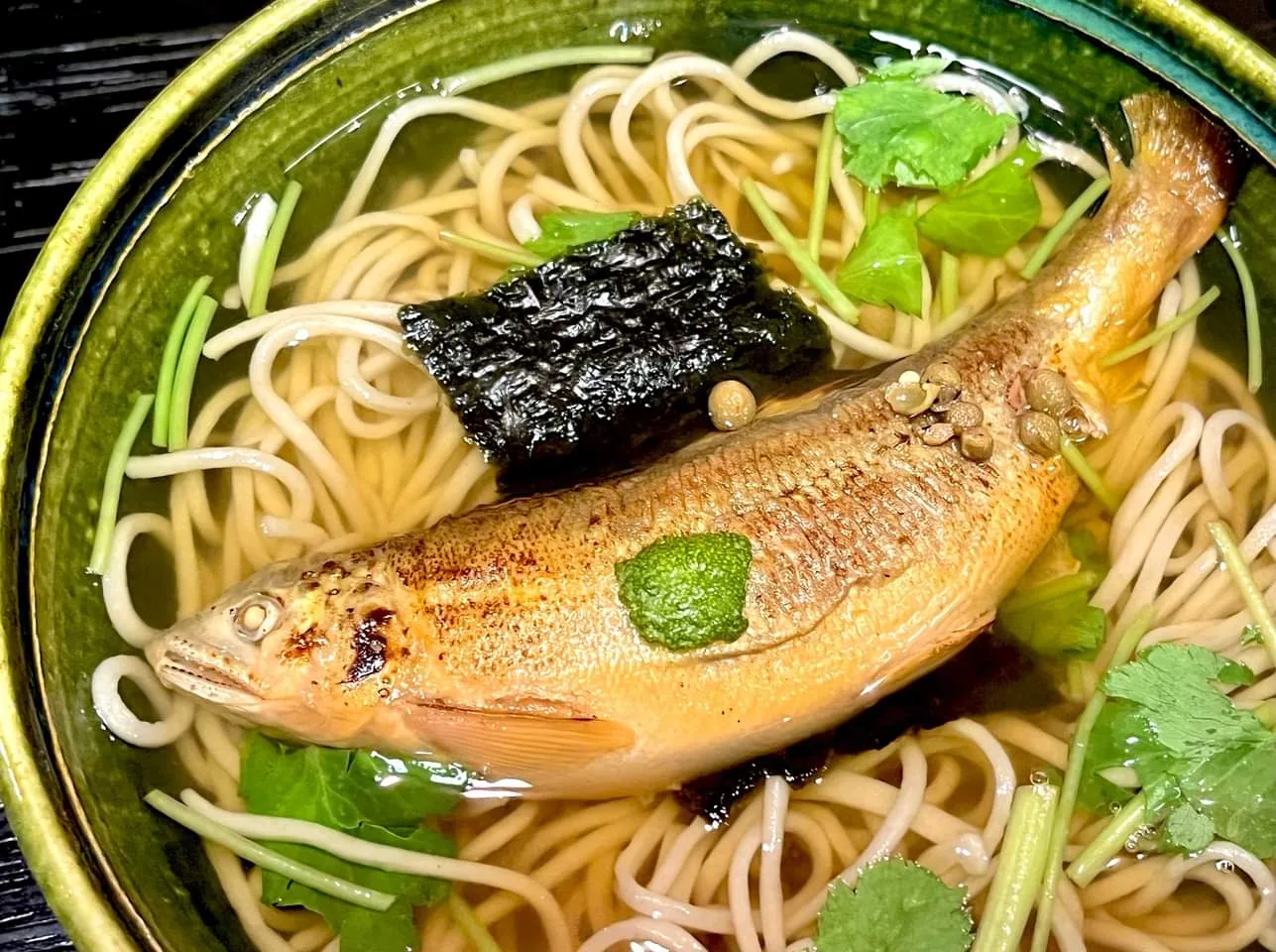
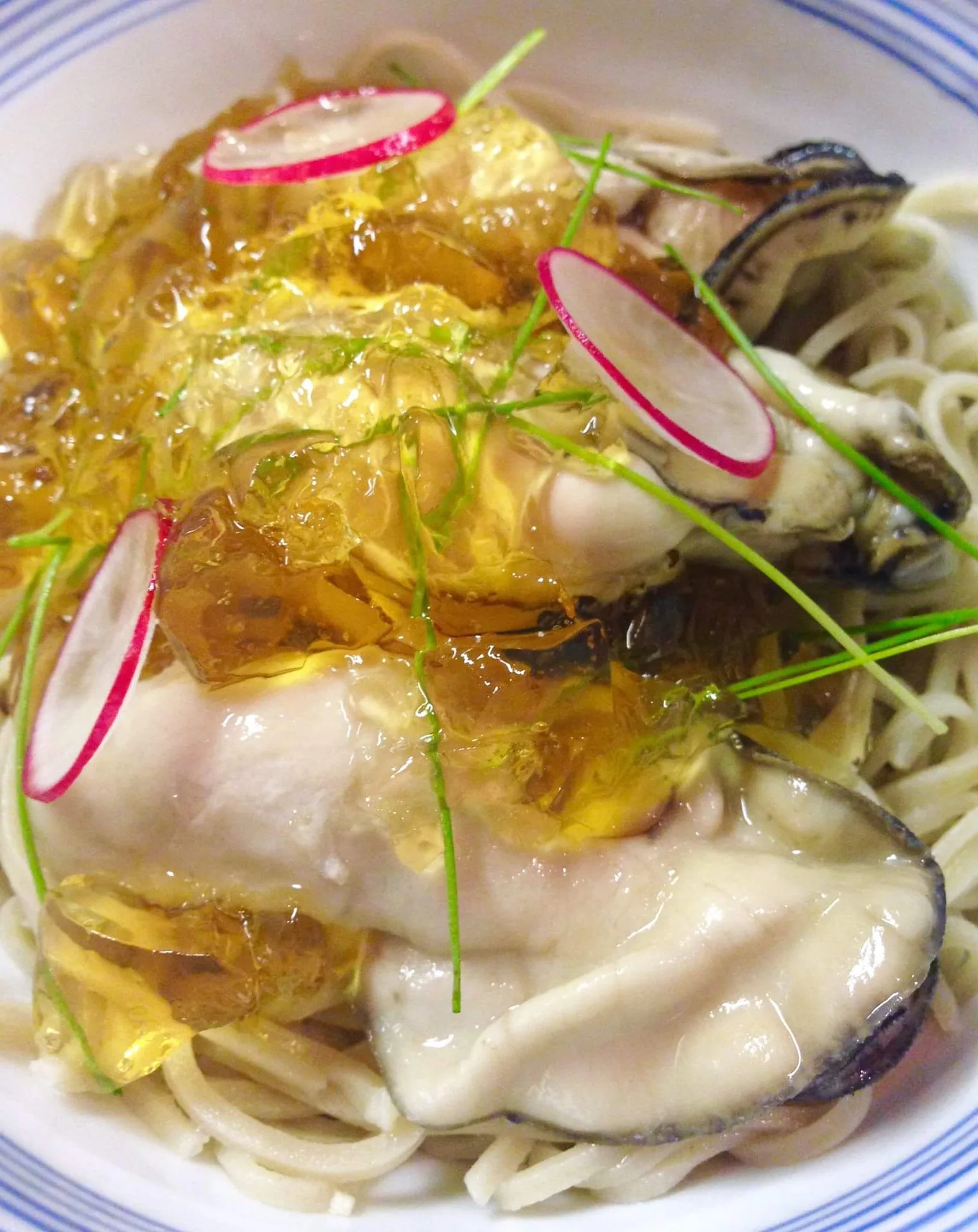
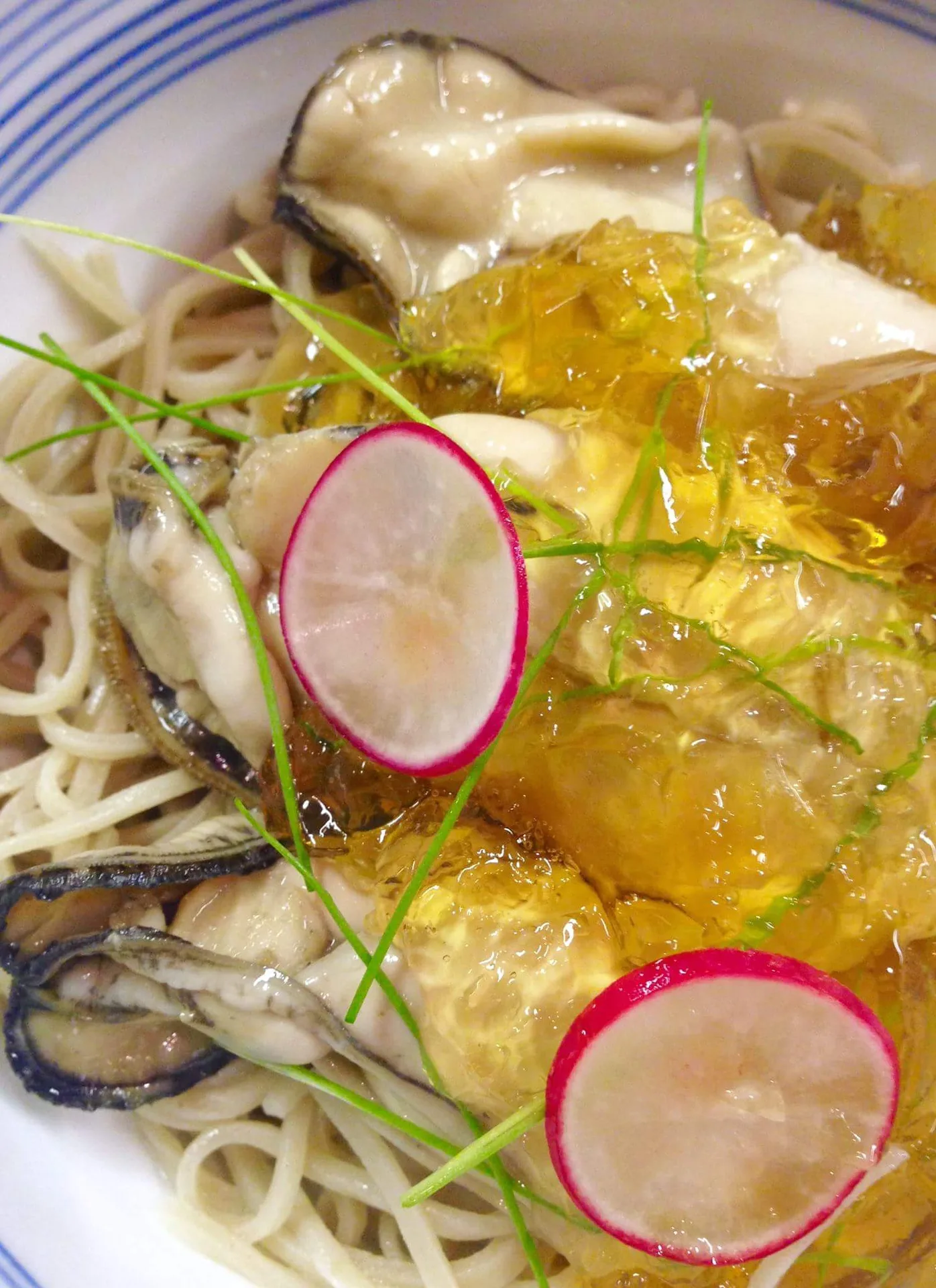
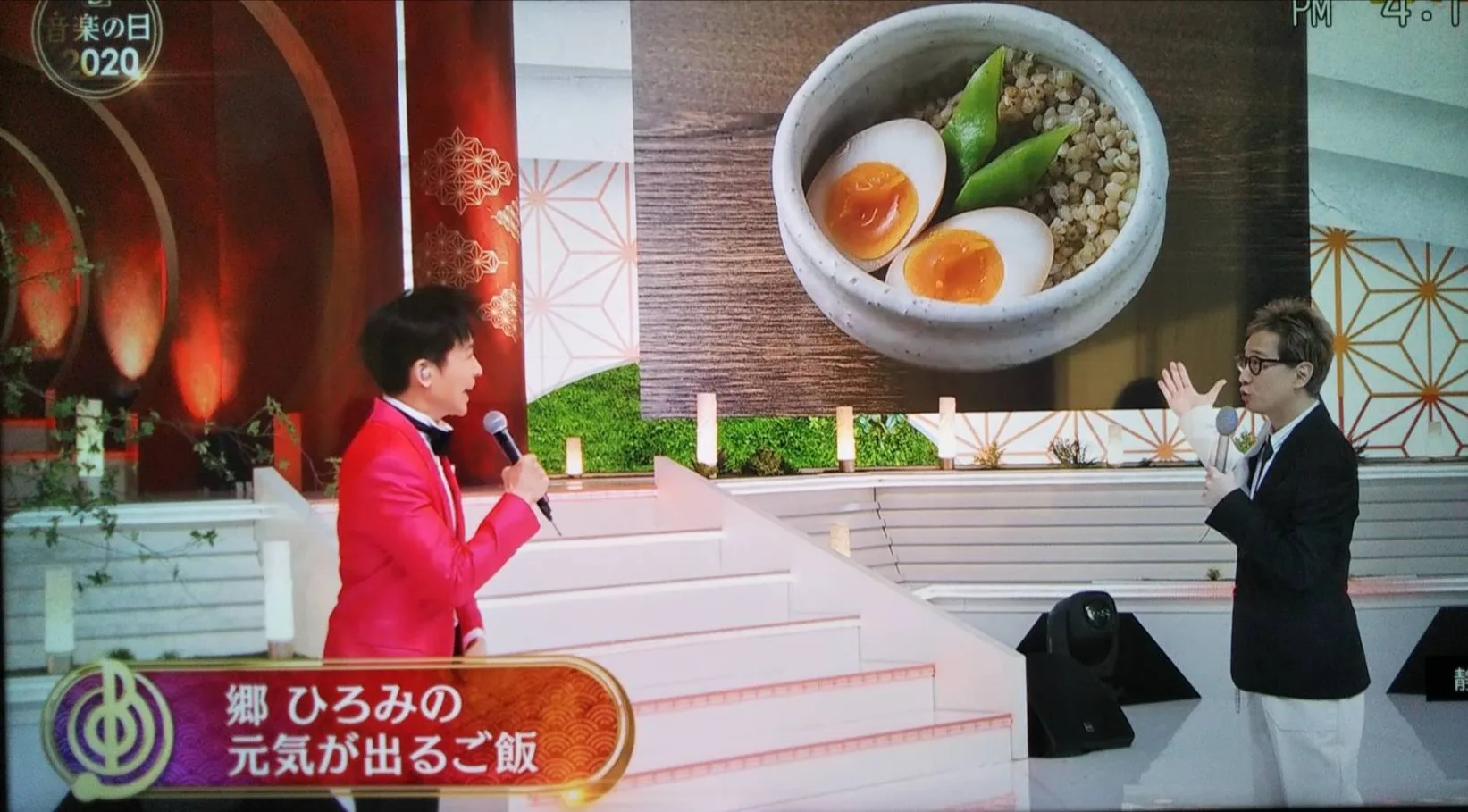
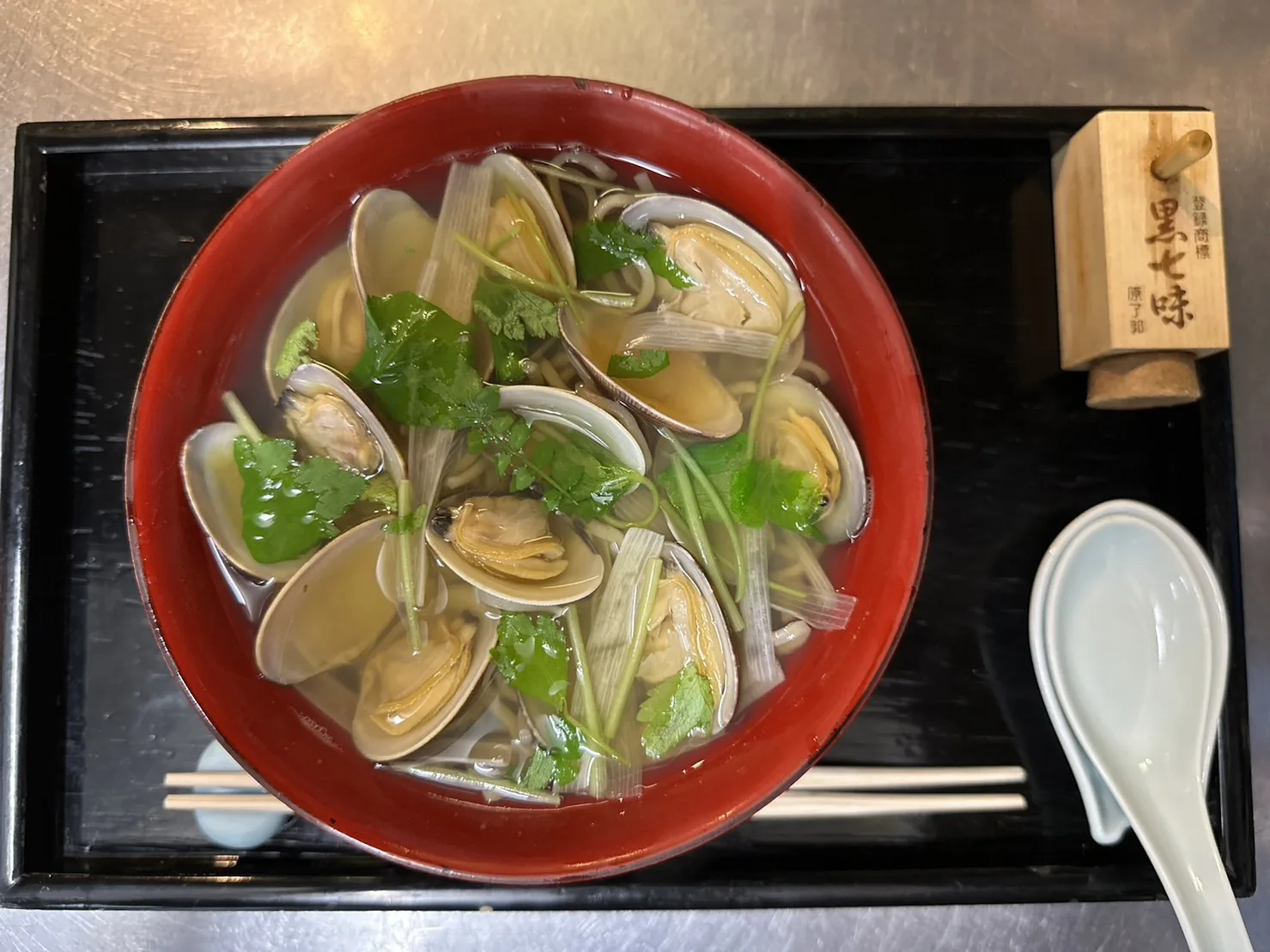
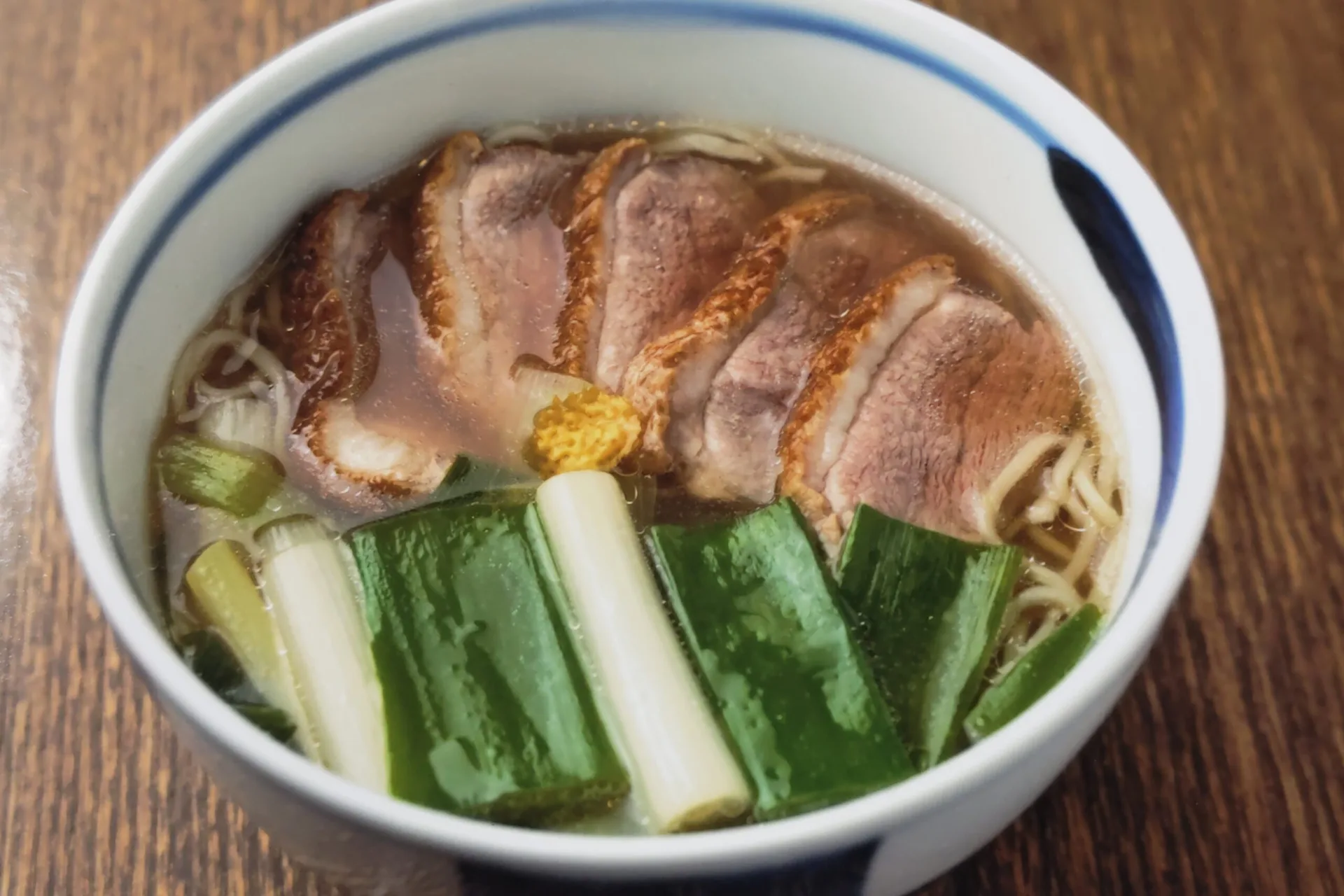
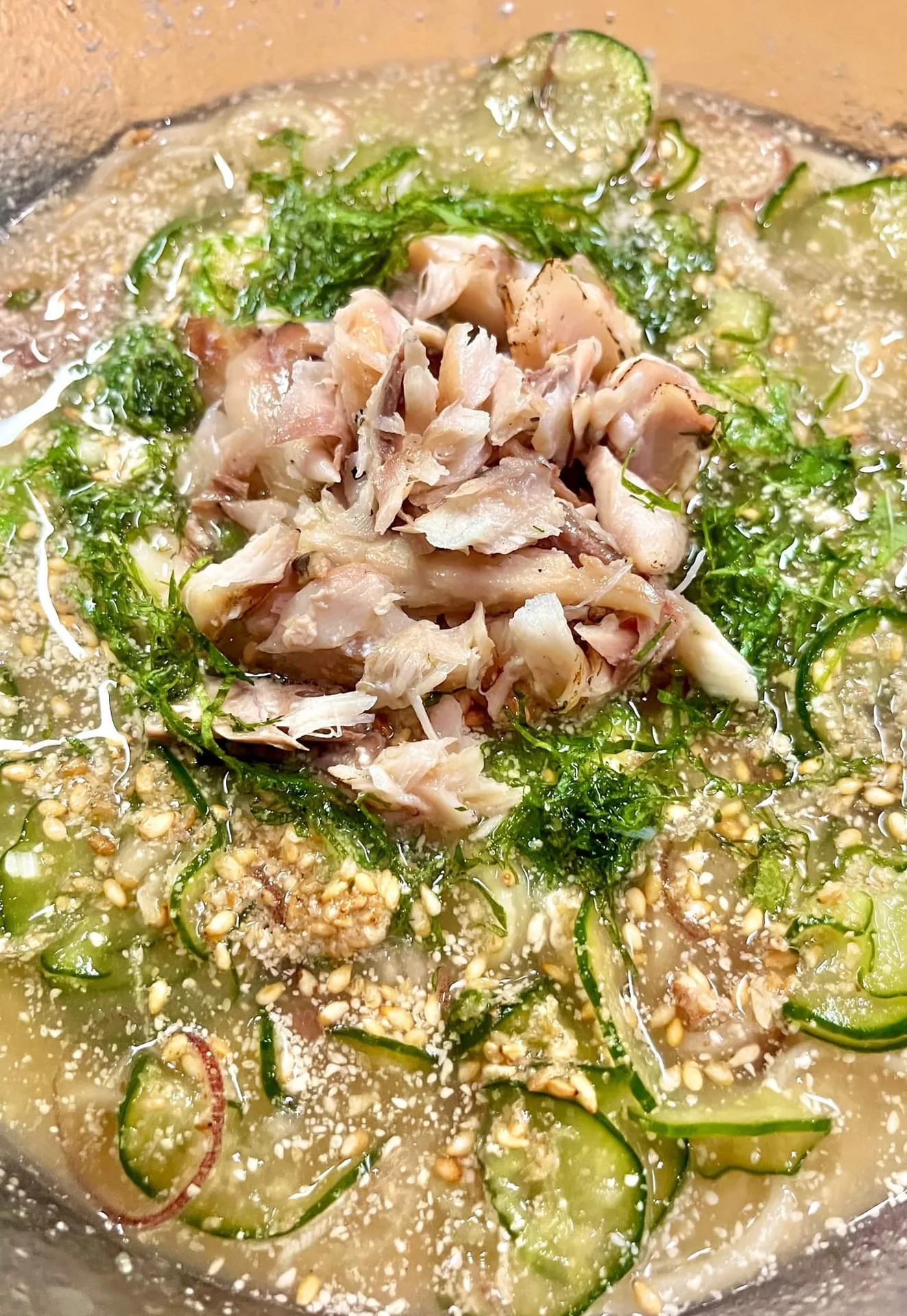
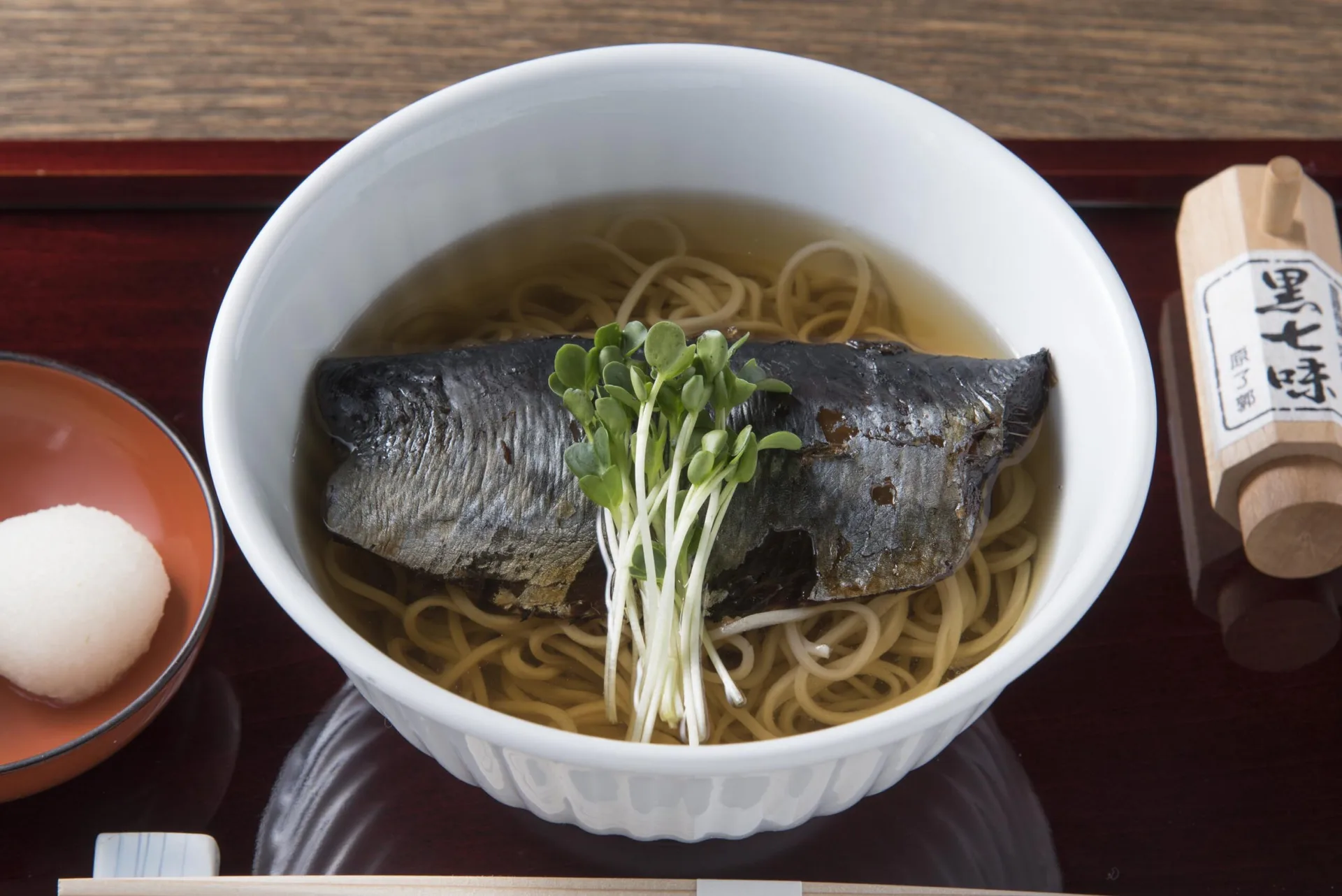
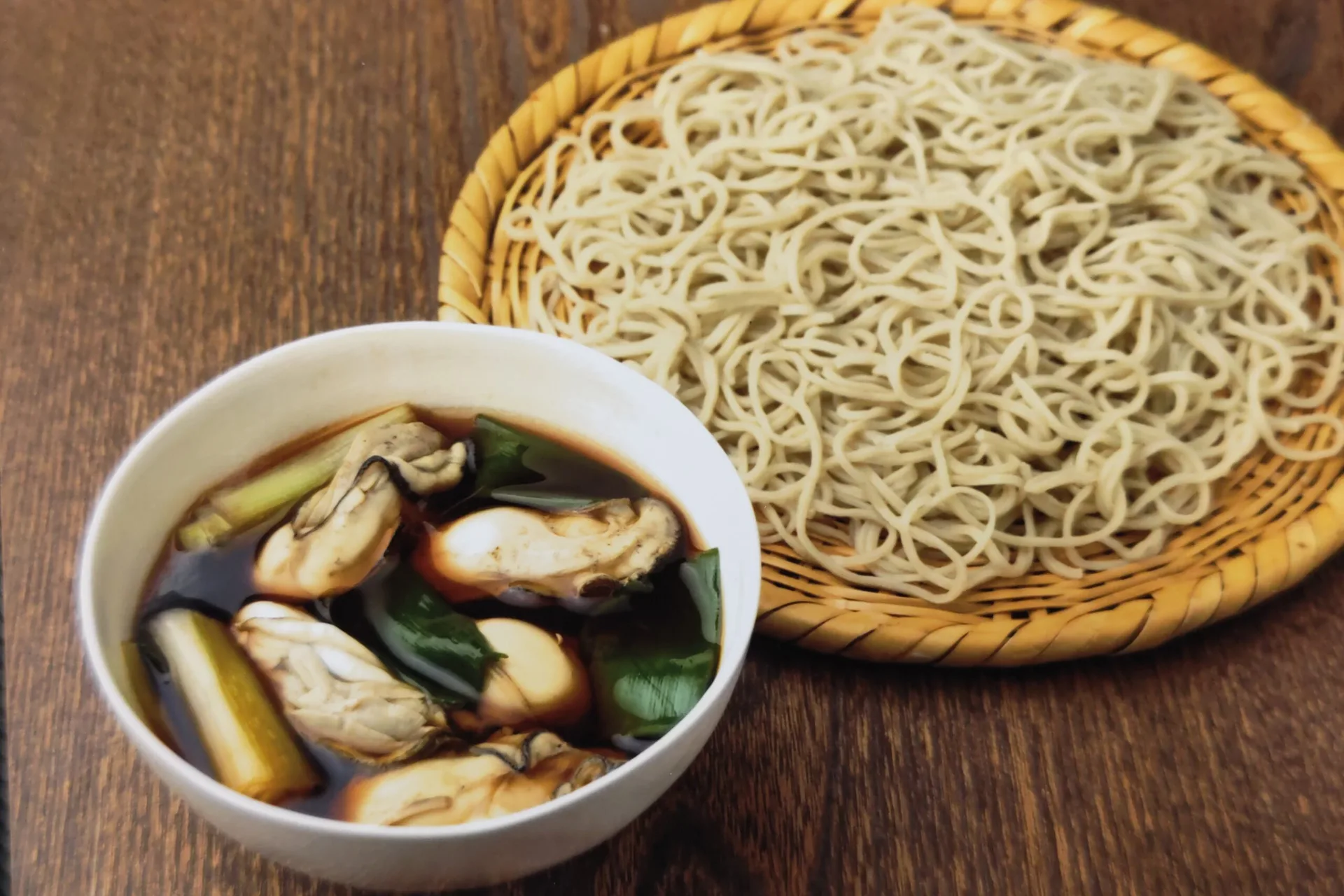
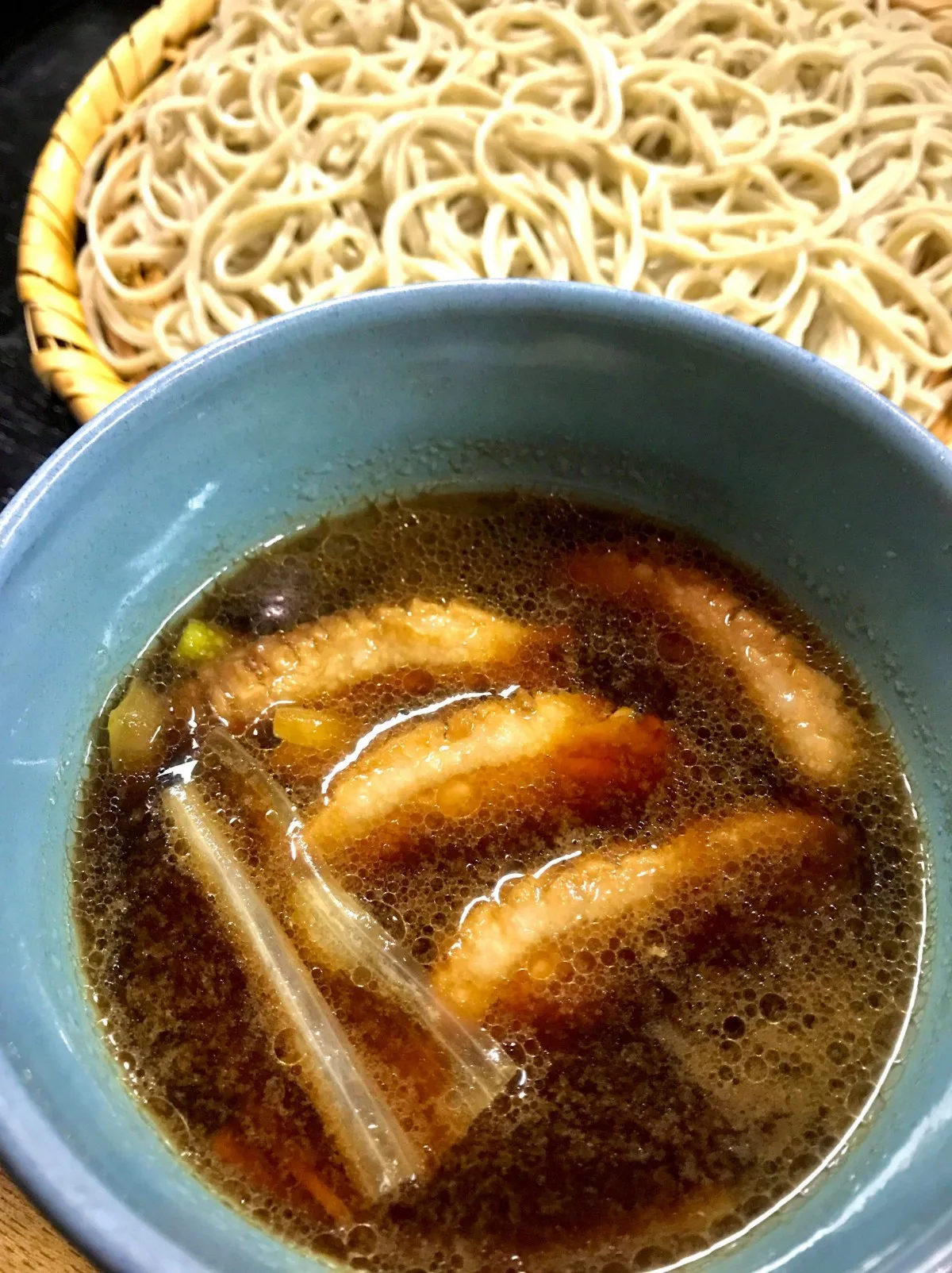
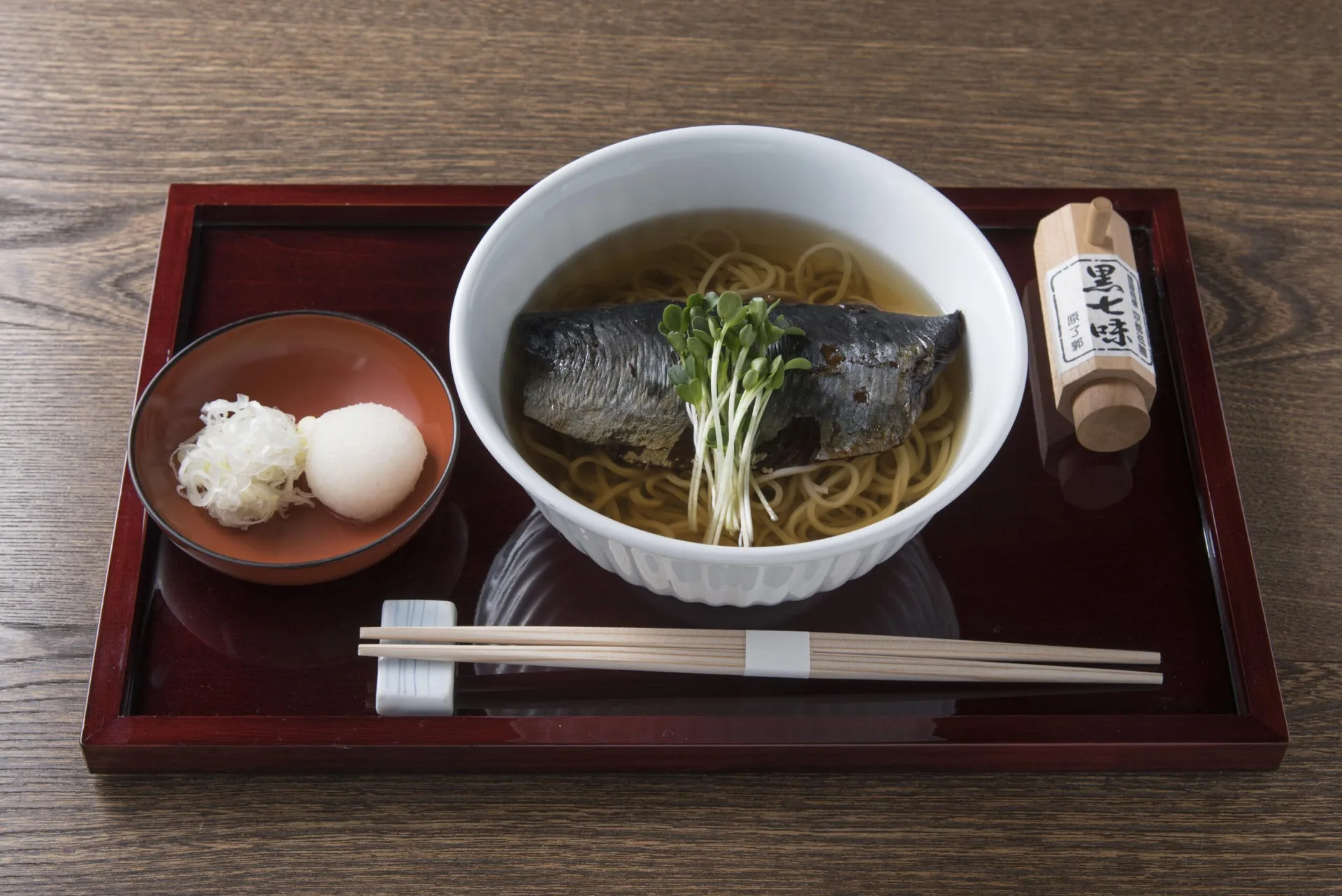
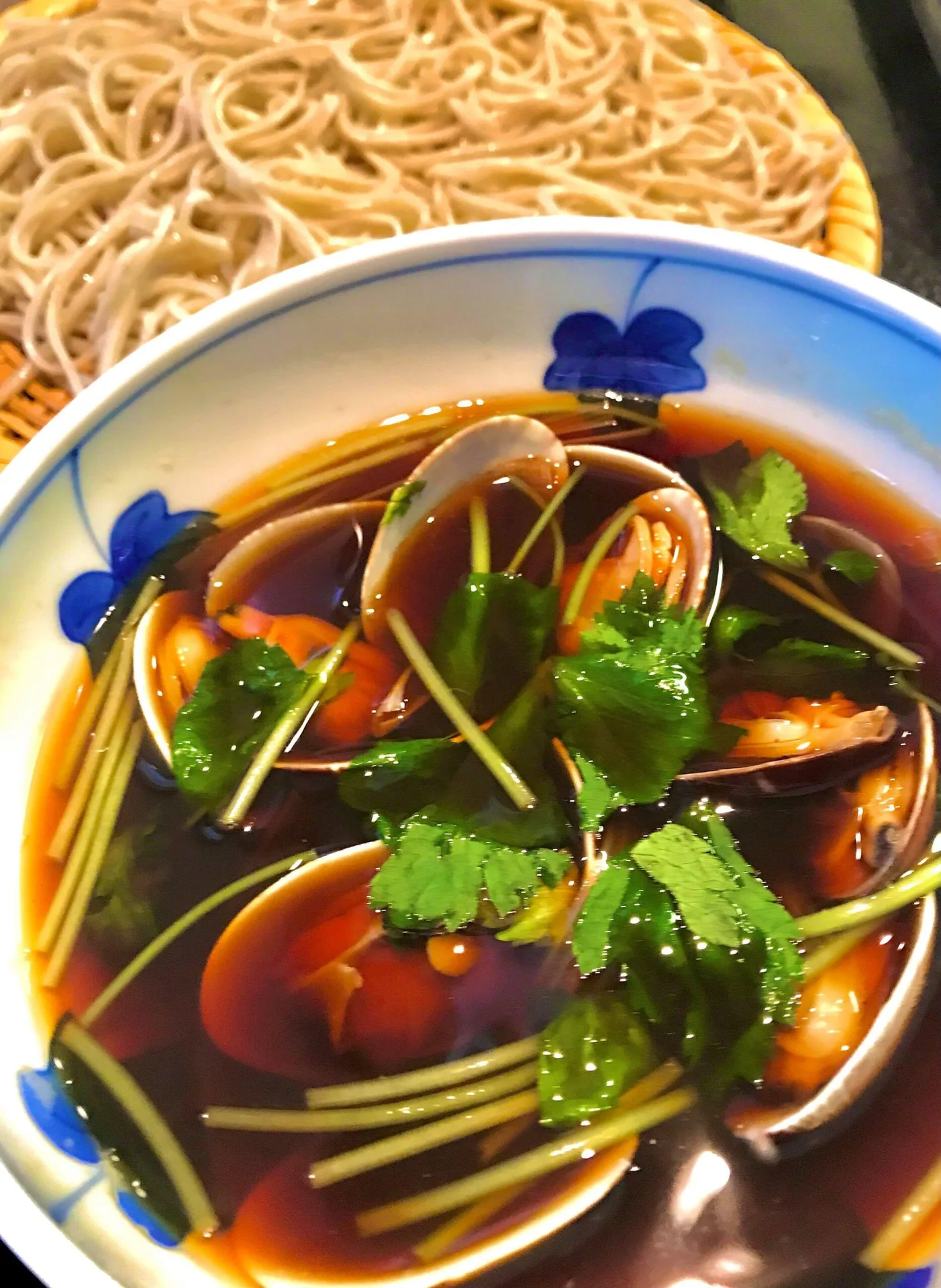
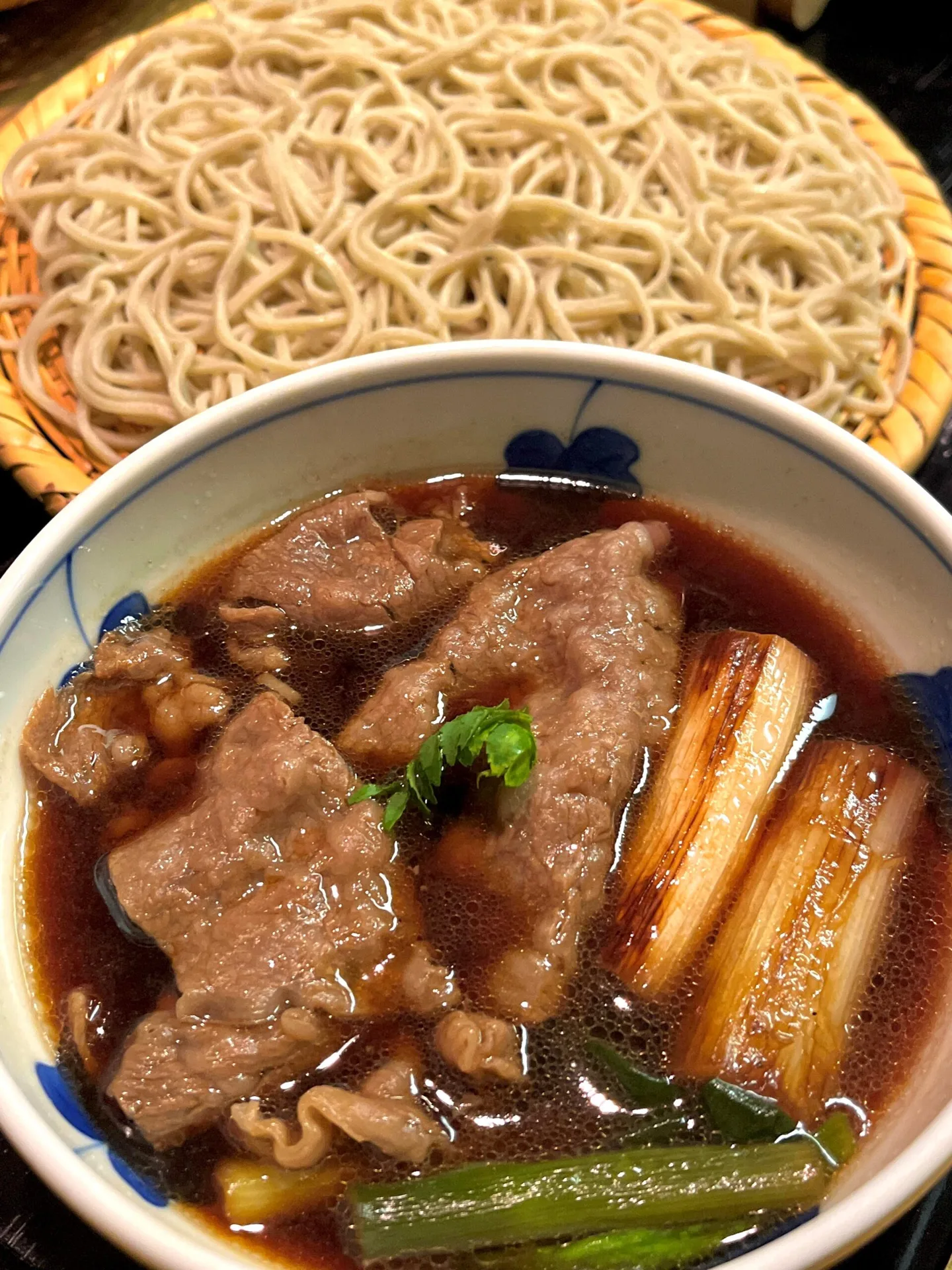
Standouts include the herring soba (nishin soba), where the fish is boned and simmered for hours; the duck zaru soba, with seared Challans duck breast in a hot dipping broth; and seasonal creations like ayu soba with autumn sweetfish or cold summer oyster soba from Hokkaido’s Senposhi. The menu also features small dishes such as soba no mi to ni-tamago (buckwheat groats with soft-boiled egg), a favorite of singer Hiromi Go.
Naniwa Okina’s dedication to quality—from sourcing whole buckwheat directly from producers to milling it fresh each day—earned it a Michelin Bib Gourmand in 2026, a nod to good value in a city known for its soba culture. The restaurant offers multilingual menus in English, Chinese, and Korean, welcoming visitors from around the world. “We don’t chase novelty,” Kanda notes. “Good things should be passed on forever.” That quiet conviction, served in a bowl of handmade soba, is what keeps diners returning to Old Pine Street.
Recognition

Ambience
Details
Location