

The story
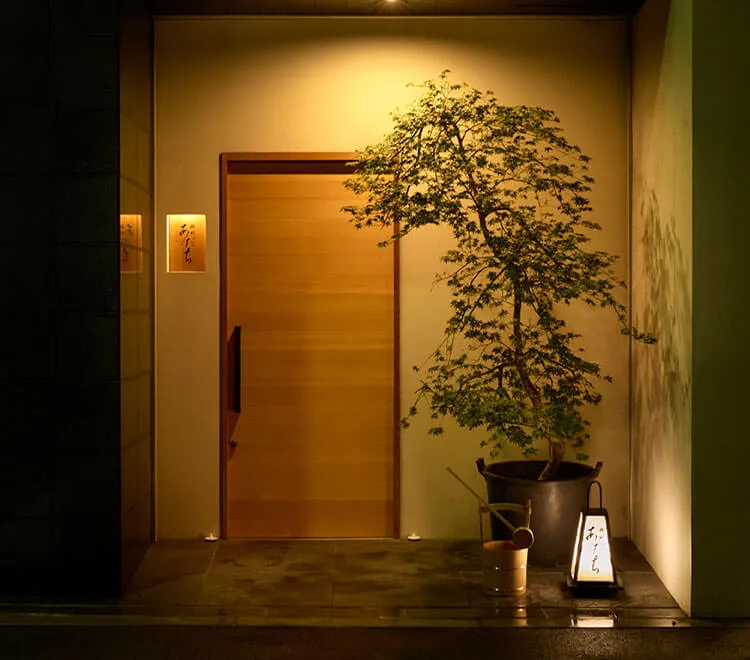
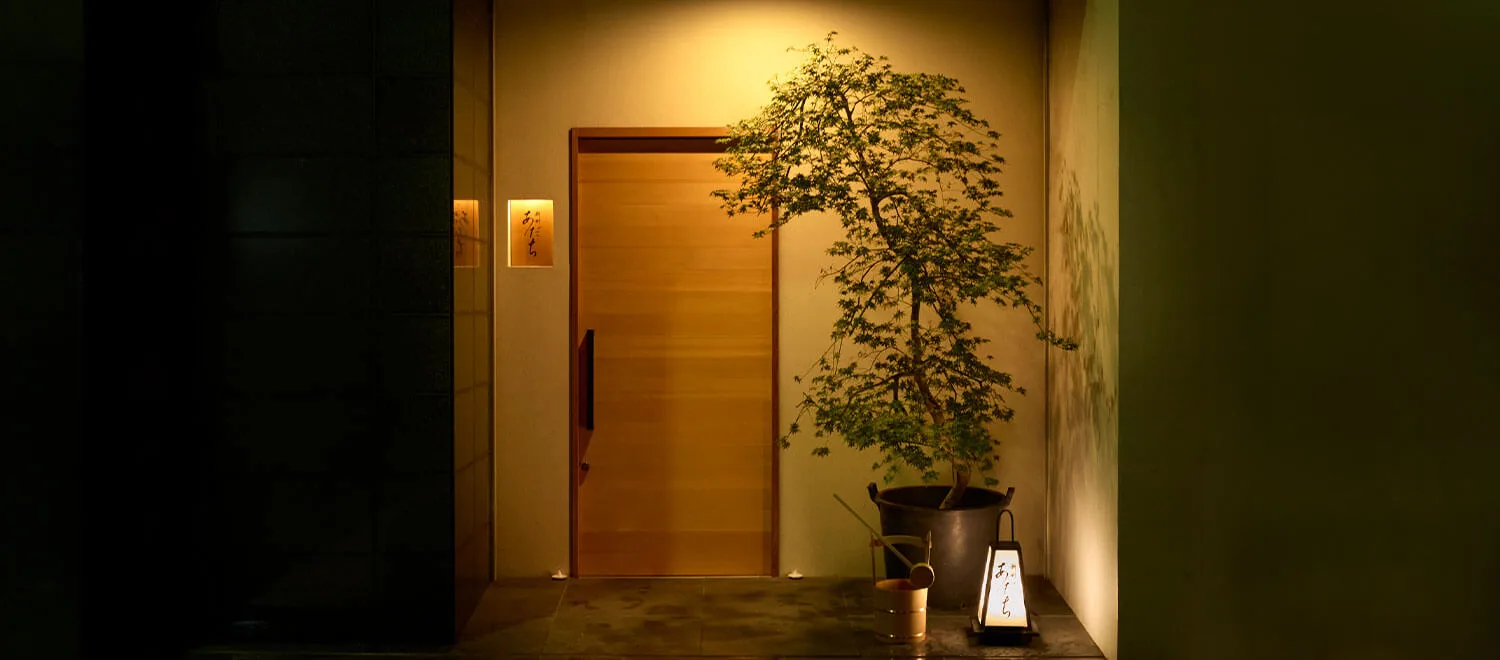
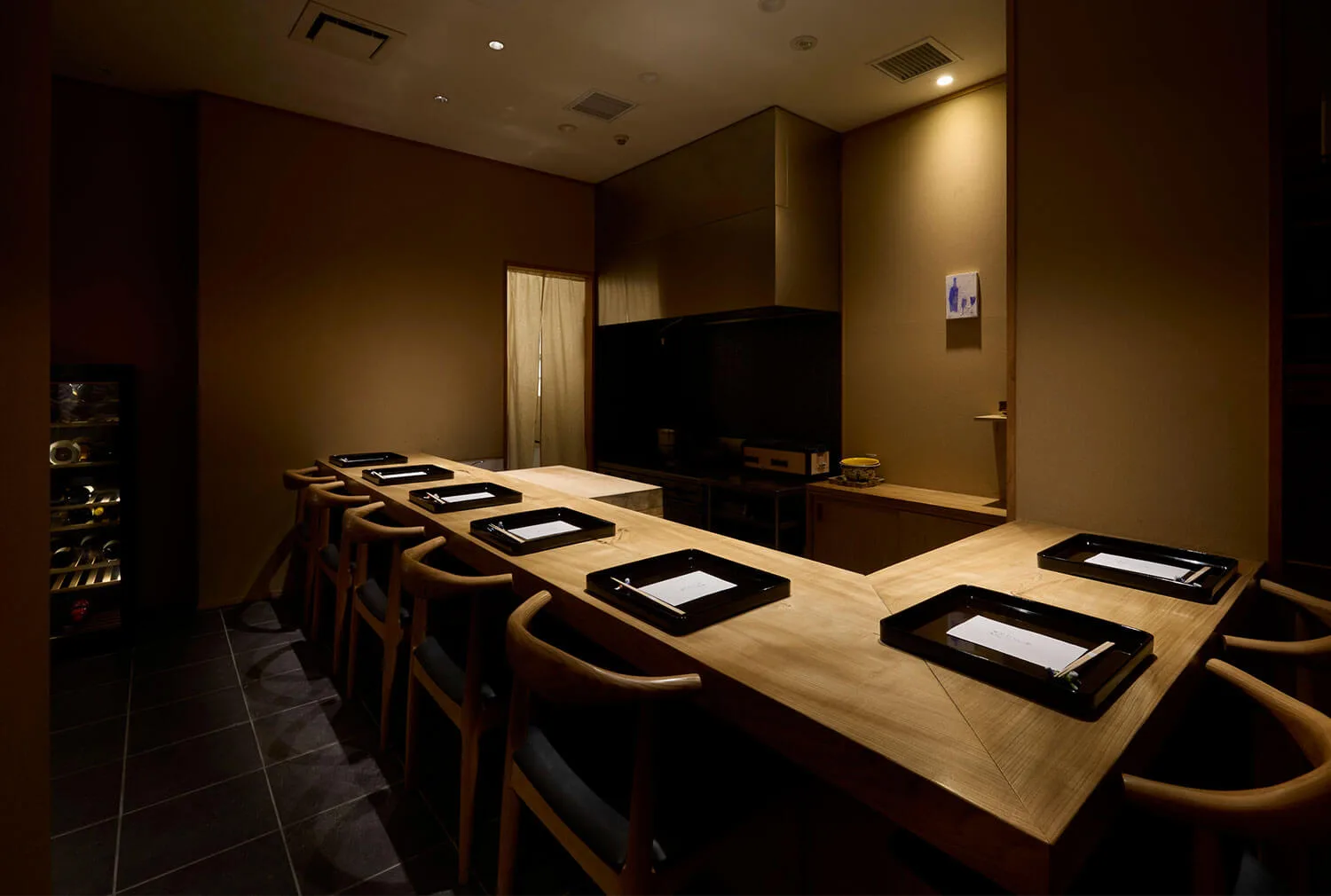
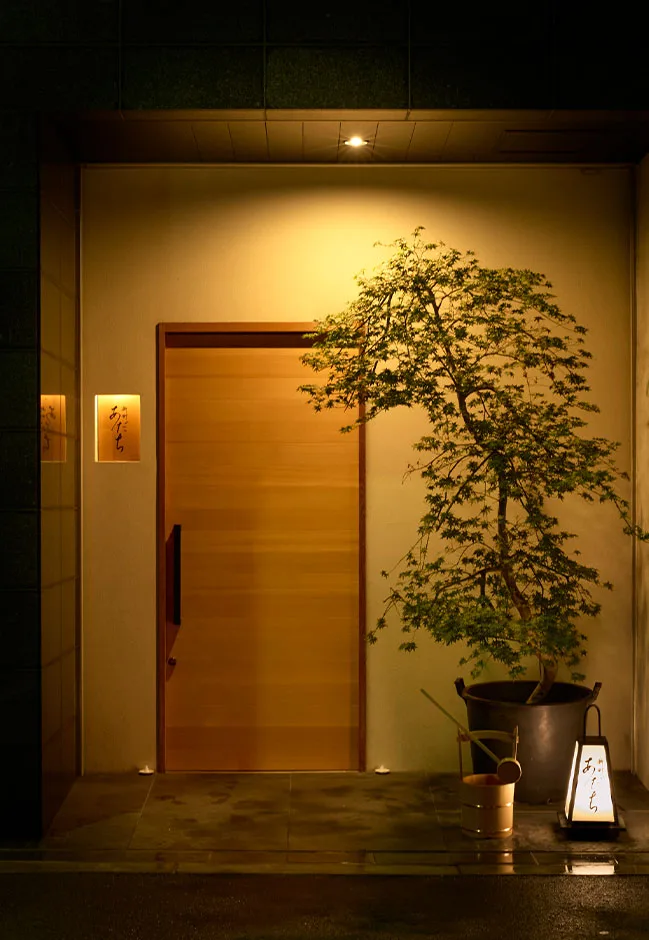
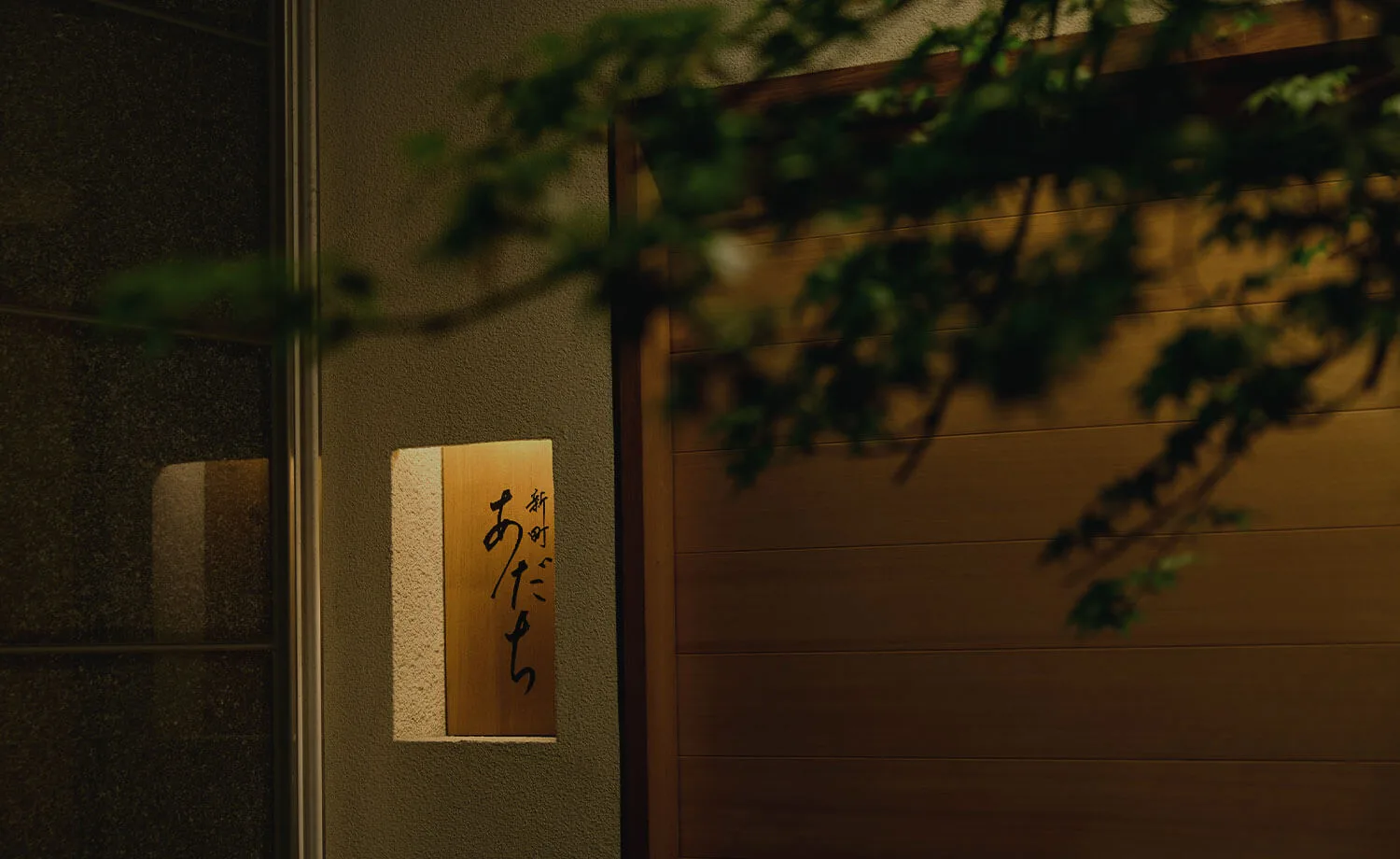
At Shimmachi Adachi, the approach to Japanese cuisine is quietly deliberate. Tucked a three-minute walk from Nishi-nagahori Station in Osaka’s Nishi-ku, this counter of just seven seats offers a space where the rhythms of the seasons and the weight of tradition are felt in every detail.
The restaurant operates without fixed rotation. Guests enter at 18:00, 19:00, or 20:30 — and stay for the full course. The intimacy is immediate: you watch the chef work, hear the knife on the board, see the steam rise from the donabe. It is a setting that rewards patience and presence.
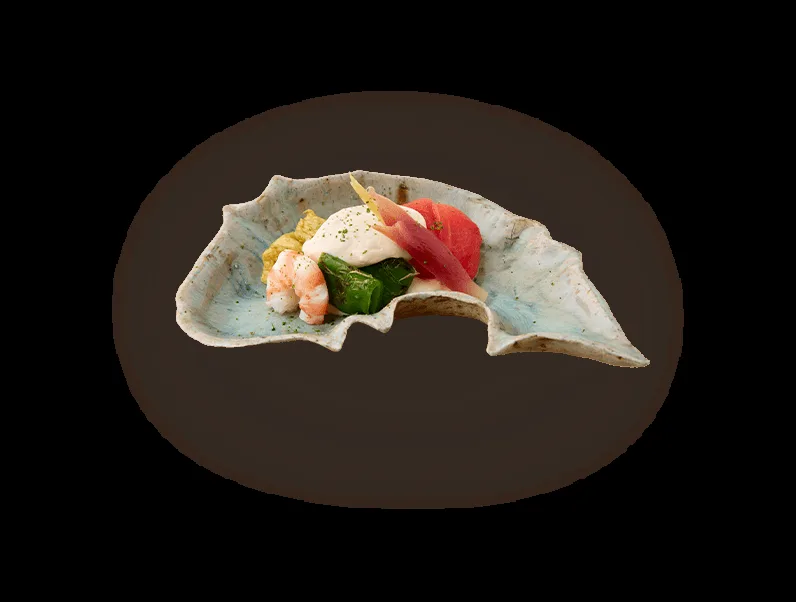
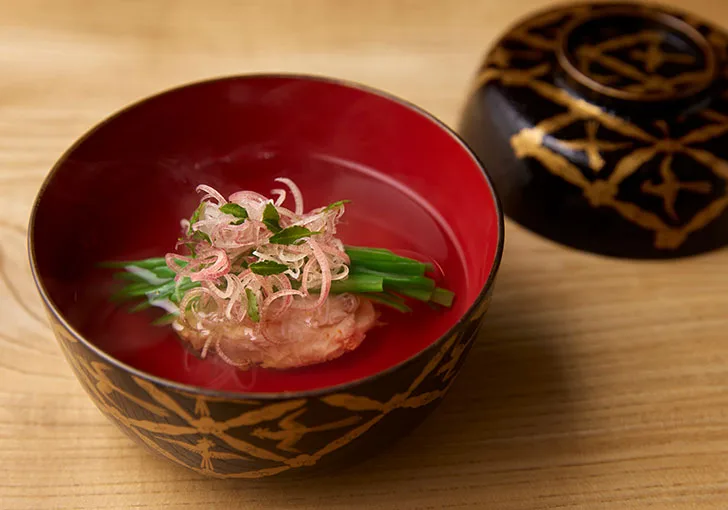
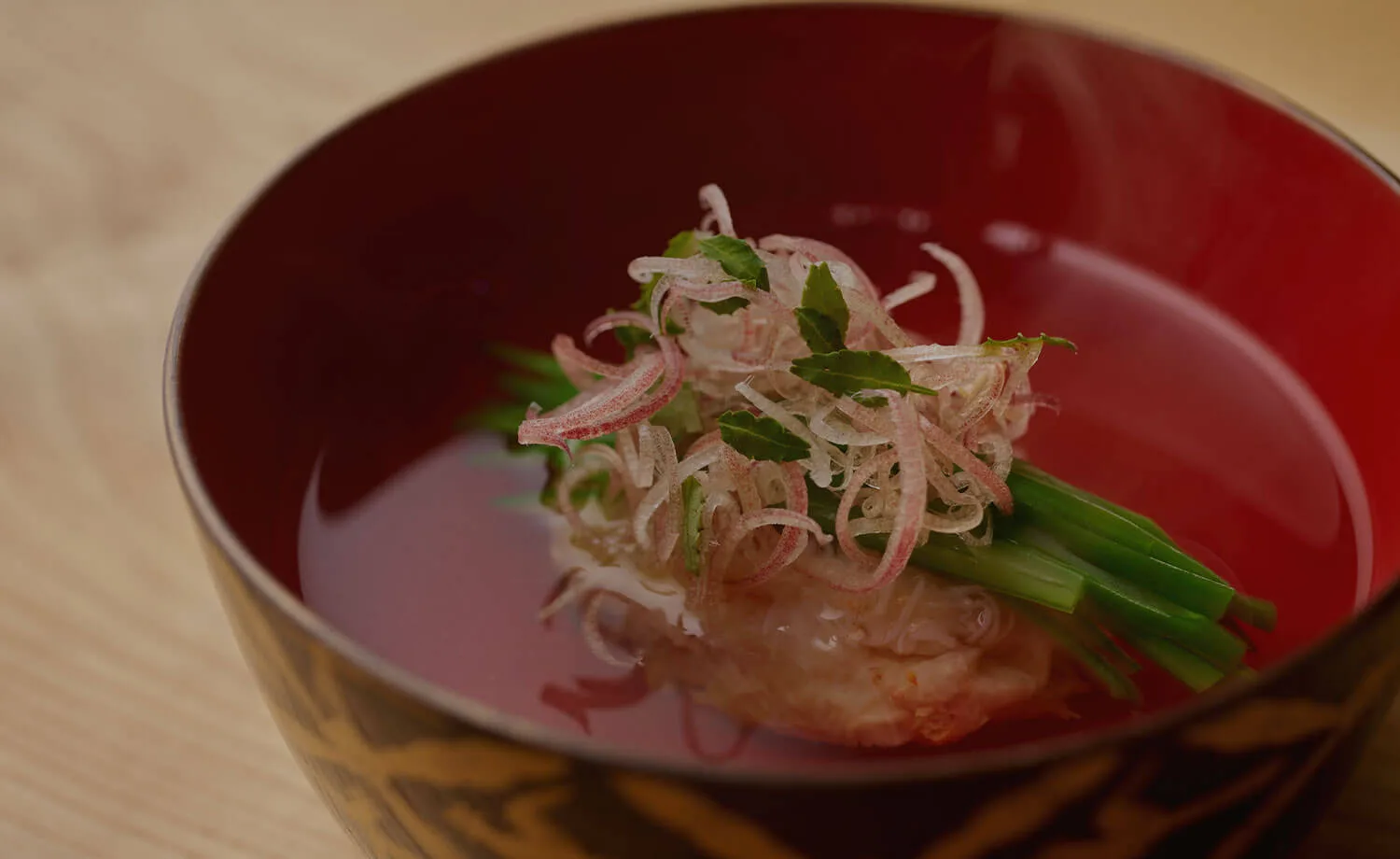
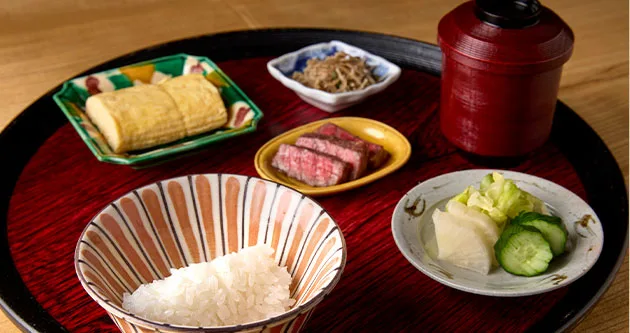
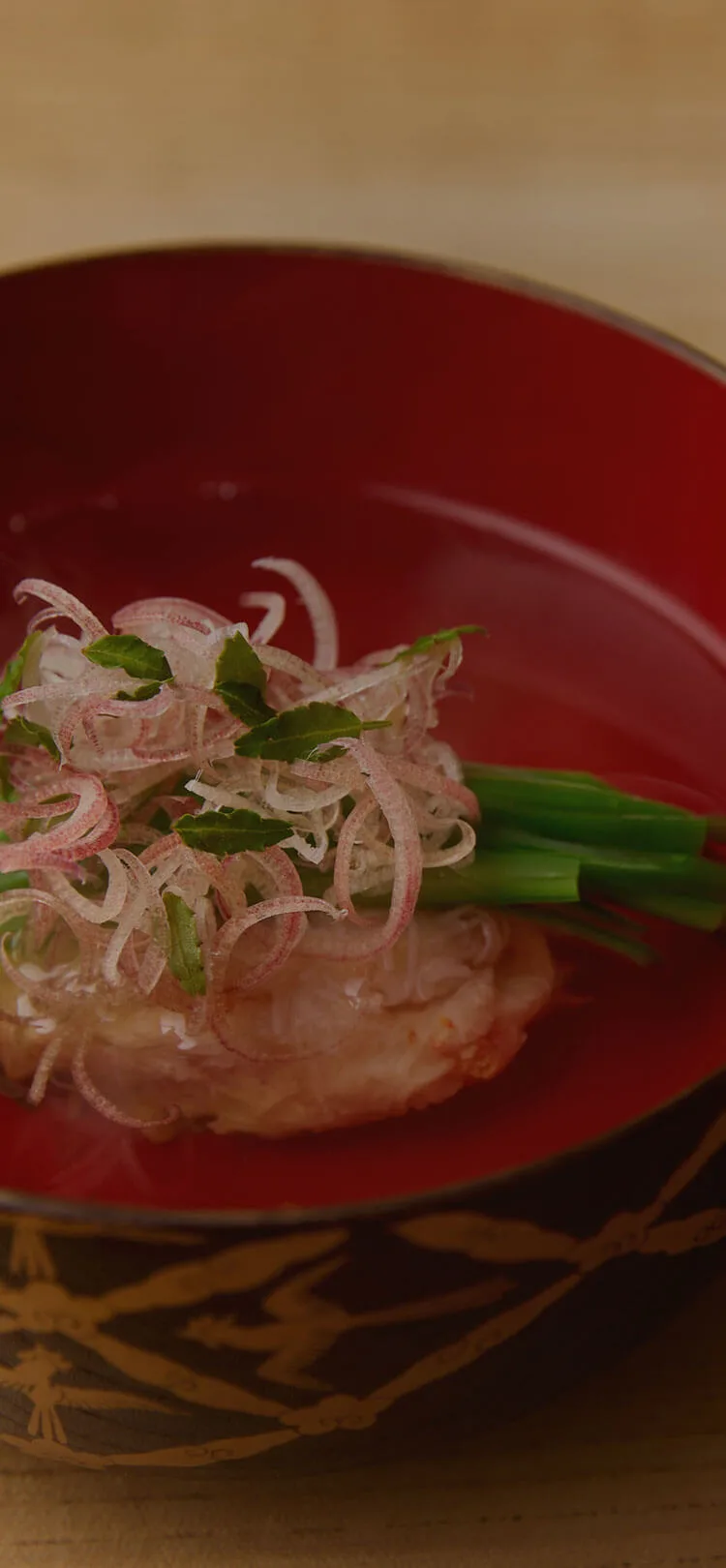
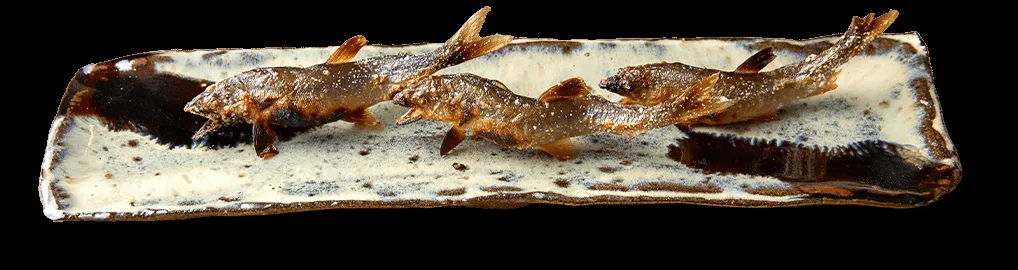
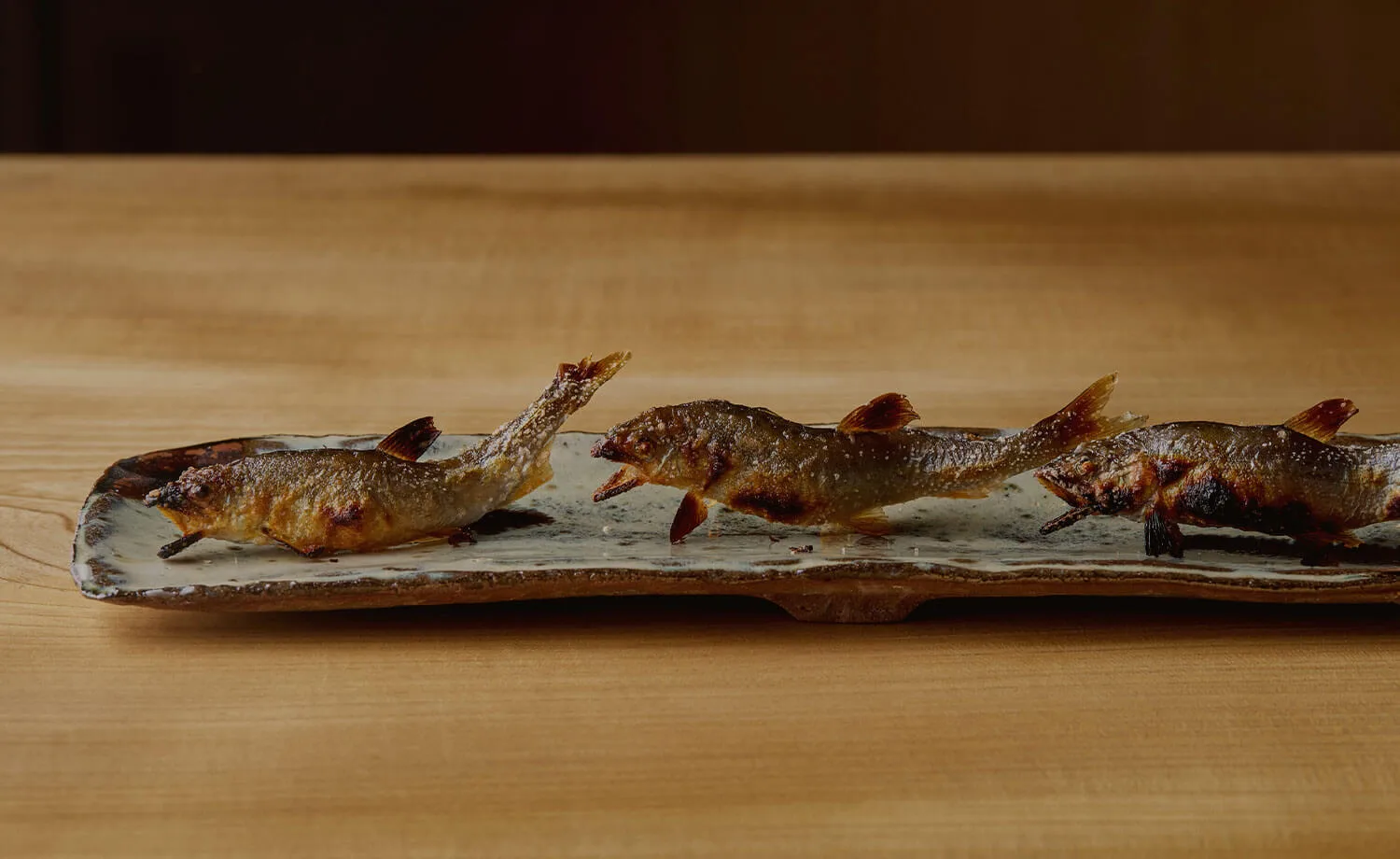
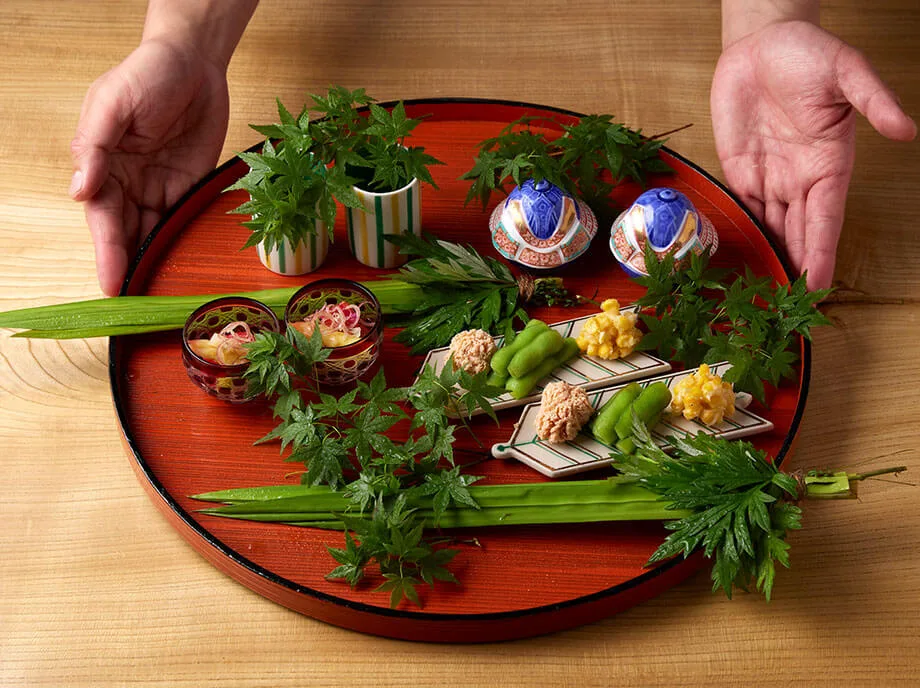
The evening omakase course (¥16,500) unfolds in ten stages, from appetizer and soup to sashimi, hassun (a seasonal arrangement of small dishes), grilled, fried, and a rice course cooked in a clay pot. The rice itself is a house blend, sourced from a trusted purveyor and served either plain with side dishes or as a seasonal mixed rice. Lunch (¥9,900, Wednesdays and Saturdays only) follows a similar spirit.
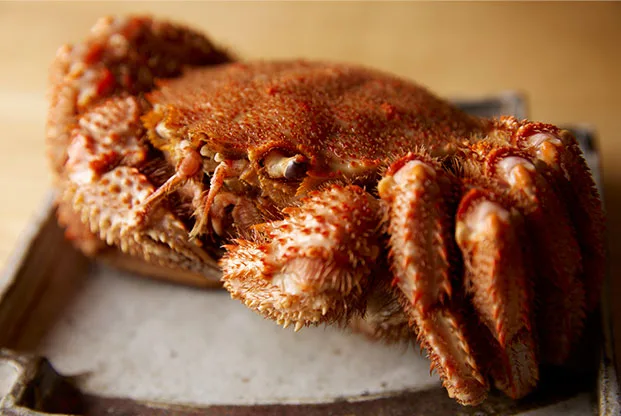
The menu lists only the names of ingredients — no explanations. The chef intends guests to discover the reading and the seasonality of each item as they eat. The pleasure, he says, lies in knowing.
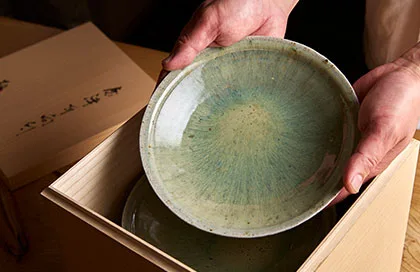
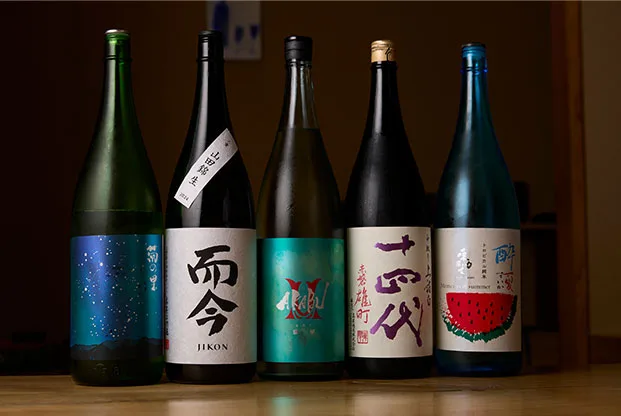
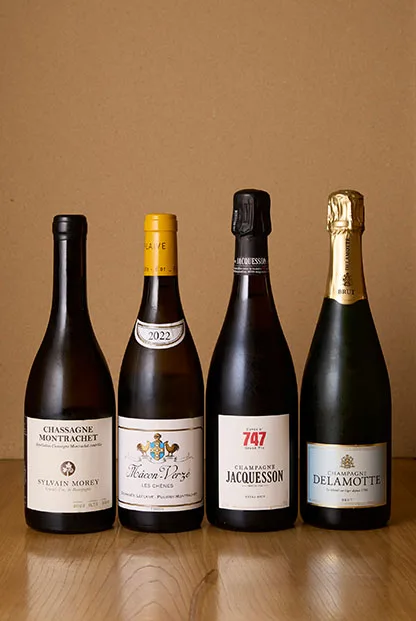
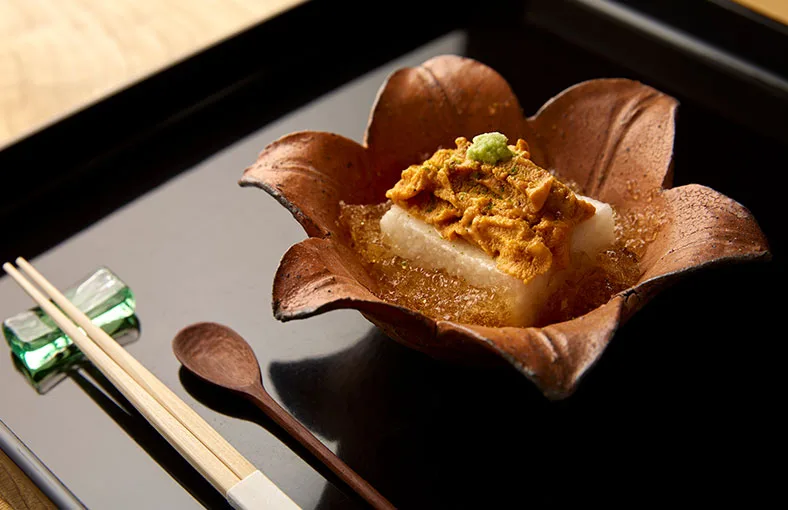
Dishes change monthly, as do the ceramic vessels that frame the food. Old Baccarat crystal and other fine sake cups accompany a well-chosen list of Japanese sakes and wines. The staff will help you match a pour to your mood or the course.
This precise, unhurried approach earned Shimmachi Adachi a place in the 2026 Michelin guide. It is a quiet nod — but one that speaks to the kitchen’s consistency and respect for tradition in a city known for bold, convivial dining. For those who appreciate the subtleties of Japanese cuisine, this is a table worth seeking out.
Recognition

Ambience


Details
Location
















 Instagram