
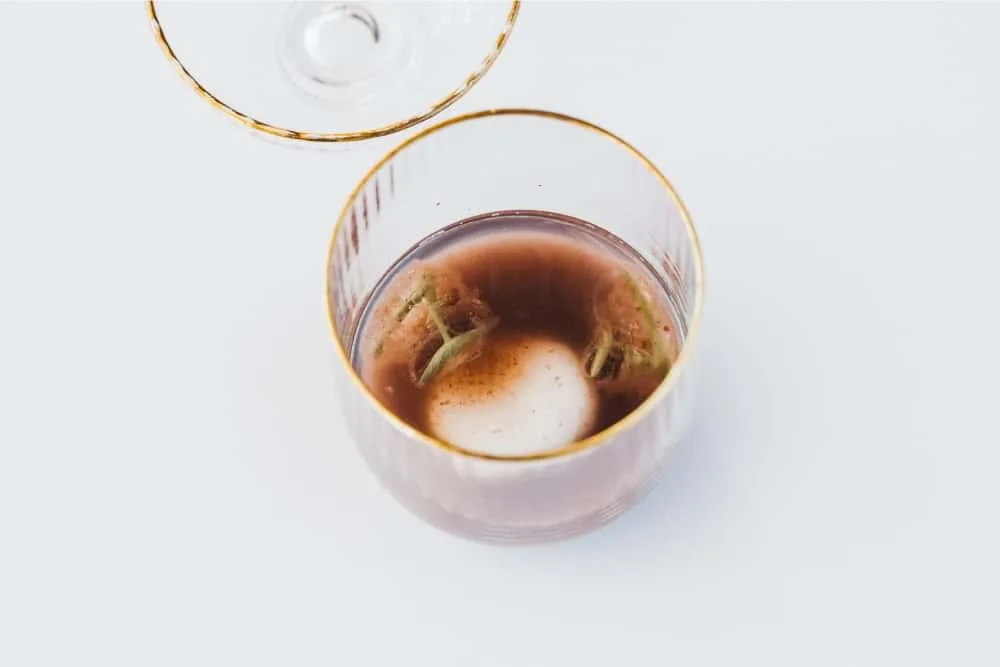
The story
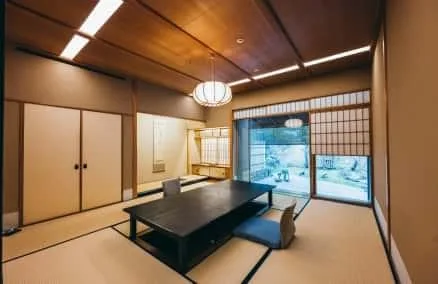
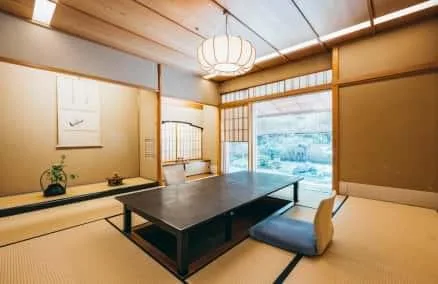
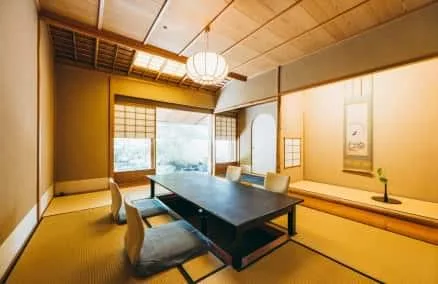
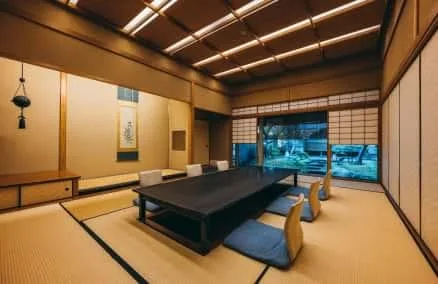
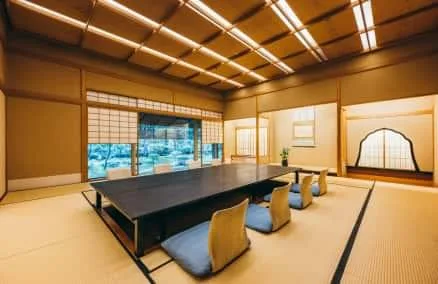
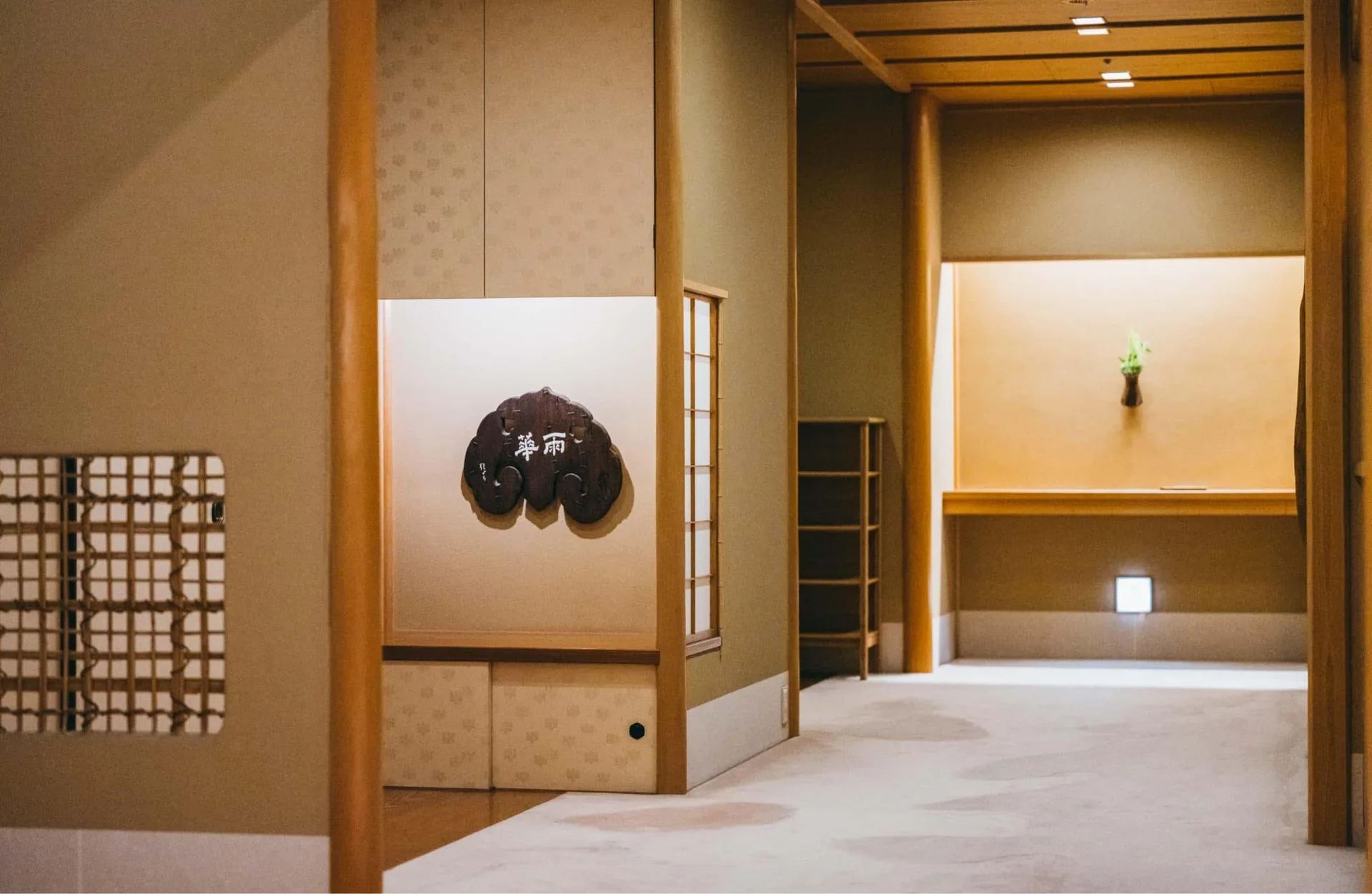
Since 1950, Daigo has occupied a sukiya-style building at the foot of Atago-yama in Minato, Tokyo. The setting is deliberately quiet: a Japanese garden, the faint scent of incense, private rooms that shift with the seasons. Here, fourth-generation chef Yusuke Nomura carries forward a cuisine rooted in Buddhist vegetarian principles—shojin ryori—presented in the kaiseki format.
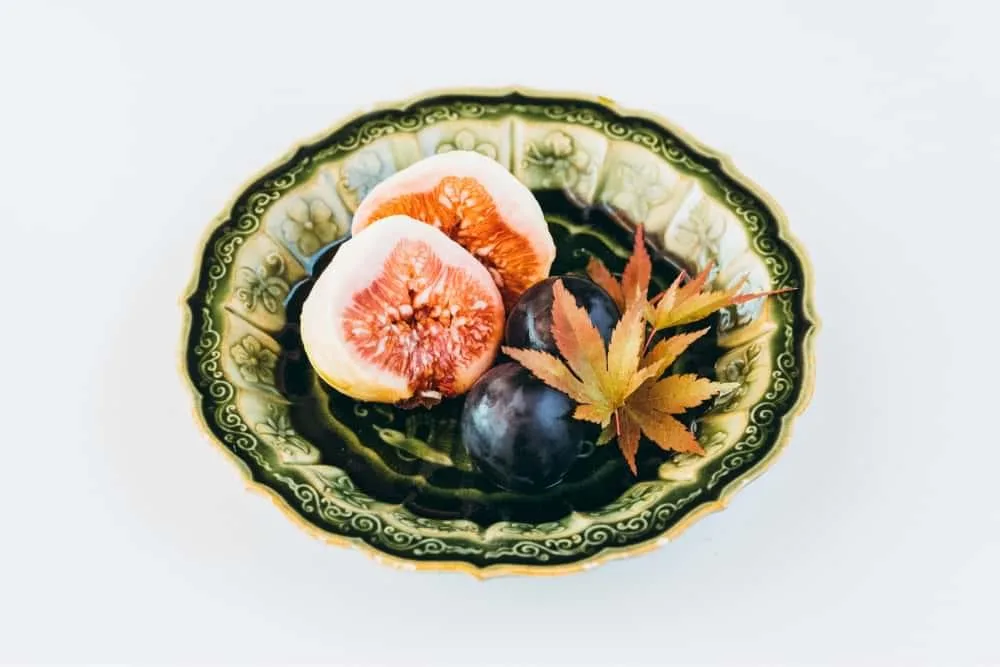
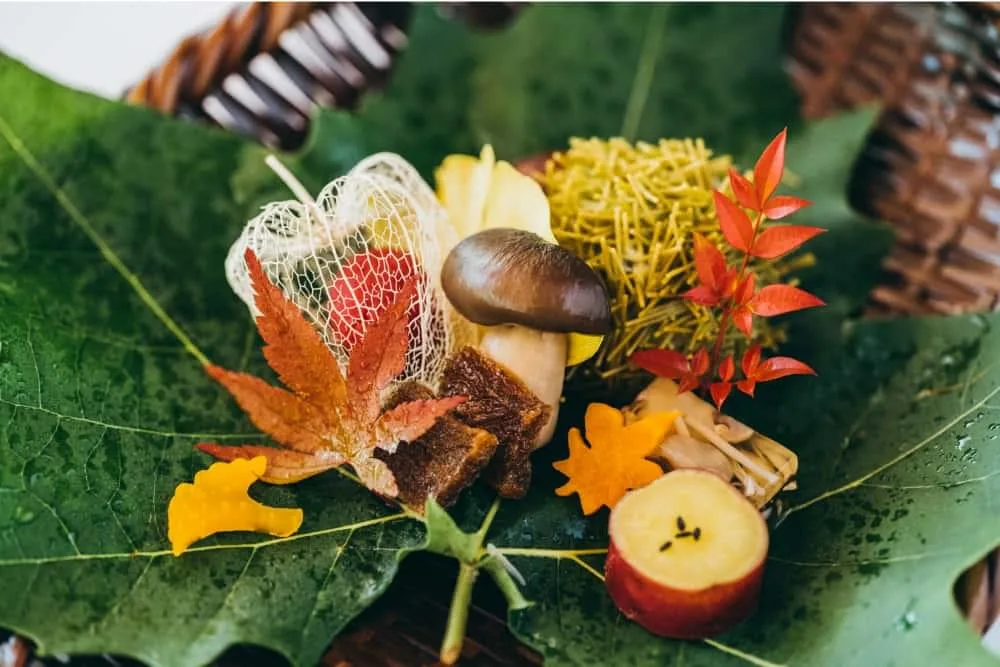
Every morning, Nomura selects seasonal vegetables and ingredients from Toyosu market and producers across Japan. The resulting courses follow the structure of traditional kaiseki, from appetizer to sweet, but honour the shojin ethos of avoiding animal products. (A small amount of bonito and egg is used in some preparations; a fully plant-based meal is available with advance notice.) The restaurant’s philosophy, drawn from Buddhist teachings, centres on three hearts: daishin (an unbiased, free mind), kishin (joyful hospitality), and roshin (compassion and consideration).
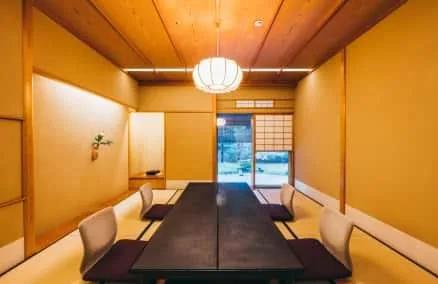
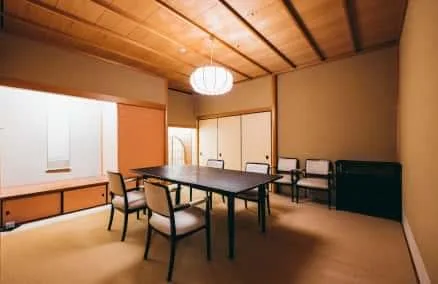
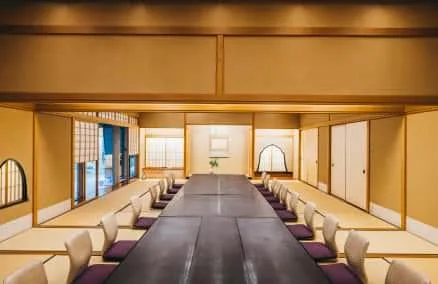
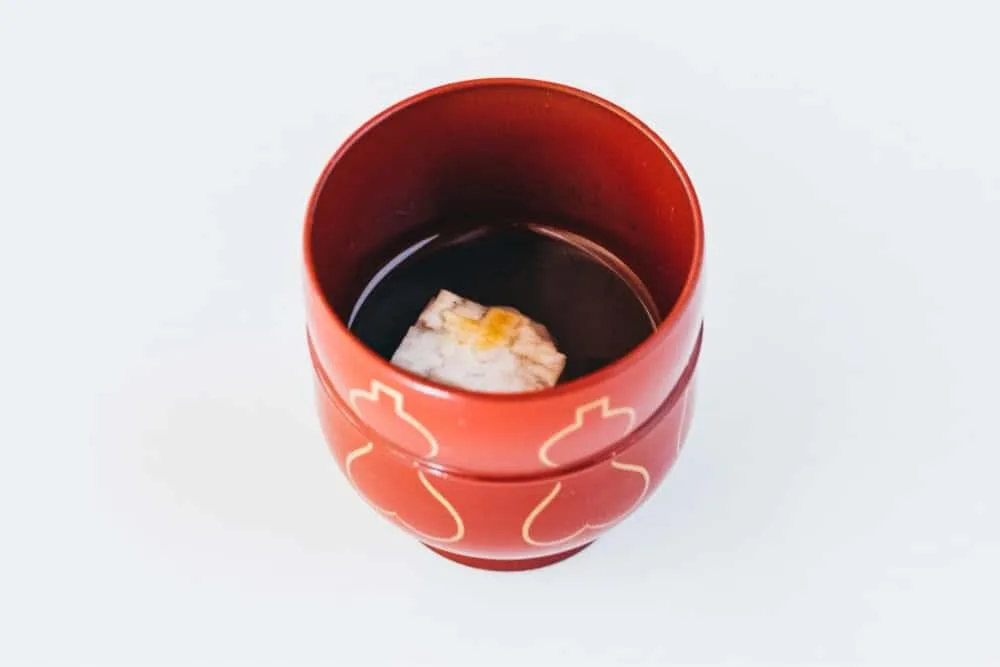
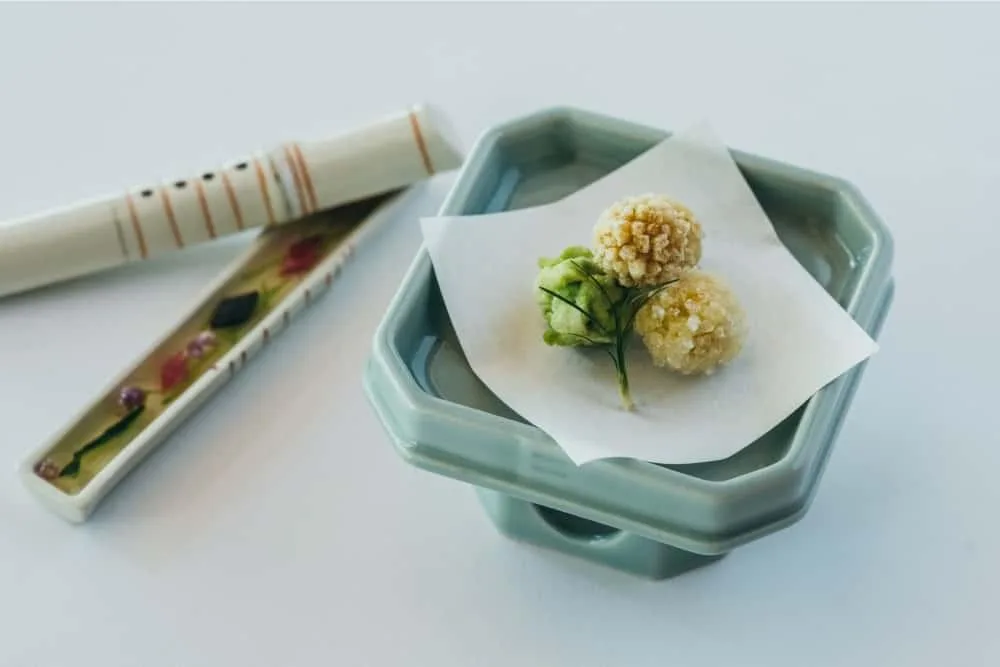
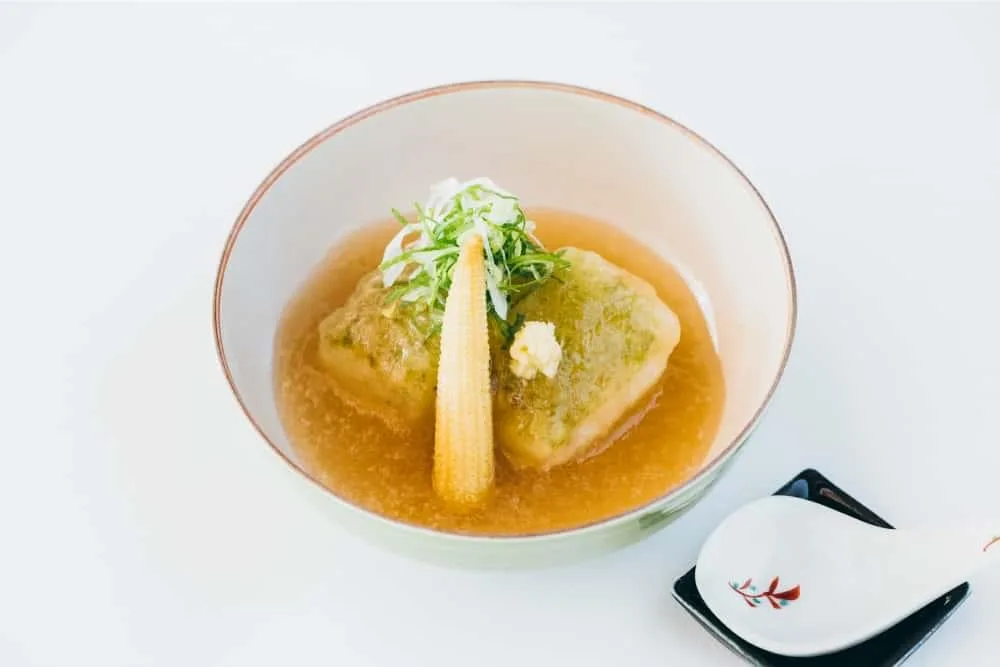
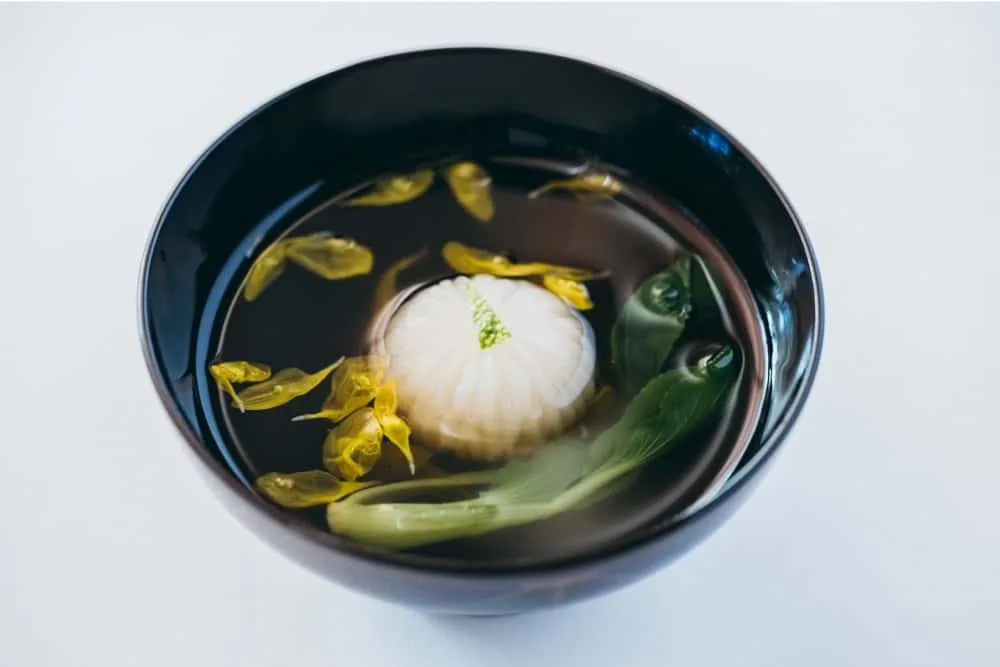
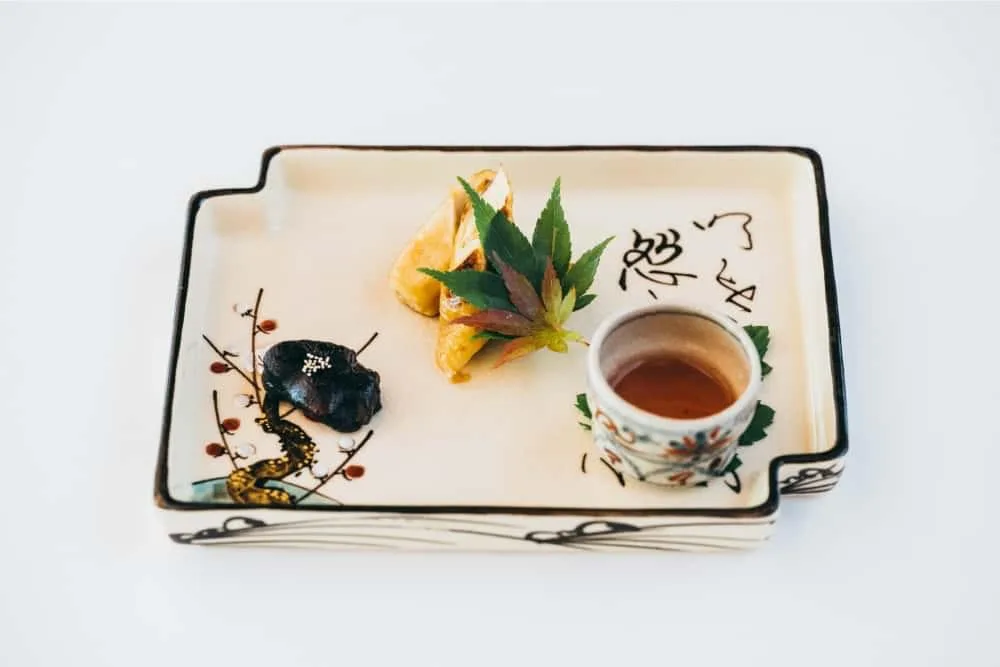
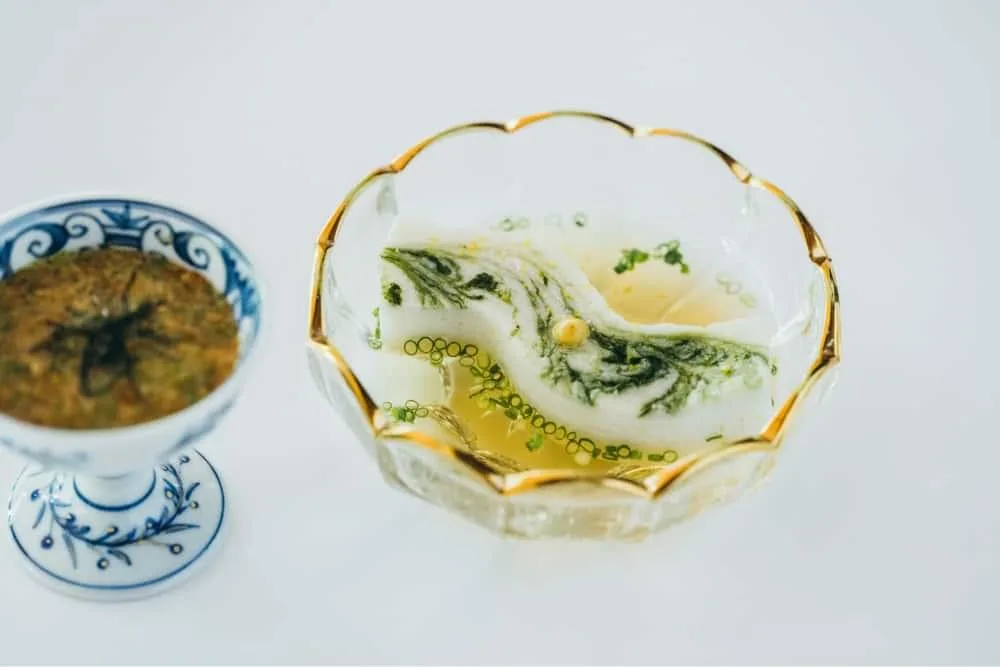
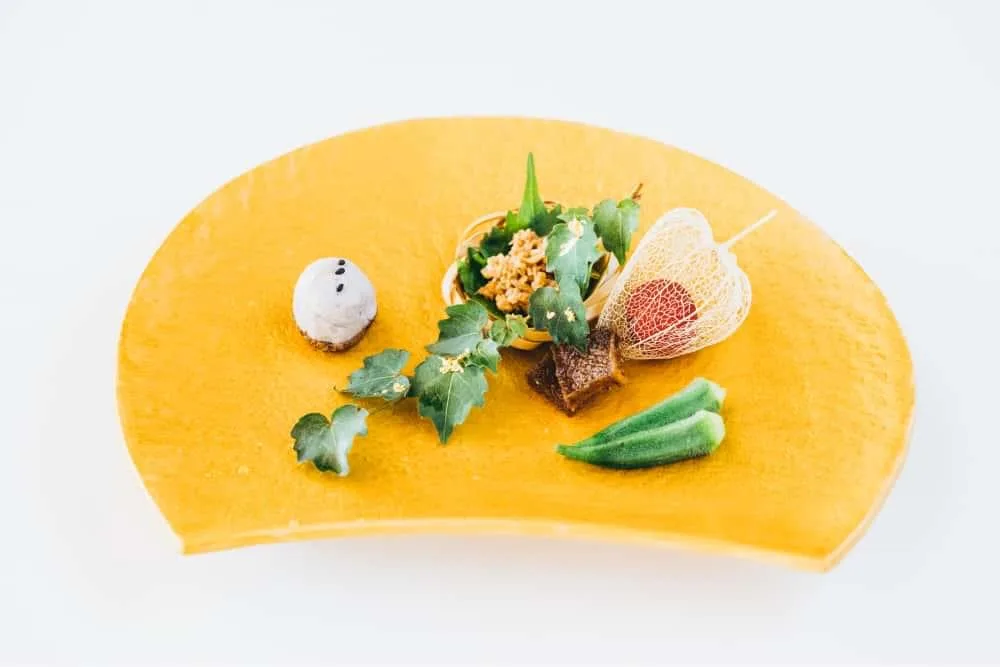
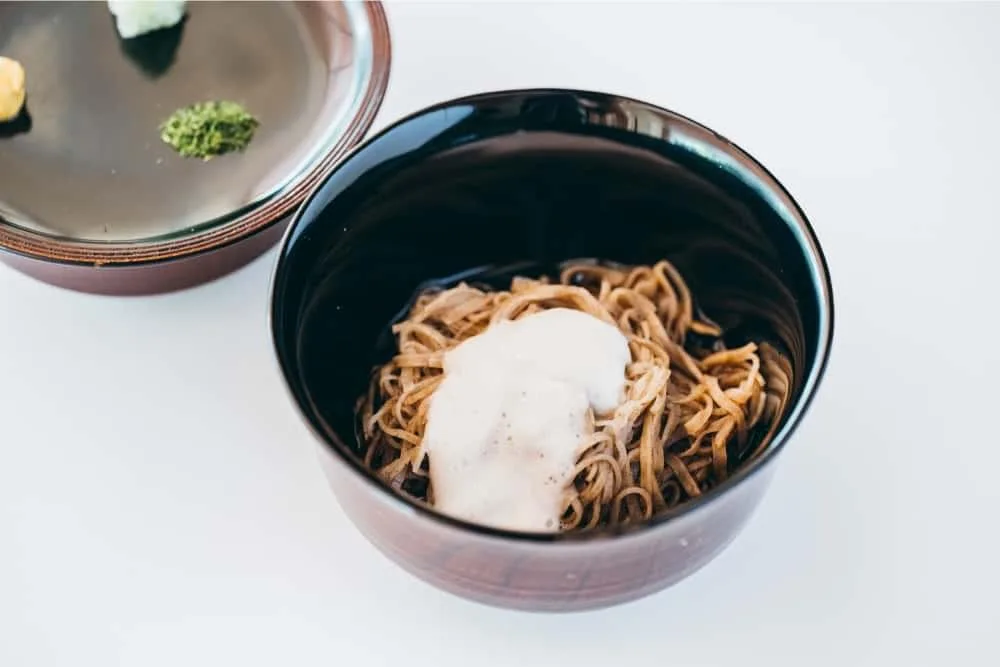
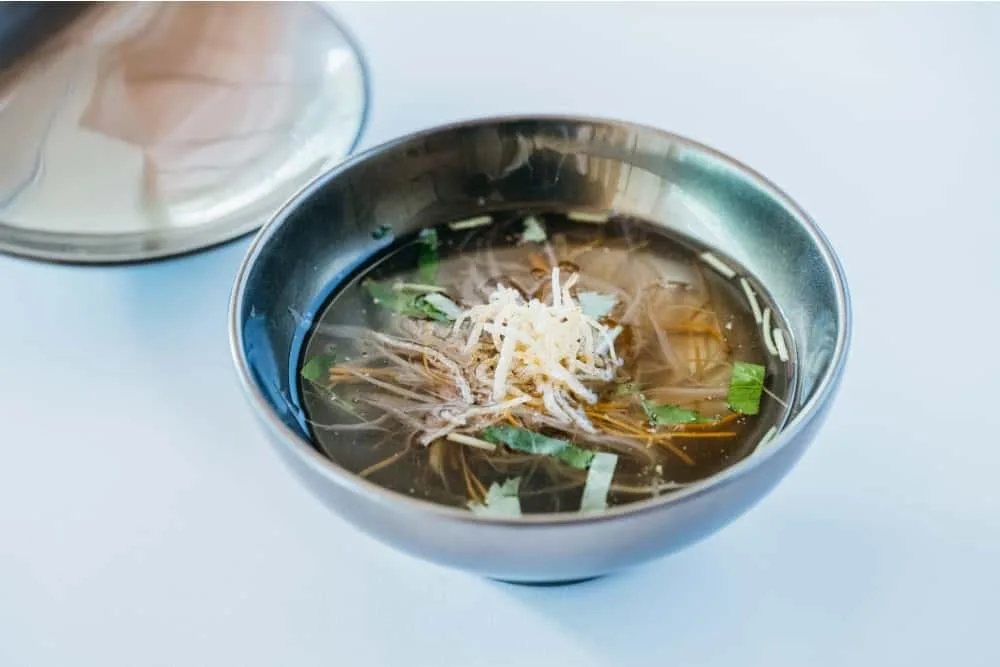
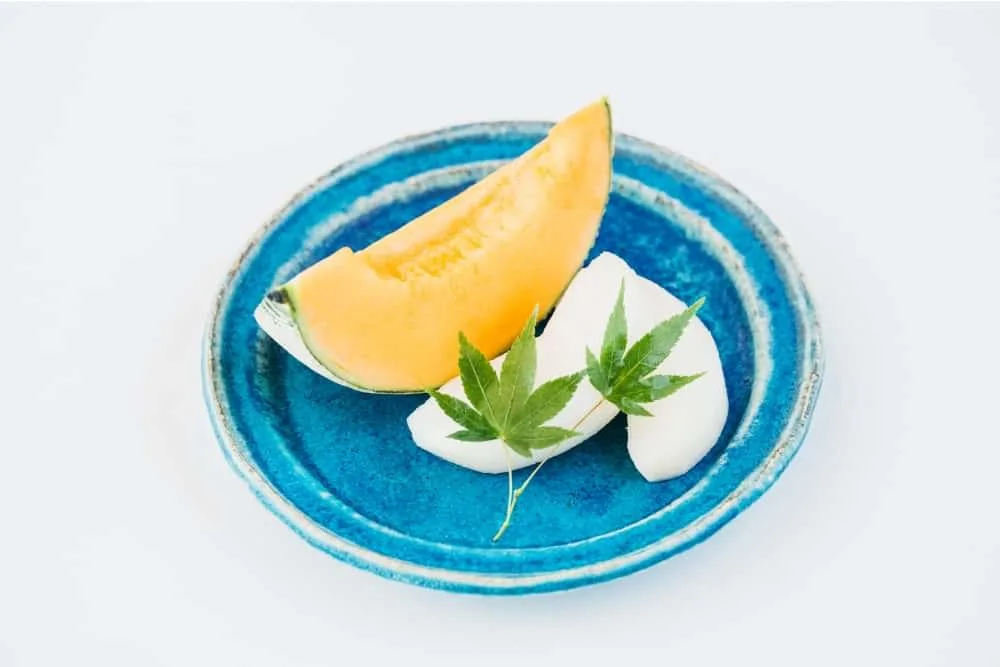
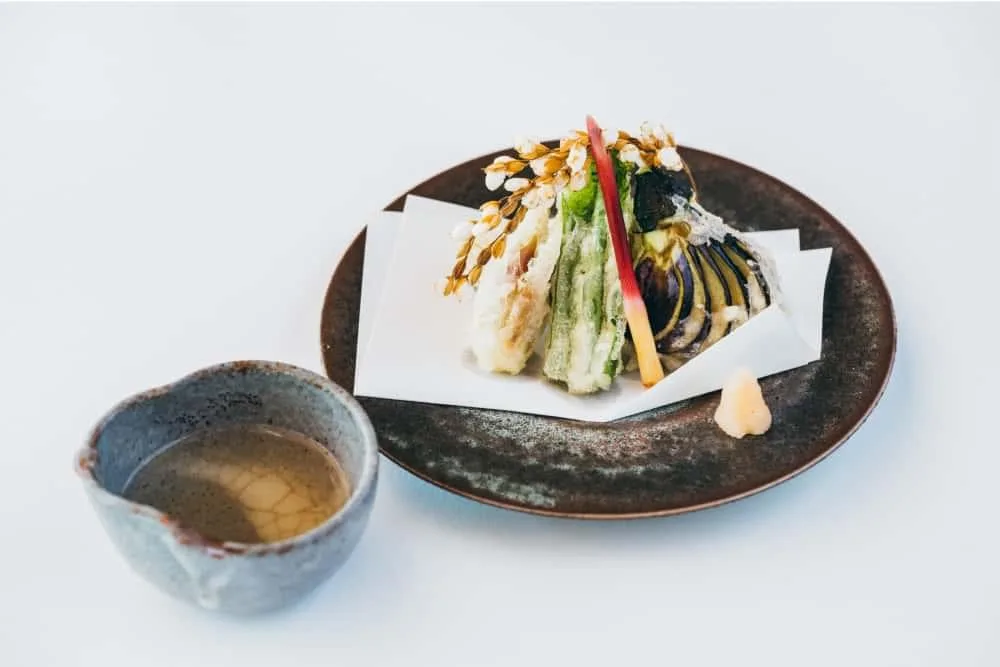
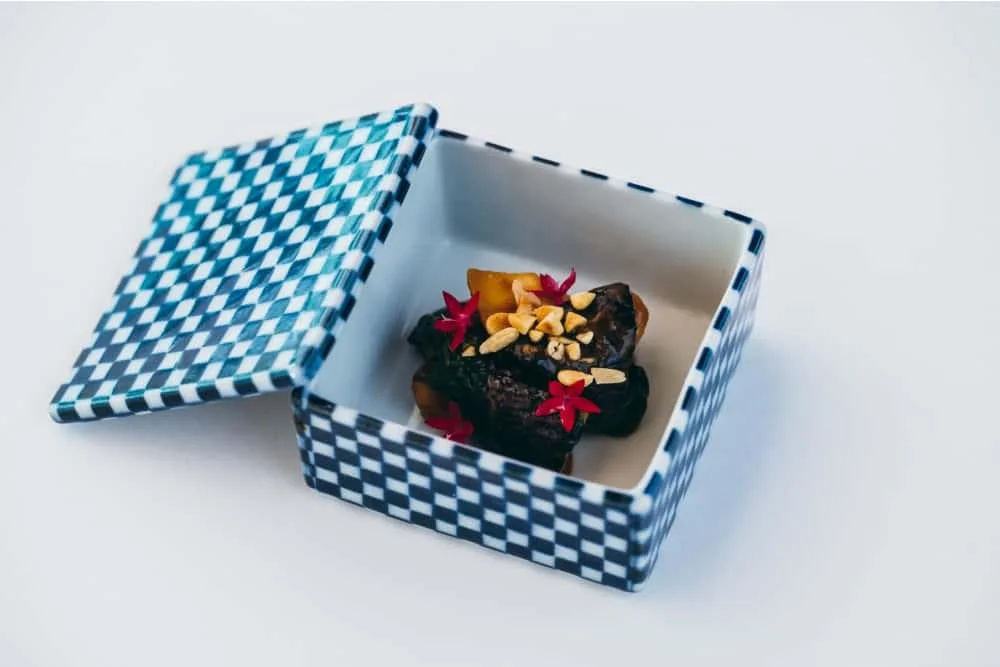
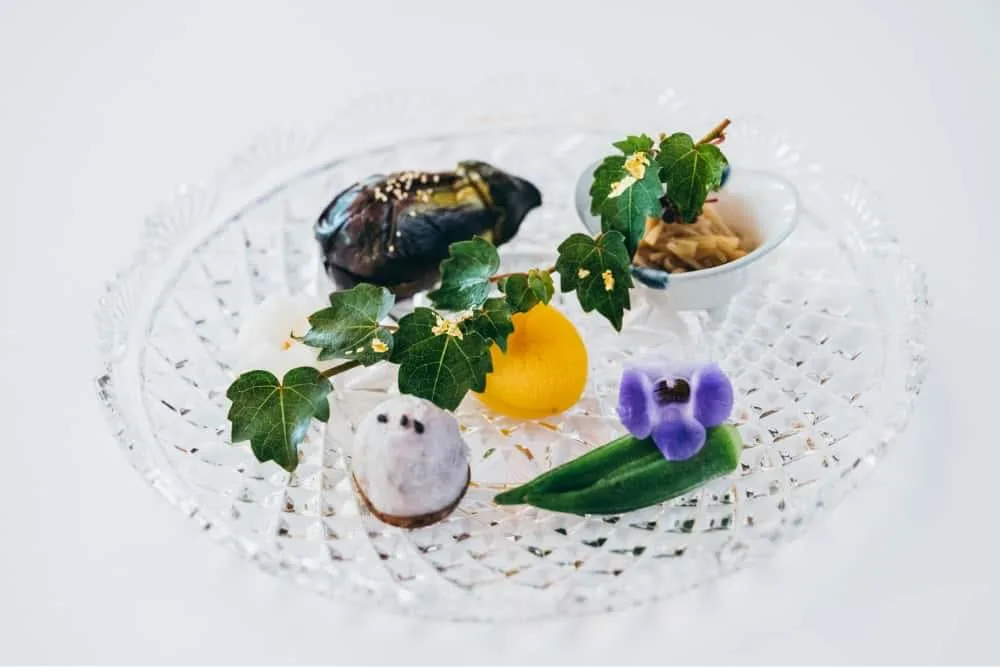
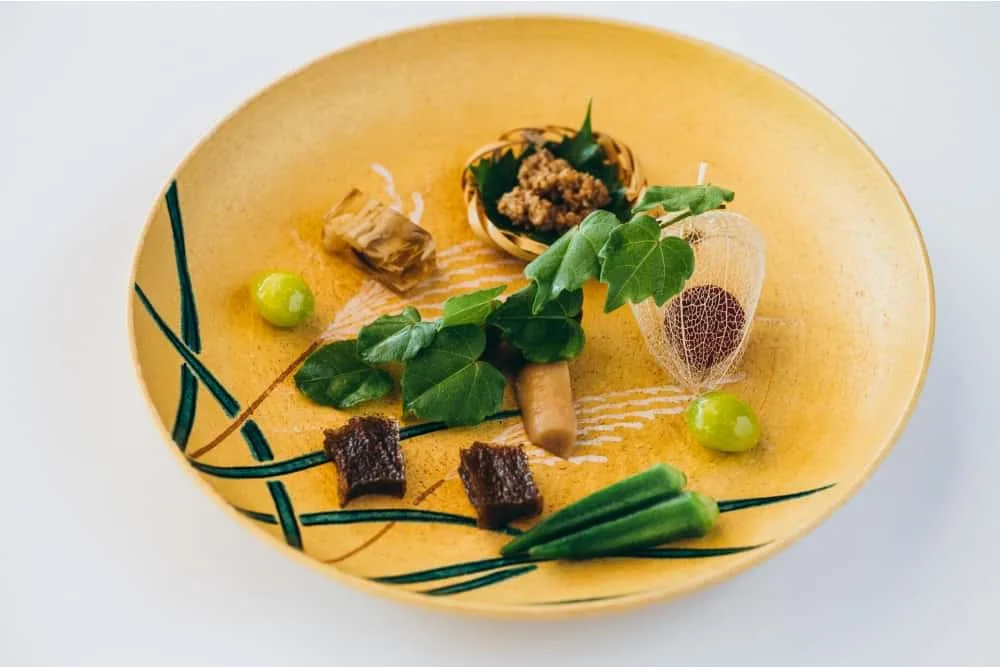
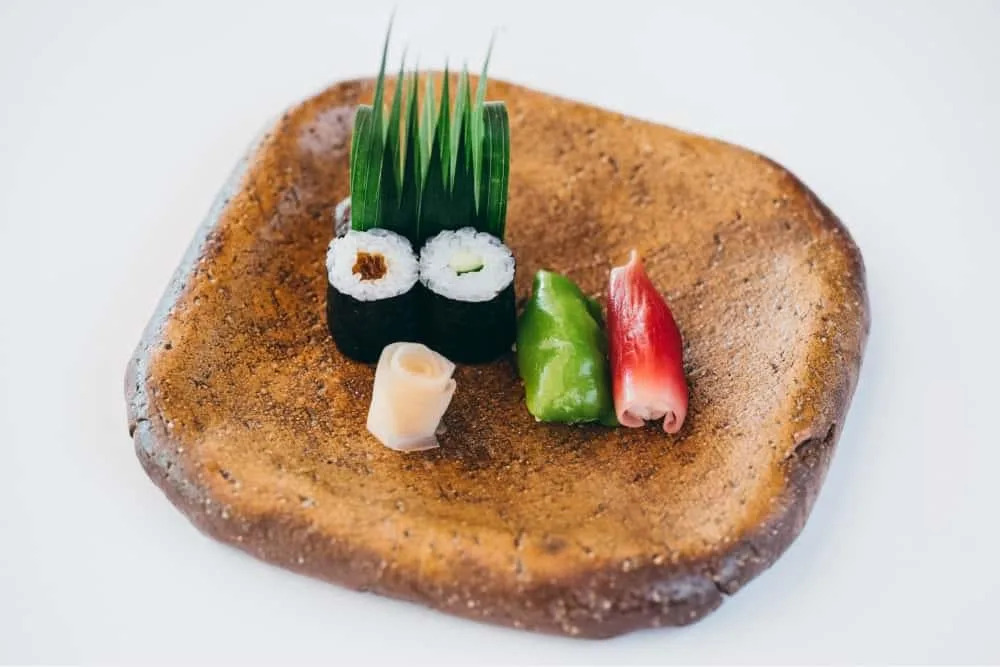
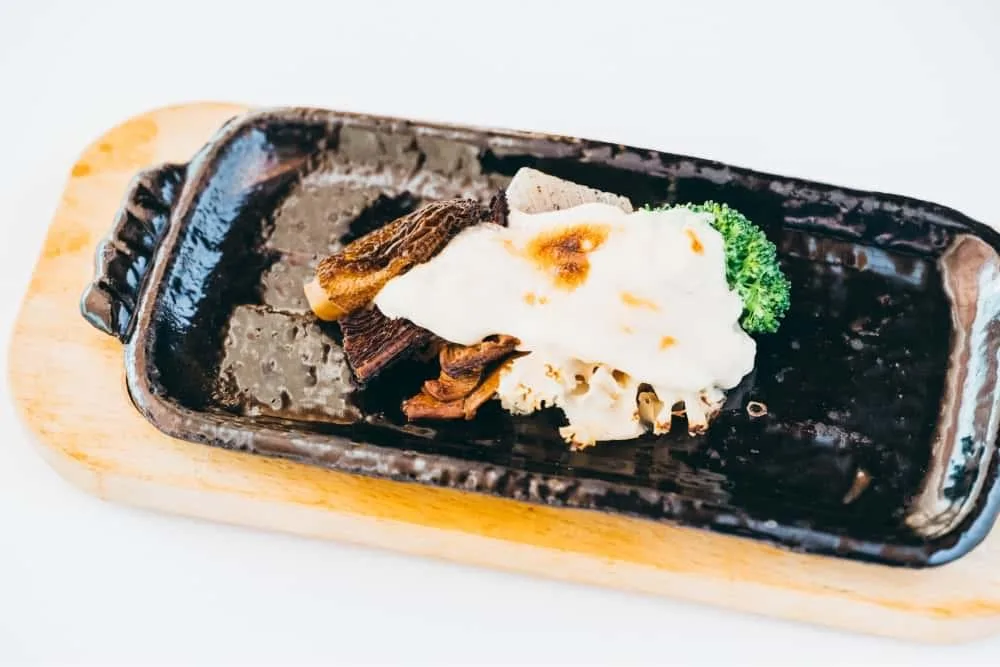
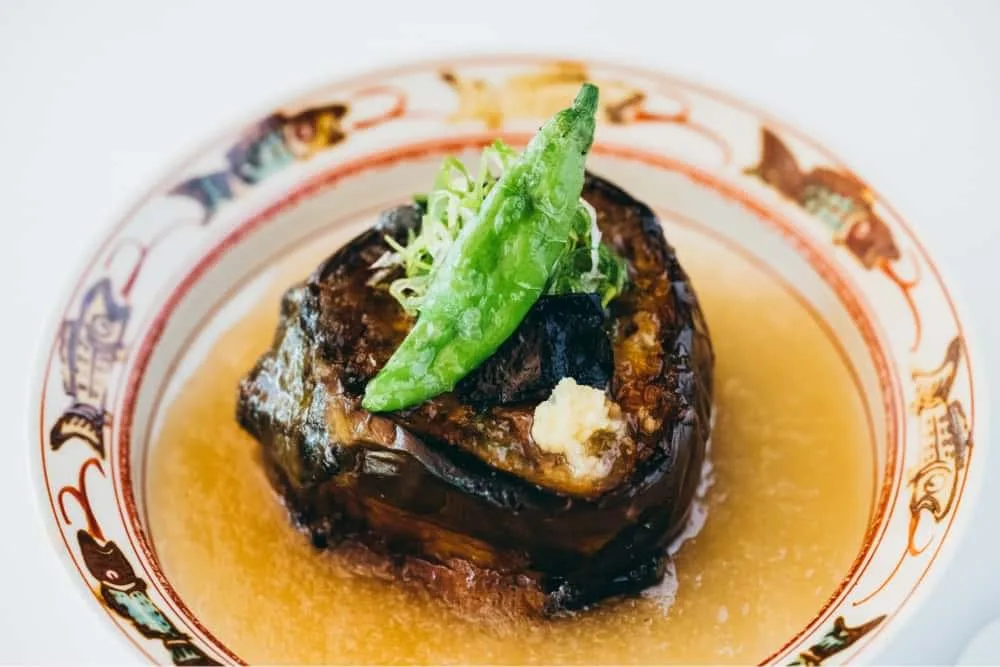
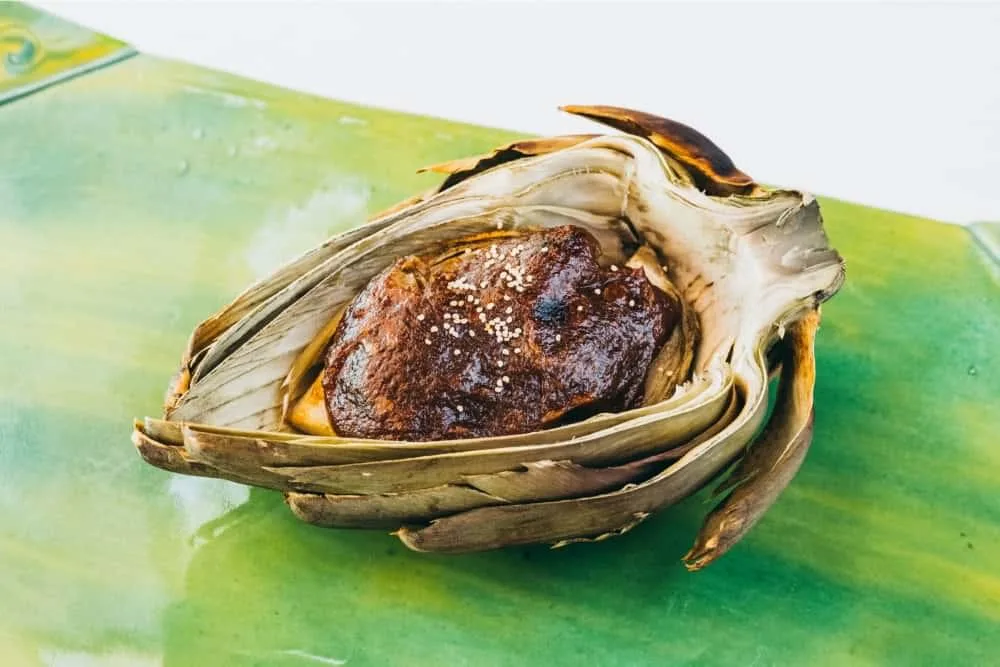
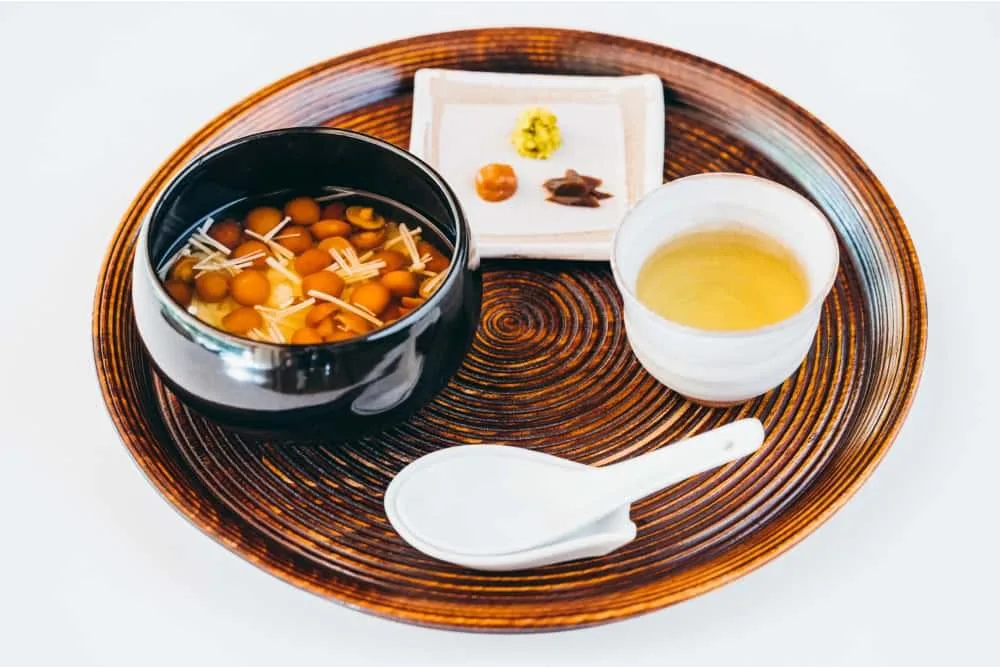
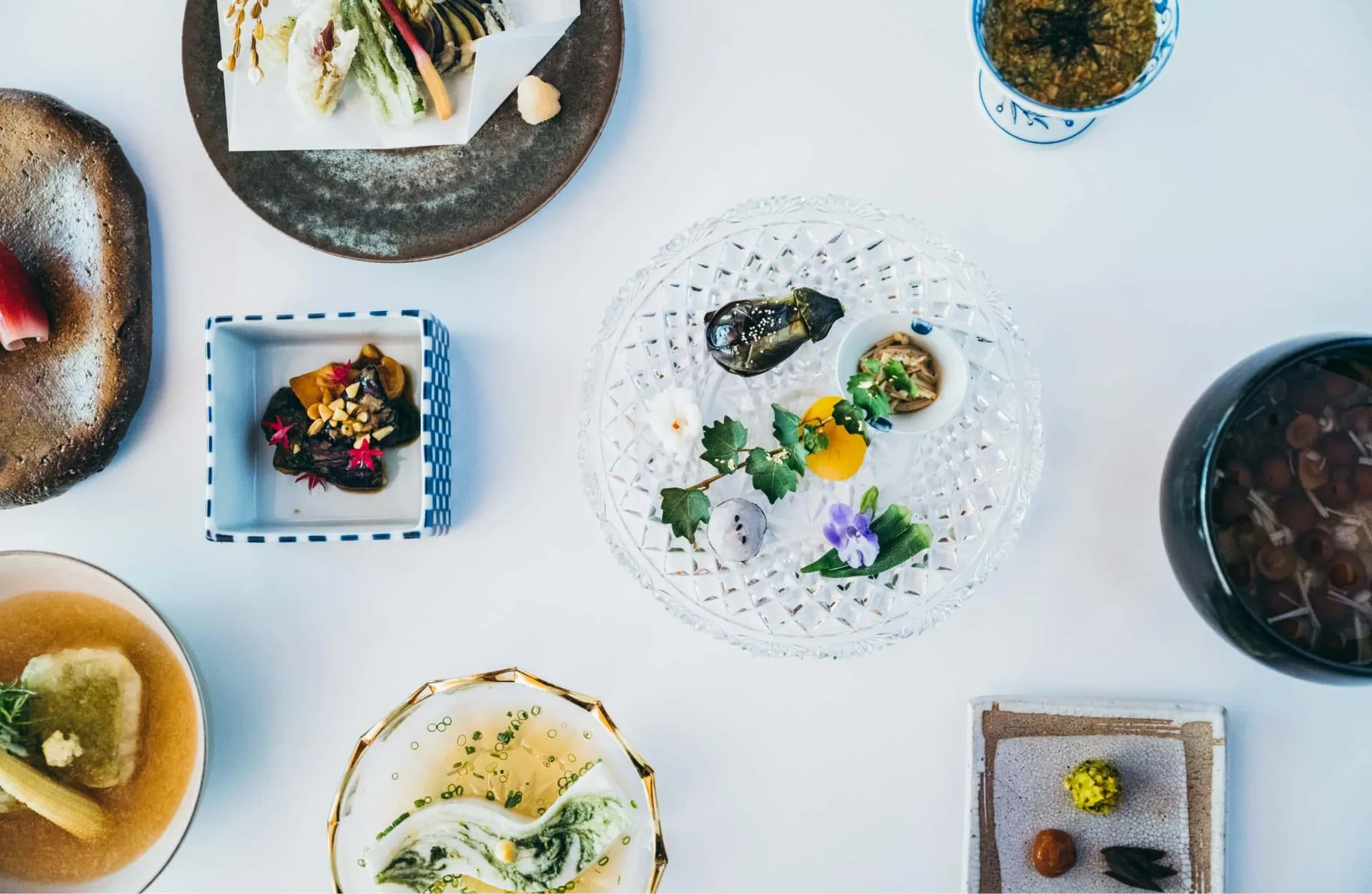
Daigo offers several kaiseki courses, named after flowers and bamboo: Ran, Take, Ume, and a lunch-only Kiku. Each progresses through a sequence of small, precise dishes—soup, sashimi-style vegetable preparations, simmered dishes, fried items, and a meal of rice and pickles—designed to engage all five senses. The rooms themselves, eight private spaces that can accommodate from two to fifty-eight guests, reinforce the sense of stepping away from the daily.
This careful, unhurried approach has earned Daigo a Michelin star, recognising the high quality of its cooking. The award speaks to the consistency and depth of a kitchen that respects its 75-year-old foundations while evolving with the times. For those seeking a serene encounter with shojin kaiseki in Tokyo, Daigo remains a quiet benchmark.
Recognition


Ambience

Details
History
Location



 Facebook
 Instagram