

The story
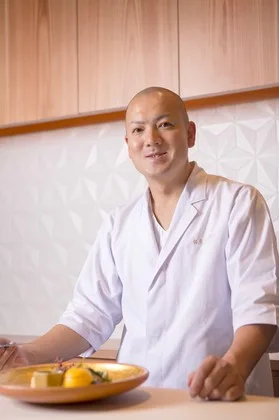
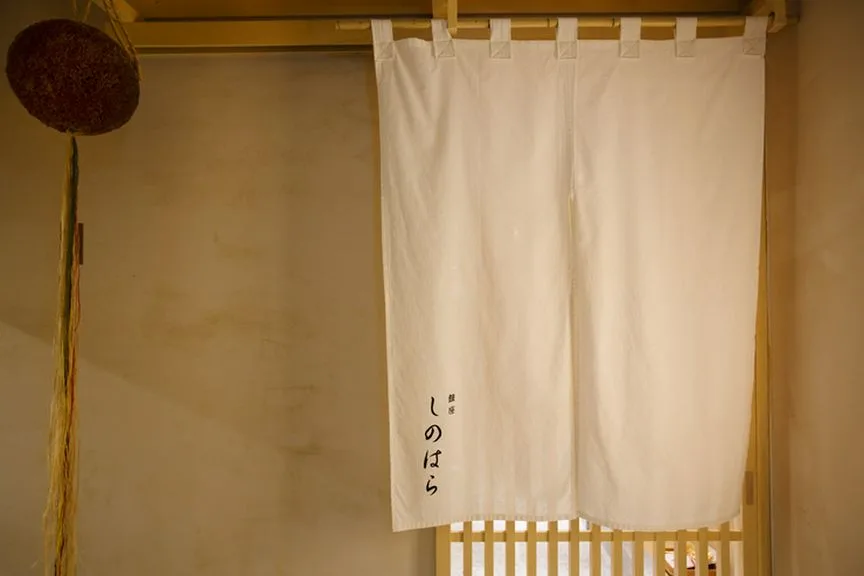
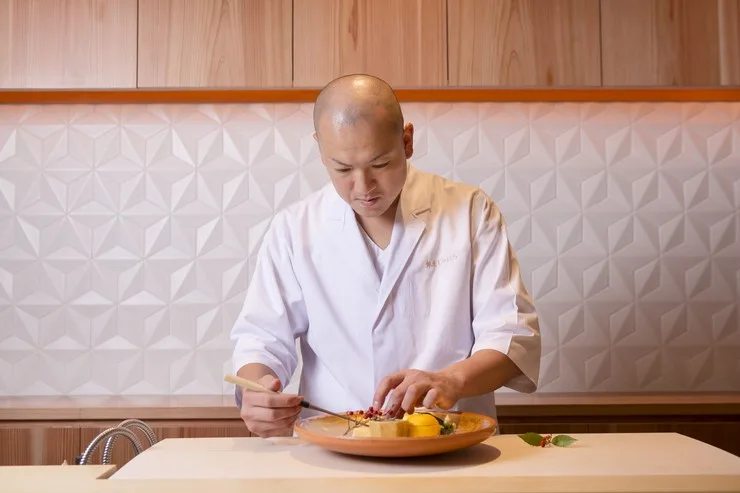
Take the stairs down to the basement level of a Ginza building, and you find Ginza Shinohara—a counter-dining kaiseki restaurant that feels a world away from the neon-lit streets above. This is the Tokyo outpost of a chef who built his reputation in the rural landscapes of Shiga Prefecture. At his previous restaurant, simply called Shinohara, chef-owner Takemasa Shinohara earned a devoted following for a style rooted in the powerful natural bounty of the countryside. In 2016, he closed that chapter to challenge himself in the fiercely competitive gourmet capital of Tokyo.
What remains unchanged is the essence of his cooking. The kaiseki at Ginza Shinohara draws on the same deep well of rural ingredients—with a particular focus on Shiga—but it is animated by a restless, creative intelligence. The recognition has followed him: the restaurant now holds two Michelin stars, a testament to technique and vision that the leading guide calls “excellent cooking.”
Shinohara’s path to the kitchen was a detour. A promising karate athlete born in 1980, he turned down a university recommendation to pursue a trade. That decision led him to Sangencha, a renowned Kyoto kaiseki restaurant, where his natural talent quickly surfaced. By 26, he had opened his own place in Shiga. It took him nine years to turn that restaurant into one of Japan’s most talked-about destinations. Only then did he pack up and move to Ginza.
The transition was not about abandoning his roots. Instead, he brought his rural sensibility to the city, filtering it through an even sharper precision. The result is a kaiseki that feels both deeply grounded and quietly surprising—a style that built its presence in the Ginza dining scene through sheer conviction.
There is no menu to choose from. The meal is a chef’s choice course, and it begins with a sakizuke—the appetizer that serves as the chef’s greeting. On a New Year’s visit, this might take the form of a “Seven Treasures Assortment,” a dish of sea urchin, abalone, botan shrimp, and other luxurious ingredients arranged to evoke chests of treasure.
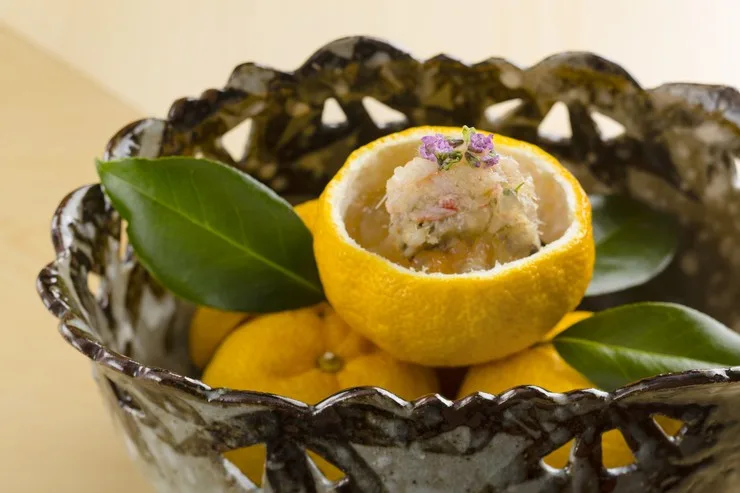
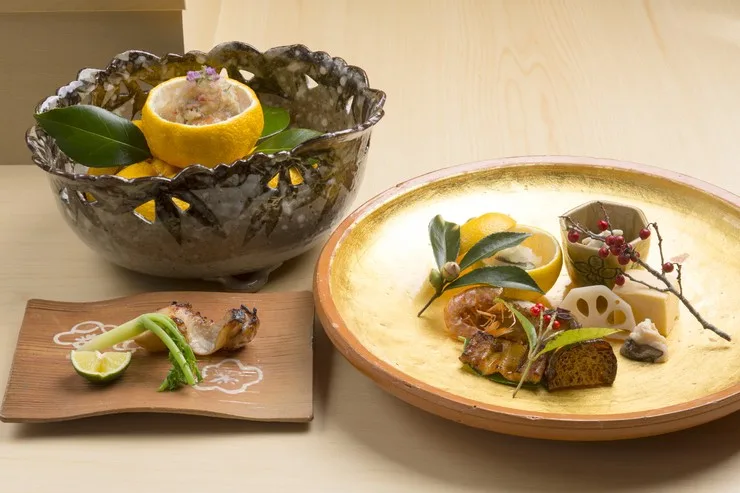
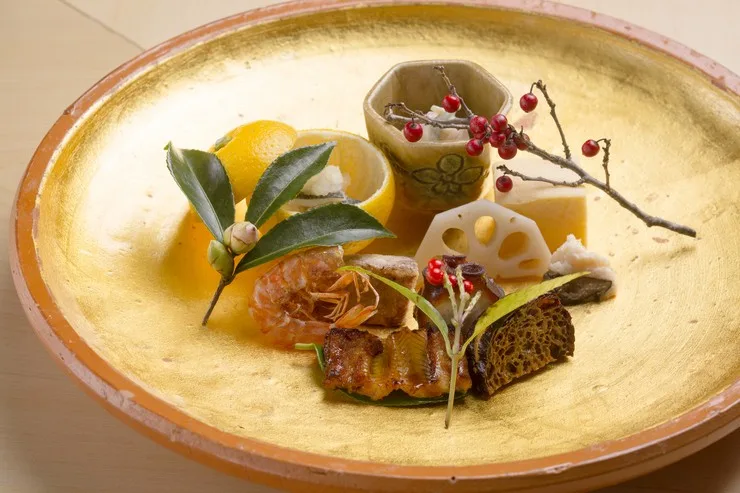
Midway through, the hassun course arrives, a seasonal arrangement built largely around ingredients from Shiga. The selection changes constantly—perhaps spotted sardine with La France pear in a miso dressing, alongside an egg yolk sushi with Daitokuji gluten and a deep-fried yam with saimaki shrimp.
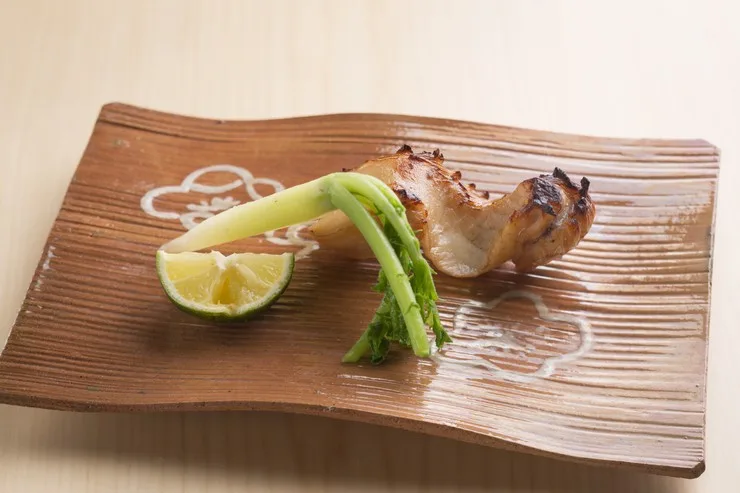
The yakimono, or grilled course, is where Shinohara’s innovation becomes clearest. He focuses on aroma, aiming to evoke the countryside with each skewer. A winter version might be grilled marinated butterfish with fresh miso-pickled daikon radish, served in a plum blossom dish.
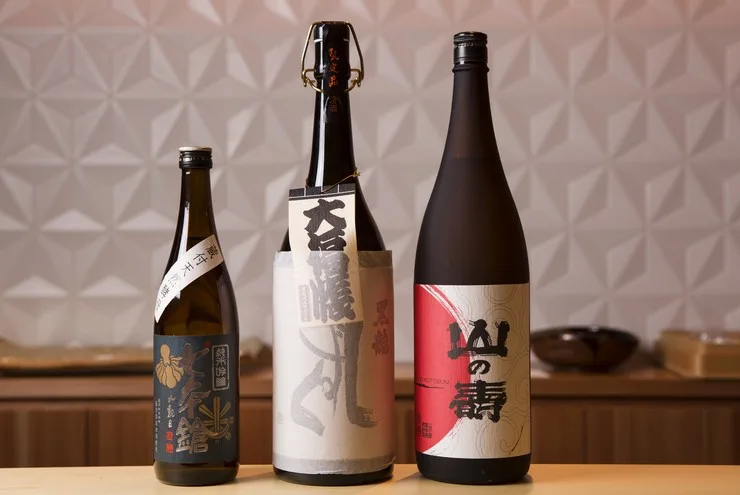
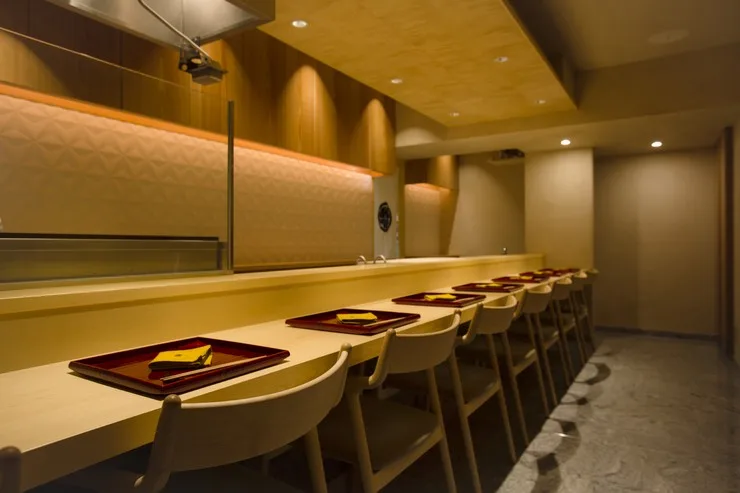
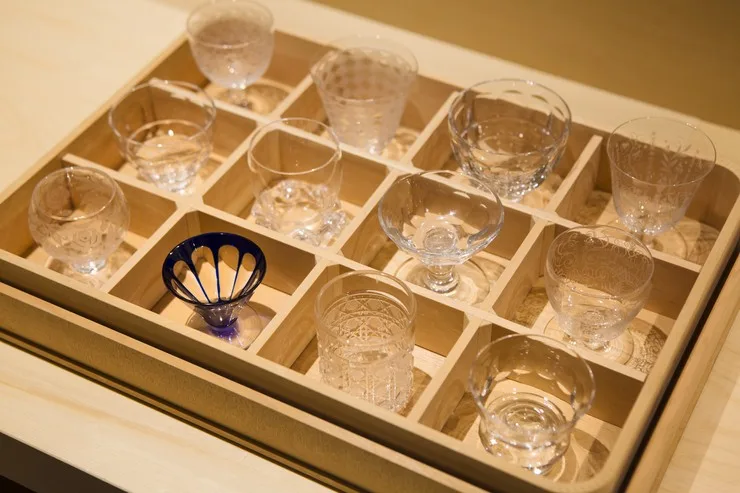
The dining room is an intimate counter, and English-speaking staff are on hand. The sake and wine lists are notably deep, and the atmosphere is one of focused quiet—the calm of a kitchen that knows exactly what it is doing.
Recognition


Ambience

Details
Location

 Facebook
 Instagram
 X
X