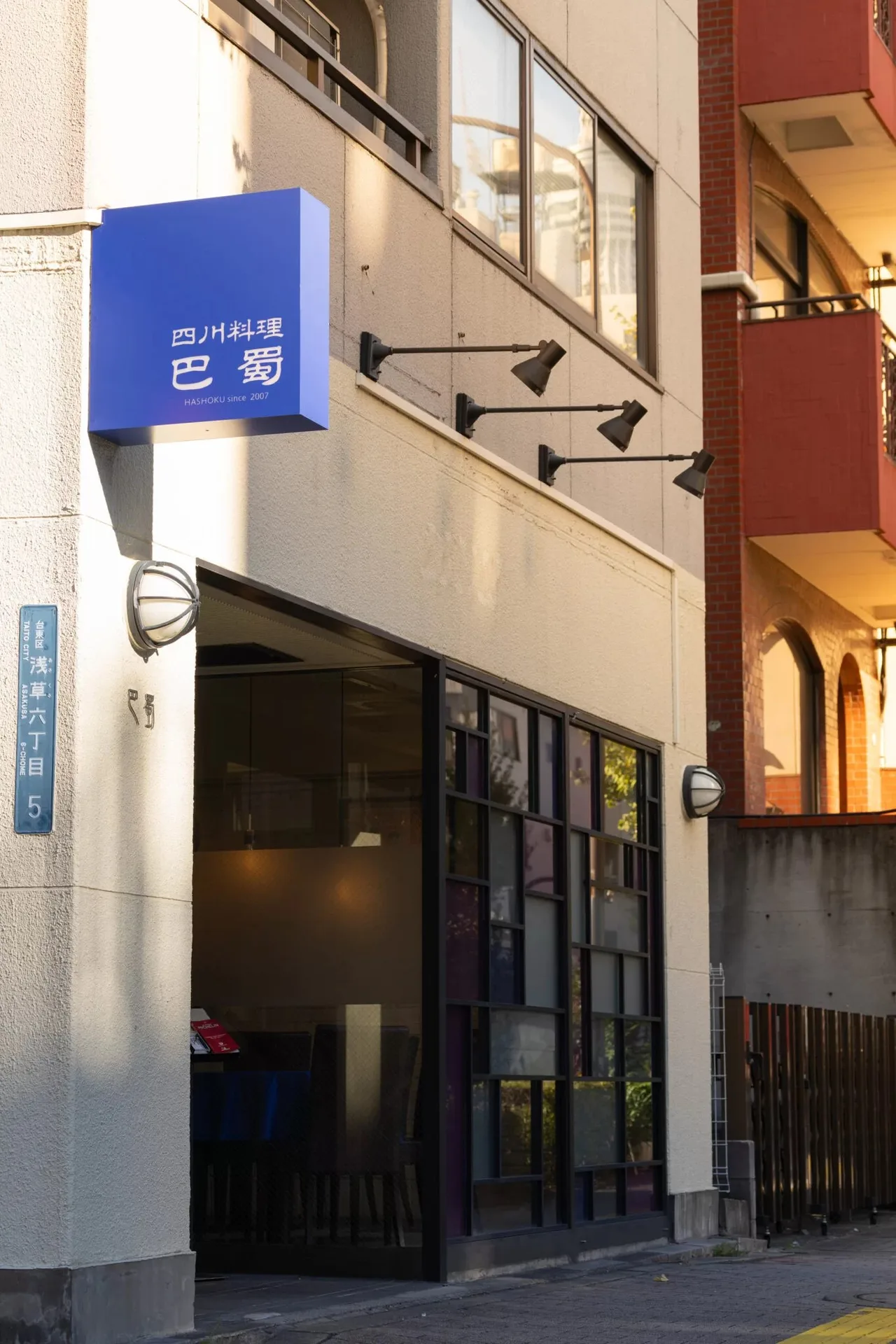
The story
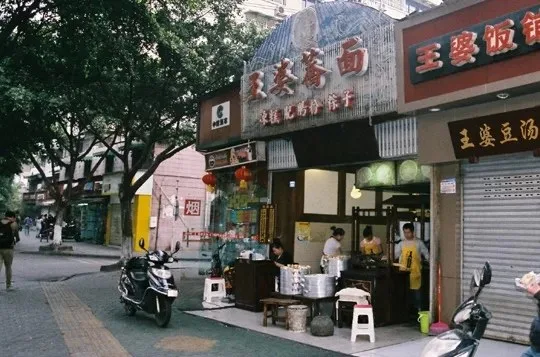
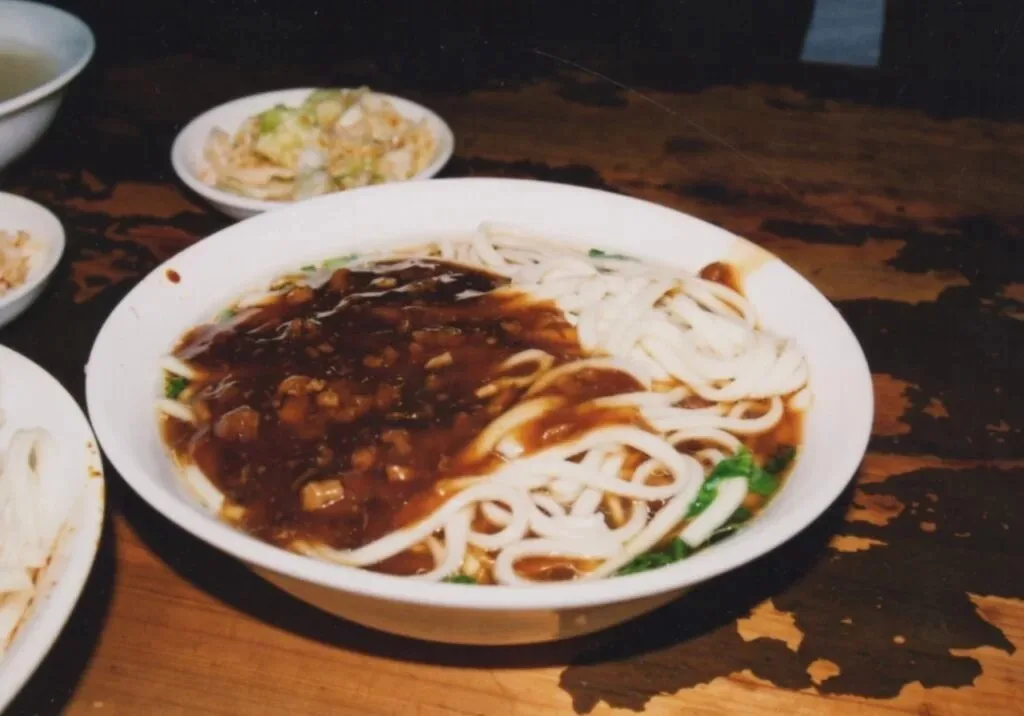
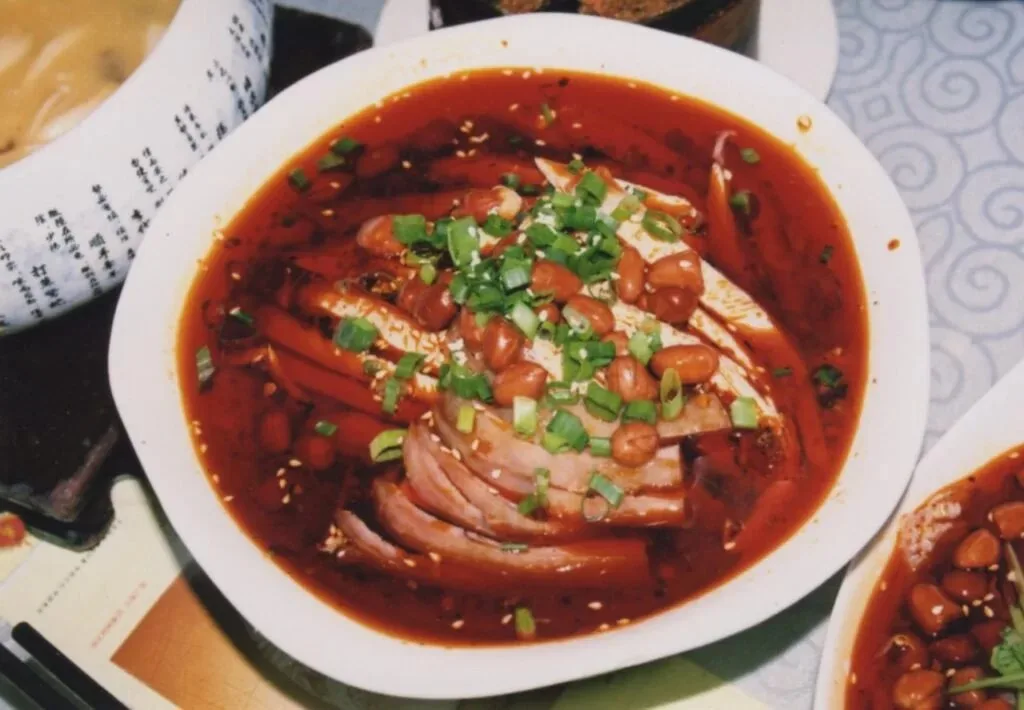
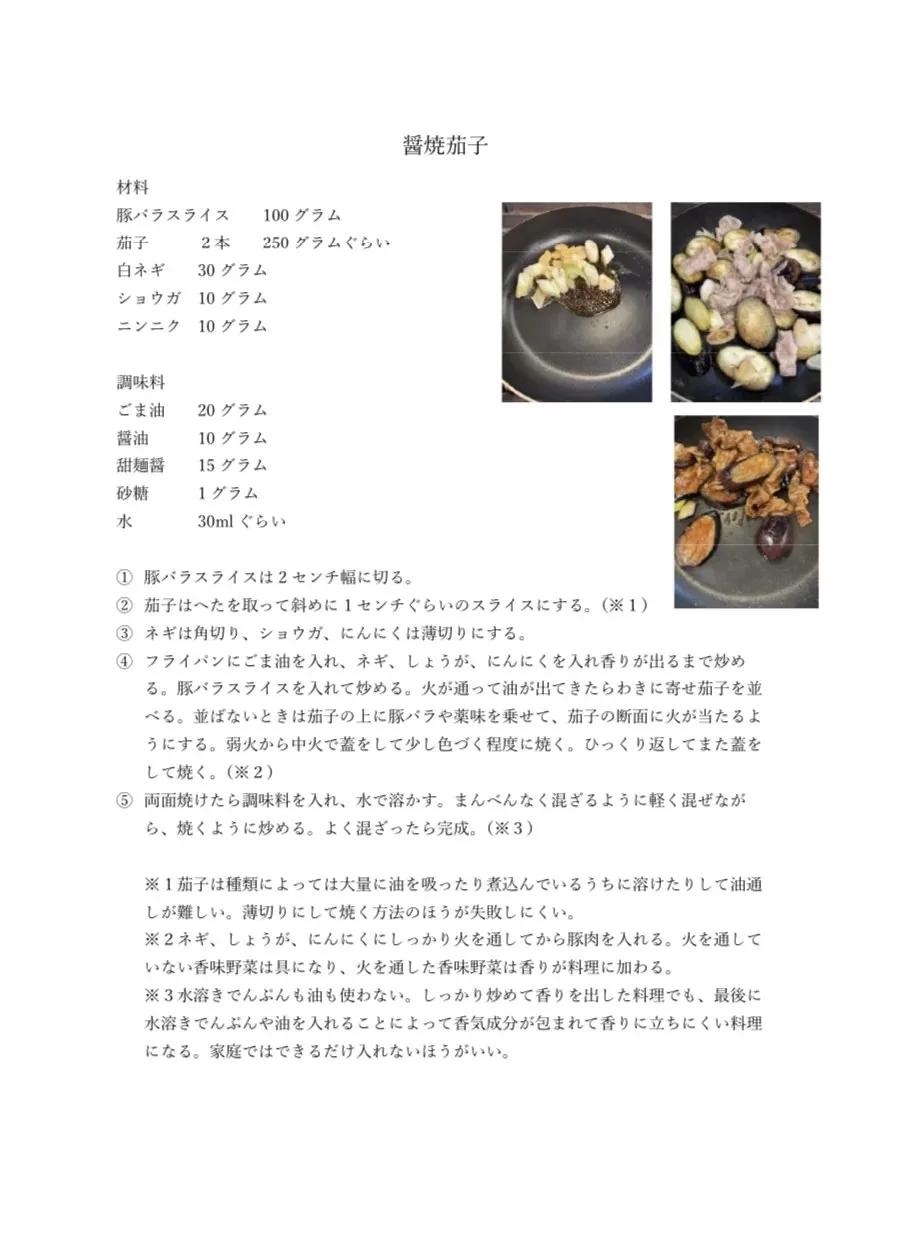
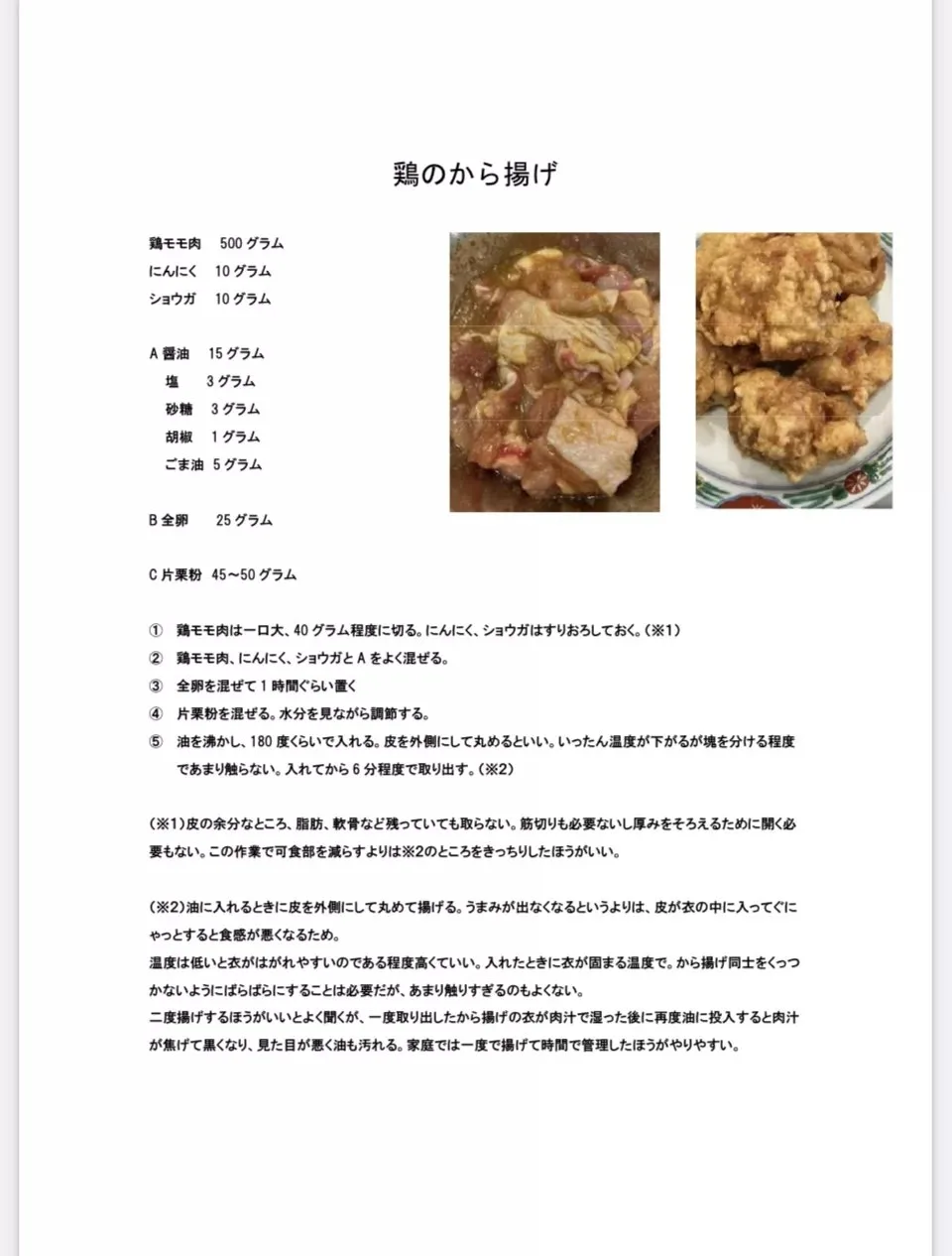
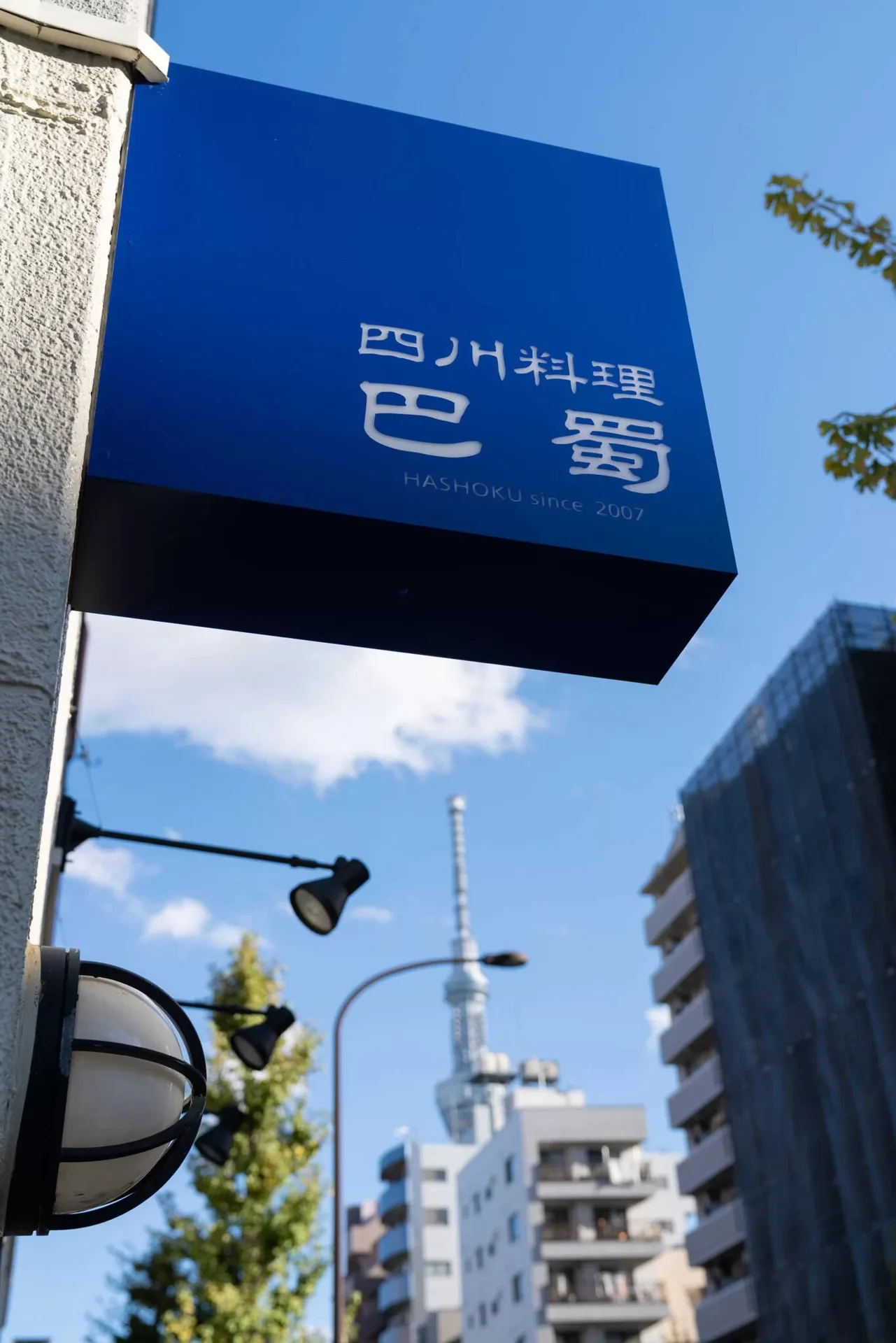
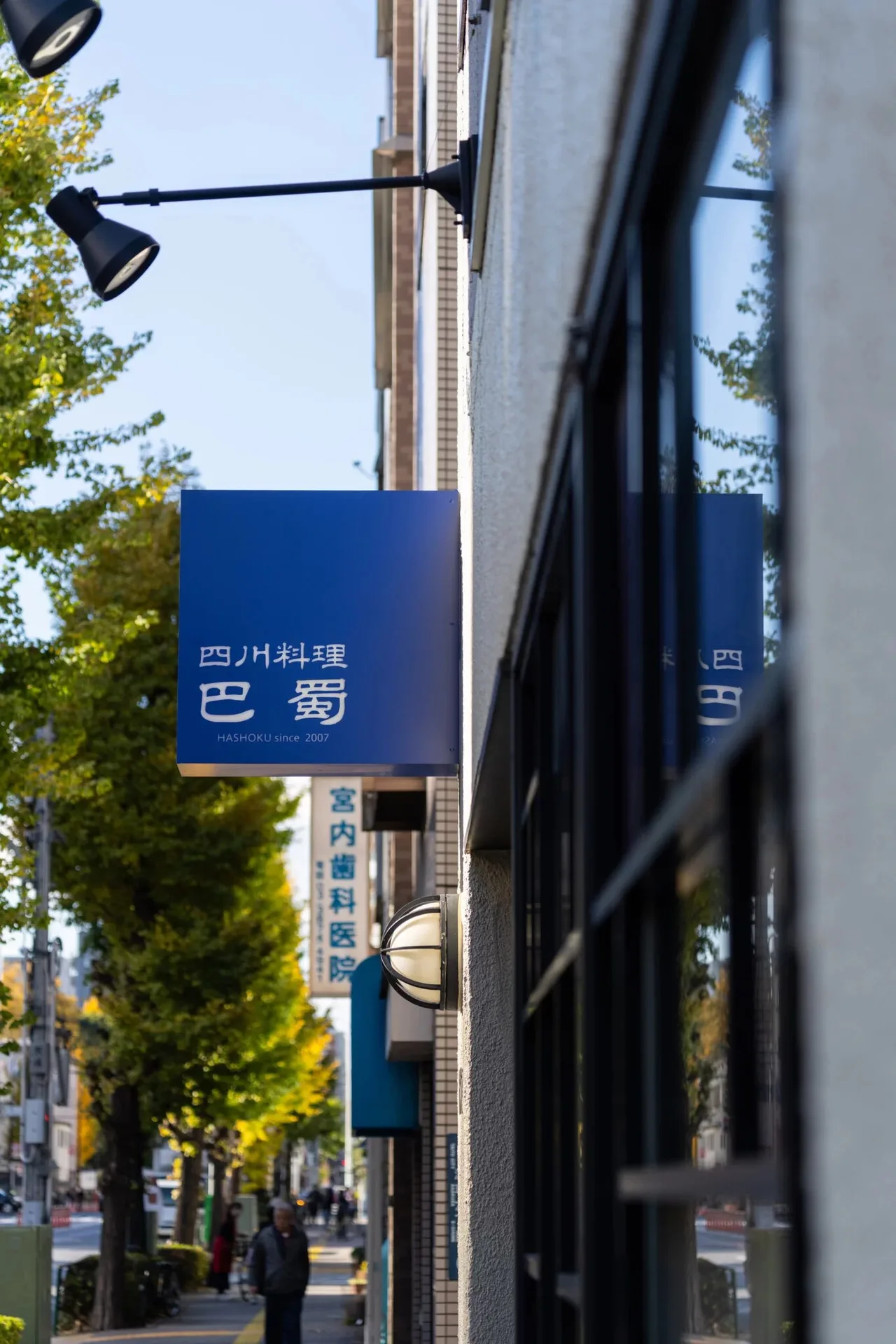
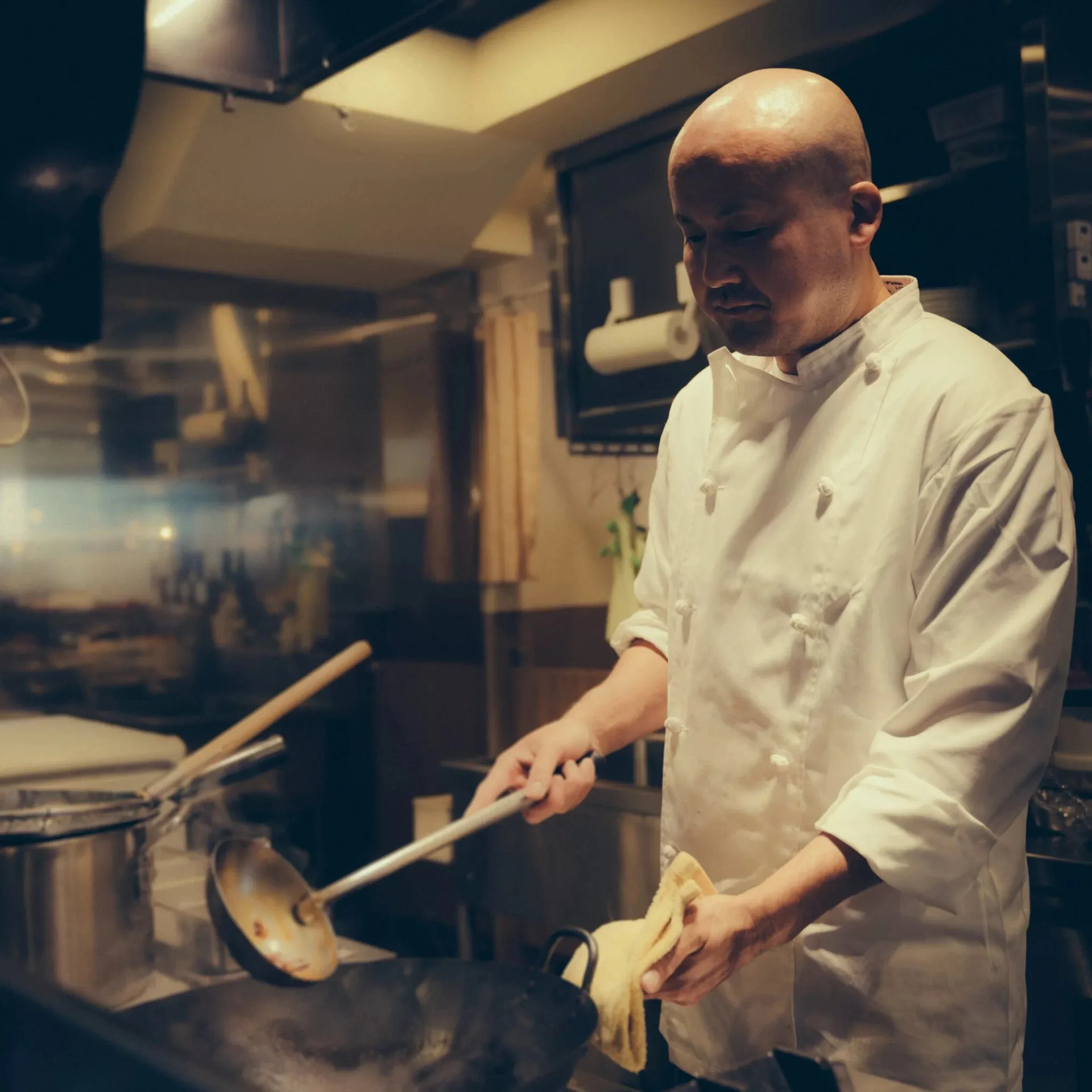
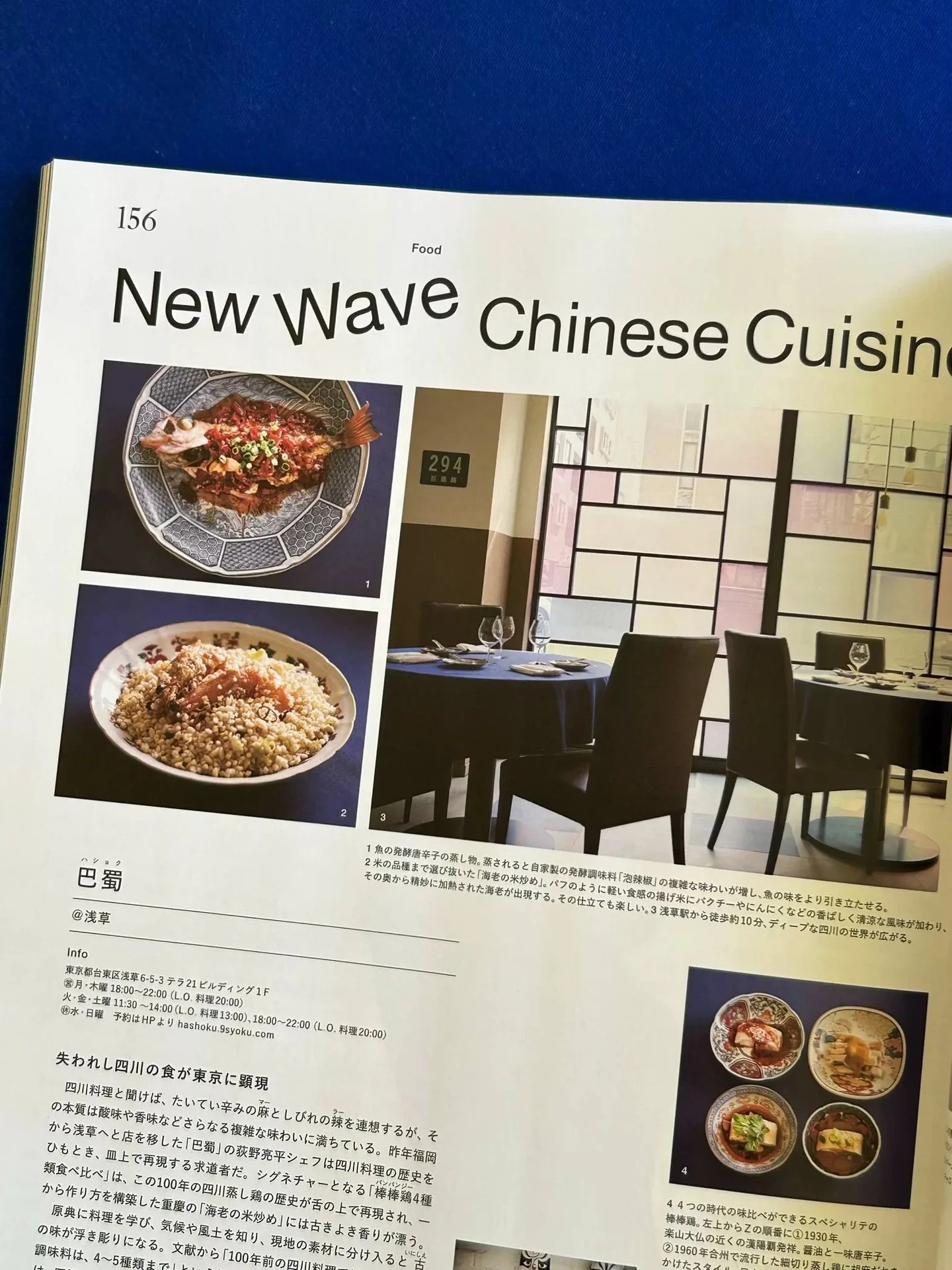
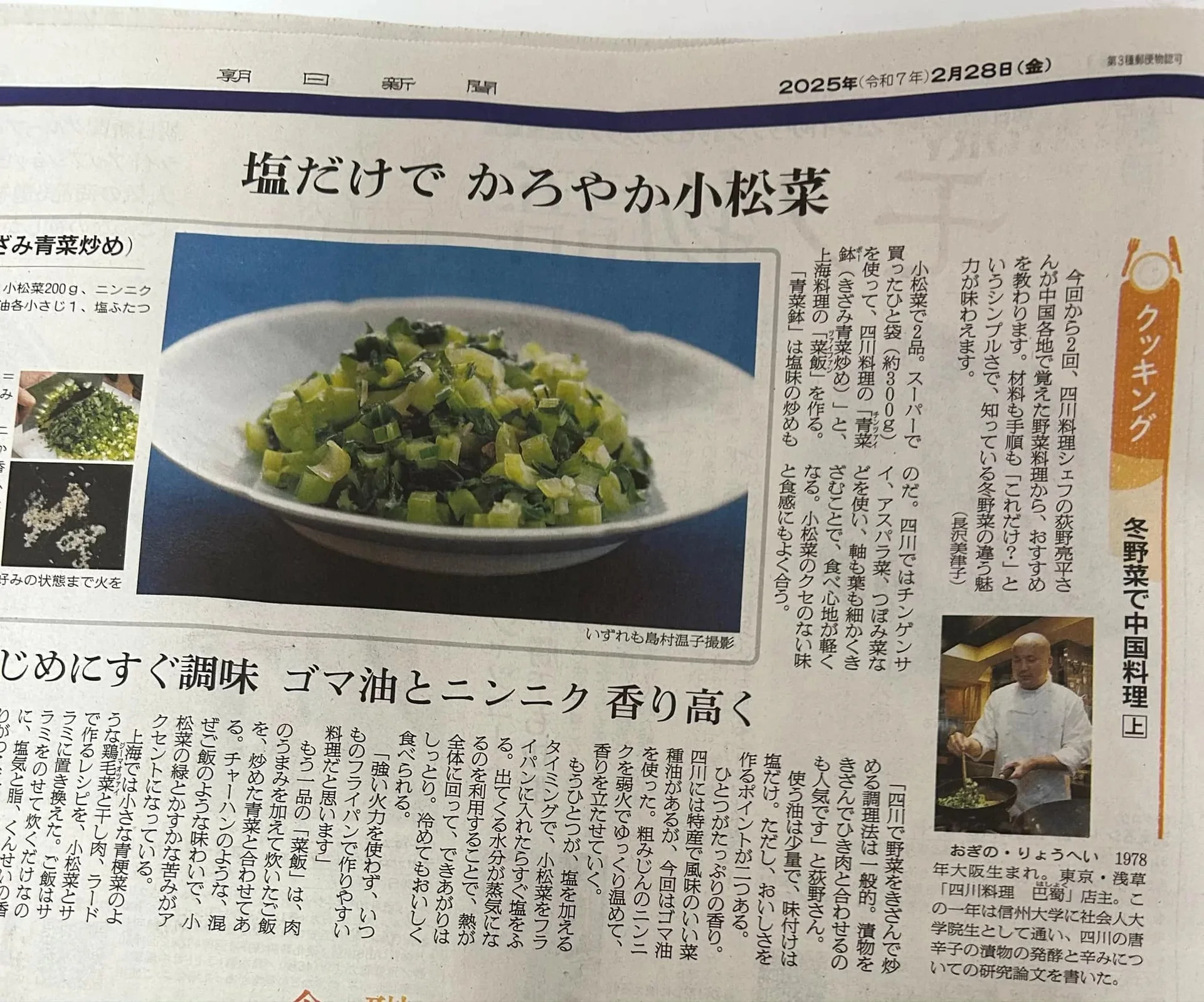
Hashoku in Tokyo centers its menu on a specific historical window, treating the years between 1980 and 2000 as the peak of Sichuan cooking. The kitchen rejects constant modernization in favor of reconstructing recipes from that era. Dishes like dandan noodles and mapo tofu carry centuries of lineage, yet the restaurant focuses on how they were prepared during their most refined period. This approach treats the dining room as a space for cultural preservation rather than mere novelty.
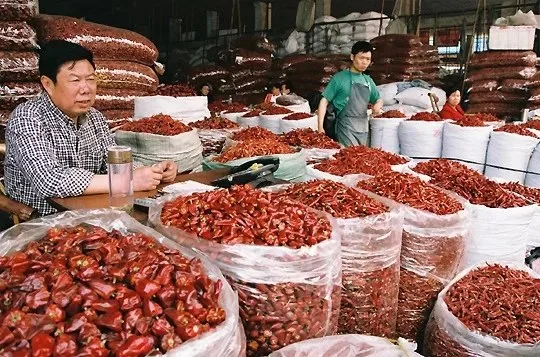
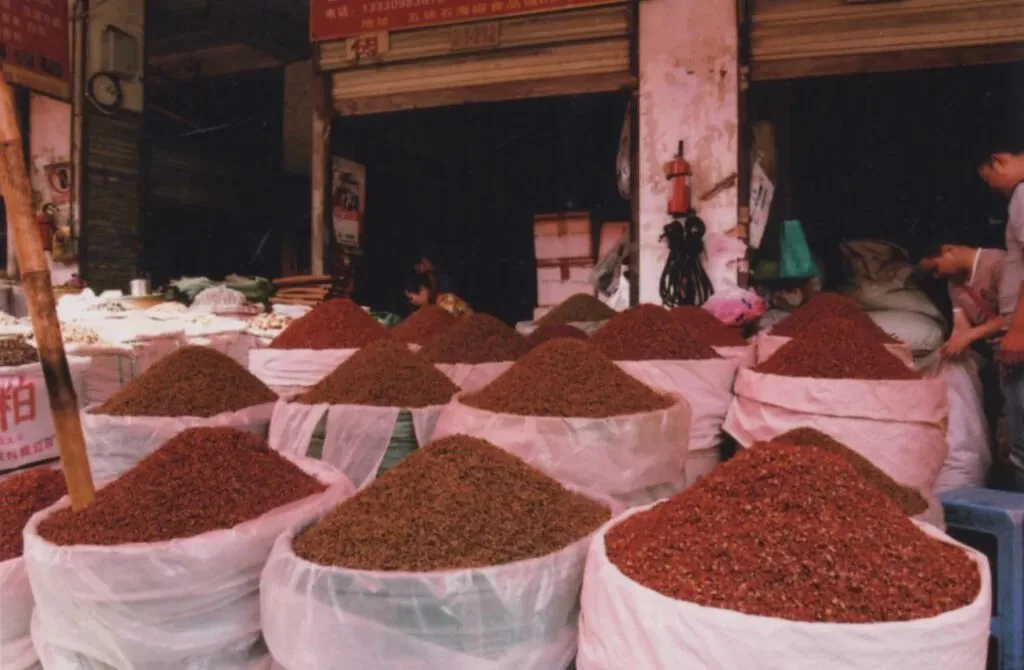
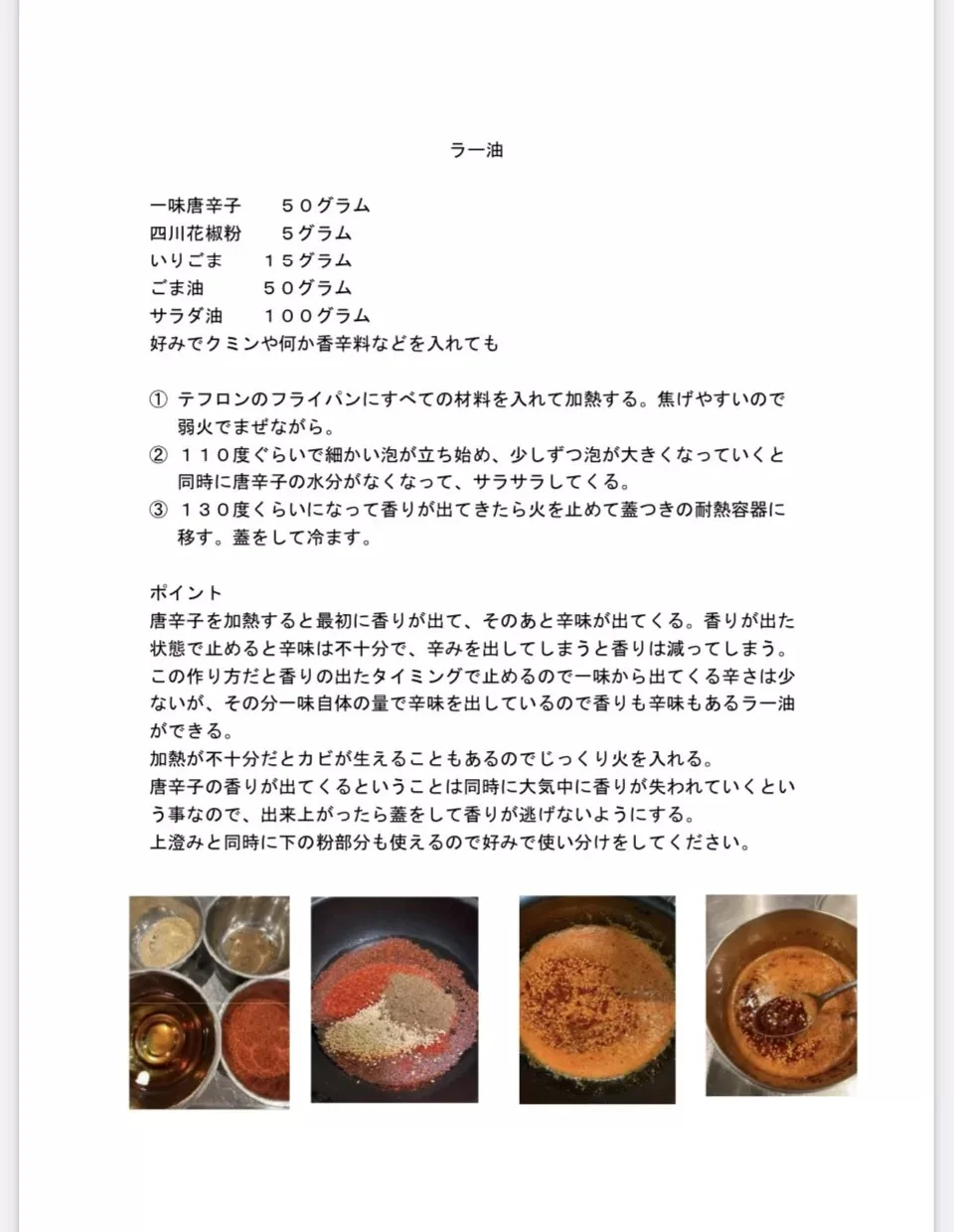
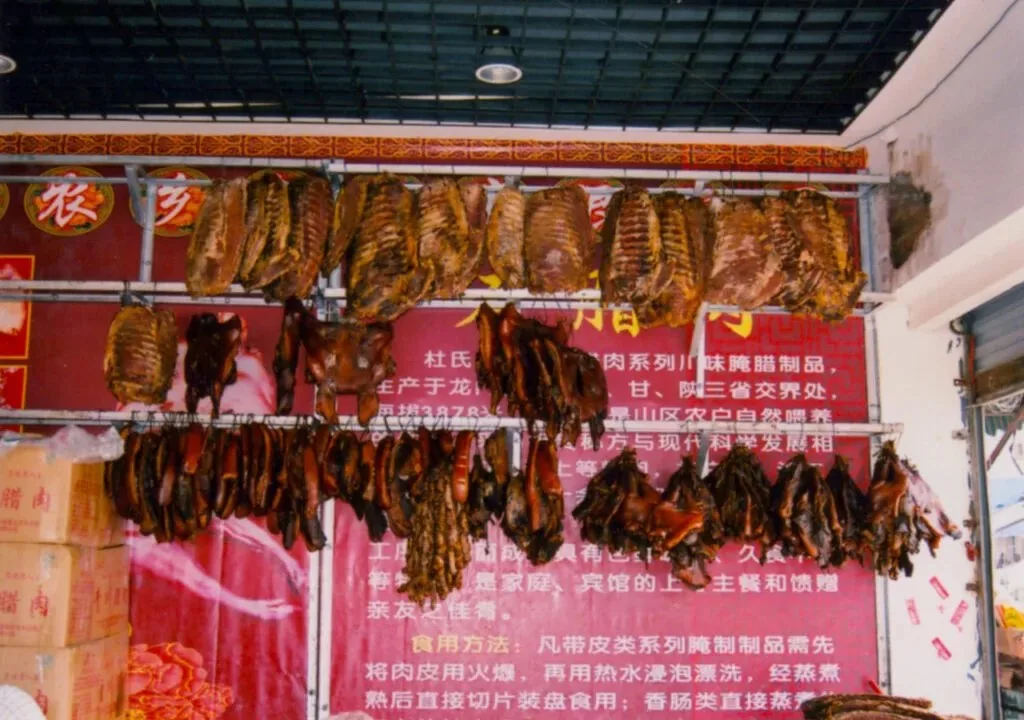
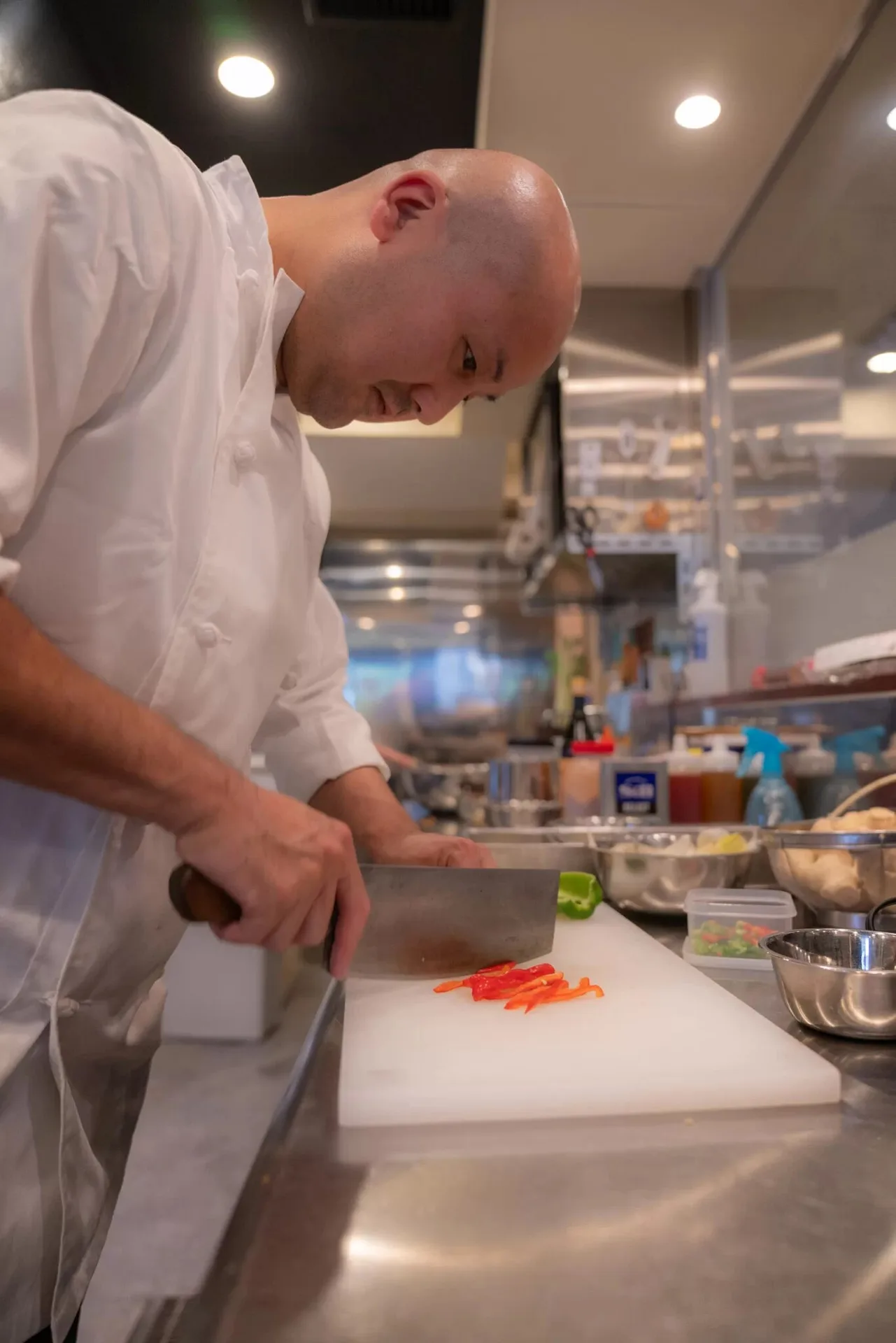
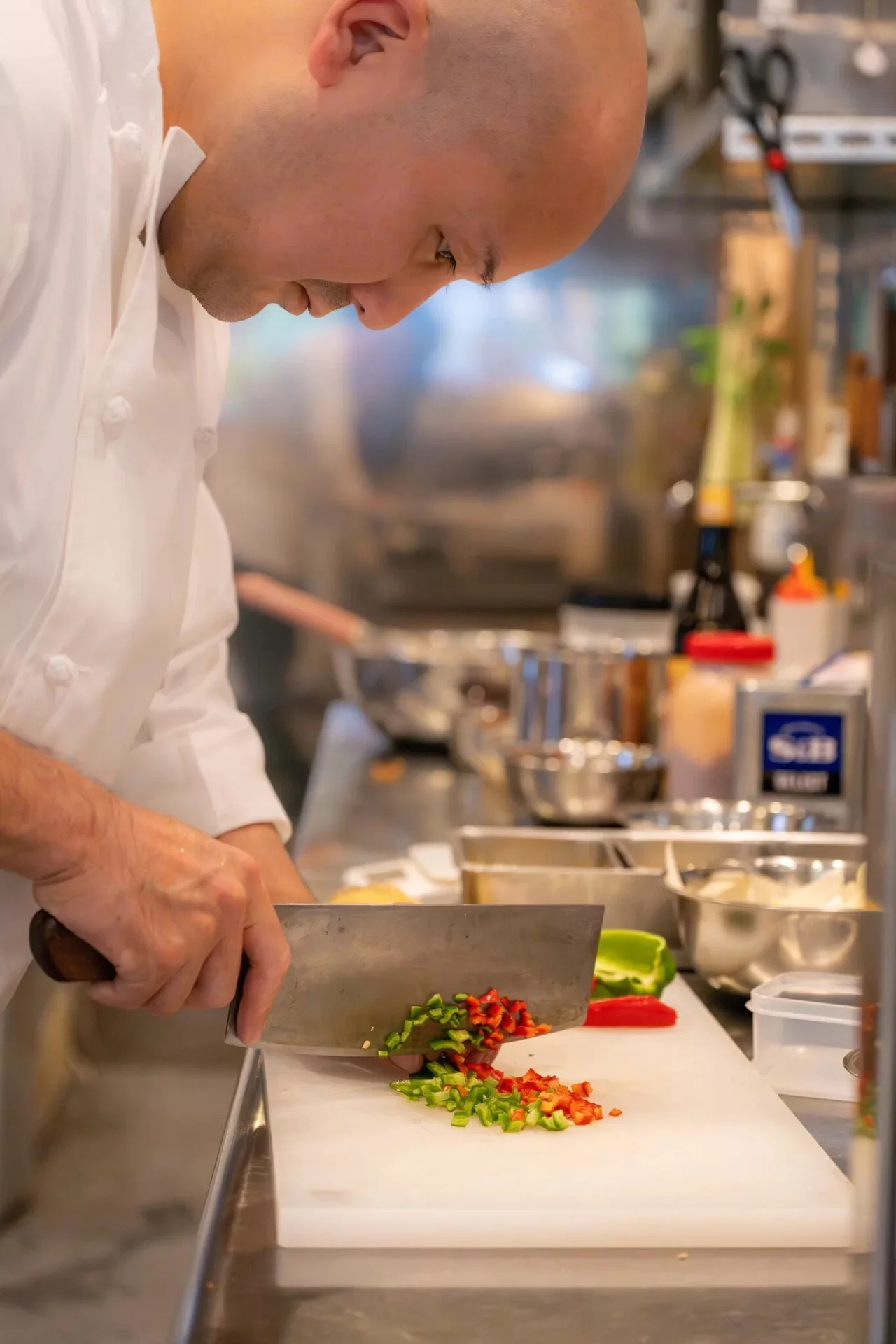
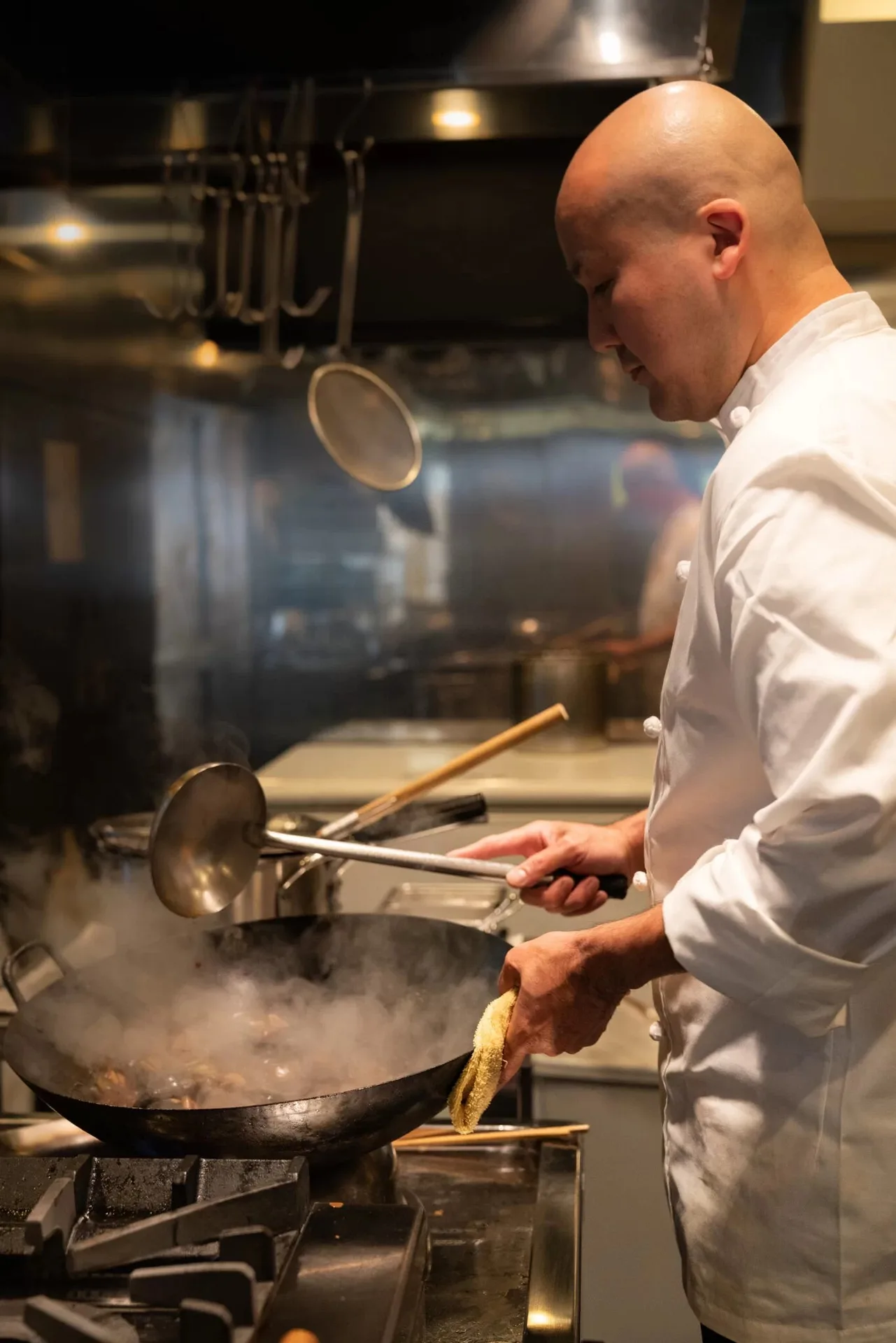
Historical records suggest early Sichuan kitchens relied on merely four or five flavorings to achieve remarkable diversity. Hashoku follows that principle by building depth through rock salt, aged ferments, and carefully heated aromatic oils. Chefs apply simple heating methods to let these base ingredients interact without masking the natural profile of each component. The result is a kitchen where restraint replaces complexity, allowing every plate to maintain its own distinct character.
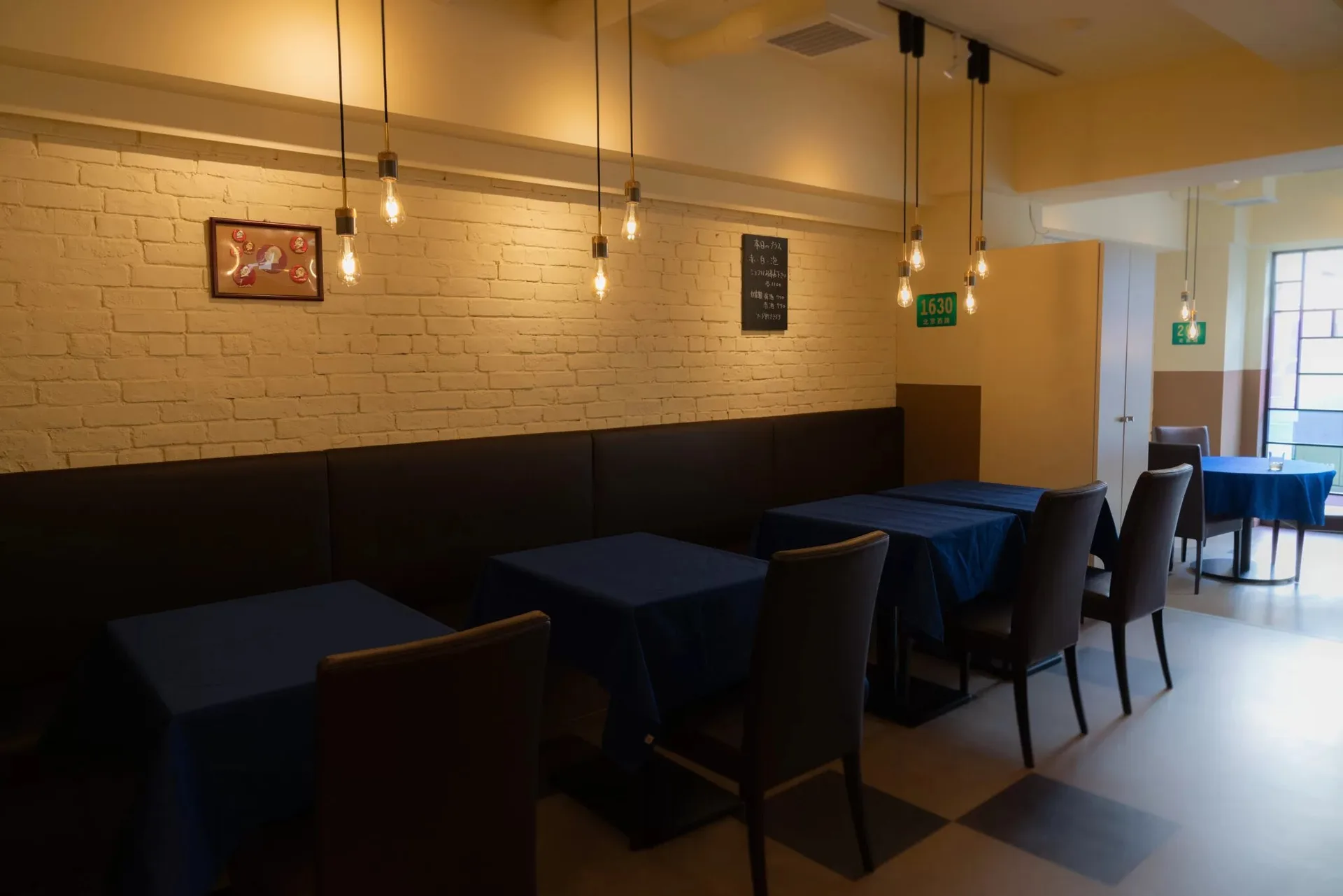
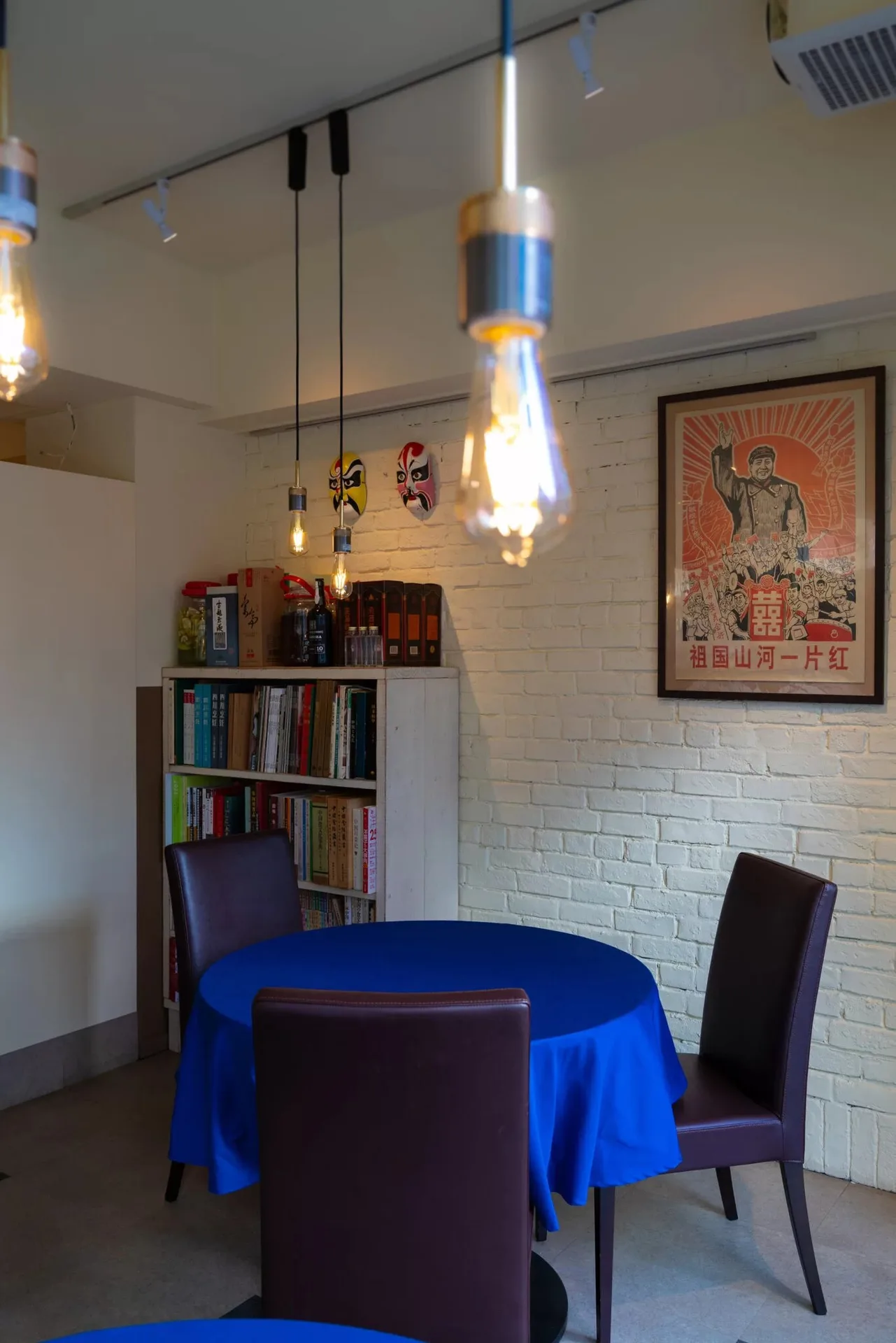
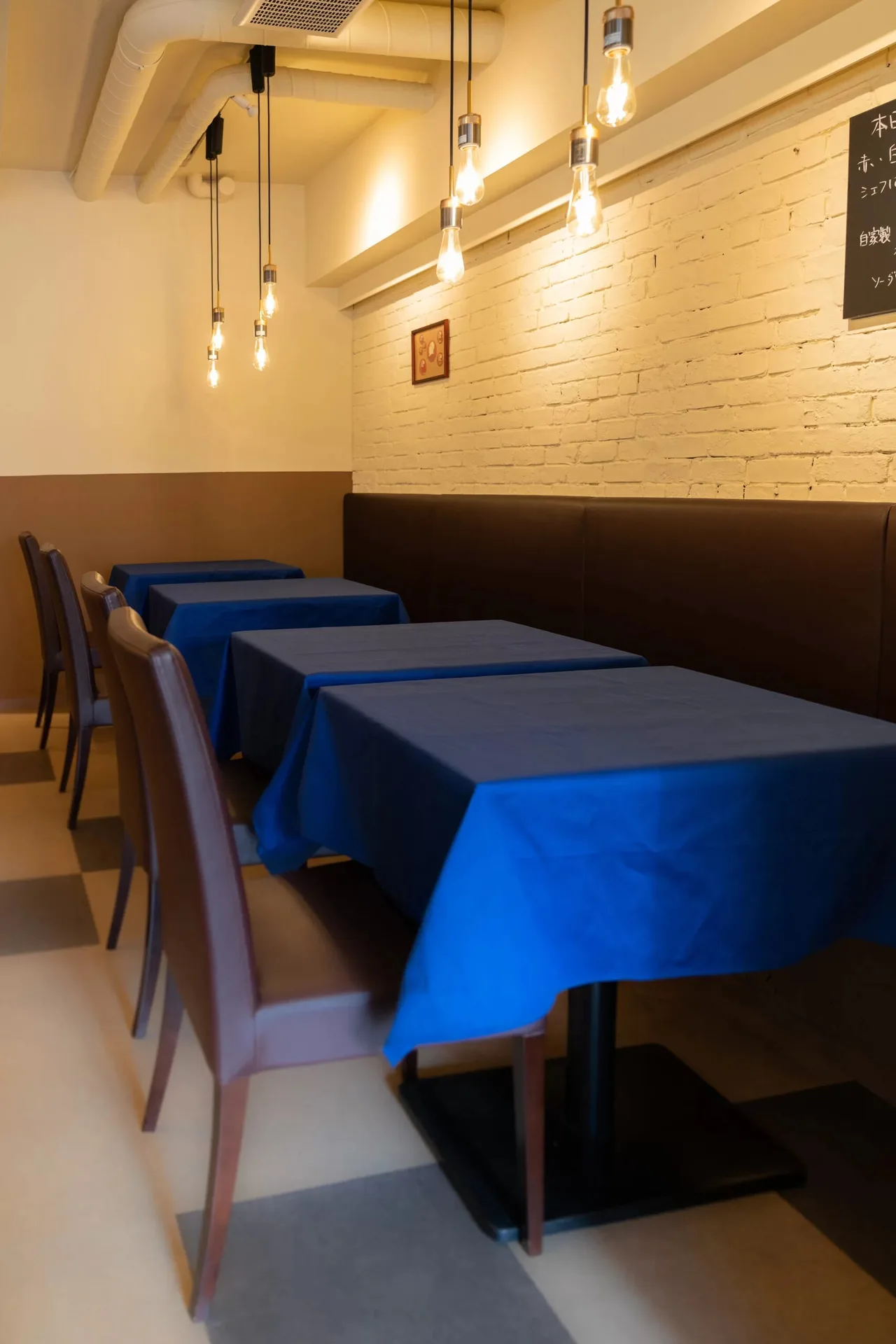
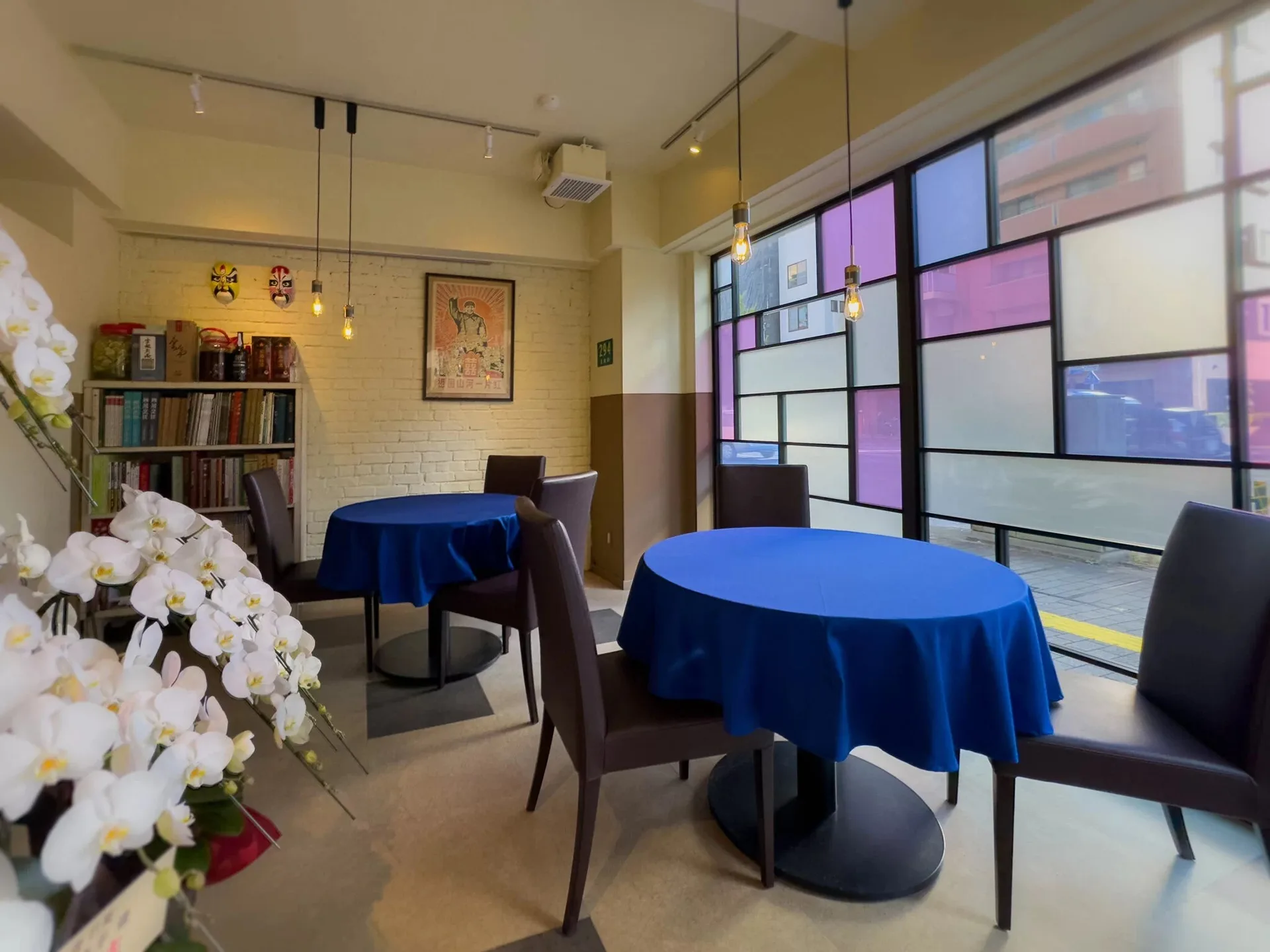
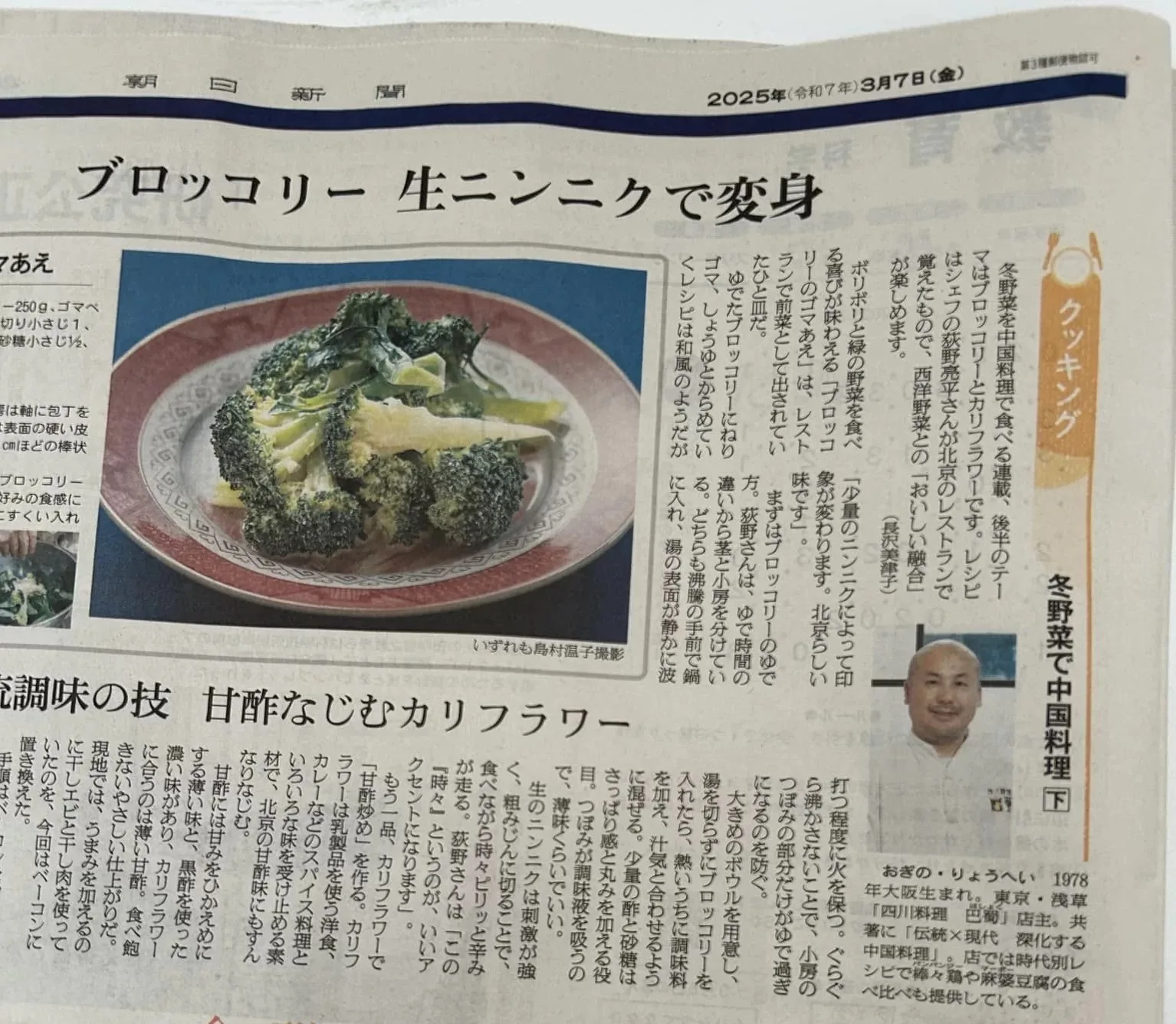
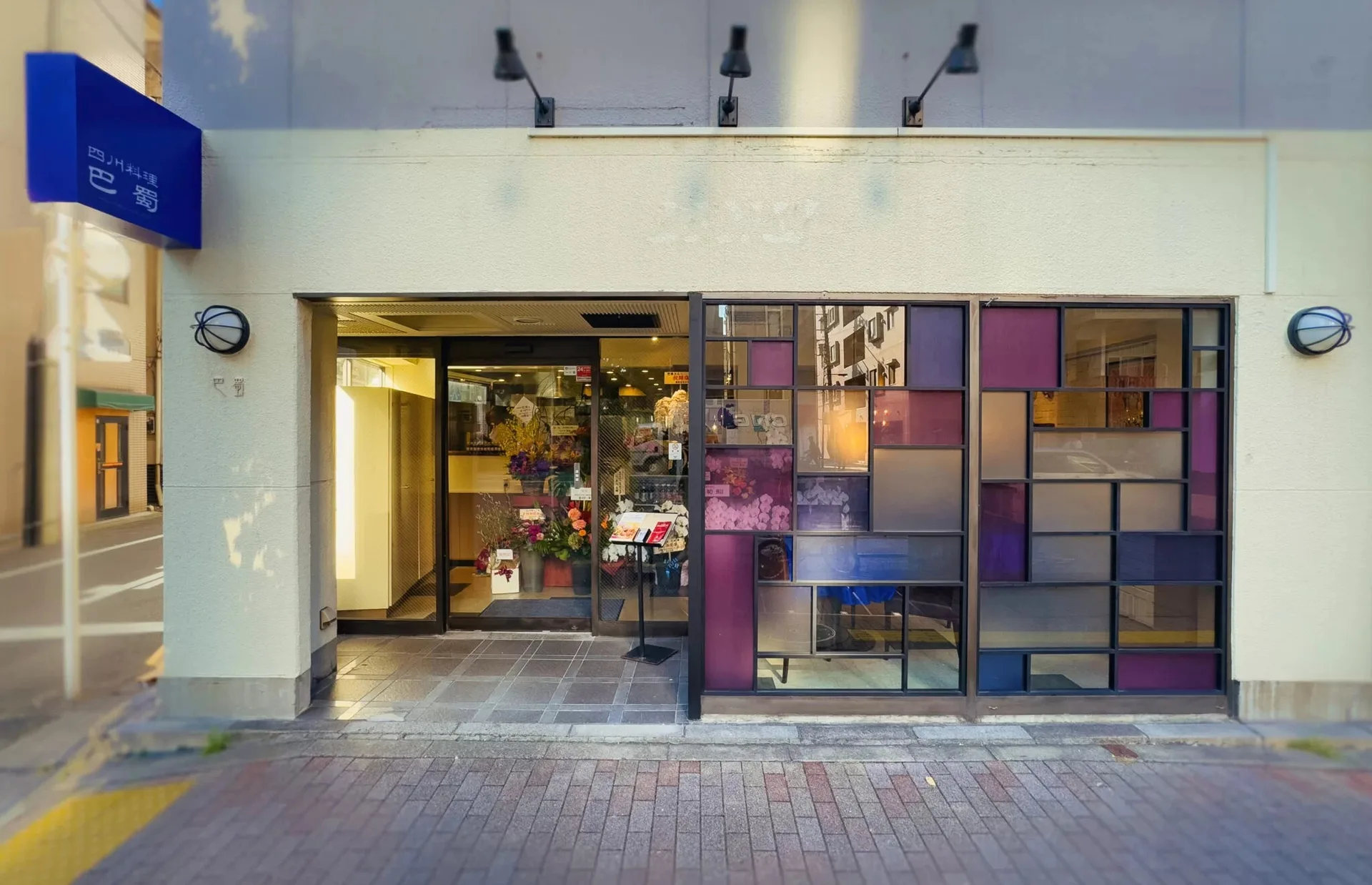
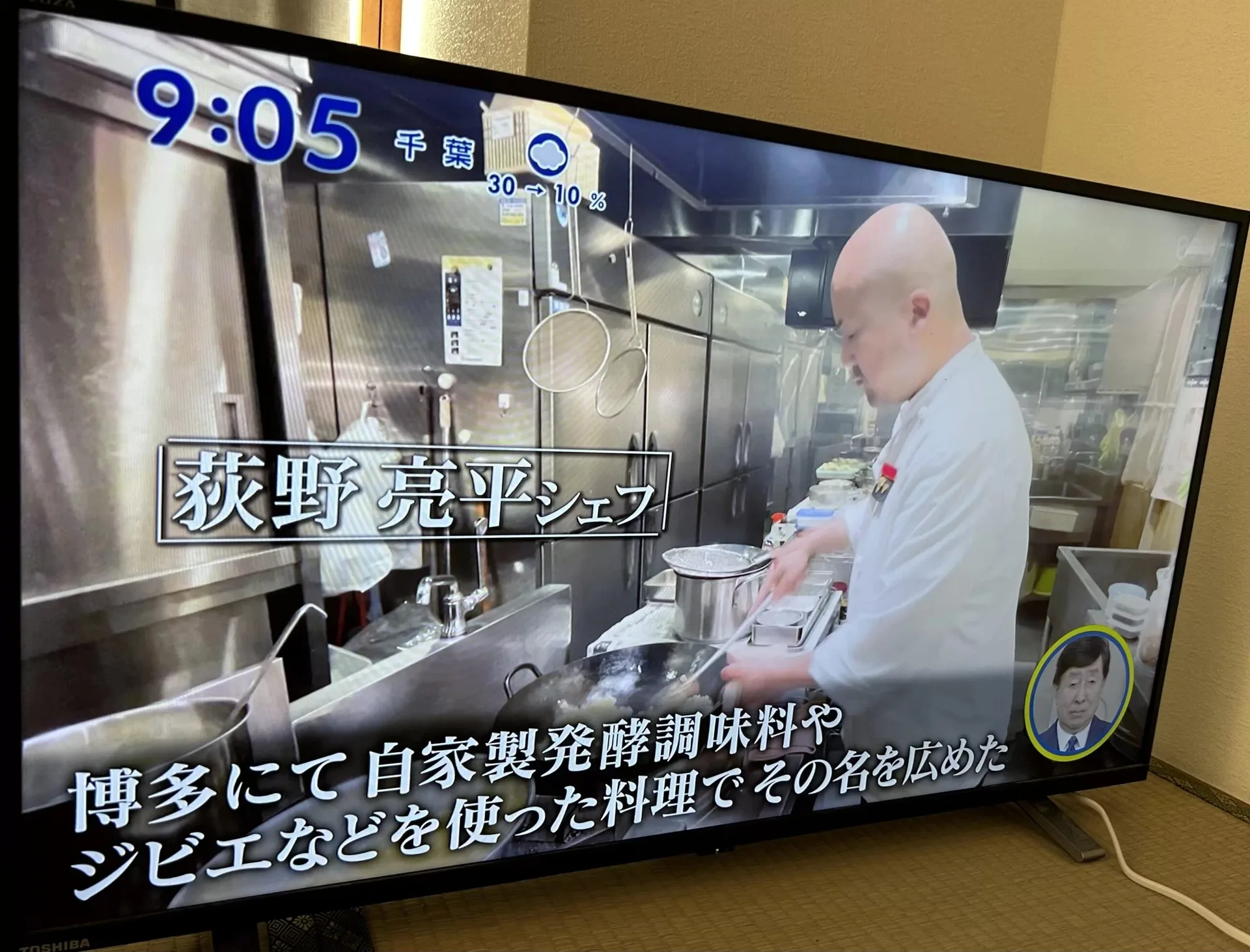
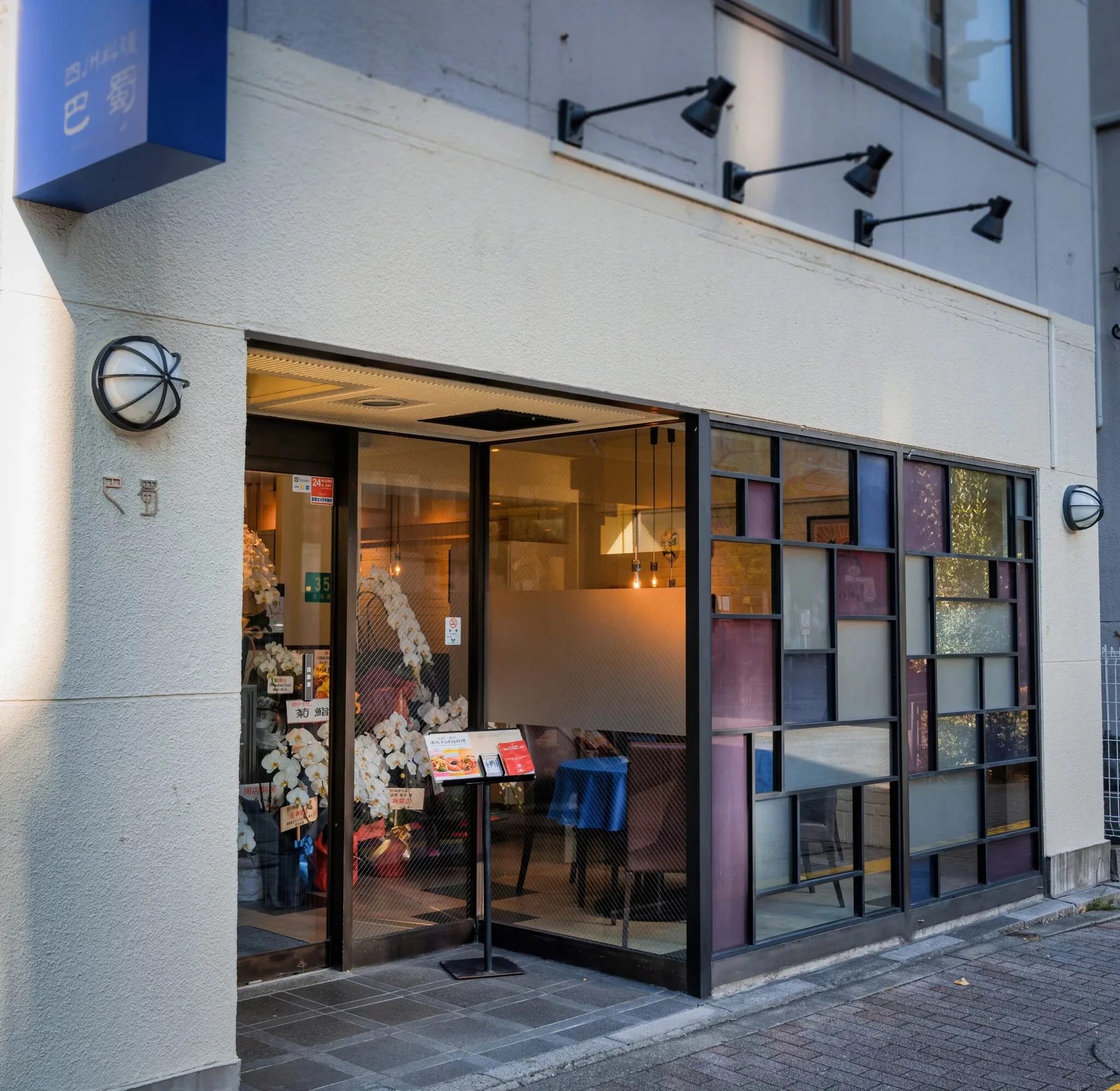
This dedication to historical accuracy earned the restaurant a 14 point rating from Gault&Millau. Patrons experience a calm environment where conversation flows easily over plates that prioritize provenance over theatrical presentation. The space feels grounded in material simplicity, matching the straightforward cooking methods used in the back. Visitors leave with a clearer understanding of how classic Sichuan cuisine evolved before becoming globally widespread.
Recognition

Ambience
Details