The story
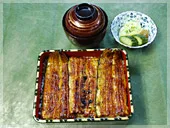
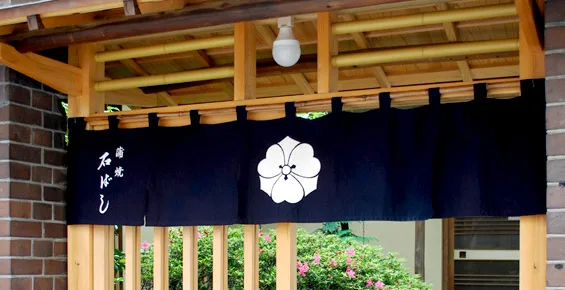
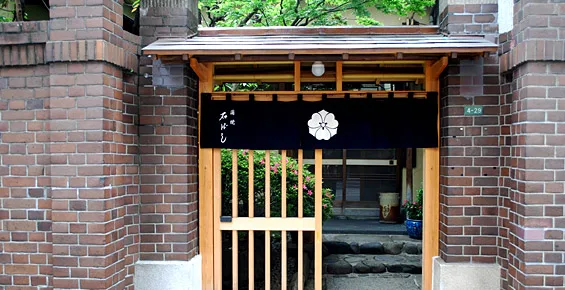
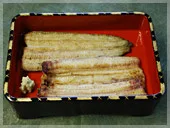
In Tokyo's quiet Bunkyo ward, Ishibashi has built a reputation around one thing: eel, prepared with a clarity that speaks to decades of practice. The restaurant's approach is direct and confident, offering unagi in forms that range from the classic unaju (eel over rice in a lacquered box) to shirayaki (grilled without sauce), letting the quality of the fish and the charcoal fire stand on their own.
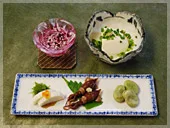
The menu is built around a few key variations. The unaju comes in jo (upper) and tokujo (special upper) grades, each served with pickles and a liver soup. For those who want to explore the eel more fully, the courses start at 19,000 yen and build through a sequence that includes a warm unagi chawanmushi (savory egg custard), kimo-yaki (grilled liver), and the house-made kotsu-senbei (bone crackers). The omakase course, from 24,000 yen, adds both shirayaki and kimo-yaki, offering a complete portrait of the ingredient.
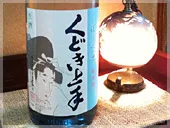
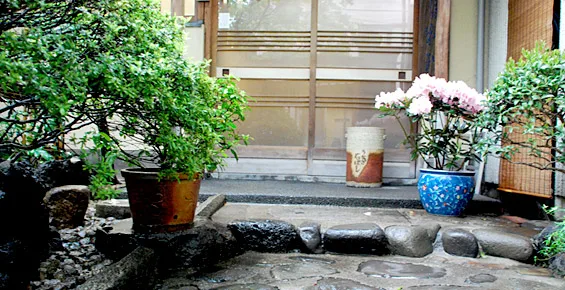
The restaurant's setting is refined but unhurried, with private rooms available. The drink list is curated to match the eel: a rotating selection of regional sake changes with the seasons, alongside beer, shochu, and a small wine list that includes Champagne and Burgundy. A notable detail is the restaurant's long-standing use of Wajima lacquerware from Ishikawa Prefecture, pieces dating from the Taisho and early Showa eras. After the 2024 Noto Peninsula earthquake, Ishibashi introduced a donation course, with part of the fee going to support the survival of this traditional craft.
Ishibashi holds a Michelin Recommended designation, a recognition that aligns with its quiet, uncompromising focus on unagi. It is a place for diners who value precision over novelty, and who understand that the best eel needs no embellishment.
Recognition

Ambience
Details
Location