
The story
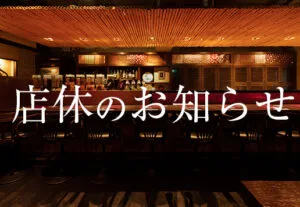
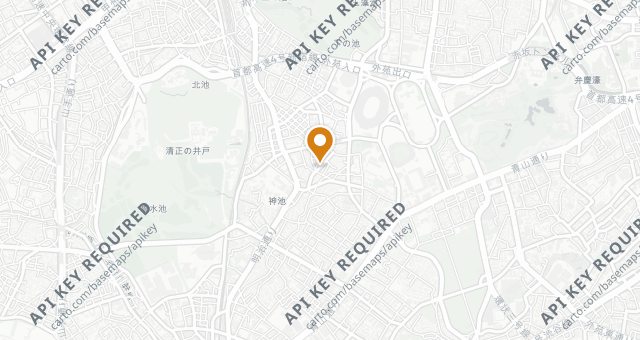
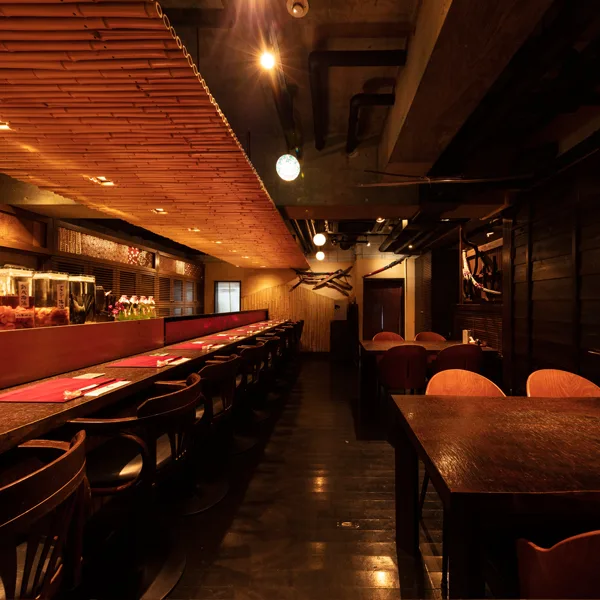
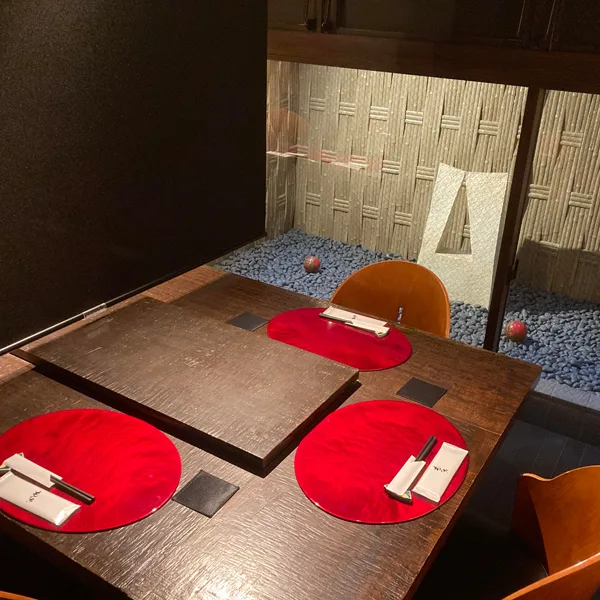
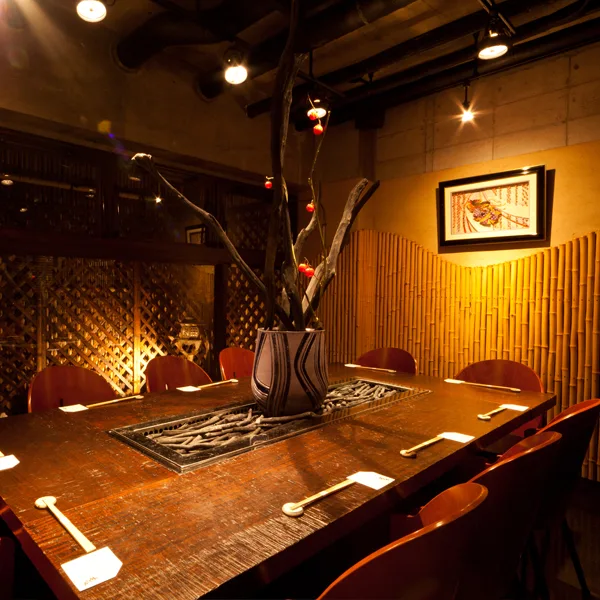
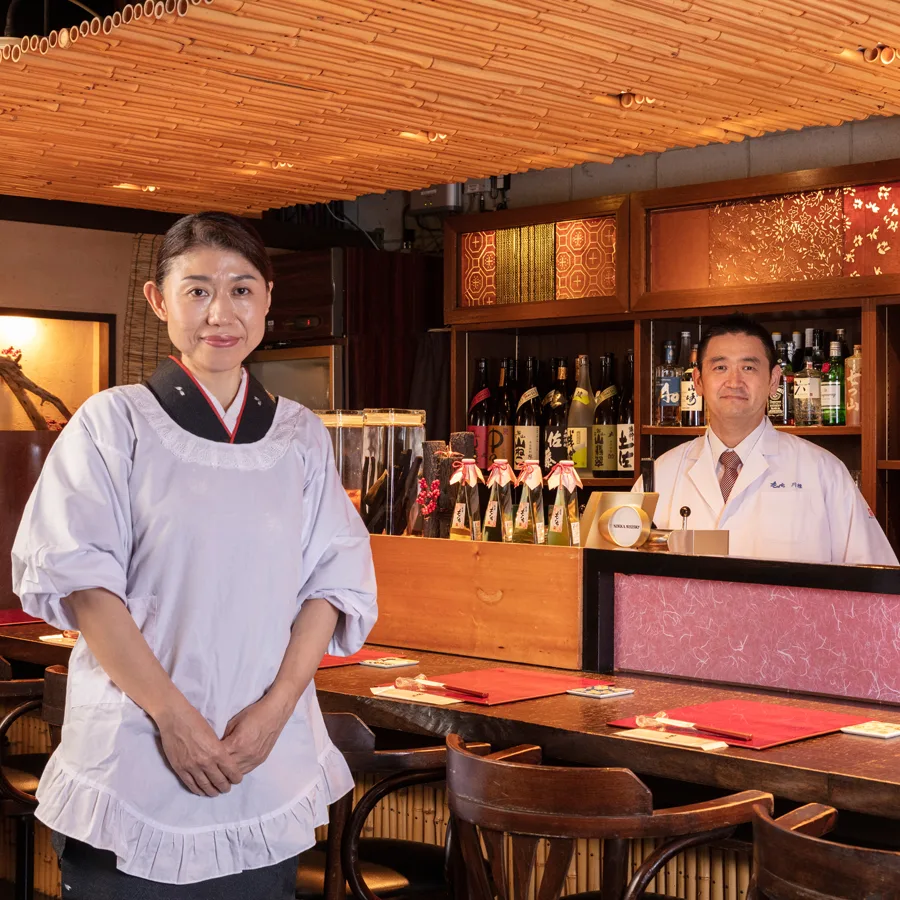
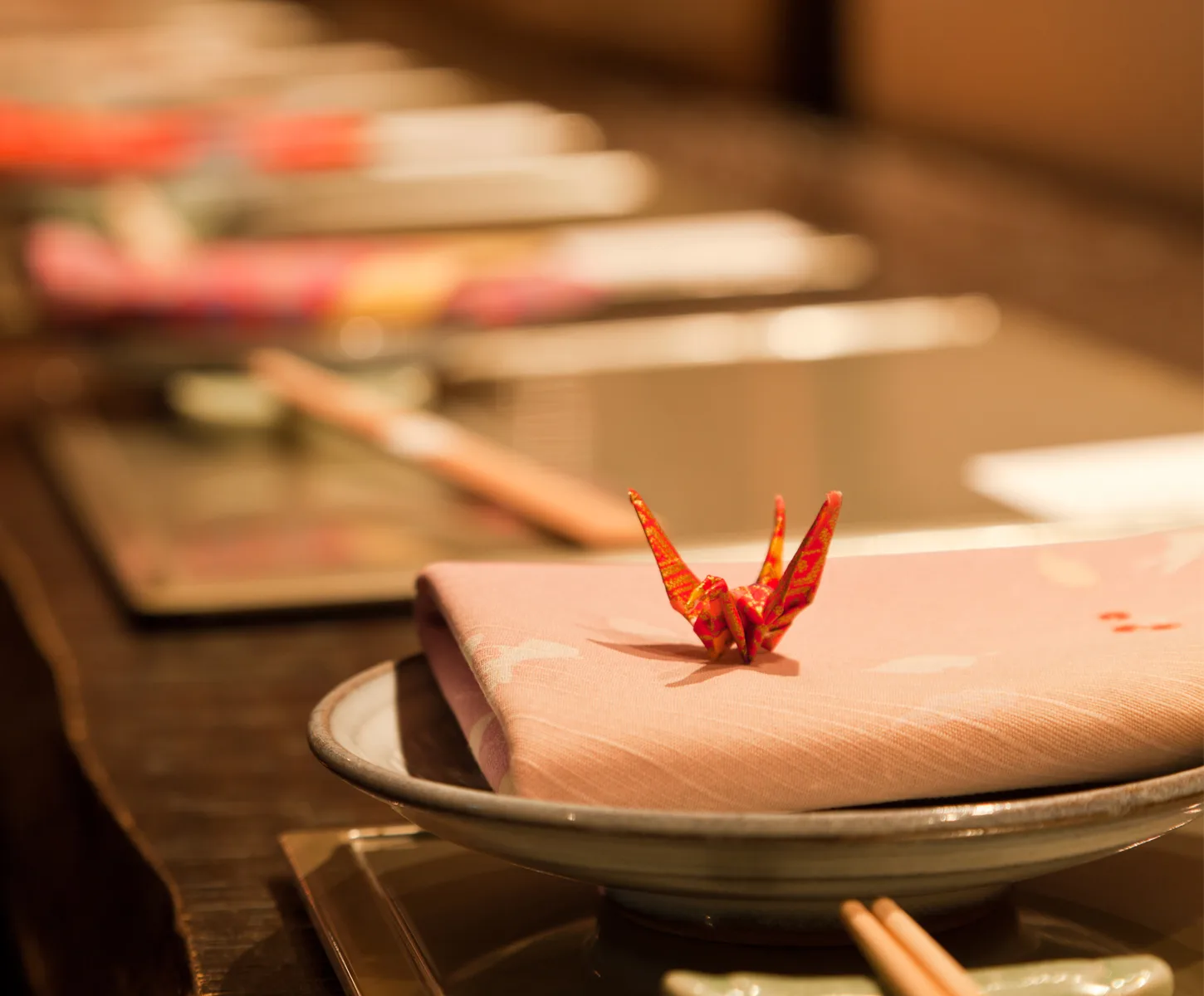
In a quiet street off Omotesando, Jingumae Higuchi occupies a basement level that feels like a discreet retreat. The interior, described by the team as “Reiwa modern Japanese,” blends traditional textures with clean lines. A polished wood counter dominates the room, allowing guests to watch the kitchen’s every move. There are also semi-private tables for four to fourteen, and a raised tatami area for up to six — spaces designed for business entertainment or intimate celebrations.
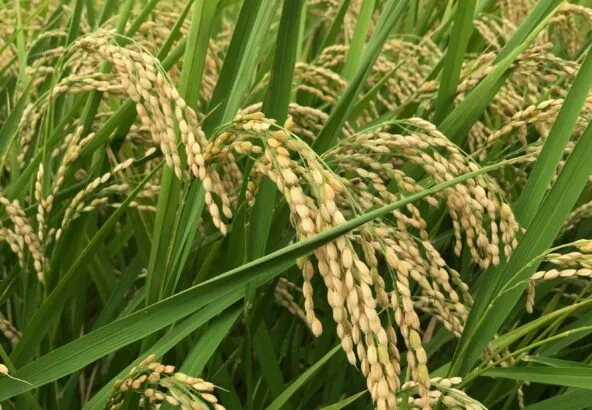
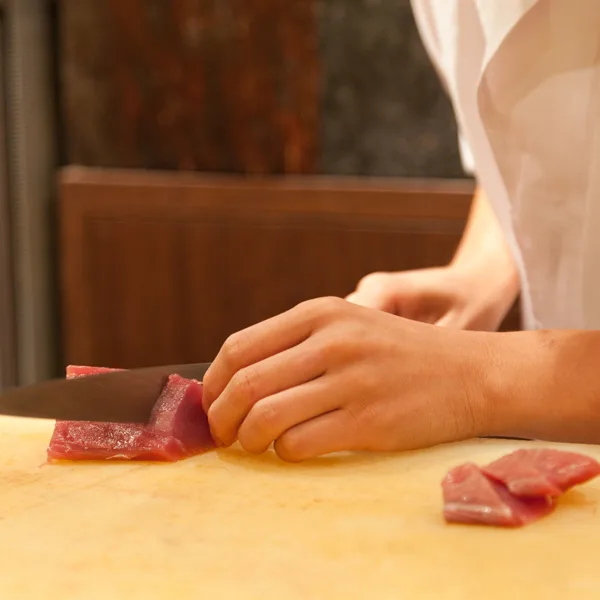
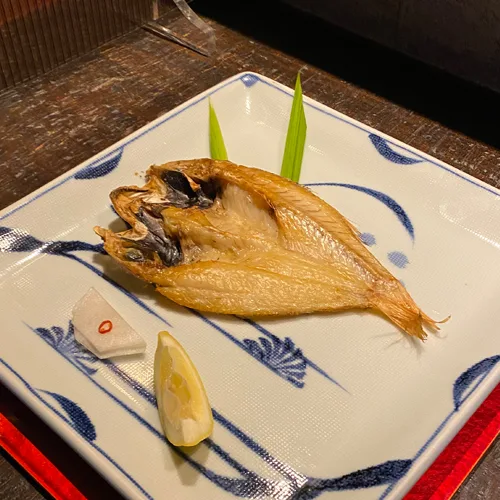
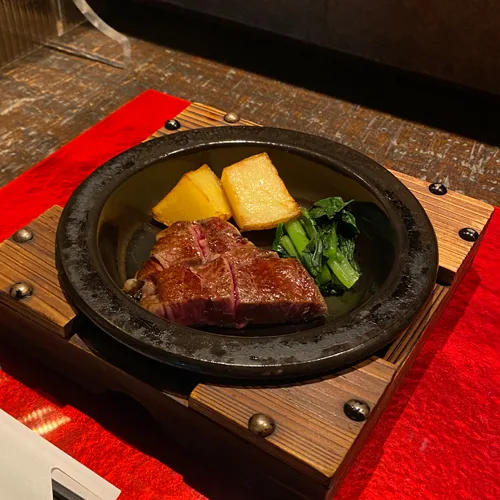
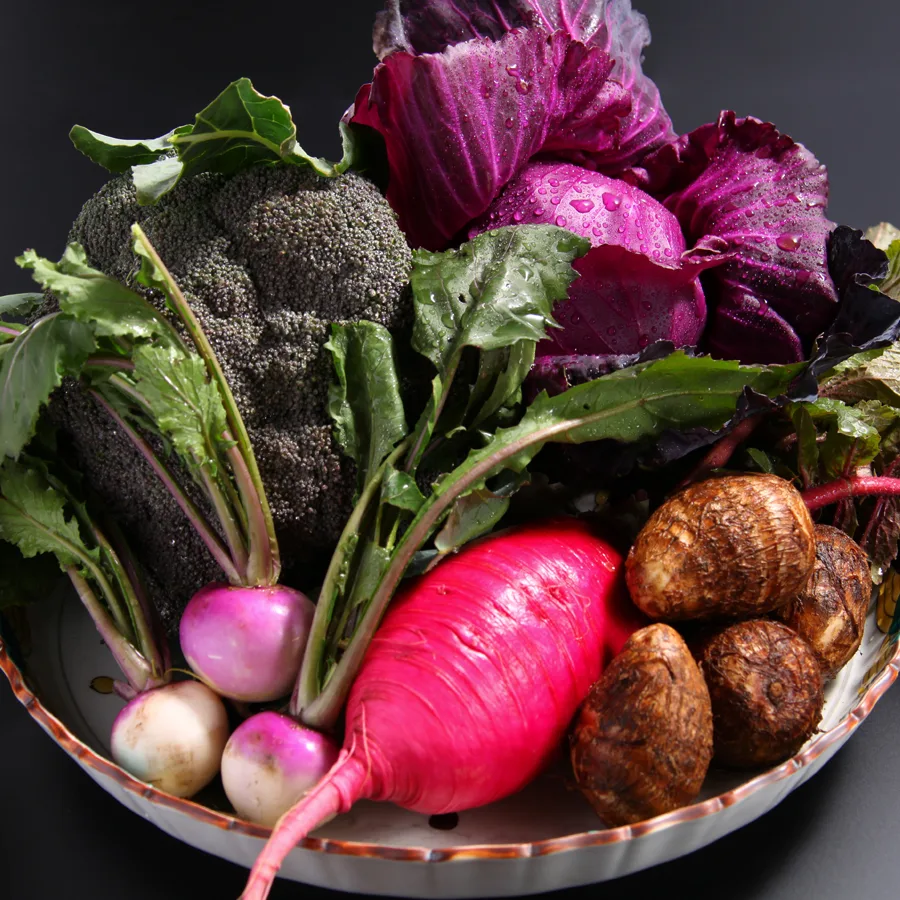
Chef-owner Teruhisa Kawane brings a farmer’s sensibility to the kitchen. His family-run Mokuchi Farm in Saitama supplies the restaurant with organic vegetables and rice harvested that same morning. “To make truly delicious food, we don’t want to cut corners,” he says. Every morning he personally shops at Toyosu Market for the day’s best fish and seasonal produce. The result is a style of Japanese cuisine that lets the ingredient speak first — then the technique.
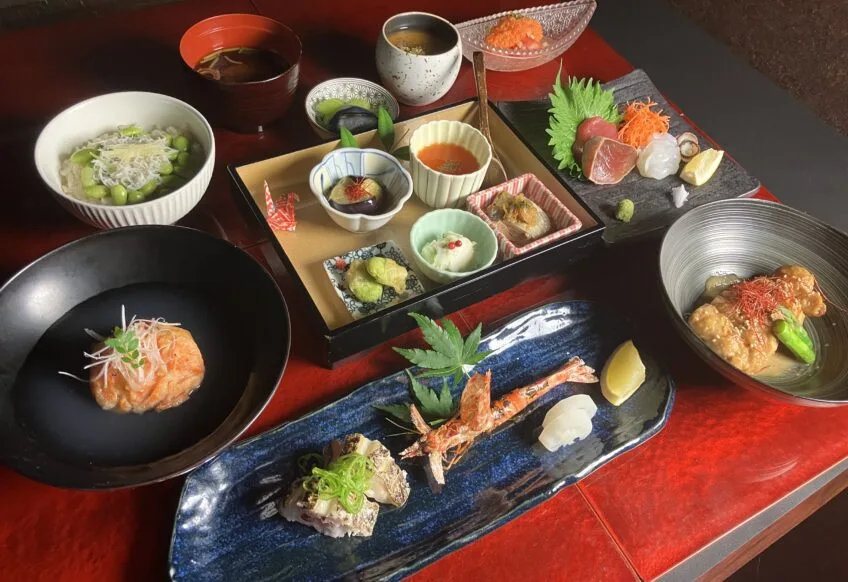
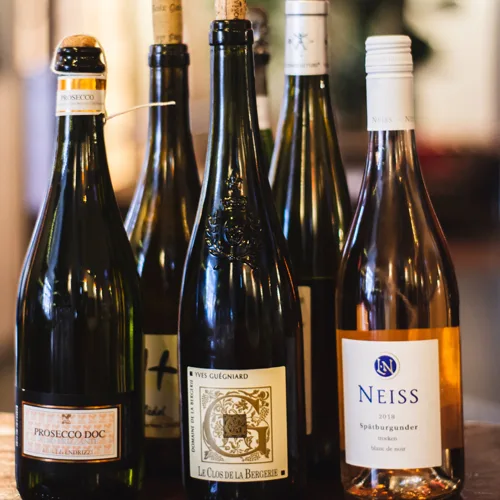
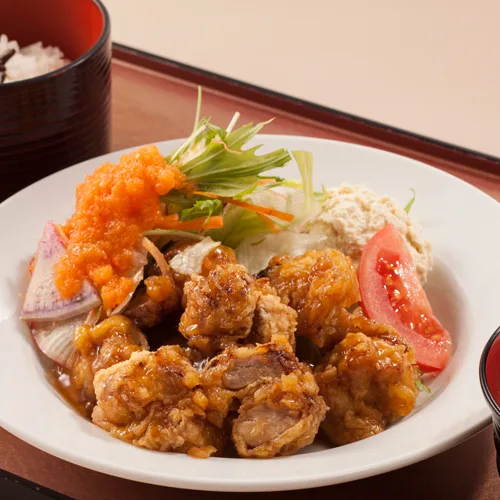
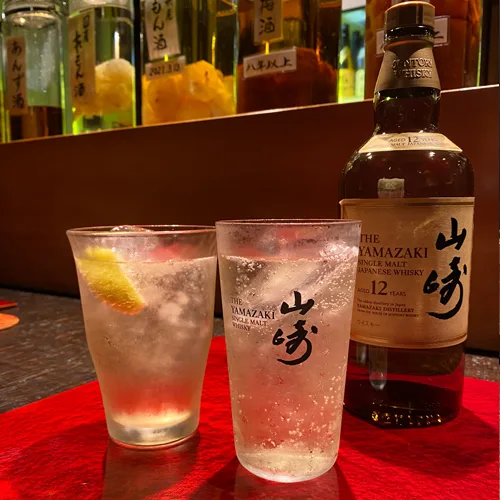
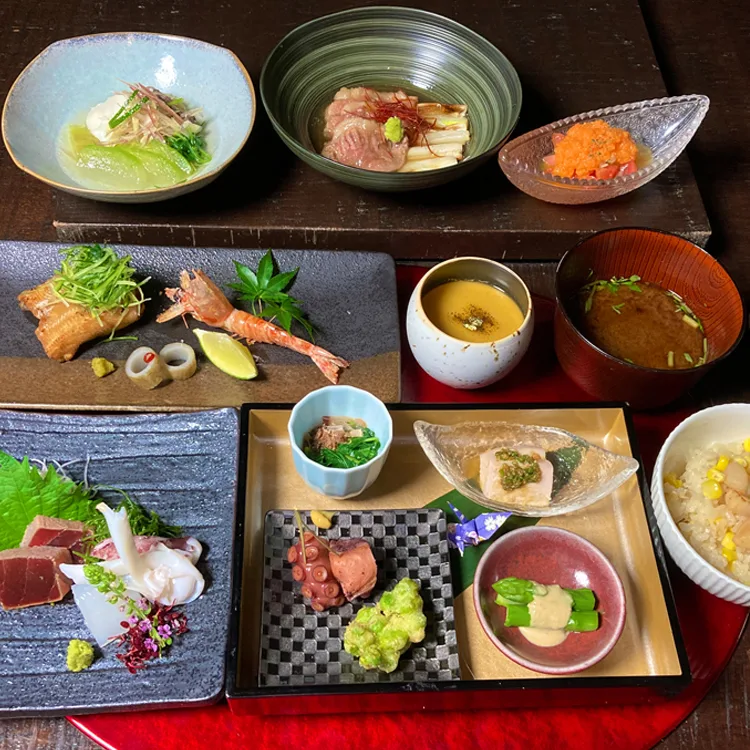
The menu changes monthly with three set courses that trace the calendar. A typical progression might begin with five kinds of appetizers, moving through a series of small plates that highlight umami and texture. Standout a la carte additions include Unzen ham cutlet and pork braised in Japanese style. A finish of Kurashiki hōjicha pudding is a house classic. The drink list complements the food with house-made fruit liqueurs, a rotating selection of sake and shochu, kakigōri highballs, and natural wines.
Jingumae Higuchi earned two Michelin stars in the 2026 guide — a recognition that aligns with the restaurant’s unwavering focus on quality. The warmth of the service, the precision of the cooking, and the tangible connection to the land through its own farm make this a rare address for thoughtful Japanese cuisine in Tokyo.
Recognition

Ambience

Details
Location

 Instagram