The story
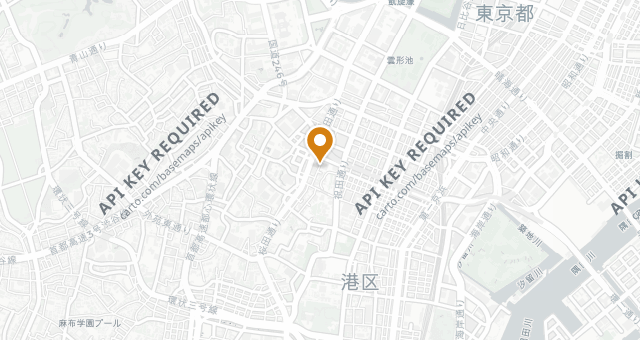
"はい、かんだでございます" — "Yes, this is Kanda." For chef-owner Hiroyuki Kanda, that simple phrase has always been the answer to the phone, whether the caller was a guest, a relative, or a friend. His childhood home in Okinawa was both a restaurant and a family residence, and the name Kanda belonged to both. After eighteen years in Azabu, Kanda moved to Toranomon, but the spirit remains unchanged: this is still a family home, and guests are welcomed as such.
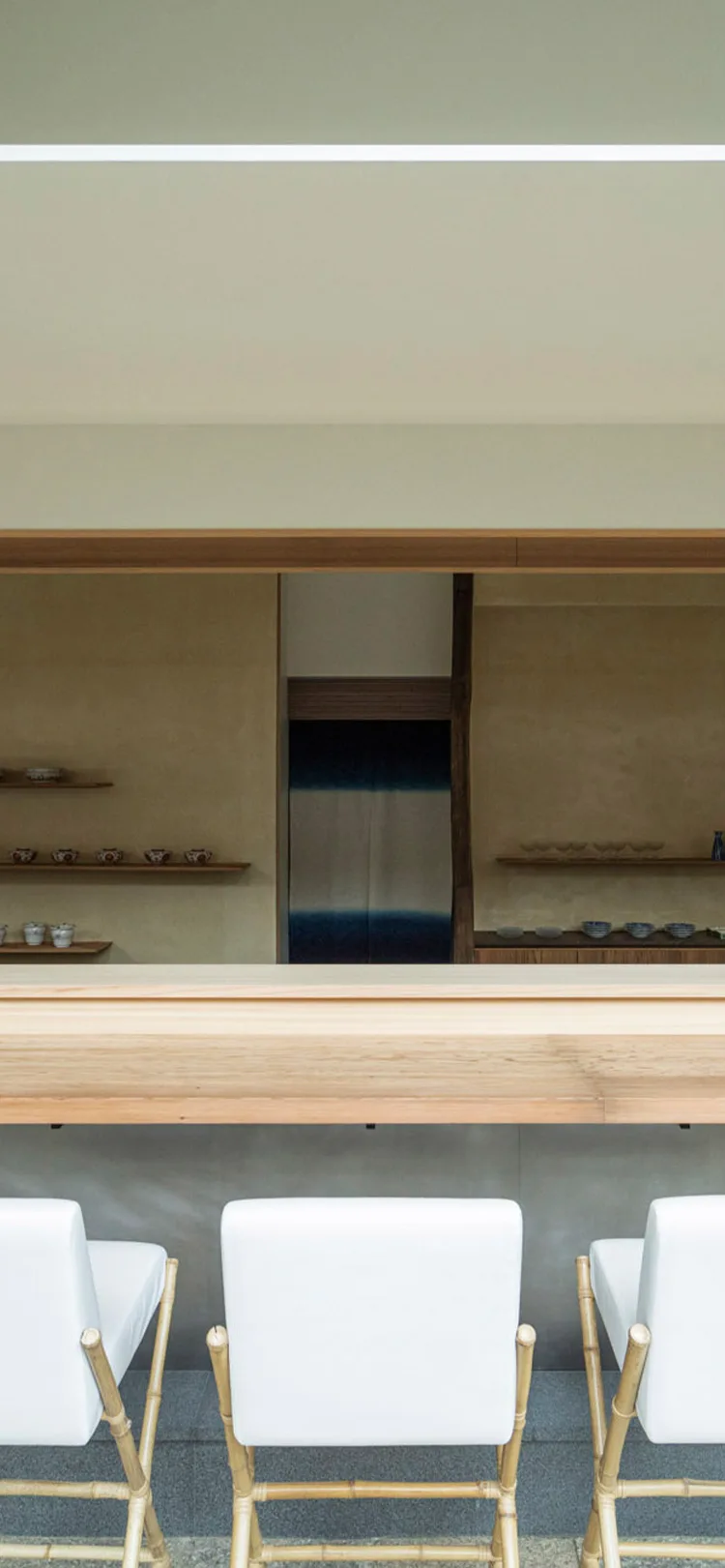
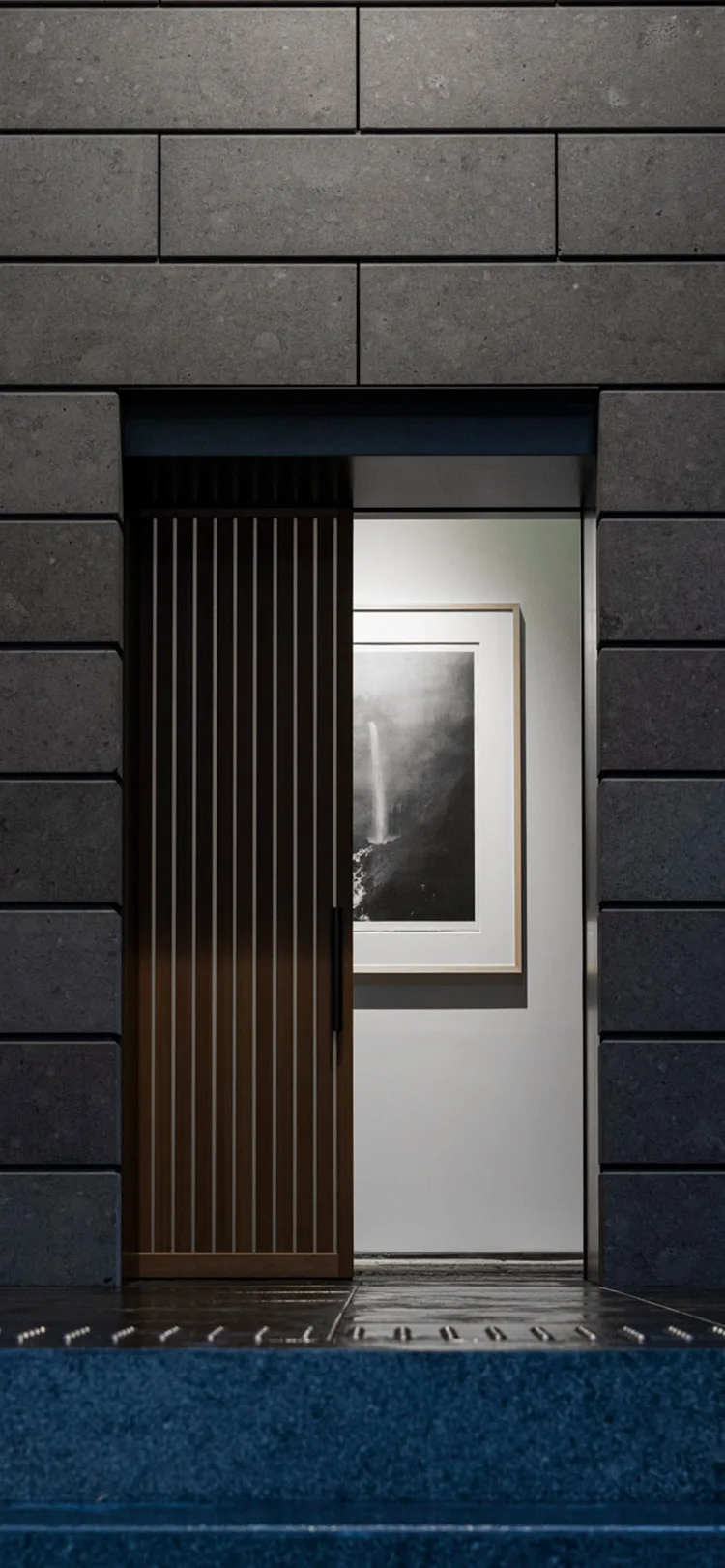
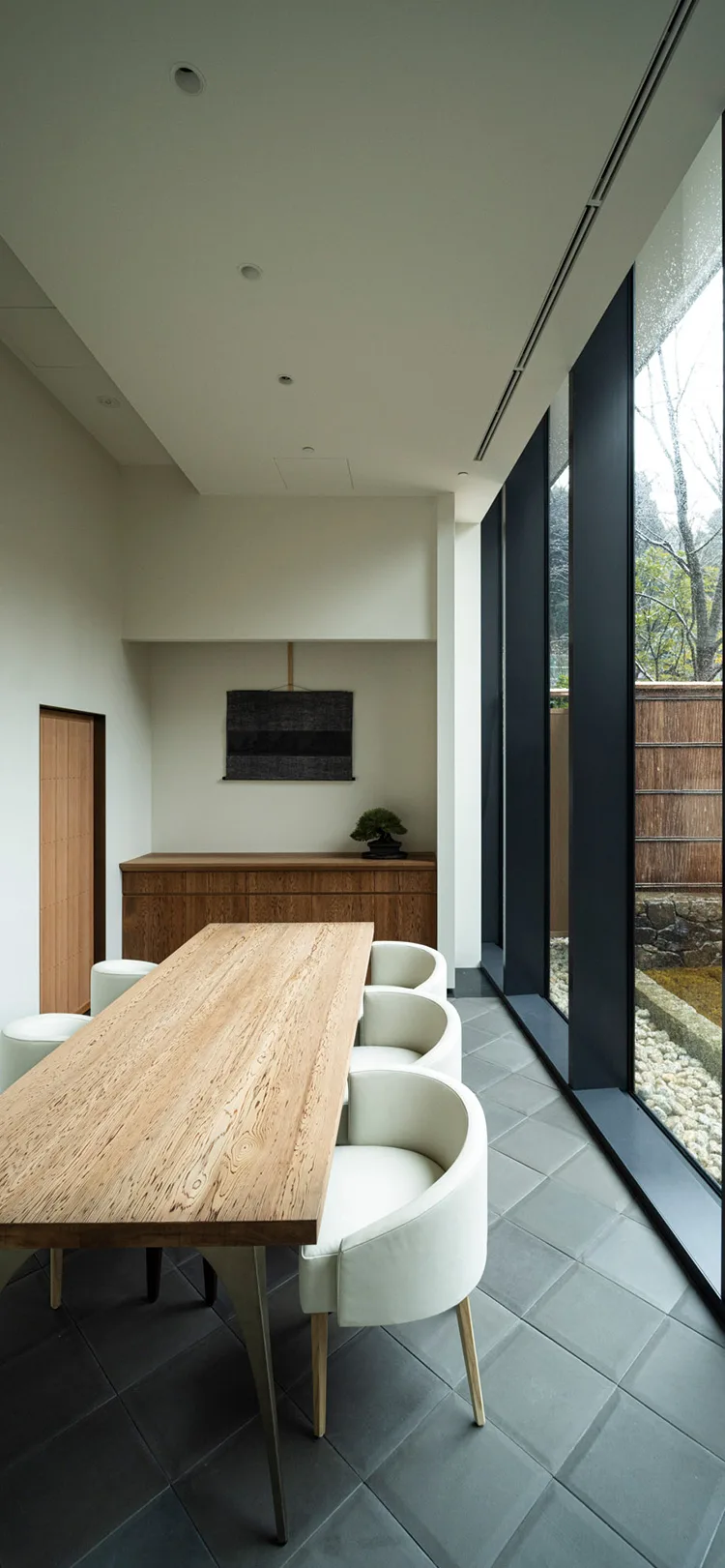
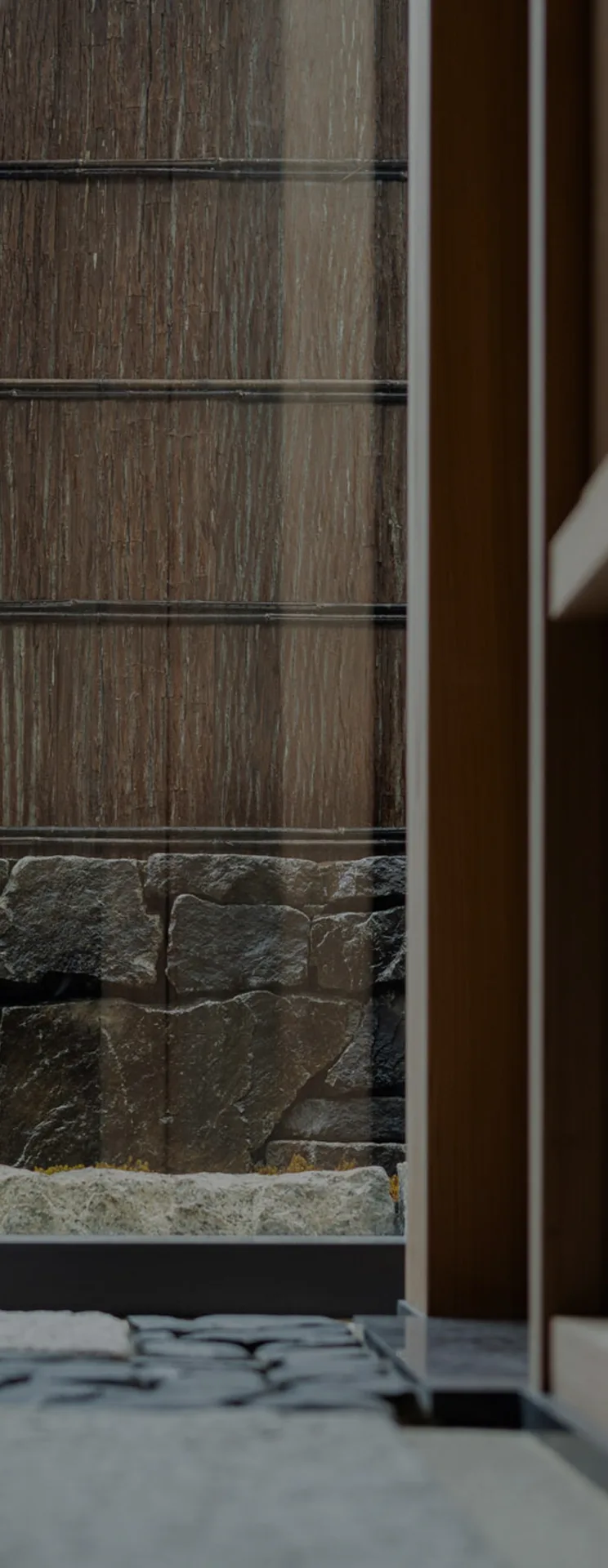
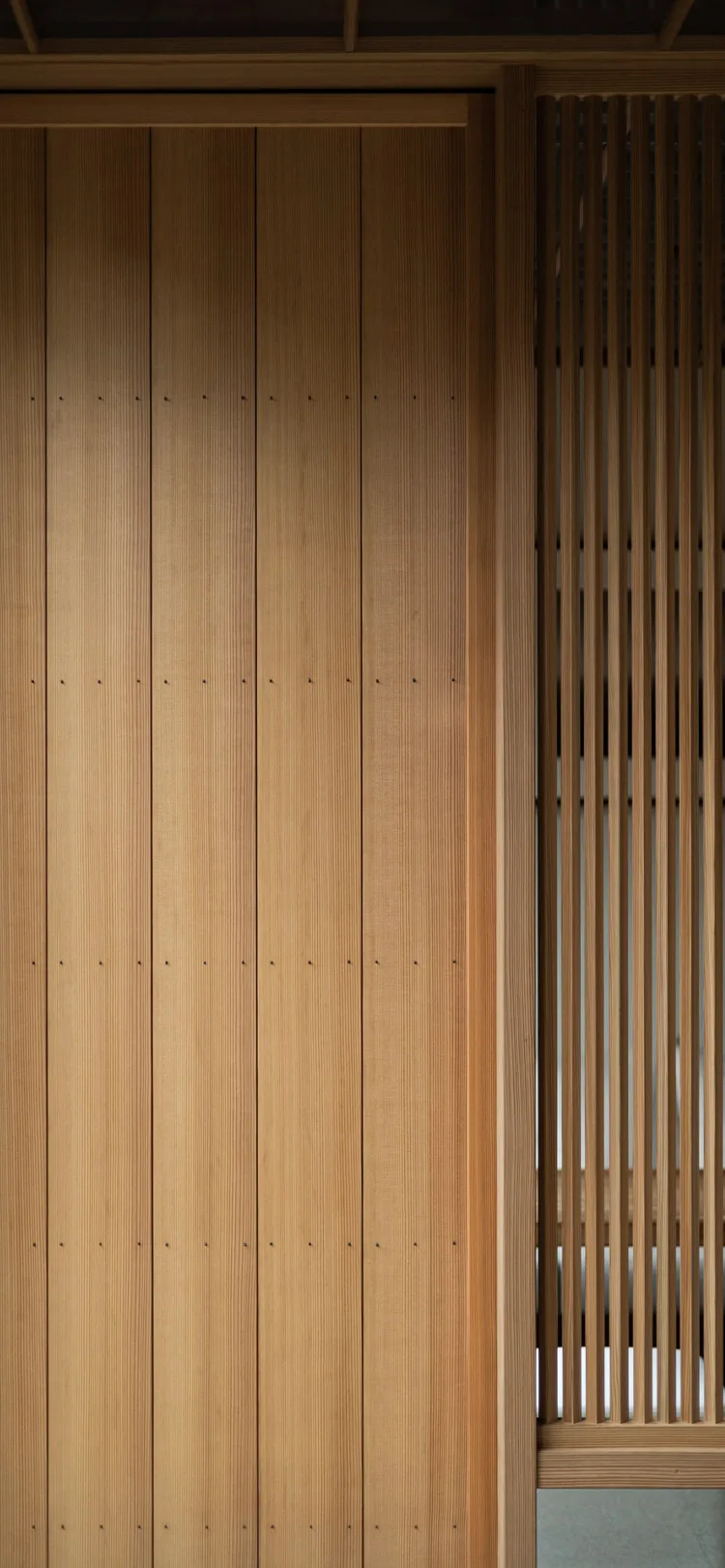
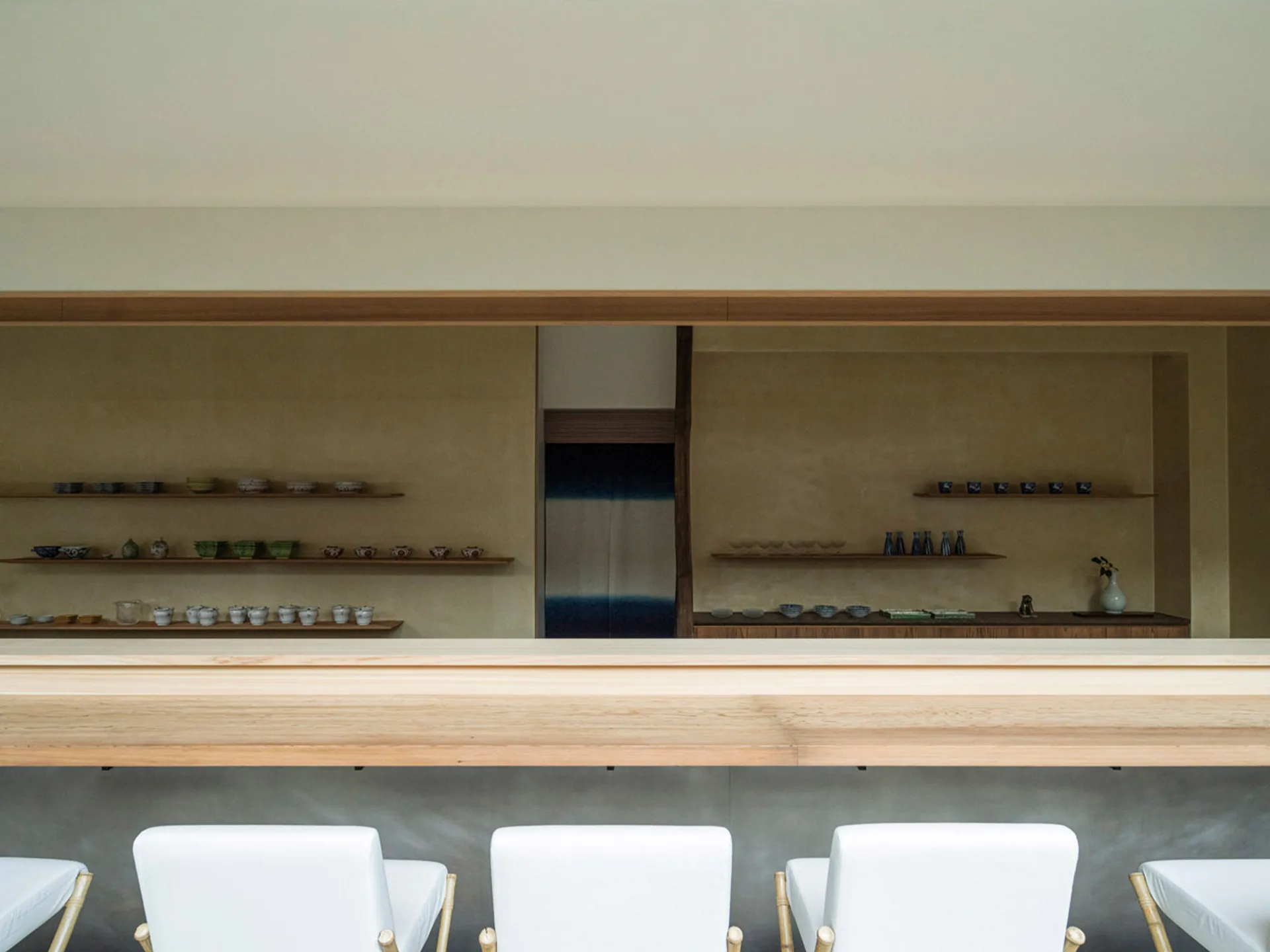
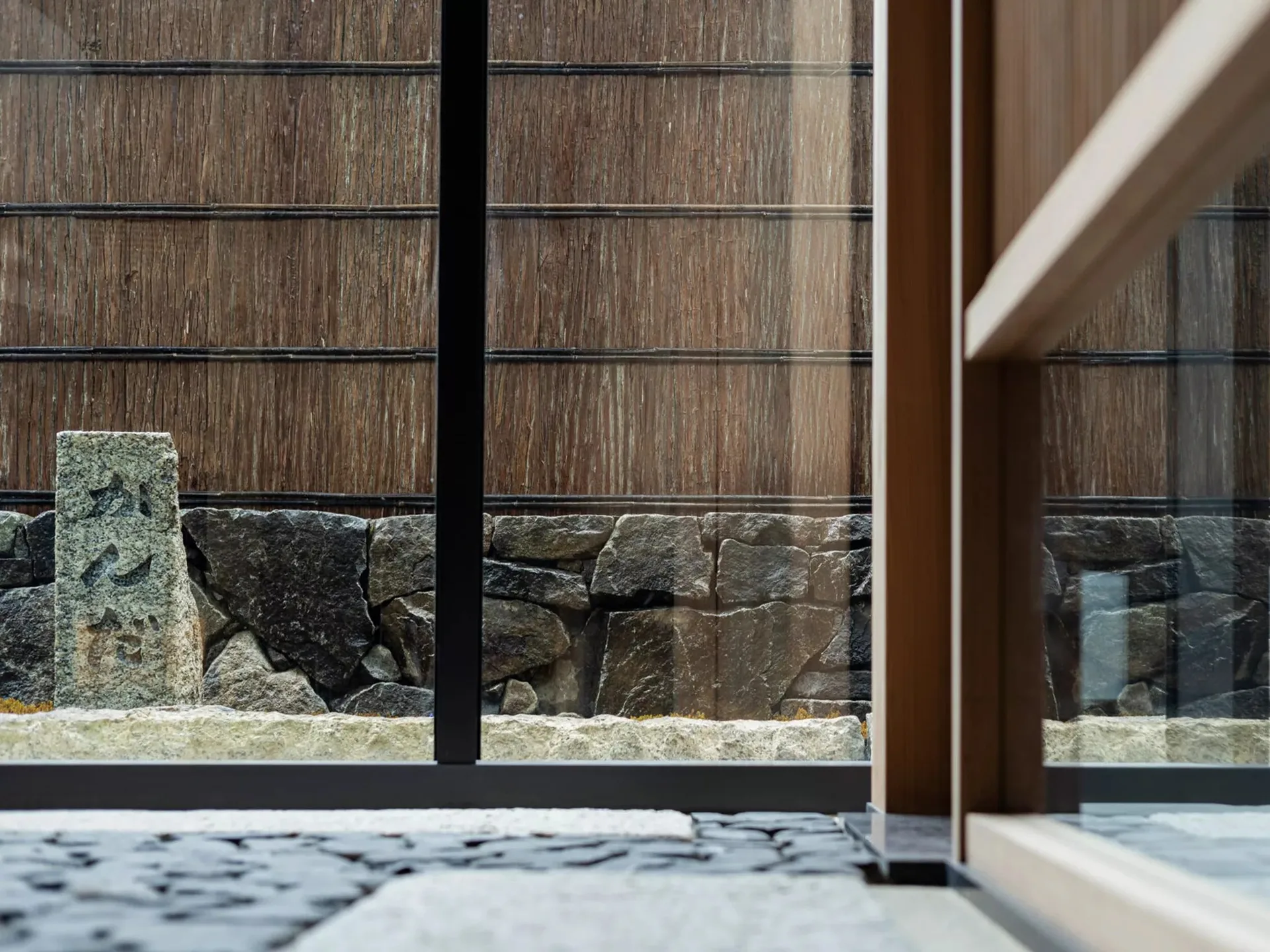
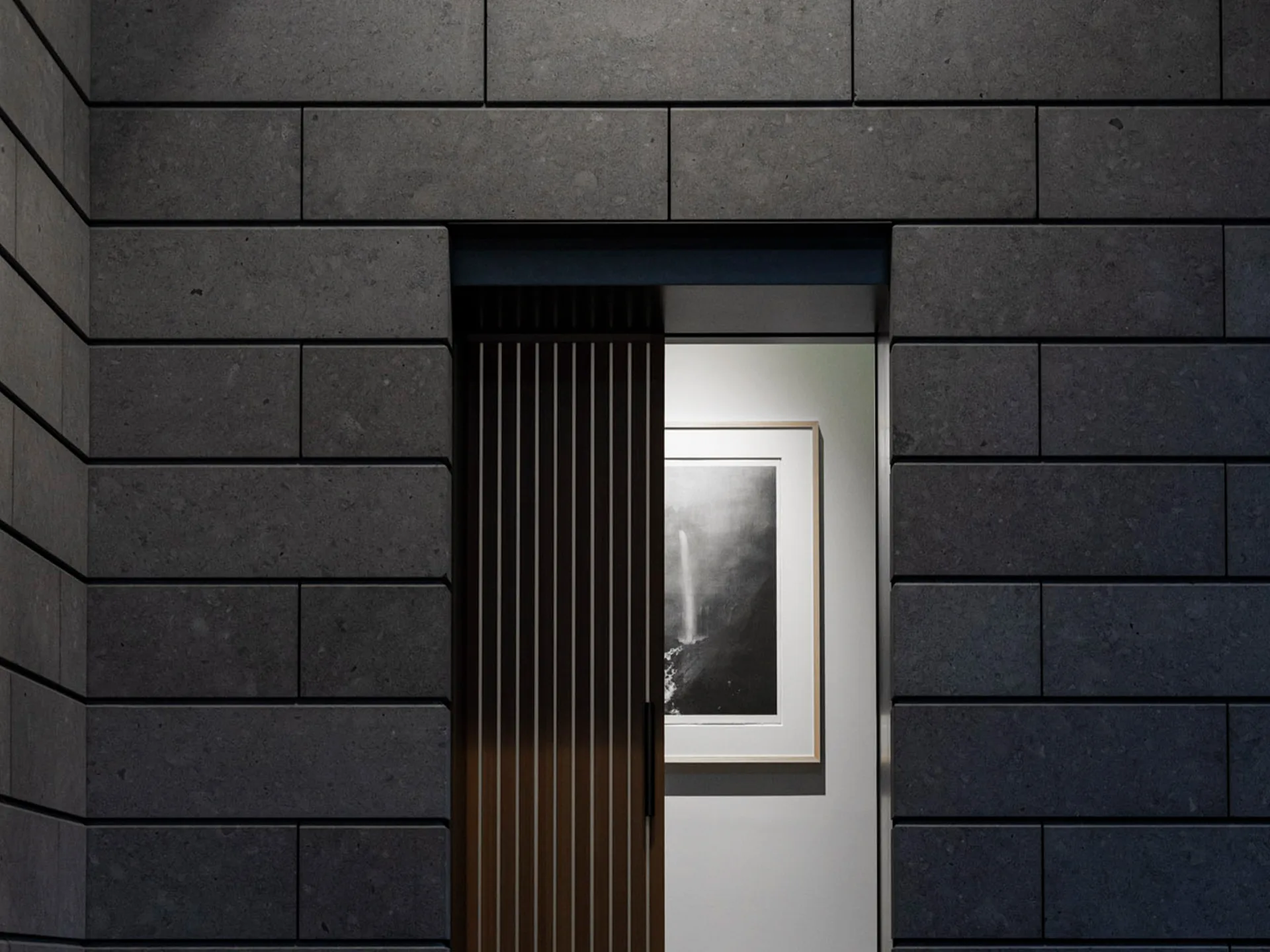
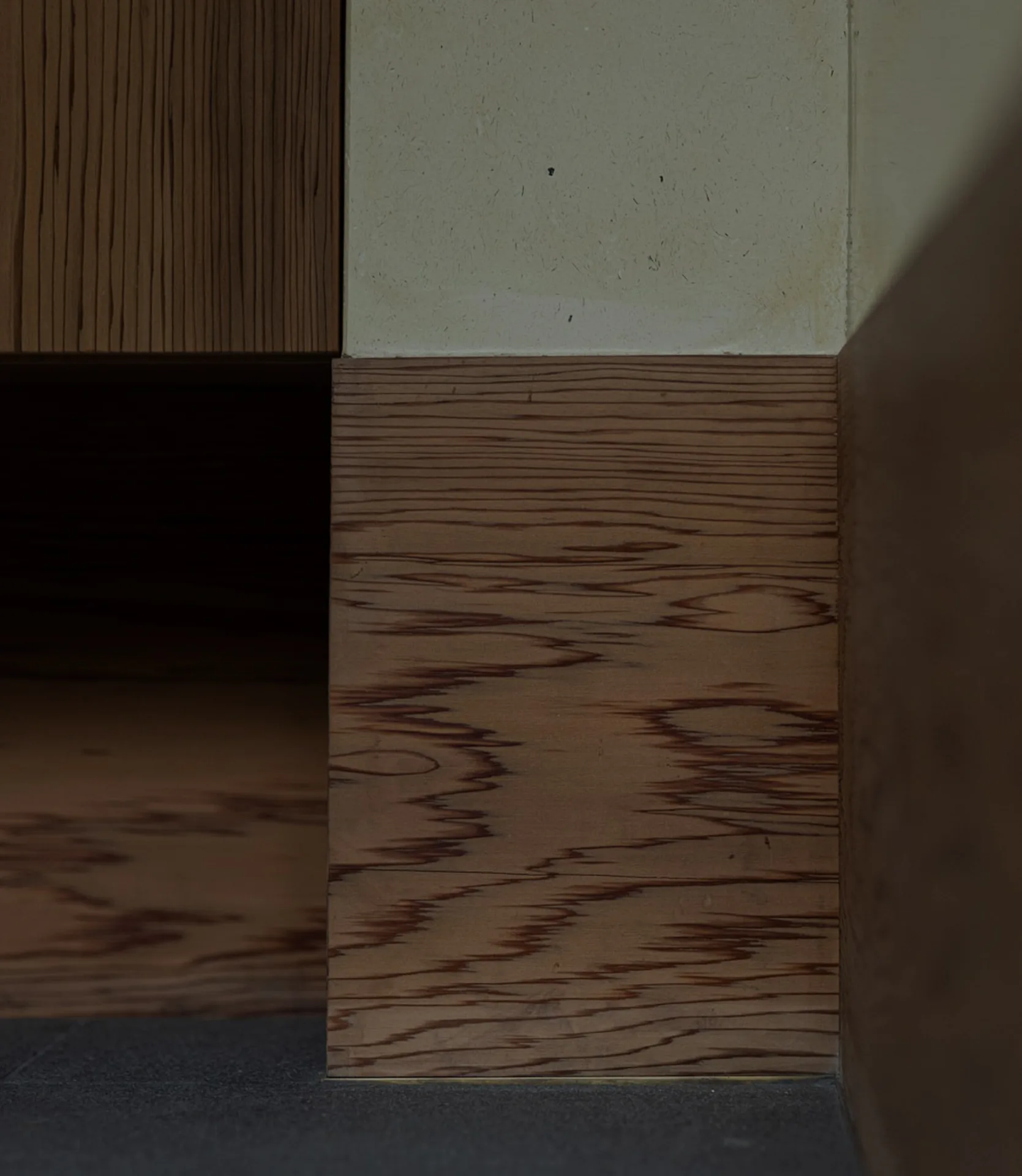
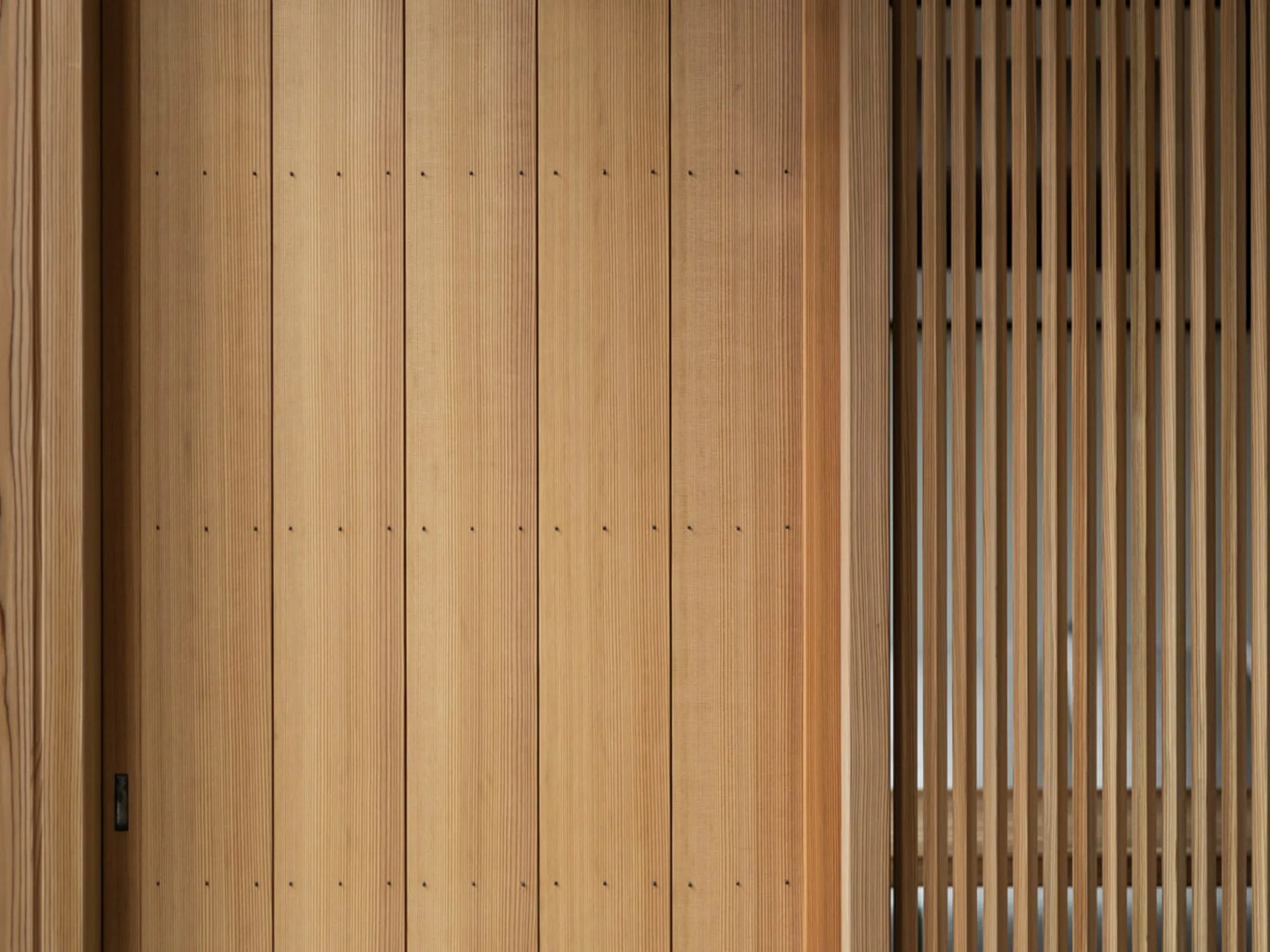
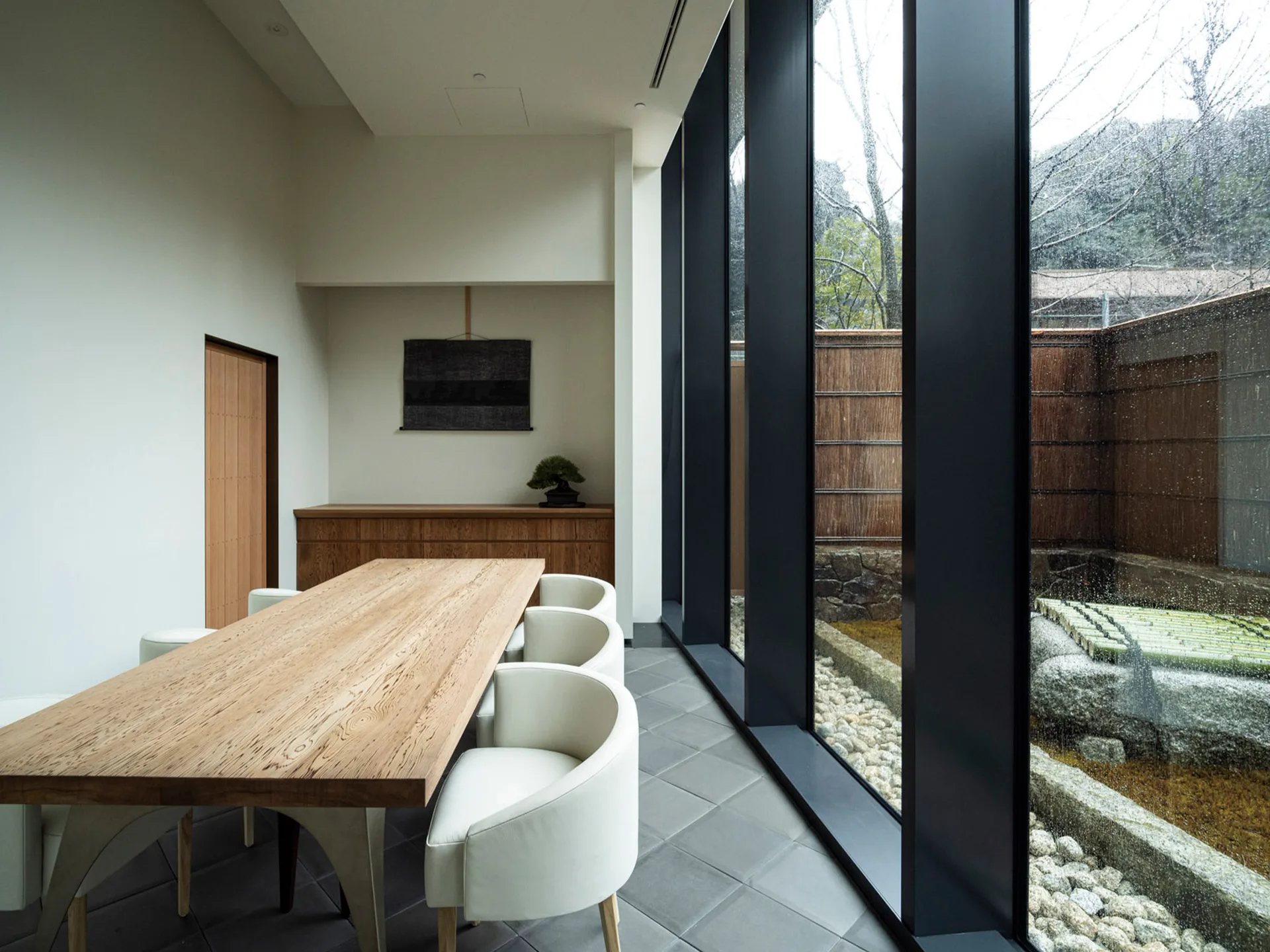
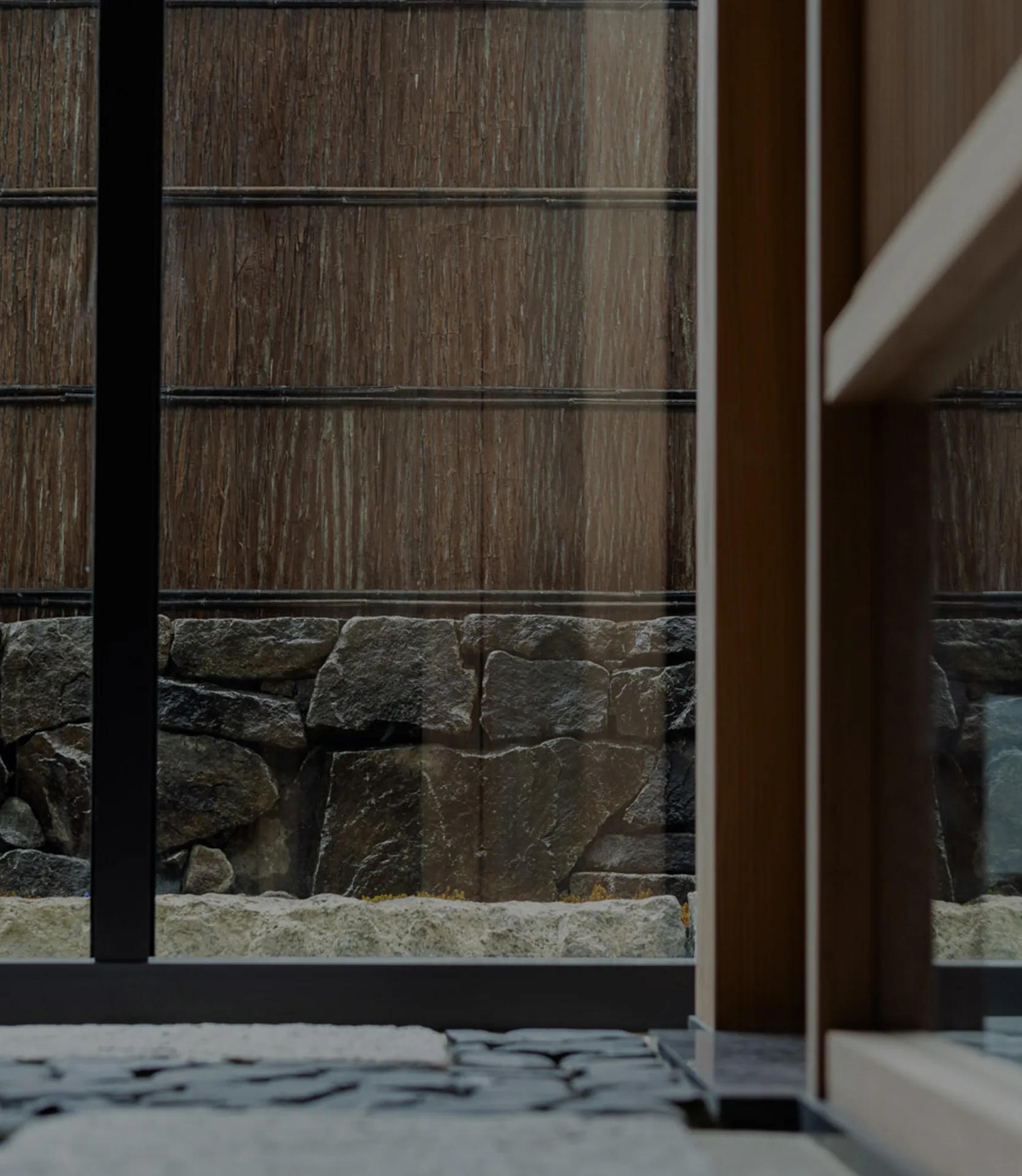
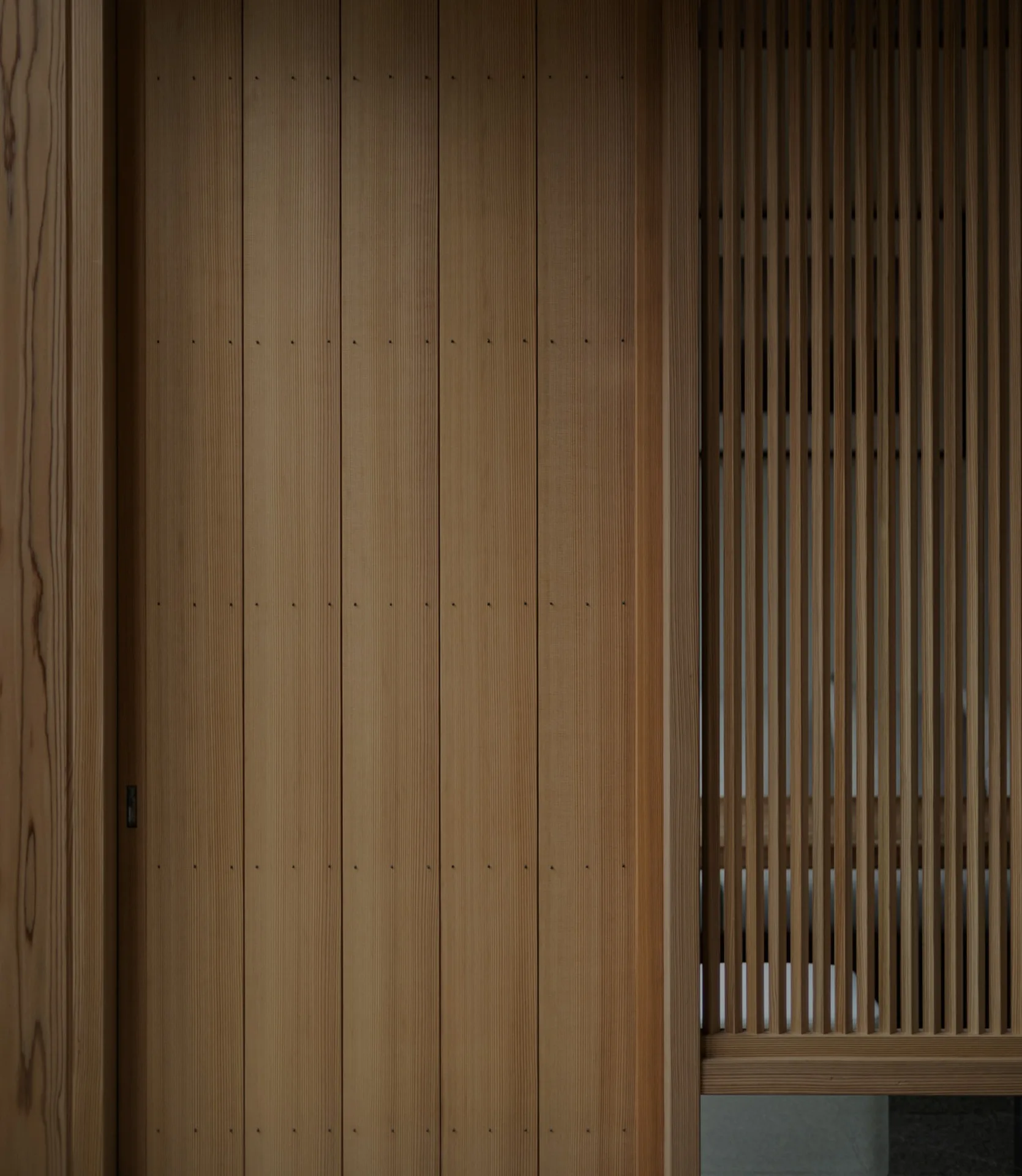
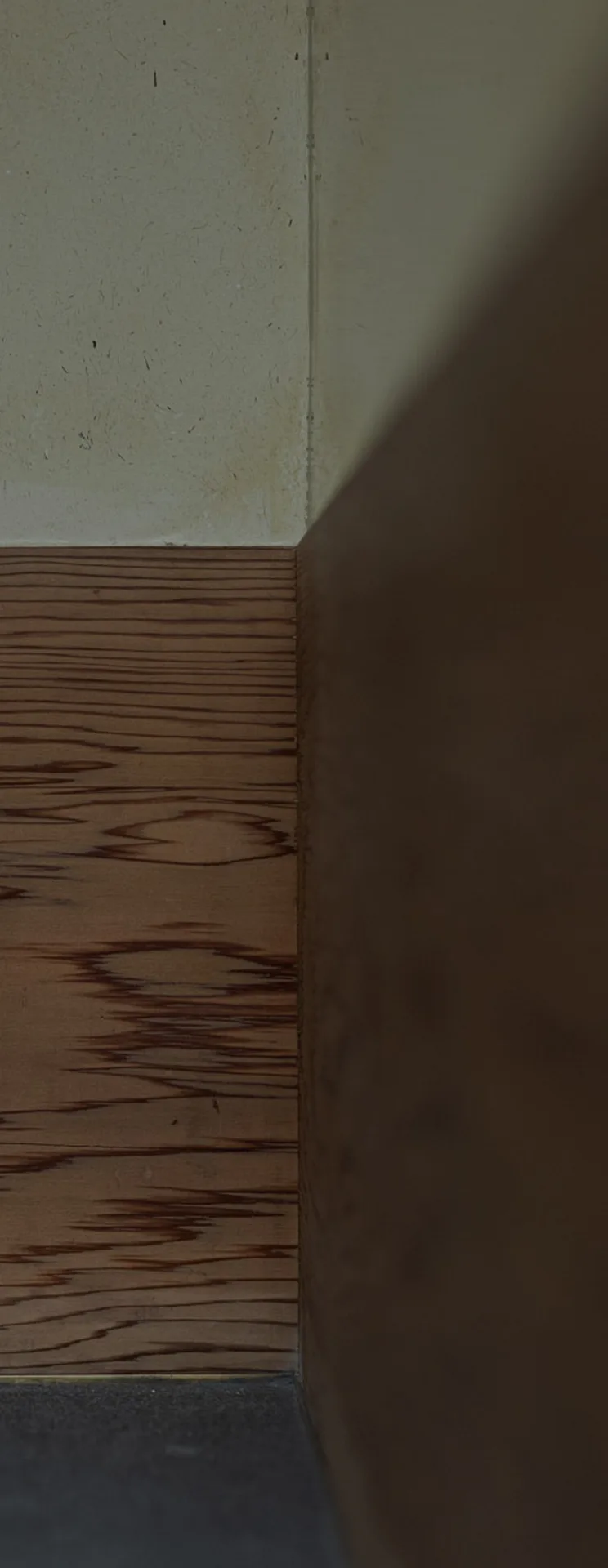
The new space, designed by architect Hiroshi Sugimoto, was conceived with deliberate restraint. The nine-seat counter and single private room remain, but every detail has been refined. The counter itself is made from fine Kasuga-sugi cedar; behind the chef's station, a pillar of ancient rhomboid Tenpyo timber, traditionally associated with the Shōsōin treasure house, anchors the room. The lighting is a diffused surface source, without point lights, designed to make the food and the chef's presence stand out. A roji-style garden, enclosed by cedar-bark fences, features an antique well frame and a small Inari shrine, creating a quiet, contemplative space in the middle of the city. All furniture is custom-made, including counter stools with bamboo-wrapped iron cores.
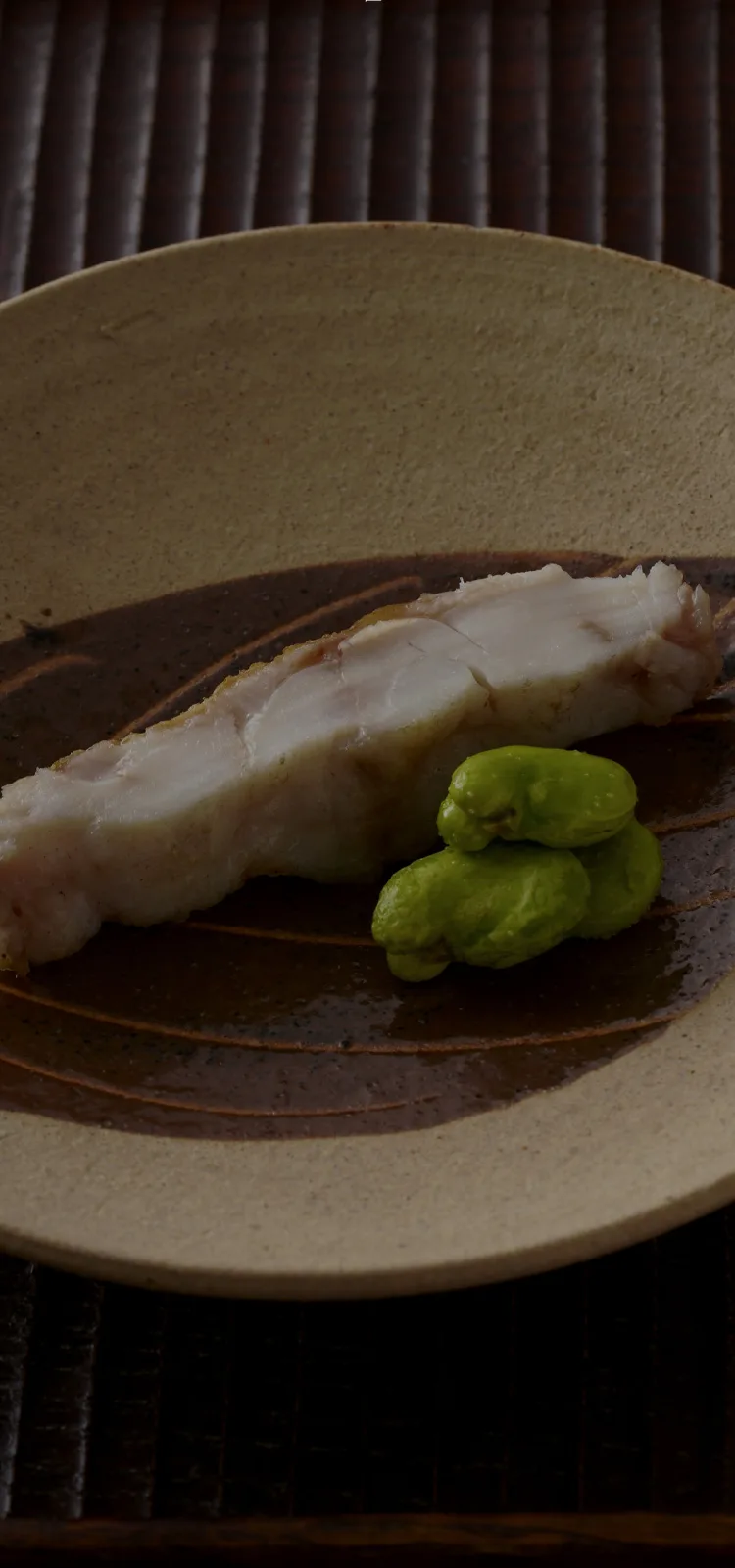
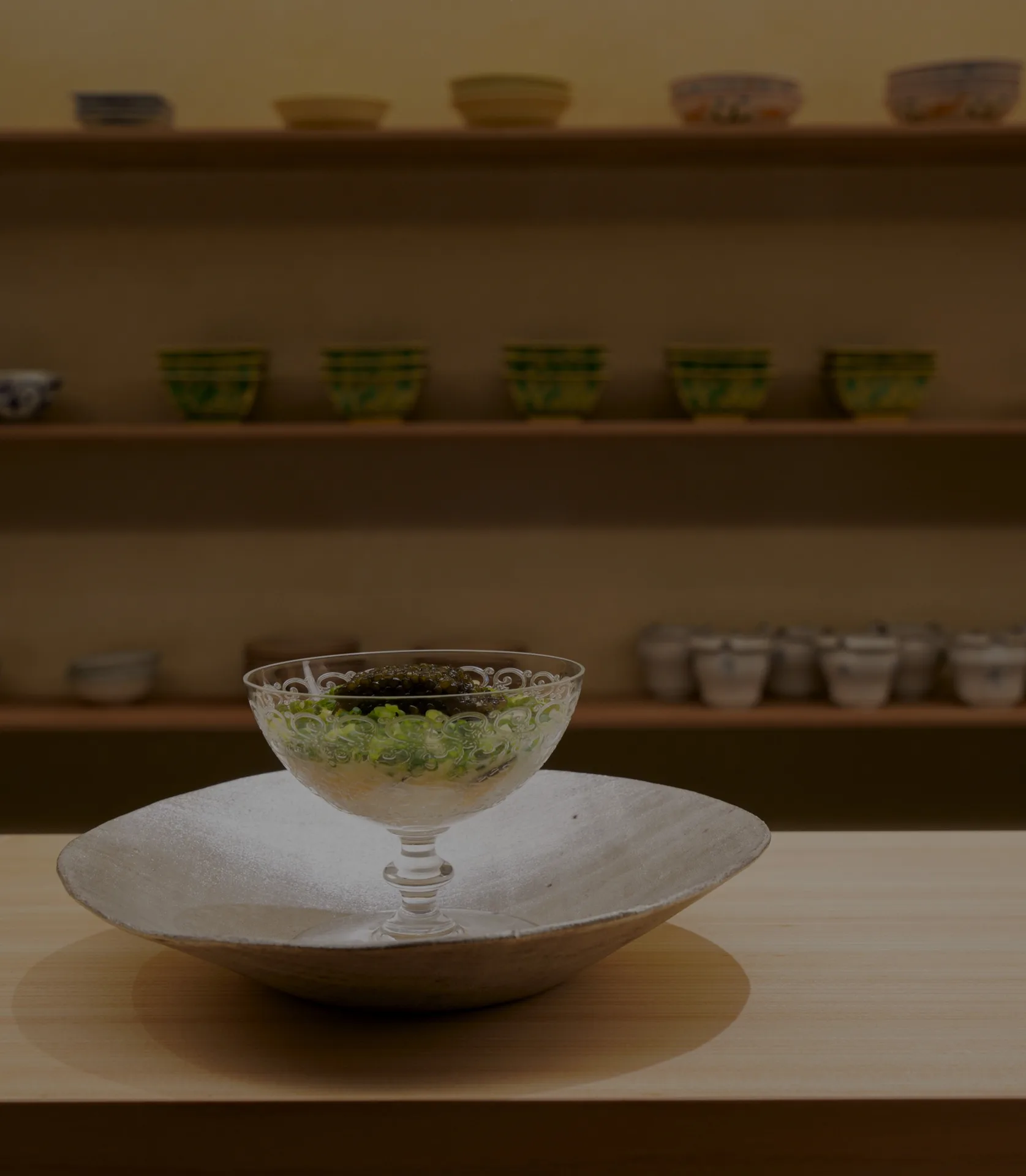
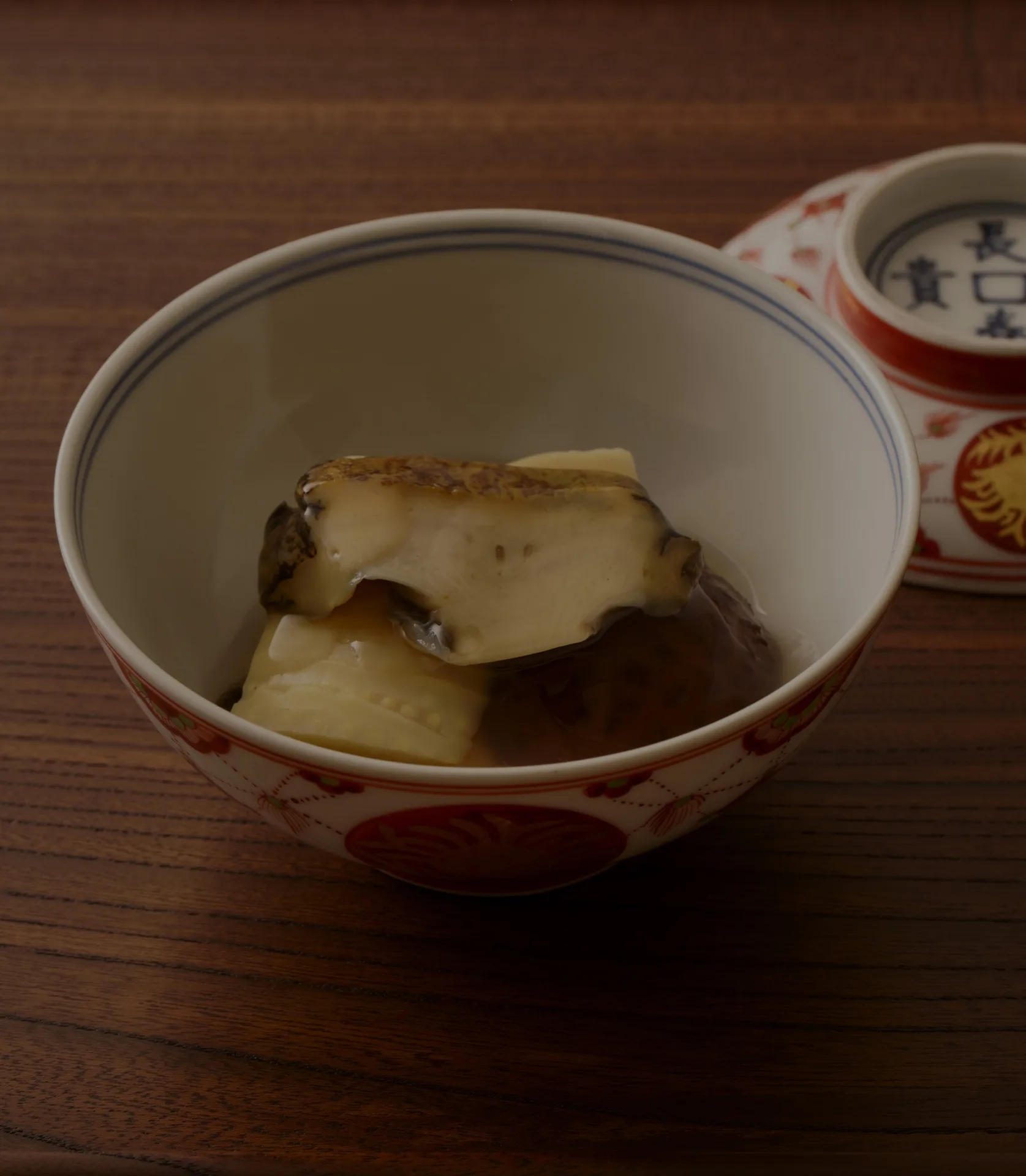
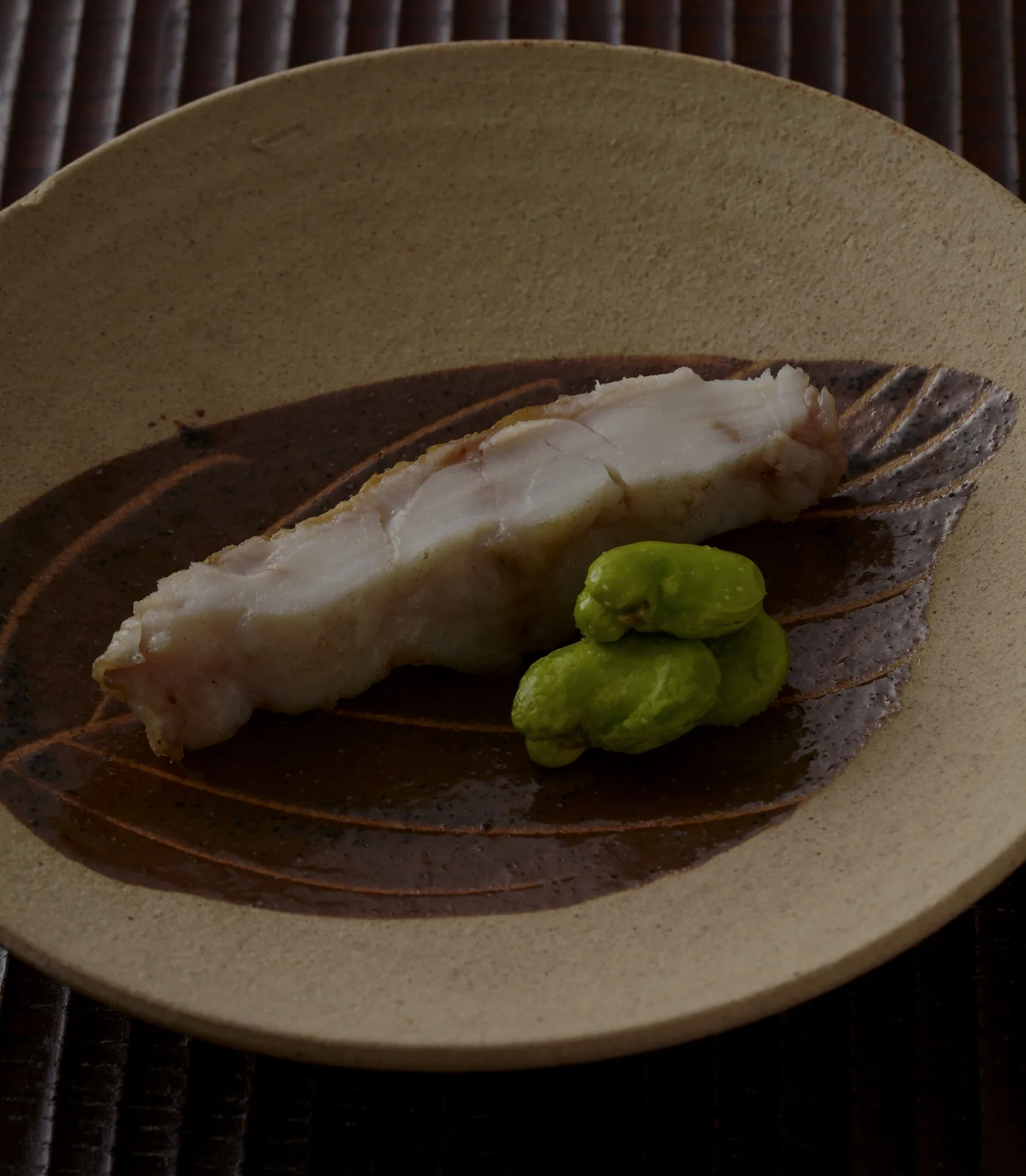
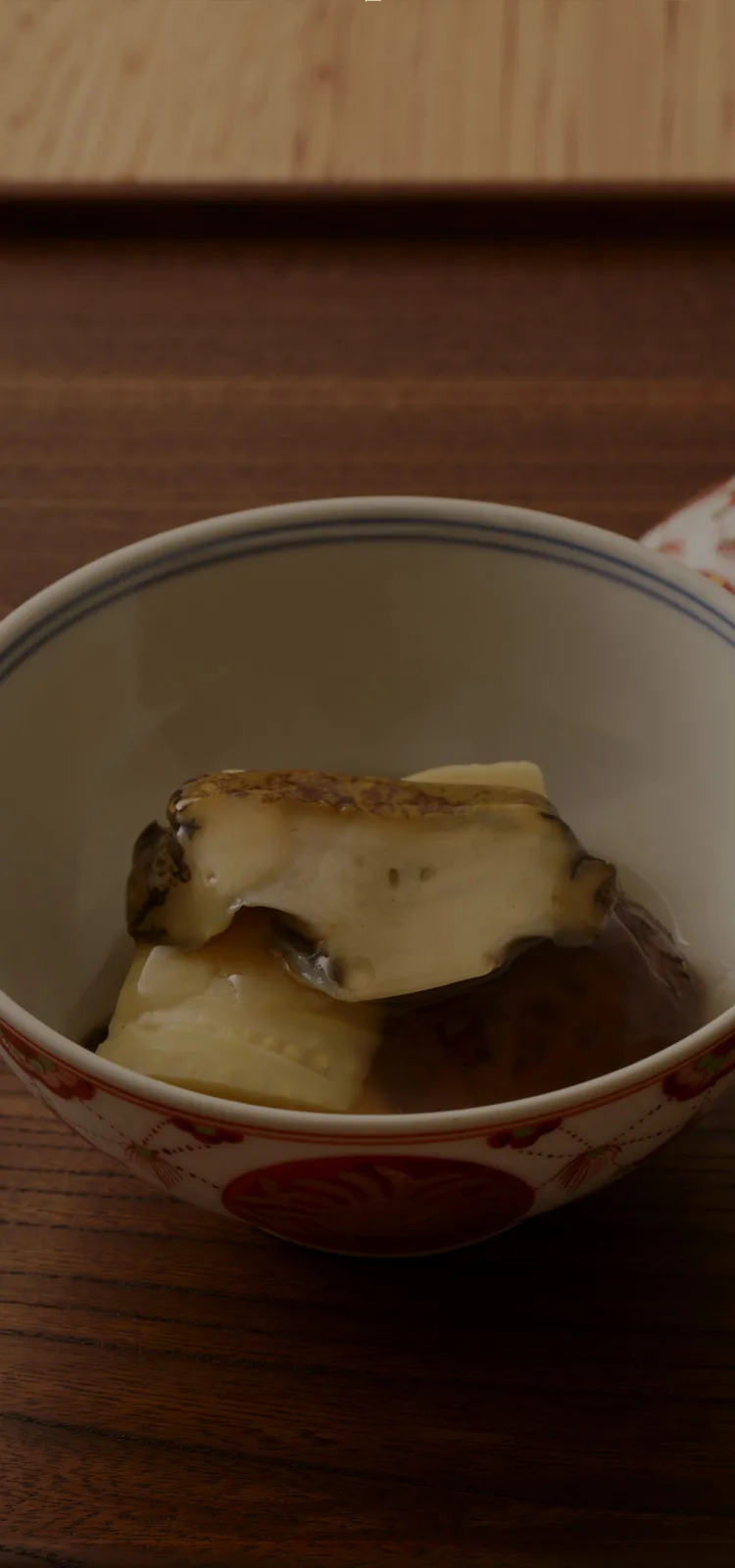
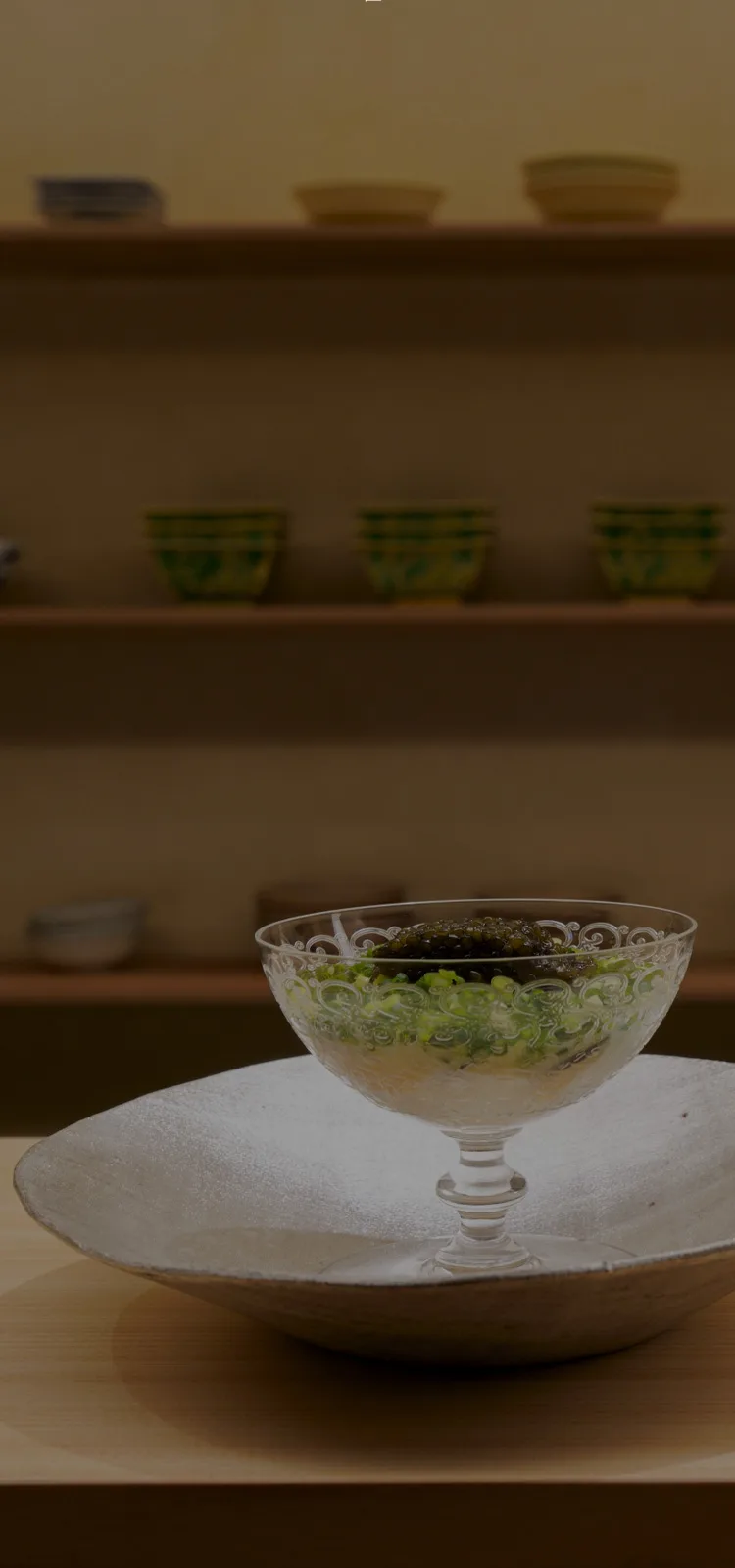
Chef Kanda's approach to Japanese cuisine is deeply personal and rooted in tradition, yet never static. The restaurant has held three Michelin stars for fifteen consecutive years, a recognition of the quiet mastery that unfolds each evening. The food is not about spectacle; it is about precision, seasonality, and the honest flavor of exceptional ingredients. The atmosphere is one of serene focus, where the counter becomes a stage for the chef's quiet choreography. For those seeking a genuine experience of high-level Japanese cuisine in Tokyo, Kanda remains an essential destination.
Recognition

Ambience
Details
Location