
The story
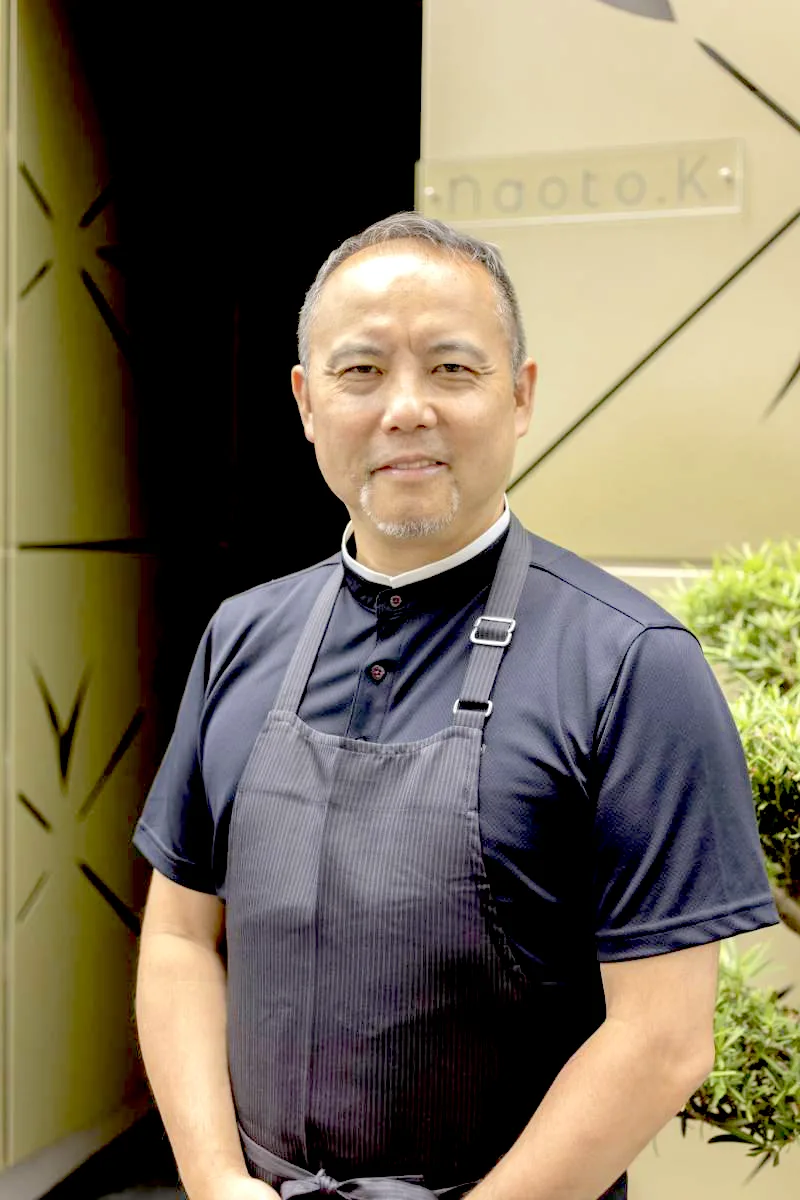
naoto.K in Tokyo presents a focused approach to Japanese French cuisine within an intimate eight-seat counter setting. Chef Naoto Kishimoto guides every plate through a philosophy rooted in freshly prepared technique and local sourcing. After thirteen years leading L'Embellir, Kishimoto shifted away from traditional dining room styles to emphasize direct interaction and ingredient transparency. His foundation began in Tokyo yoshoku restaurants before advanced training under Hiroyuki Sakai at La Rochelle, followed by formative years in Loire, Paris, and Vézelay during the 1990s.
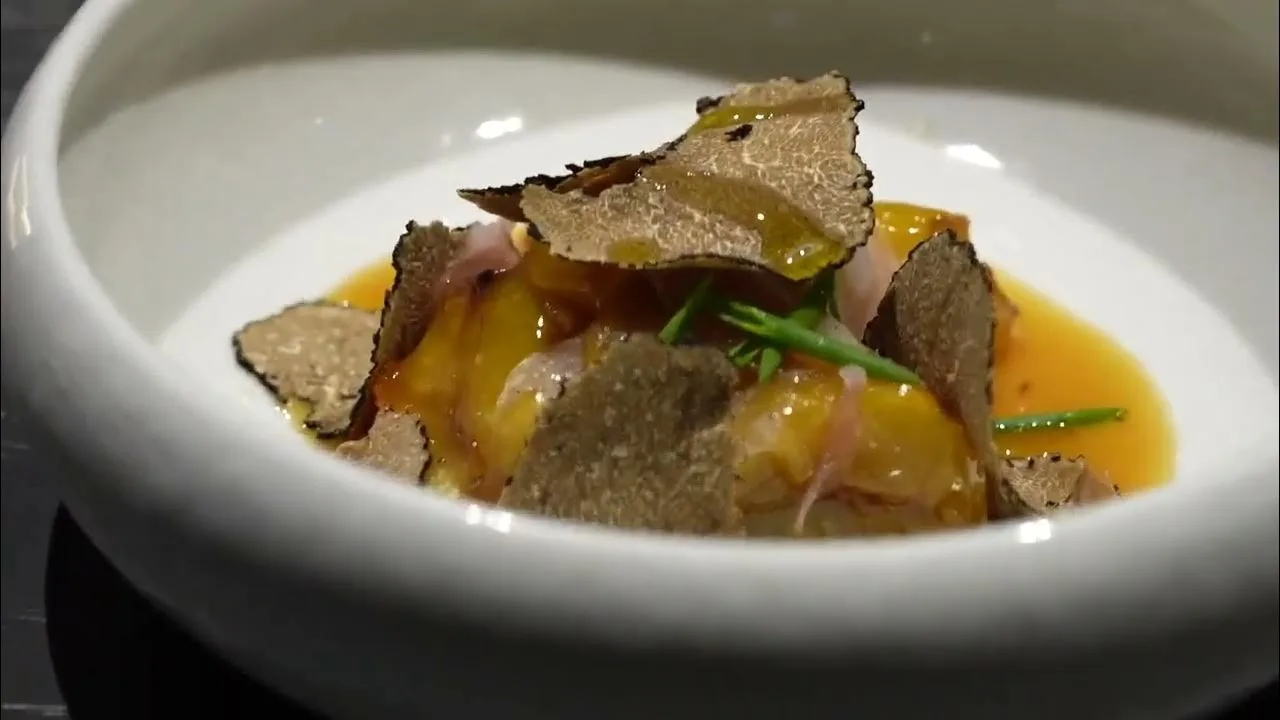
The kitchen builds its omakase courses around seasonal Japanese produce executed with classical French methods. Signature preparations include crispy langoustine paired with pistachio and a rotisserie duck infused with Lap San Souchong tea. Earlier creations remain relevant on the menu, such as black abalone wrapped in pastry and crème d'homard. Dishes often carry reference years, marking their development over time, from 2011 selections to newer additions featuring peaches from Hope-en. The menu balances richness with precision, relying on technique to develop depth.
Guests dine exclusively at the counter where the cooking process remains fully visible. The space enforces a strict policy against strong perfumes or fabric softeners to preserve the aromatic integrity of the food. Service runs on a simultaneous start schedule, ensuring all diners share the same progression through the menu. Corkage is permitted for a single bottle per group, though the current operation does not serve alcohol due to municipal requests. The layout encourages conversation between the chef and visitors while maintaining a disciplined rhythm throughout the evening.
Kishimoto earned twelve consecutive Michelin stars during his tenure at L'Embellir before launching this new chapter. The restaurant currently holds a score of sixteen points from Gault&Millau for its dedication to artisanal execution. This recognition reflects the sustained quality of the French kitchen rather than fleeting trends. Every element on the plate connects back to the chef's long career, bridging his early Yoshoku experiences with decades of European refinement. The result is a streamlined menu where technique highlights the ingredient without distraction.
Recognition

Ambience
Details

 Instagram