
The story
In the quiet Arakicho neighbourhood of Shinjuku, Tokyo, Noyashichi offers a thoughtful fusion of Japanese and Chinese culinary traditions. The restaurant’s philosophy is rooted in the belief that the best of both worlds can be brought together: the delicate, ingredient-focused approach of Japanese washoku, and the layered, aromatic depth of Chinese cooking. The result is a style the kitchen calls wa-chuka, or Japanese-style Chinese cuisine.
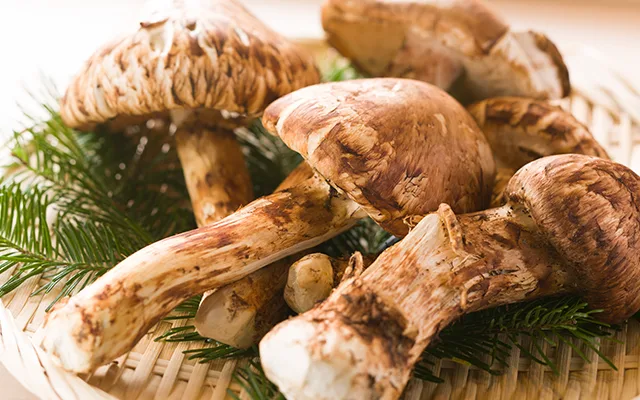
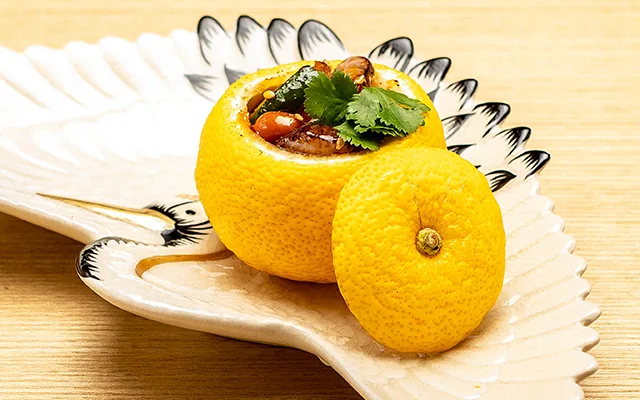
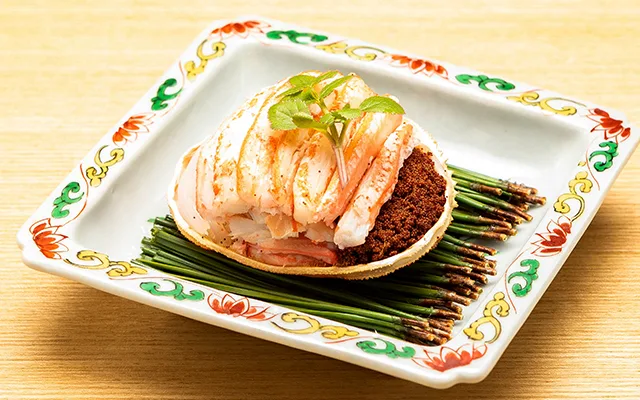
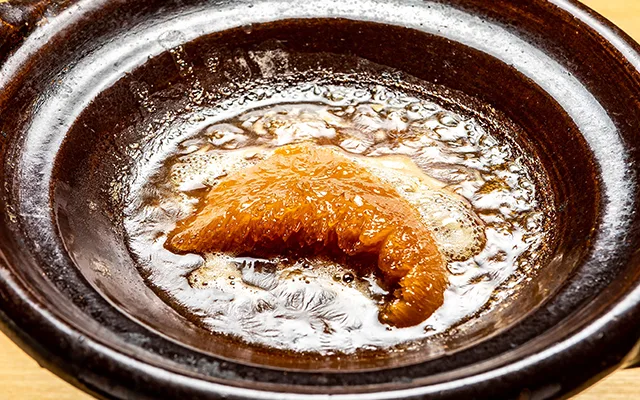
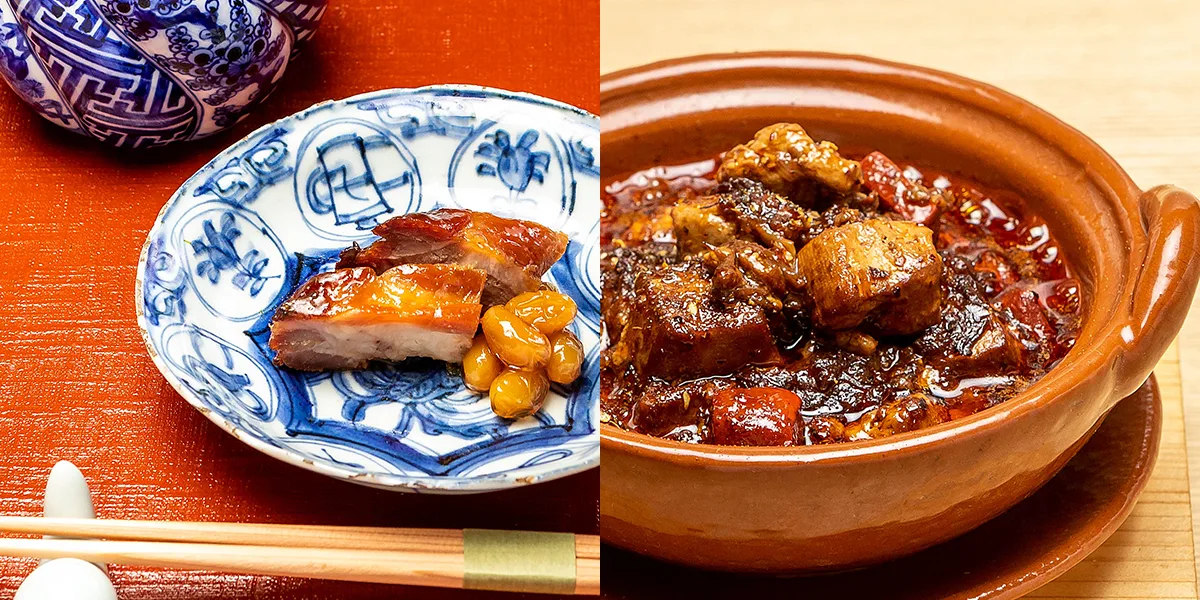
The menu is omakase only, with courses priced at 18,000, 23,000, and 33,000 yen. Each course is built around the seasons, with ingredients sourced daily from Tokyo’s markets. The kitchen’s signature dish, futto-tō (Buddha Jumps Over the Wall), changes with the seasons, featuring shark fin, softshell turtle, matsutake mushrooms, and ginkgo nuts. The meal is structured like a kaiseki progression, each course served in its best possible state.
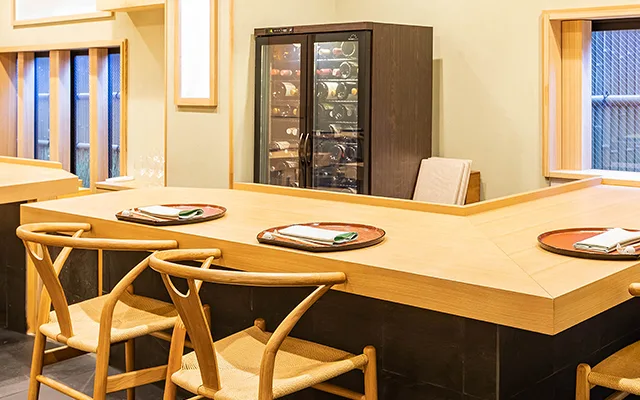
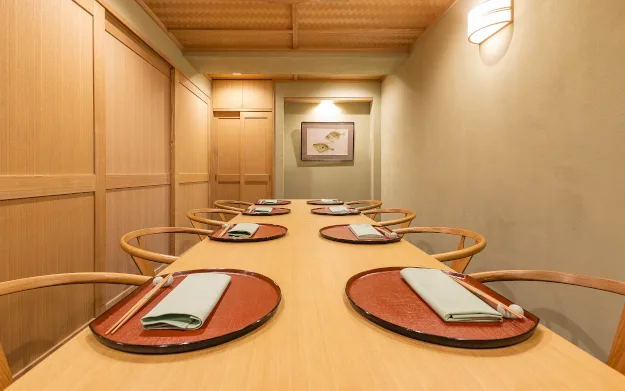
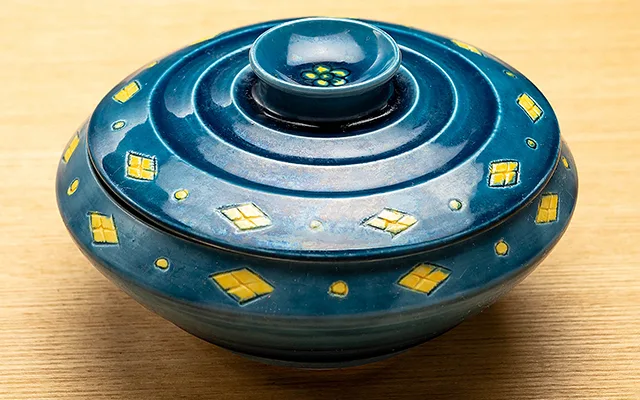
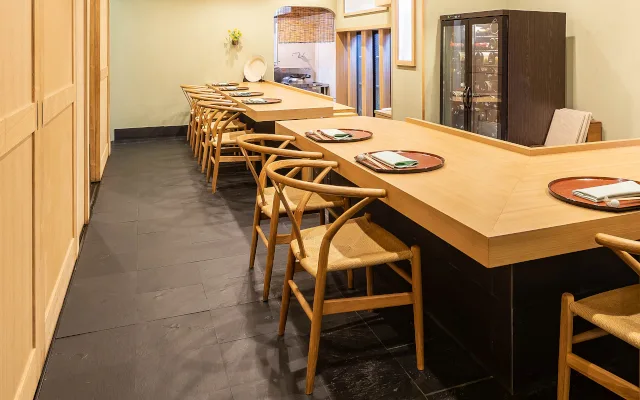
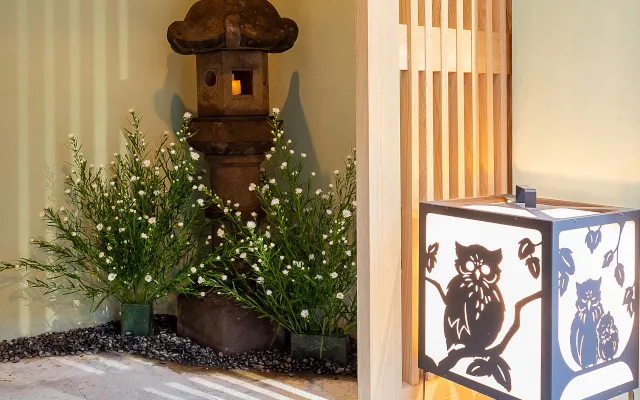
The dining room is warm and understated, with a ginkgo wood counter where guests can watch the chef work. There are also private rooms for four and eight guests, suitable for business dinners or quiet gatherings. The tableware is a personal collection of antique and custom-made pieces, chosen by the owner to reflect both Japanese seasons and Chinese motifs.
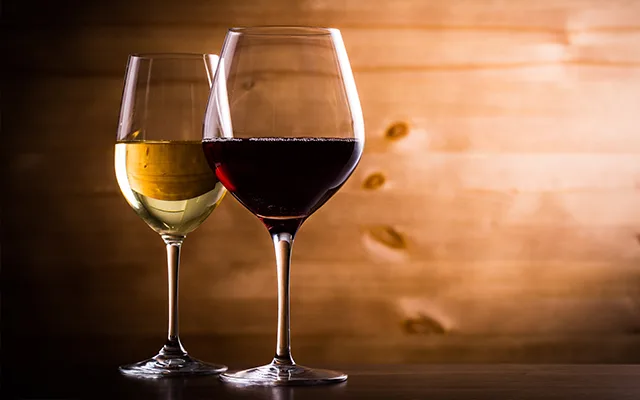
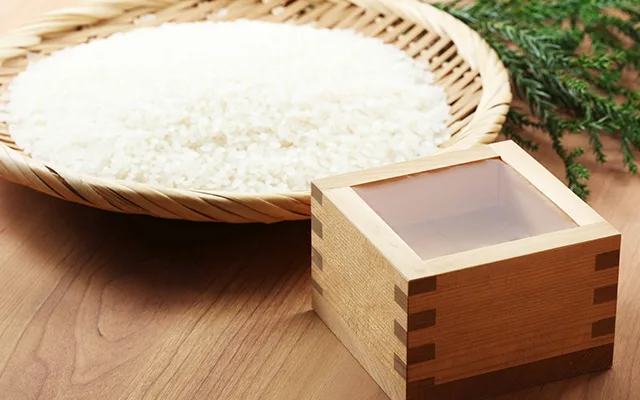
Noyashichi’s wine list holds around 200 bottles, including rare vintages, but the owner’s true passion is sake. The selection features labels like Dassai from Asahi Shuzō, alongside small-batch brews from the owner’s home prefecture, Kōchi. For takeaway, the restaurant offers its popular tantanmen and a limited-edition XO chili sauce, both available through its online shop.
This commitment to craft and hospitality earned Noyashichi a place in the Michelin guide for 2026, a recognition that speaks to the quiet confidence of a kitchen that lets its ingredients and technique do the talking.
Recognition


Ambience
Details
Location

 Facebook
 Instagram