
The story
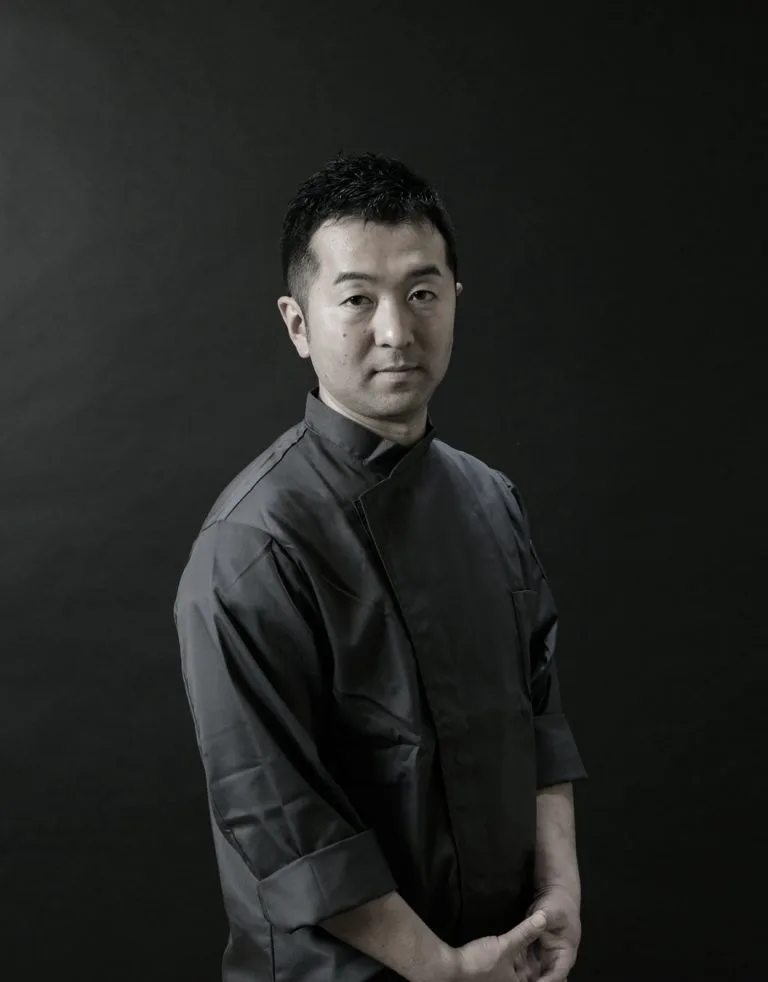
Sazenka, in Tokyo’s Minami-Azabu district, operates on the ancient Japanese concept of wakon-kansai (Japanese spirit, Chinese learning). Chef Tomoya Kawata, who trained in both Chinese and Japanese kitchens, sees this as more than a philosophy—it is his daily practice. He draws on the bold, direct appeal of Chinese cooking and the subtle depth of Japanese cuisine, using local ingredients to craft Chinese dishes that belong uniquely to Japan.
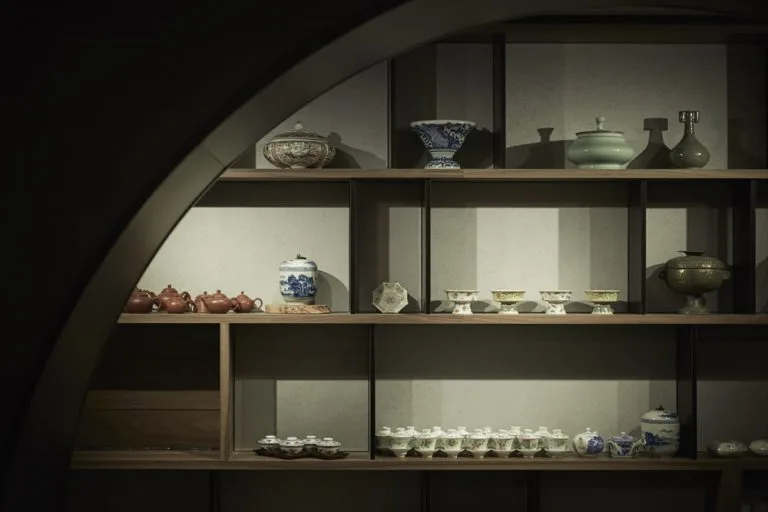
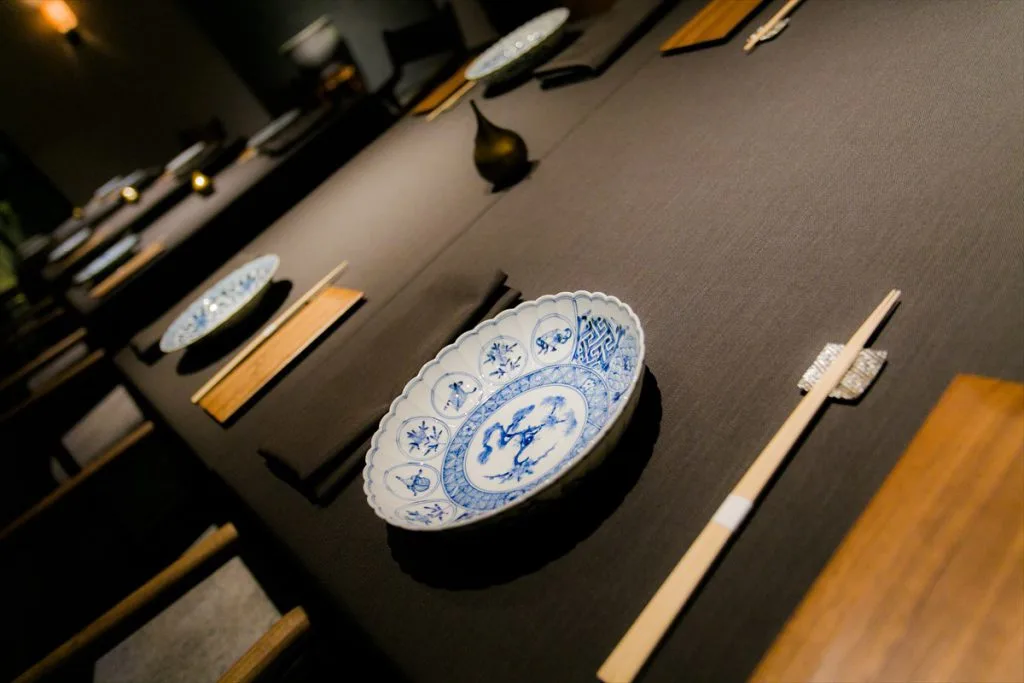
The restaurant's name itself blends cha (tea) and zen (meditation), reflecting an ideal of mutual harmony between host and guest. The atmosphere in the converted ambassador’s residence is quiet and refined, with a 12-seat main dining hall and two private rooms.
Chef Kawata’s cooking is rooted in two principles he holds dear: shinmi tada tan (true flavor resides in simplicity) and senten shichi (knowing the innate nature of ingredients). He believes the essence of great Chinese cuisine lies in drawing out a ingredient's full character through precise technique. For him, Japan’s four seasons and abundance of excellent produce are not limitations but opportunities. He is committed to creating a Chinese cuisine that reflects Japan—its ingredients, its climate, its sensibilities.
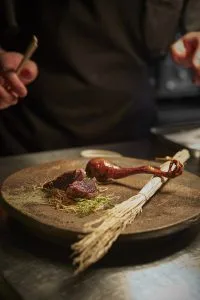
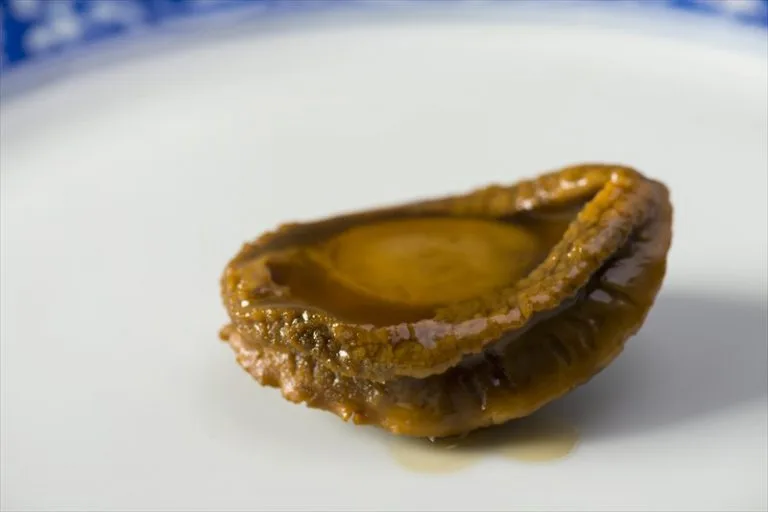
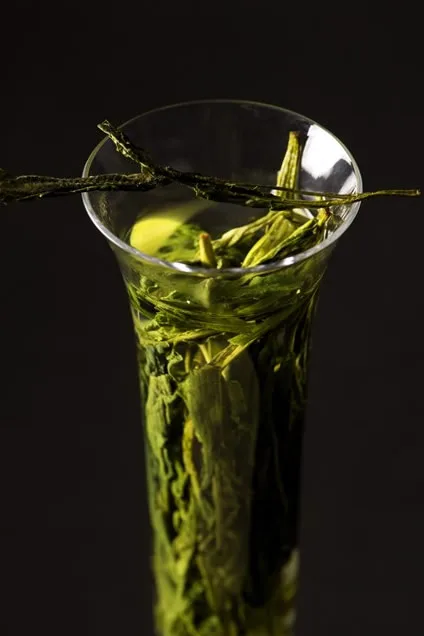
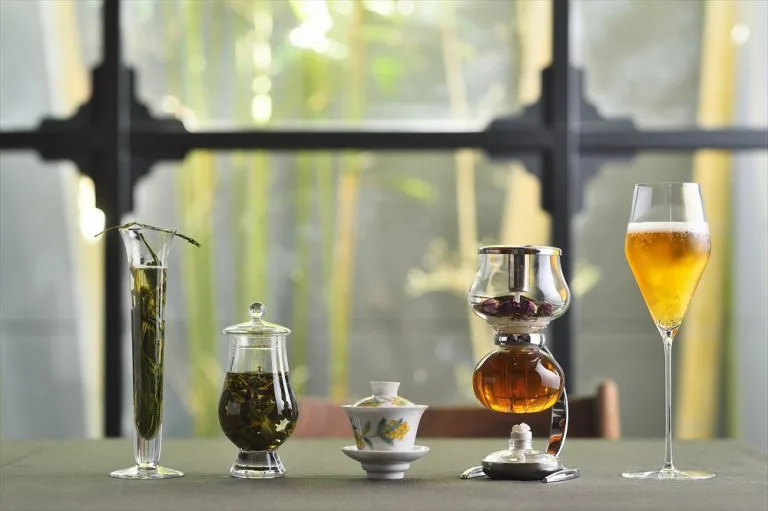
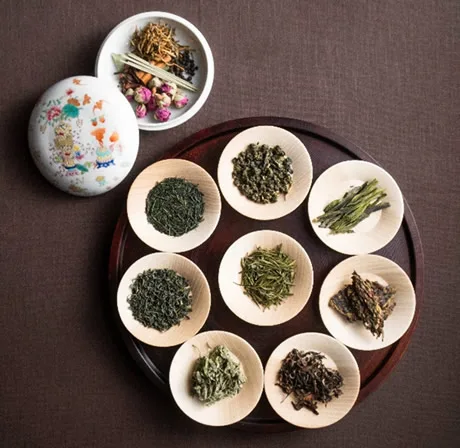
Sazenka offers only course dining. The primary offering is a seasonal omakase of roughly 15 dishes, priced from ¥52,800. A special course featuring the restaurant's celebrated Yoshihin dried abalone and a luxury course of carefully selected ingredients are also available. The wine and tea pairings are thoughtful: an alcohol pairing centered on wine, sake, and shao xing; a tea pairing that moves through Chinese, Taiwanese, and Japanese teas; and a mixed pairing that alternates between the two.
With three Michelin stars, Sazenka has established itself as a singular voice in the world of Chinese cuisine, one where tradition meets a distinctly Japanese sensibility.
Recognition


Ambience
Details
History
Location

 Facebook
 Instagram