
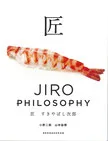
The story
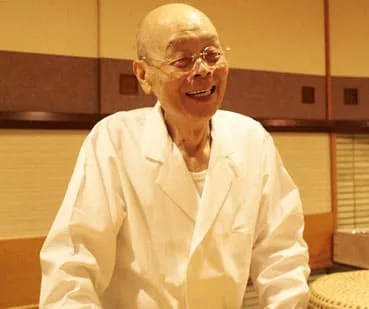
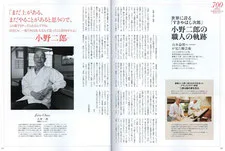
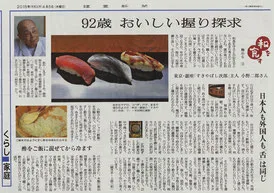
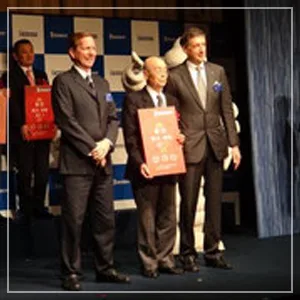
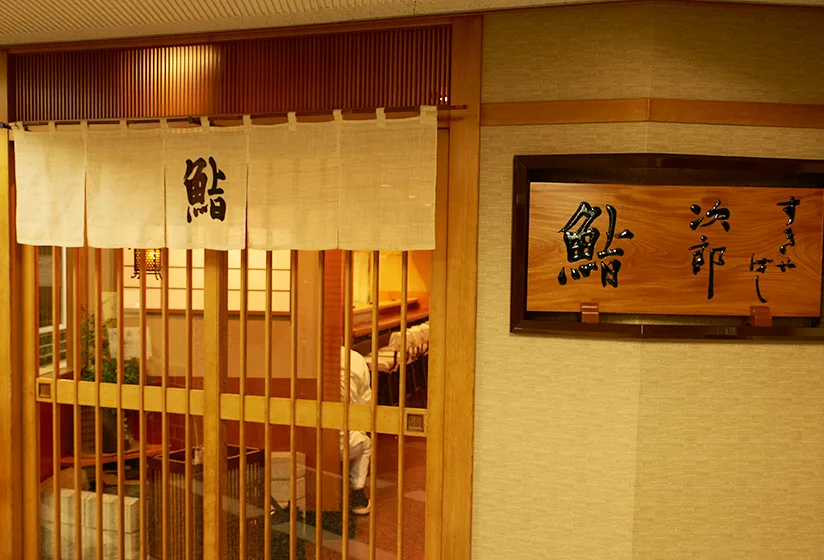
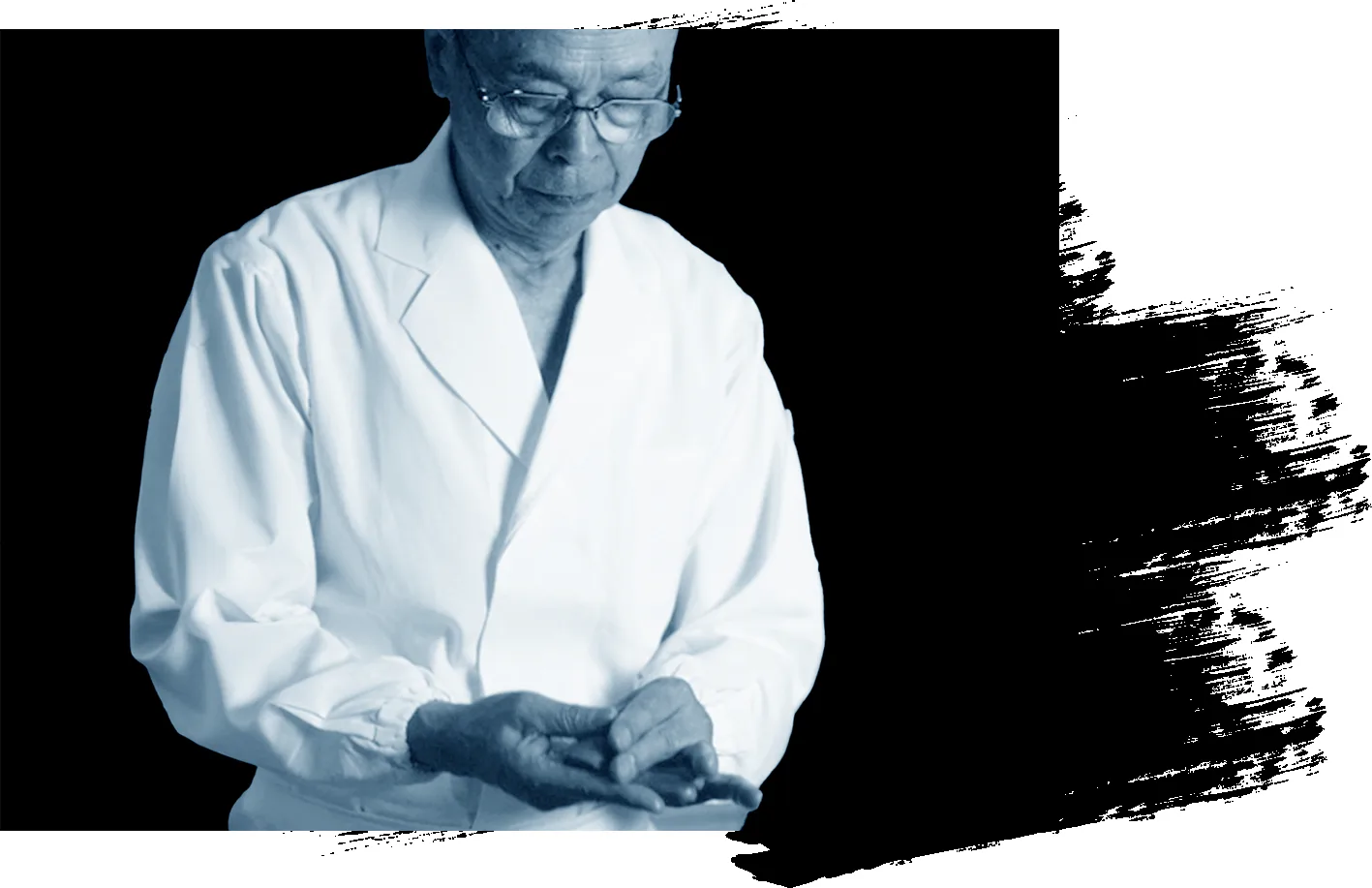
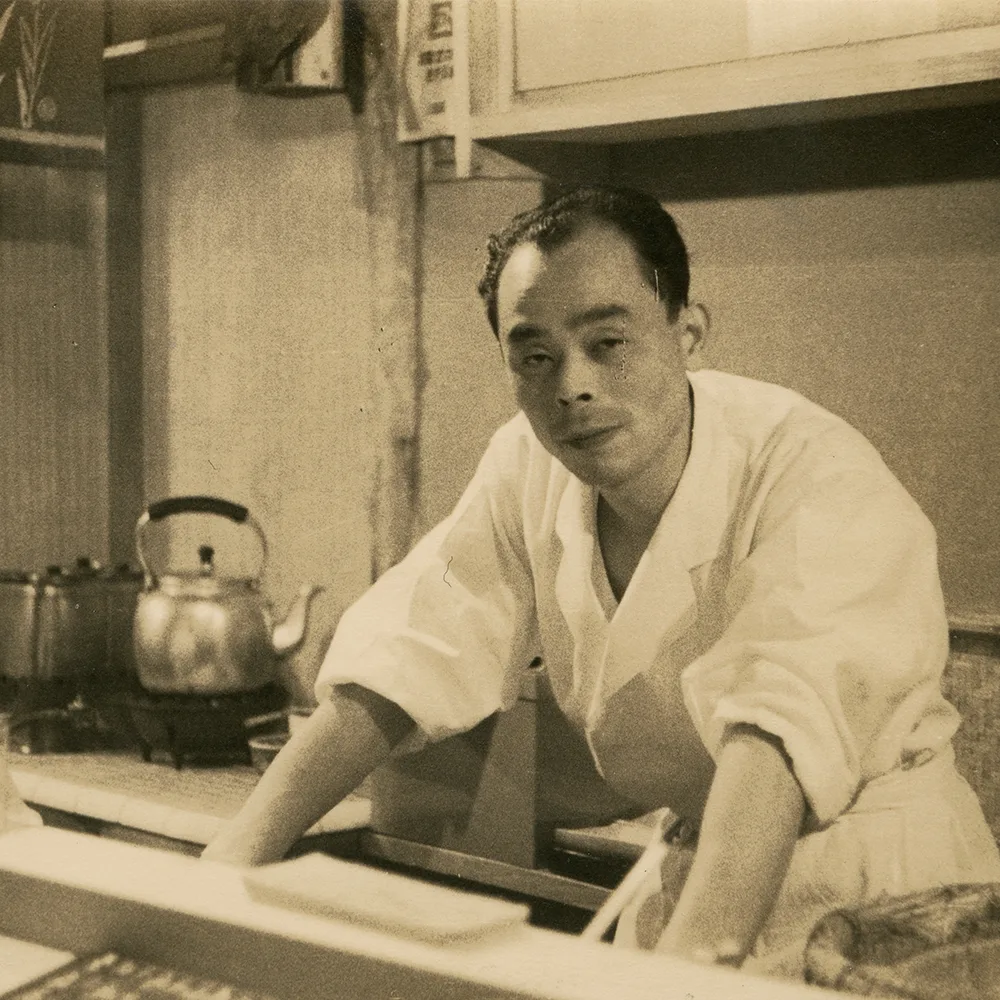
In 2003, Takashi Ono—the second son of the legendary Jiro Ono—opened his own counter in Roppongi, carrying forward the Edomae tradition his father revived at Sukiyabashi Jiro in Ginza. While the Ginza flagship has become a global icon, the Roppongi outpost offers its own faithful, deeply personal interpretation of the master’s craft. It has earned a Michelin 2 Star rating, a reflection of the same uncompromising standards that made the original a household name.
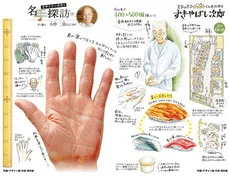
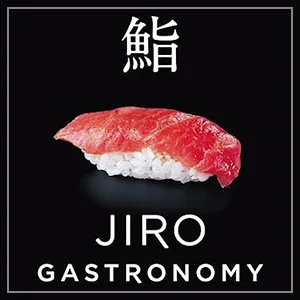
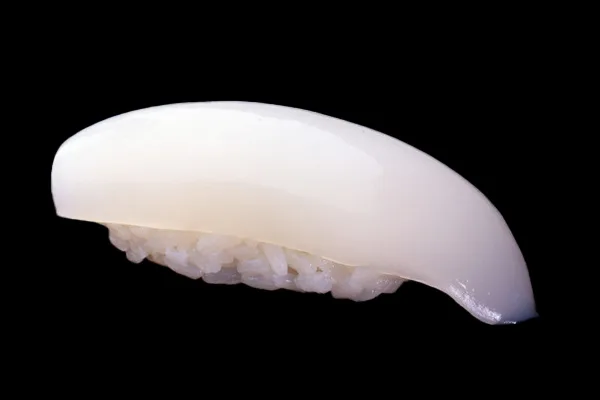
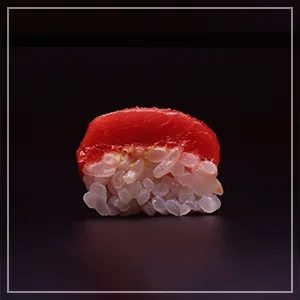
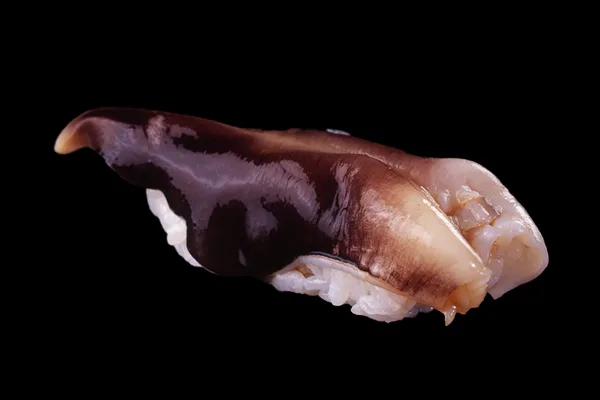
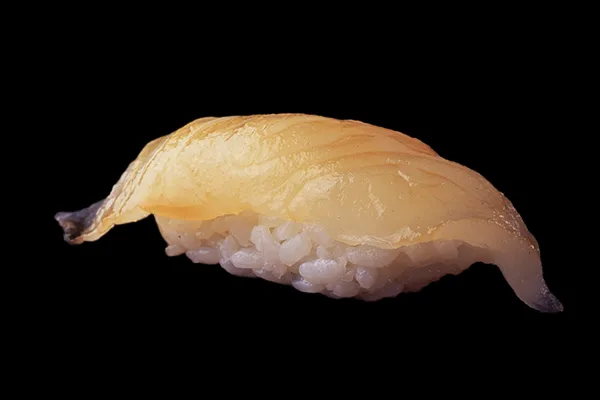
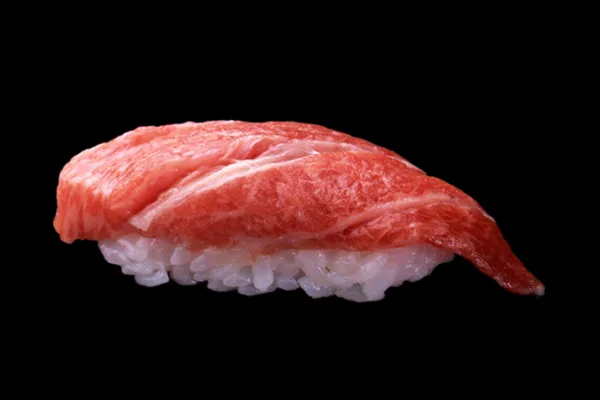
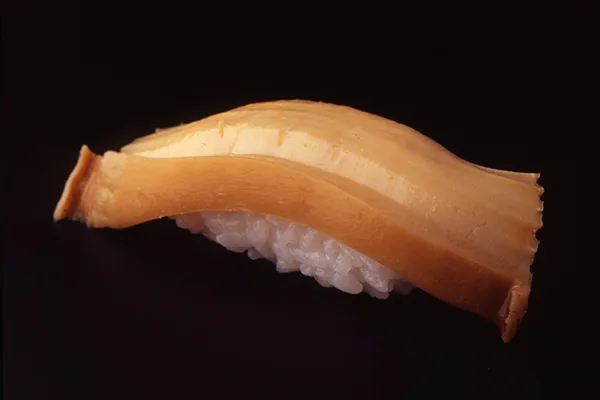
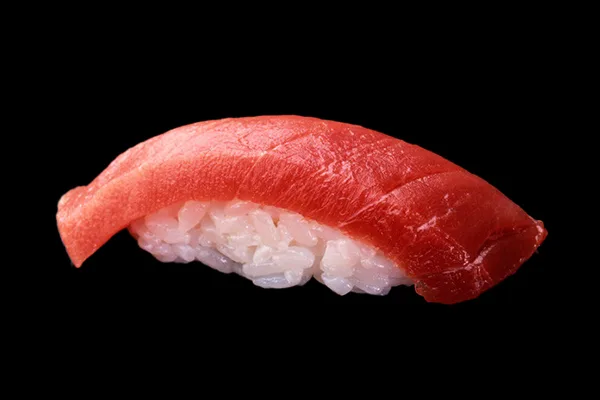
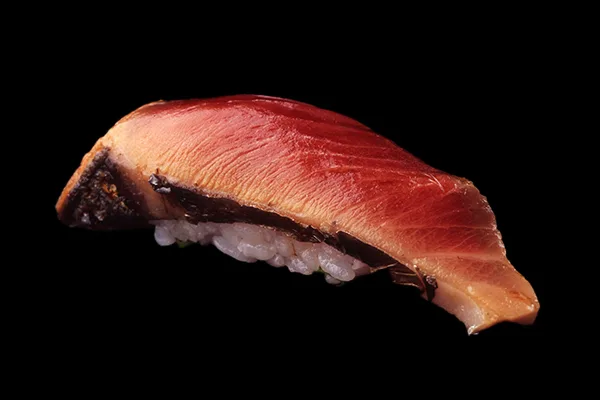
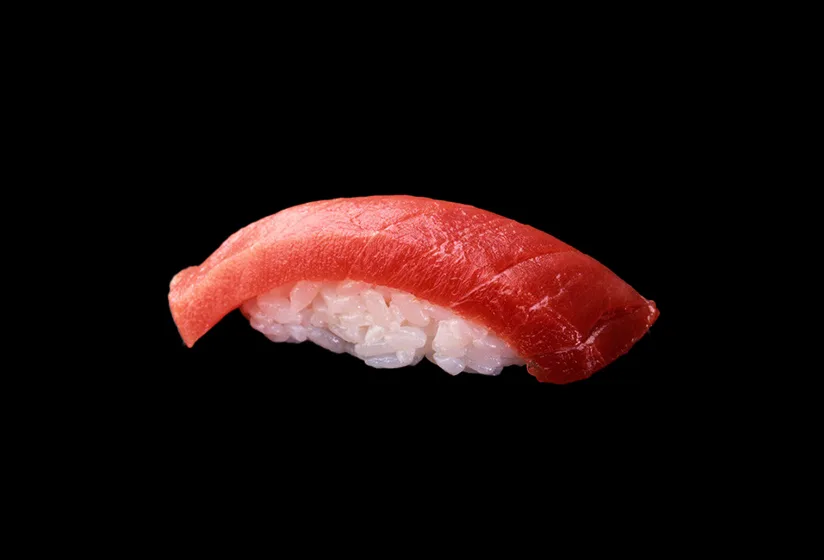
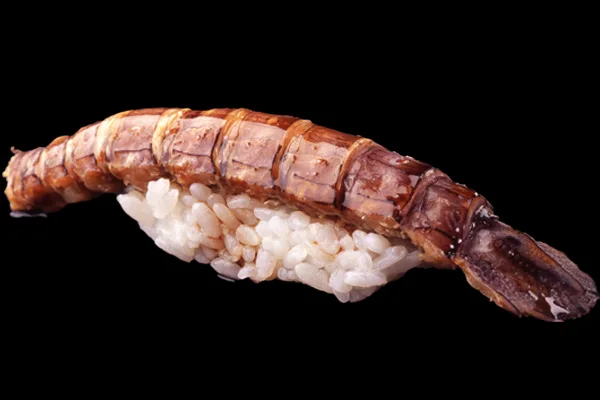
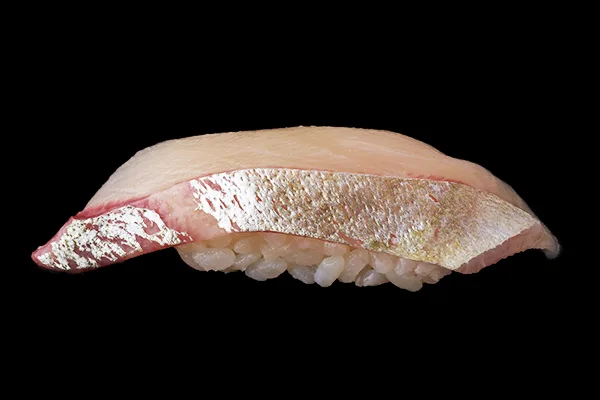
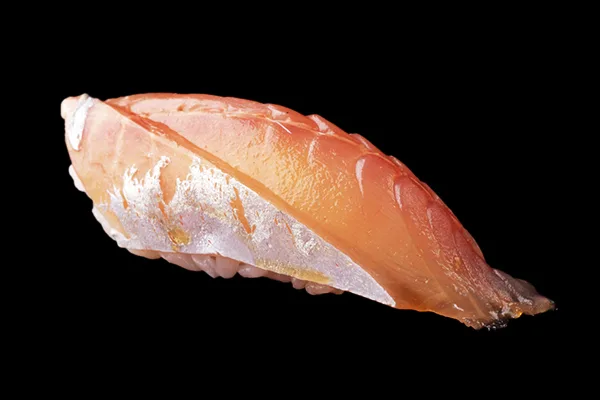
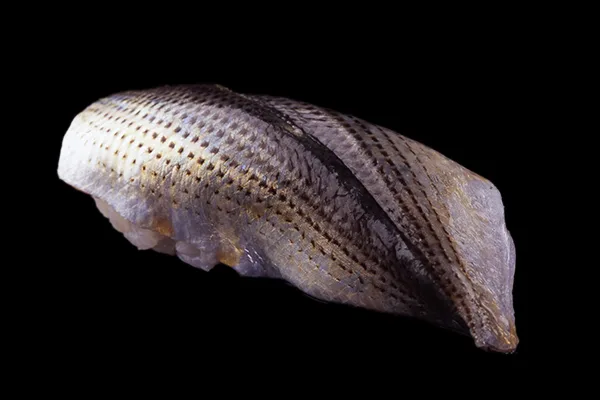
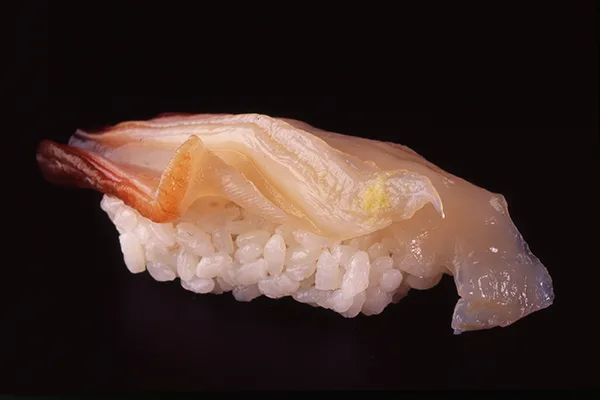
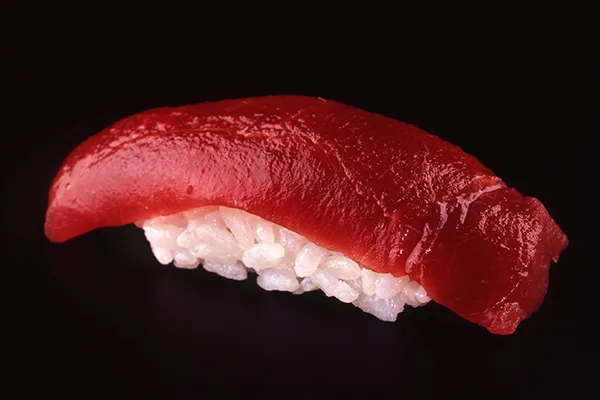
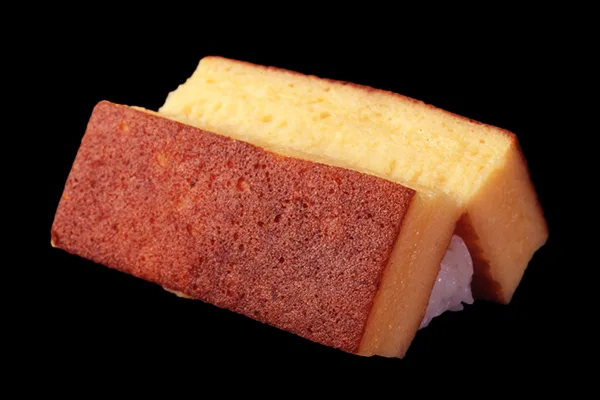
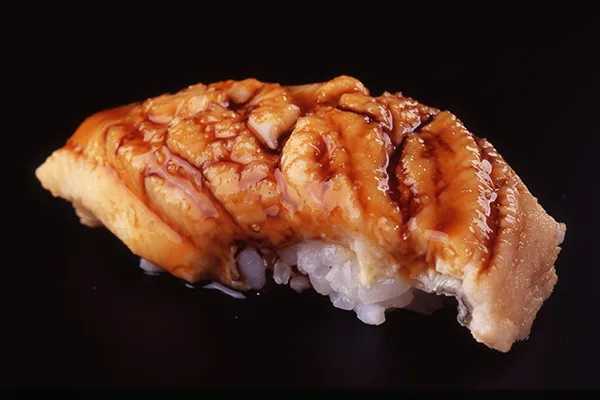
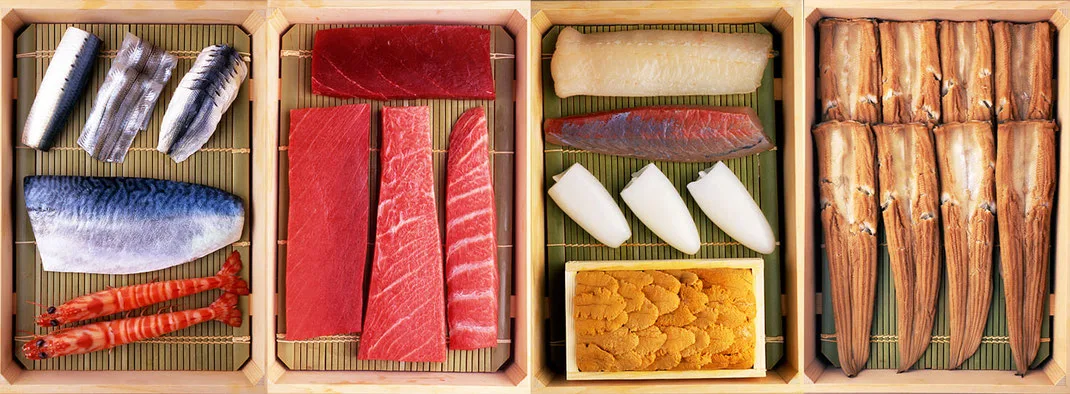
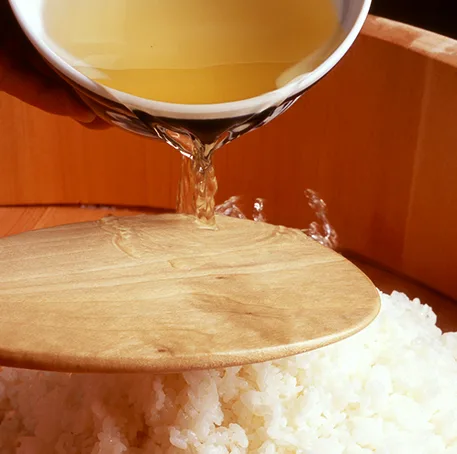
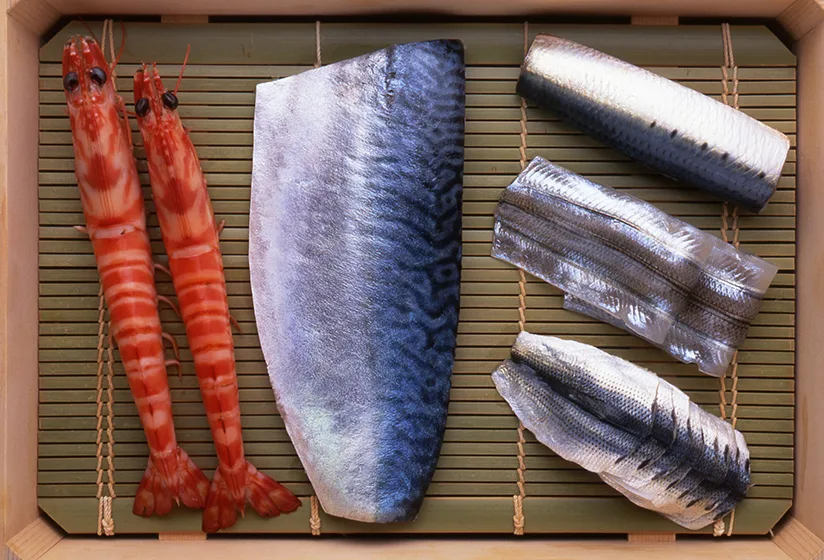
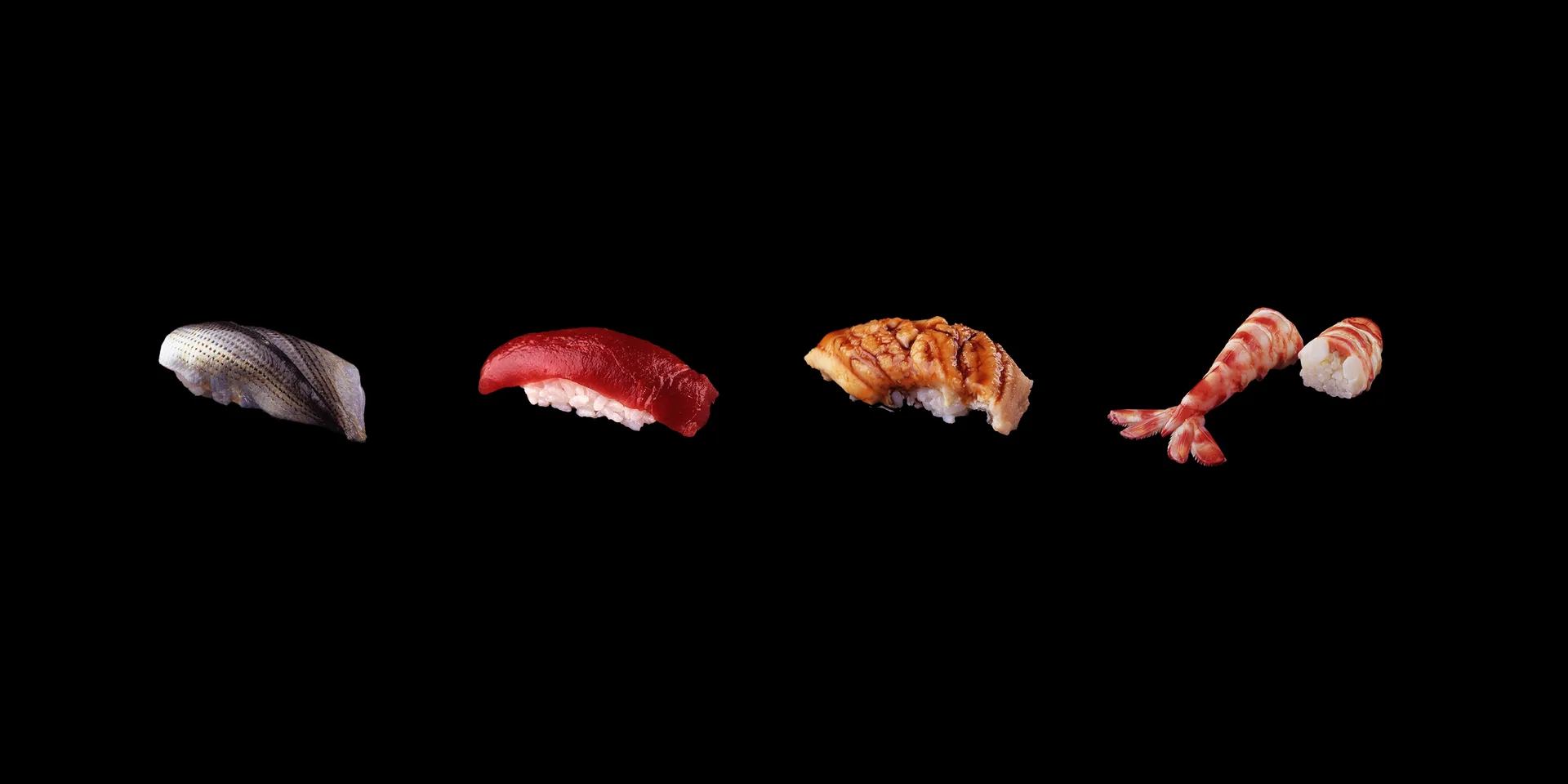
The philosophy here is the same one Jiro Ono articulated decades ago: “The taste of nigiri sushi is four parts topping and six parts rice.” Every detail matters—the temperature of the neta (topping) is calibrated to match the body-warmth of the shari (rice), and each piece is formed with the precise pressure that allows it to dissolve on the tongue. The omakase course, roughly twenty pieces, follows a rhythm designed by the chef to build flavor and satisfaction over the meal. A spring menu might include marbled sole, abalone, bonito, and the full progression of tuna from lean akami to luxuriant otoro, finished with a tamago that is as much custard as it is omelet.
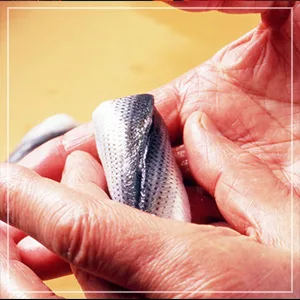
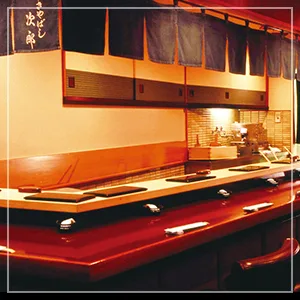
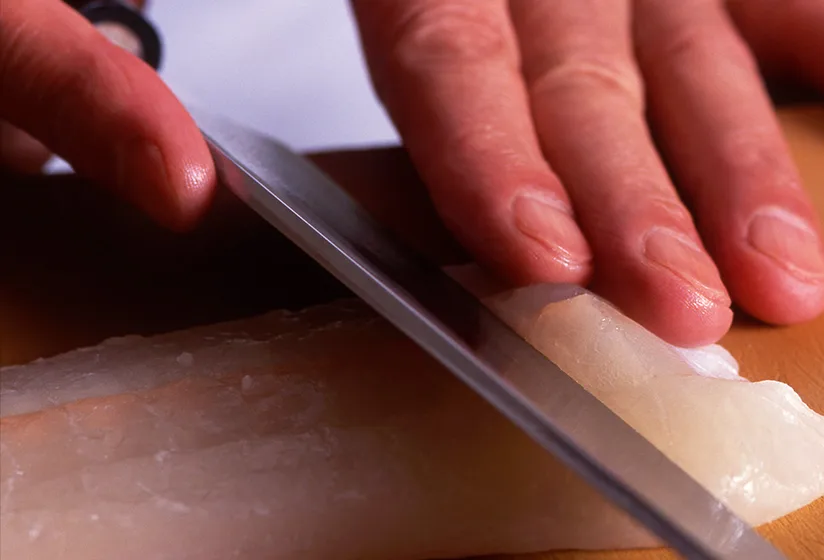
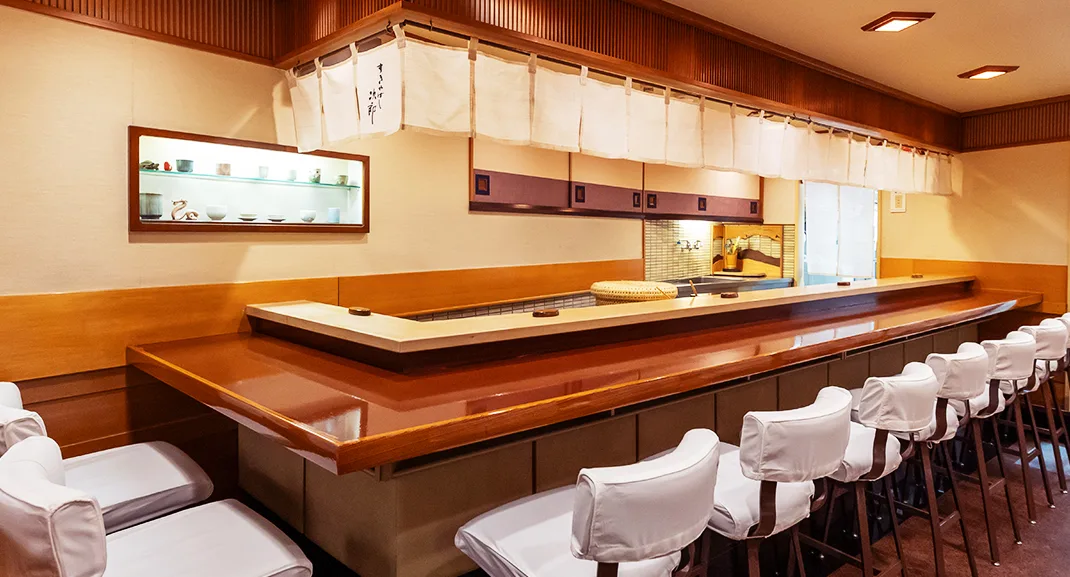
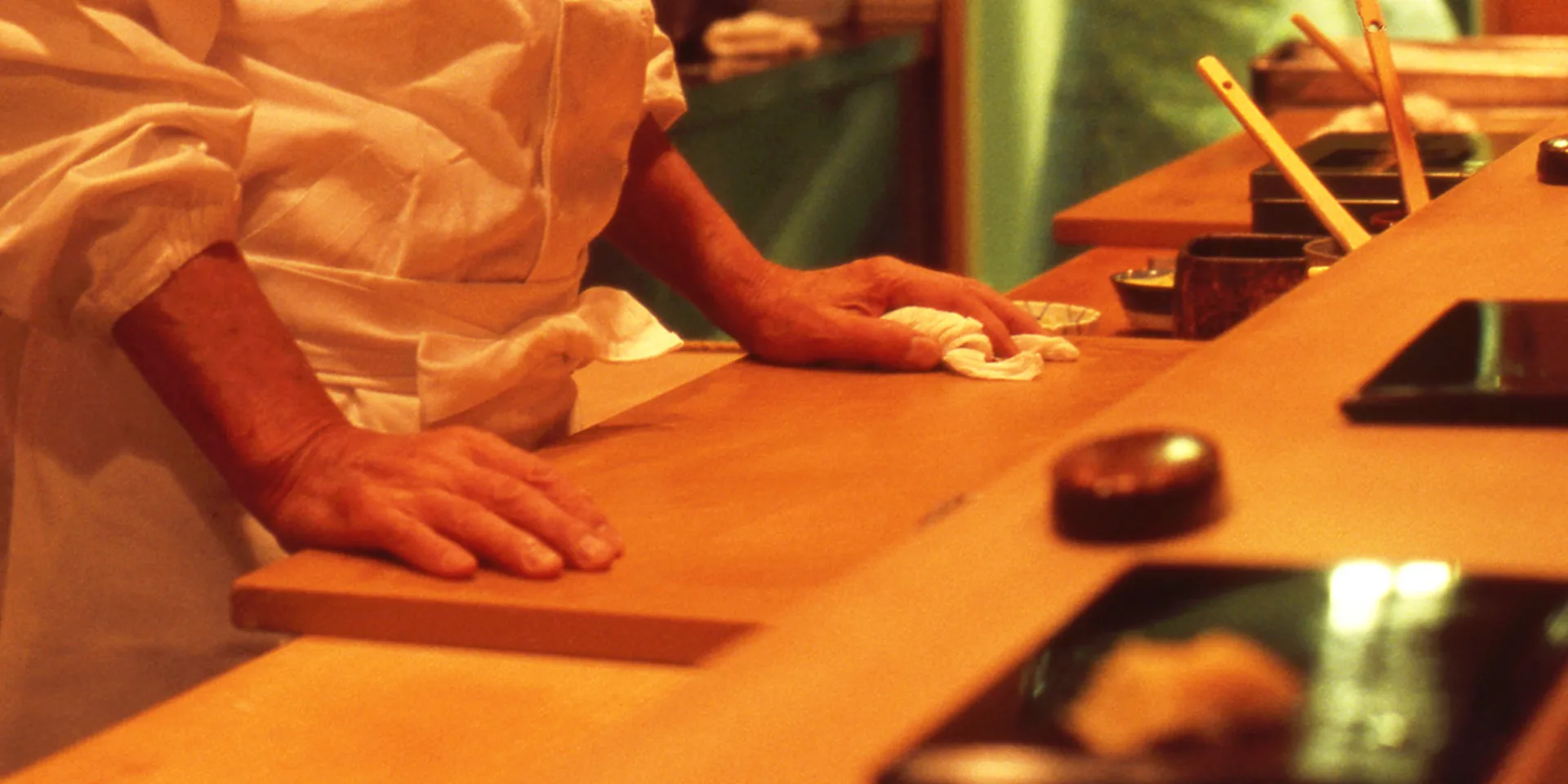
Takashi Ono works from a counter in Roppongi Hills, sourcing the same seasonal fish from Tokyo’s central market and applying the same patient “handling” (teate)—curing, aging, and slicing—that defines the house style. The setting is intimate and focused: a few seats, the sound of a knife on a block, the quiet exchange between chef and guest. It is Edomae sushi in its purest, most concentrated form.
For those who cannot secure a seat at the Ginza basement, or who simply want to experience this branch’s distinct energy, Sukiyabashi Jiro Roppongiten is a destination in its own right—a place where Japanese cuisine is pared down to its essence, and where excellence is measured not by novelty but by the relentless pursuit of a single perfect bite.
Recognition

Ambience
Details
Location


 Facebook
 Instagram