
The story
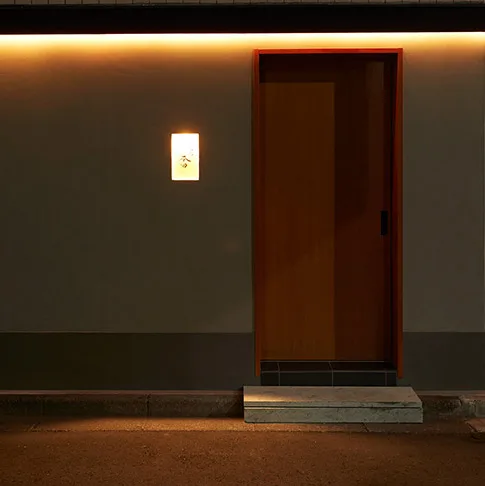
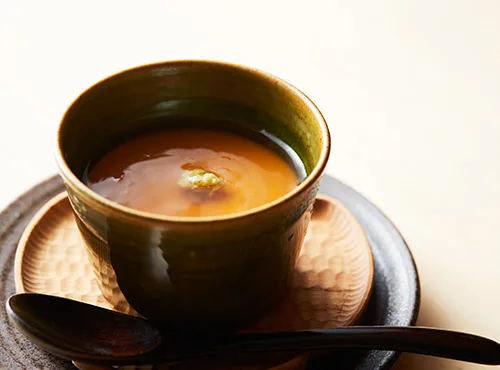
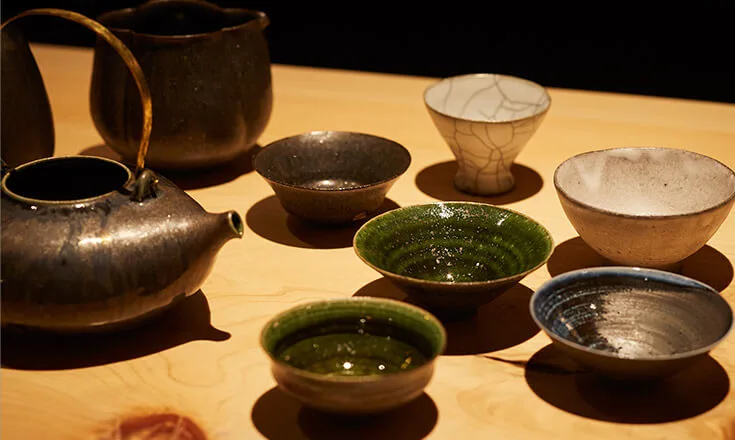
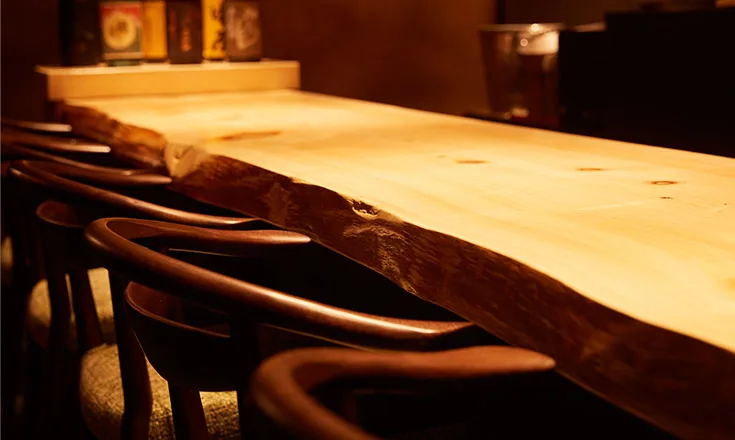
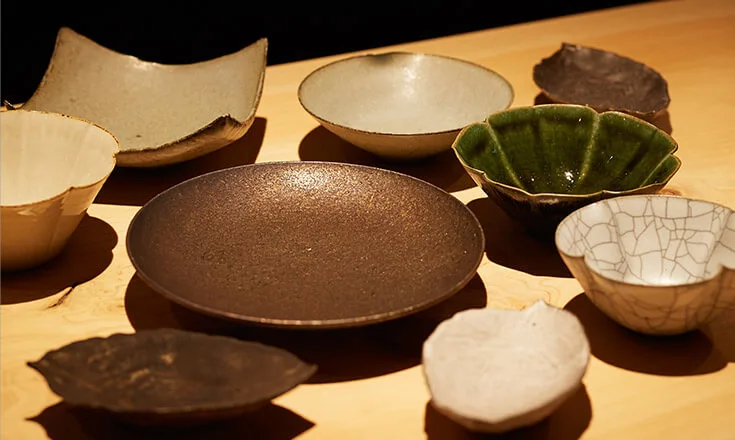
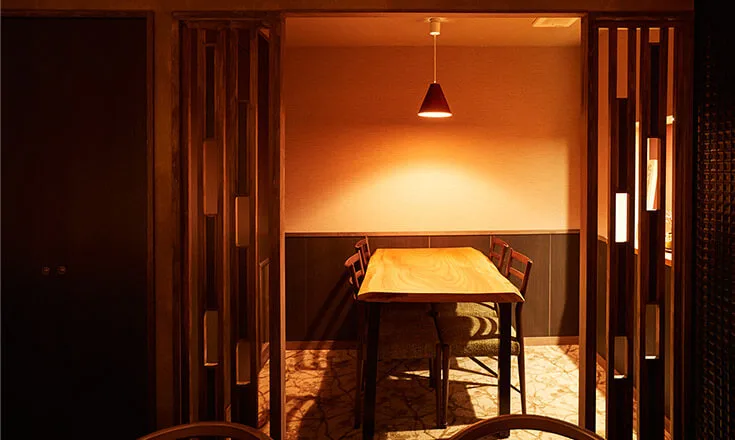
Tucked three minutes from Shintomicho Station, down a backstreet that leaves the city’s hum behind, Yakitori Honda feels less like a restaurant and more like a private atelier. The space holds just nine counter seats and a semi-private room, each arranged around a single slab of hinoki wood. The curve of the counter, the grain of the wood, the weight of the handmade ceramics – every detail is chosen to frame what happens on the grill.
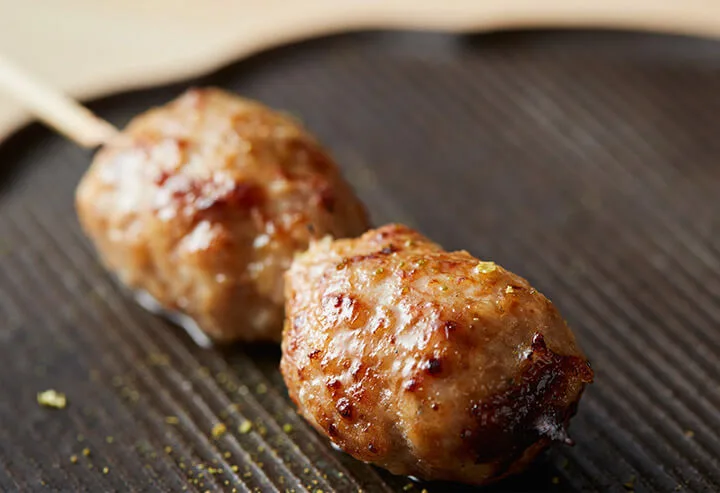
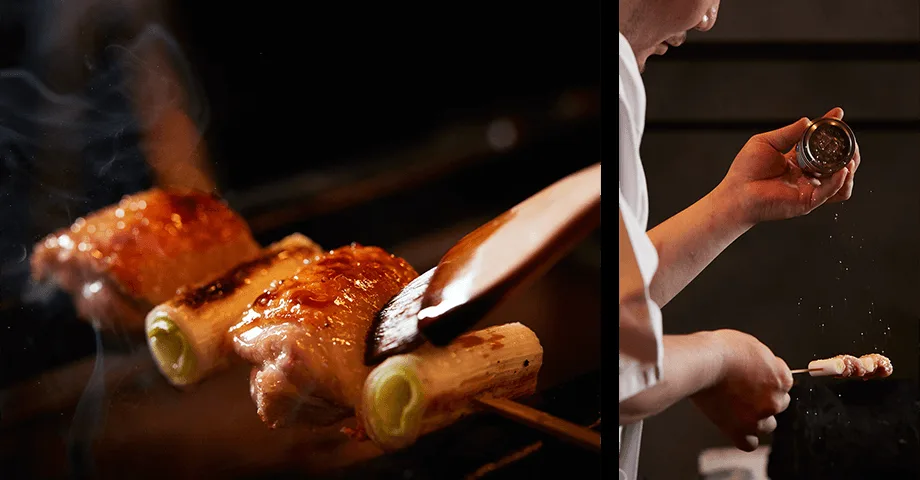
Yakitori Honda serves only one omakase course, built around Hinai-jidori chicken from Akita. There is no tare, no salt, no seasoning beyond the heat of the binchotan charcoal from Wakayama. The idea is to let the ingredient speak. The skewers are made from tiger-stripe bamboo from Kochi; the charcoal is Kishu binchotan. Together they produce a yakitori that is pure, direct, and quietly revelatory.
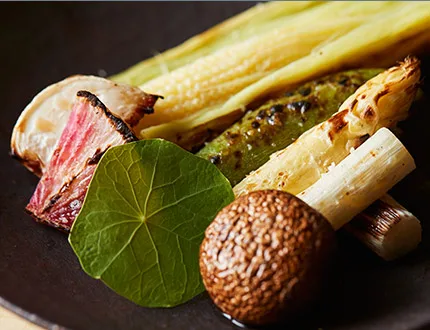
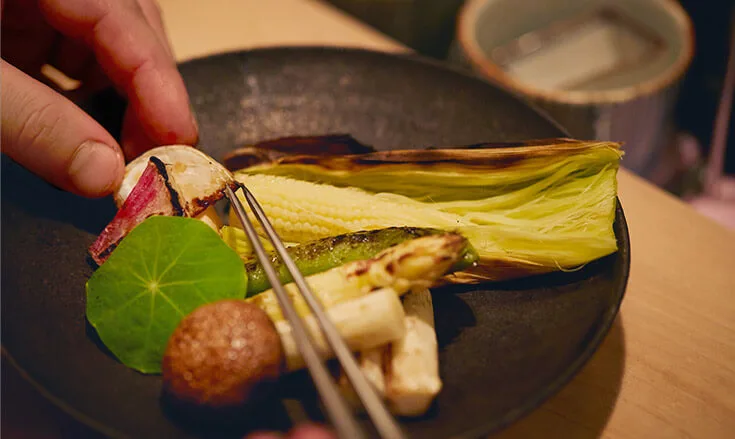
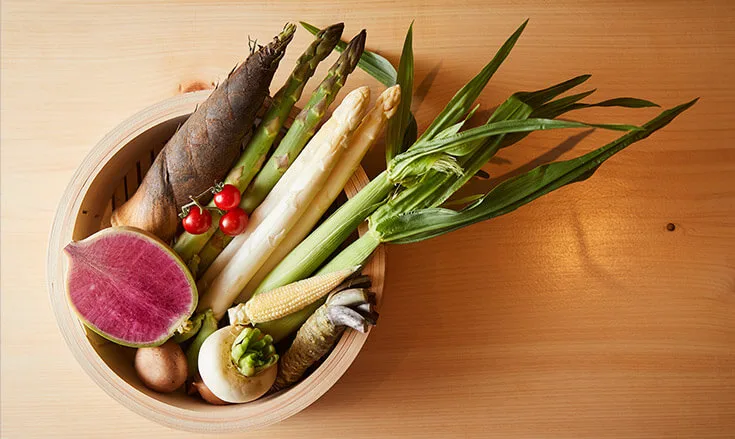
Seasonal vegetables run alongside the chicken, chosen to mark the passing of the year – early, peak, and late harvests. The restaurant calls this “the joy of the season,” and it shows in each small plate.
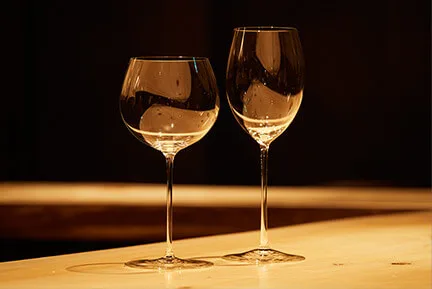
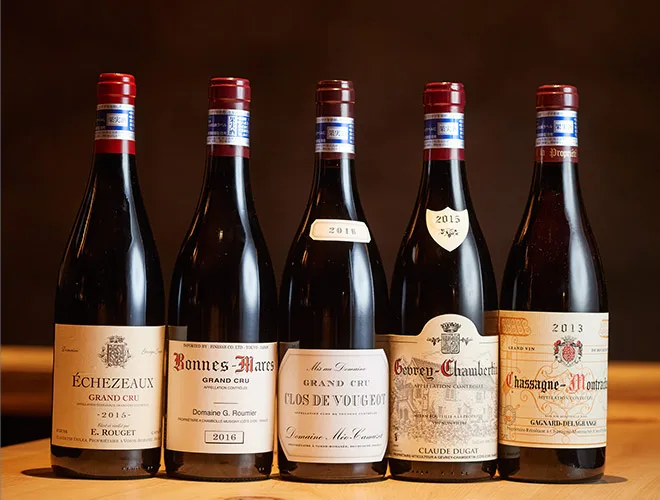
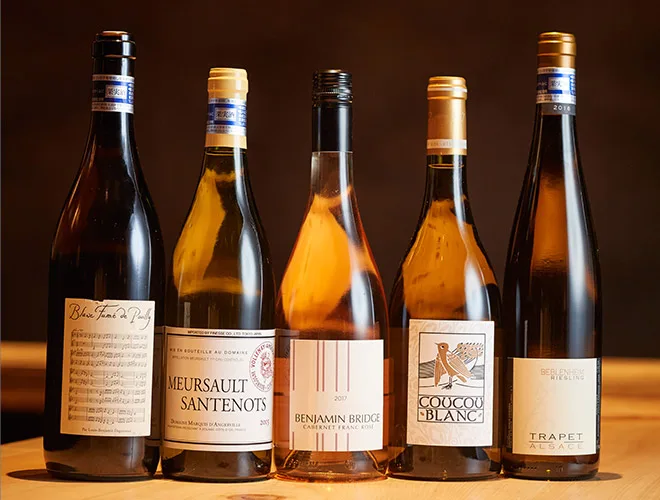
A dedicated underground cellar keeps bottles at a steady temperature and humidity. The team serves each wine slightly chilled, matching the temperature to the course. They will also suggest which wine works best with each cut of chicken. Beer, sake, and spirits are available too.
In 2026, the Michelin guide recognised Yakitori Honda with a Recommended rating – a fitting acknowledgment for a kitchen that strips yakitori down to its essence and rebuilds it with patience, precision, and a deep reverence for ingredients. The restaurant’s own words sum it up best: “We have no concept of seasoning with sauce or salt. We grill to draw out the flavour of the material.”
Recognition

Ambience
Details
Location

 Facebook