
The story
Ann Jarman established The Old Fire Engine House in Ely as a dedicated English kitchen back in 1968, long before modern British cooking became a standard industry practice. She and her late husband Michael designed the menu around local, seasonal produce to keep the preparation closely tied to the surrounding farms. That steady commitment to uncomplicated fare earned consistent praise from The Good Food Guide, which has recognised the establishment across multiple decades. Today, their granddaughter Claire oversees daily operations while maintaining the same straightforward approach to regional ingredients.
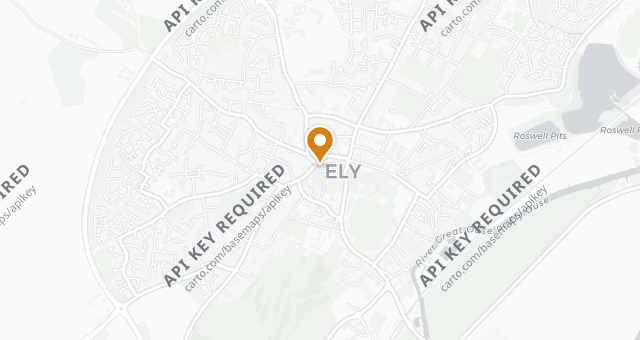
The restaurant occupies an attractive Georgian house positioned just west of the cathedral, where weathered floorboards and a working log fire create a distinctly domestic atmosphere. Guests can dine in a quiet room that looks out onto a large walled garden filled with old English fruit trees and herbs. An upstairs space operates as a rotating art gallery, displaying works from various contemporary painters alongside personal pieces from the founding family. This layered environment encourages visitors to linger over afternoon tea or a simple lunch without feeling rushed by commercial pressures.
The daily menu shifts constantly to reflect whatever arrives fresh from local suppliers, which often means spotting Norfolk crab or Cambridgeshire honey among the starters. Lunch typically begins with the garlicky Mitton of pork served alongside sweet-pickled red onion relish, followed by slow-cooked shoulder of lamb that falls cleanly from the bone. Traditional English cooking here favours substantial vegetable sides presented on separate plates, including puréed swede and cauliflower cheese, alongside desserts like tangy lemon tart topped with fresh strawberries. Regular diners frequently take advantage of the longstanding custom requesting seconds, a practice the kitchen embraces with unabashed generosity.
A moderately priced wine list featuring roughly one hundred bottles focuses primarily on established French regions to complement the changing daily plates. The cellar stocks reliable reds and whites that pair naturally with richer meats like roast pigeon or hearty meat loaves without overwhelming the seasonal vegetables. Service moves at a measured pace that allows guests to settle into the comfortable chairs and absorb the quiet rhythm of the dining room. Tables remain occupied longer than average, allowing visitors to fully digest each course before the kitchen prepares the next.
Recognition
Location
 Facebook
 Instagram